
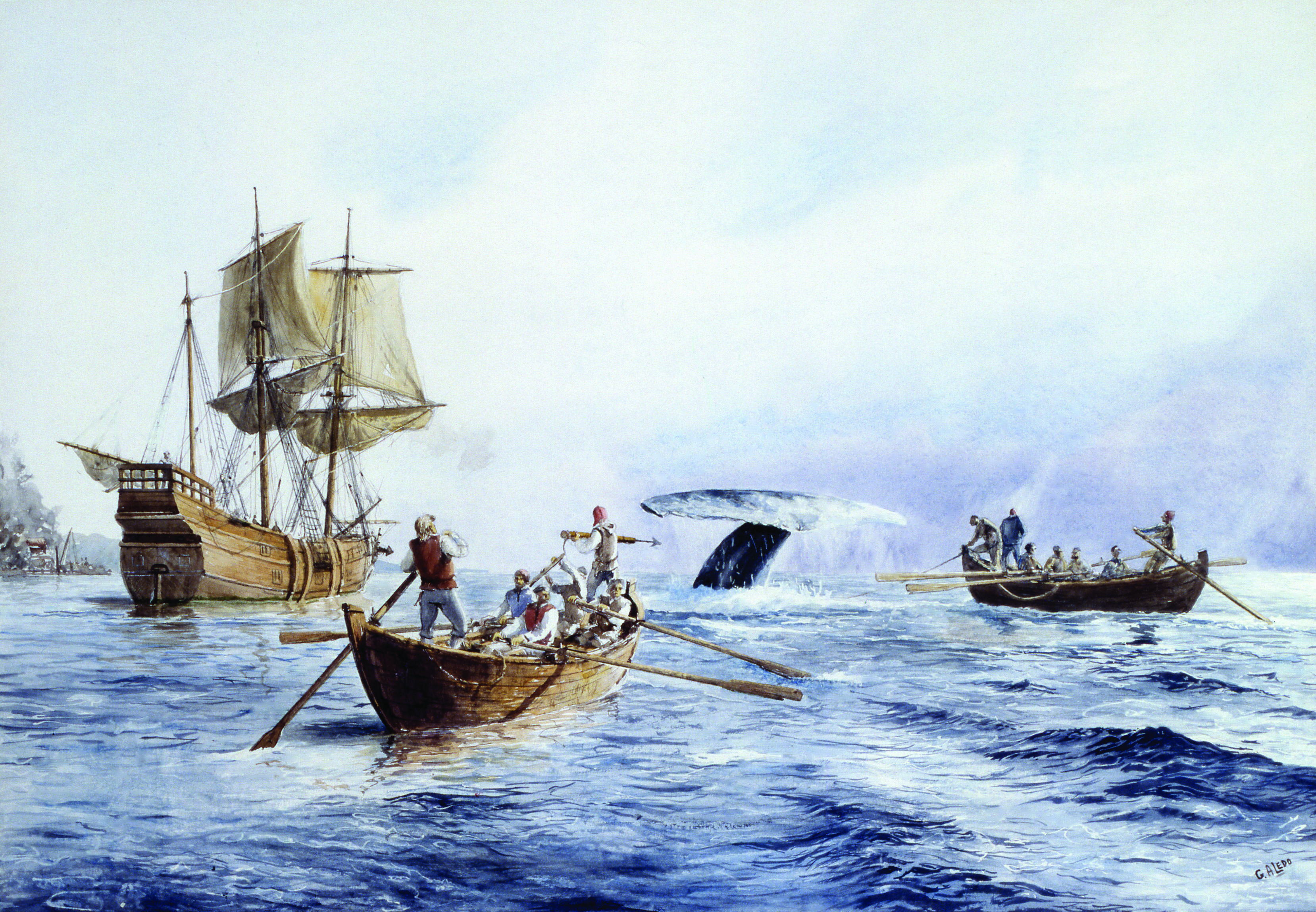
The world today is nothing more than a vast Alexandria, and those of us who live in it spend our time commenting on what has already been created – and nothing more.
Why write, then? If all the good stories have already been written… Because people forget them. And we, the new writers, remind them of those stories. And that’s all there is to it.
—Bernardo Atxaga, Obabakoak: Stories from a Village
29 October 2026
By Manu G. Aramendi*
Let me take you on a little stroll, perhaps not quite as entertaining as the one in Three Men in a Boat (to say nothing of the dog) by Jerome K. Jerome, but hopefully an interesting one. It is a tale told through the eyes of eight illustrious figures, some of whom will doubtless be familiar to many of you. My aim is to reach a conclusion that I am sure you will agree with.
Until slightly more than a century ago, wind and oars were the only means of propelling boats and ships. Rowing has traditionally been used to propel all kinds of boats, from small fishing boats to the vessels used for the final whale hunt, as well as transport and warships. The sport of rowing largely stems from the need to travel across water.
Many people have built a well-deserved reputation in competitive rowing. This includes top-level rowers, coaches, artisan boat builders, biomechanics researchers, physiologists, engineers, collectors, educators, and writers, among others. Many ordinary rowers, local coaches, and assistants have also earned recognition within their communities.
One of the first people who comes to mind is a fisherman from the Basque Country, Jose Maria Zubia, “Mari”, a well-known and respected fisherman from the Basque Country who was beloved along our entire coastline in his day. He was born in 1809 and died in 1866, and he is an indisputable figure in the collective imagination of all of us who have an almost blood-like bond with our sea. Mari was known for his humility and boundless generosity, and he became famous for the numerous rescues he performed. The Cantabrian Sea has been a source of sustenance for fishing families, including my own. It is a sea that often becomes violent and unyielding for weeks at a time, making traditional, rowing-based fishing extremely arduous and dangerous. During these rough-sea days, Mari would often keep watch with his spyglass in case he needed to aid anyone in danger.
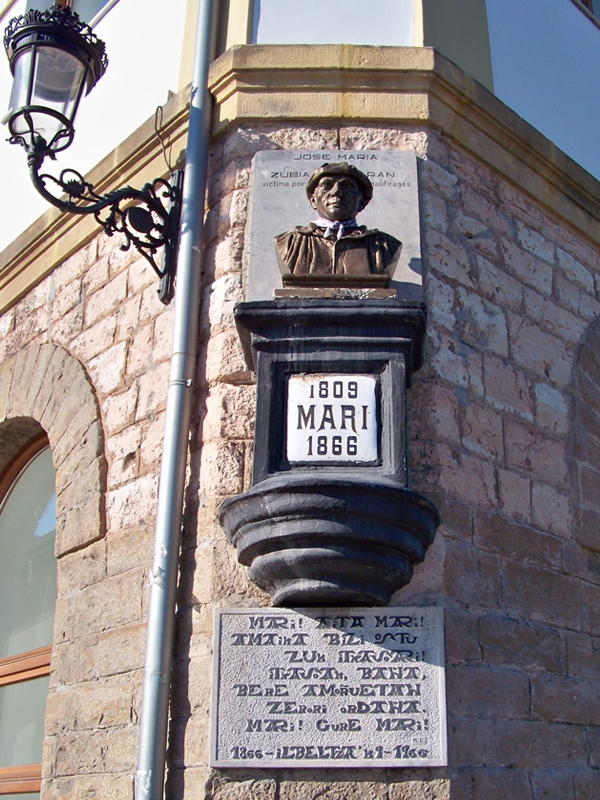
According to his biographers, he was frank, modest, and kind-hearted, that he never knew a dangerous maneuver, and that he never ceded the riskiest positions to anyone else, whether on land or at sea. When two crew members of his trainera (fishing boat) drowned, their widows and orphans were left destitute, but they were not abandoned. “As long as I live, poverty will not enter your homes,” he told them. Every night, upon returning from the fishing trip, and until the day he died, Mari set aside for those families the share that would have been theirs had the deceased fishermen continued to work.
In 1861, when a fishing boat capsized near the cliffs of Mount Urgull in San Sebastián, Mari and the other crew members of his rowboat set out immediately to help. They rescued two of the seven crew members. Mari’s reputation for selflessness was gradually earned through many other rescues, both before and after this one, which were less spectacular but equally commendable.
The last incident occurred on 9 January 1866, when two boats sank at the mouth of San Sebastián Bay. Once again, driven by their humanitarian courage, Mari and his crew rushed to rescue the shipwrecked. However, a huge wave capsized all the fishing boats. Thirty-eight fishermen drowned in full view of onlookers just a few metres from the shore, including Mari. He died in the way he would surely have chosen. Both San Sebastián and Zumaia (his hometown, where I live) have dedicated sculptures to him in tribute, as well as naming streets and squares after him. Mari and Aita Mari are also the names of the Zumaia rowing club and other local organisations.
These exceptional behaviours stem from an internalised concern for, and willingness to help, others. Mari’s legend lives on, even 160 years after his death. Whenever I go out rowing, I try to emulate the humility and respect that he deserves.
In addition to practicing self-restraint in the way we row, we master rowers must also be concerned with passing on these values, especially to young people. Having an inner conviction is not enough to set a good example. We also need arguments to convince others and reinforce these behaviors.
Educating young people about the values of sports is a responsibility that falls on all of us, from political leaders to rank-and-file athletes and coaches. In addition to developing physical fitness, technique, and motor skills, we must commit to fostering the qualities that allow anyone to become a good athlete. Sports clubs serve as schools in this regard, with gyms and fields as the classrooms.
As master rowers who contribute to many other endeavors, we must actively engage in shaping respectful and well-rounded individuals capable of building a better society. To that end, let’s briefly recall some of those who have excelled in this mission, which is surely already well known to HTBS readers. Their admirable legacy can truly help shape our thinking. It’s always good to review and keep certain things in mind.
In 387 BCE (more than 2,400 years ago), Plato founded The Academy, an educational institution. The Academy was a school dedicated to studying various subjects, including philosophy, geometry, mathematics, dialectics, astronomy, medicine, and natural sciences. The goal was to achieve a harmonious balance between body and soul.
Plato’s Academy, considered the first institution of higher education in Europe and the precursor to today’s universities, did not start out as a traditional classroom setting with books. Rather, it began in a public gymnasium located in gardens on the outskirts of Athens. Plato and other philosophers advocated physical training and sports as essential to education and moral development.
A key concept in Plato’s philosophy was balance (areté), or the right measure. He argued that when sports were practiced excessively without spiritual training, they turned men into coarse and brutal beings. In addition to being harmful to the body, they failed to fulfill their primary function of education and thus provided no real benefit to the community. For Plato, true excellence depended not on muscles or lineage but on knowledge and the health of the soul. A fit body was merely a means to achieve excellence.
Throughout the 18th, 19th, and 20th centuries, religious communities in the Western world were responsible for training and educating young people. Like Plato, many of these educators believed that structured physical exercises and sports activities were more than just methods for building muscle and developing motor skills. The rules and discipline applied in training and competitions served as a healthy, civilized outlet for adolescent boys’ natural energy and guided their emotional, spiritual, and social development.
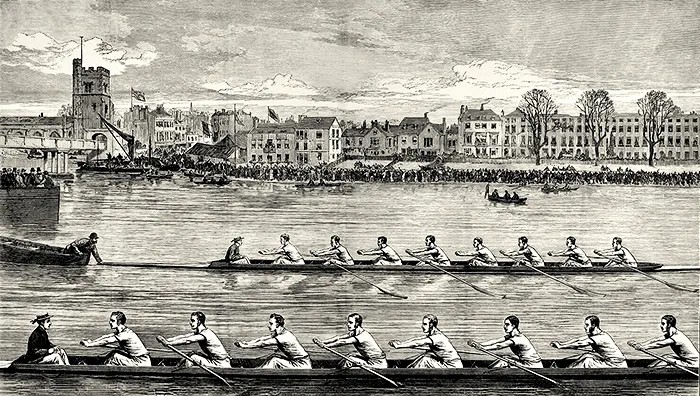
In the foreword to Daniel Topolski’s True Blue: The Oxford Boat Race Mutiny, Patrick Robinson describes England as it was when rowers from Oxford and Cambridge first raced against each other in 1829. “This was an England devoid of compassion; an England in which eight-year-old children worked in factories, in which a poor man could still be hanged for stealing a sheep; an England which still sondoned the slave trade”. “Much was expected of England’s sportsmen and standardswere pretty brutal”. The most popular sport was bare-knuckle boxing, which featured endless bouts that often ended with the death of one of the fighters.
The rapid industrialization of certain regions of England required a new labor force and led to the migration of many families to these areas. The extreme working conditions faced by the massive urban working class left little time for family life. Men’s free time was often spent drinking alcohol, smoking tobacco, gambling, and visiting prostitutes. The absence of parental guidance, coupled with the loss of their usual recreational spaces, made young people susceptible to idleness, violence, and harmful habits. Brutality, abuse, and corporal and sexual punishment were also commonplace in schools.
To reverse this situation, the Anglican Church placed great importance on physical education and sports. They made proper organization, strict rules for training and competitions, and fair play the most effective means of achieving their goals, which were to regulate and supervise students’ free time, satisfy the desire to compete, strengthen the body, foster teamwork, instill camaraderie and respect, promote good social manners, and develop a closer relationship with God. To this end, they adopted the principles of Ancient Greek gymnasiums.
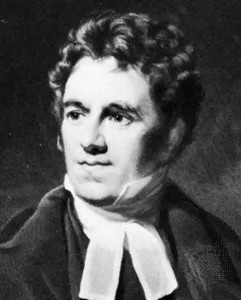
Thomas Arnold (1795–1842) was a priest, historian, humanist, and educator who was the leading proponent of the reform movement in the public schools. Along with other new leaders, he successfully transformed these institutions, shaping the character of students based on religious and moral principles and intellectual development.
Arnold worked to introduce football to lower-class families and laid the groundwork for the Muscular Christianity movement, which Charles Kingsley and Thomas Hughes later developed. The movement held that the body was a divine gift that should be strengthened to serve God, the country, and the underprivileged, not a source of sin that should be repressed. Oxford and Cambridge universities adopted this model, which crossed the Atlantic to the United States and was immediately embraced by Christian organizations.
Pierre de Coubertin, the founder of the Modern Olympic Games – whom we will discuss later – visited Thomas Arnold’s grave in Rugby and acknowledged that Arnold’s educational reform, which embodied the ideas of duty, discipline, and the moral and physical beauty of sports, inspired him to revive the Olympic Games.
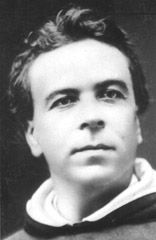
Henri Didon (1840–1900) was a French priest who was recognized as a writer, educator, and passionate advocate for sports as an educational tool. He also actively supported the international sports movement and the Modern Olympic Games.
Believing that a well-rounded education is important, he introduced mandatory sports at his Catholic school. The focus was primarily on track and field, football, rowing, and horseback riding.
In 1891, he organized a series of athletic competitions at his school. In his closing speech at the end of the event, he said three words that are now widely known throughout the world: citius (faster), altius (higher), fortius (stronger).
However, these three words did not only refer to physical qualities or athletic performance. “Citius” referred to the spirit and academic pursuits. “Altius” referred to elevating the soul on the path toward God. “Fortius” referred to mastering the body and finding strength in the face of temptations and moral difficulties. Understood in this way, they called for personal growth.
Pierre de Coubertin sought allies to revive the Olympic Games and reform education in France based on the British model. He discovered Didon’s work and, years later, adopted the motto “Citius, Altius, Fortius” as the official motto of the Modern Olympic Games. This motto encapsulates both Greek areté and Muscular Christianity. In 2021, the International Olympic Committee (IOC) modified the motto for the first time by adding the word “Communiter” (together), so that it now reads: “Citius, Altius, Fortius, Communiter.”
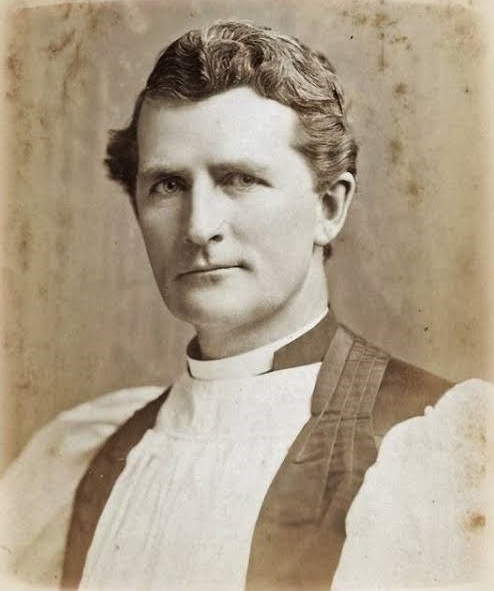
Ethelbert Talbot (1848–1928) was a tireless worker who was constantly involved in the Church’s missionary activities, as well as social and political issues. He was a priest and bishop in various dioceses, and later Presiding Bishop of the Episcopal Church. In the summer of 1908, he traveled to London to attend the Lambeth Conference of Anglican bishops. The conference coincided with the Fourth Modern Olympic Games, which were marked by intense rivalry between the teams and fans of Great Britain and the United States, both on and off the field.
The bishops were invited to preach at various churches. Talbot was assigned to preach at St. Paul’s Cathedral, where athletes and Olympic officials were specially invited to attend the service. Talbot, who did not consider winning to be the most important thing, devoted part of his sermon to the events unfolding at that time. The original manuscript that the bishop read on July 19 has not survived. However, the most important excerpts and contemporary accounts have been preserved. Among other things, he said:
“We have just been contemplating the great Olympic Games. What does it mean? It means that young men of robust physical life have come from all parts of the world. It does mean, I think, as someone has said, that this era of internationalism as seen in the Stadium has an element of danger. Of course, it is very true, as he says, that each athlete strives not only for the sake of sport, but for the sake of his country. Thus, a new rivalry is invented.
“If England be beaten on the river, or America out-distanced on the racing path, or that American has lost the strength which she once possessed. Well, what of it? The only safety after all lies in the lesson of the real Olympia – that the Games themselves are better than the race and the price. St. Paul tells us how insignificant is the prize. Our prize is not corruptible, but incorruptible, and though only one may wear the laurel wreath, all may share the equal joy of the contest. All encouragement, therefore, be given to the exhilarating – I might also say soul-saving – interest that comes in active and fair and clean athletic sports.”
This message made a deep impression on Pierre de Coubertin. Five days later, in a solemn speech, he stated that Monsignor Talbot’s words formed the basis of a clear and solid philosophy. Coubertin coined his most famous quote: “L’important aux Jeux Olympiques, ce n’est pas tant d’y gagner que d’y avoir pris part; car l’essentiel dans la vie, ce n’est pas tant de conquérir que d’avoir bien lutté” (“The important thing in the Olympic Games is not winning but taking part. The essential thing is not conquering but fighting well.”). During the opening ceremony of the 1932 Olympic Games in Los Angeles, Pierre de Coubertin’s message slowly unfolded letter by letter in rhythmic cadence on the great scoreboard of the Los Angeles Memorial Coliseum.
Ethelbert Talbot died in 1928 without ever seeing the impact of his words spoken in London in 1908. Those words formed the foundation of the Olympic Message: The Olympic Games (and, by extension, any sporting competition) are not an end in themselves, but a step in the educational process toward moral perfection.
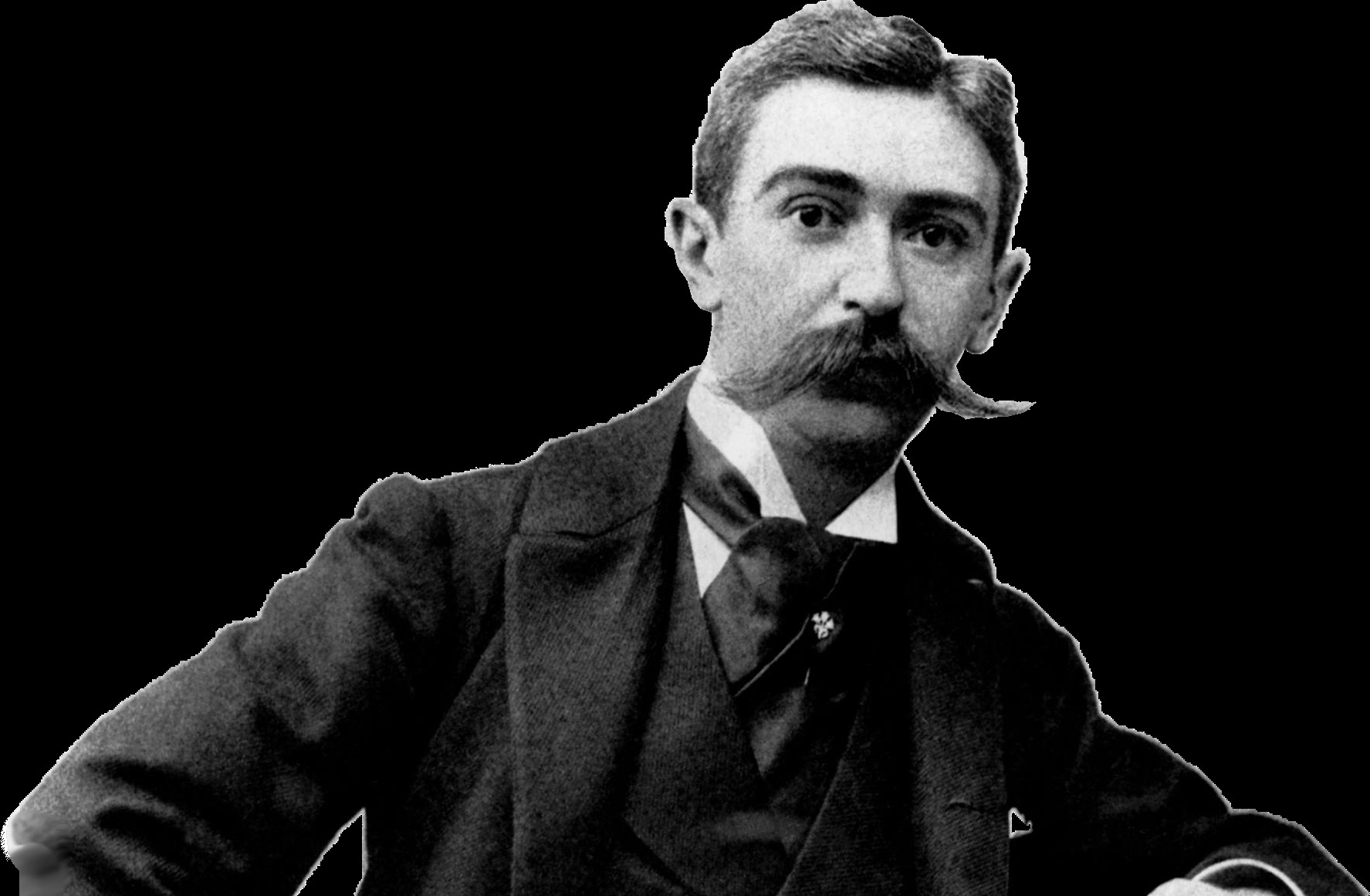
The previously mentioned Pierre Fredy de Coubertin (1863–1937), was born into a family of French nobility and devoted himself to education. During his first visit to England, he became acquainted with Thomas Arnold’s doctrine of Muscular Christianity and became one of its most prominent proponents. Upon returning to France, he began promoting these methods by establishing sports clubs in high schools and helping found the first sports magazine, Revue Athlétique, in 1890. Coubertin used this platform to share his views on the educational value of sports.
Inspired by the ancient Greek games, and eager to use sports to educate young people, he began to shape his dream of bringing together athletes from around the world for a new and extraordinary sporting event, the sole purpose of which was to unite peoples and achieve glory through participation alone. Many dismissed his idea as far-fetched and did not take it seriously initially. However, it finally became a reality at the International Congress of Physical Education, held at Sorbonne University in Paris on 26 June 1894. It was on that day that the decision was made to organise the modern Olympic Games, which opened in Athens on 24 March 1896, and the International Olympic Committee was founded.
Coubertin admired athletes’ physical abilities (he practiced several sports himself, including rowing), but he deeply reflected on the balance among the three components – body, spirit, and character. According to Plato, he concluded that mental qualities should not be subordinate to physical ones. Coubertin revived the ideals that underpinned the ancient Greek Olympic Games, developed his holistic view of the athlete, and sought to inspire a religious sentiment associated with sports, which he called “Olympism”. This concept embodied all the positive qualities of a good athlete.
In his article “Le sport et la morale”, published in the Revue Olympique (Olympic Review) in February 1910 and included in Textes Choisis, Volume I (Revelation), he states: “Athletic excellence does not in and of itself ensure intellectual or moral excellence. Athletic qualities become moral qualities when cultivated according to established rules and placed at the service of the common good.” He emphasizes that sports only become a direct reinforcement of moral development through this commitment, when athletic performance rises above its own limits through solidarity. Coubertin believed that, when conceived in this way, sports were an essential means of educating the “new man” of the 20th century.
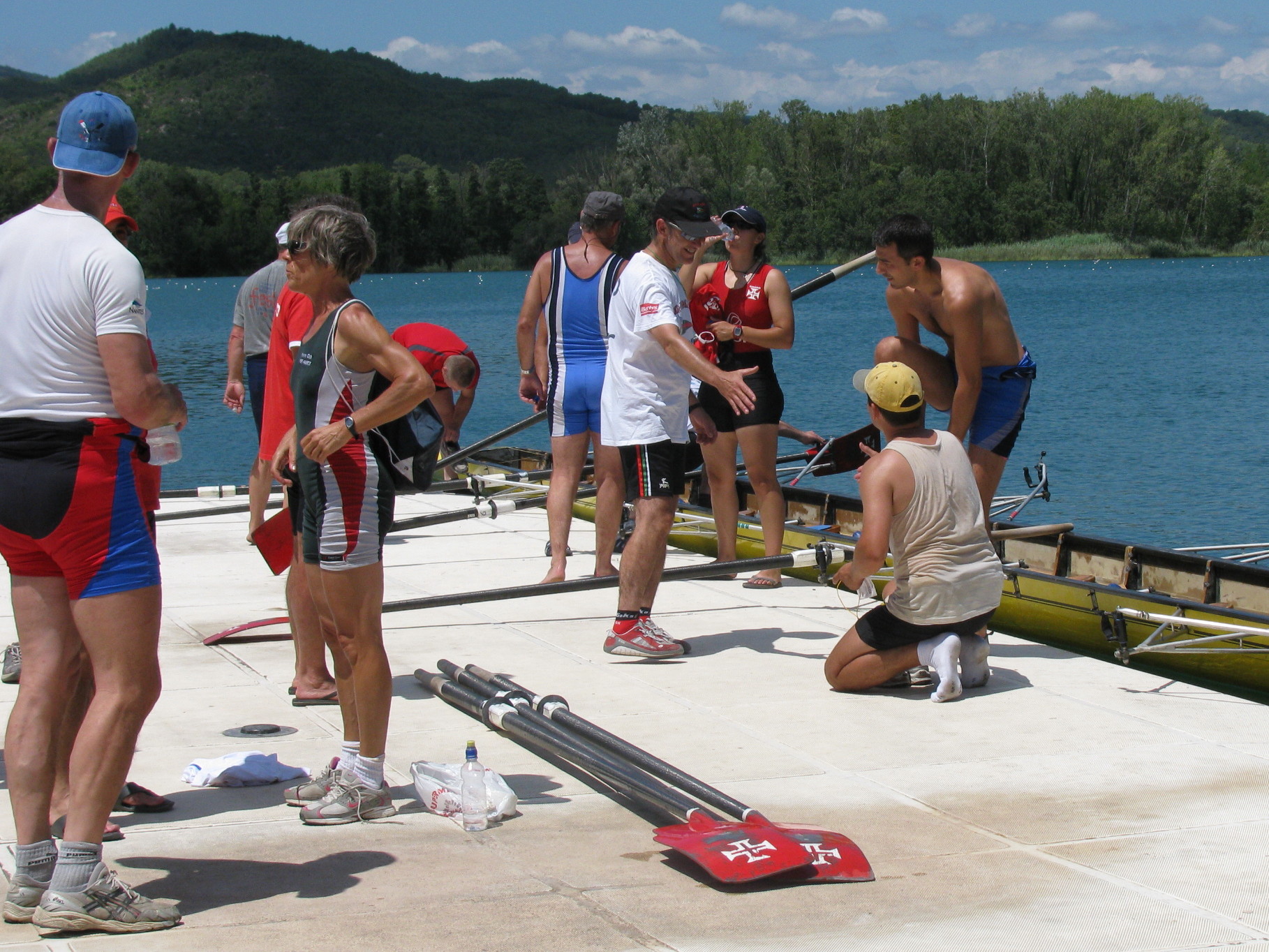
Of course, there are other, more recent examples. The flame of ethics in sports and the promotion of its values has not been extinguished. In a world where some sports offer honors, money, prestige, and fame to elite athletes and governments have set in motion performance-driven systems to boost national pride, institutions and educators keep the legacy of Olympism and sportsmanship alive. They offer examples that are more valuable than those dominating the media and social media. I will now quote two European authors.
Sigmund Loland, a professor of sports philosophy and ethics in the Department of Sport and Social Sciences at the Norwegian School of Sport Sciences (NIH), has written extensively on the subject of record-breaking. In his article “The Record Dilemma” (1998), he writes, “The continuous pursuit of new records represents the impossible quest for unlimited growth in biologically limited systems.”
Even though records are fleeting, many athletes, young and old, are drawn to them for the challenge and the potential rewards. Some athletes, with a level of determination rivaling Edmund Hillary, Roald Amundsen, or Ernest Shackleton, are captivated by extreme challenges. For example, according to the Ocean Rowing Society International (ORSI), 2,075 rowers and explorers (1,950 men and 469 women) have successfully crossed an ocean, some of them multiple times or via different routes.
Without detracting from anyone’s individual achievements, which are shaped by personal circumstances and tied to specific numbers (time spent in a race, ranking position, etc.), there are intangible aspects that are more satisfying and healthier for most athletes. This is also true for many rowers who prioritize beauty and enjoyment over statistics – those of us who row for fun rather than just to win.
In Limits to Growth in Elite Sport—Some Ethical Considerations, Gunnar Breivik, professor emeritus of the sociology of sports at the Norwegian School of Sport Sciences, reflects on the pursuit of athletic excellence. He argues that elite sport should be characterized by style and ethics, even at its most extreme levels. This idea aligns with Coubertin’s view of athletic perfection, which he believed should be achieved in accordance with established rules and for the greater good. It also aligns with Plato’s concept of areté, or balance.
In some cases, the temptation to improve performance artificially can be strong, and arguments in favor of it may be based on the excuse that “others do it too.” This is also true in rowing. As former bishop of San Sebastián, Jose María Setién, said: “Conforming to what ‘is done’ can spontaneously become the guiding principle of our behavior. However, we cannot abandon our highest ideals or allow people to live in a constant state of contradiction. We are obligated to seek valid solutions to these challenges.”
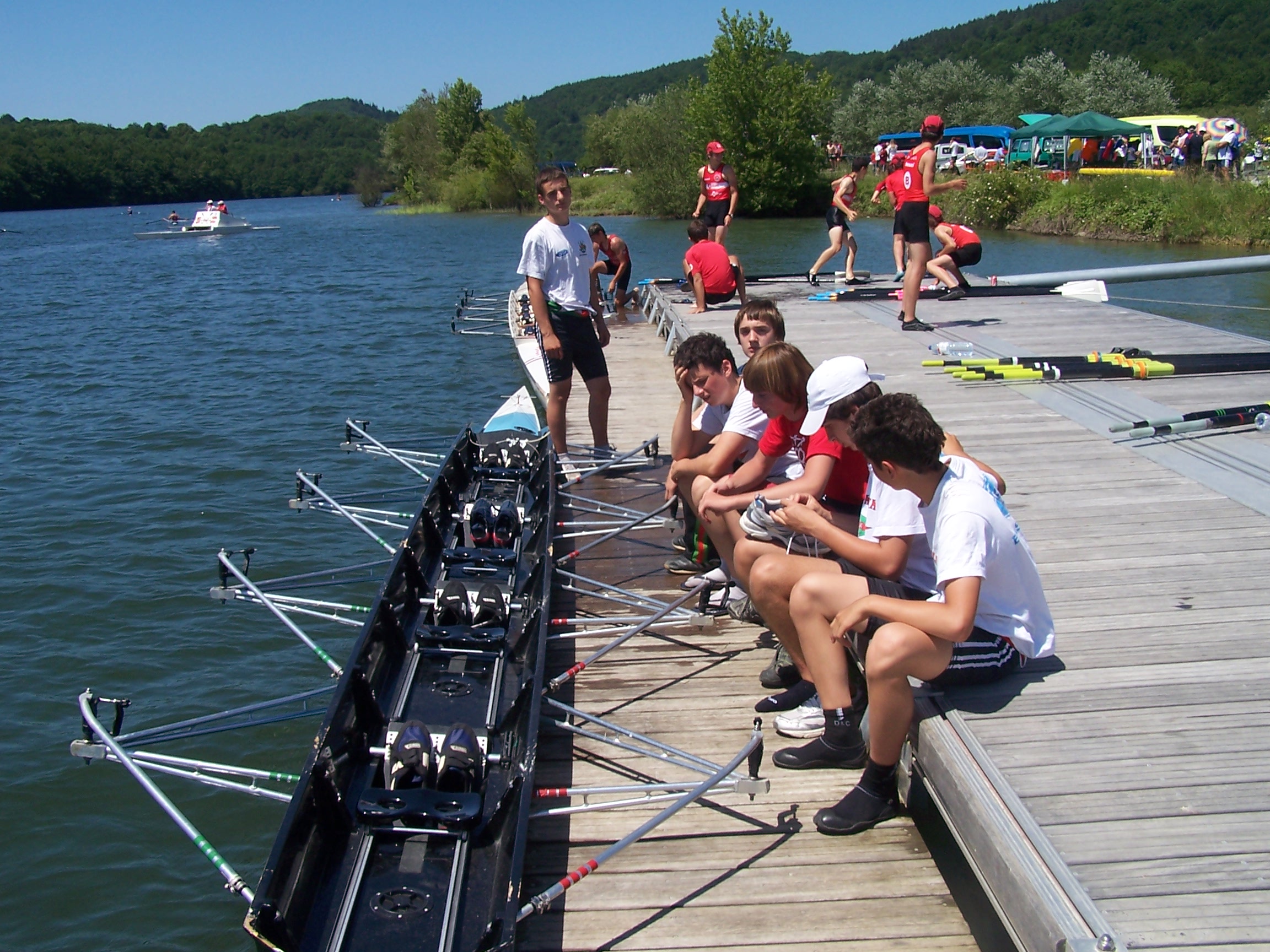
But few young people are familiar with these principles, at least in my circle. Few have been taught these tenets, which are the most valuable in sports, and few have been educated about the values of sports. This ancient yet precious legacy has not been properly passed down.
Once again, I would like to emphasize that rowing clubs should devote time and effort to educational work. They should draw on people who can convey and discuss these messages. I am confident that there are many capable individuals almost anywhere. I reiterate that we, the masters rowers, can help with this important task.
Gently rowing is delightful. Competing with other rowers from around the world fosters the formation of new, friendly relationships and brings people and nations closer together. Furthermore, the positive values developed through rowing can easily be transferred to our studies, work, social relationships, and the rest of our lives.
Rowing, our mutual friend, can make us better people.
*José Manuel González Aramendi is a Doctor of Medicine, Specialist in Sports Medicine and Associate Professor of Physiology at the Faculty of Medicine of the University of the Basque Country, Spain. The topic of this article is covered in greater detail in Chapter 6 in his book Masters Rowing for the Modern Rower, published by Meyer & Meyer Sport (2026).


Excellent article, thank you