This website covers all aspects of the rich history of rowing, as a sport, culture phenomena, a life style, and a necessary element to keep your wit and stay sane.
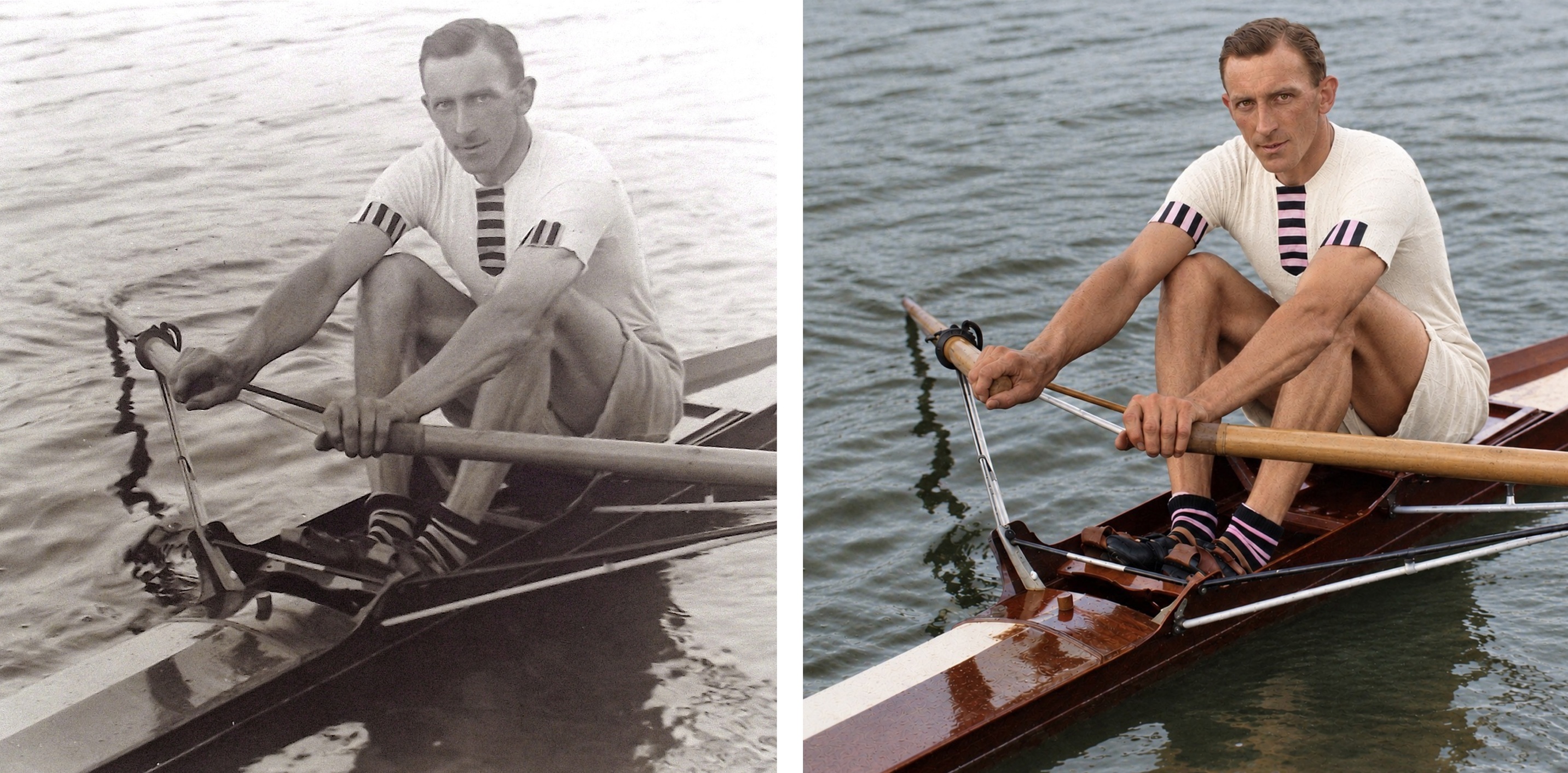
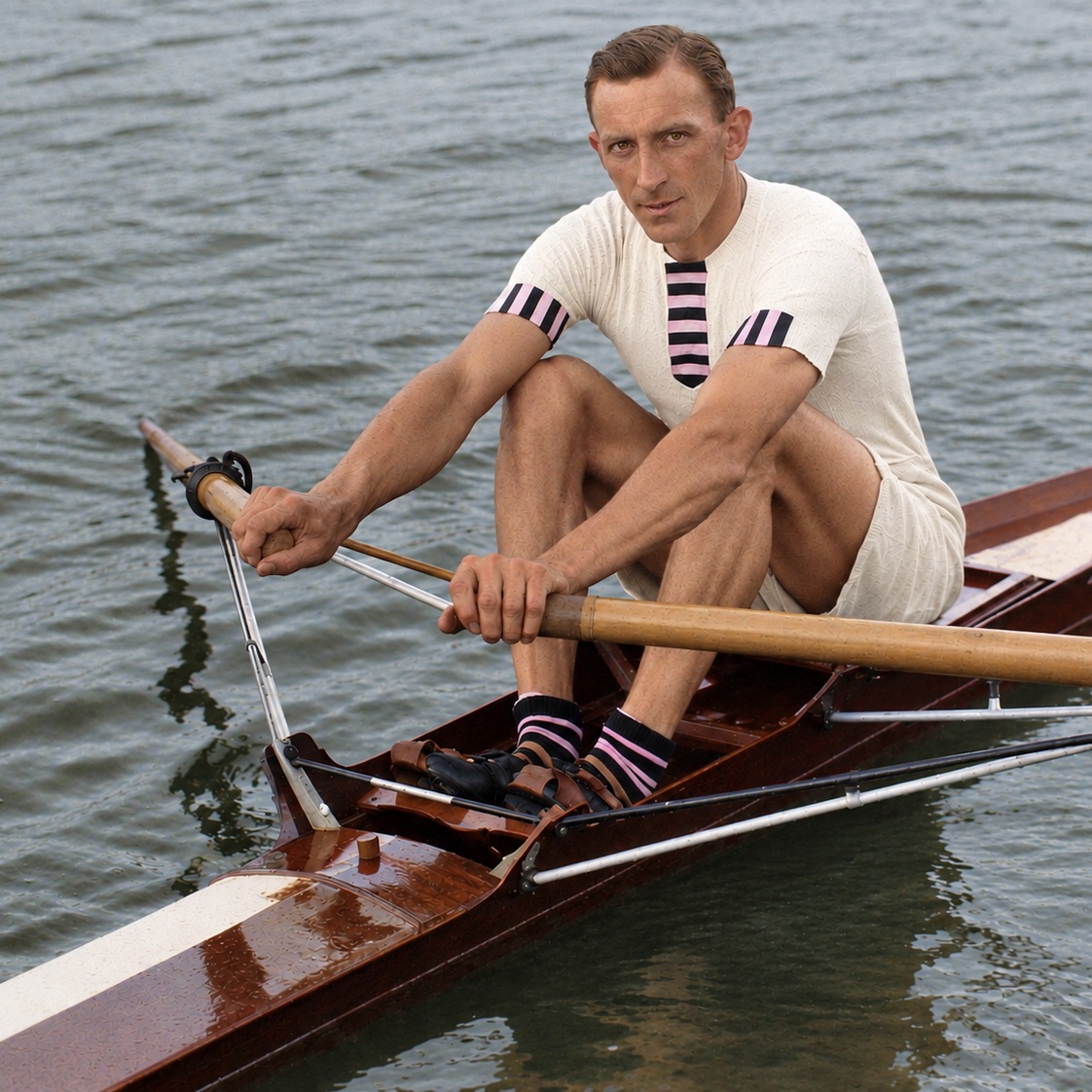
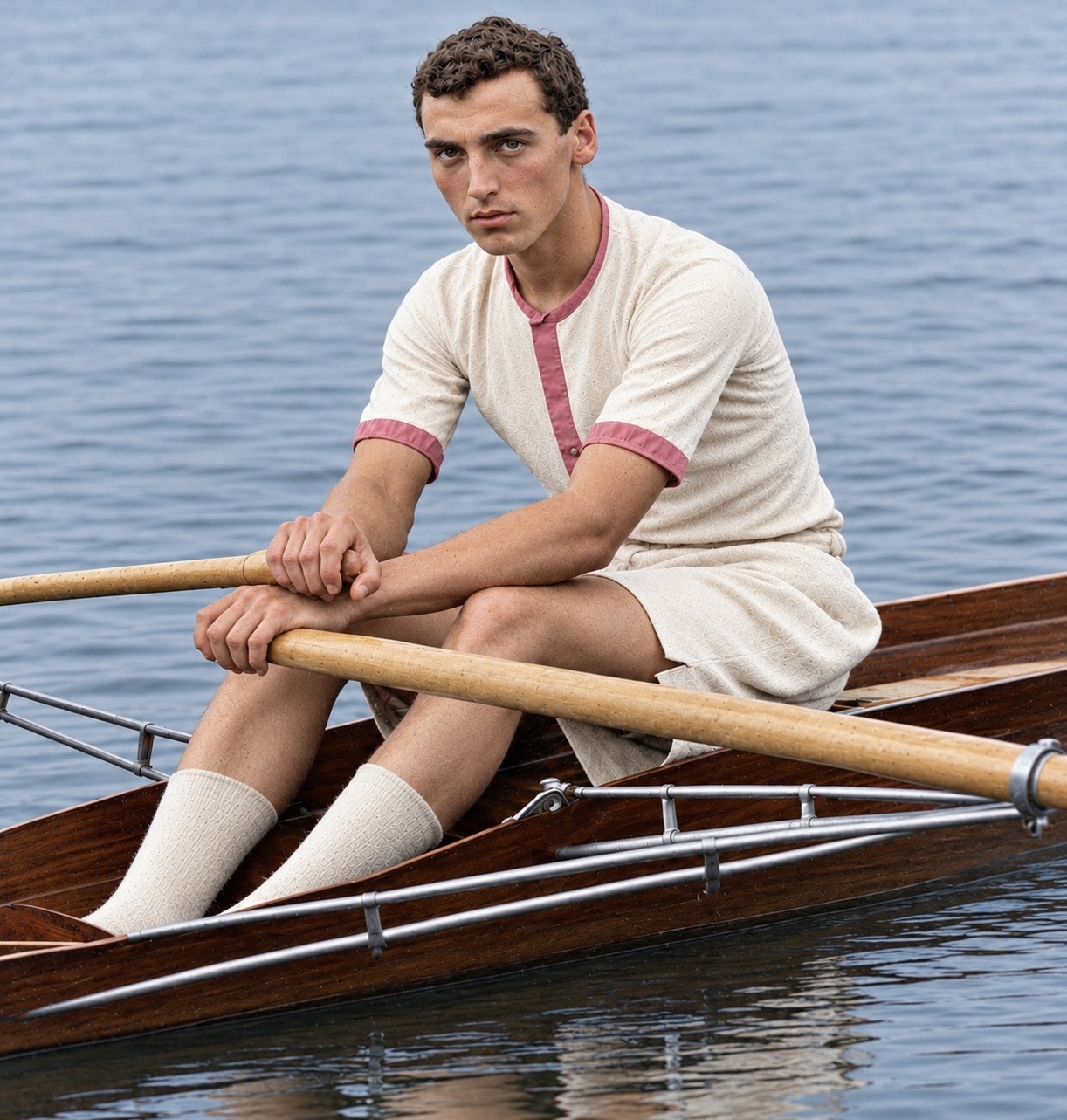
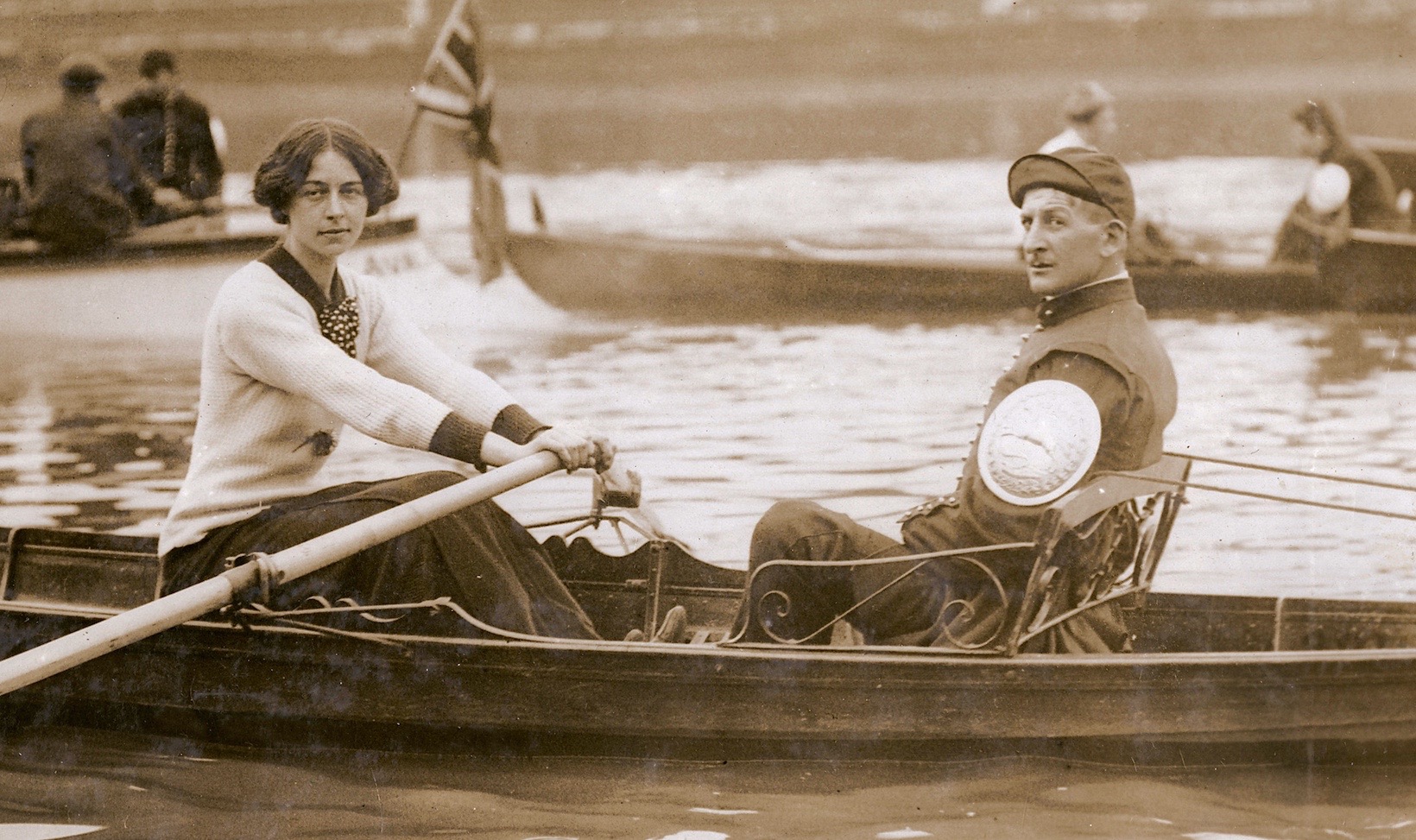
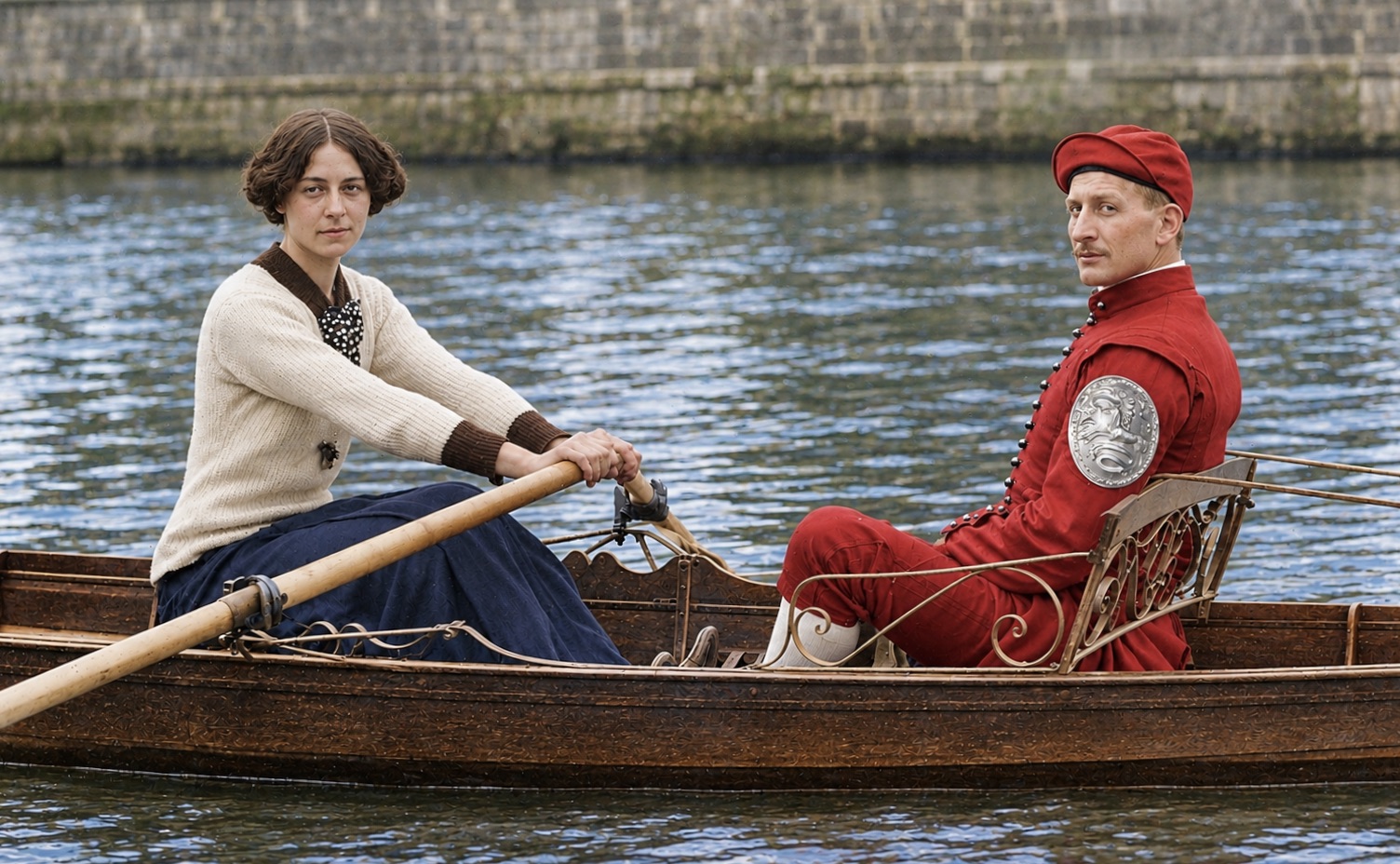
WD “Wally” Kinnear of Kensington RC, an Olympic, Henley and Wingfields winner. On the left is a photograph taken in 1912 while the image on the right shows the picture after it had been enhanced and colorised by ChatGBT Artificial Intelligence. My only input was to tell the generative AI that the club colours were black and pink.
16 November 2026
By Tim Koch
Tim Koch is on the lookout for intelligent life.
Artificial Intelligence is much in the news. The suggestion is that it will cure disease but then kill us all in some non-specified way. You win some, you lose some. Like all new technologies, it can be used for good or evil, but I have decided to use it for good – or have I?
Recently, I have been using AI to colourise, enhance and enlarge old black and white rowing pictures and some of the results have been very impressive. I have done this at the most basic level using the “free” services provided by ChatGBT, Gemini and Claude. Of course, nothing on the Internet is really free.
I am simply dragging monochrome pictures into a generative AI chatbot and telling it to colourise. Sometimes I include a guide to colours either by typing instructions or by including colour pictures as an indication of what Cambridge blue or Leander cerise looks like.
If the result is not quite right, you can specify what changes are needed for another try. After a time, you get to learn a little more how the machine does or does not think but sometimes it appears to be deliberately cussed. AI can be fantastically clever but can also, judged by human expectations and assumptions, be remarkably stupid or, more fairly perhaps, literal.
At this basic level, getting faces “right” seems random, sometimes the picture of a person that is generated is not accurate compared to the original photograph, sometimes it is. This is a particular problem with “soft” low contrast pictures, the sharper the image the more accurate are the results.
The argument over manipulating original images often ignores the fact that the camera does lie and the decision on how, where and when a photo is taken reflects the photographer’s agenda, hidden or otherwise. Admittedly, AI can potentially tell bigger lies than can photographs.
The ChatGBT colourised image of Kinnear is particularly successful as the face is right and the long limbs, power, strength and determination of the man comes across much better than in the original monochrome. It has transformed a dead and distant historical image into a living and breathing empathetic presence.
Another reason that faces are sometimes different from the original is that ChatGBT in particular seems to like to flatter people, making them what many would think of as more attractive. Further, it tends to make places and things look clean and new and produces very sharp images that are more recognisable as AI.
Gemini on the other hand, does not go in for such flattery and so often generates pictures that are soft but more like the original.
Claude may have many strengths but enhancing and colourising pictures does not seem to be one of them. The results that I have obtained from its free service have been very poor.
These observations are generalisations, at the basic level with little human control, the results of AI are arbitrary.
Some successful results
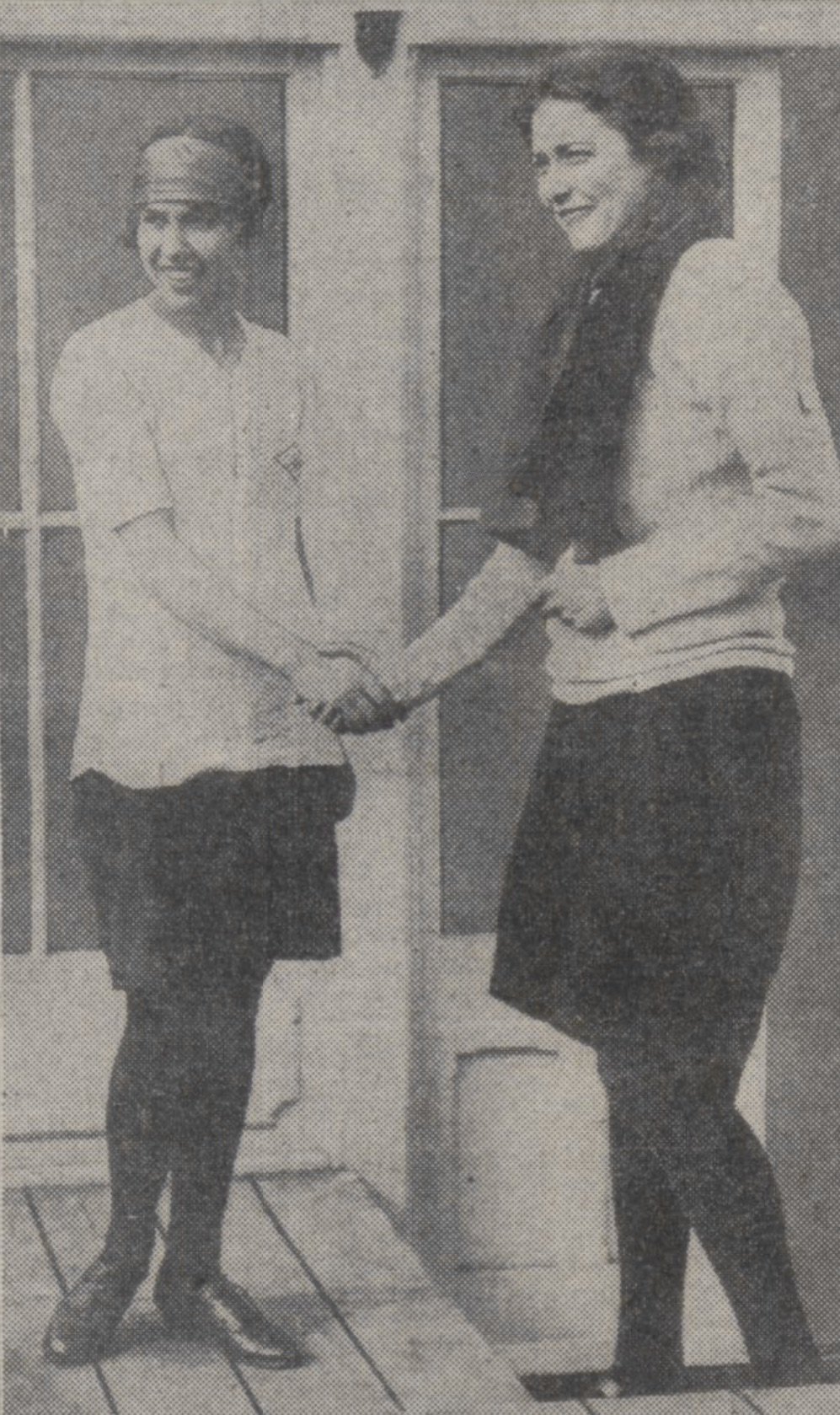
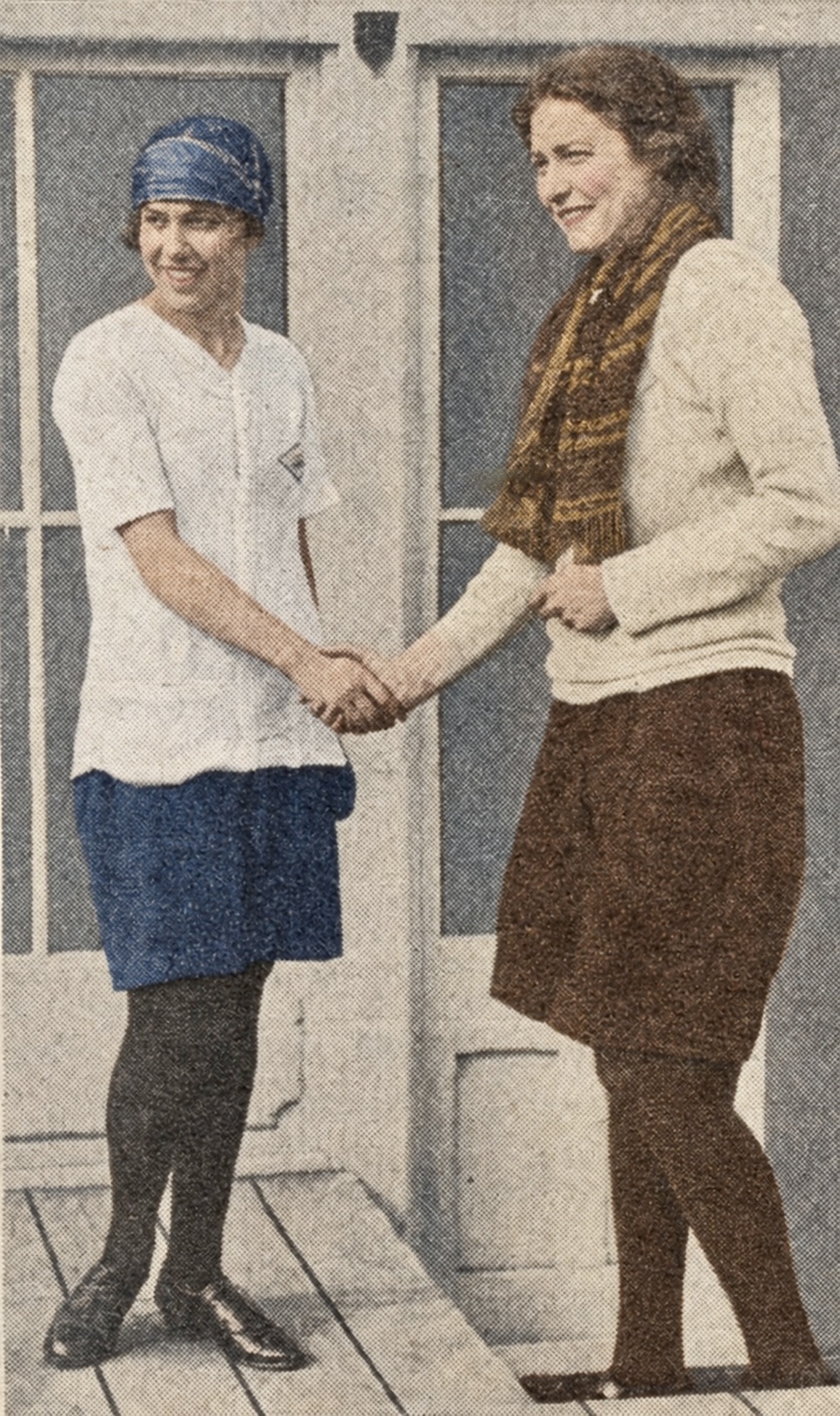
When dealing with historical newspaper and magazine pictures, AI can greatly improve halftone images. Halftones worked on an optical illusion where large dots pack closely together to create dark shadows, while tiny or sparse dots create highlights and midtones, giving the illusion of a full-shades photograph from a distance.
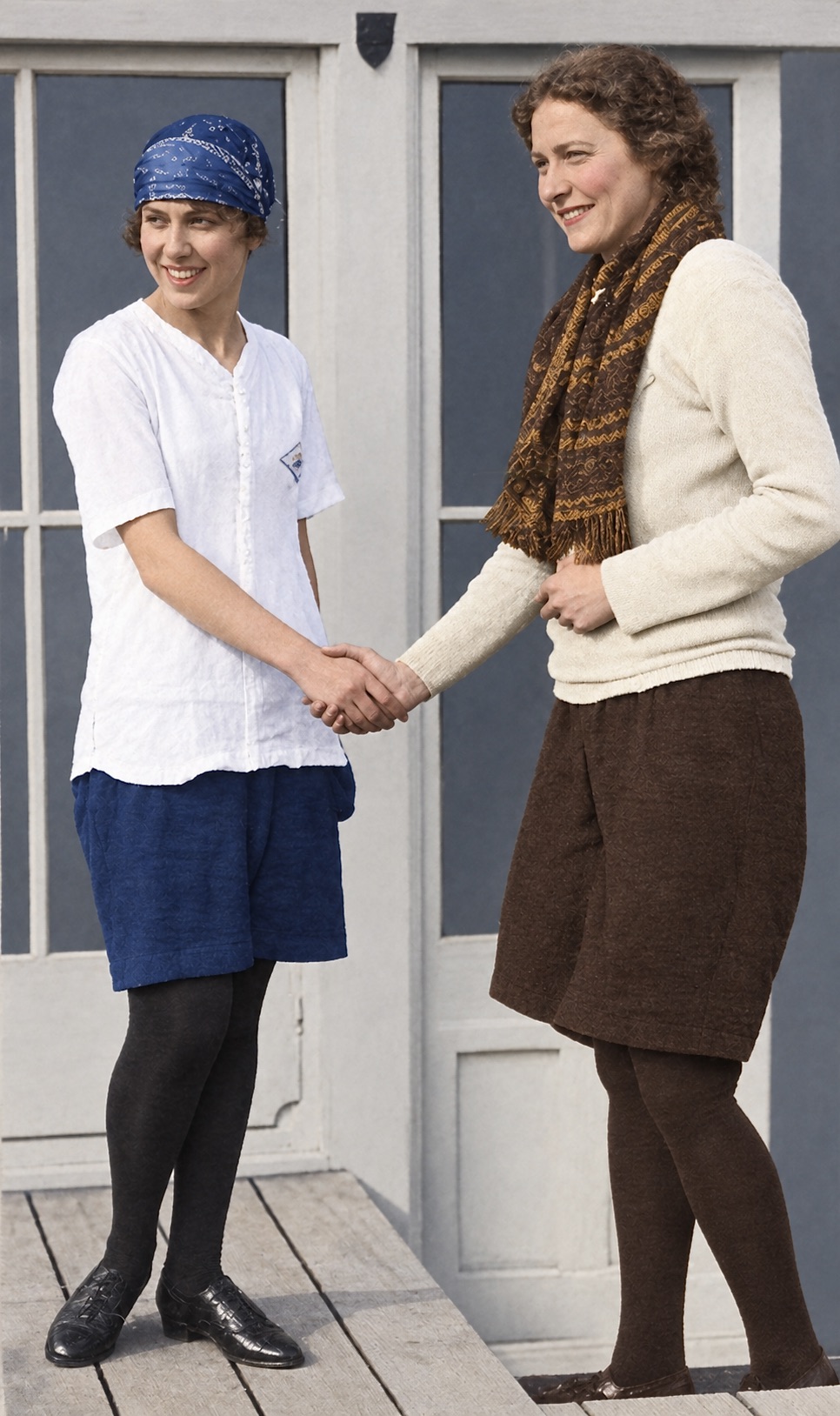
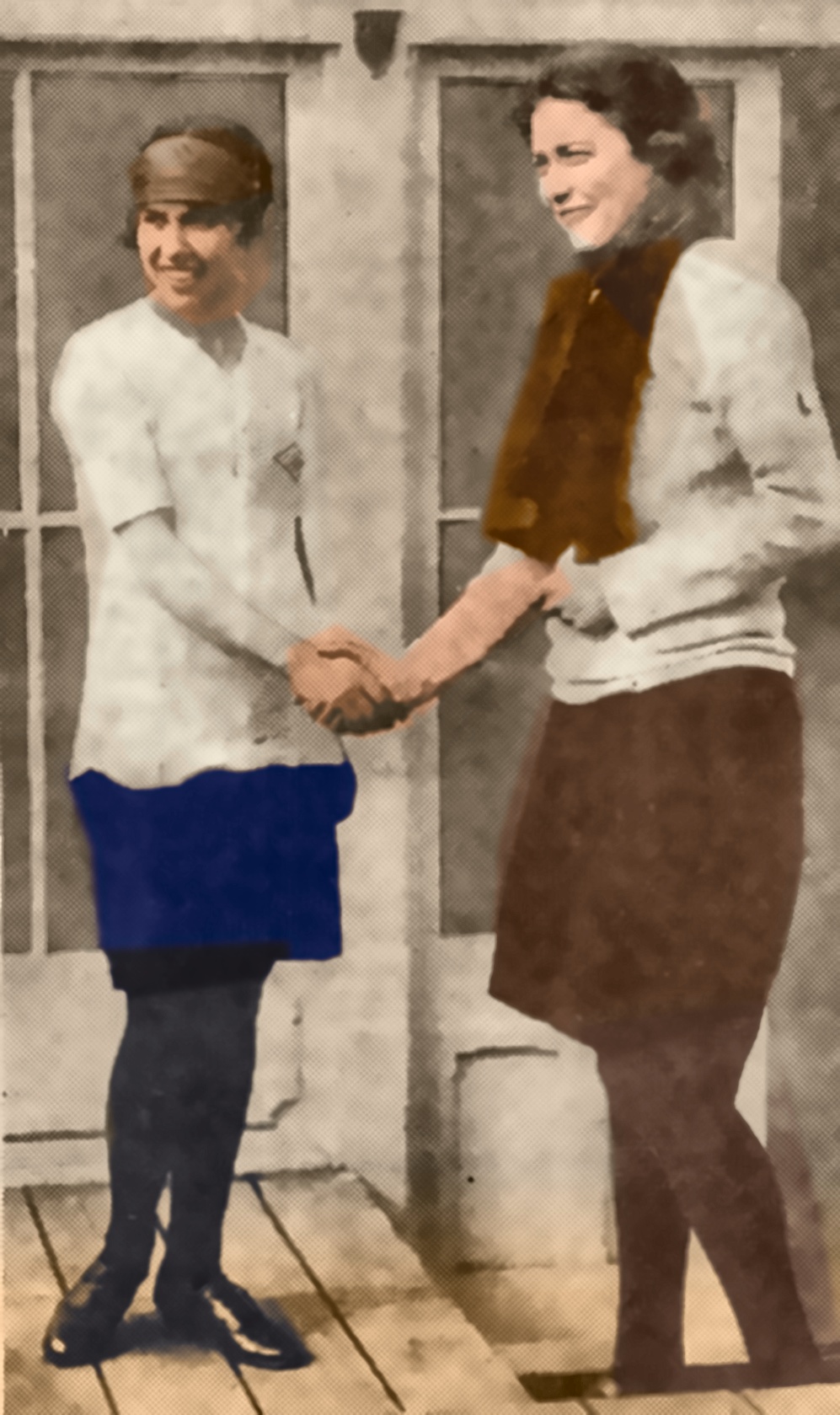
A newspaper halftone picture of a handshake between the two captains in the first Oxford Cambridge Women’s Boat Race in 1927. CS Joris of Oxford University Women’s Boat Club is on the left, CD England of Newnham College Boat Club, representing Cambridge, is on the right.
This is the result of ChatGBT colourising the picture but keeping the distinctive halftone effect. I gave guidance as to accurate colours.
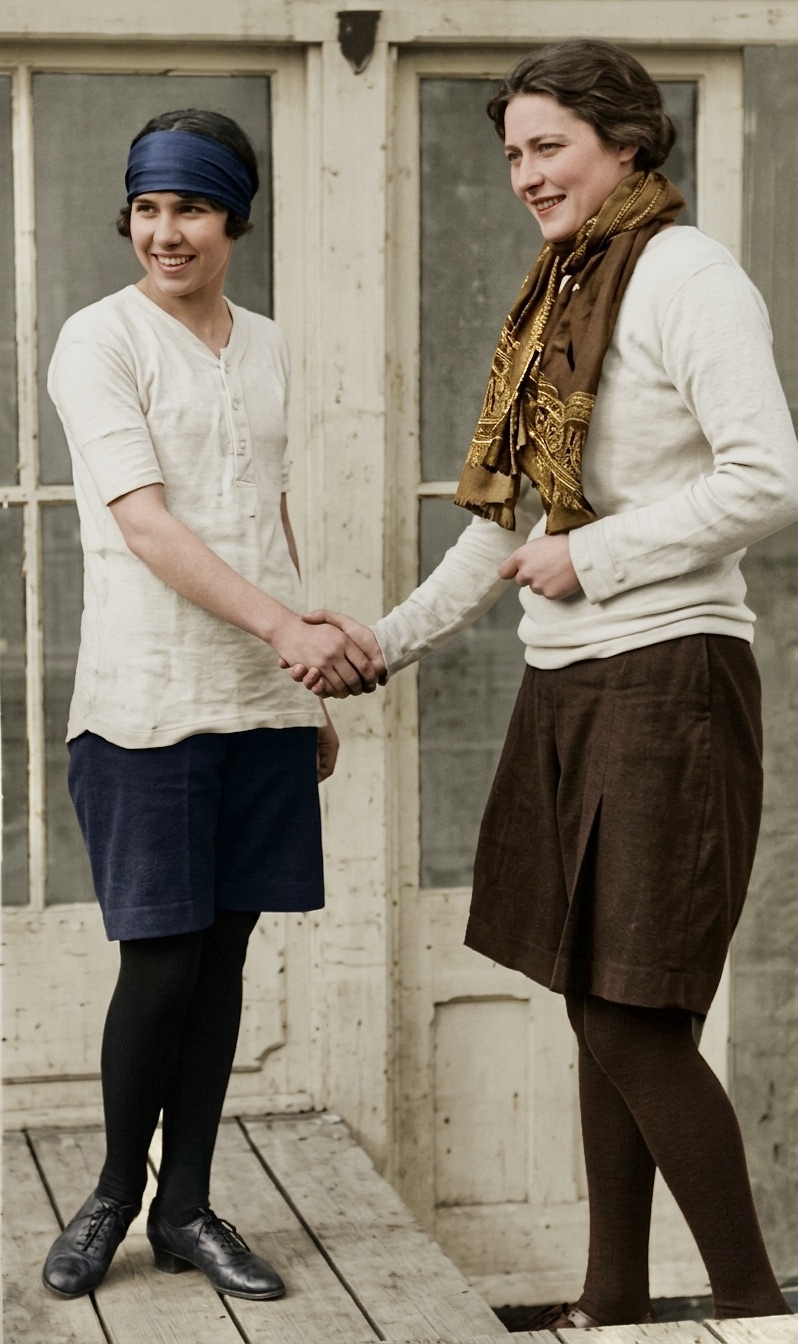
Here, ChatGBT has colourised and removed the halftone effect.
This is Gemini’s attempt at colourising and removing halftones. ChatGBT made everything look clean and new, here Gemini has produced a more realistic effect with the background a little scruffy and the kit slightly grubby.
Claude did not do such a good job.
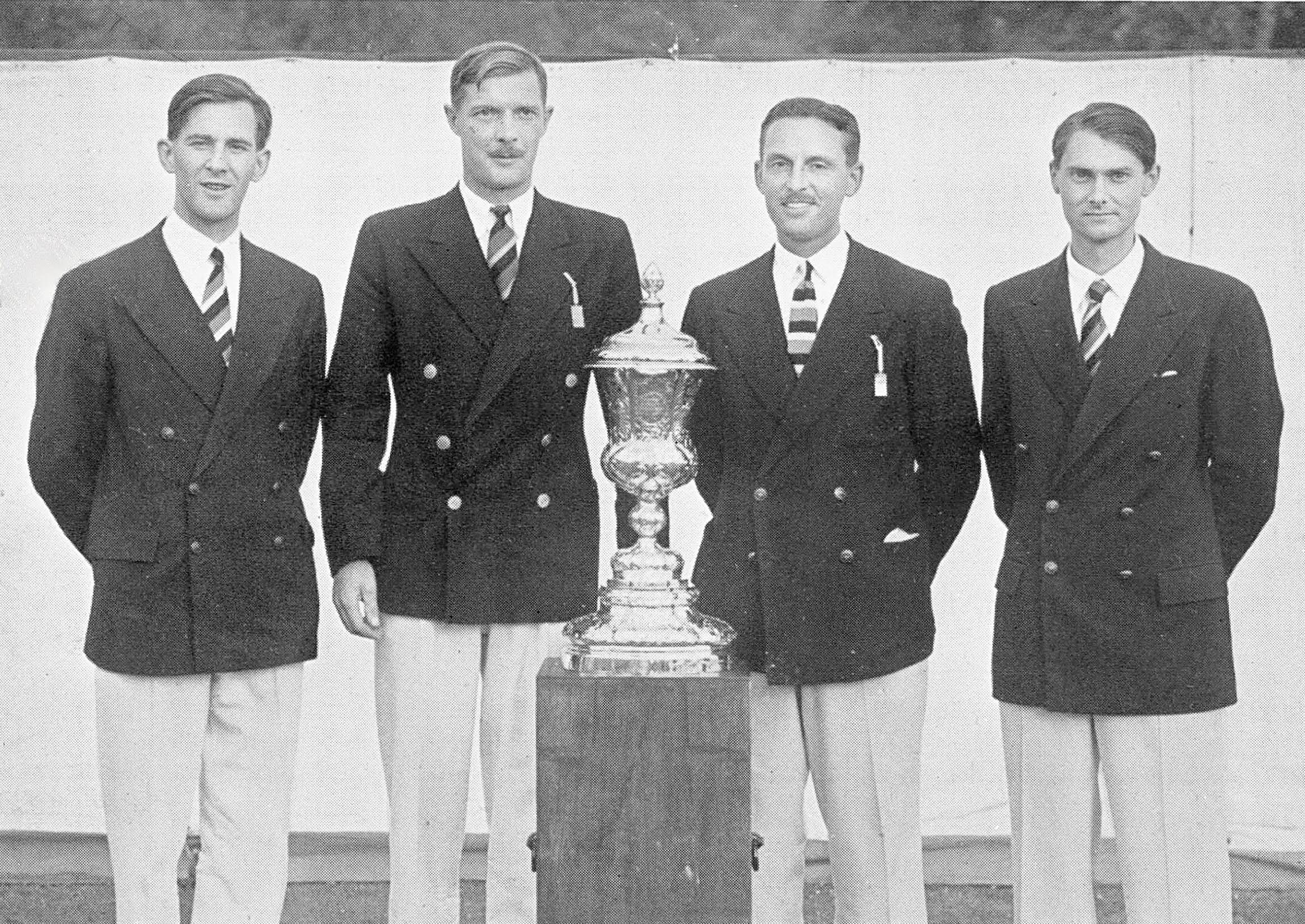
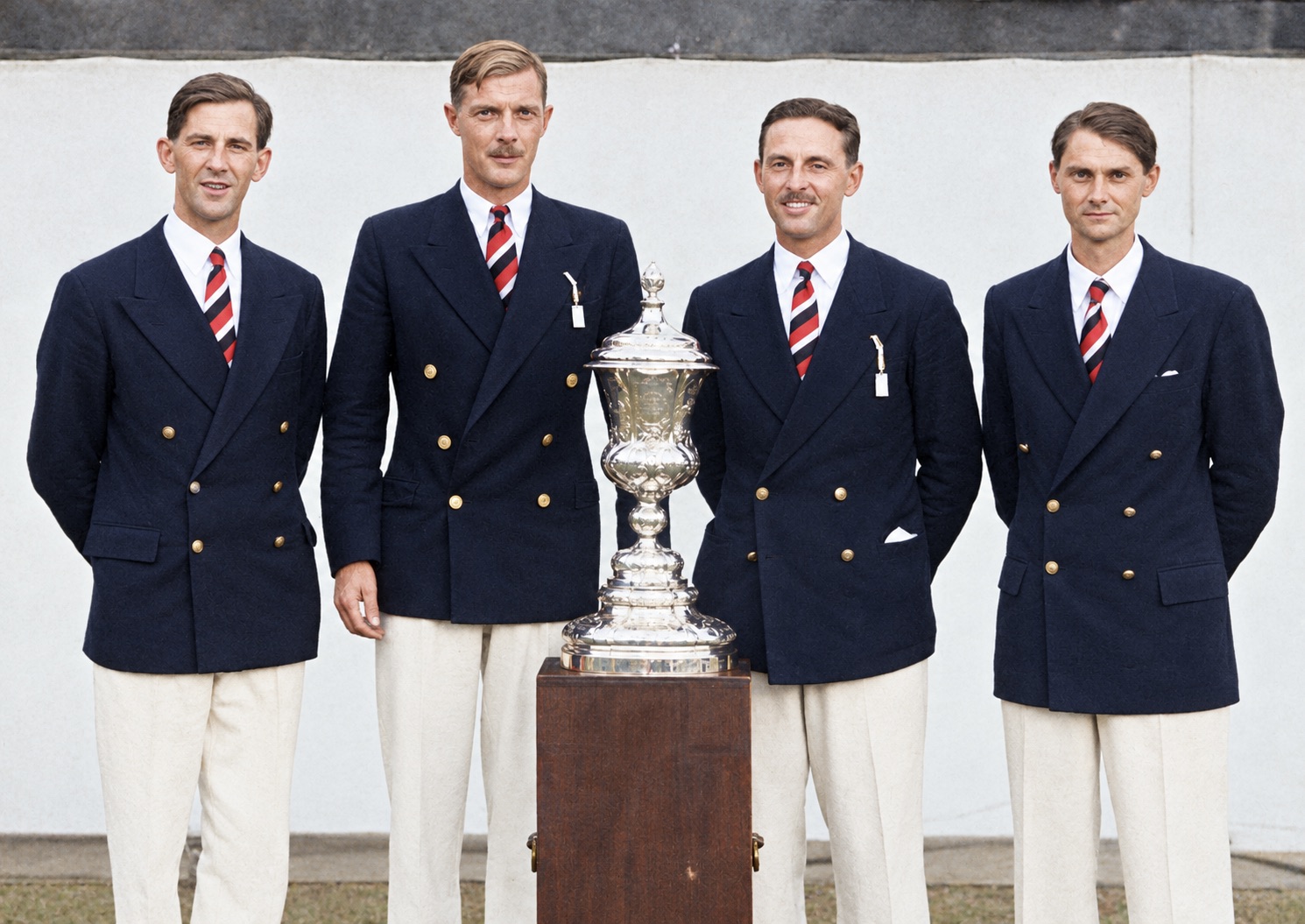
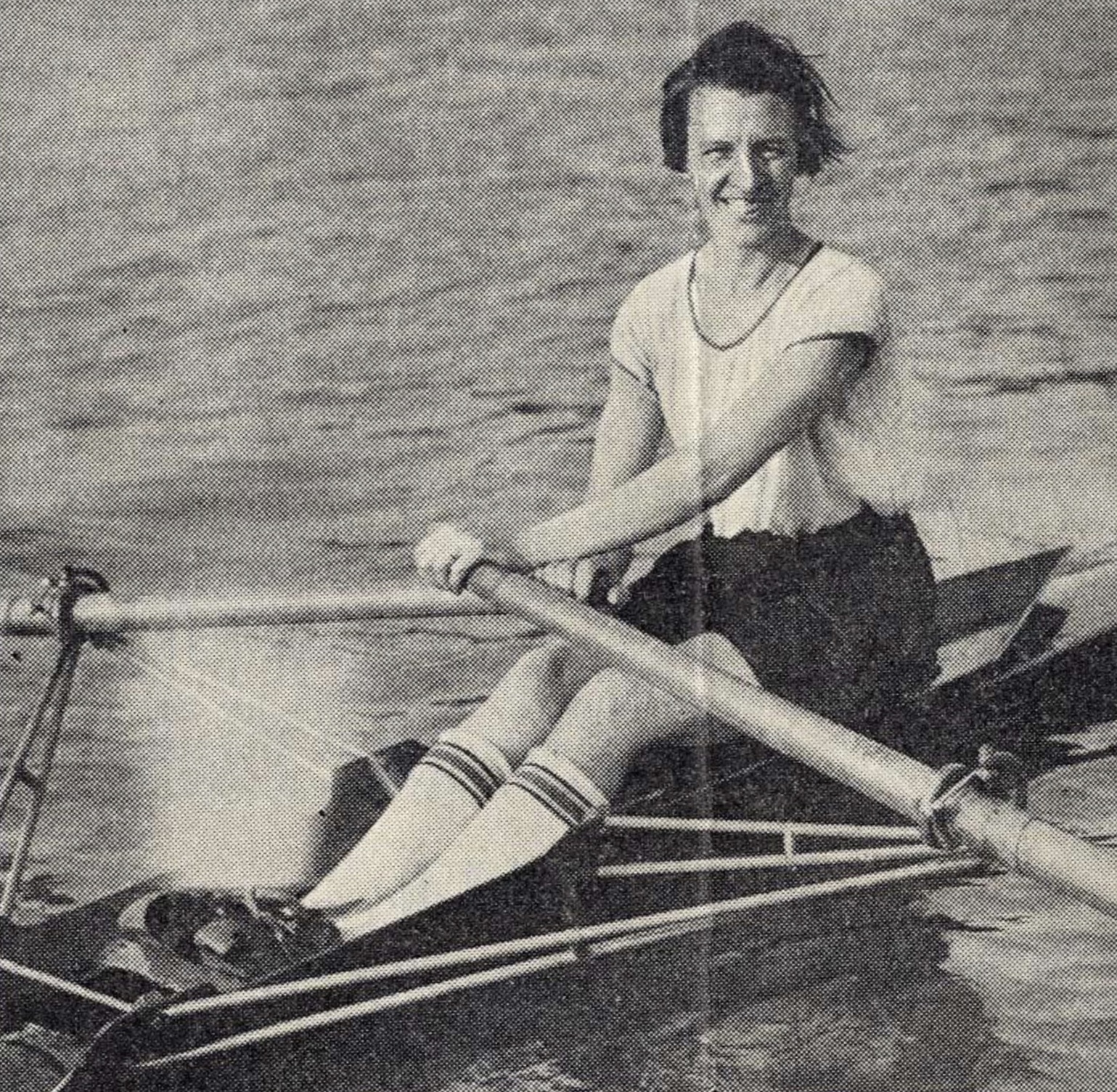
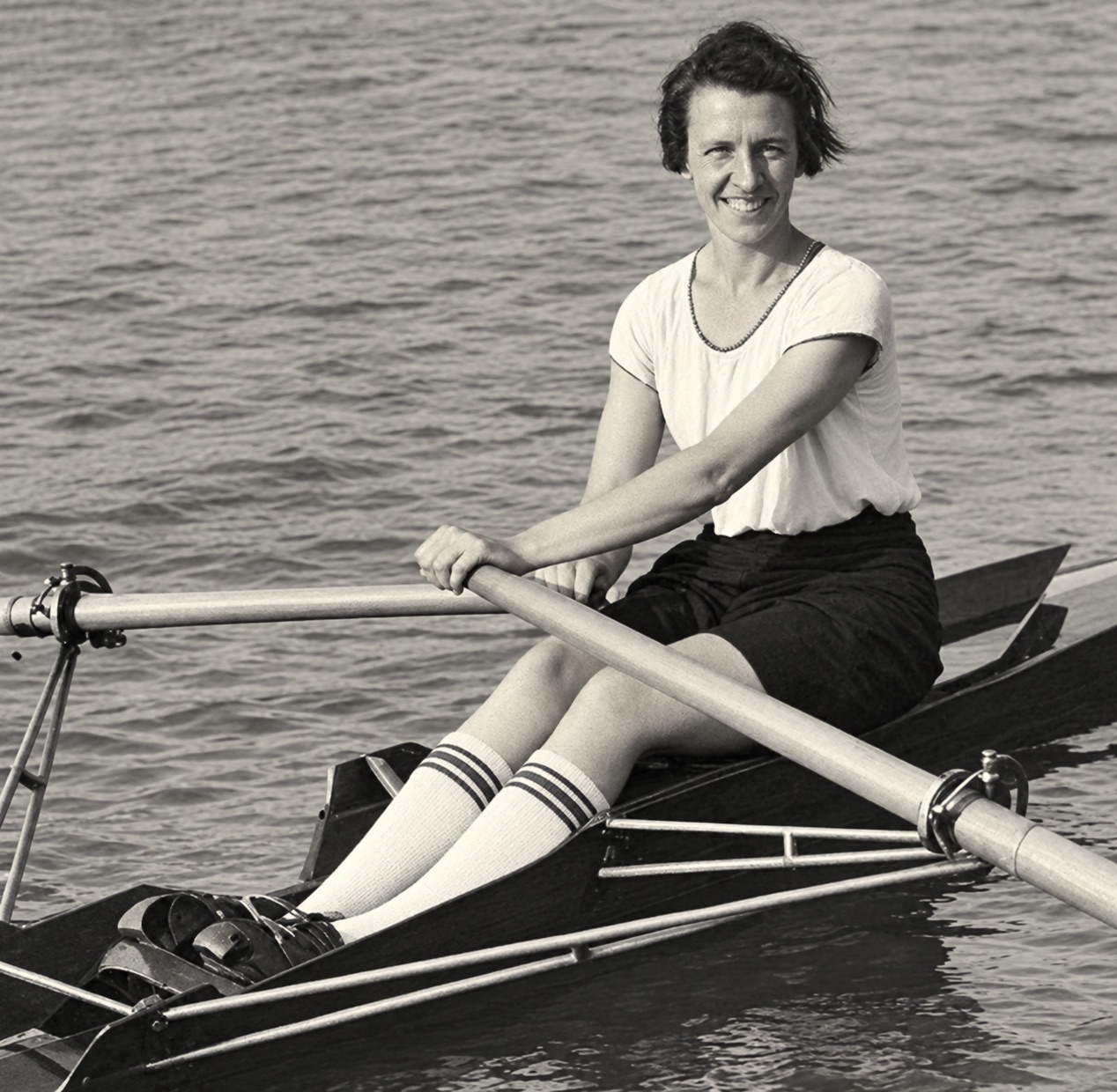
The 1951 Thames RC Stewards’ Four pictured in the 1952 Thames Journal magazine in black and white halftone. Picture: Thames Rowing Club Archive.AI brings the Thames four to life and in this case accurately depicts the faces.Pictures do not have to be colourised, they can simply be enhanced. This is a newspaper picture of Margaret Barff, the first winner of the Women’s Amateur Sculling Championship in 1928.The halftone has been removed and the picture enhanced. It shows Barff as a real person even though the original black and white has been retained.
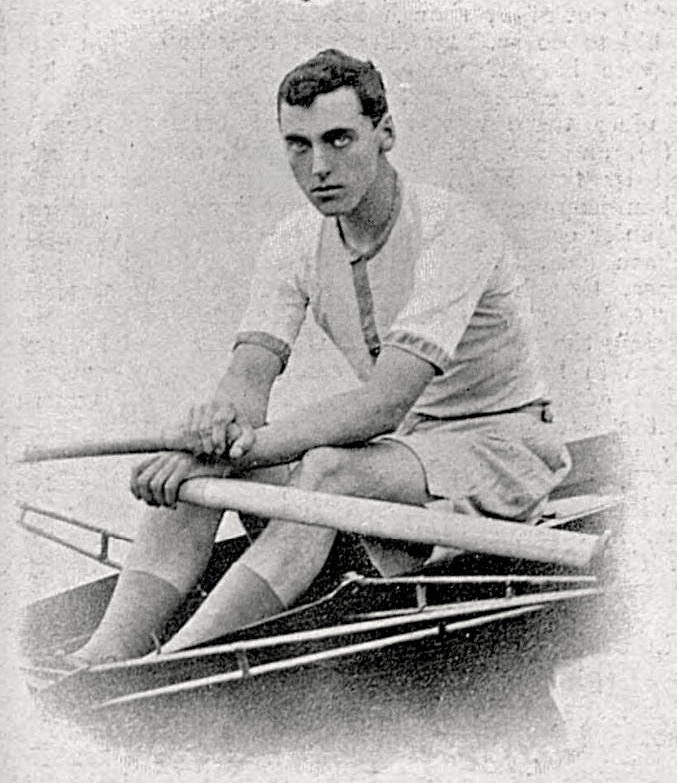
Three‑time Diamond Sculls winner, FS Kelly, pictured in the early 1900s.
My comments regarding WD Kinnear are just as true for the colourisation and enhancement of this picture of Kelly. AI makes his athleticism more obvious.Lucy Pocock pictured before she won the Women’s Championship of the Thames in half-outrigger skiffs in 1912. She is coxed by an unknown Doggett’s Coat and Badge winner.This is a nice result although the other competitors have been removed from the background.
Varying results
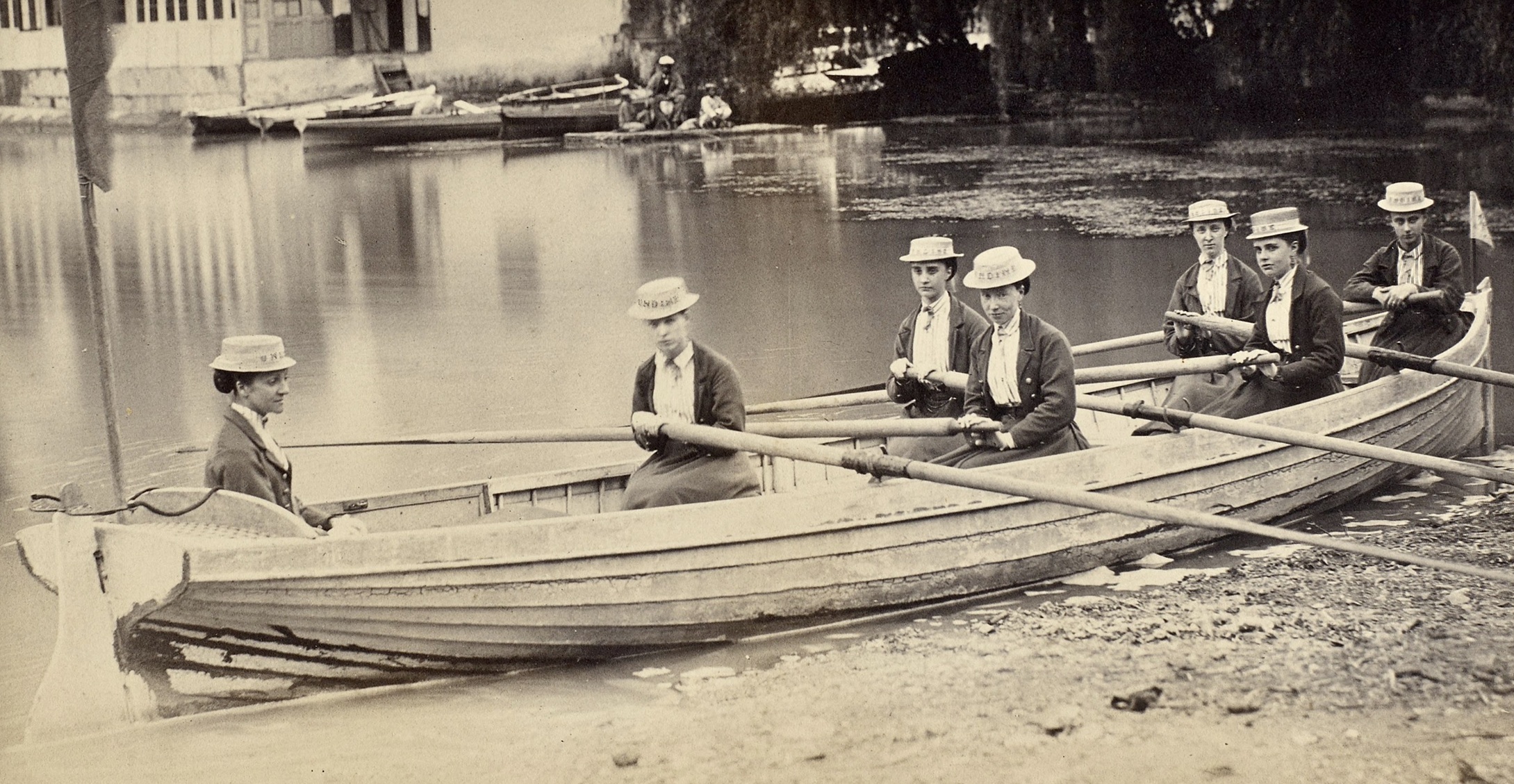
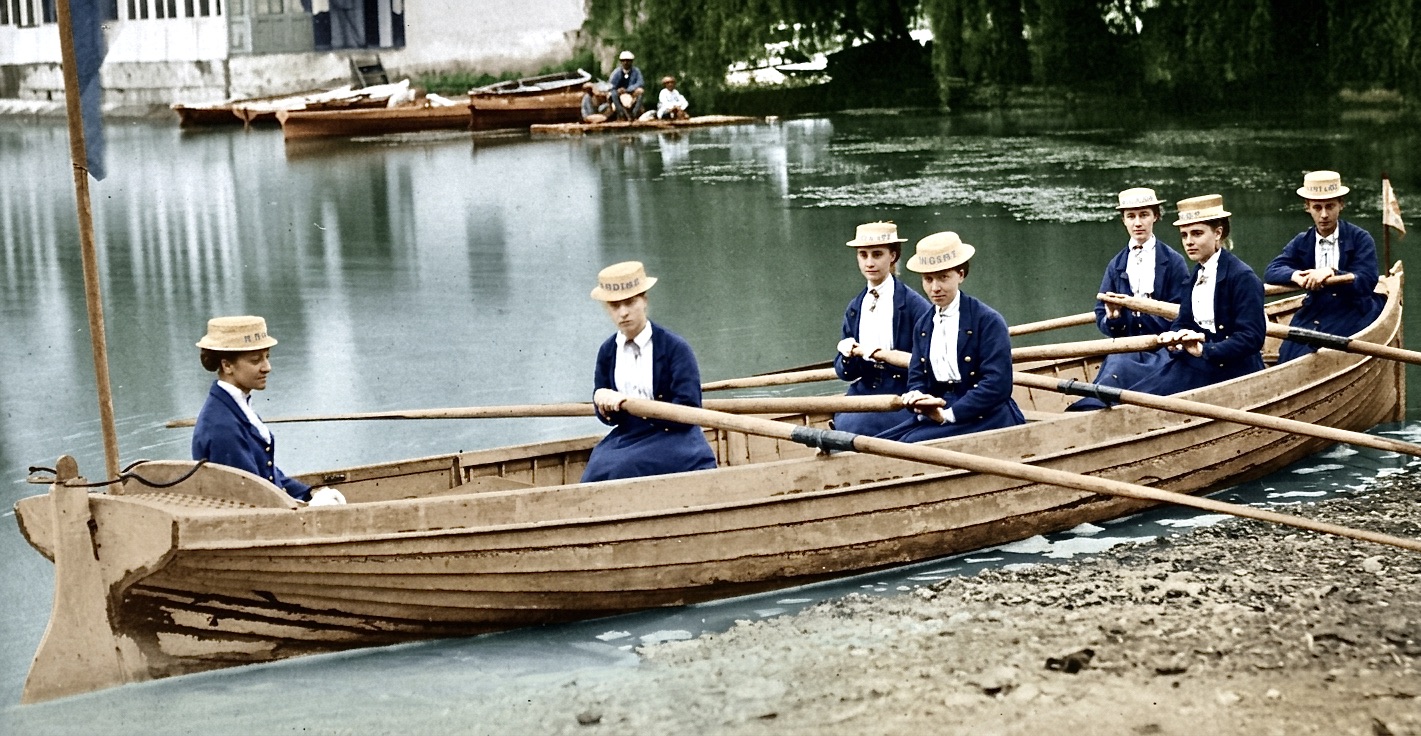
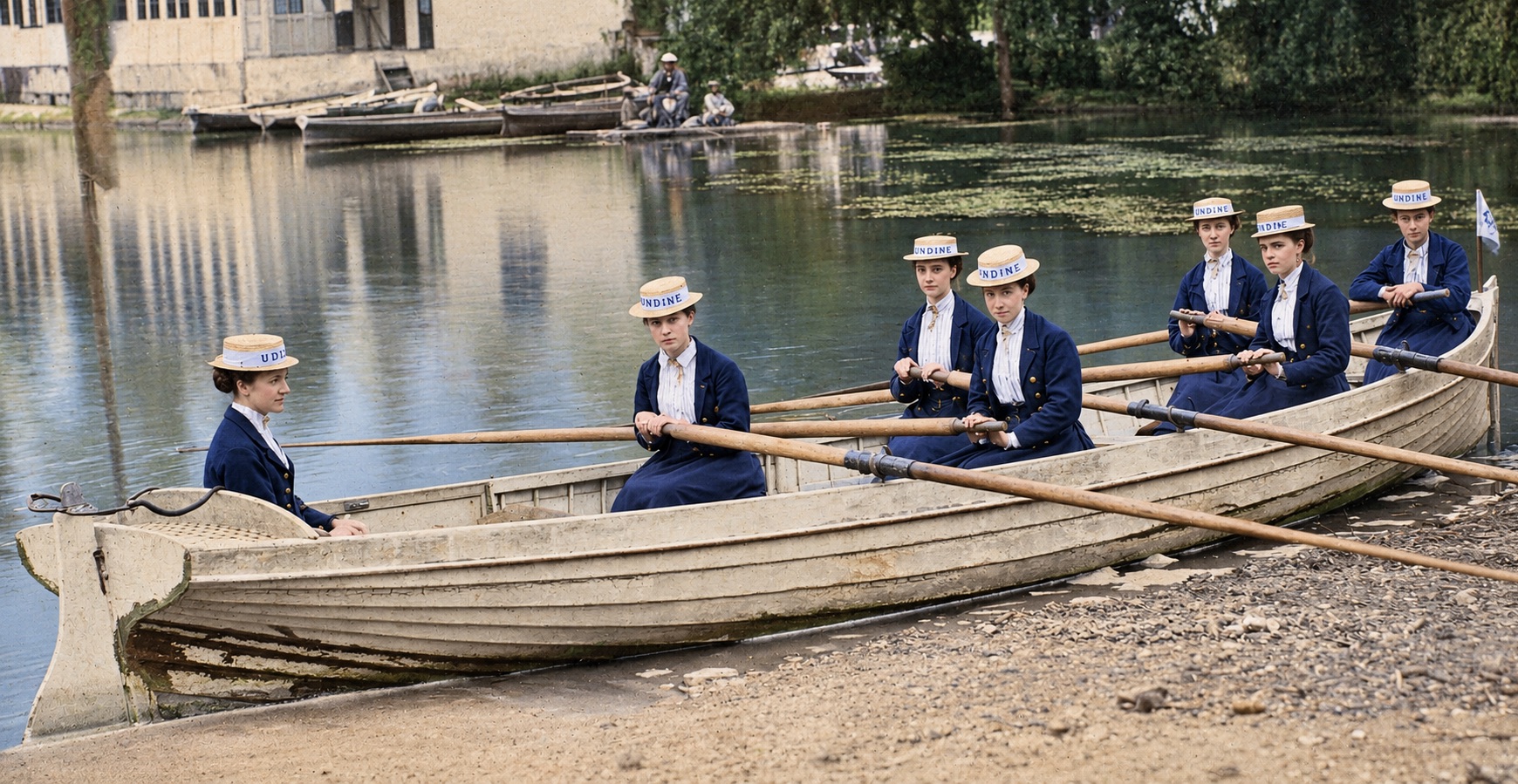
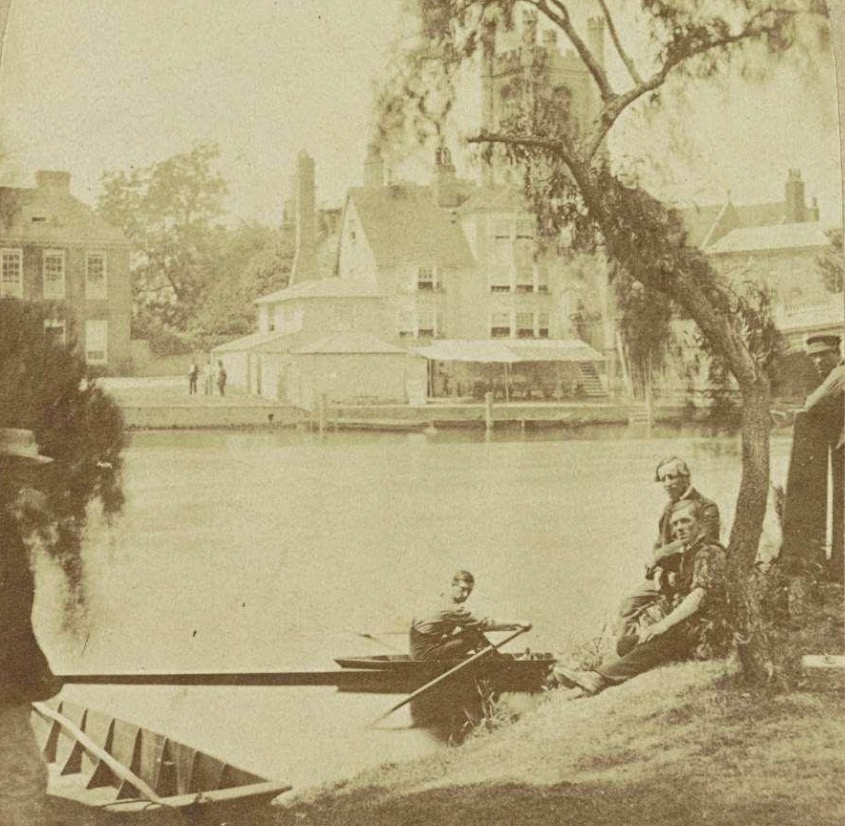
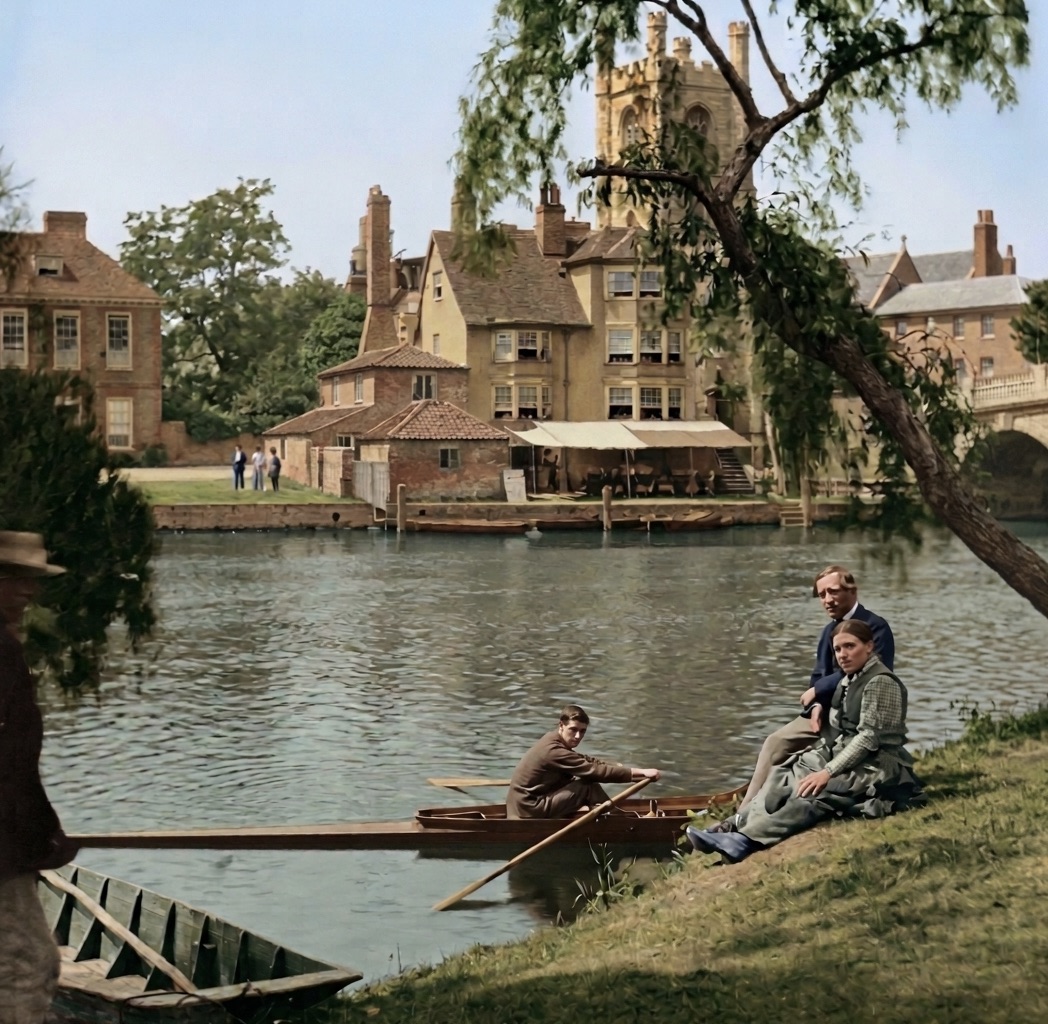
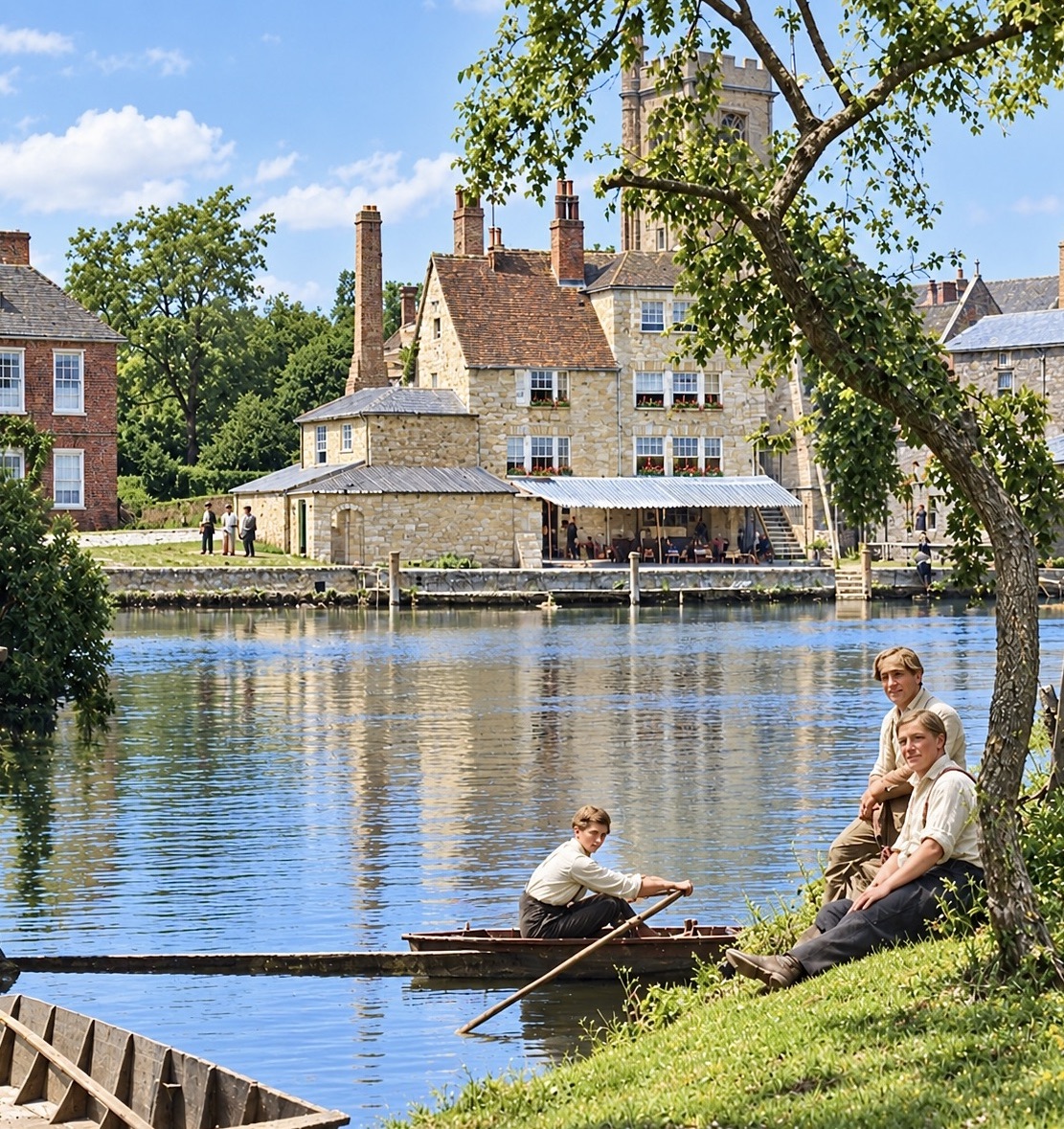
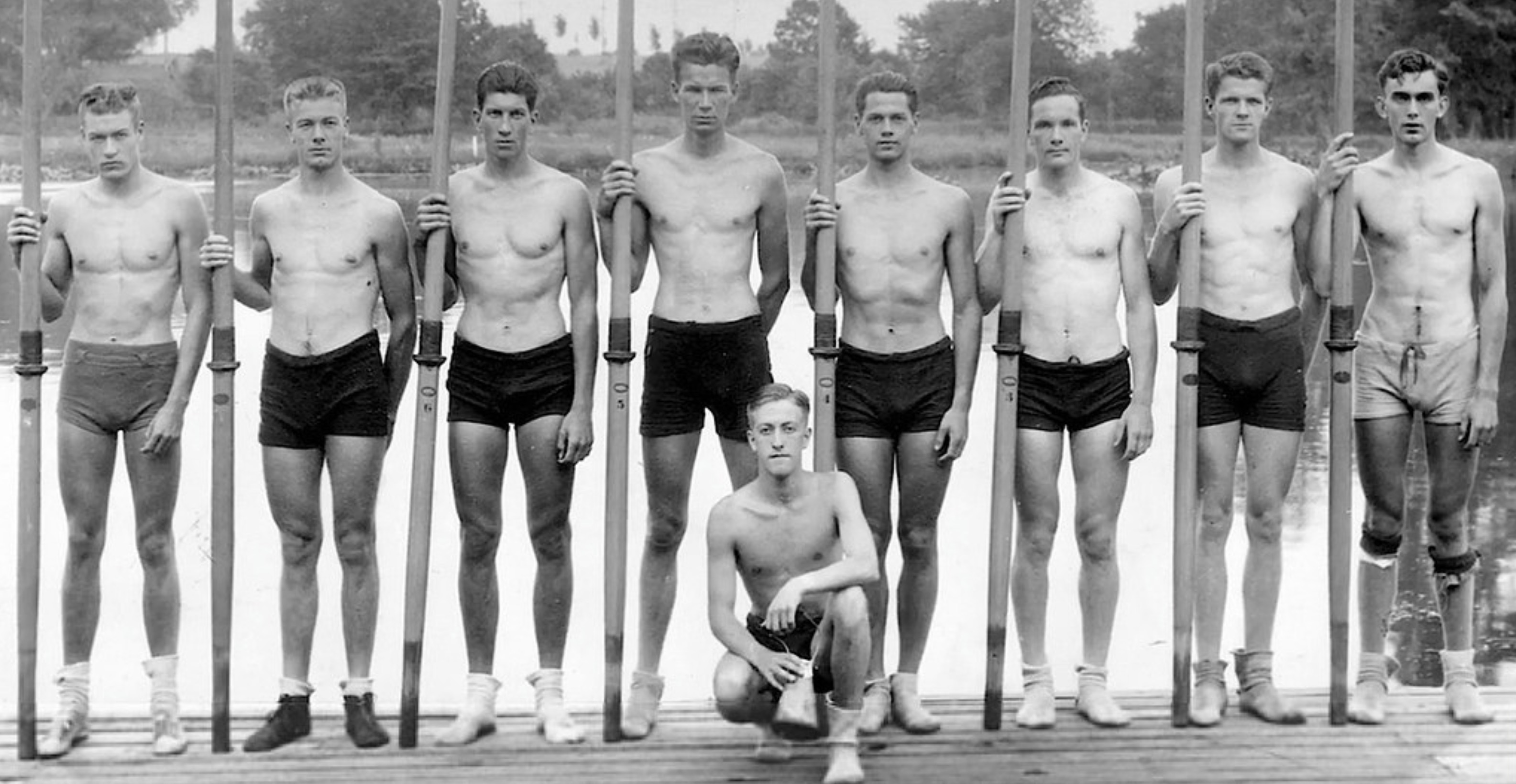
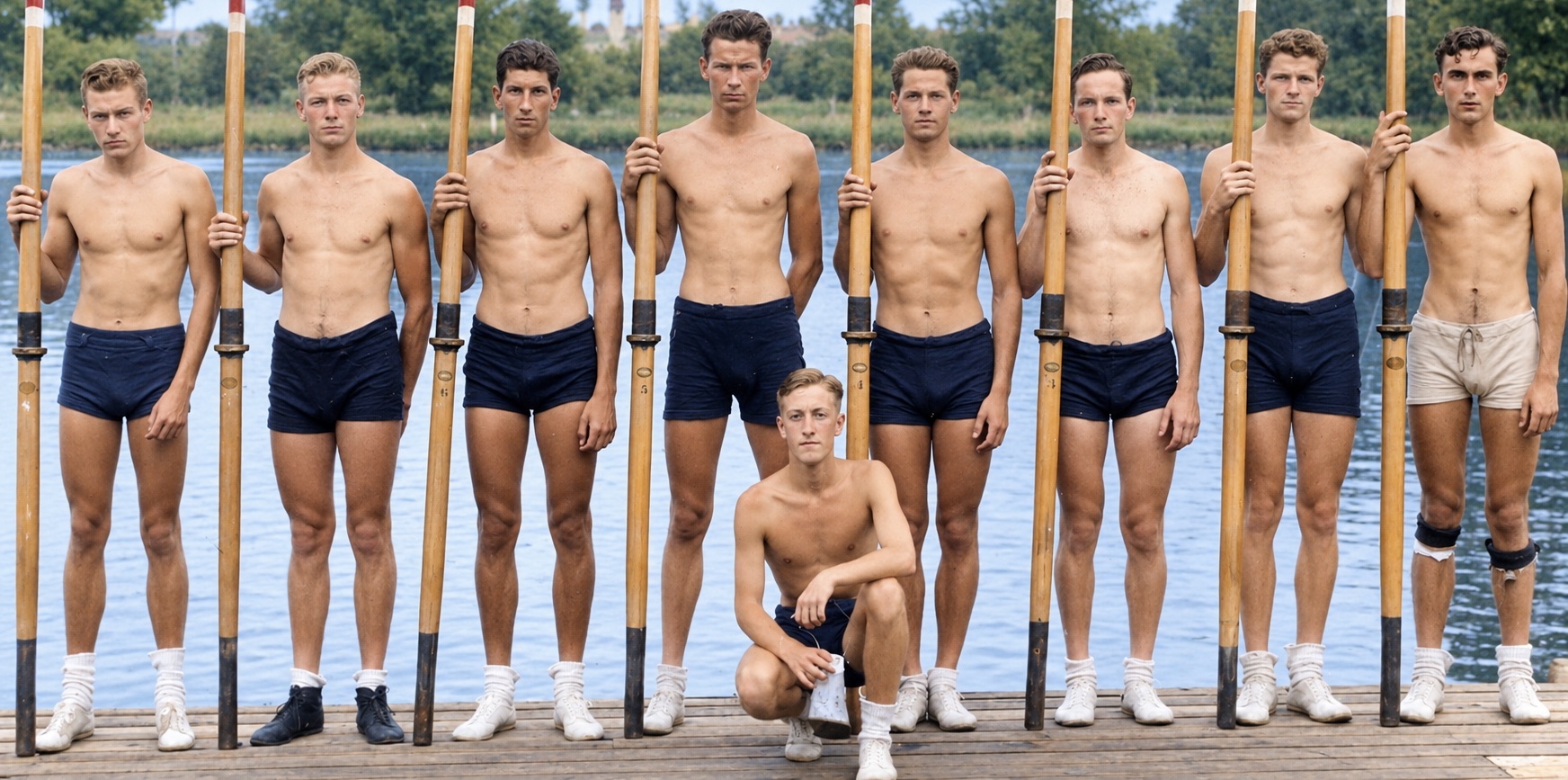
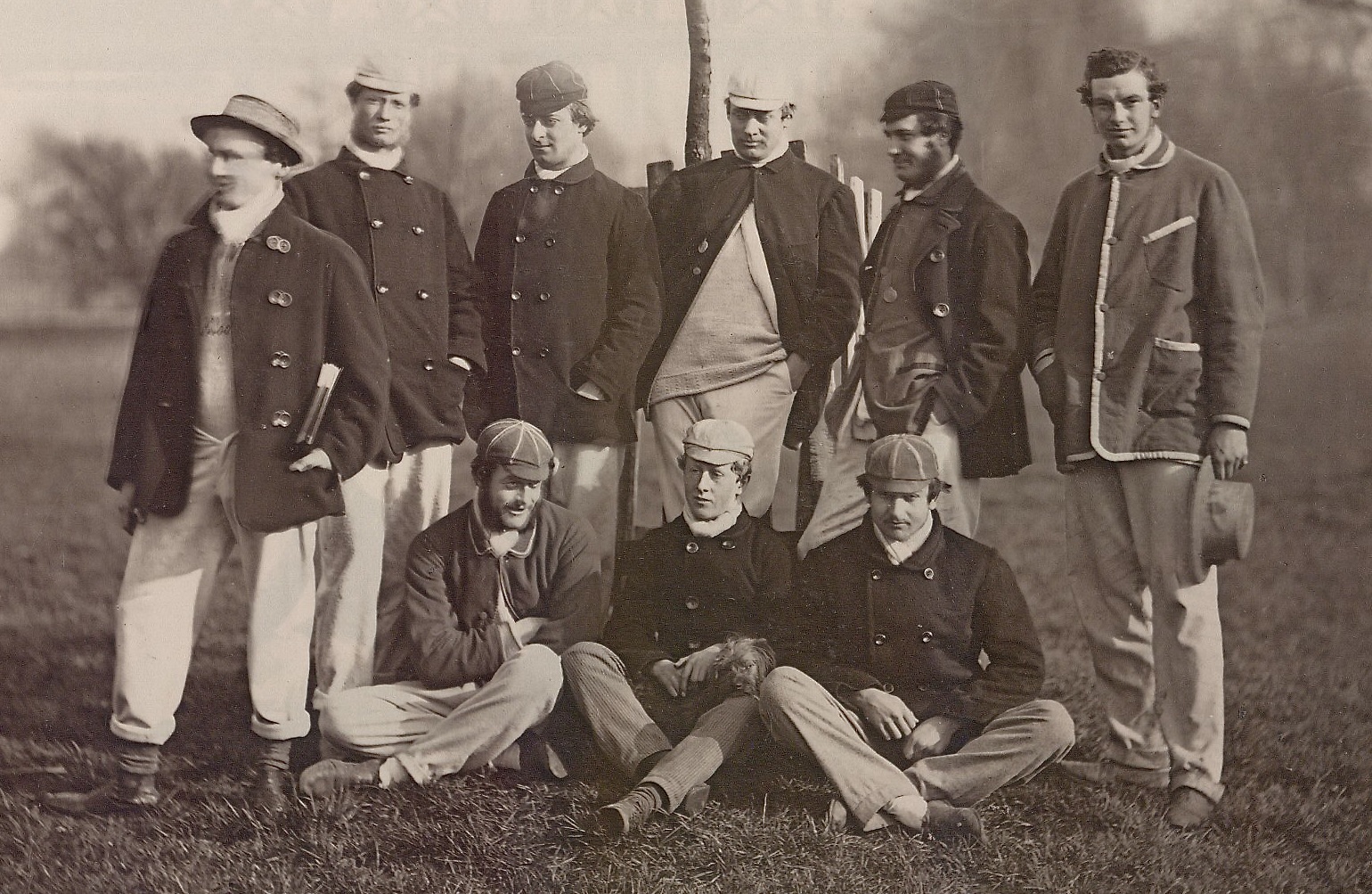
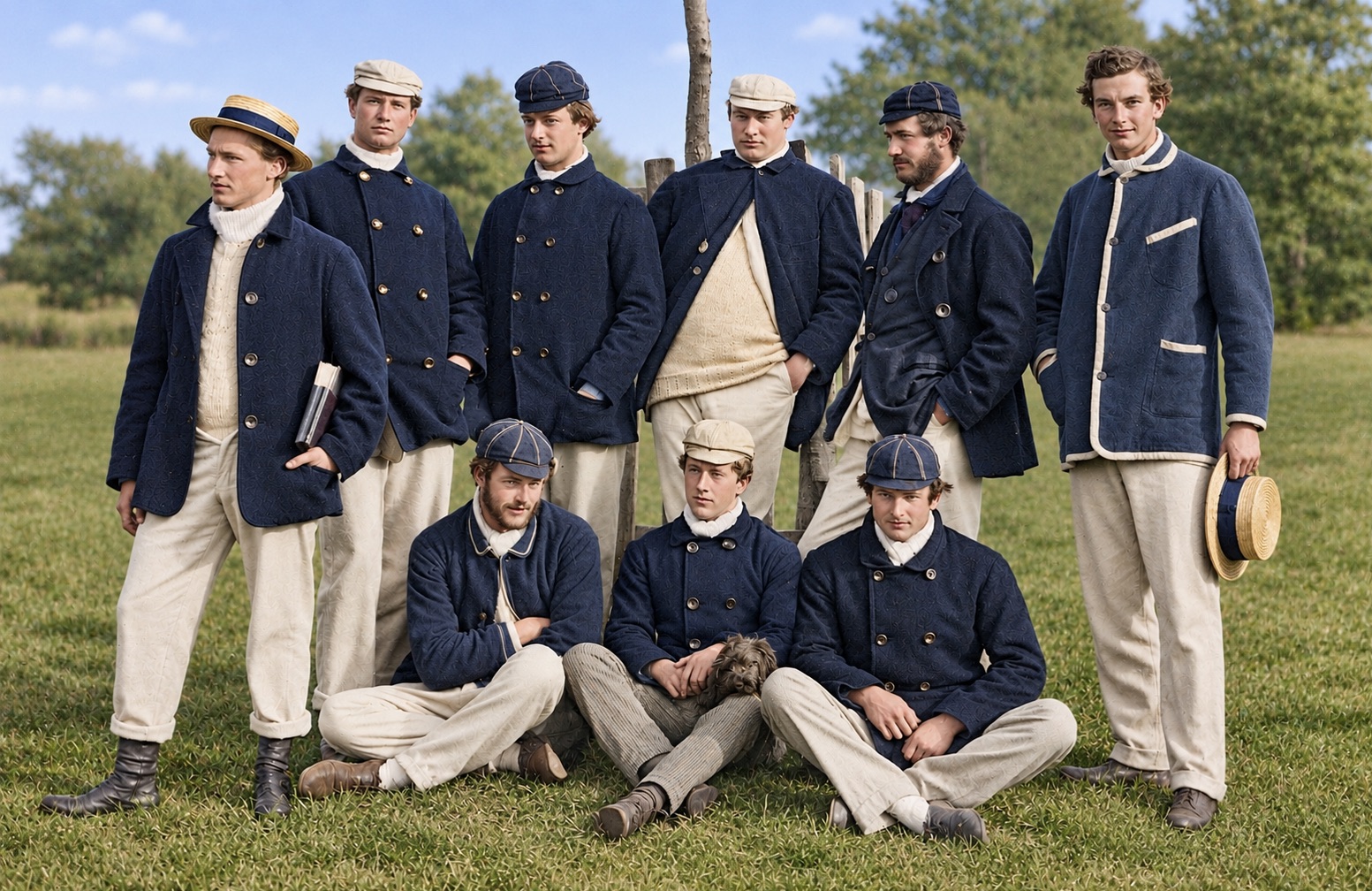
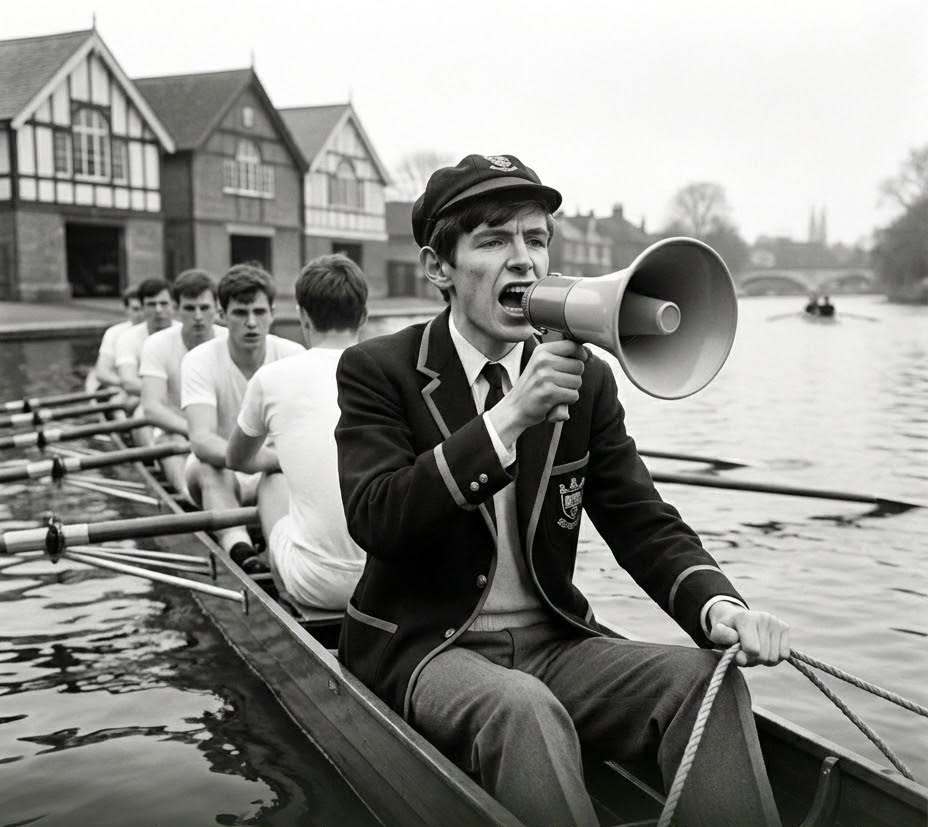
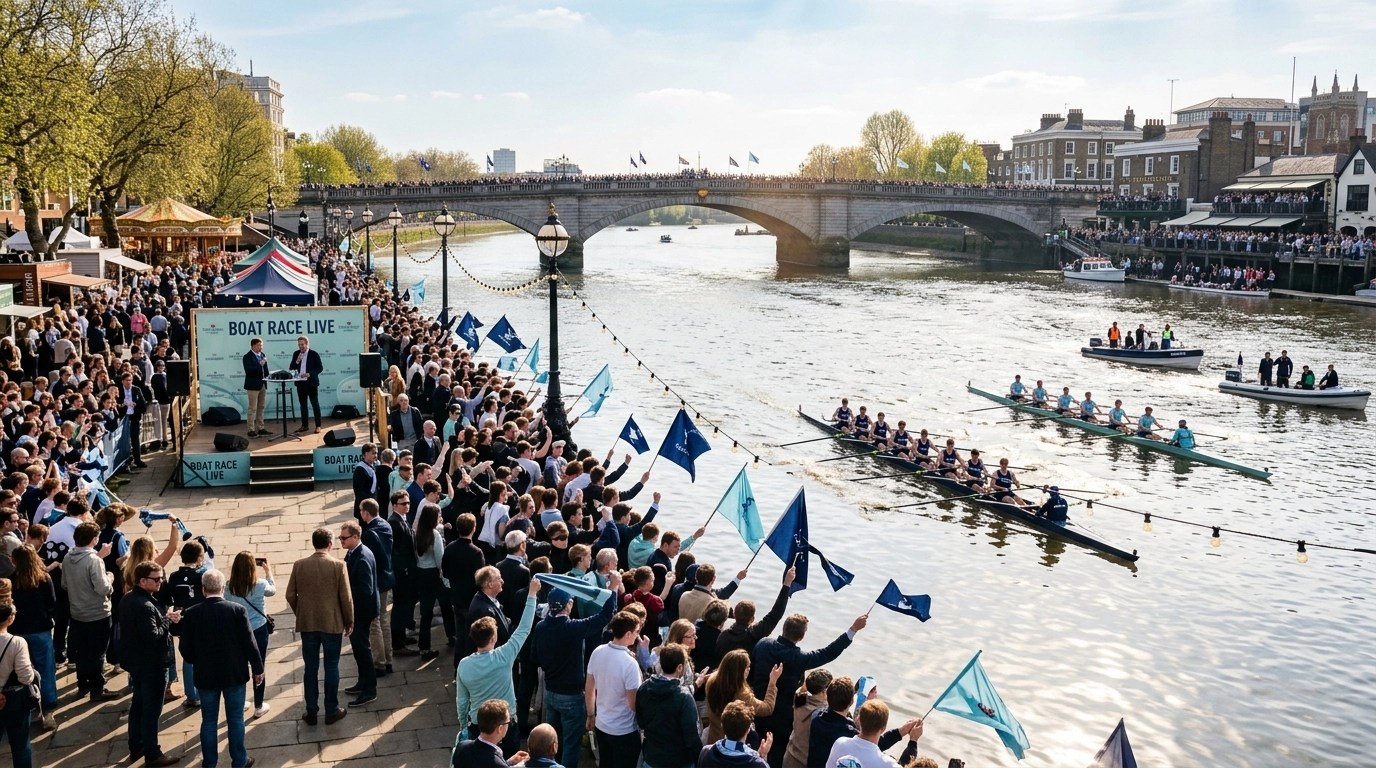
A rowing crew of European women pictured in Naini Tal, India, in 1867. This is the oldest existing photograph of a woman’s rowing crew.Gemini has colourised this picture while keeping the image fairly soft and the faces recognisable from the original.ChatGBT has sharpened the picture and in the process has made the women look younger and what could be regarded as “more attractive”.The earliest photographic images of men rowing for sport that can be confidently dated are from 1858. At least four were taken at the same spot by Henley Bridge, this is one of them.Gemini has kept as close to the original as the faded low contrast picture will allow.ChatGBT has given the people and the buildings an unsatisfactory makeover.The Boys in the Boat, the University of Washington crew that won Olympic Eights in 1936.I think that ChatGBT has done a reasonable job on most of the faces but perhaps it has not properly captured Joe Rantz, second from the left?The Oxford Crew of 1861, the oldest photograph of a Boat Race crew.Facially, a good effort by ChatGBT. The two jackets that we would call blazers (standing right and sitting left) as opposed to the peacoats that the other seven are wearing, may be from college boat clubs and could be incorrectly coloured.AI is not always intelligent. An AI generated Facebook post produced this picture of the late physicist, Stephen Hawking, coxing. Spot the subtle mistakes. Is this a clickbait post gone wrong or are the mistakes the clickbait? Reluctantly, I have given it my “click” either way.A travel company produced this image of what it claims is the Oxford – Cambridge Boat Race at what it claims is Putney. I think Cambridge are being cheeky in putting out a six-oar against Oxford’s eight.
In future, if I use pictures that I have manipulated through AI, they will always be marked as such. It will be done sparingly and for clarity, not deception.
I have referred to “AI” throughout but I could be wrong. In a speech in April 2025, the 78-year-old US Secretary of Education, Linda McMahon, who I presume is very clever or the President would not have appointed her, sometimes referred to “A1”.
Ultimately, AI, Artificial Intelligence, may be a danger but GI, Genuine Ignorance, could prove even more deadly.