
20 September 2026
By William O’Chee
If only Queensland’s crocodiles attacked rowers on a weekly basis. At least then there would be some plausible basis for media stories about the danger to competitors of crocodiles on the course for rowing and paddling at the 2032 Olympics.
The fact is they don’t, so why is there so much fear and loathing about the planned rowing course at Rockhampton for the 2032 Games?
From the day Rockhampton as the preferred venue for Olympic rowing in 2032, media outlets across Australia were besieged with stories about the threat to rowers from crocodiles in the Fitzroy River.
Queensland television news coverage of the announcement about the course on Thursday.
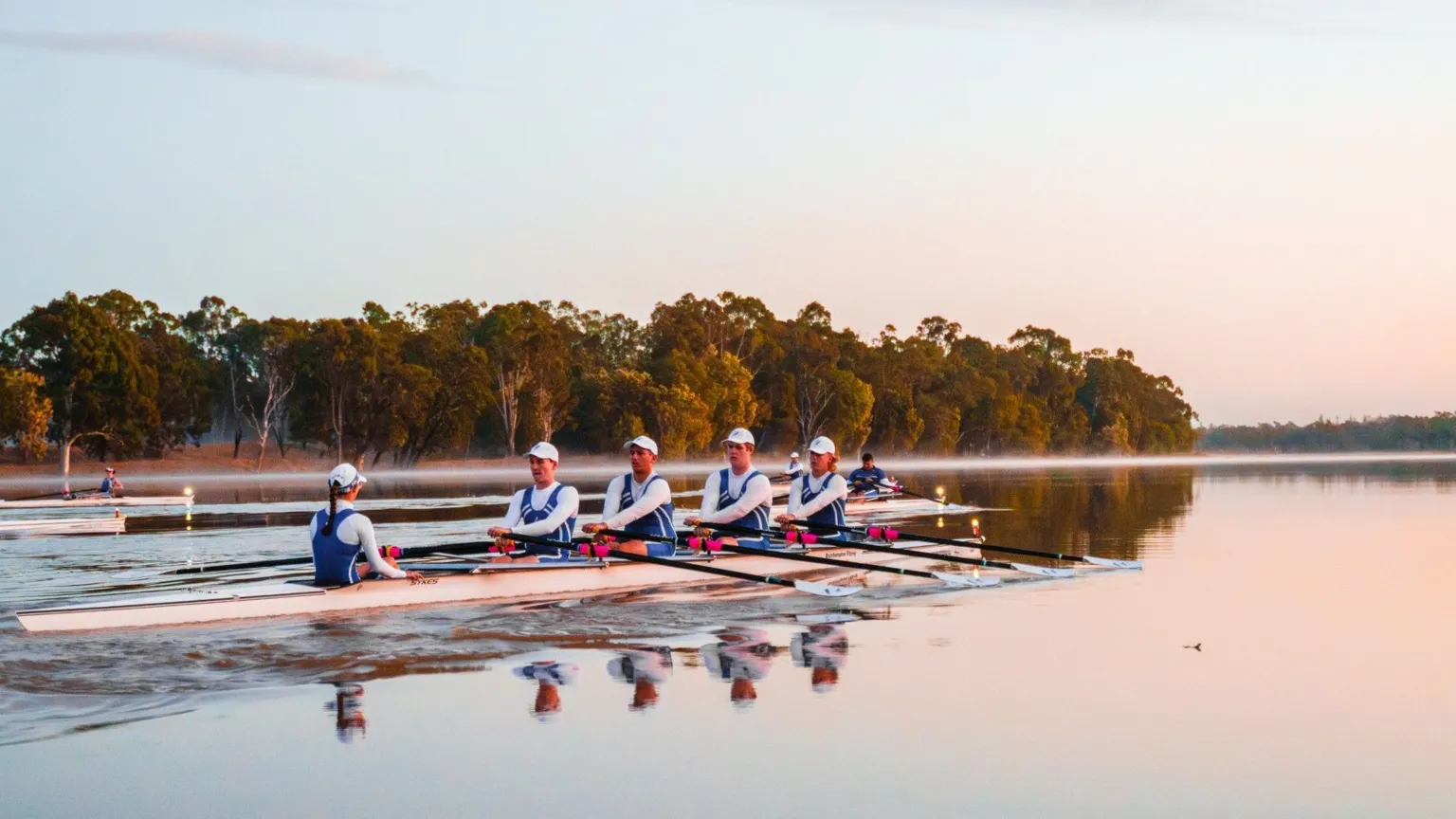
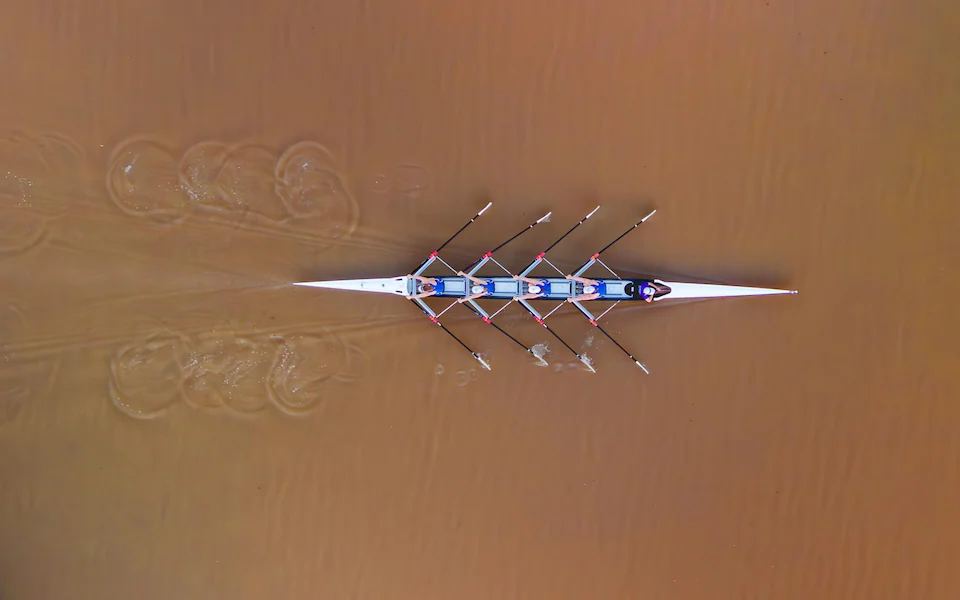
Many of those peddling these stories have been members of Rowing Queensland. This is ironic given that Rowing Queensland is holding the 2026 Queensland Schools State Championship on the very same course this weekend. It is doubly ironic that on Thursday the Queensland Government announced that World Rowing had conducted a review and determined the course at Rockhampton will offer both safe and fair conditions for rowers in 2032.
Even after World Rowing’s announcement, one national television channel led their morning news by proclaiming: “Rowers at the 2032 Olympics will have to dodge crocodiles and rogue currents.”
As someone with no small amount of political experience, I can safely say that the controversy is all about domestic rowing politics.
Publicly, the executive of Rowing Queensland, the peak body for rowing in Queensland, steered clear of talking about crocodiles. It limited itself to vociferously attacking the State Government for not accepting their proposal to host rowing at Wyaralong Dam, an hour and a half drive from Brisbane. This is notwithstanding advice that attacking any State Government is not the best way to get them to change their plans.
When dealing with government, licking the hand that feeds you is always better than biting it. The Queensland Government provided A$220,200 in direct funding to Rowing Queensland in 2025, and A$216,811 in 2024. I am sure the timing of the Government announcement, two days before the Schools State Championship, was a slap down for the ingratitude.
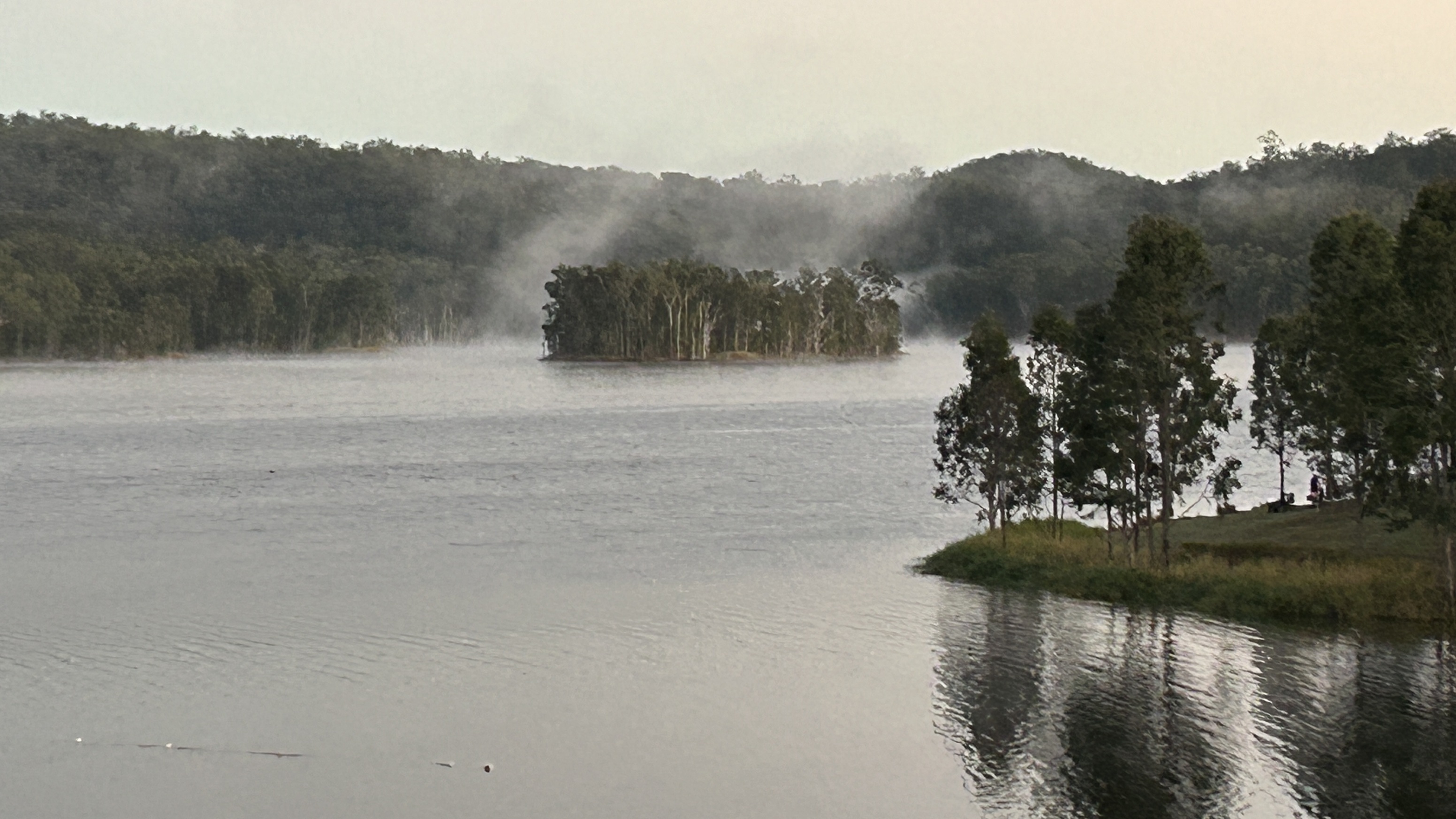
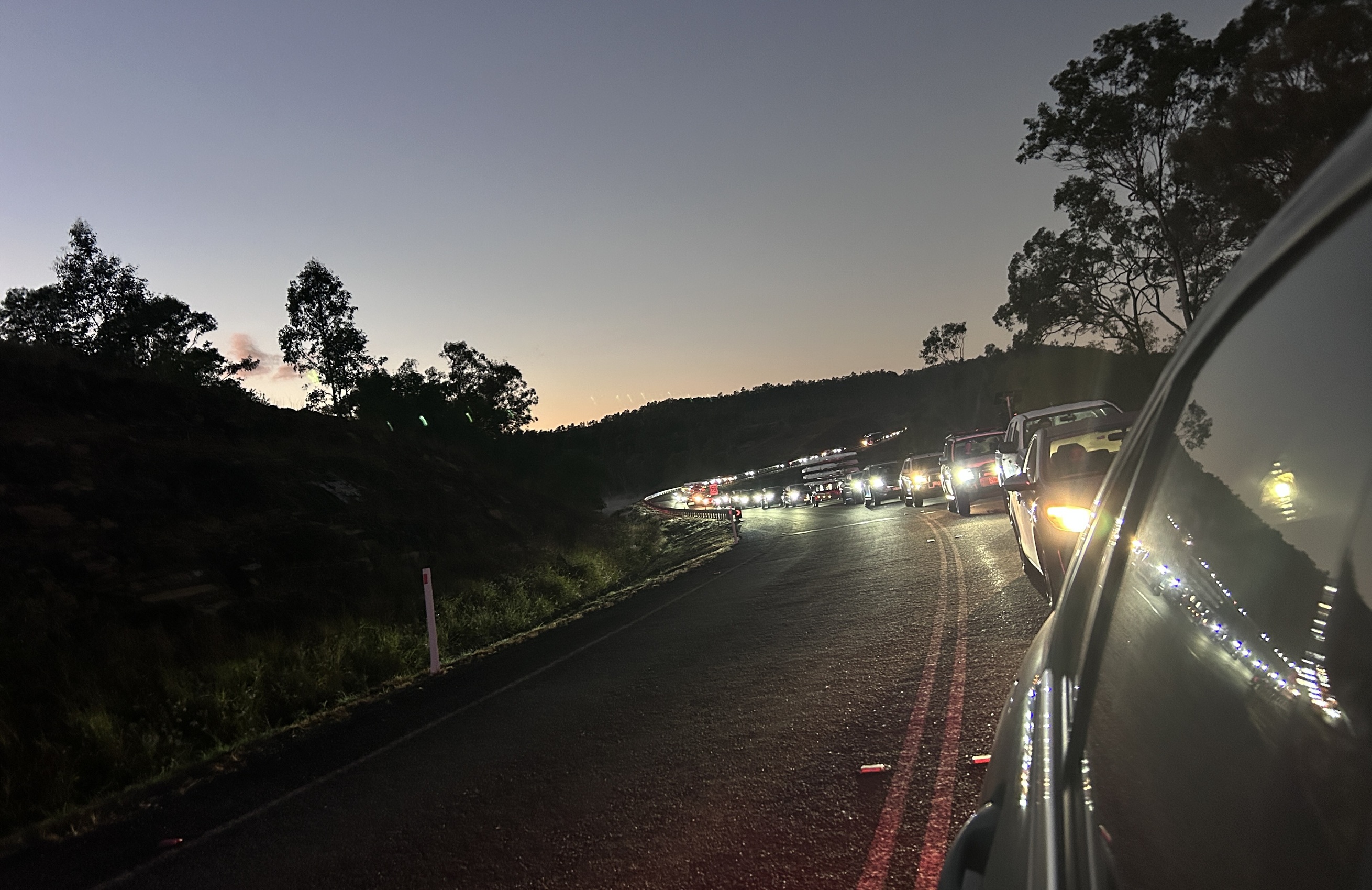
Wyaralong is a problematic course. Initial estimates suggested that it would require at least A$150 million to make it a viable Olympic venue. In part, this is because the sides of the course are not straight, and a series of headlands not only impedes viewing of the race, but makes it impossible for coaches to drive or cycle alongside crews in training. Its greatest problem, however, is that it has no public transport to get spectators to and from the venue from Brisbane.
All of this smacked of political naivety.
The majority of the members of the Queensland Government come from electorates outside the Greater Brisbane area. They were always going to want some of the Olympic sports contested in regional Queensland. Rowing was an obvious candidate to be held away from Brisbane, since it is not a mass appeal sport. The more Brisbane based Rowing Queensland attacked the members of the State Government, the better they looked in their region electorates.
At the eleventh hour, an alternative course just outside Brisbane was suggested by some of Queensland’s leading rowers and coaches, led by my old coach and good friend, Gary Merritt. But it came too late, and with intransigence by then entrenched on both sides.
Queensland Rowing had dug itself a hole almost as large as an Olympic rowing course. There was no way out.
So what about the crocodiles?
Saltwater crocodiles are present throughout all of the coastline and rivers of Central and Northern Queensland. That includes the waters used by clubs in Cairns, Innisfail, Townsville, Mackay and Rockhampton. In Cairns, crocodiles routinely emerge into the streets from stormwater drains and sewers every time the city floods in cyclone season.
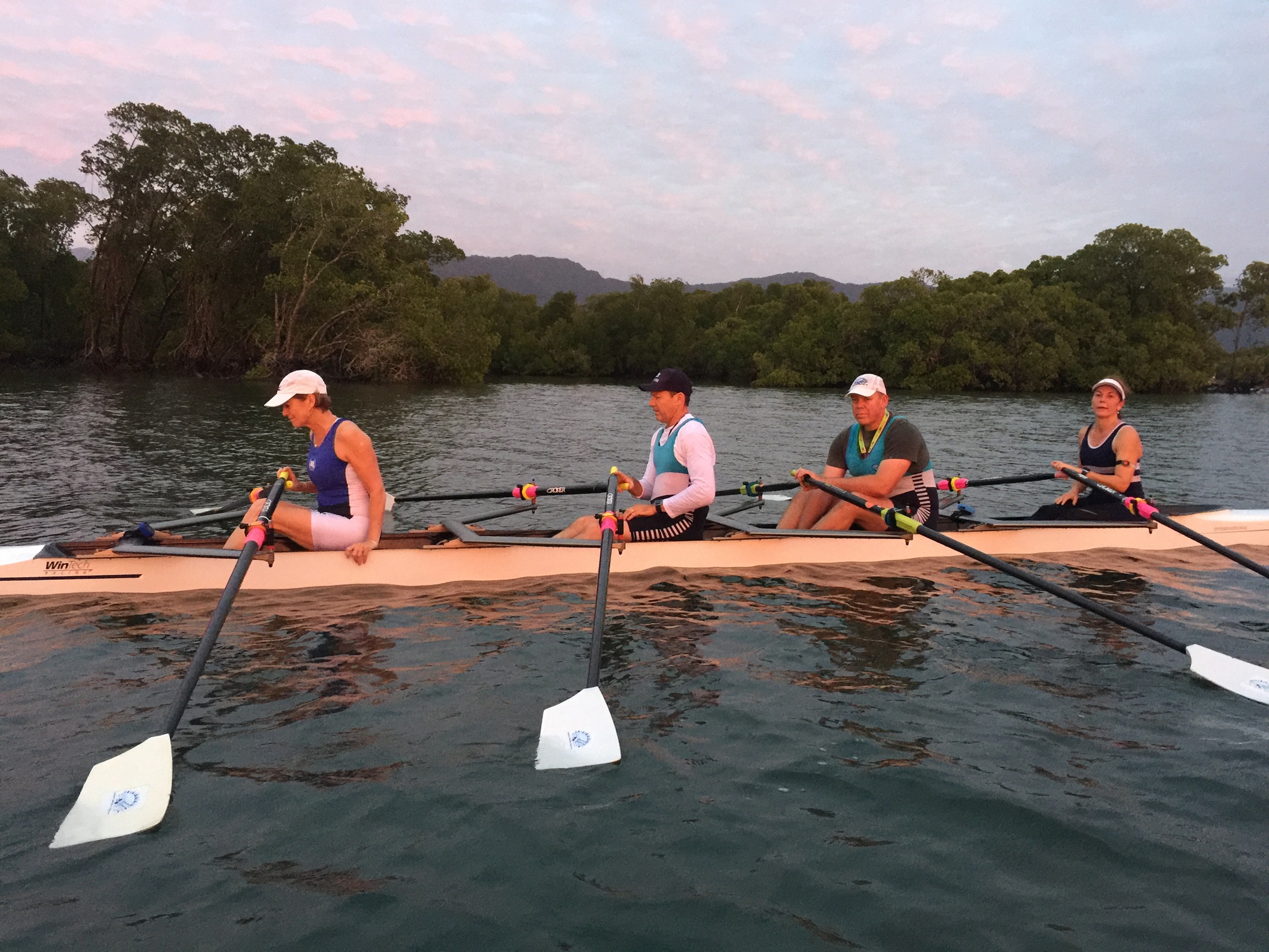
The Olympic venue itself is used by Rockhampton Fitzroy RC, Rockhampton Grammar School, Rockhampton Girls Grammar School, and Cathedral Grammar School. All of these clubs row on a daily basis without anyone being attacked by crocodiles.
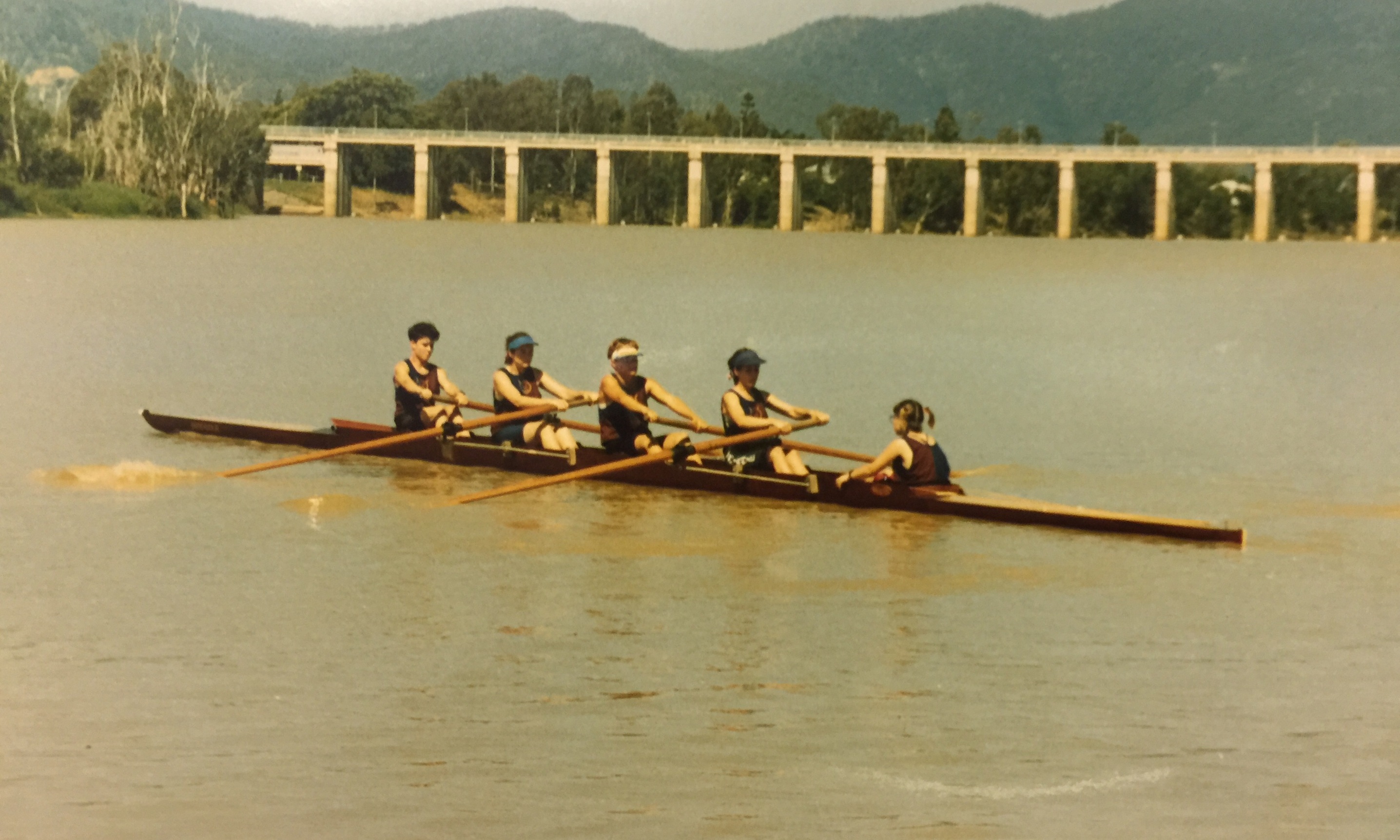
Moreover, the course at Rockhampton has a long history of hosting State Championships. I coached a schoolgirl coxed four from Brisbane State High School to a State Championship there in 1988. It is impossible for the rowing community to run a scare campaign about crocodiles while holding regattas on the course. And they can’t walk away from the course without looking petulant, and abandoning regional rowing clubs.
One solution that should suit everyone is to conduct a cull of crocodiles in the Fitzroy and other rivers. It is well overdue, and would be supported by the overwhelming majority of people who live in areas where crocodiles are present. There are thousands of kilometres of coastline and rivers in Cape York Peninsula, an area of Queensland about the size of England, with a population of less than 50,000 people. That is home enough for crocodiles, and we don’t need them further south.
A final word about safety. Every body of coastal water in Queensland is home to bull sharks. This includes the Southport Broadwater which will host both triathlon and the open water swimming event. The absence of any discussion about this issue shows tells me the controversy about crocodiles at Rockhampton is entirely political, and self-serving. The decision has been made, and endorsed by World Rowing. It is time the media stopped their ill-advised and sensational stories, and time that members of the rowing community got behind Rockhampton as a venue for Olympic rowing. Doing otherwise is both petulant and brings our sport into disrepute.
The Queensland premier’s Media Release is here.


The proposal to repurpose an abandoned quarry at Lawton in Brisbane is an even better solution than Rockhampton. Rocky has issues with on ground logistics protecting the riverbanks from erosion and can you ever truly make a river with a weir fair? Yours Oarsomely James Rowe Secretary/Treasurer LachlanAquaticRecreationCollectiveInc Young NSW AUSTRALIA
Bill, the crocodile hysteria is not why this is a terrible decision, its the fact that an Olympic standard rowing course on a flooding river 8 hours drive from SEQ will get very little use after the few days of regatta are over. Rockhampton would never have been selected for this massive investment were it not for the political game being played in CQ.