
28 September 2026
Ingrid Buckhorn, reporting
Göran R Buckhorn, editing
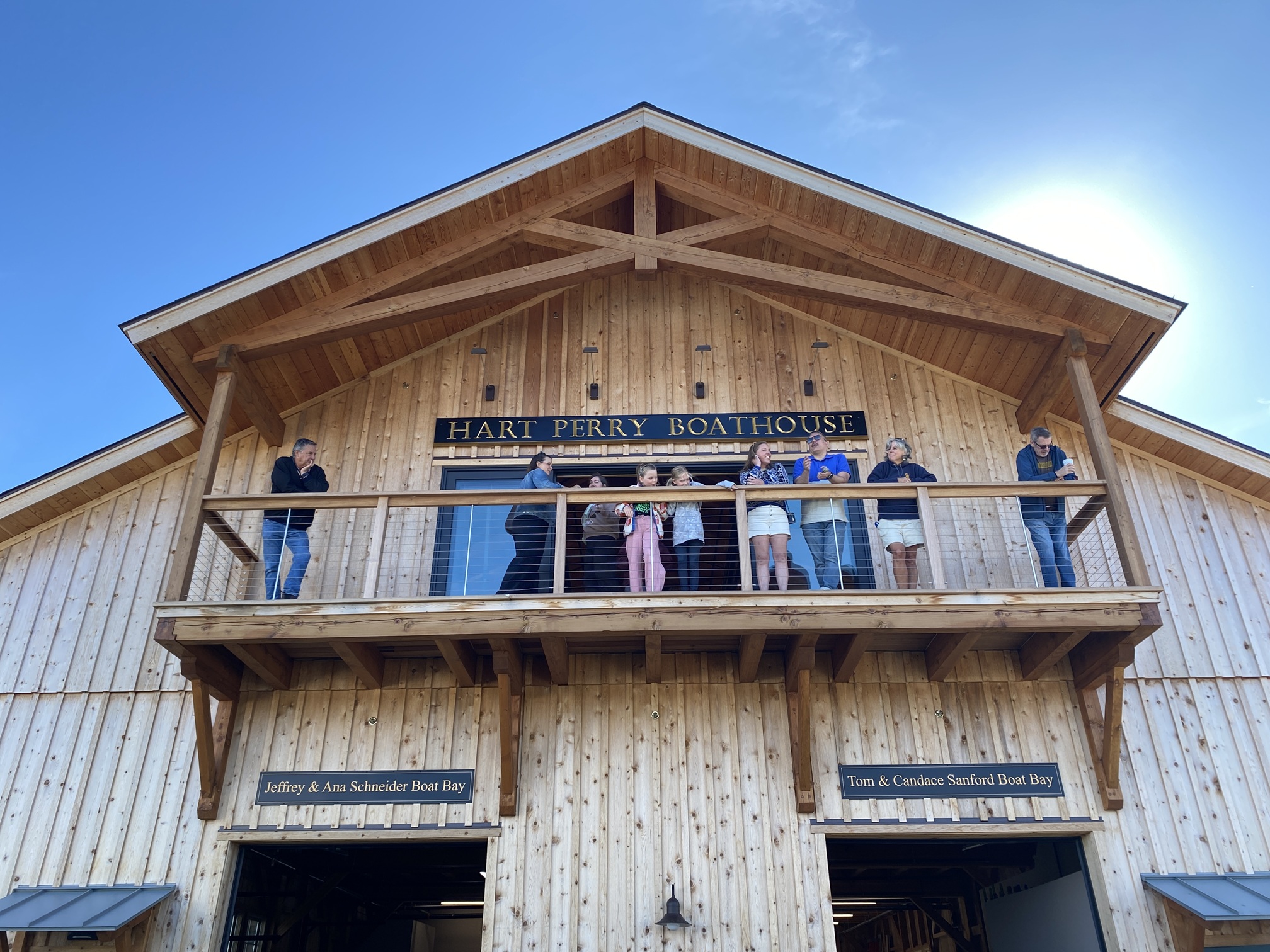
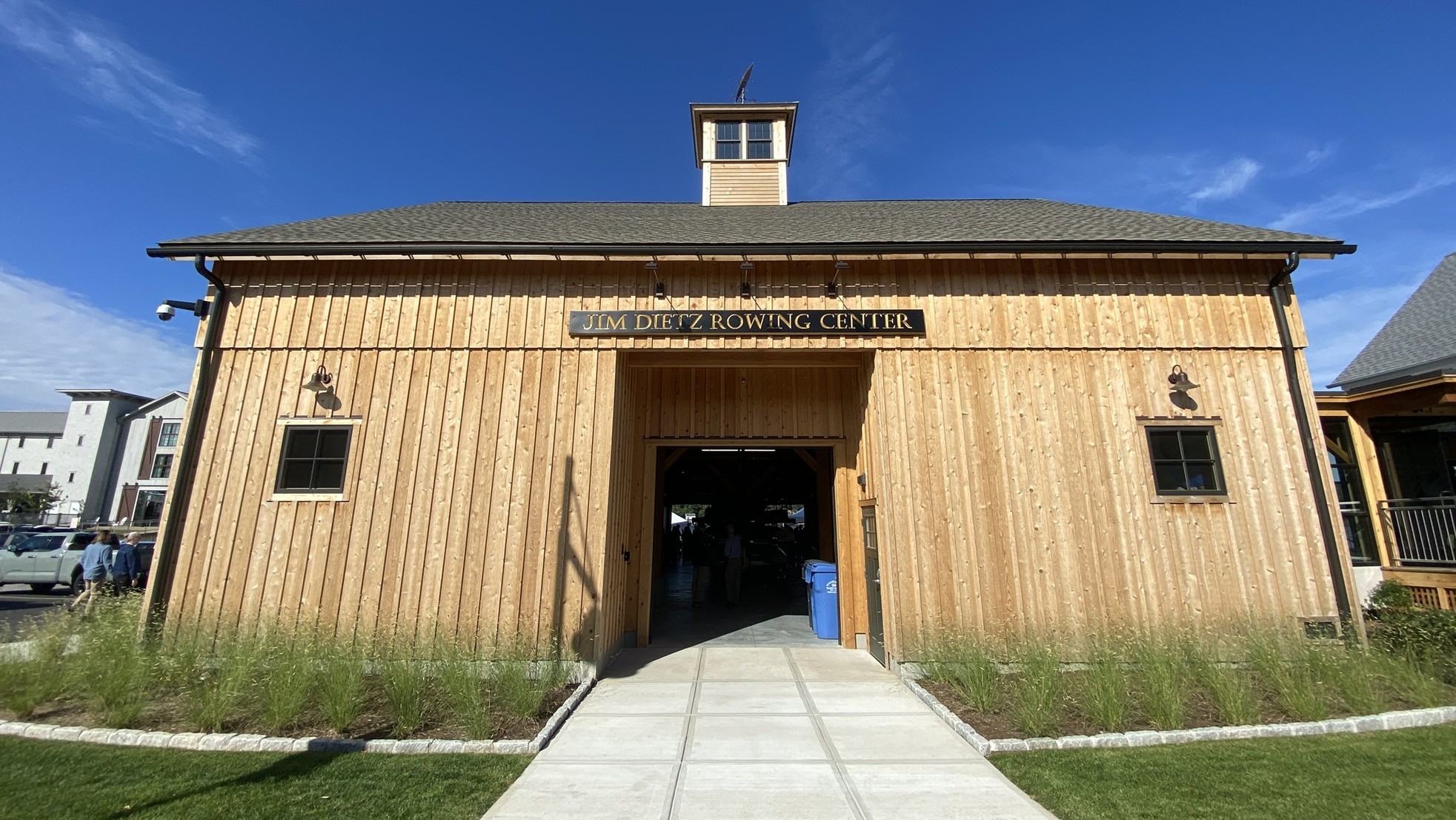
A ribbon-cutting ceremony officially opened the Jim Dietz Rowing Center and the Hart Perry Boathouse at Mystic River Boathouse Park on Greenmanville Avenue in Mystic on Saturday, 19 September.
It was a beautiful sunny day, and a large crowd had gathered to witness this historic event, which had been ten years in the making, the opening of the Jim Dietz Rowing Center and the Hart Perry Boathouse at the Mystic River Boathouse Park.
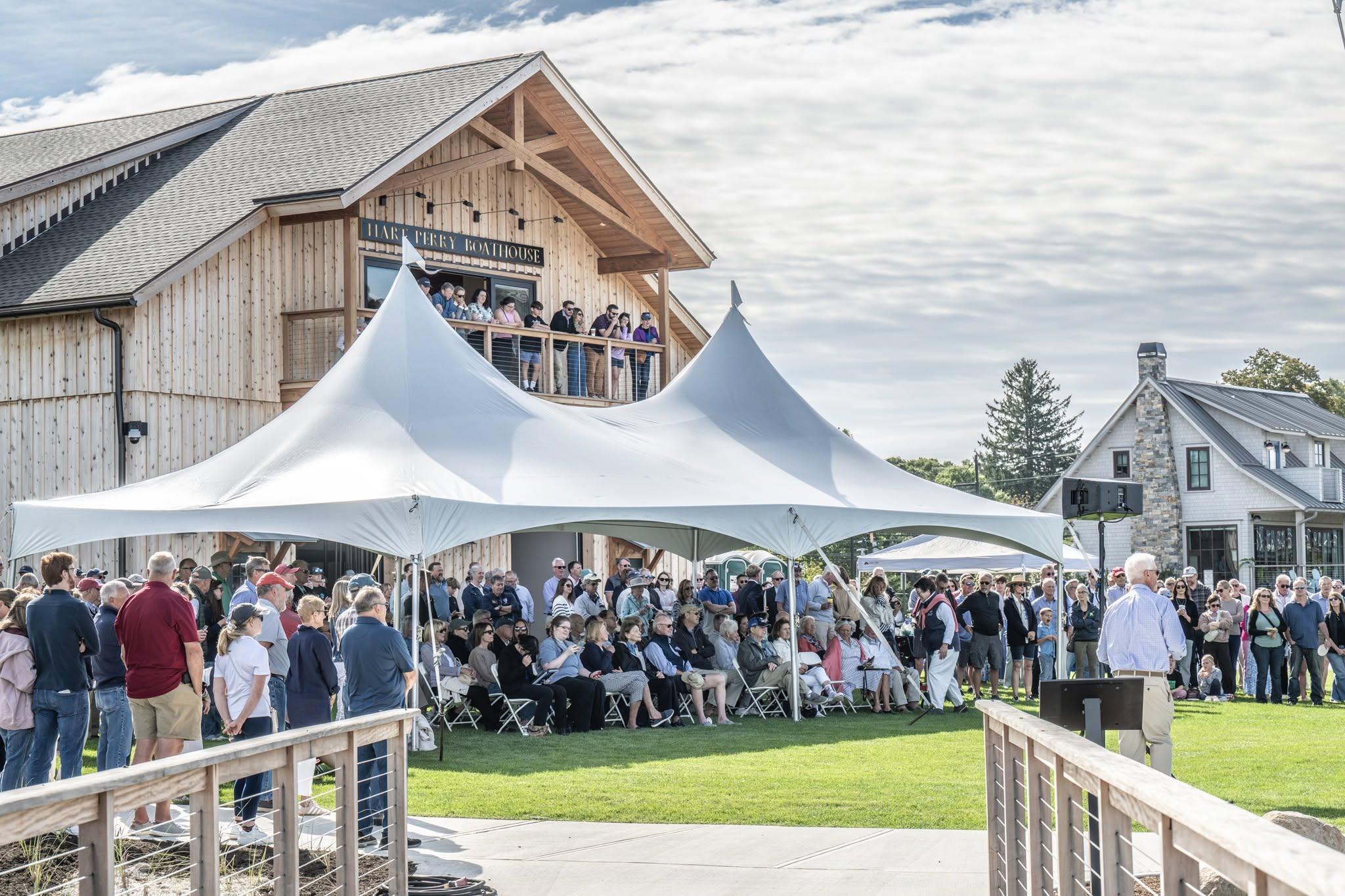
It was not only to celebrate the new boathouse and the rowing center, but it was also to acknowledge “the legacy of two legends in rowing: Hart Perry and Jim Dietz. It was wonderful to see people from the local community and people from the rowing community come together on this day,” John Thornell, Girls Head Coach, Stonington Crew, and Director of Rowing, Stonington Community Rowing, Inc. (SCRI), told HTBS.
Two legends, indeed.
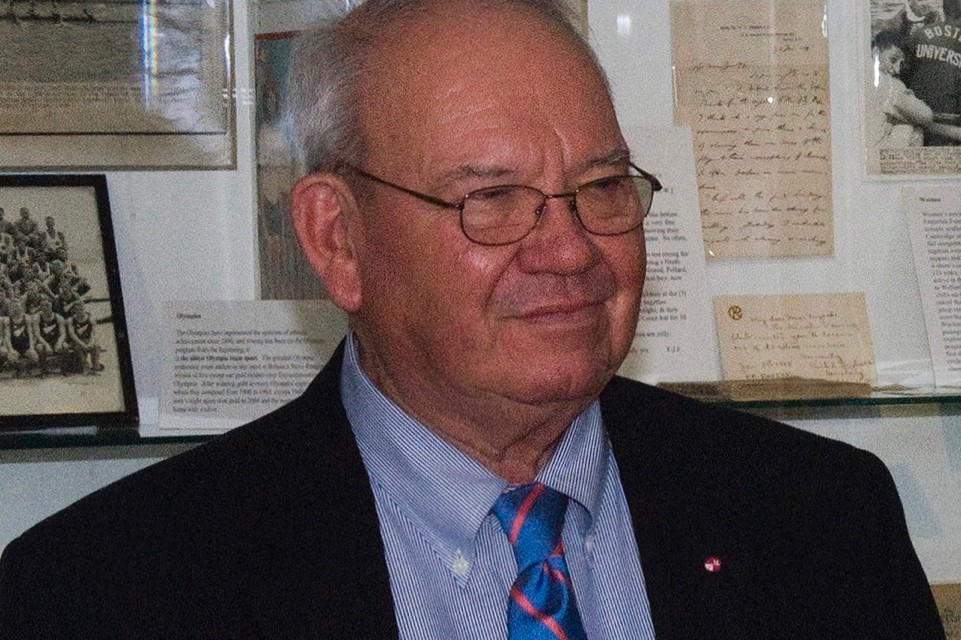
Hart Perry, who passed away in 2011, was a world renown advocate of rowing. Hart had coached at Kent School and the U.S. Coast Guard. He served as an official in both national and international events: in two Olympic Games, 18 World Rowing Junior Championships, and 10 World Rowing Championships, and for decades he was working with Juniors within FISA, the international rowing federation now called World Rowing.
Hart had been the president of the National Association of Amateur Oarsmen (N.A.O.A.O.), the predecessor organization to USRowing. When he stepped down from that position, he became the Executive Director of the National Rowing Foundation (NRF), which raised funds for U.S. athletes to compete in international regattas. The NRF was also the organization which decided the rowers, coaches and others who should be inducted into the NRF’s Rowing Hall of Fame; Hart himself was inducted in 1990. In 1974, Hart became the first non-Commonwealth citizen to be elected a Henley Steward.
Over the years, he received several awards, i.e. in 2009, he and his wife, Gill, his right hand, were awarded the USRowing Medal. In 2011, he received the World Rowing Distinguished Service to Rowing Award.
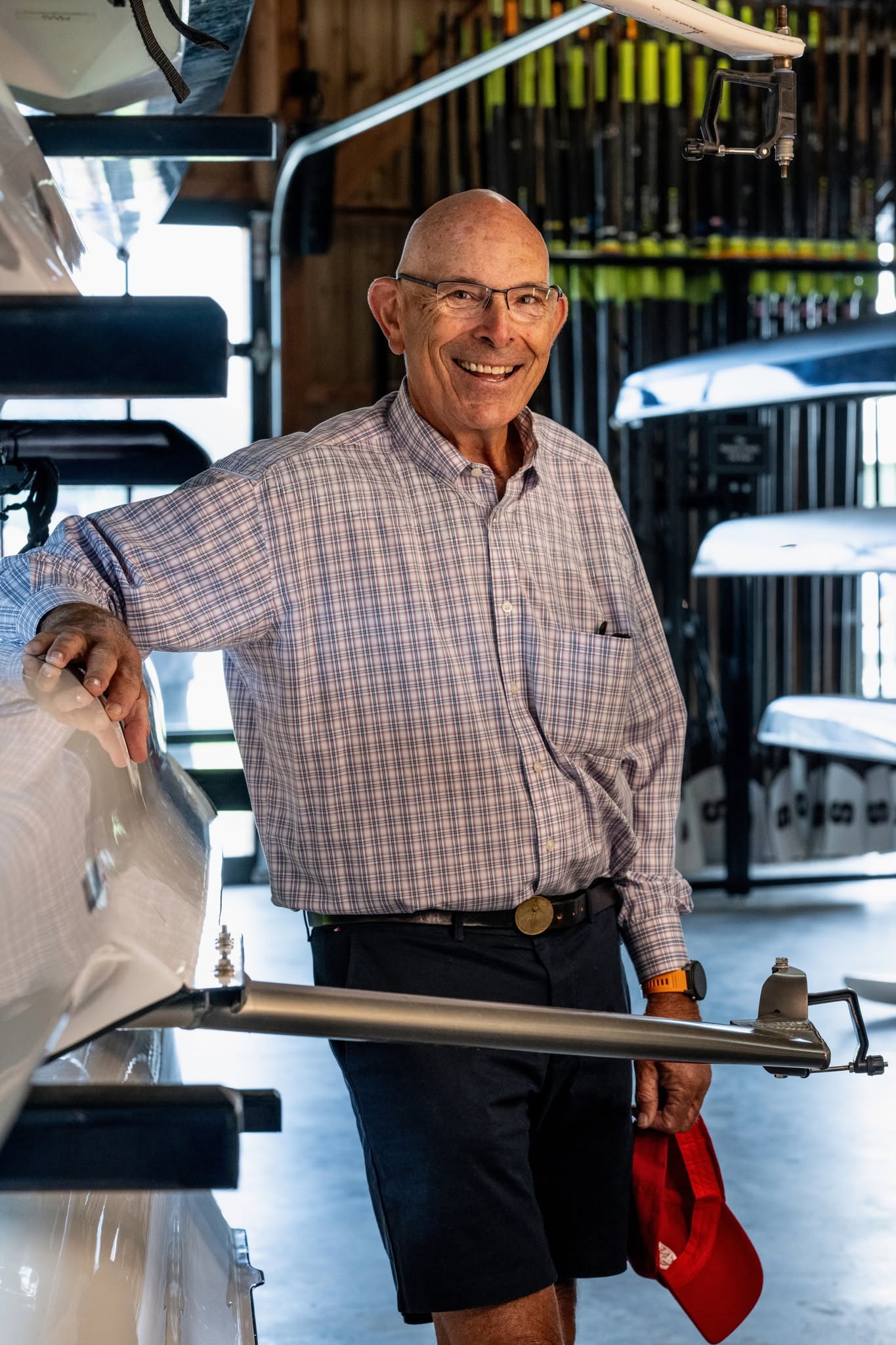
Jim Dietz is a six-time Olympian (in the single sculls in 1972 and 1976 – and made the team in 1980, but the USA boycotted the games in Moscow – four times as a coach). Between the years 1967 and 1983, Jim won 45 U.S. National Championships and 37 Canadian National Championships. He became Junior World Champion in the single in 1967, competed at the World Championships in 1970, 1974 (silver medal in the single), 1975 and 1979, and in the European Championships in 1971. He raced at the Pan American Games in 1967, 1975, 1979 and 1983 taking a total of four medals.
Jim has also worked as a coach for the U.S. national teams. From 1985 to 1995, he coached at the U.S. Coast Guard Academy, and between 1995 and 2019 he coached the University of Massachusetts women’s rowing program.
This day was a day for many thank-you-speeches.
Gill Perry Millsom, widow of Hart Perry, told the audience that it was “Hart’s dream that brought us here to today.” When Hart moved to the Stonington area 31 years ago, and when “Hart saw this beautiful piece of water, he thought what a terrible waste – and even worse in his eyes, so little public access to the river,” Millsom said. “To Hart, it was a huge missed opportunity, and so, of course, he decided to do something about it.”
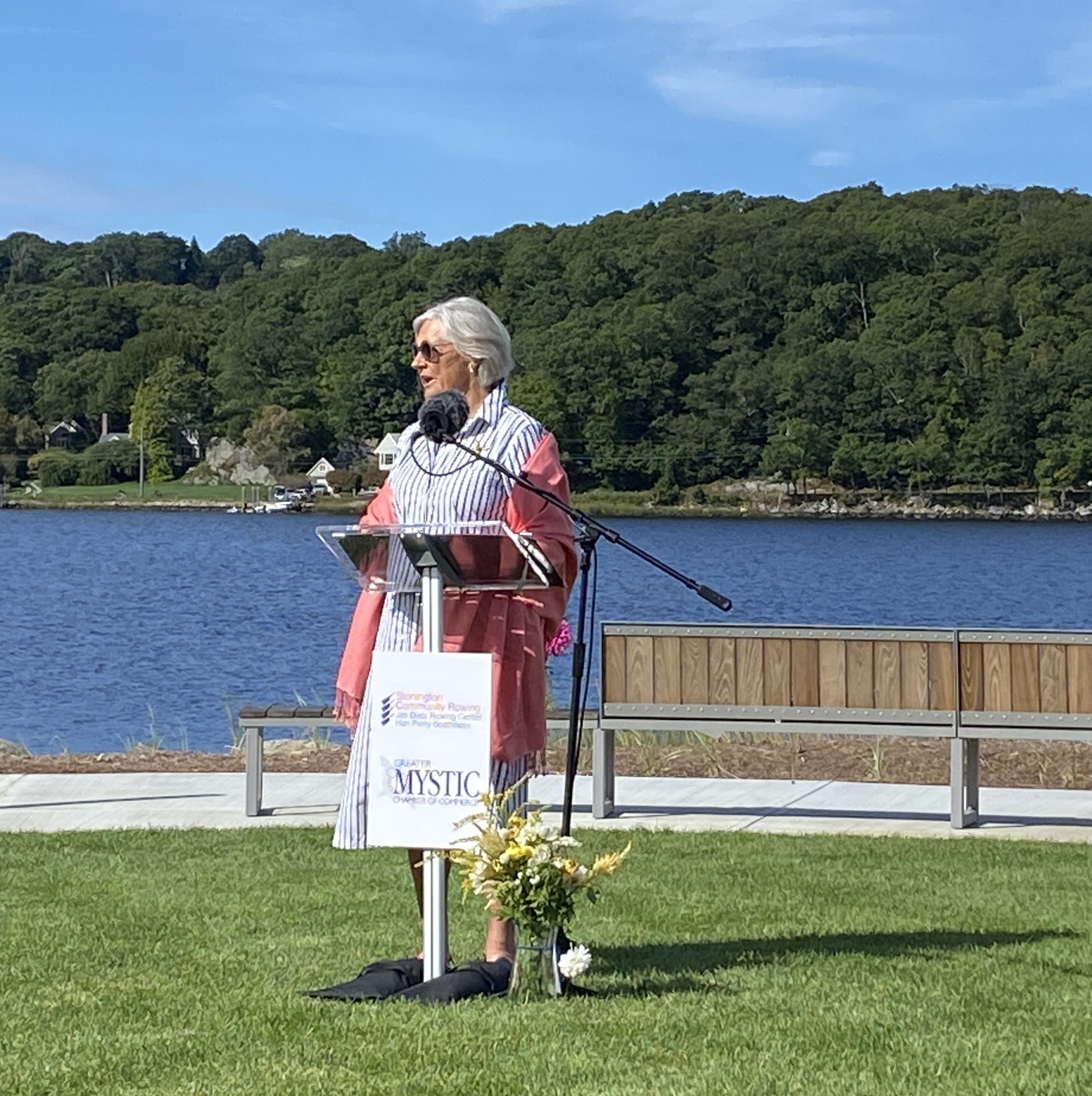
Hart found local people who were passionate about rowing, contacted Mystic Seaport Museum, community leaders and lastly, he contacted his very good friend Jim Dietz to create a regatta to highlight the sport of rowing and showcase the Mystic River, Millsom said. “And that was how the Battle Between the Bridges was founded.” It was side-by-side, Henley-style, elimination races for World and Olympic single scullers.
Millsom added: “Hart also dreamed about a real boathouse, but not simply to store boats. He wanted a home for Stonington High School crews, and he wanted a place for community rowing, and what’s more, give the public access to this magnificent river.”
Millsom received warm applause and cheers when she ended her speech by saying: “Hart had a dream. He didn’t live long enough to finish it. But you did. The Community did. We all did. Thank you for remembering Hart. Thank you for making this dream come true.
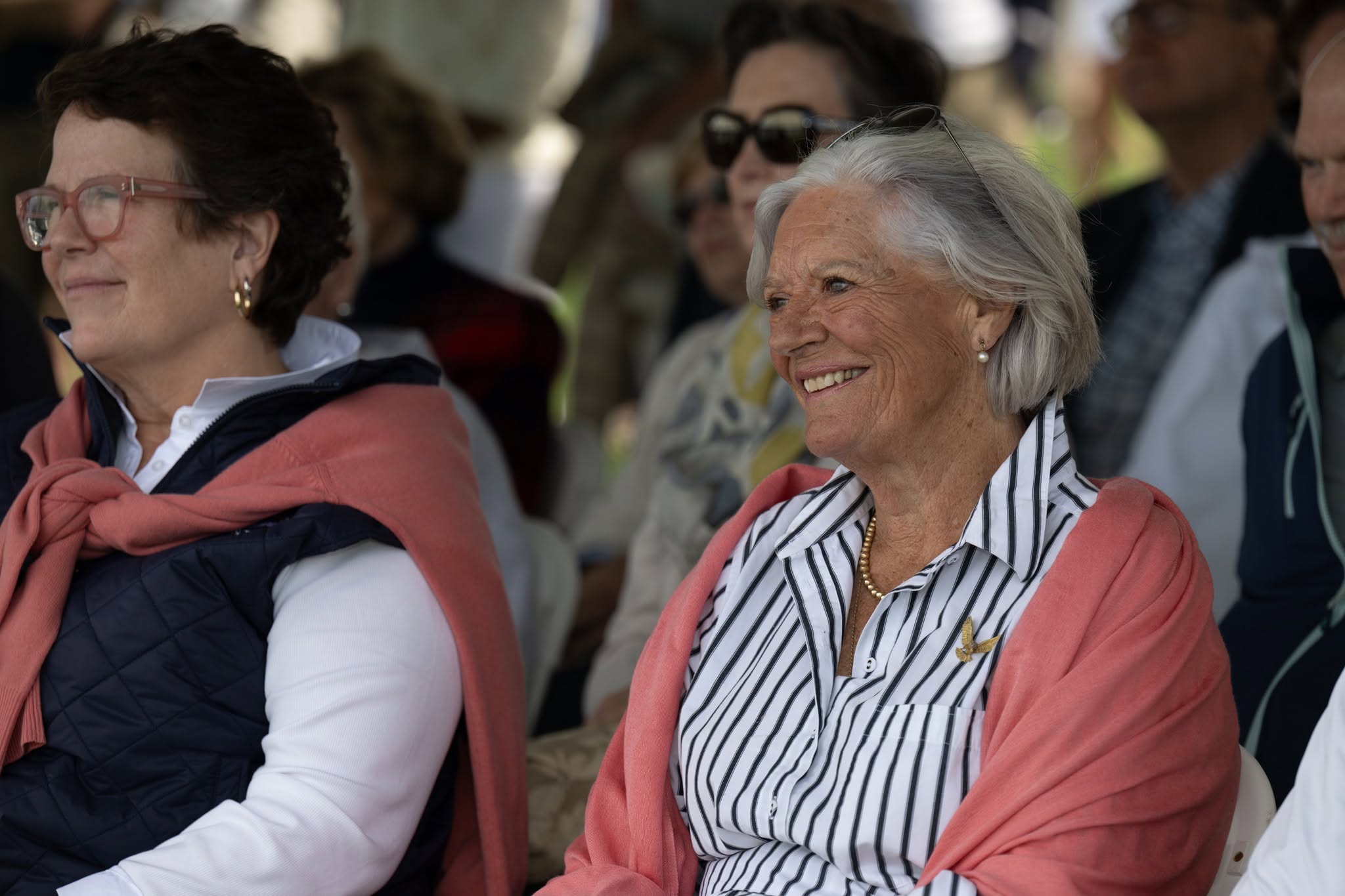
Hart Perry’s daughter, Lissa Perry Gumprecht, talked about her father, the coach and the man. She said, “So many of my childhood memories involve some aspects of rowing as we almost always were at a regatta somewhere.” She continued: “Rowing was not a hobby in our family; it was my father’s passion.” Perry Gumprecht quoted a passage from The Wind in the Willows, which Hart loved and often referenced and which she thought captures how he worked his magic: “there is nothing – absolutely nothing – half so much worth doing as simply messing about in boats”.
“Dad spent his whole life getting people into a boat before they knew they wanted to be there. And once they were in, most of them never really got out,” Perry Gumprecht said. She mentioned the 1974 documentary Rowing: A Symphony of Motion where Hart is interviewed (14:35 – 16:40) about “getting kids in the boat.”
“Dad’s passion is exactly why this building exists, not as a monument to one man’s career, but an open door, the same door he spent much of his life holding open for anyone curious enough to walk through it,” she said.
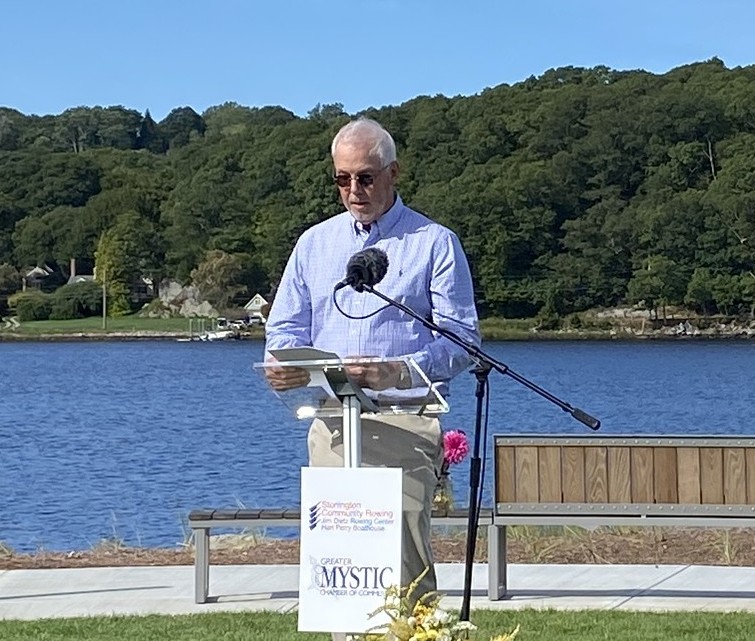
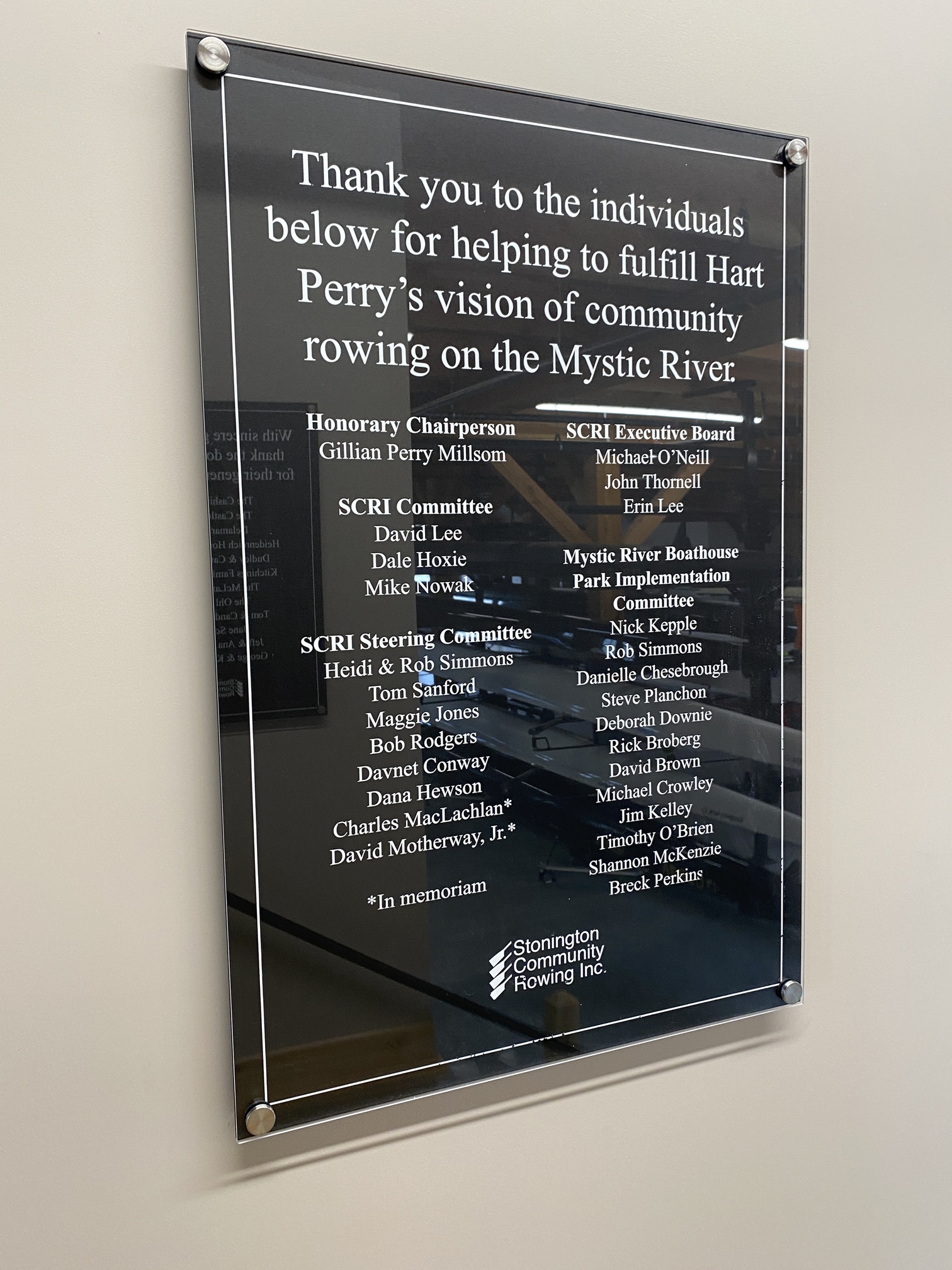
Also, Mike O’Neill, president of SCRI, who was up next, talked about a dream. He went through a long list of people to thank – politicians, town people, designer, architects, landscapers, supporters, donors, contractors and the workers who had built the rowing center and the boathouse, and many more.
O’Neill’s talk came to a pause when he looked for the last page of his speech. He apologized and said that he had lost a paper, a page that, it seemed, would praise his SCRI colleague John Thornell. But he thanked Thornell for his miraculous work raising funds for this project. O’Neill said that Thornell was one of the “heavy lifters” who took the project over the finish line. He continued to say: “Today, as we cut the ribbon, we open more than a boathouse, more than a rowing center, we open a new gathering place for rowing, a new connection to the river, and a new chapter for our town.”
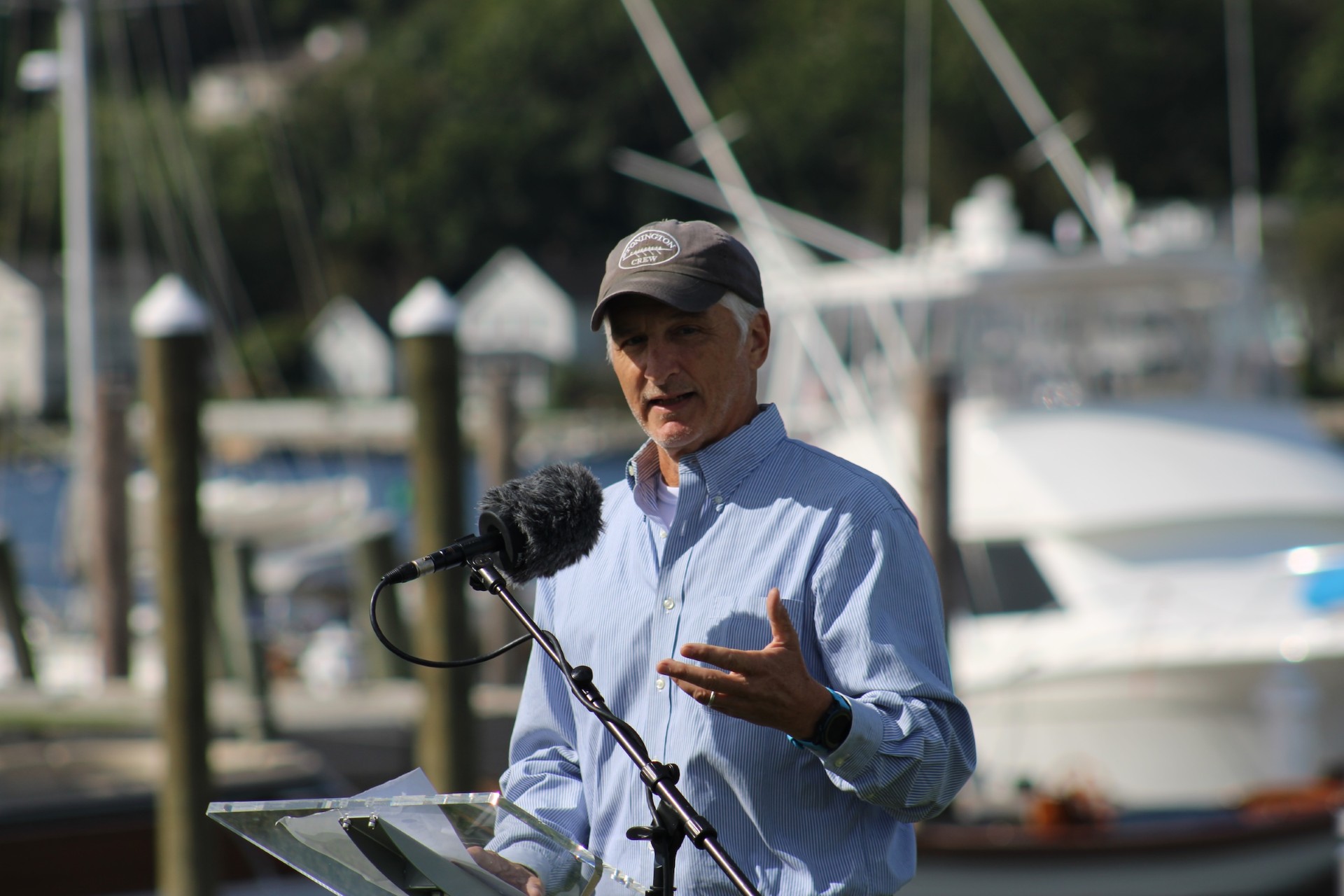
The mystery with the “lost paper” was solved when the next speaker, John Thornell, stepped up to the microphone. He said: “I don’t like these kinds of things. I actually stole Mike’s paper. I saw it laying in the boat bay, and, no, no, this is not going to happen.” And people laughed and applauded.
Thornell told the people gathered that it was such an inspiration to coach the Stonington High School Girls’ Team. He said his role as director of rowing has primarily been working with the capital campaign helping to raise more than $3 million for the project. Thornell continued to thank Gill Perry Millsom for her enthusiasm throughout the project, and the many donors, including local rowers like Tom Sanford and the Castle Family. It was Willie Castle who told Thornell that he wanted to recognize Jim Dietz. The selling point, Thornell said, was when Castle told him that when he was a young man, two weeks with Jim Dietz had completely changed his life. “During Jim’s career, there are thousands and thousands of Willie Castle stories,” Thornell said.

“I am one of the many rowers coached by Jim Dietz over the last 50 or so years who came here today to say, Thank You, Jim,” Willie Castle said. He also praised Thornell for getting the job done and at the same time coaching his team and living his own very busy life. “This community really needs to thank this humble, kind and dedicated coach for getting this rowing center built, and if those big Douglas fir beams inside that boathouse hold up for generations of athletes to come, Coach Thornell, you put them there,” Castle remarked.
“And Jim, like all great coaches won’t admit this, as generally rowers hate to take credit for their success. The legendary coach Harry Parker once said, ‘What you athletes think you learned from me, you really learned from the sport.’ And Harry, like Jim, are far too humble. Because it’s a combination of coaching and rowing that cultivates the character traits that make the athletes into better people,” Castle said.
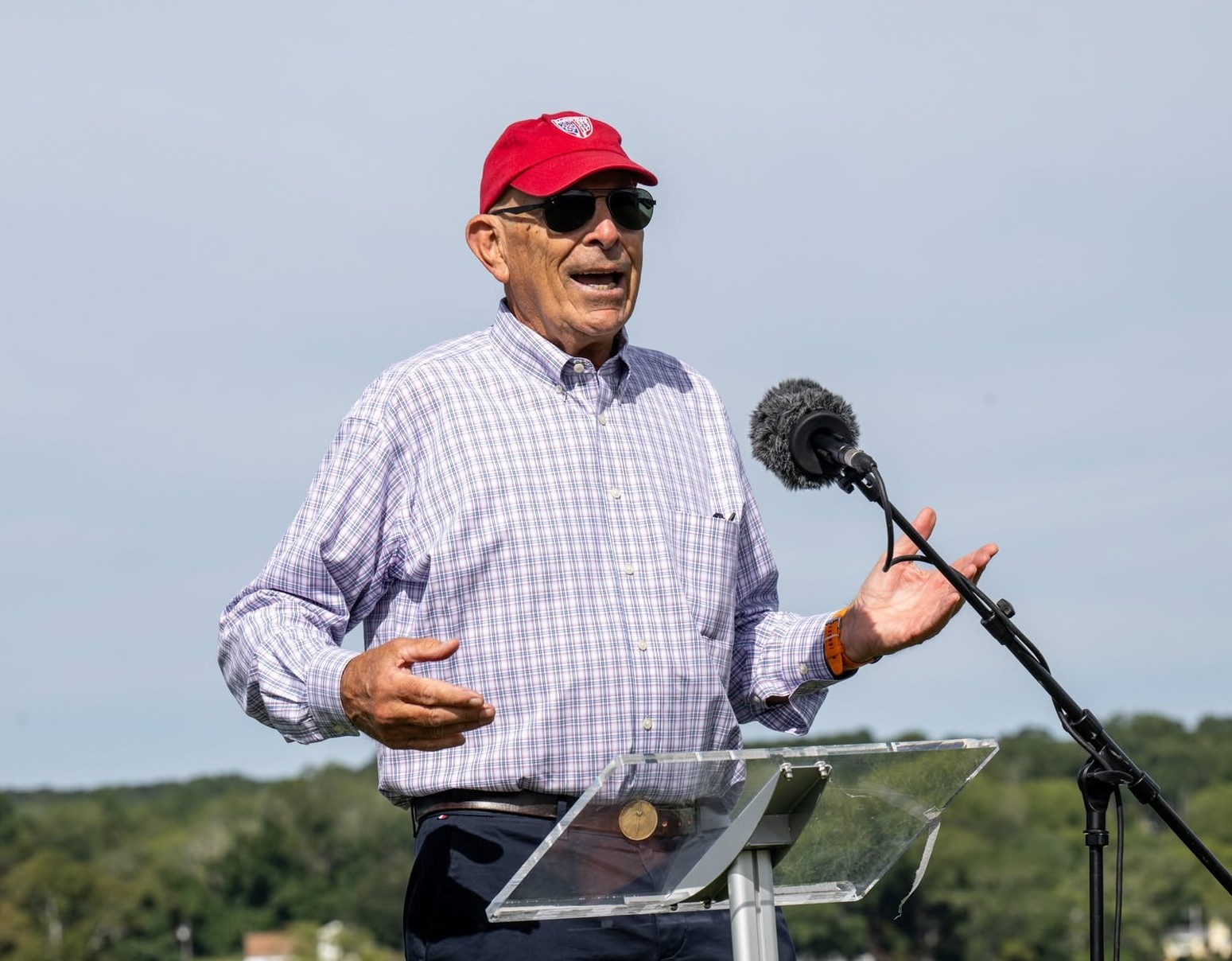
Jim Dietz told the story about how he came into rowing. “It started in high school when three big guys said, ‘You will come with us, you’re big enough, or we will beat the shit out of you’. So, to save myself a beating. I went with these big guys I ended up at the New York Athletic Club. And I saw something that I never saw before, and it was beautiful, and it was out of the city and out of the projects and stuff. And it was like, this is for me. And in the back of my mind I knew I sucked at basketball,” Dietz said, which of course made the people laugh.
About the rowing center project, Dietz said that the committee had sent him several emails, and he had seen newspaper clippings where a critic said: “Why do we need this preppy sport in Stonington, Mysic, anyway? …. This is a rich kids thing,” he said. “Let me tell you,” Dietz said and pointed at himself, “this wasn’t a rich kid from the Bronx.”
Dietz reminded the audience what rowing historian Tom Weil once wrote that rowing is the only Olympic sport that derives from an occupation – and that occupation was men who pulled oars. “And going back to the Revolutionary War… and it was oarsmen that saved us… rowing across the Delaware… Doggett’s Coat and Badge in England, these were working men that raced across the river. The Biglin brothers from New York, unloading ships, rowing back and forth, they became the first professional athletes,” Dietz said.
“William Lanouette, another oarsman who rowed for my coach Jack Sulger at Fordham [College], wrote a book, The Triumph of the Amateurs, and I read that book and I thought the reason these guys were drawing in hundreds and thousands of people to watch them race was because they were the common man, and everyone wanted to see the common man prosper and do great things and that’s where our sport is driven from.”
Dietz added: “Sure, it was taken over by Oxford, Cambridge, Harvard and Yale and they got all the publicity, but it was the common man that really made the boats go, back in the day. So, for the critic, the other thing he didn’t understand is that this just doesn’t happen in other sports. We got people that love our sport and are so eager to give back. And Hart tapped into that all the time. If it wasn’t for Hart, decades of junior oarsmen, under-23 oarsmen and elite oarsmen wouldn’t have had the opportunity to go racing in Europe. They wouldn’t had the opportunity to go row at the English Henley. Our people give back. How many names are on this boathouse and how many names are there in the rooms and everything else. It comes from people who got something out of the sport and just wanted to give back. It gave them something in the world – it gave them life.”
He pointed out towards the audience and mentioned that there were oarsmen he coached at the U.S. Coast Guard and women from UMass (big cheers from those women in the crowd). “I went from coaching these poor guys at the Coast Guard Academy, beating the shit out of them, slapping them around, and then I go to coach women, and my wife Pam goes, ‘Oh, Jim you have to be nice’ – Well, I was nice….”
Dietz talked about coaching Willie Castle and how he took Castle to the same regattas that his coach once took him. “It was like my life was repeating itself,” Dietz said. “The thing that keeps you in the sport for some 66 odd years you start living vicariously through the people around you, and the kids that you coach. It’s fabulous. Now, I’m not delusional enough to think that I’ve really done anything special in this rowing world.”
Dietz counted several rowing coaches that had done the same things he did, coaching kids, taking them to regattas, and to the Worlds and the Olympics, raising money to buy boats, etc. They just keep giving back, Dietz said. And the sport is growing, and there are more and more high school programs starting. “We are on a boom again,” he said, “everything is getting better all the time. These programs are going to need athletes, breed those athletes here.”
“The coaches in this boathouse will be judged on many different metrics. Wins and losses is the easy one – I don’t care about that. How many people will go through the program – I really don’t care about that, he said. “How many people going through the program will go on to row in college and after college – I really don’t care about that. What I care about is what Hart would want, what I would want, and that’s to instill a love of our sport with everybody that comes through here. Then you’re really a winner.” [See video below for the whole speech.]
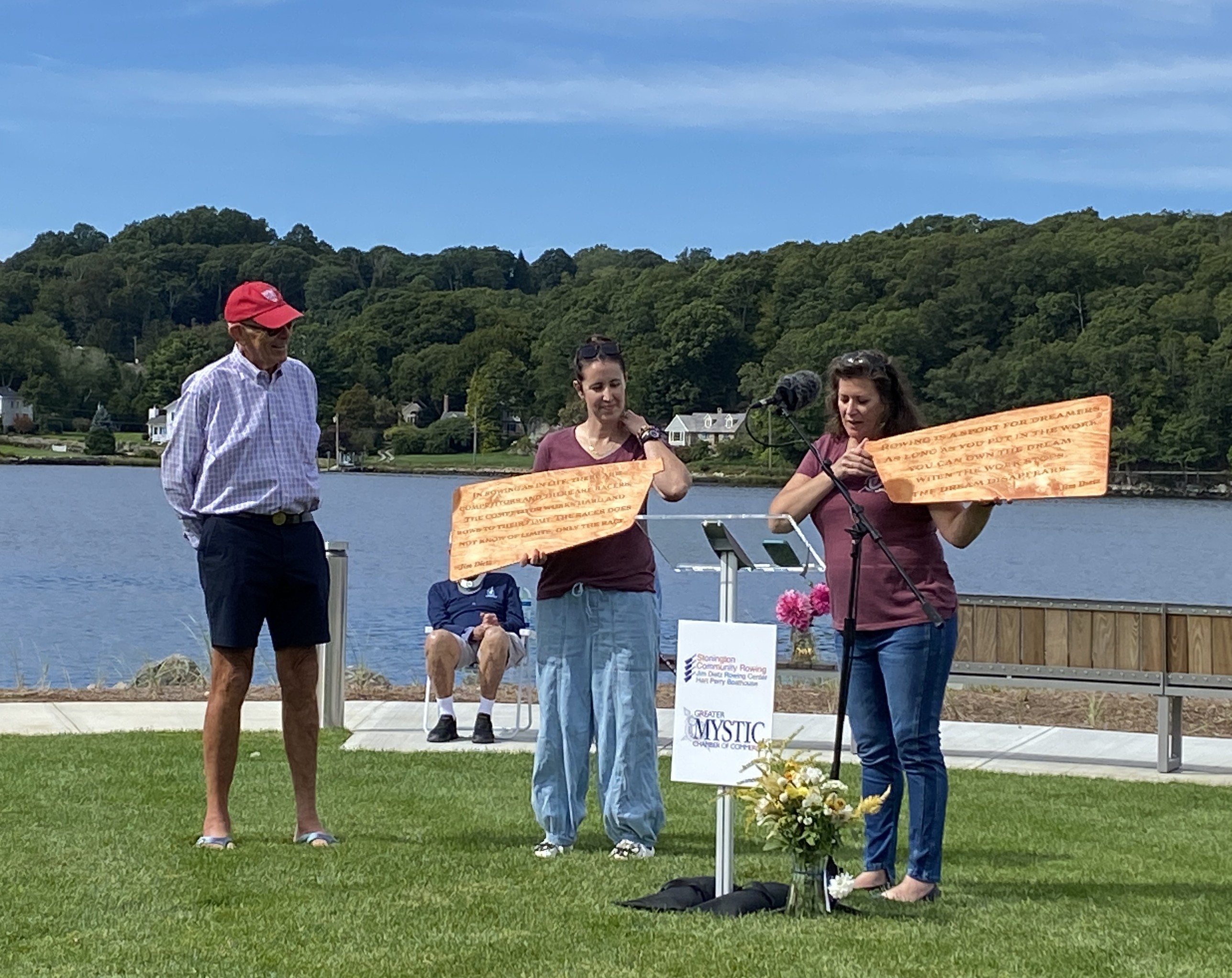
Next up were two of Dietz’s UMass rowers who congratulated him for getting his name on the rowing center. They gifted four oar blades with Dietz quotes, for example: “In rowing as in life, there are competitors and there are racers. The competitor works hard and rows to their limits. The racer does not know of limits, only the race.”
Five more speakers followed, townspeople, former politicians and politicians who have worked all these years to get this project rowed to shore. They were Chairman of the Mystic River Boathouse Park Implementation Committee Nick Kepple, Former Stonington First Selectman and former U.S. Congressman Rob Simmons, Former Stonington First Selectman Danielle Chesebrough, Connecticut Senator Heather Somers and Connecticut Representative Aundré Bumgardner. Realizing that they followed long speeches, they kept their own speeches short.
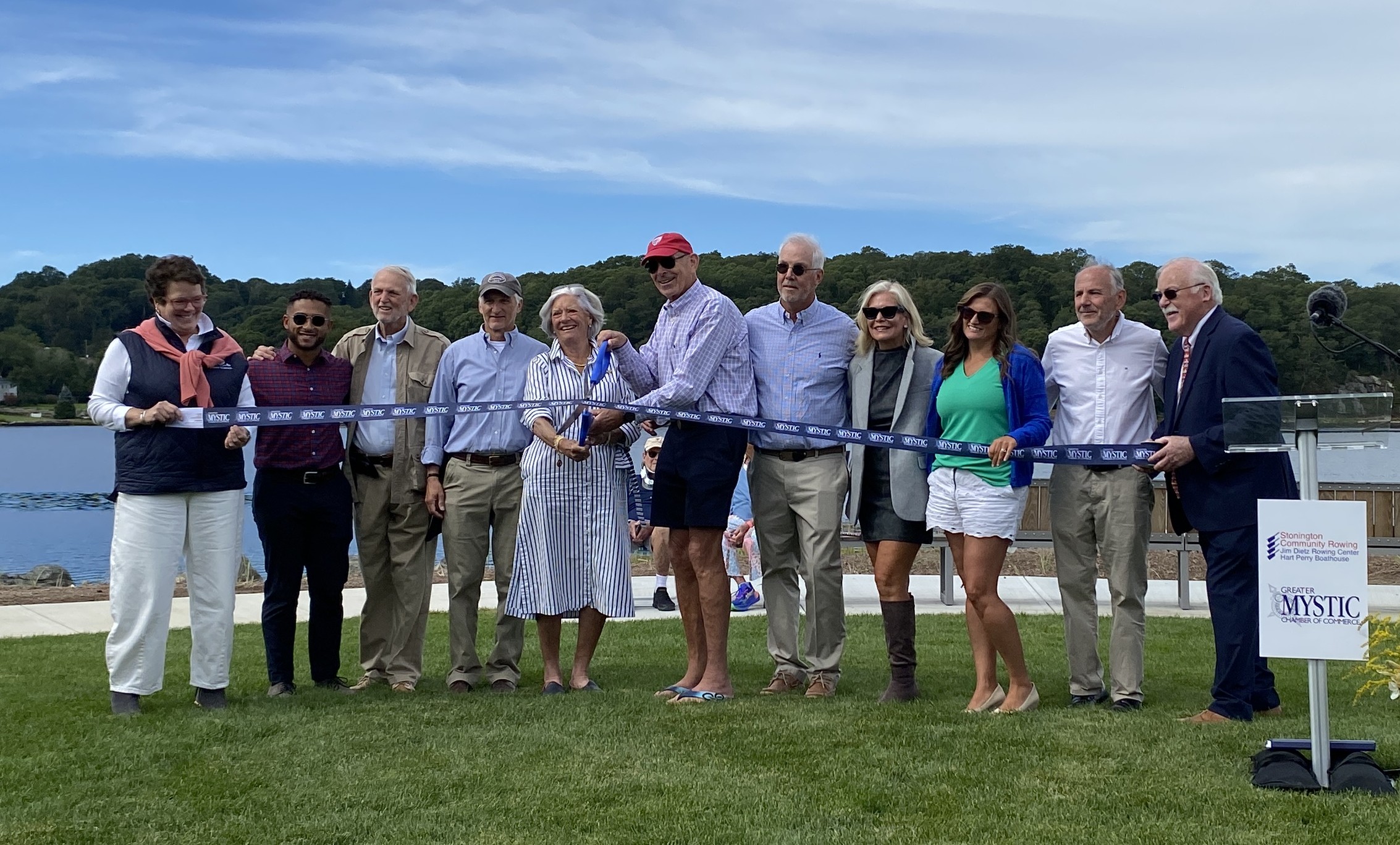
The last thing on the program was the ribbon cutting. Holding a large pair of scissors were Gill Perry Millsom and Jim Dietz, who were surrounded by some of the previous speakers.
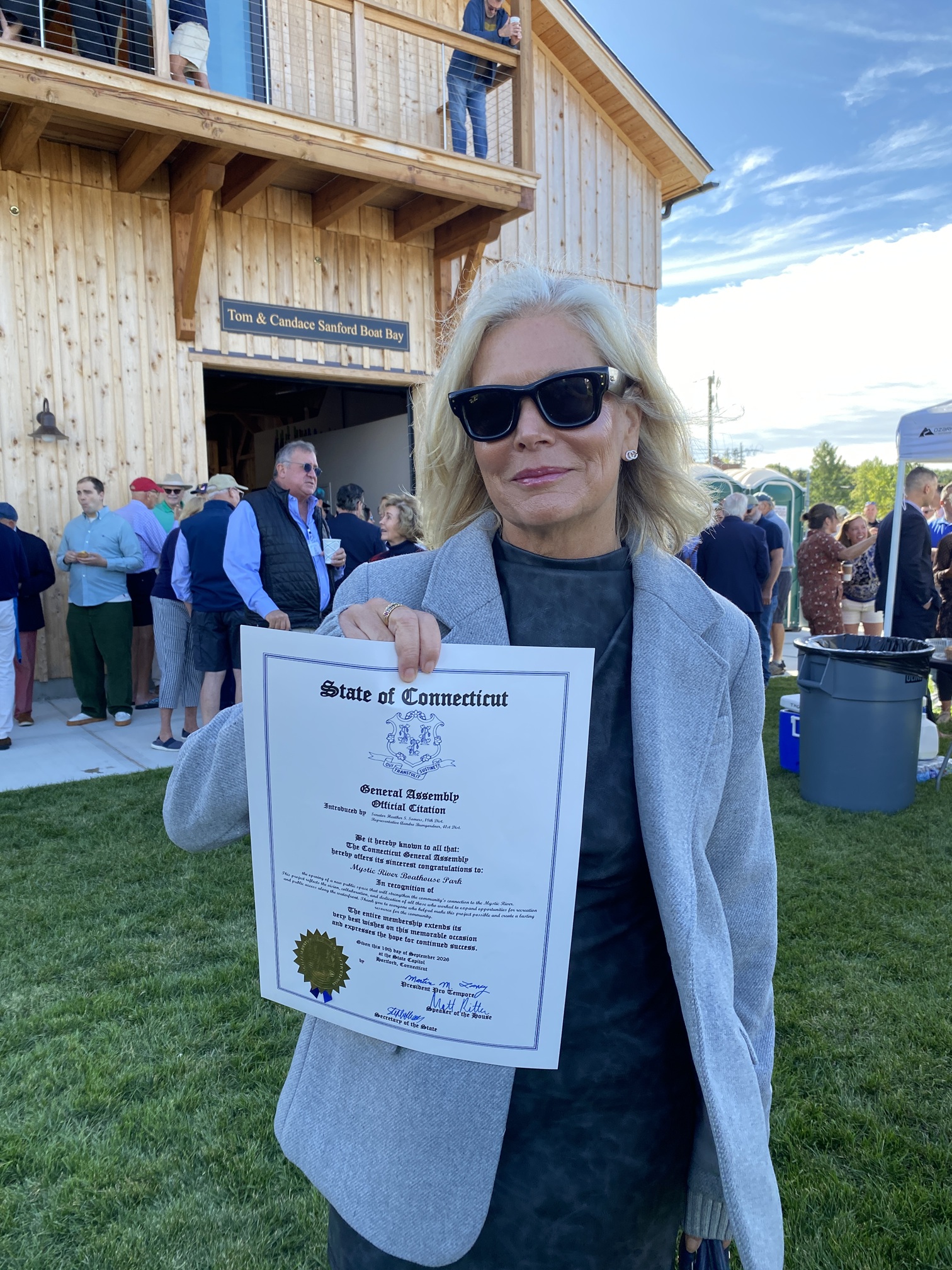
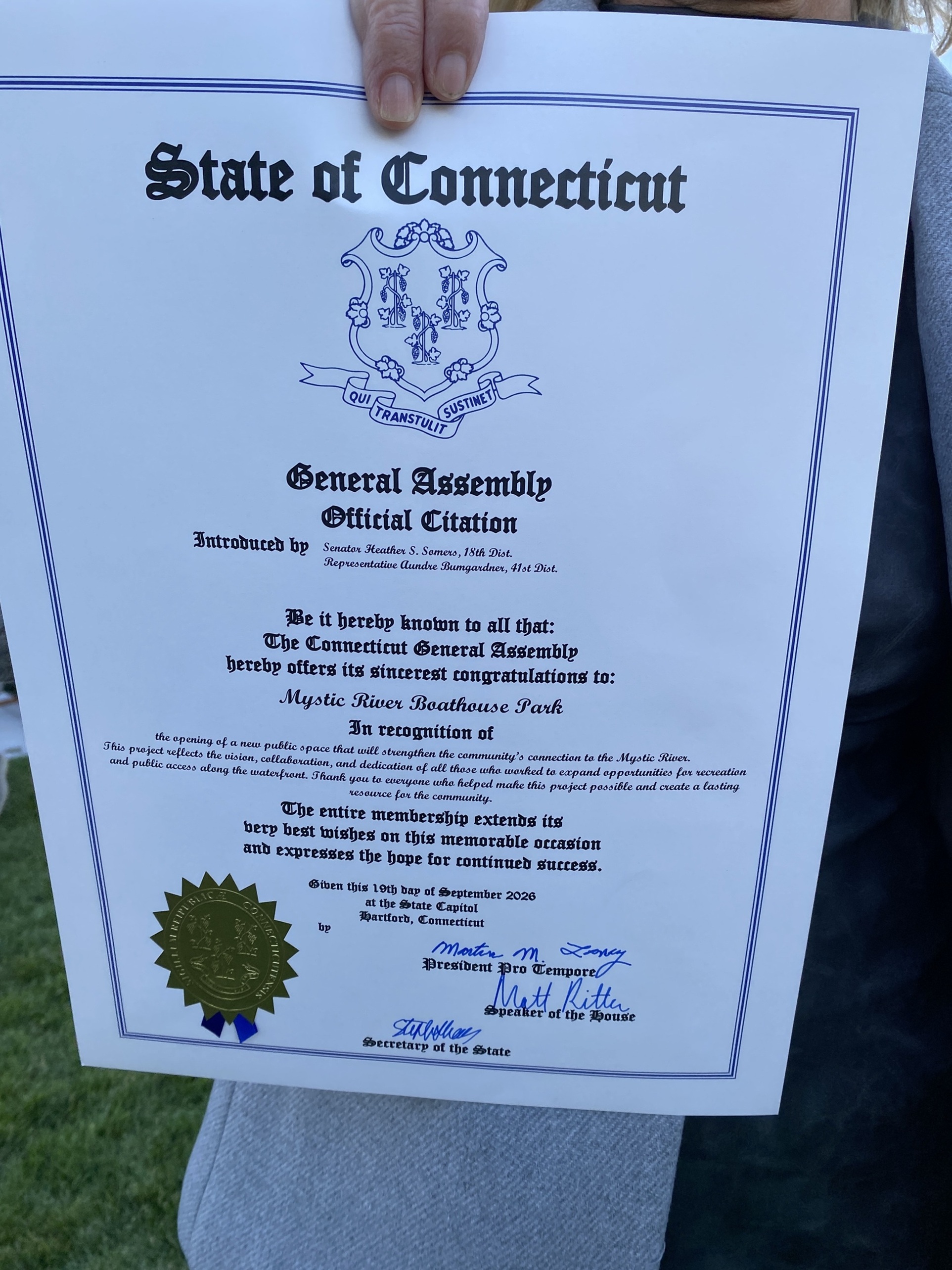
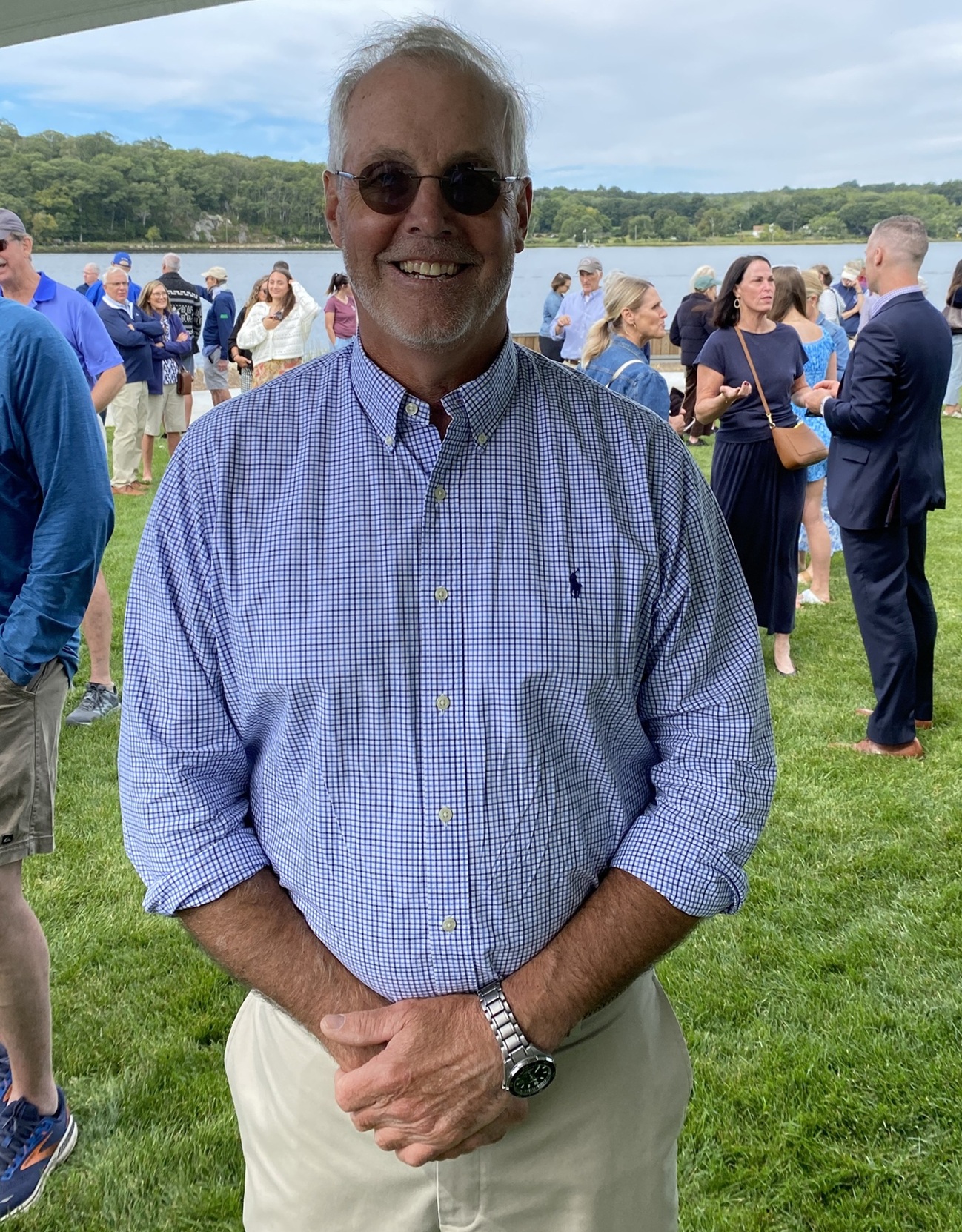
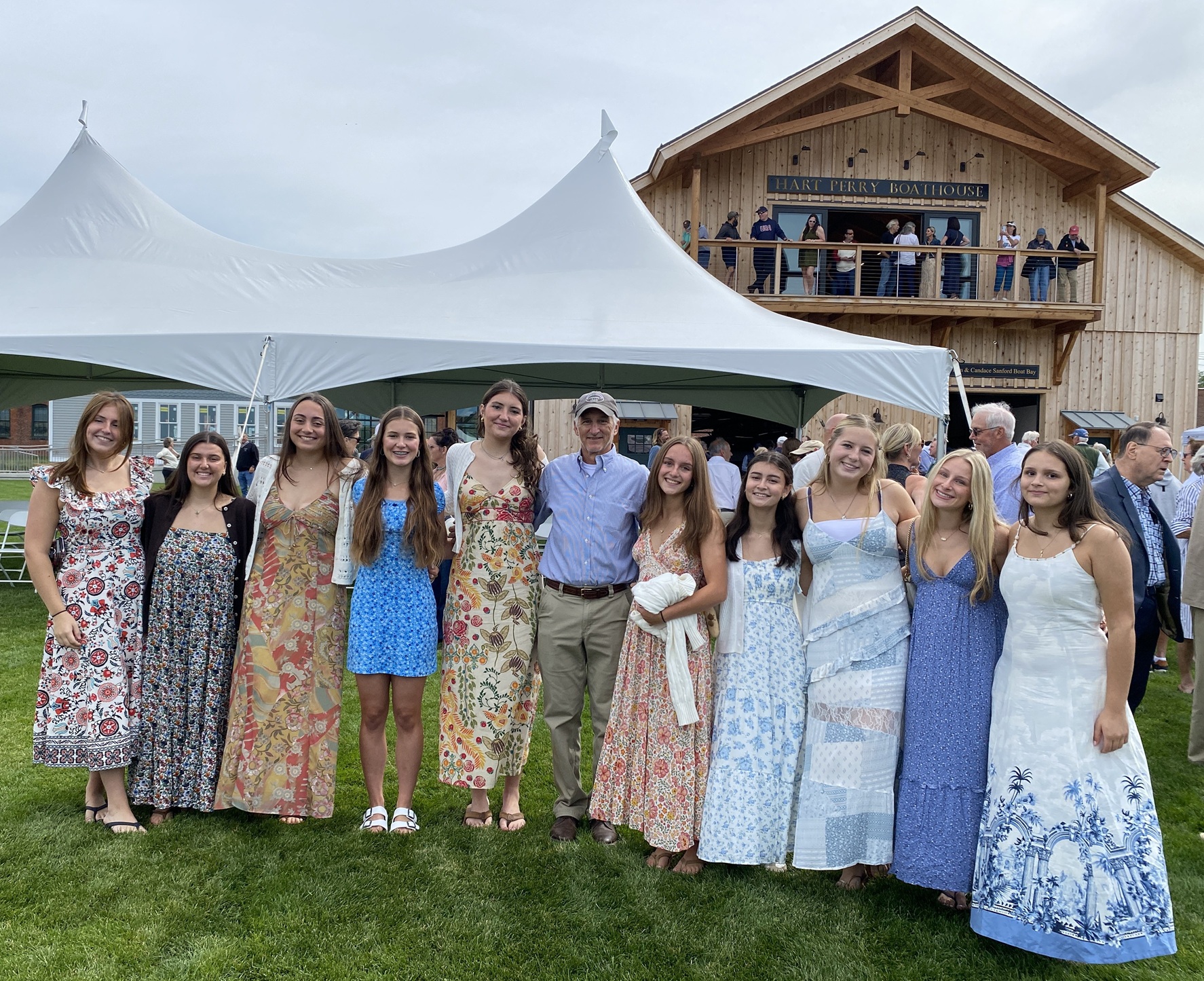
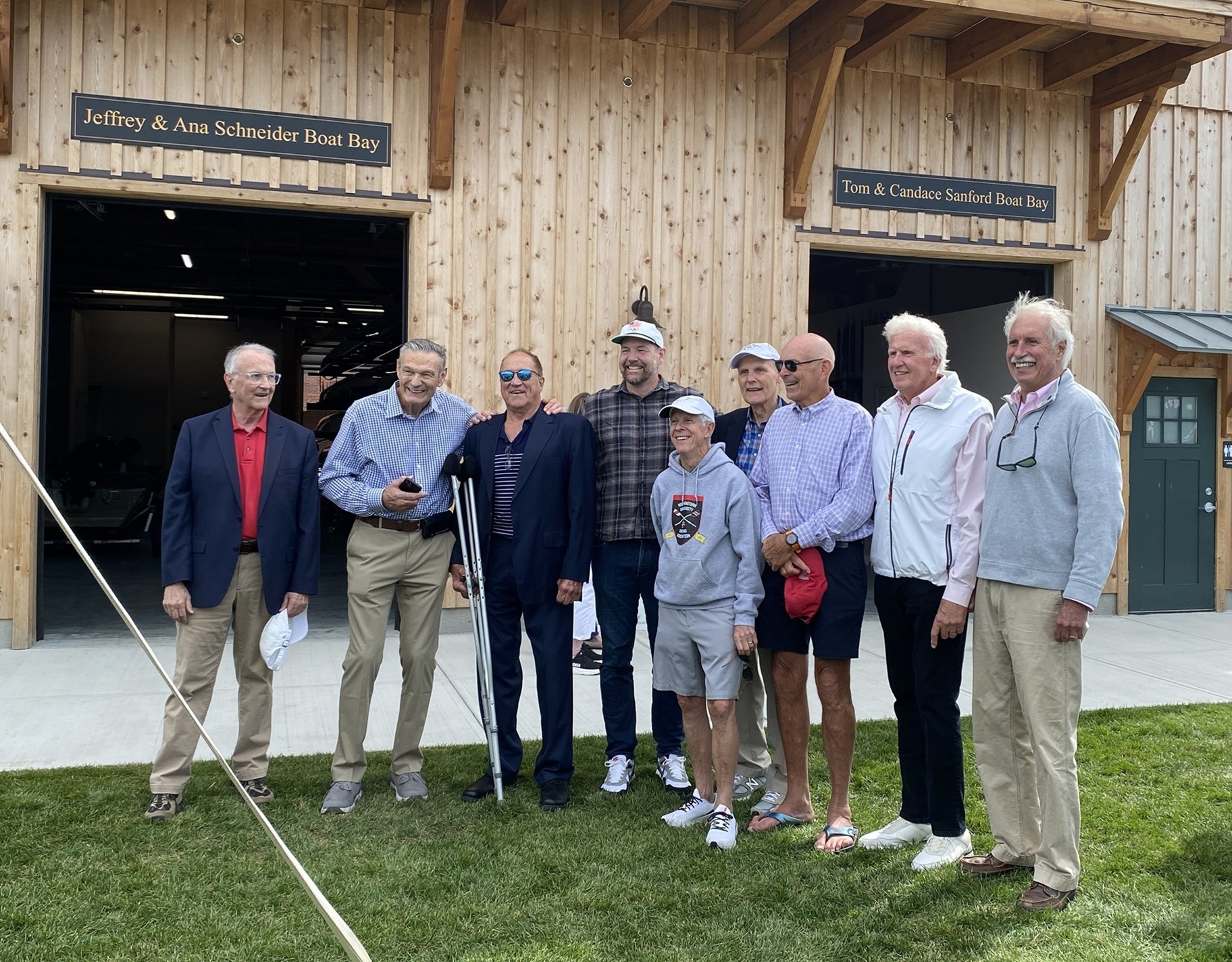
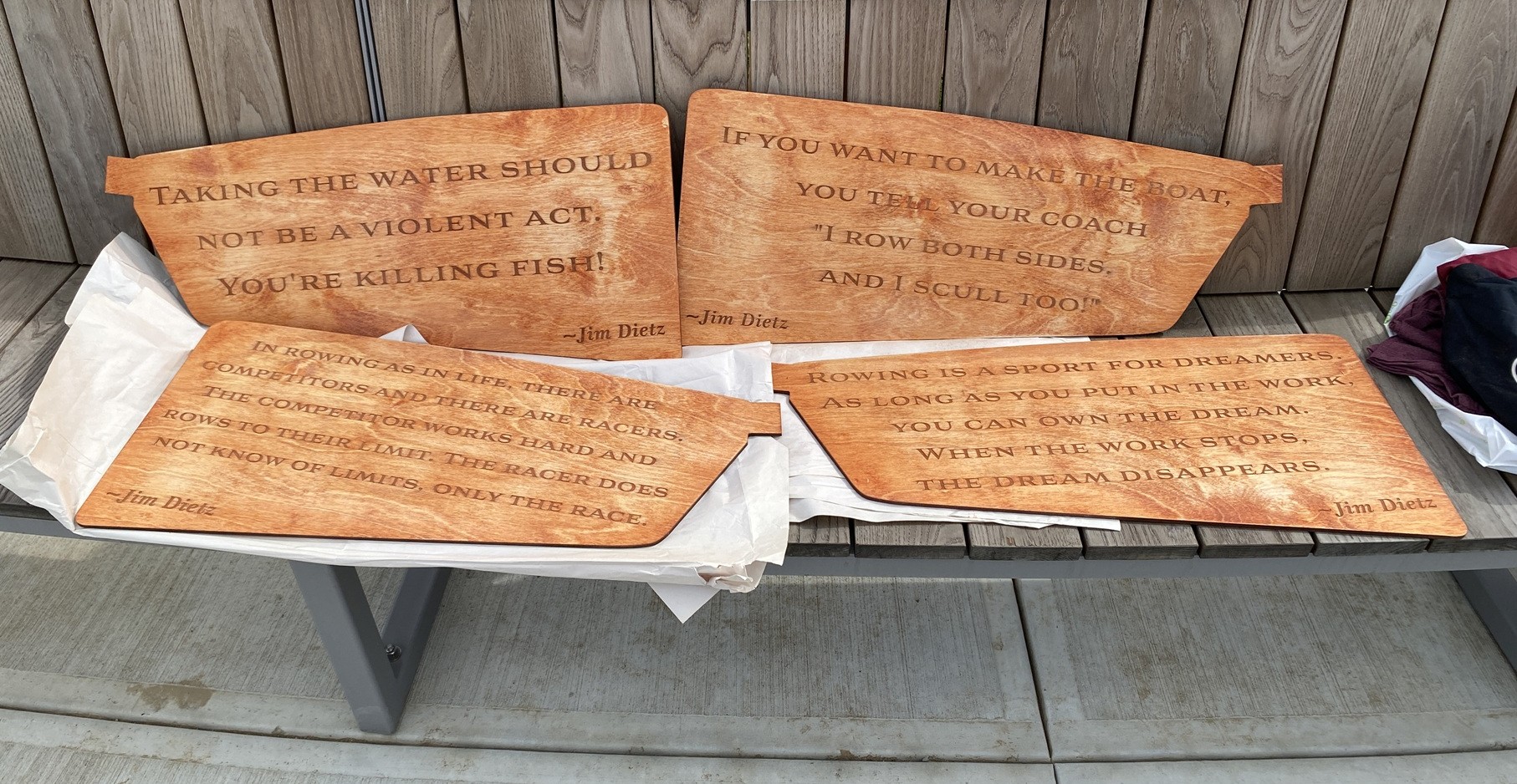
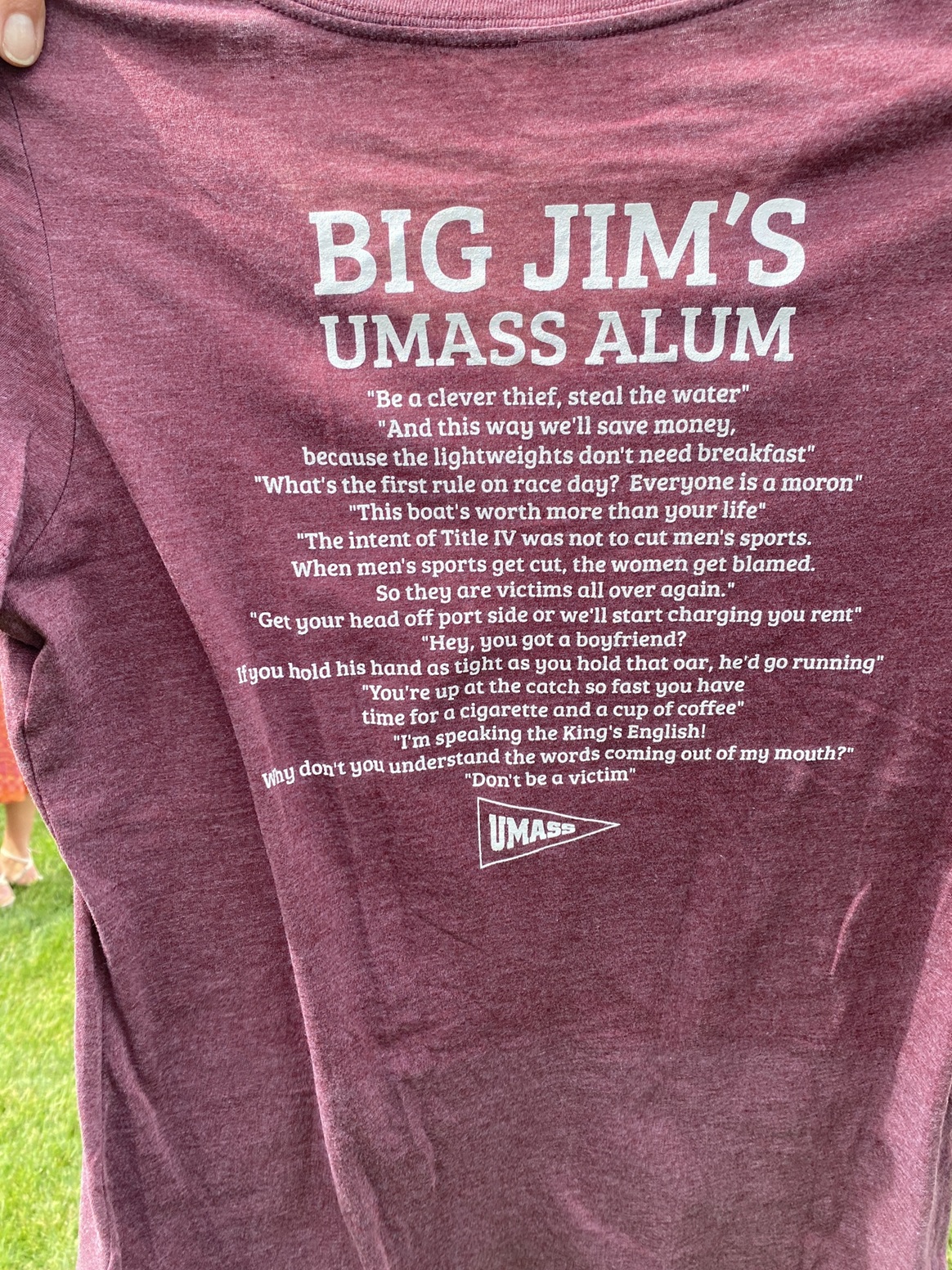
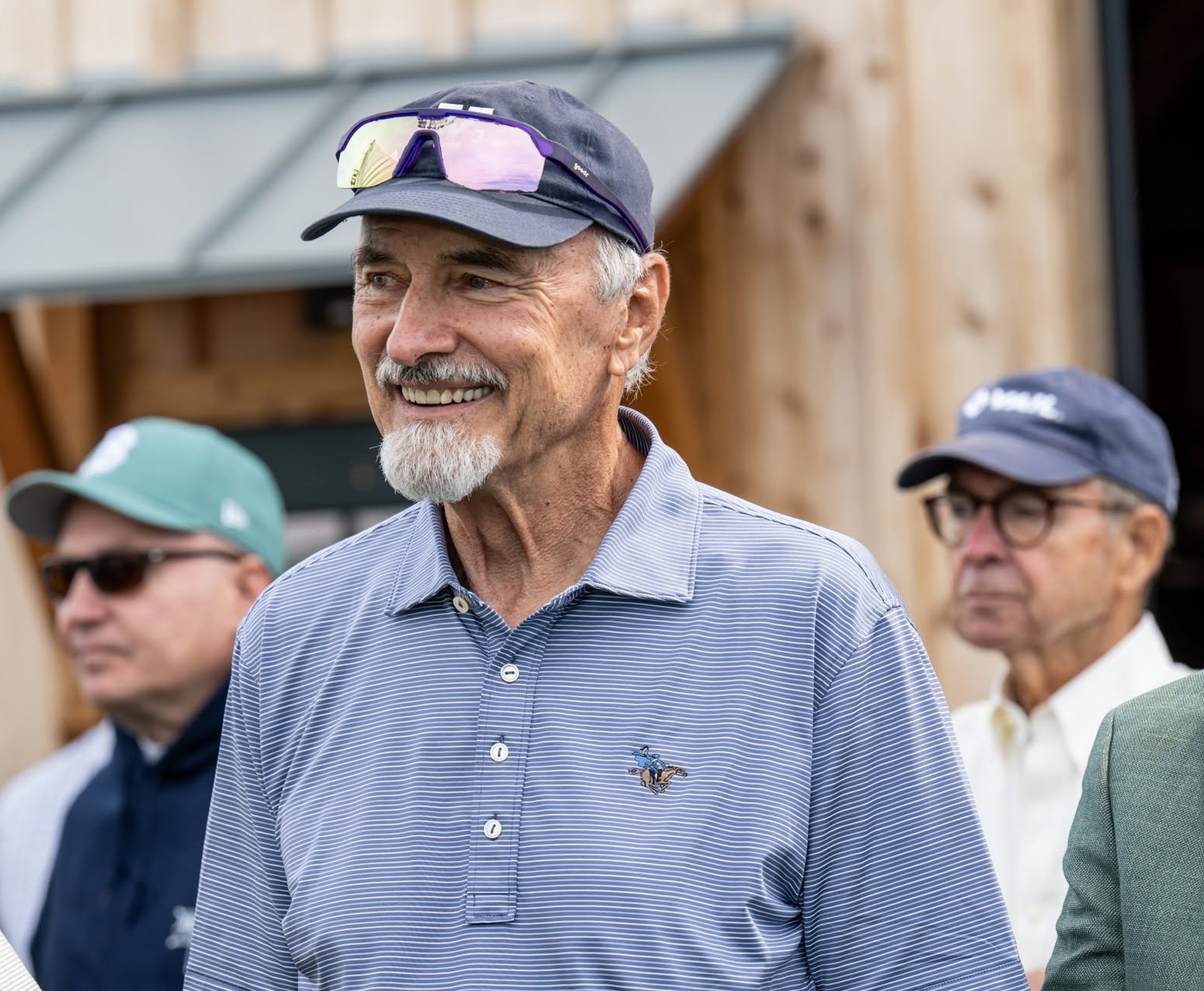
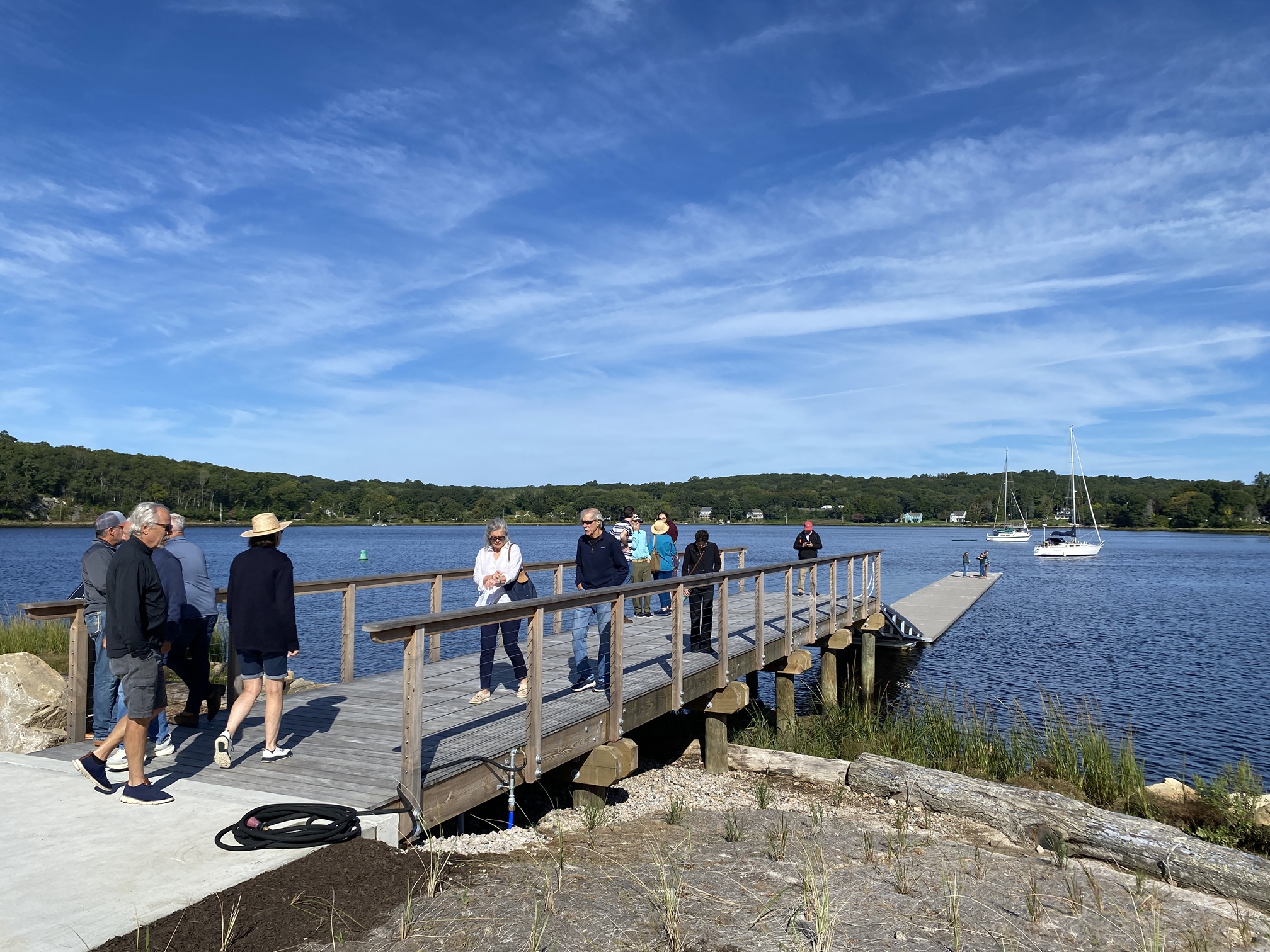
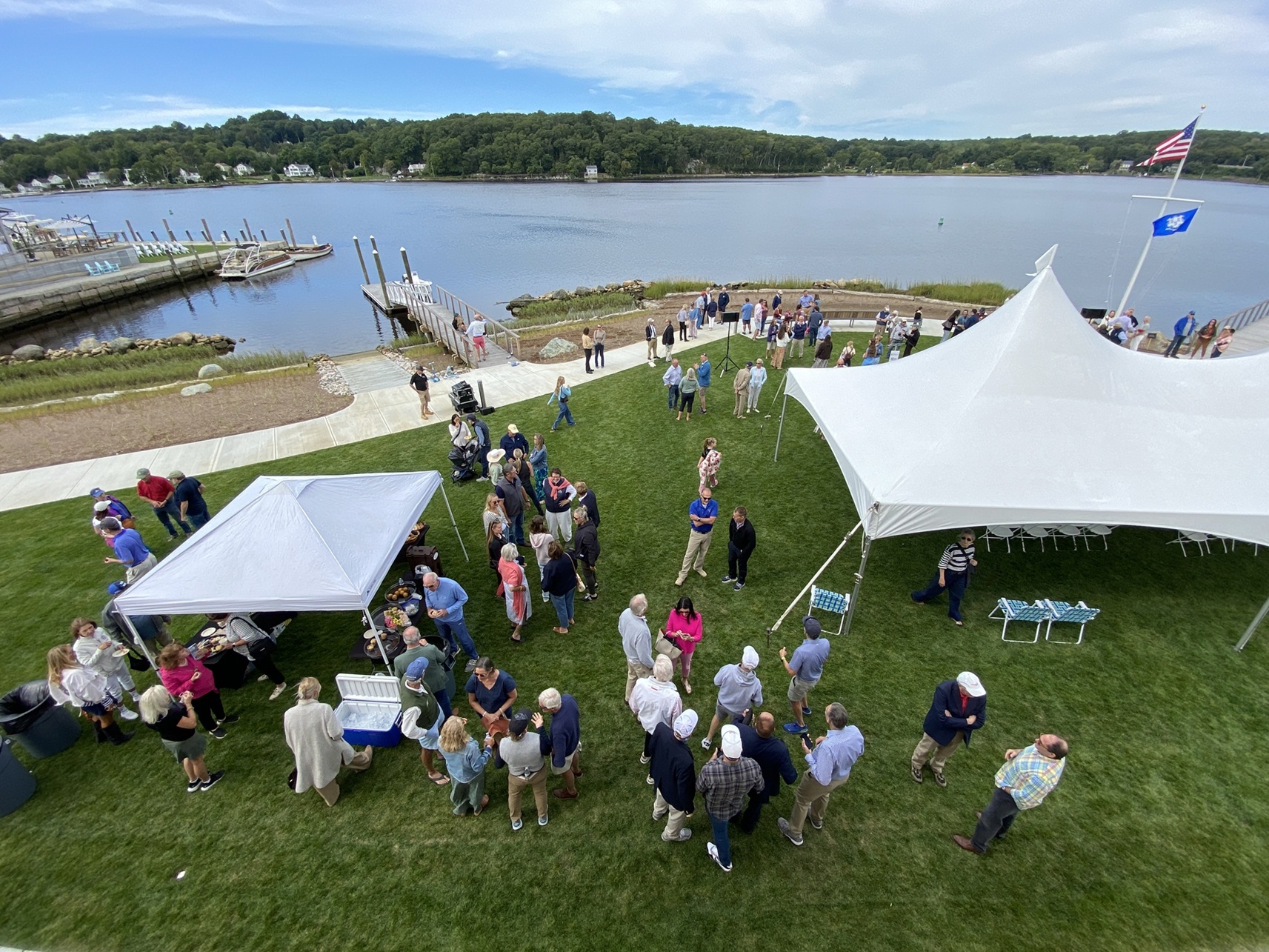
HTBS peeked inside the boathouse and the rowing center.
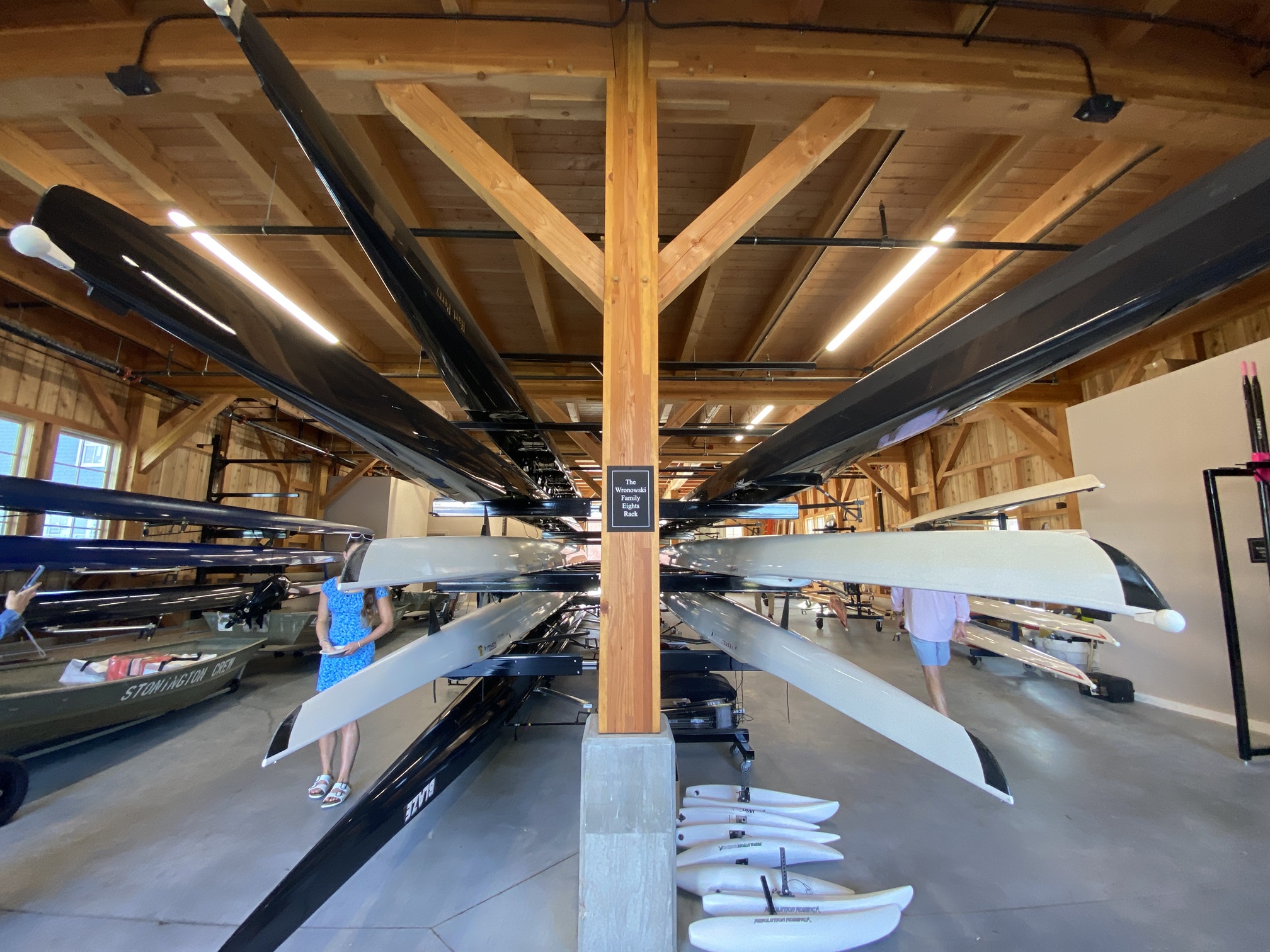
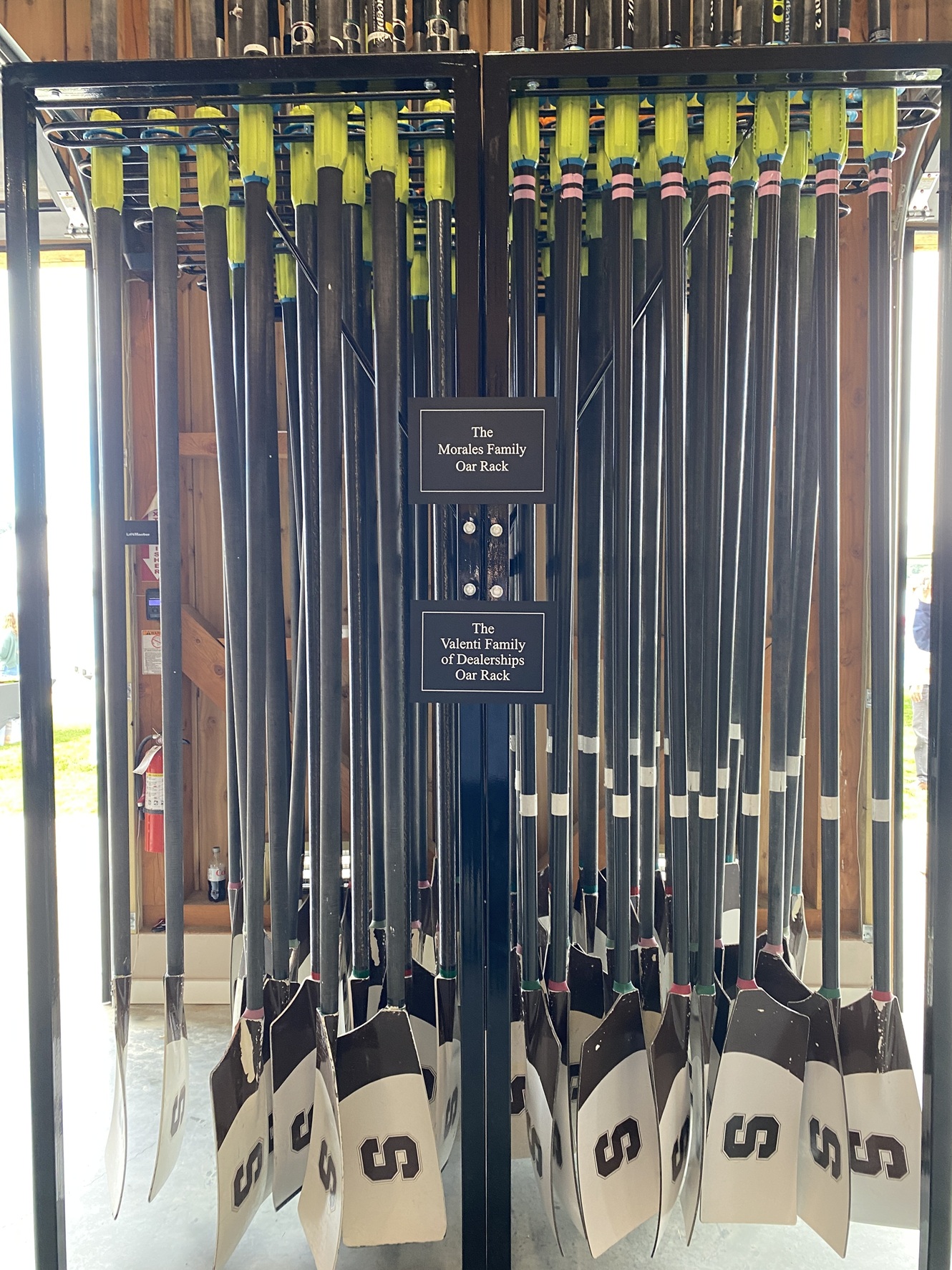
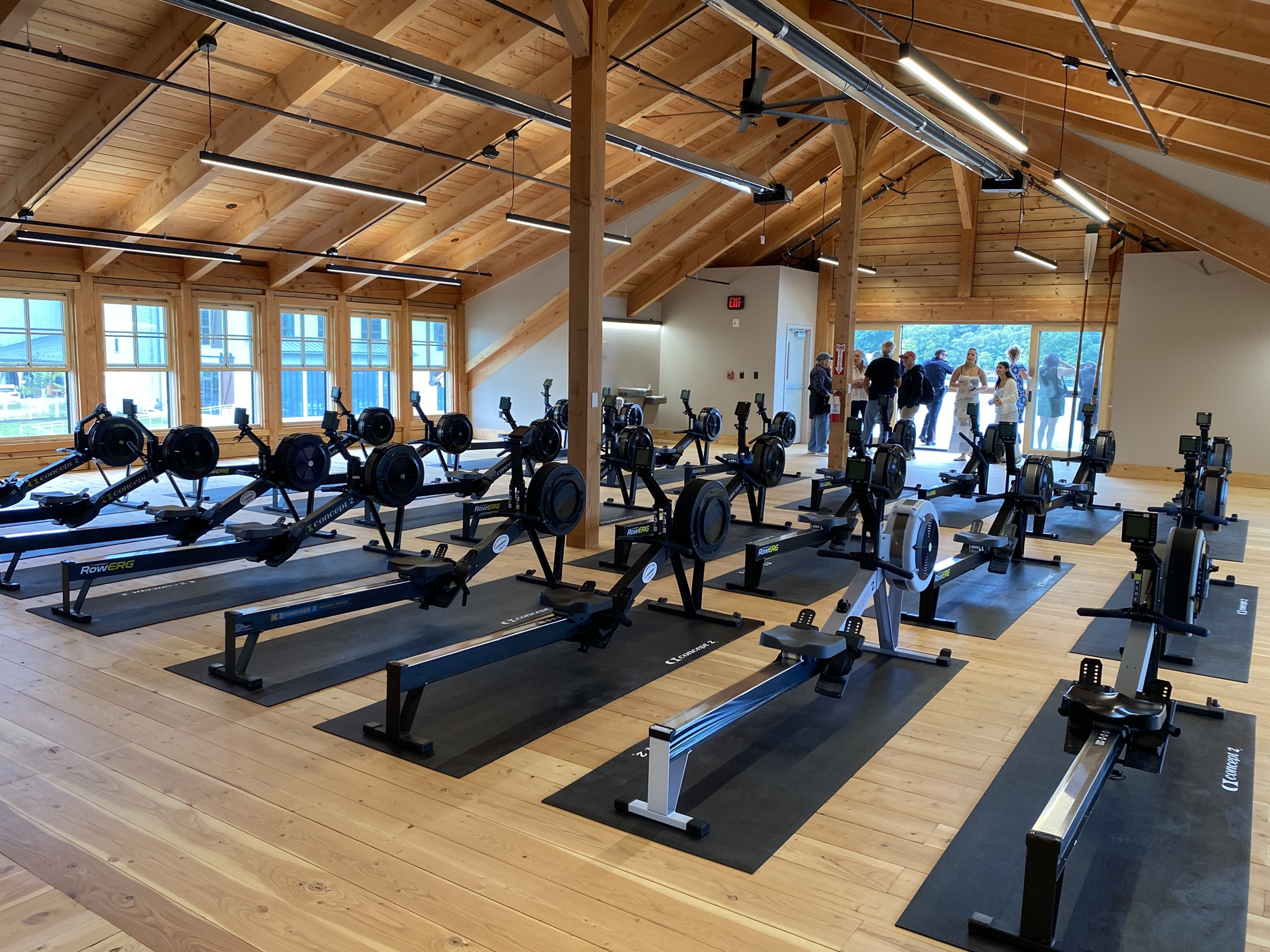
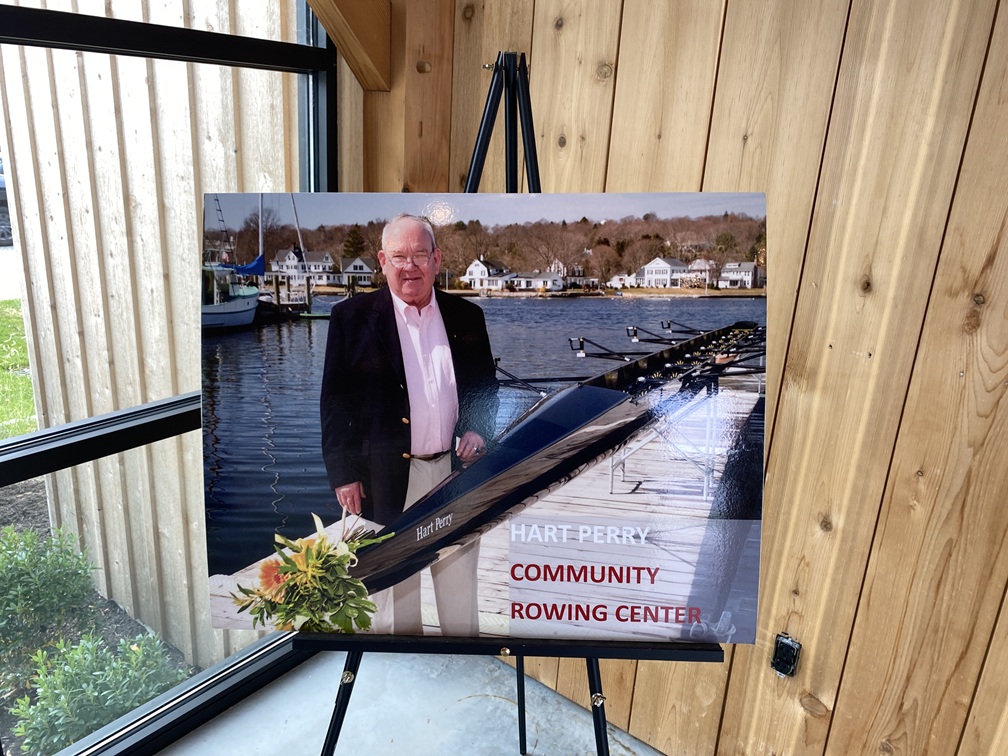
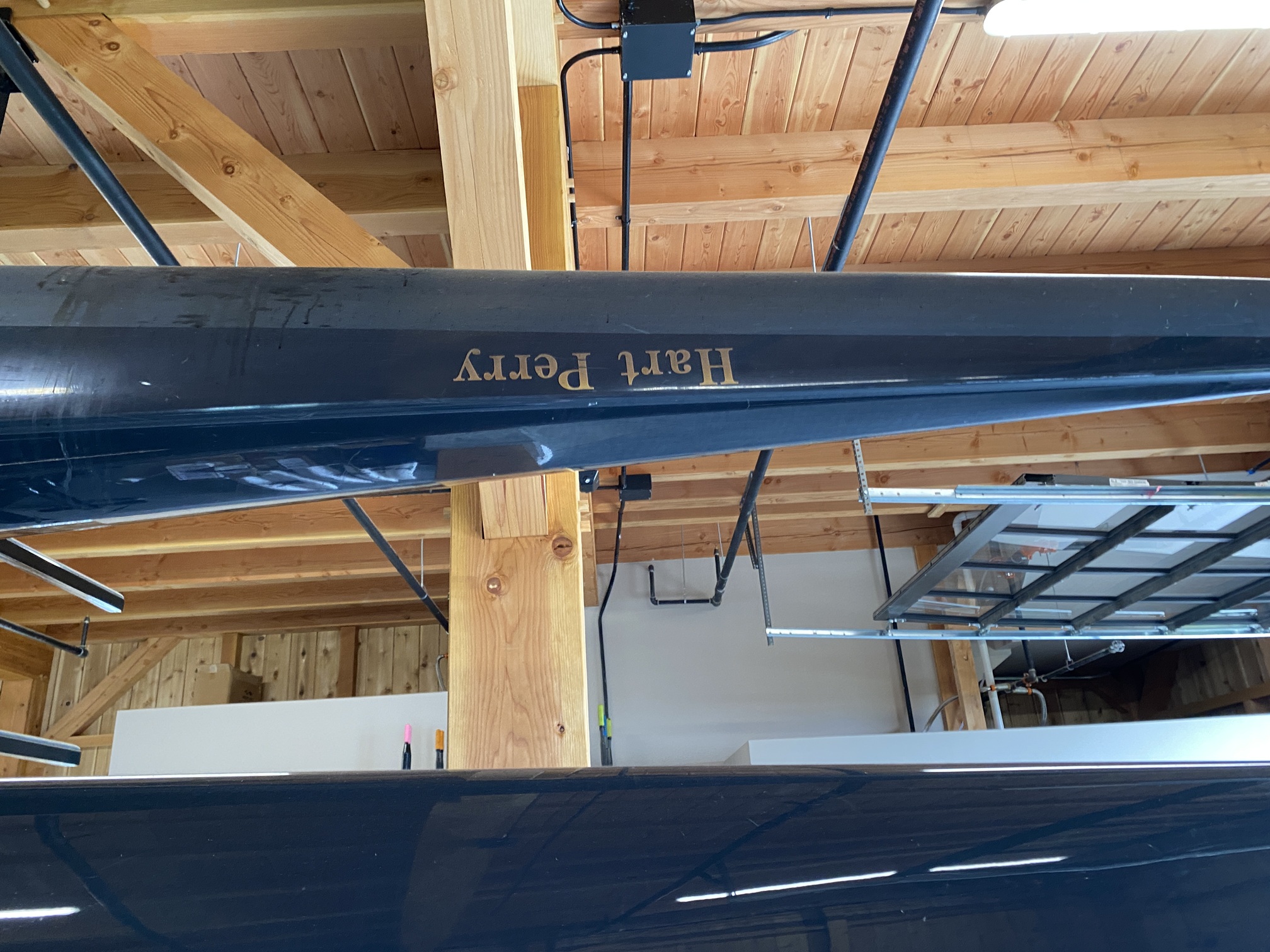
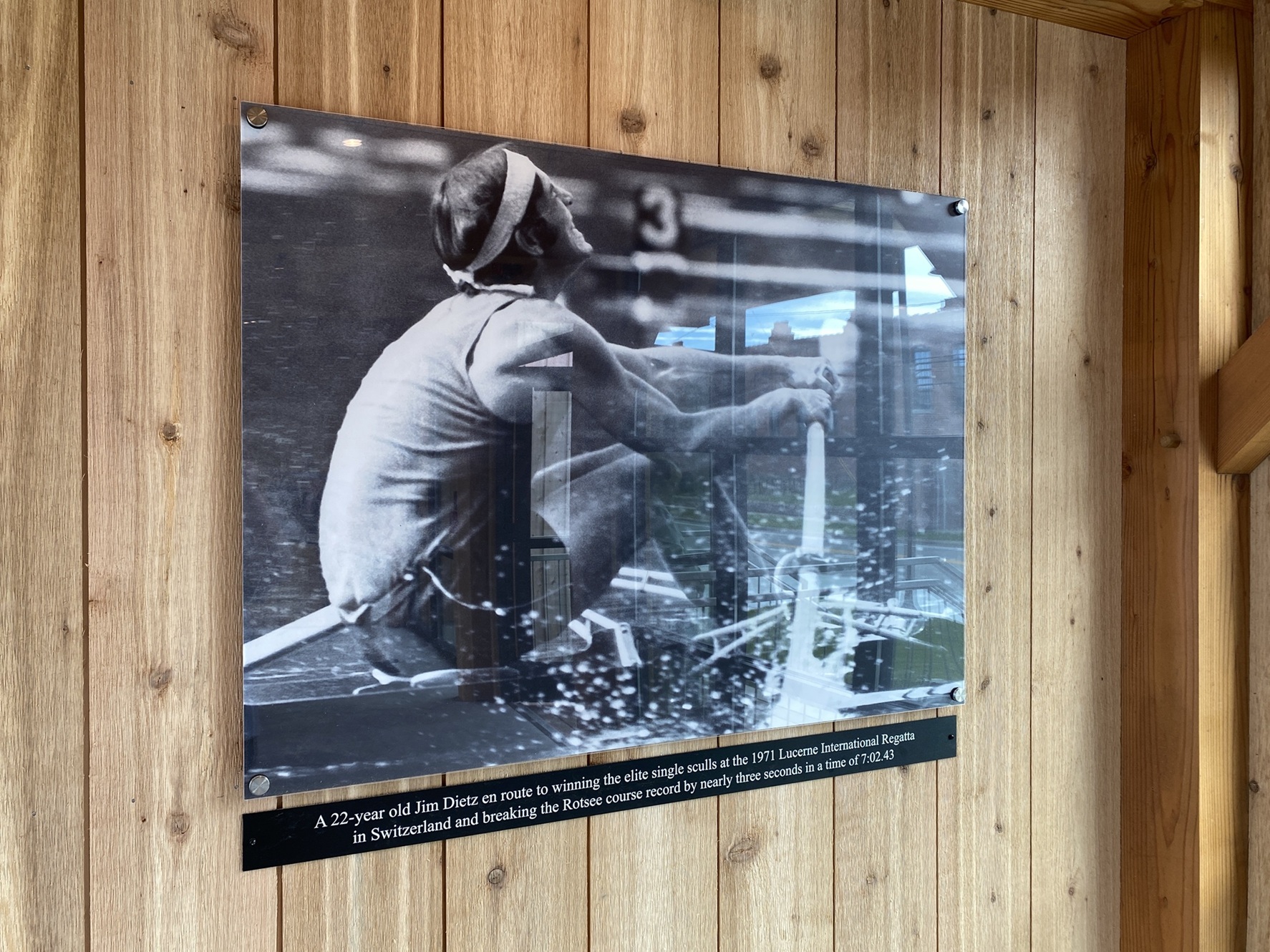
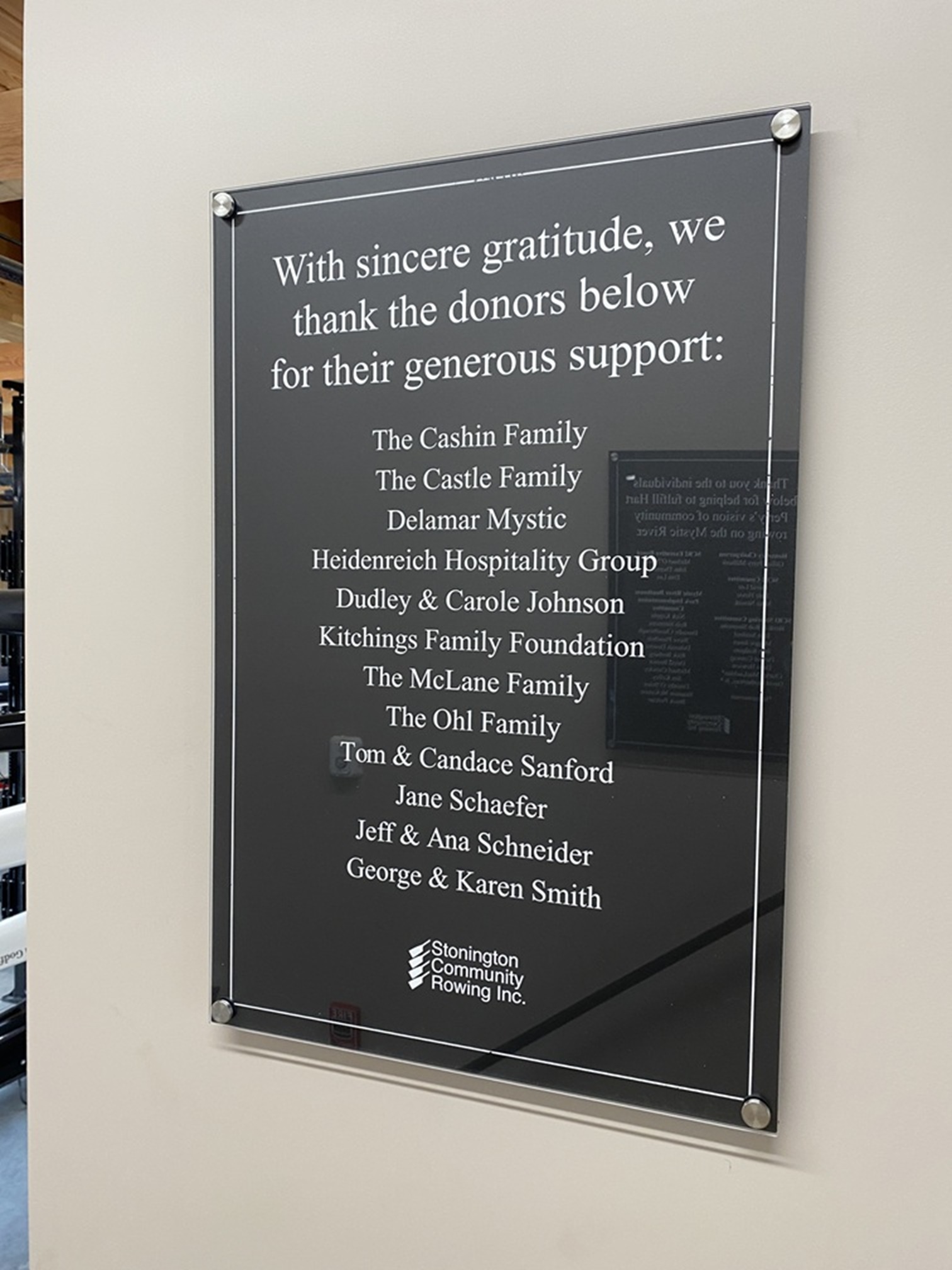
Fittingly, the last words go to John Thornell, who told HTBS: “This fall, SCRI is very excited about offering new rowing programs for middle-school students, high-school students in addition to Stonington High School students, and adults. It’s a very exciting time for our community.”
HTBS can only agree and wish Thornell and the team behind the Jim Dietz Rowing Center and the Hart Perry Boathouse success in the future.
For those who want to hear Jim Dietz’s speech in its entirety, here it is.
Editor’s Note: I would like to thank my daughter Ingrid for stepping up and attending this event when I unfortunately was not able to go – it seems I really missed something. My thanks also to Jennifer Florio Schulten and Jennifer Thornell for allowing HTBS to use some of their pictures from the event.


A great achievement to get this boathouse built. Hart Perry was my coach and my North Star.
Jim Dietz has been a dominant force in rowing since I first pulled an oar. Ed Woodhouse
what an honor for Jim.
hard work, devotion, perseverance, congratulations to all involved. Excellent speeches, a big thank you from Switzerland
Alex Peyer