
6 November 2026
By Tim Koch
Tim Koch marks Remembrance Sunday.
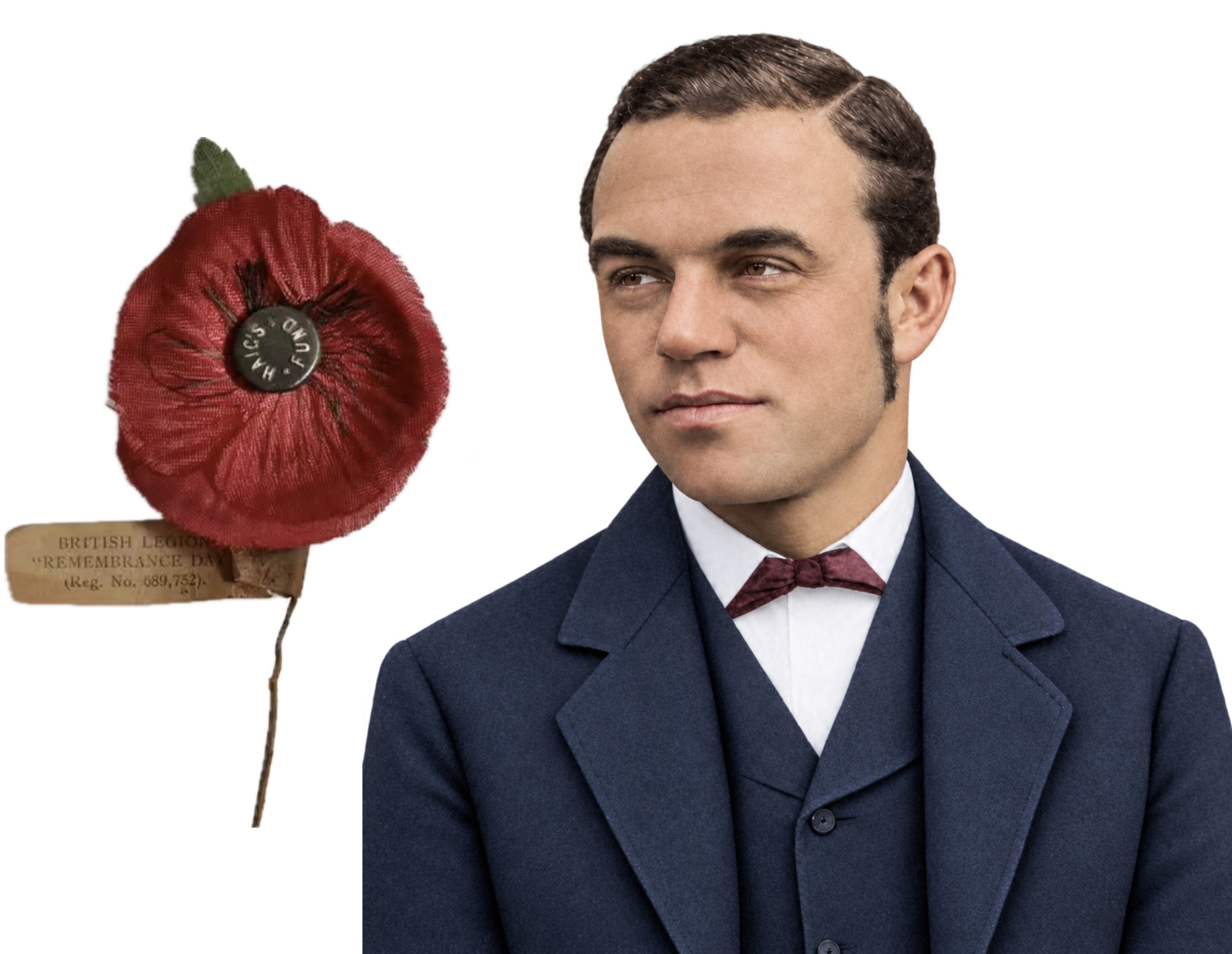
This year, 8th November is Remembrance Sunday in the UK. Before 1946, the focus of the country’s remembrance for the dead of the First World War, 1914-1918, originally fell on Armistice Day, strictly 11 November, the anniversary of the end of that war.
After the Second World War, 1939-1945, it was felt that continuing with 11 November would focus more on the First War and so the second Sunday in November was named Remembrance Sunday in commemoration of both World Wars.
Many other countries such as the United States, Canada, Belgium and France still hold their remembrance ceremonies on 11 November. Australia and New Zealand observe 11 November but their pre-eminent national day of remembrance is Anzac Day, 25 April. Germany observes Volkstrauertag (People’s Day of Mourning) on the second Sunday before Advent.
While few cannot fail to be moved by rituals such as the sounding of The Last Post, true “Remembrance” is an impossible task given the numbers involved. Perhaps the closest that we can get to empathising with the deaths of the many is by having greater knowledge of the few – or even of an individual.
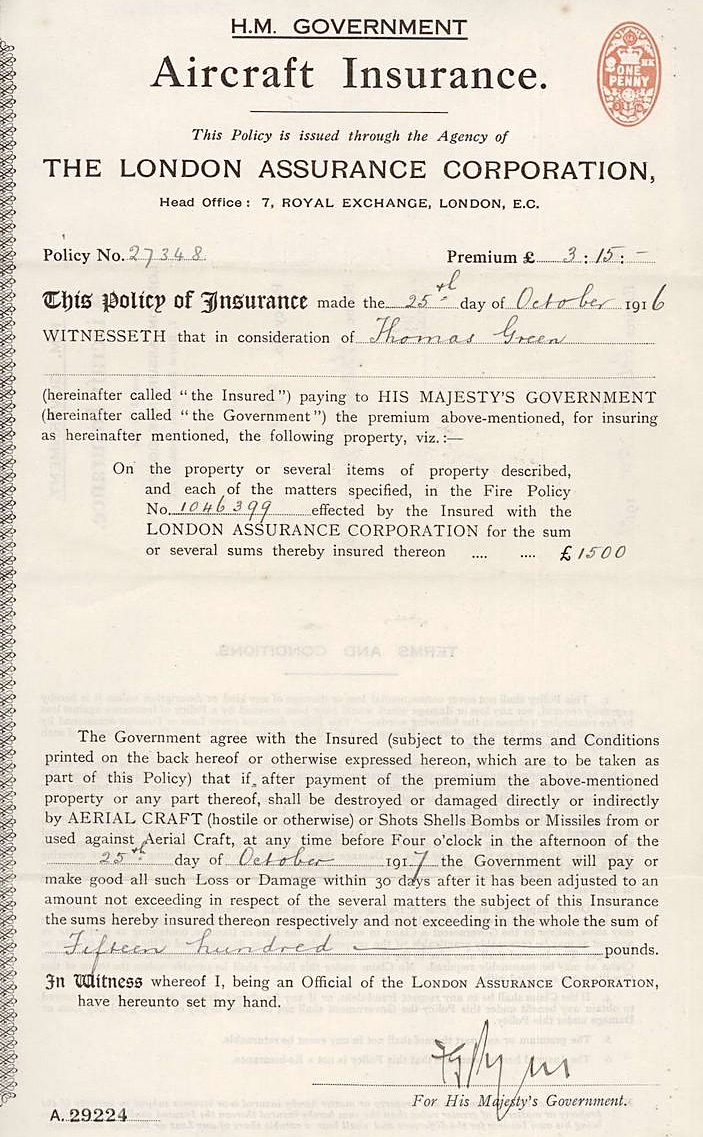
Thus, I write in memory of Harold Hasted Green, known in his family as “Dido”, who was killed aged 31 in the last year of the First World War, 1914-18. His parents were Tom Green Senior (1849-1925) and Mary Ann Green (1855-1923, née Durman). It will be recalled that Tom Green was the founder of the eponymous boatyard that stood in the shadow of Barnes Bridge between 1876 and 1978 and that served rowing well.
I have chosen Harold as there is much effectively unpublished material relating to his death in the Green Archive, a random and incomplete collection of documents, photographs and ephemera currently accessible on the website of the now permanently closed River and Rowing Museum (RRM).
Tom Green’s first marriage was to Catherine (née Rollins) on 22 October 1869. They had four children together before she died on 27 March 1876. Just ten months later on 18 January 1877, Tom married Mary Ann and they eventually had seven more children including Harold.
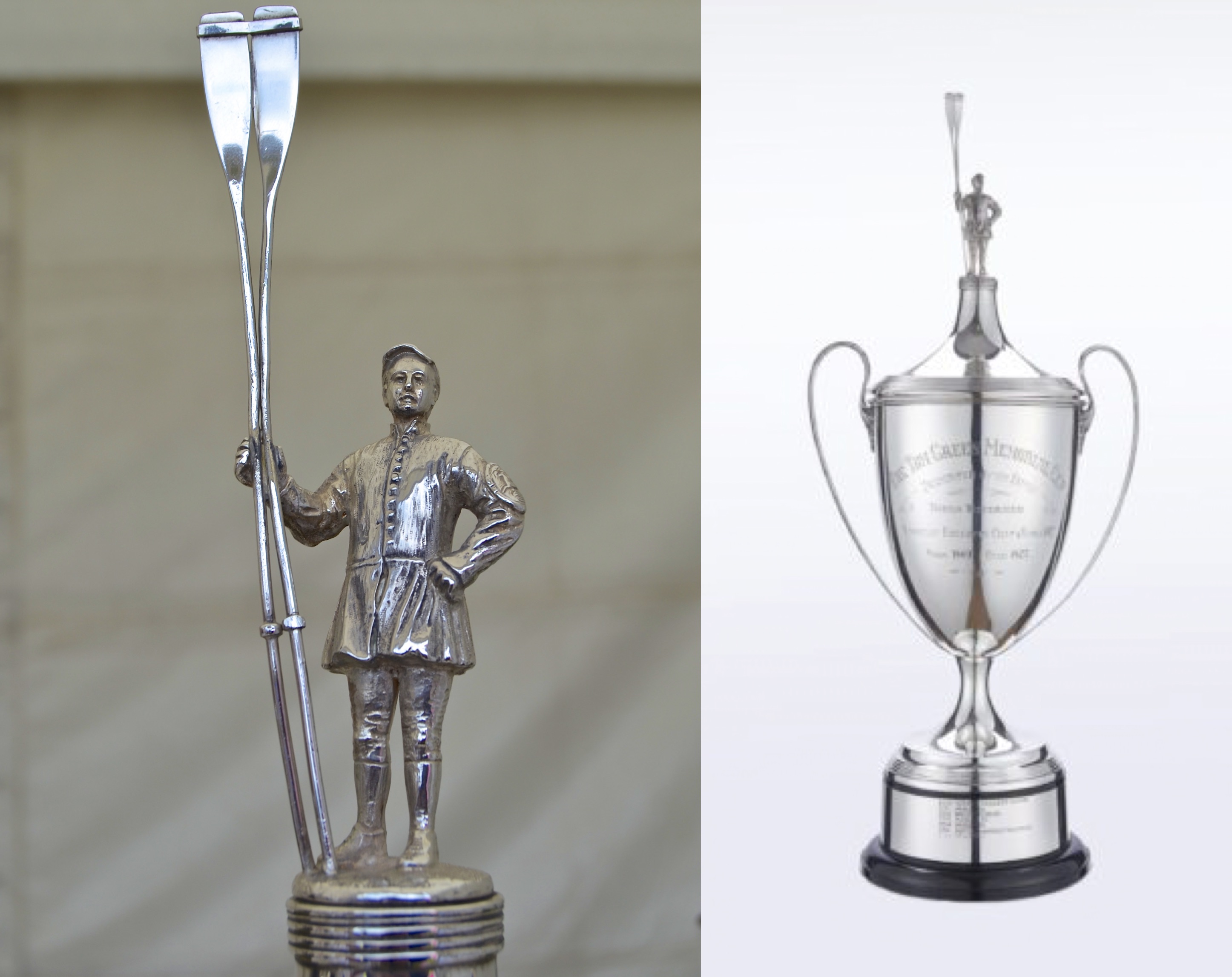
The 1911 Census has Tom and Mary Green living at Tom Green’s Boathouse with two children. These were Harold aged 24, single and described as a boat builder, and Alfred Allan aged only 10 but nonetheless described as an apprentice boat builder. Harold had been apprenticed to his father aged 19 in 1906, a rather late start for a training usually begun much younger as the school leaving age was 12. A medical card lists Harold still living at the boathouse in March 1914.
Harold’s war service
About seventy per cent of First World War other ranks’ service records, including Harold’s, were lost in Second World War bombing. Thus, we will never know definitively where and when he served.
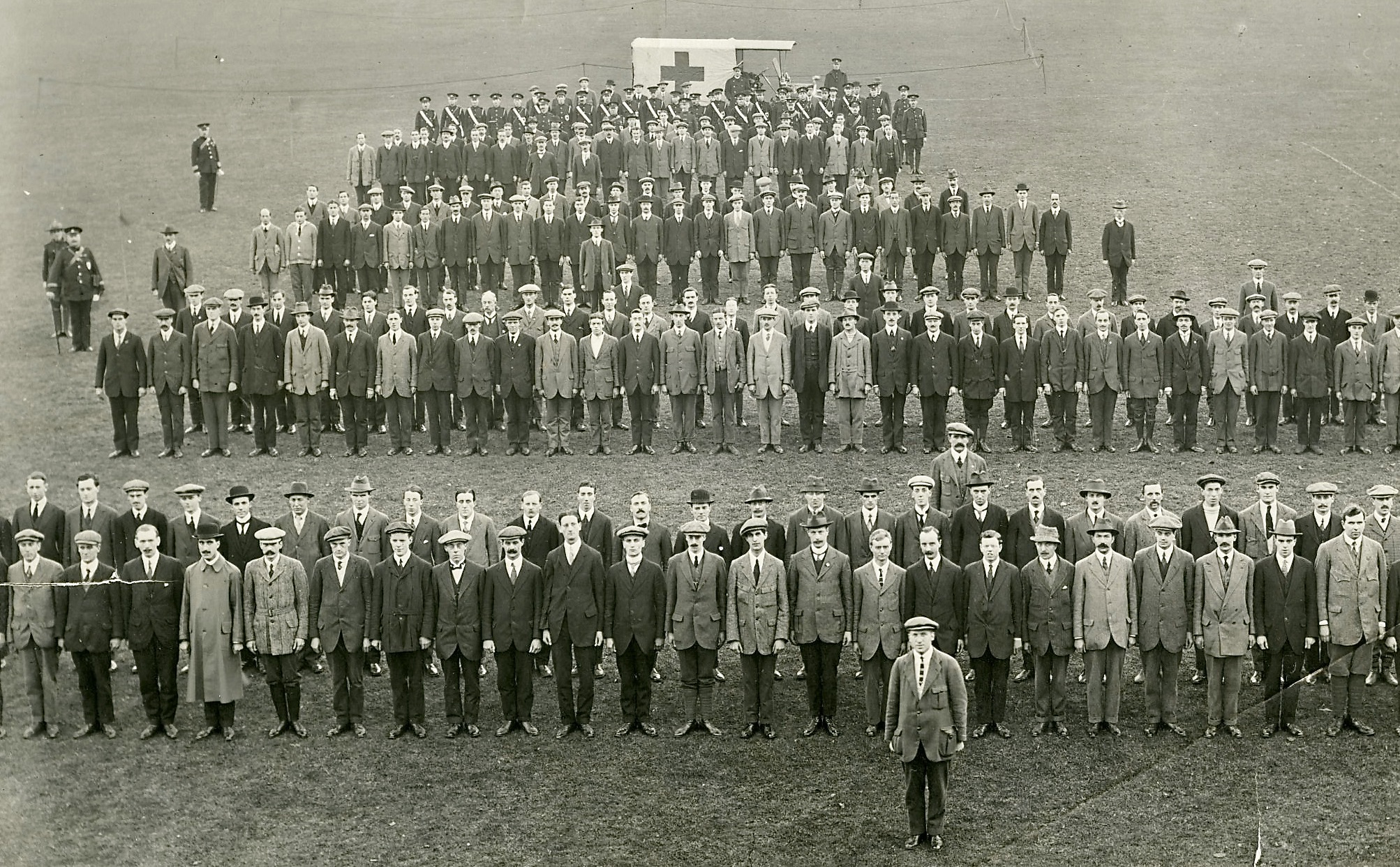
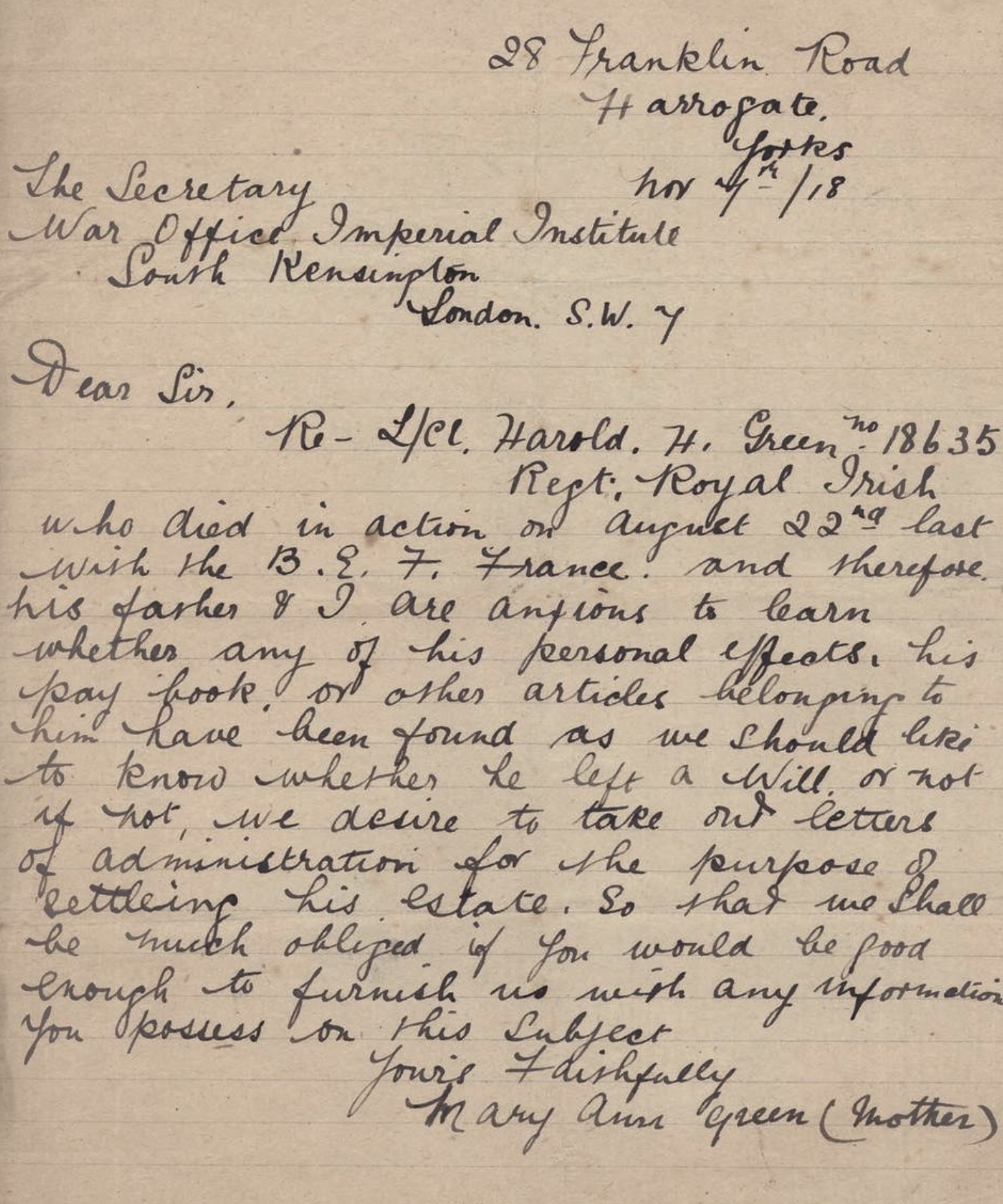
In a letter written in September 1918, Harold’s mother states that on his death he had been a Lance Corporal for two years. At the time it could have taken less than a year to achieve promotion to the army’s lowest rank so enlistment in early 1916 would be a reasonable guess.
I contacted Jeremy Banning, a respected military historian and researcher specialising in the First World War. He said that, …based on 25 years of experience researching soldiers… I think it likely he was conscripted as opposed to volunteered, especially considering his age. Conscription had begun in January 1916.
Harold’s eventual medal entitlement was the War Medal and the Victory medal. As he did not qualify for the 1914 or 1914-15 Star, this means that before 1 January 1916 he either was not in the army at all or was in the army in the UK.
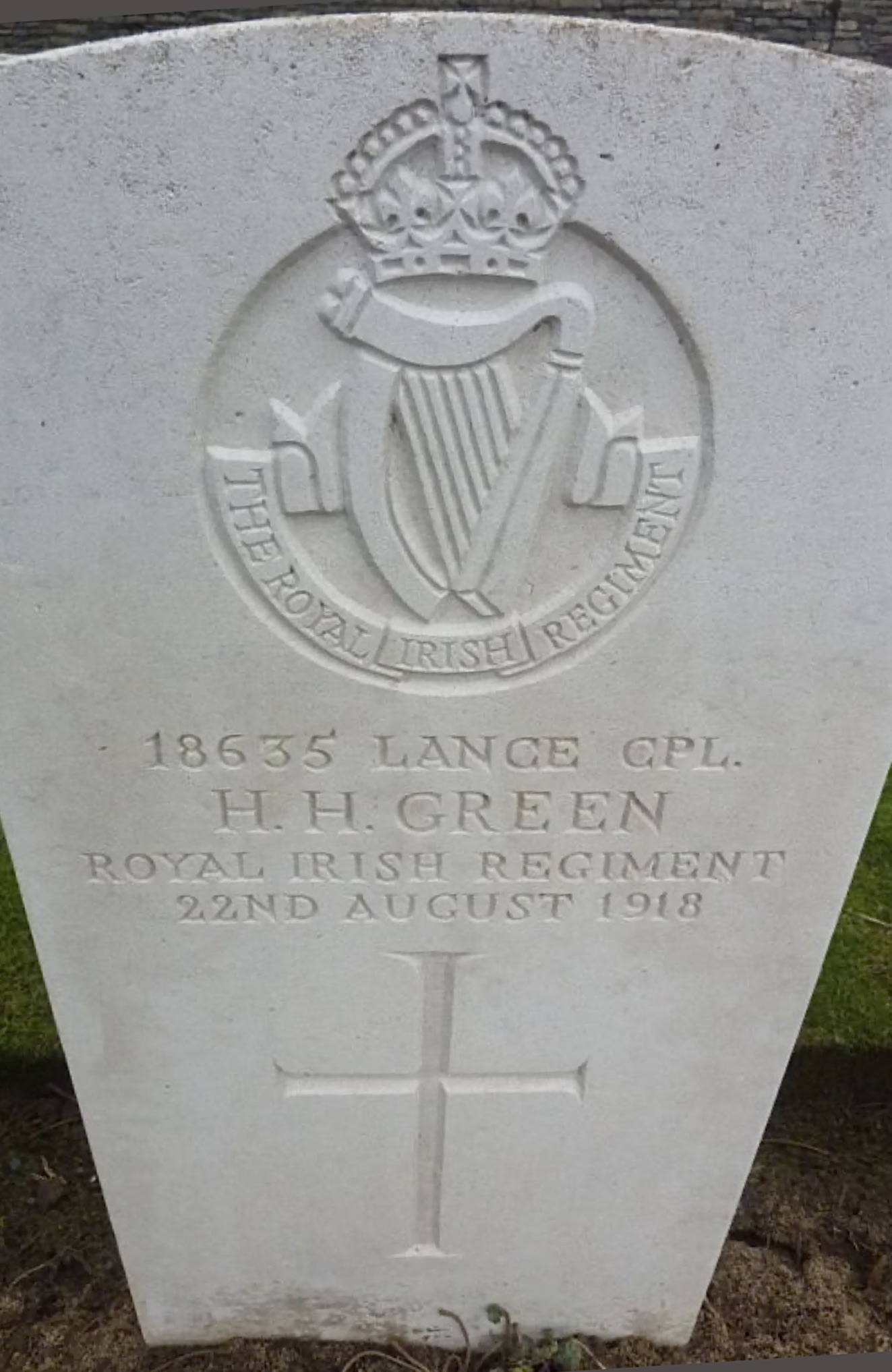
In an official government publication of 1921, Soldiers Died In The Great War 1914-19, Part 23, The Royal Irish Regiment, Harold’s entry states that 18635 Harold Hasted Green of the 2nd Battalion, Royal Irish Regiment was formerly 6397, King’s Royal Rifle Corps and 43756, 8th Royal Inniskilling Fusiliers.
A soldier’s change of regiment or unit (and consequent change of number) could be due to heavy casualties, specific combat needs or when he returned to service after recovering from wounds or illness.
Researcher Jeremy Banning holds that it was unlikely that Harold spent any great time with the Rifle Corps and that most of his service was probably with the 8th Royal Inniskilling Fusiliers and then the 2nd Royal Irish Regiment. Jeremy:
One thing worth considering is that the 8th Royal Inniskilling Fusiliers first went overseas in February 1916… In (July to November) 1917, both the 8th Royal Inniskilling Fusiliers and 2nd Royal Irish… took part in the Third Battle of Ypres (aka Passchendaele)… During the German Spring Offensive in (March) 1918, (the 8th Royal Inniskilling Fusiliers) suffered very heavy casualties and were reduced to cadre strength… (This) may well have been the time that Harold moved to the 2nd Royal Irish Regiment…
The Archive: Letters home
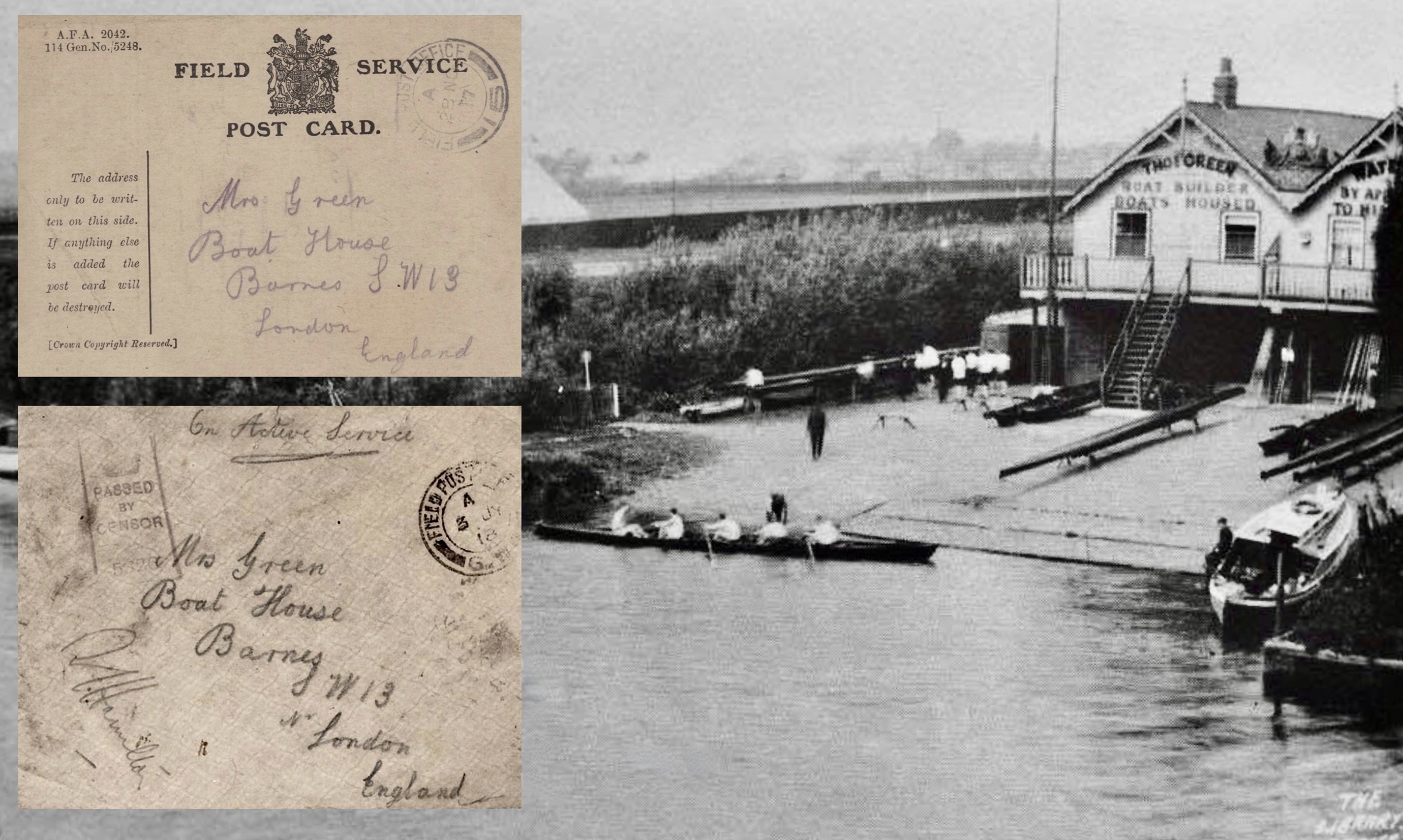
Harold’s one page letter to his father dated 3 May 1917 includes this:
I hope I shall have the pleasure to be home by the time of your next (birthday). We are having beautiful weather now and I find the sponge very useful. I can get about half of a pint of water from the bottom of the trenches and have a shave and wipe my face with the sponge. I hope the weather is the same at home so you will be able to do a little (boat hire) business. I have not much news to tell you.
The remainder of the letter is taken with enquiring about various people. Harold signs off with, I Remain, your loving son, Dido.
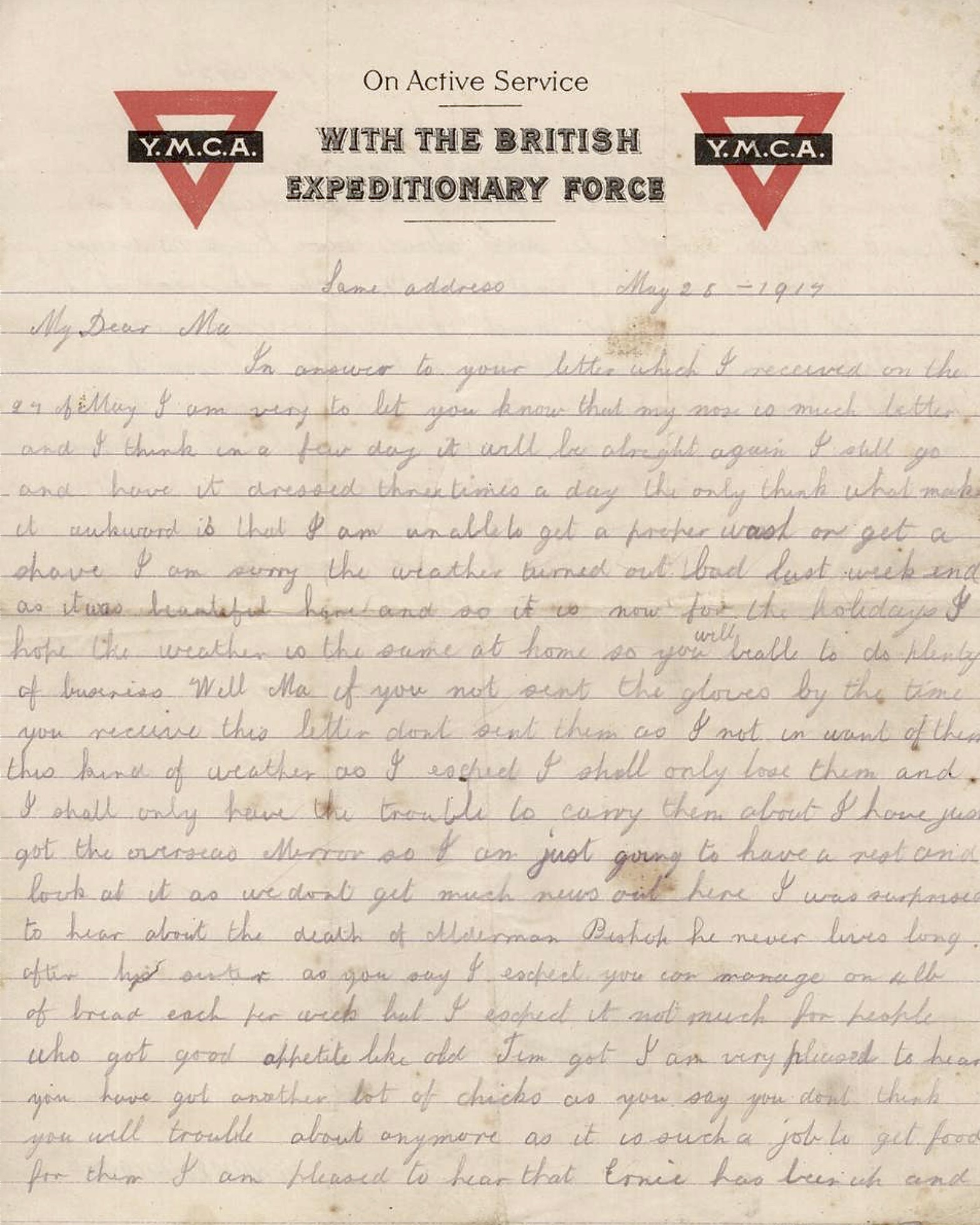
In the above letter, Harold tells his mother that his nose, which must have been injured, was getting better but that it still had to be dressed three times a day.
Harold again complains that he was unable to get a proper wash or shave. In another letter, undated with only the second page surviving, he asks his mother for scarce razor blades as he was using a new-fangled safety razor, as opposed to the cut-throat models more usual at the time. To be unshaven, even at the front, was still effectively a breach of army regulations.
In a reference to food rationing at home, Harold wrote, I expect you can manage on 4 pounds of bread each for a week but I expect it’s not much for people with a good appetite… He also mentions his mother keeping chickens, even though it is such a job to get food for them… He continues with the themes that were in his earlier letter to his father saying how hot the weather was and that he hoped that it would be the same at home to benefit the boat hire business.
During June 1917, the Pas-de-Calais region of France experienced a prolonged dry and intensely hot spell. Personal diaries, military records, and local accounts from northern France note that the heat remained intense through late May and June 1917. Because of the temperature, Harold tells his mother not to send him the gloves previously asked for as he is not now in need of them and that he will only lose them.
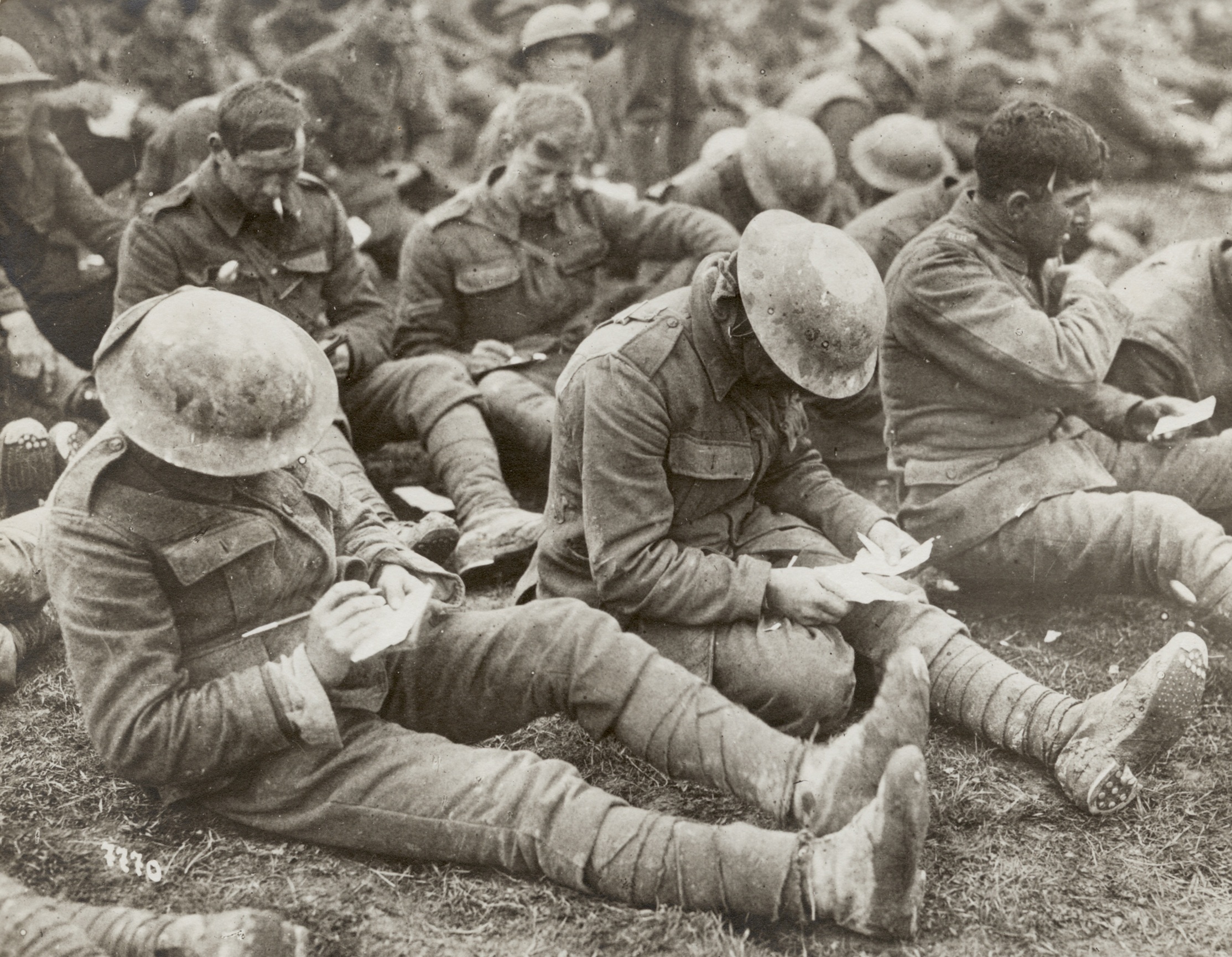
In a letter sent to his mother a month later on 29 June 1917, Harold is very downbeat. He thanks her and various others for sending him a belt, some biscuits and writing paper but he again mentions the hot weather and its effects on his health:
I cannot stand the heat out here… it seems to take more out of you. I expect this country don’t agree with me as I got three boils on the chest and I am not feeling at all well. I don’t feel I got the strength to put one foot in front of the other. I have been excused duty by the doctor this last week and he wanted me to go to the hospital today but I asked him not (and) to see how I got on. I burn so at night and (have) no strength in my legs. We are moving here tomorrow so there is a march in front of me, I don’t know if I shall manage it but the doctor said I (do not have) to have my pack on. I do not think there is enough nourishment in bully beef stew, can you send anything out to strengthen me?
Harold may have felt that he was undernourished but the diet of a British soldier in 1917 was high in much needed calories, over 4000 a day, more than many men had got in civilian life. However, lack of taste, variety, and freshness was a problem.
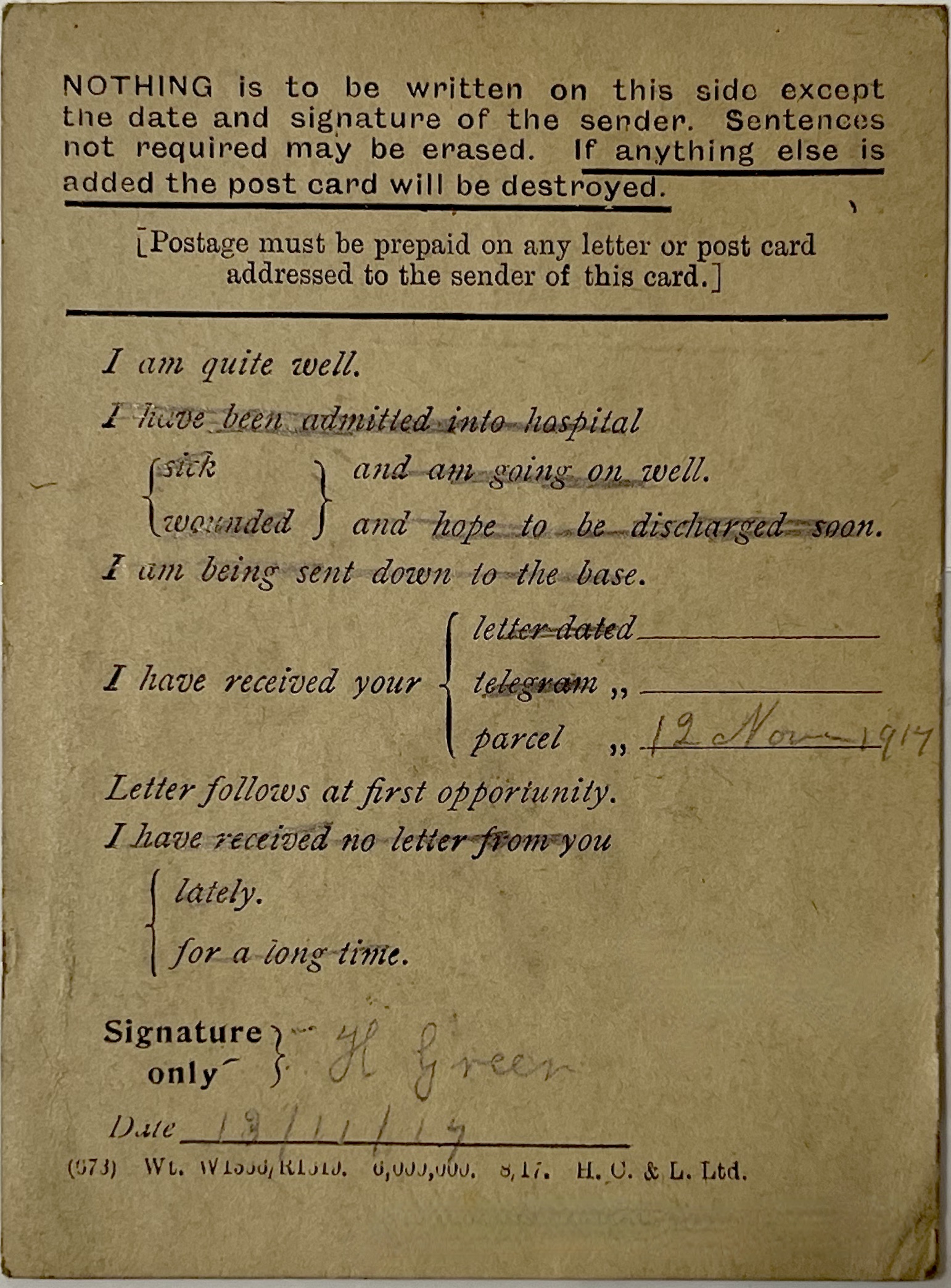
In a letter dated 2 July 1918, Harold thanks his mother for a parcel and asks to be sent Soldier’s Friend or Pyn-ka, both brands of metal polish. It is strange to think that he was shining buttons and badges on active service.
Harold is concerned about his father’s health: I should like to get home to see him but there don’t look much hopes yet awhile.
It is summer and Harold writes, I am glad the weather is nice as it makes things much better when in the line. However, he laments the fact that at home it is the rowing and boating season but there is nobody to look after the boat business.
In what is his last surviving letter Harold concludes, I shall be glad when this war is over.
Final Days
It is probable that Harold served on the Western Front for the whole of his military career but we can only be certain about his last few days.
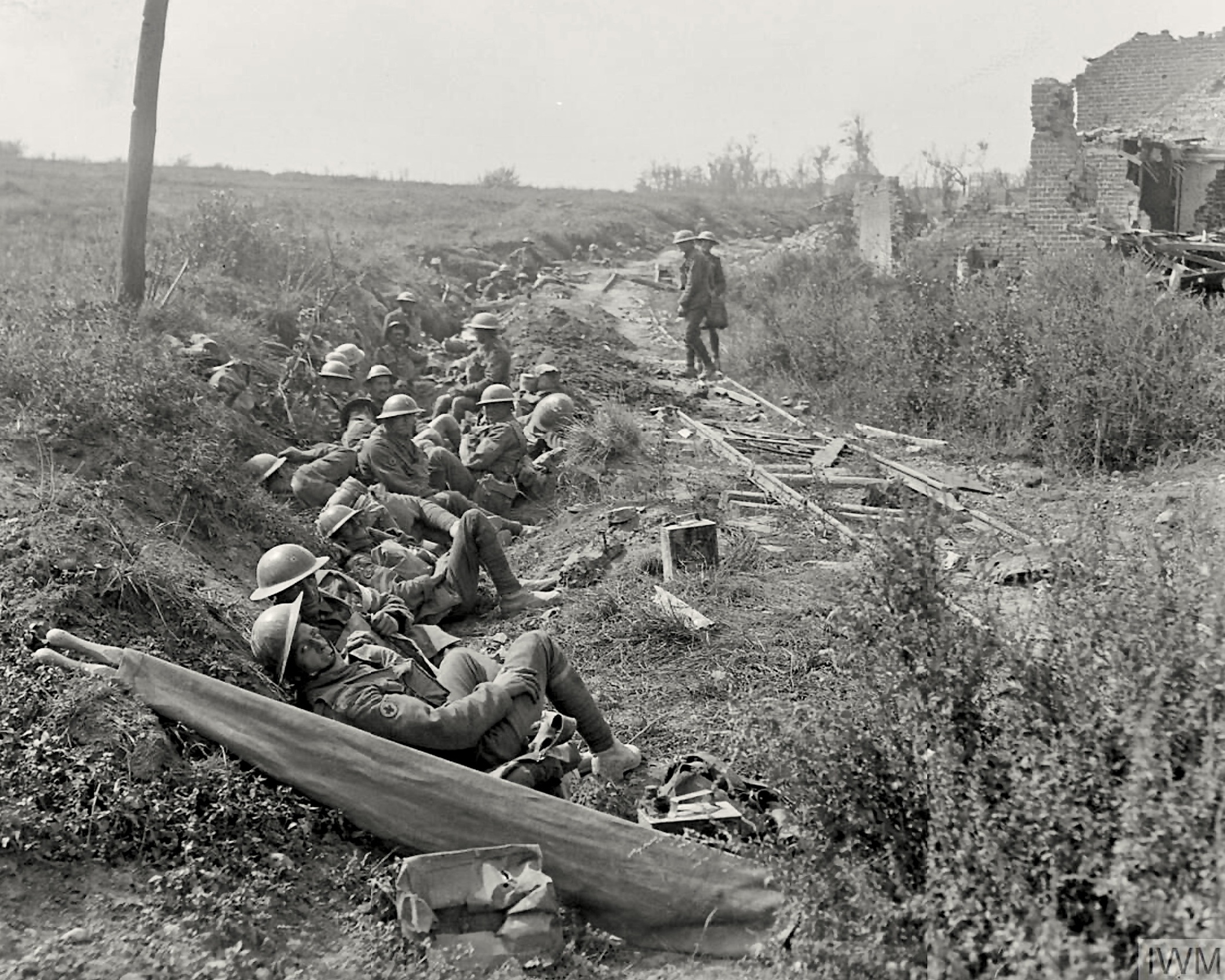
On 21-23 August 1918, Harold and the 2nd Battalion of the Royal Irish Regiment were involved in the Battle of Albert in the Somme department in northern France. This was a major opening phase of the Allies’ ultimately victorious Hundred Days Offensive, a massive counter attack in response to the Germen’s initially successful 1918 Spring Offensive that began on 21 March and that aimed to swiftly defeat the Allies before the Americans could effectively enter the conflict. It was the beginning of the end of the First World War.
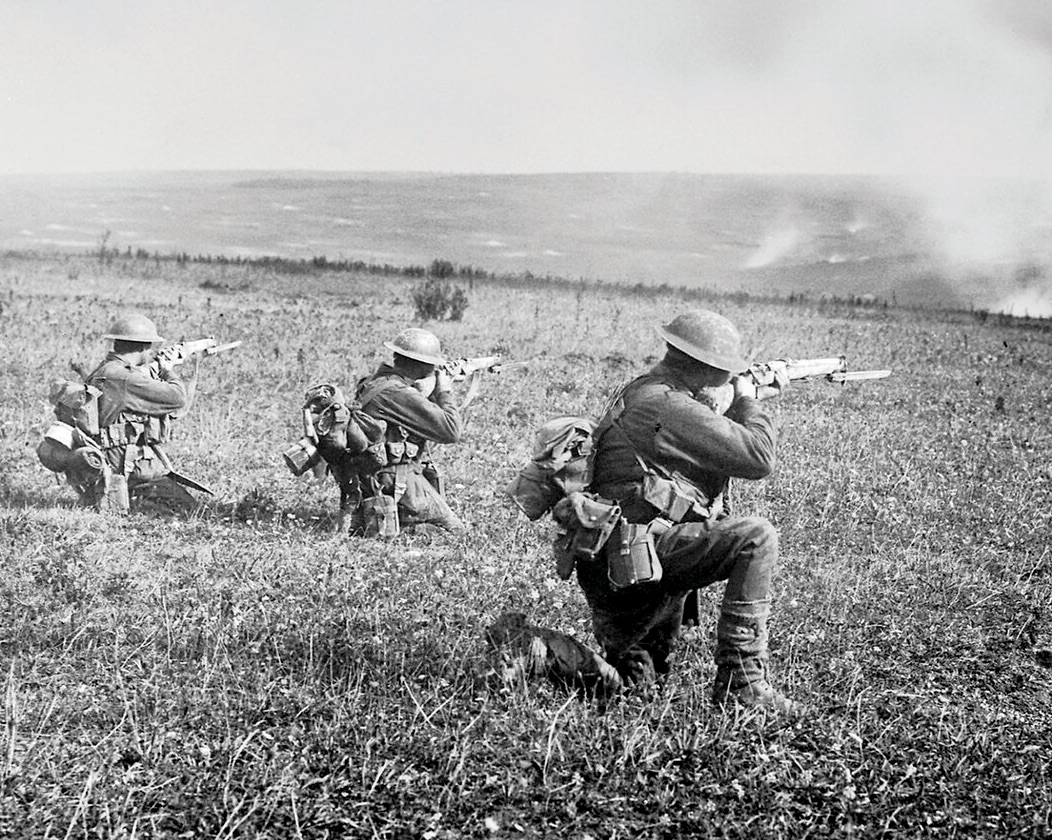
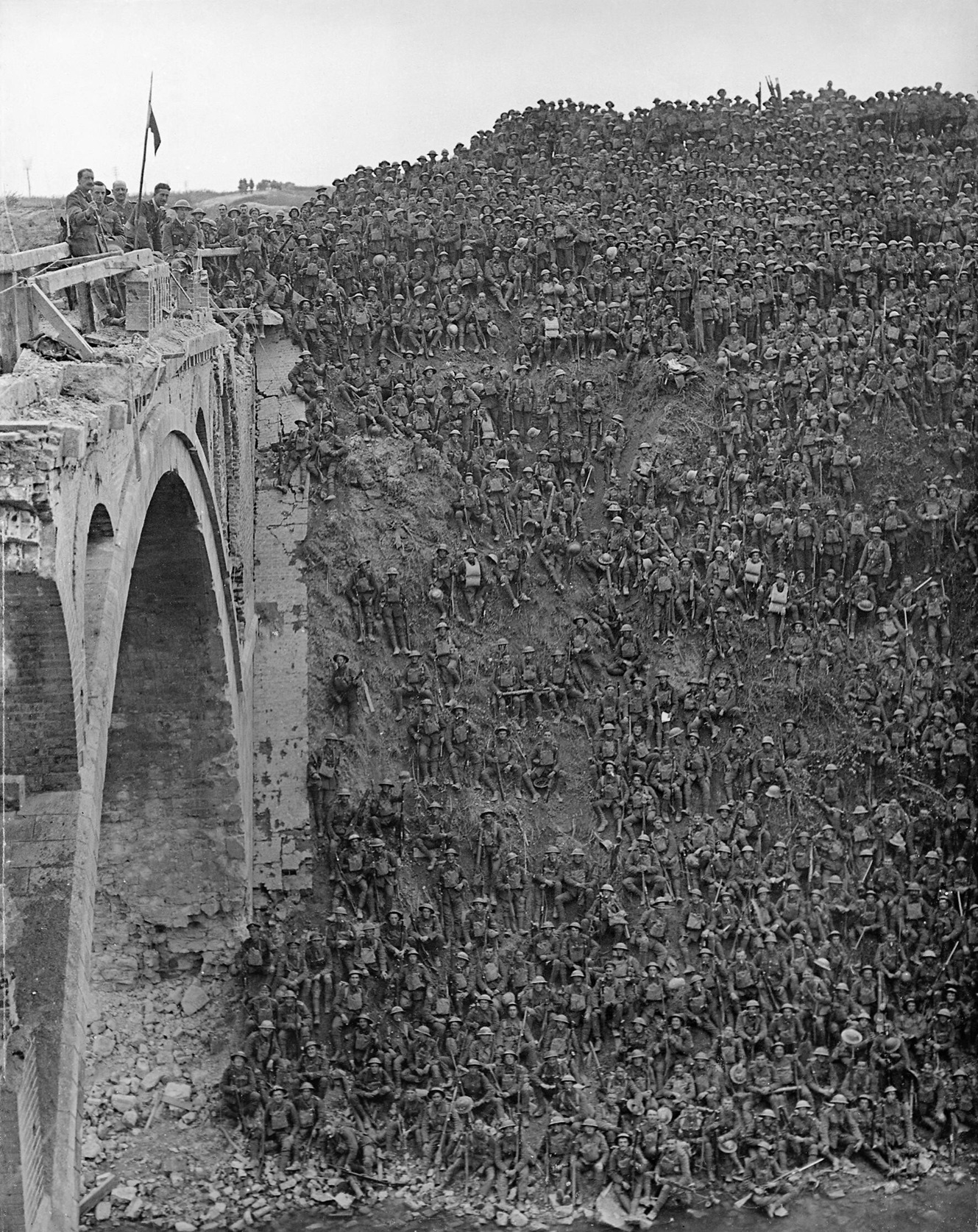
On 22 August 1918, British forces successfully captured the town of Albert. The role of the 2nd Royal Irish was to advance past the initial captured trenches to exploit the breakthrough. They faced severe German artillery and machine-gun defence and isolated pockets of fierce resistance as they pushed forward under the intense cover of a creeping artillery barrage.
It was during one of these often chaotic advances across open, shelled terrain that Harold received the wound or wounds that killed him. While he died on 22 August, it is possible that he was wounded on the 21st. His medal roll entry says that he died of wounds suggesting that he was not killed outright.
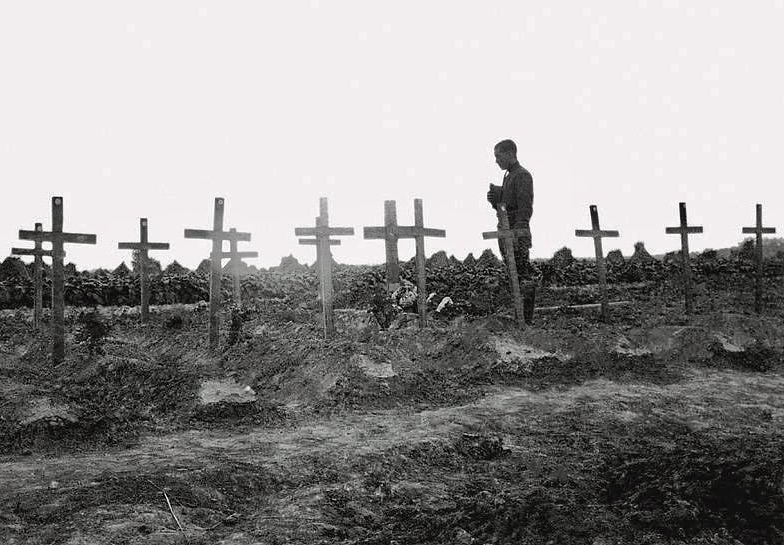
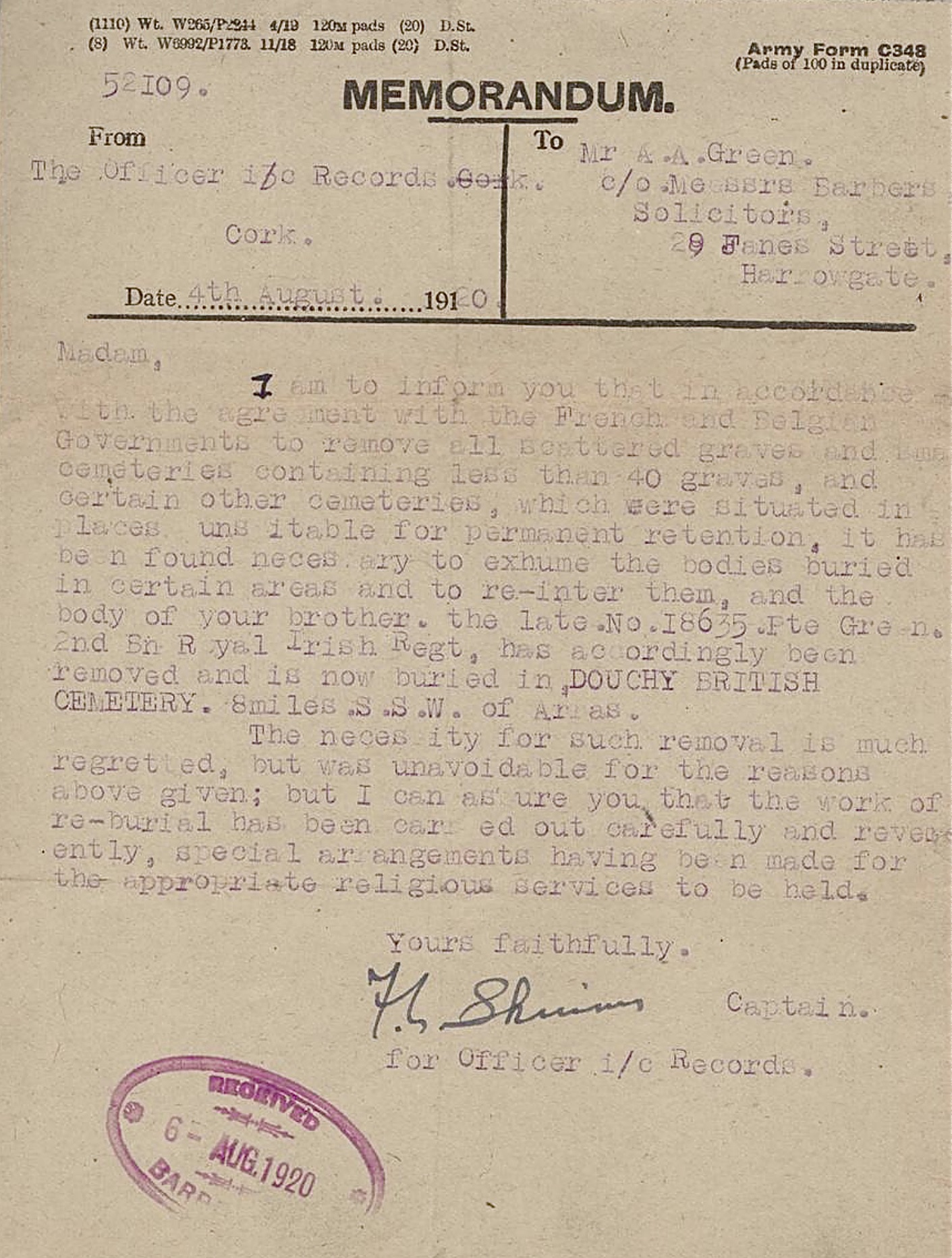
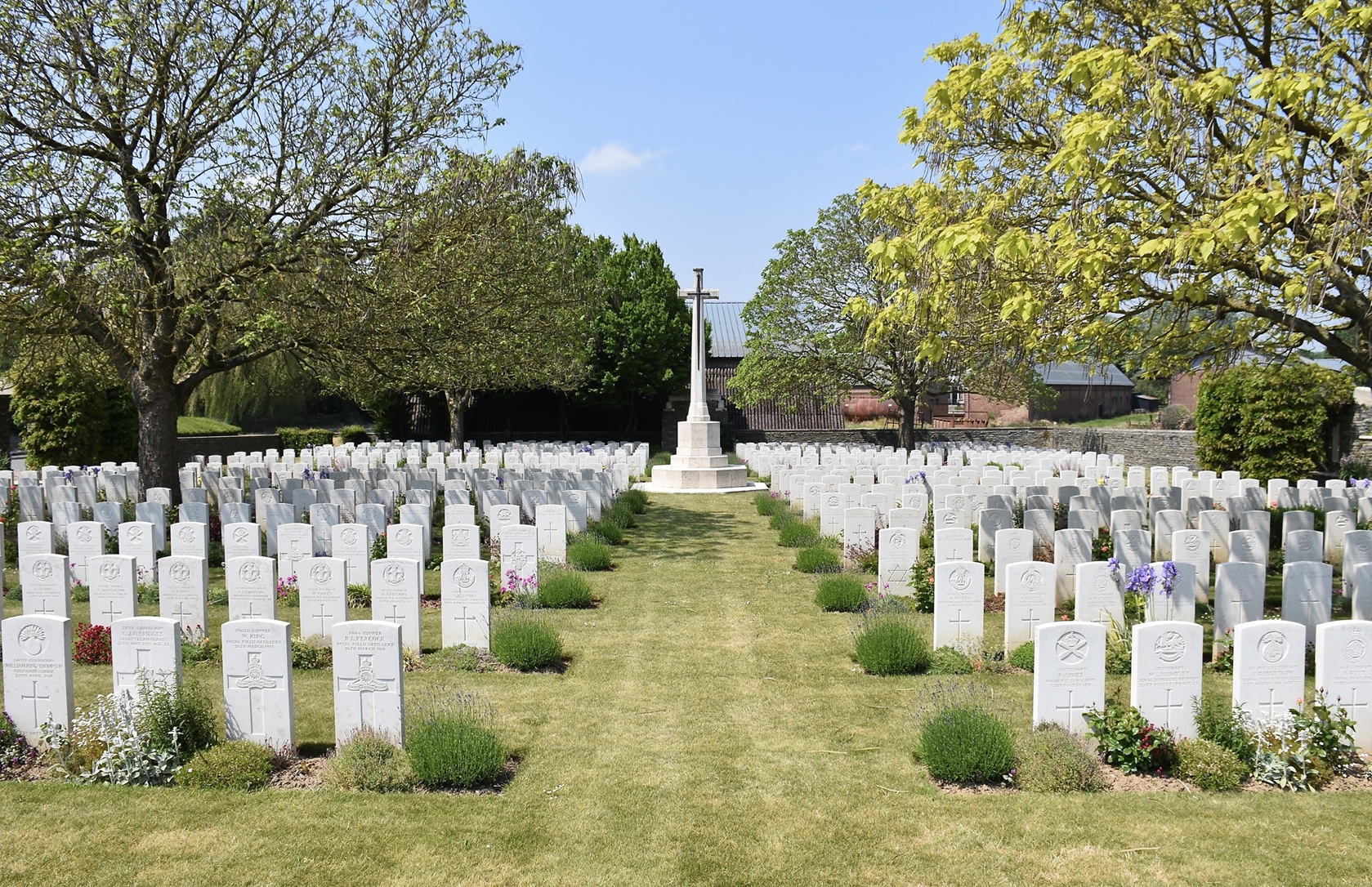
He was initially buried at Ransart Main Dressing Station Cemetery, a temporary frontline burial ground, indicating that he died in a field hospital, in this case the 150th Field Ambulance which was a mobile front line medical unit, not a vehicle. This was less than twelve weeks before the war’s end.
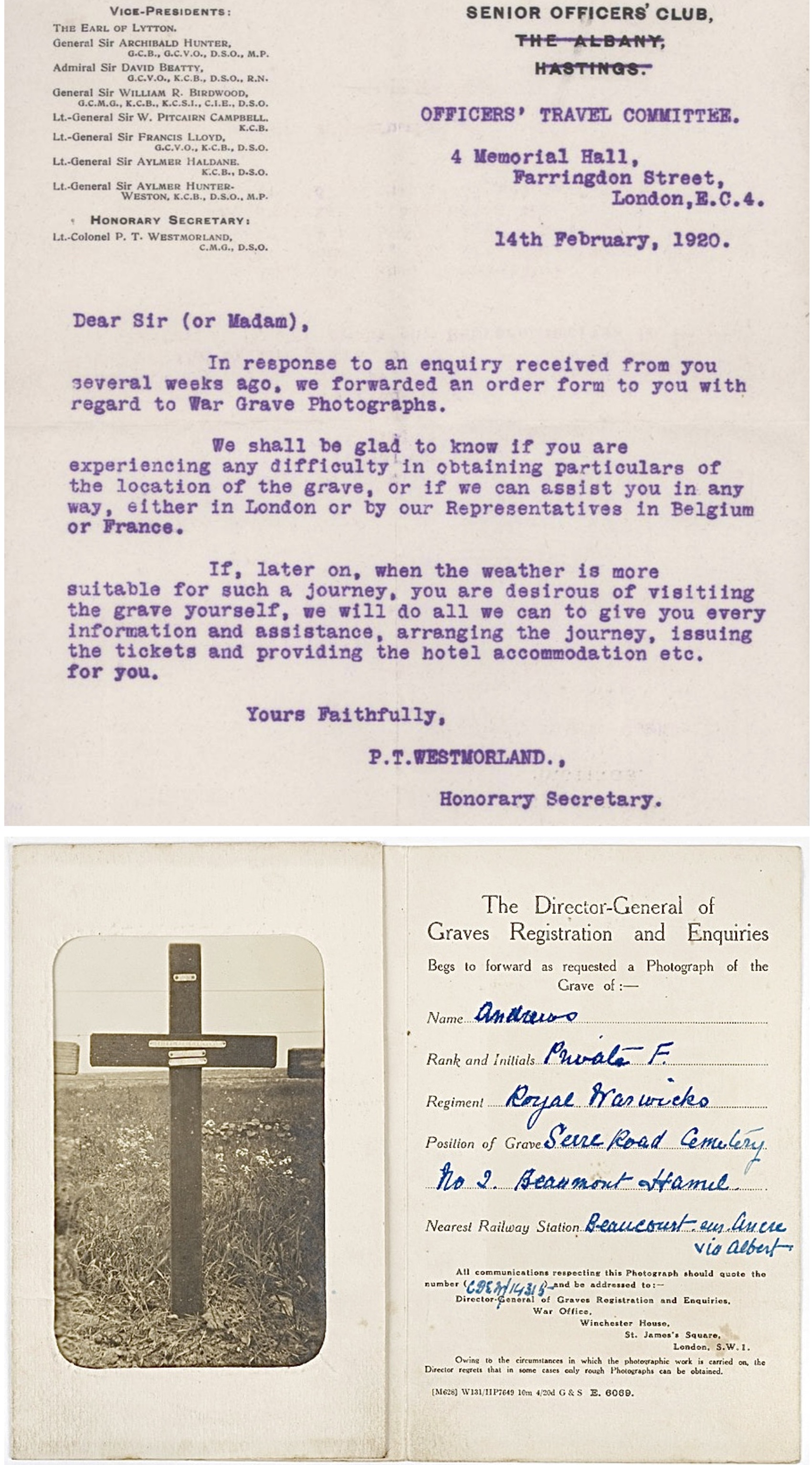
The Archive: It is my painful duty to inform you…
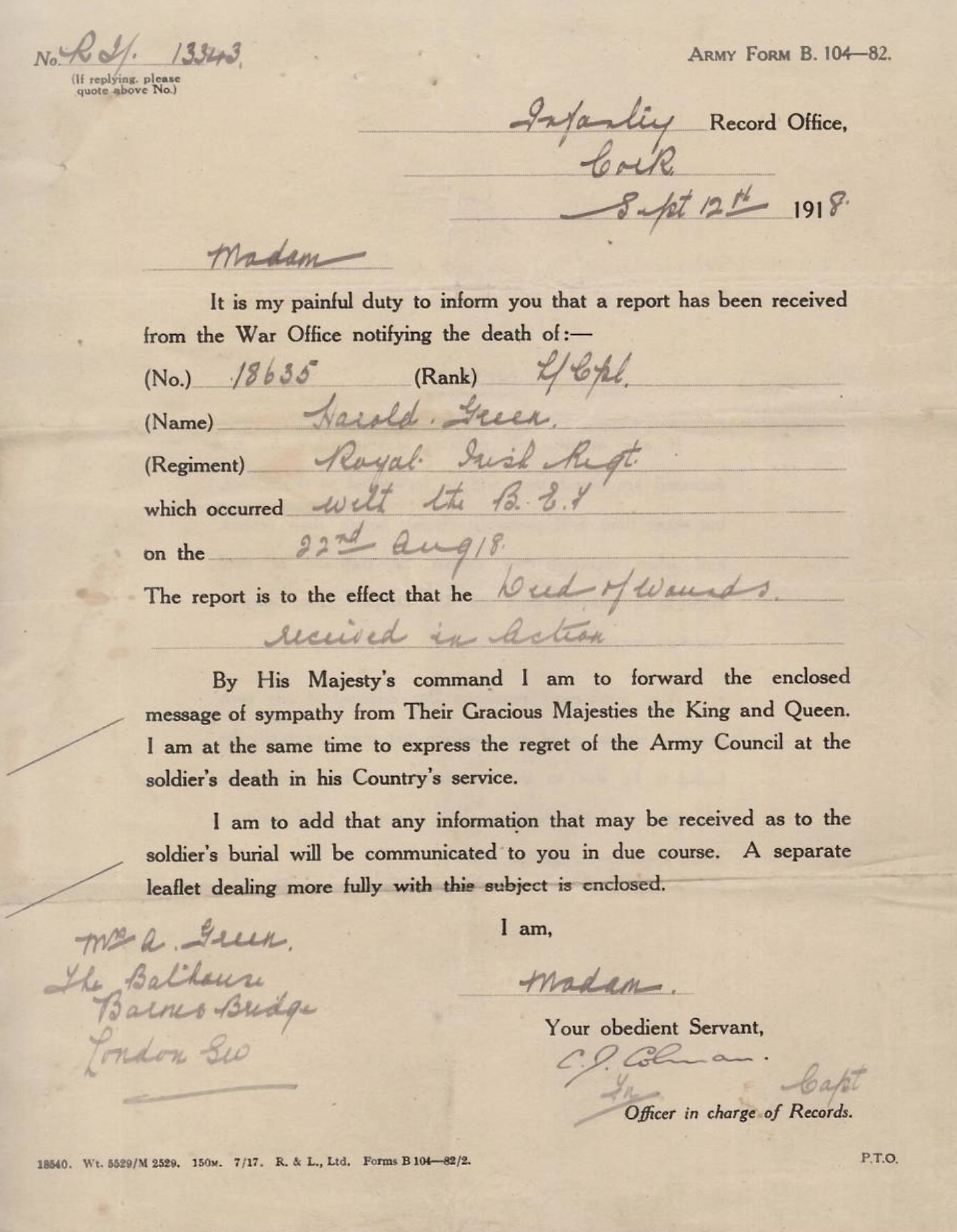
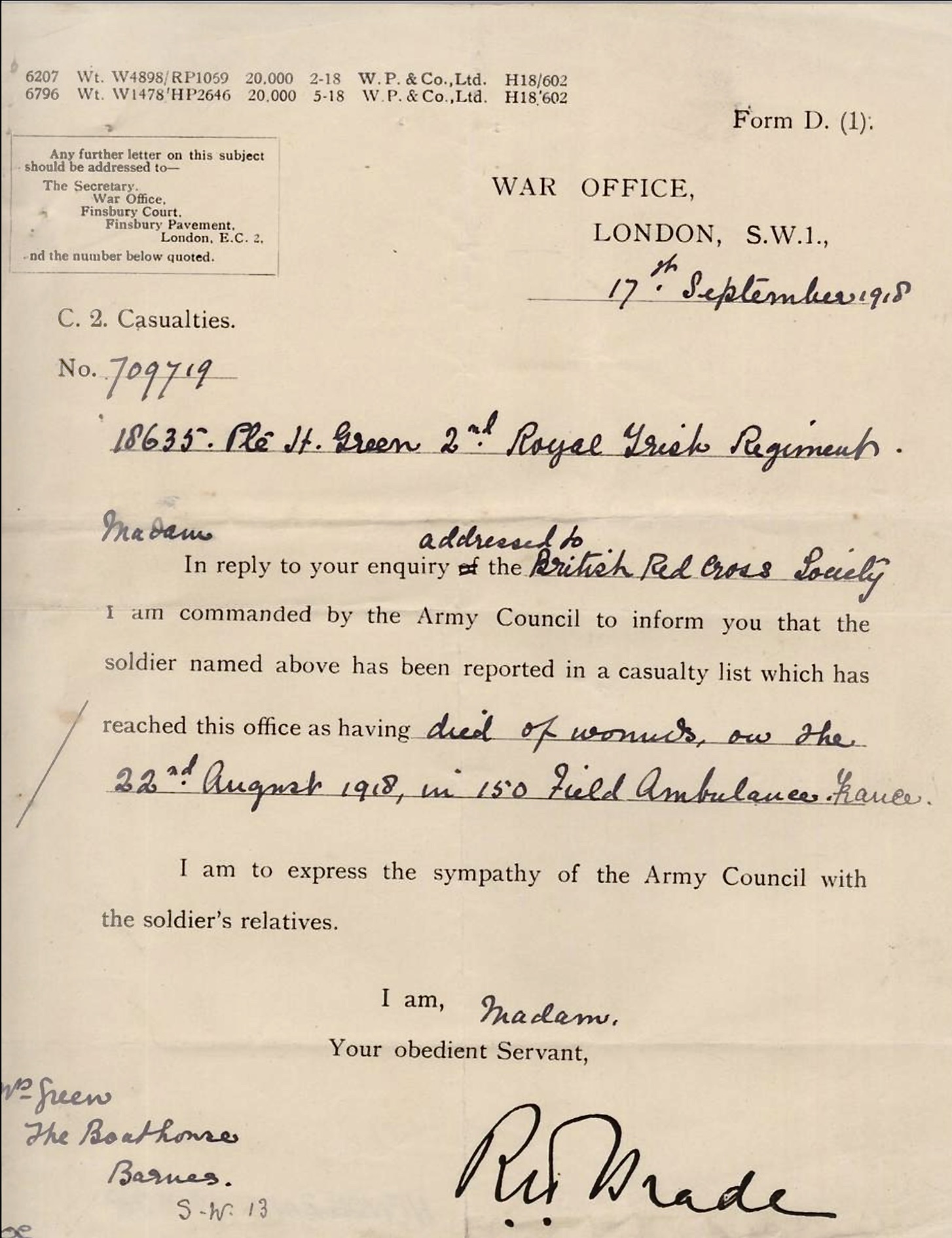
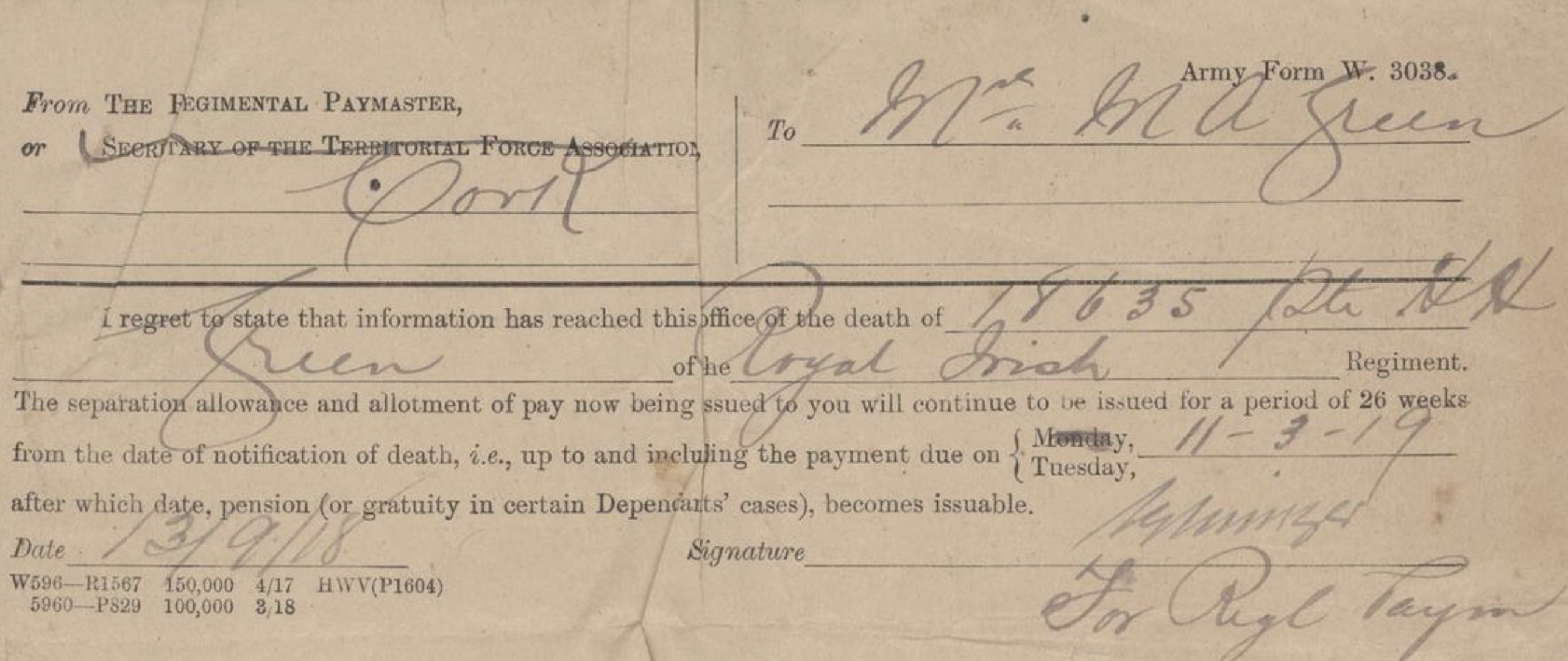
A separation allowance was money sent directly to the wives, children, and dependent relatives of those in the forces. It combined a portion of the serviceman’s pay, compulsorily allotted from his wages, with a matching or supplementary grant paid by the government. Wives typically received weekly sums ranging from 12s. 6d. (62 pence) to 23s. (£1.15 pence) depending on the husband’s rank, plus additional allowances per child, around 2s. (10 pence) or more for each. From 1916, provisions were also gradually extended to cover widowed mothers and, remarkably for the time, “unmarried wives”.
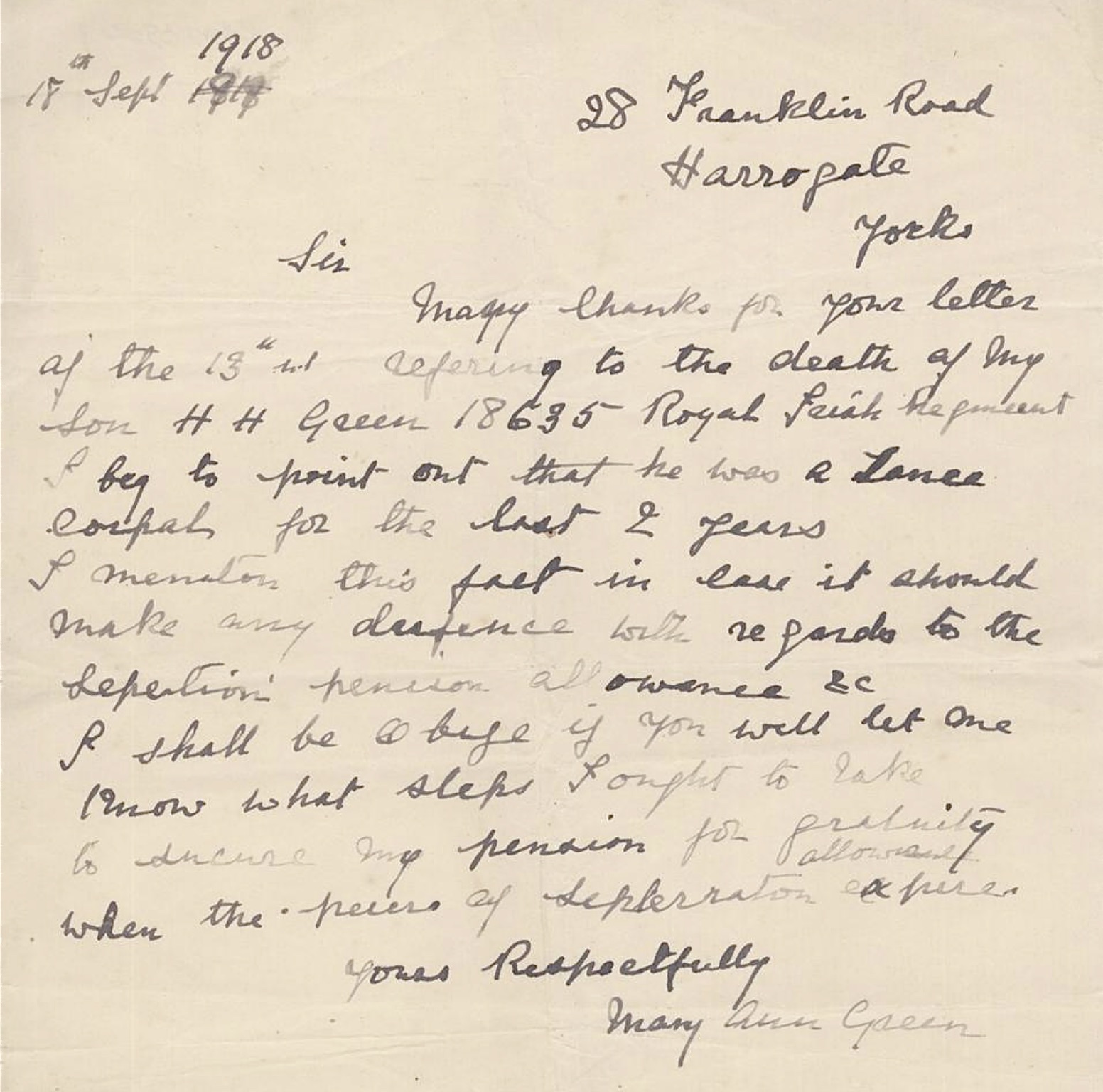
A mother of a soldier who died in the war could receive a dependants’ pension (often called a mother’s pension) if she could prove she was wholly or partially financially dependent on her son up to the time of his death. Claims often required showing that the soldier contributed to the household income or that she relied on him as a breadwinner.
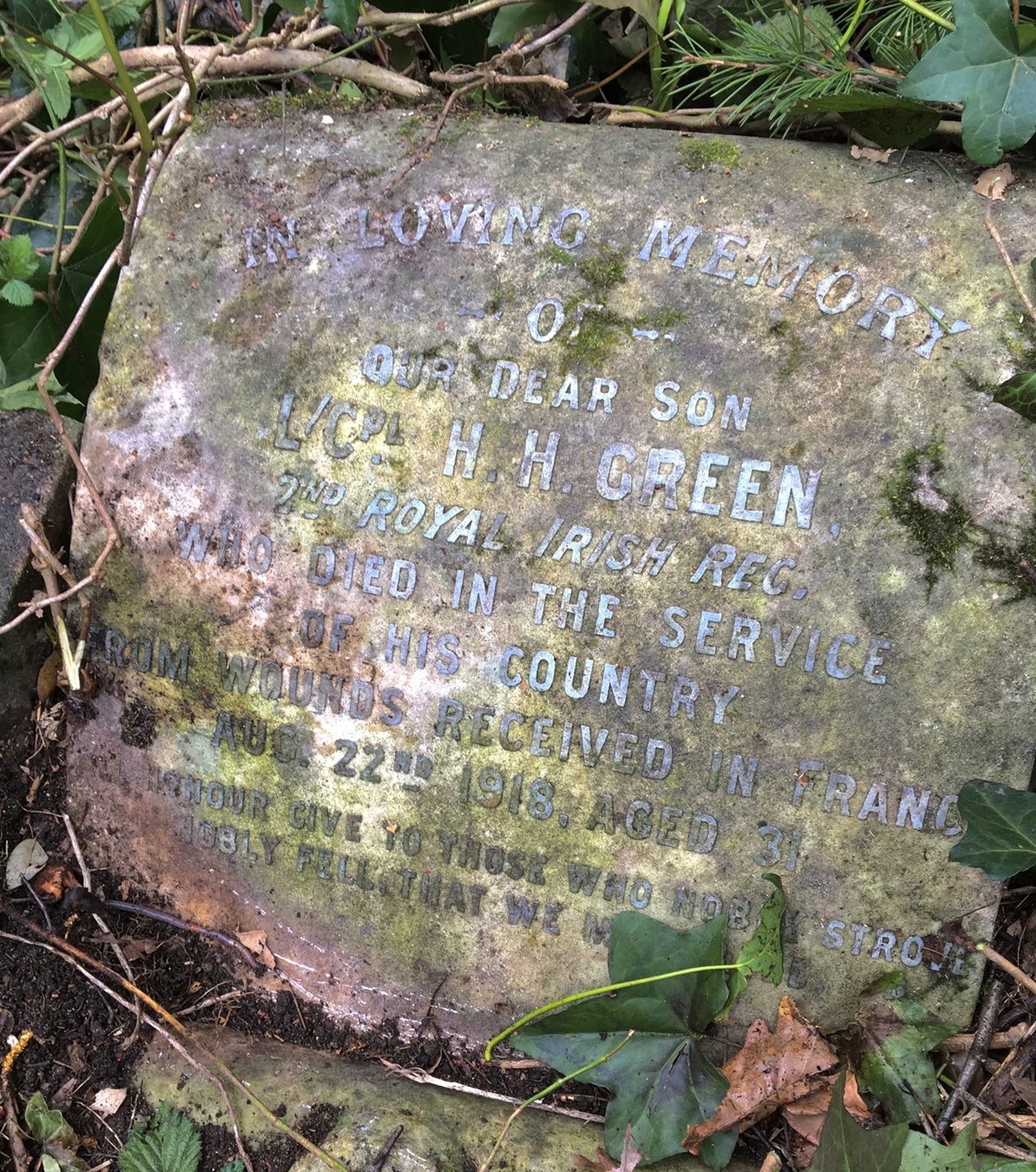
The inscription on the above reads:
In Loving Memory of our dear son
L/Cpl H. H. Green, 2nd Royal Irish Regiment
Who died in the service of his country from wounds received in France
Aug 22nd 1918, Aged 31
All honour give to those who nobly strove
Nobly fell that we might live
To have a son killed in war would be sorrowful enough for a family but, sadly, Tom and Mary Green had already lost two of their eleven children before the death of Harold. In 1895, George Green drowned in the Thames aged 16. Eight years later in 1903, Elsie Paris Green died aged 13 after a long illness. Both were buried in the same cemetery in which their brother’s memorial stone was later placed.
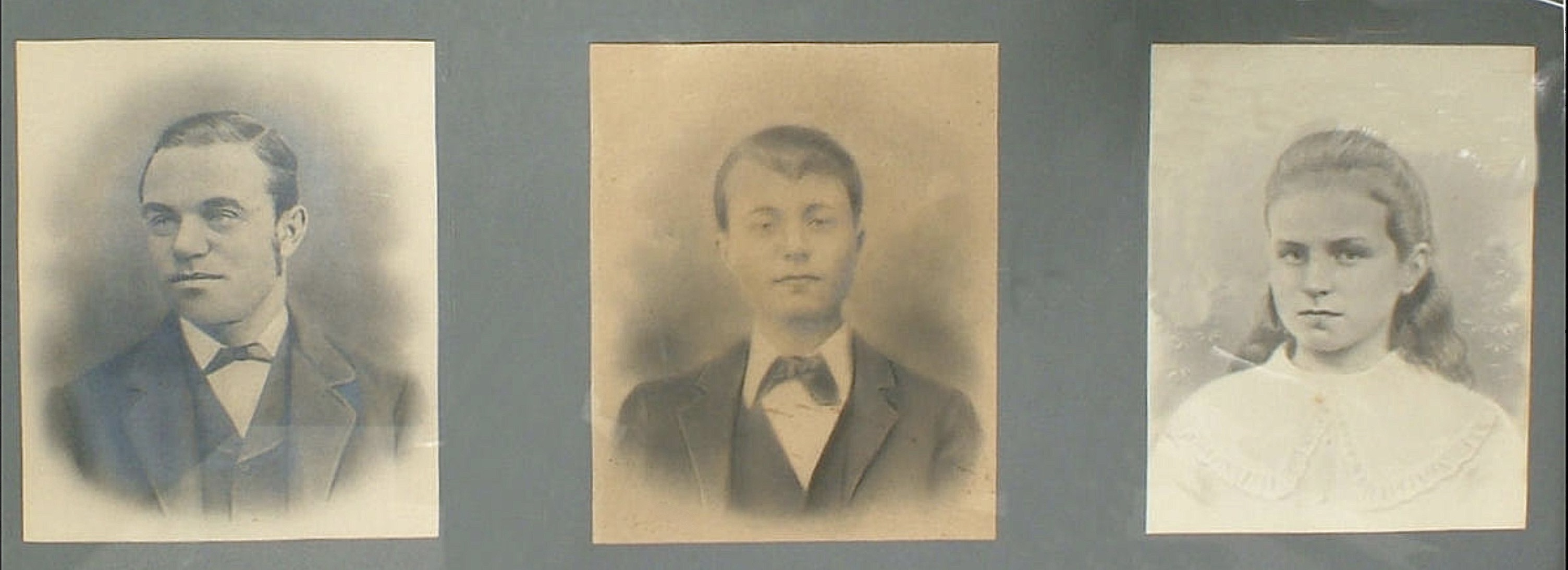
My thanks to Teresa Stokes and Jeremy Banning for their assistance.

