This website covers all aspects of the rich history of rowing, as a sport, culture phenomena, a life style, and a necessary element to keep your wit and stay sane.
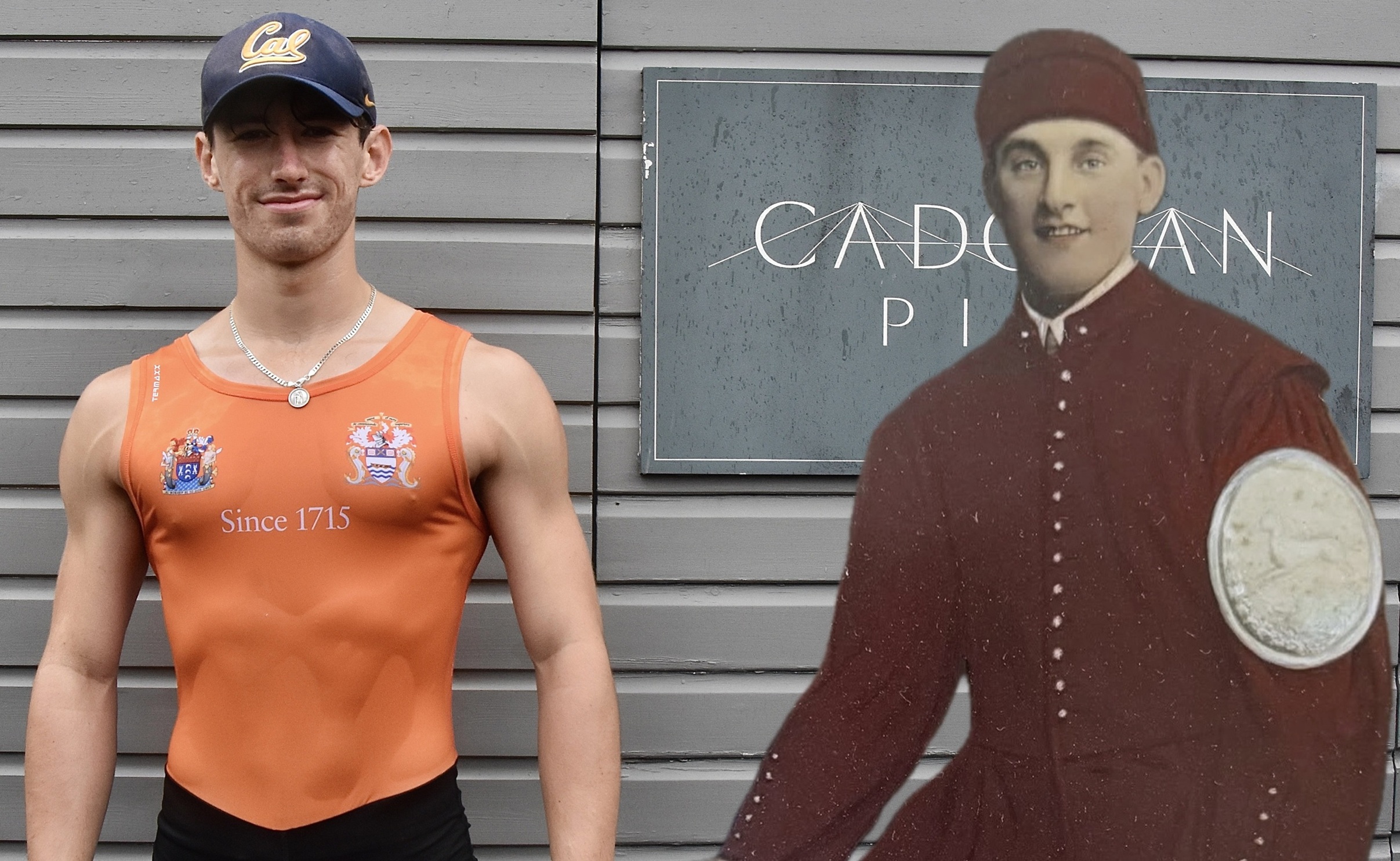
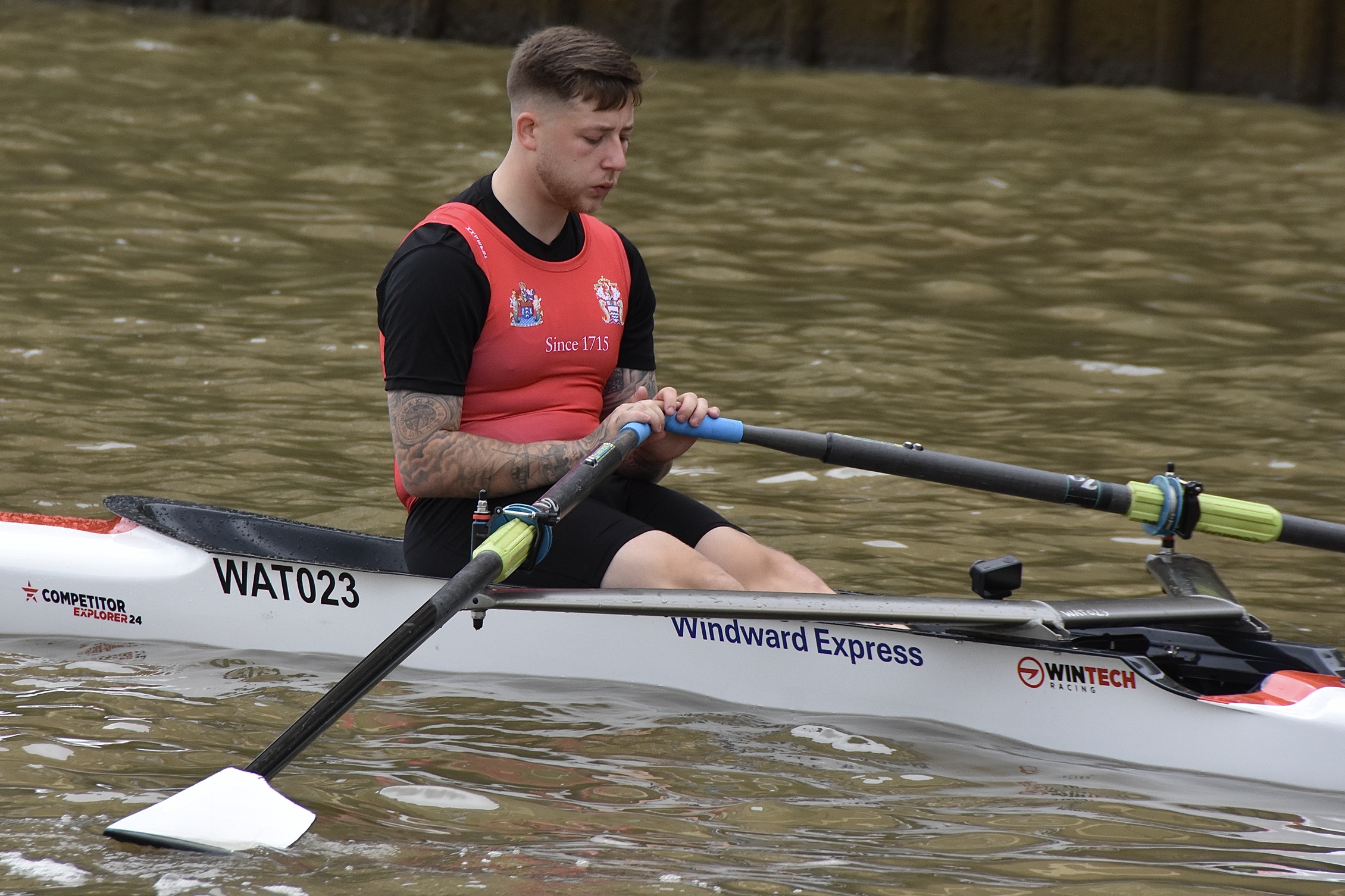
The 312th Doggett’s Coat and Badge Wager was won on 2 September by Callum Howard (21) who covered the 7.3km in 28m 29s. Jack Finelli (28) was second with 29m 34s and Charlie Milward (28) was third. Callum is joined here digitally by Tom Green, a man who won his Coat and Badge exactly 100 years earlier in 1926.
4 September 2026
By Tim Koch
Tim Koch follows some living history.
It is said that the best traditions survive, not by “preserving the ashes” but by “passing on the flame”. Clearly, preserving ashes refers to following an old practice without caring why, whereas passing on the flame means inspiring new generations to adopt the passion that started the tradition in the first place.
As the Doggett’s Coat and Badge has been run and supported with passion every year since 1715, it is safe to assume that the flame is indeed being passed. This is despite the fact that the riverside communities that worked the London docks for hundreds of years until the abrupt collapse of commercial traffic in the Thames in the 1960s and that gave birth to Doggett’s has now all but died out.
Sean Collins, CEO of Thames Clippers and Master of the Company of Watermen and Lightermen and a Doggett’s winner from 1990 said:
Traditions such as the Doggett’s Coat and Badge are not merely about reflecting on the past; they emphasise the transmission of skills, values, and pride that have shaped the Thames over the centuries. The Doggett’s Coat and Badge Wager serves as a tangible connection between the waterage skills of yesteryear and the competencies of future watermen.
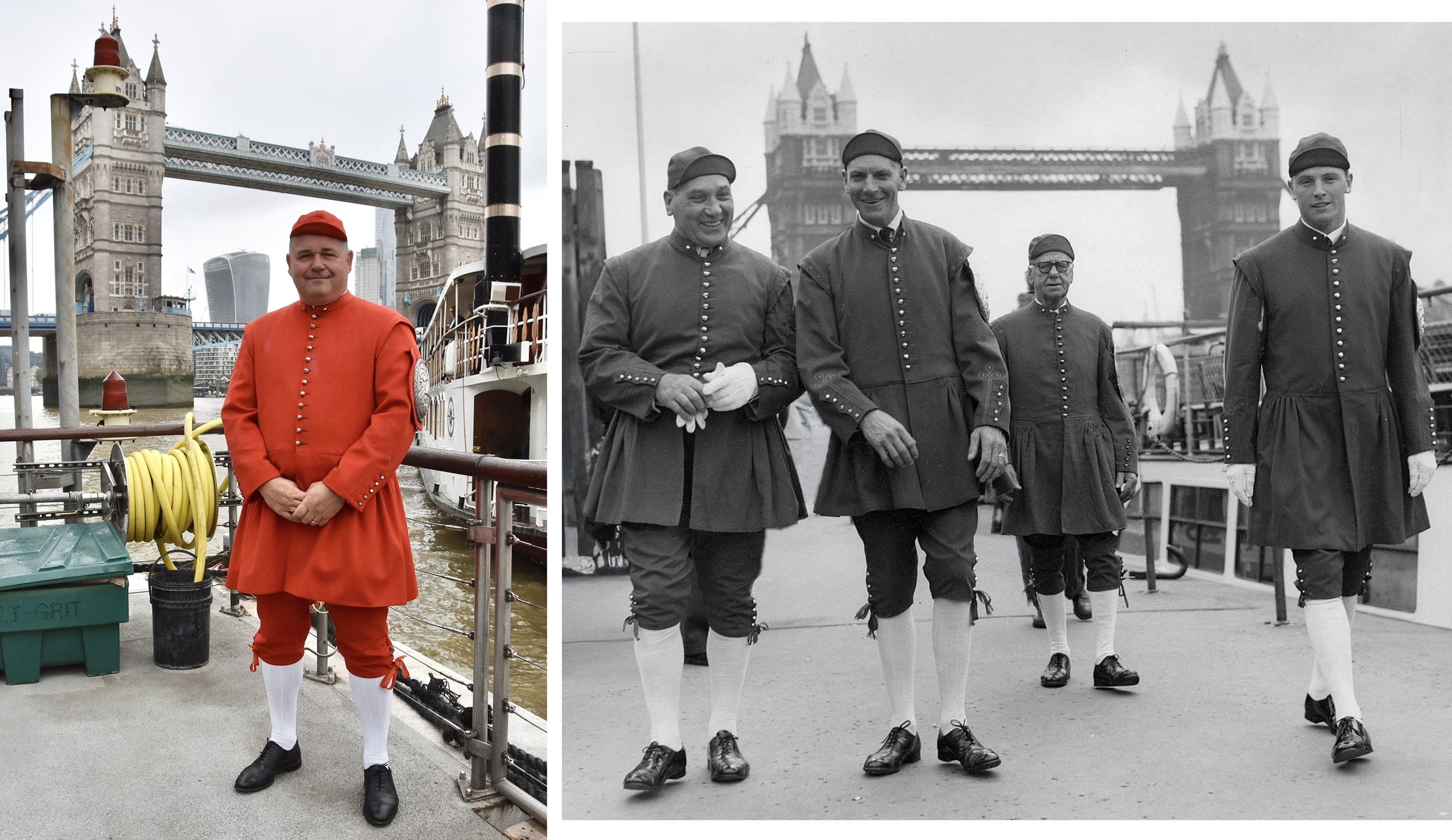
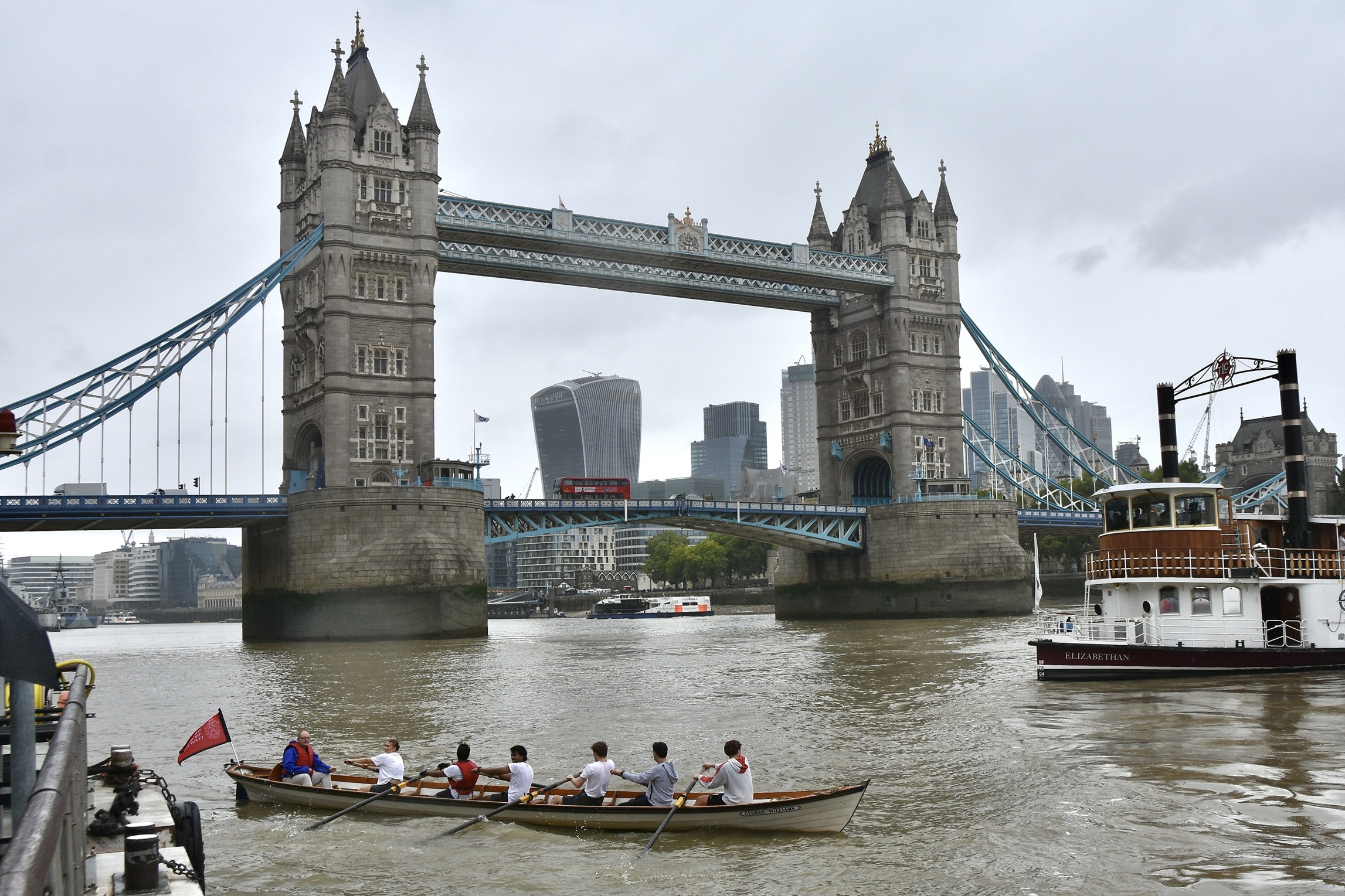
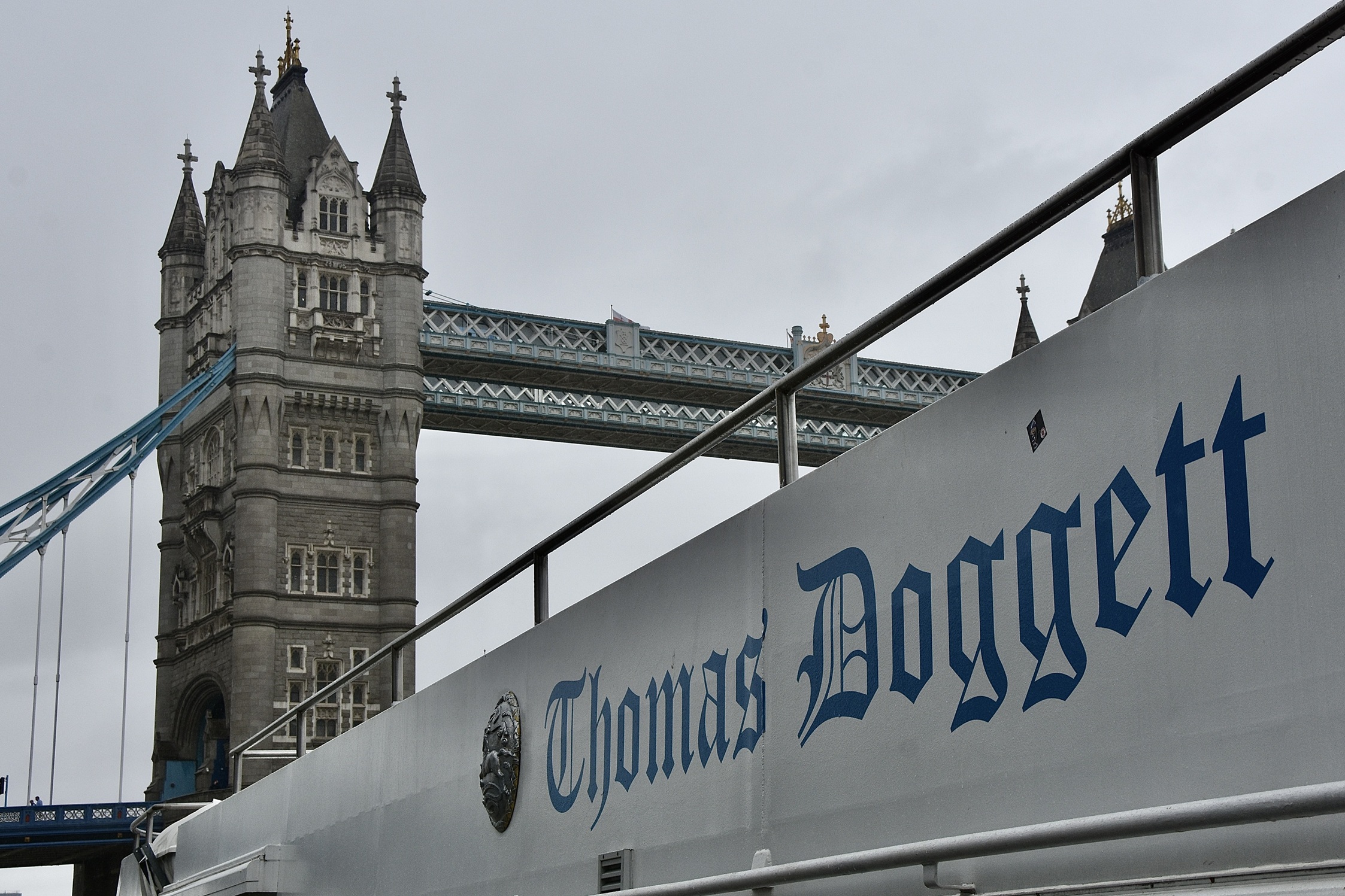
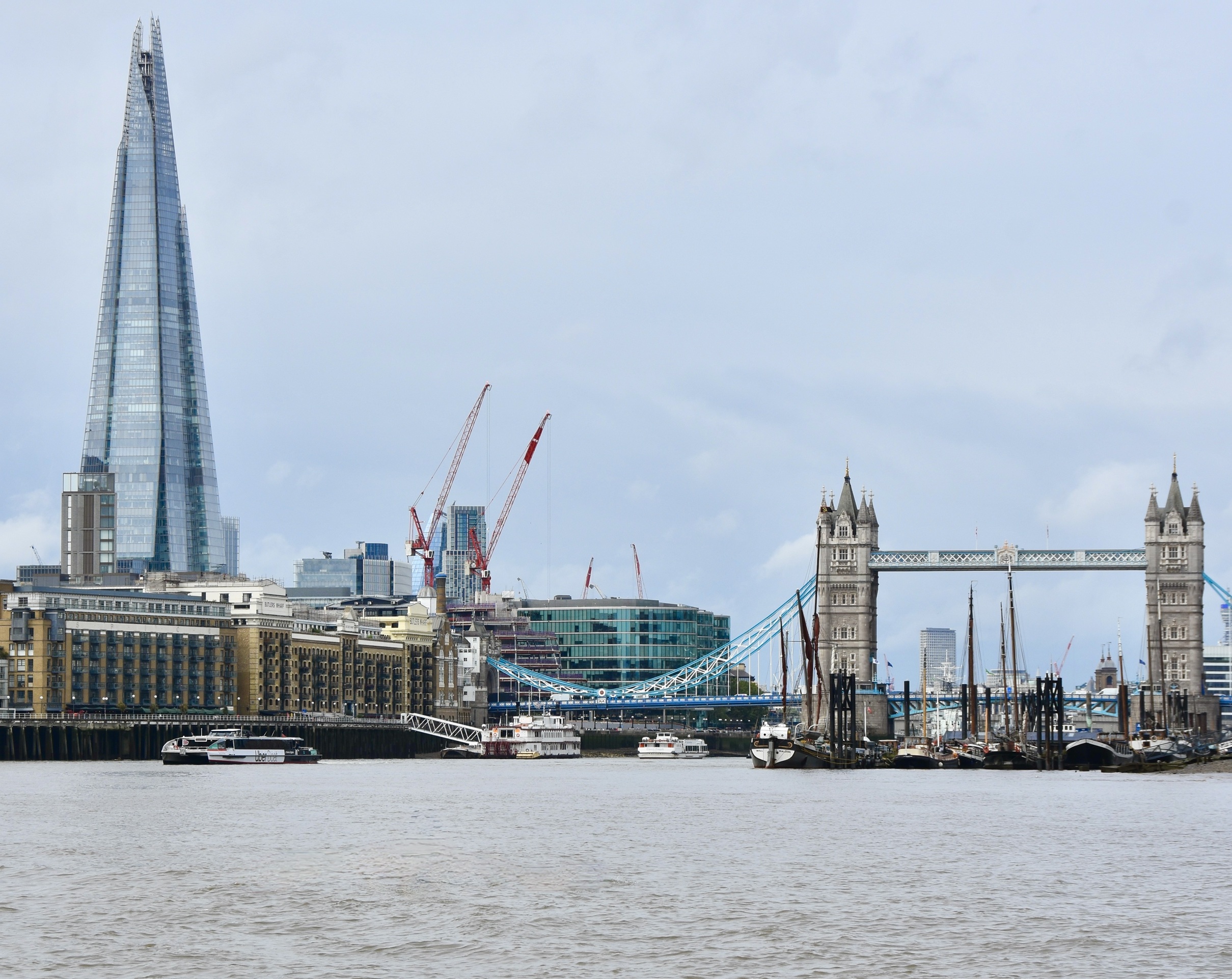
The spectator boats and media launches embarked from Butler’s Wharf – as they did for the 245th race in 1960. Pictured here on the left, Nick Dwan (won in 2002), and on the right, Harold Green (1924), Eric Lupton (1940), George Gobbett (1913) and Ken Collins (1957).A small pageant of traditional rowing boats entertained those waiting to board the spectator boats.An appropriately named passenger vessel.Butler’s Wharf on the south side of the river was once home to some of the biggest and busiest warehouses in the world but the Grade II listed area is now a residential and commercial district. World-famous landmarks nearby include the Tower of London, HMS Belfast, Tower Bridge, the Shard and the City of London financial district.
An hour before the race, the press boat went downriver in search of the competitors who were in the process of boating and warming up while on their way to the start.
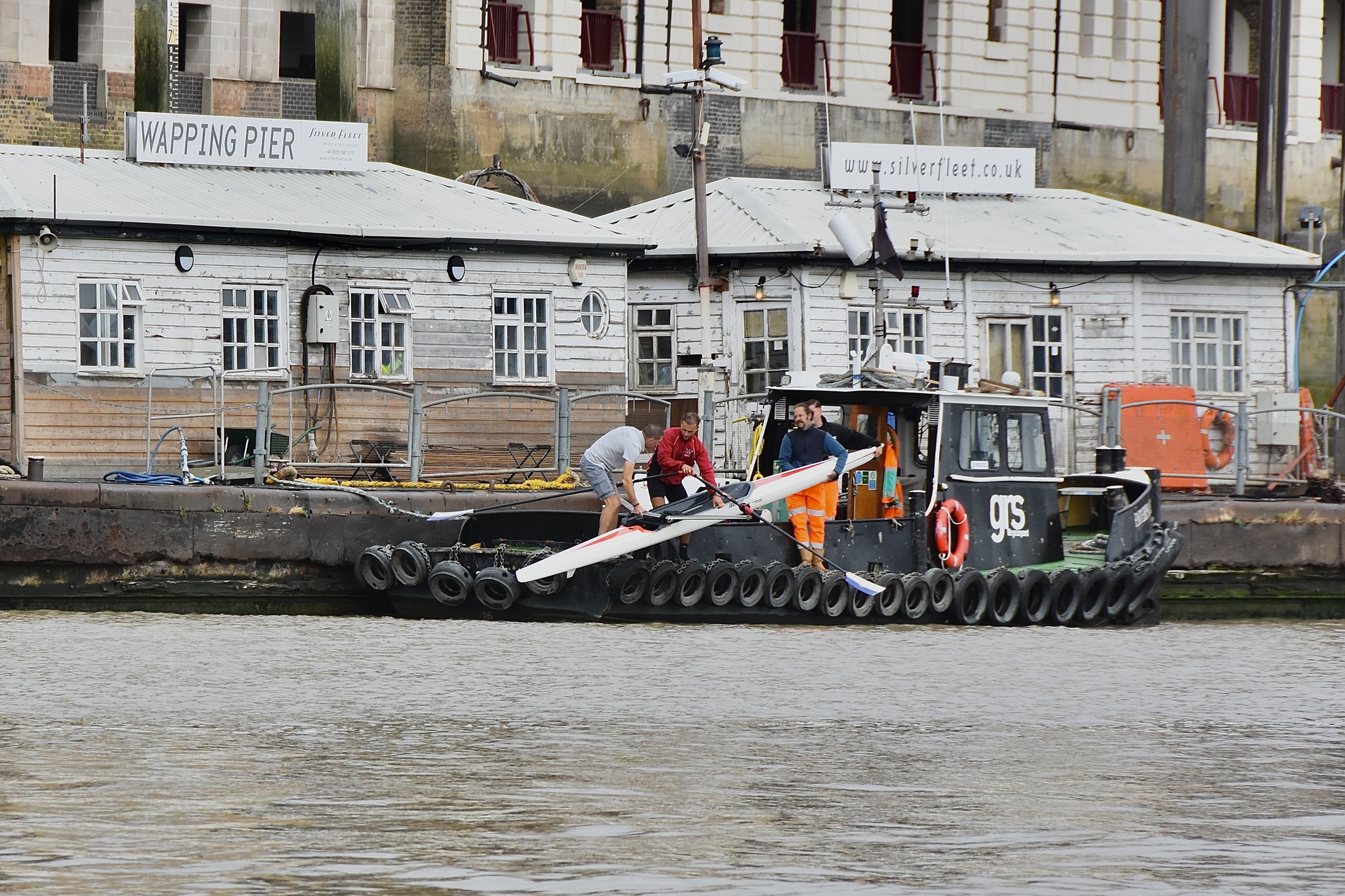
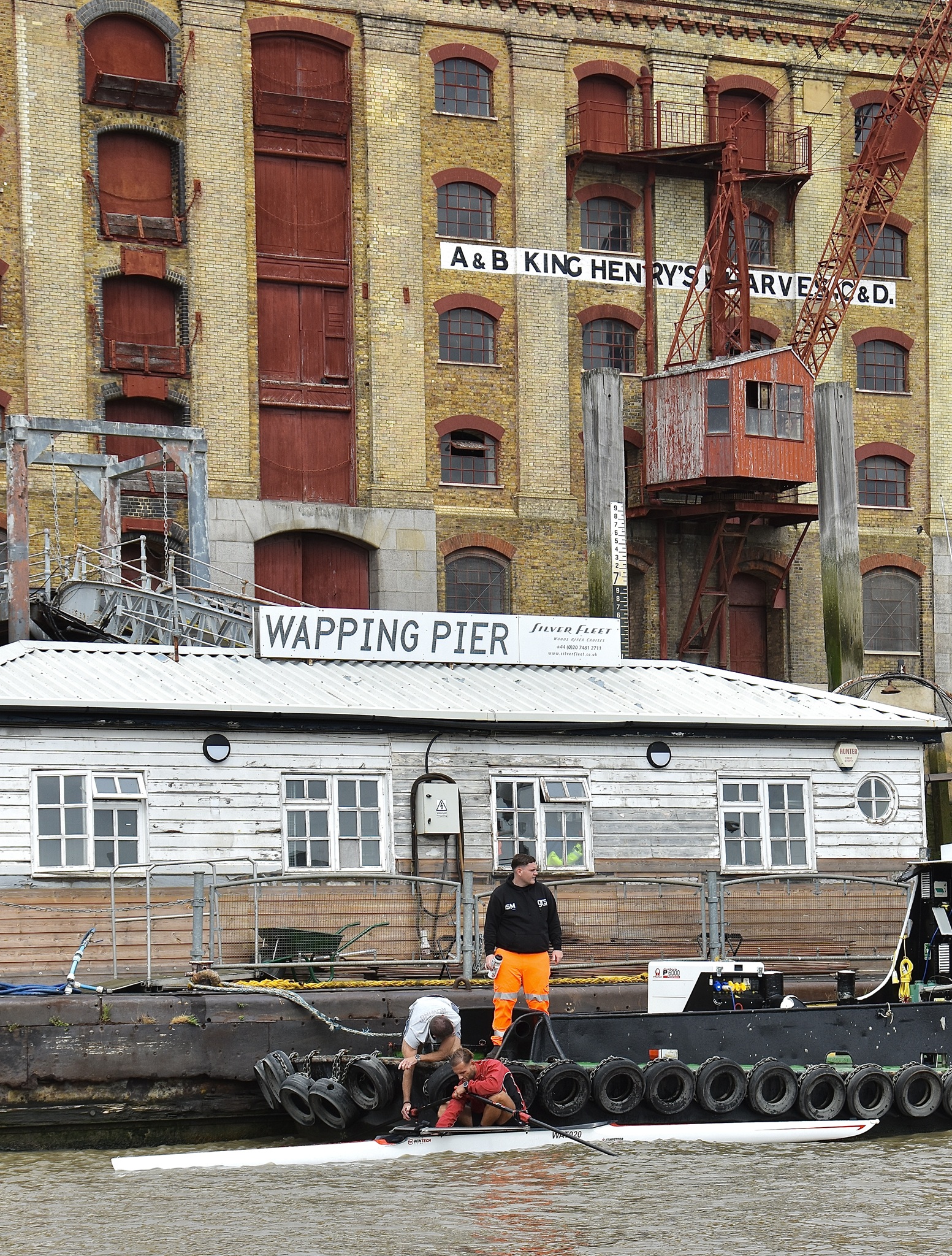
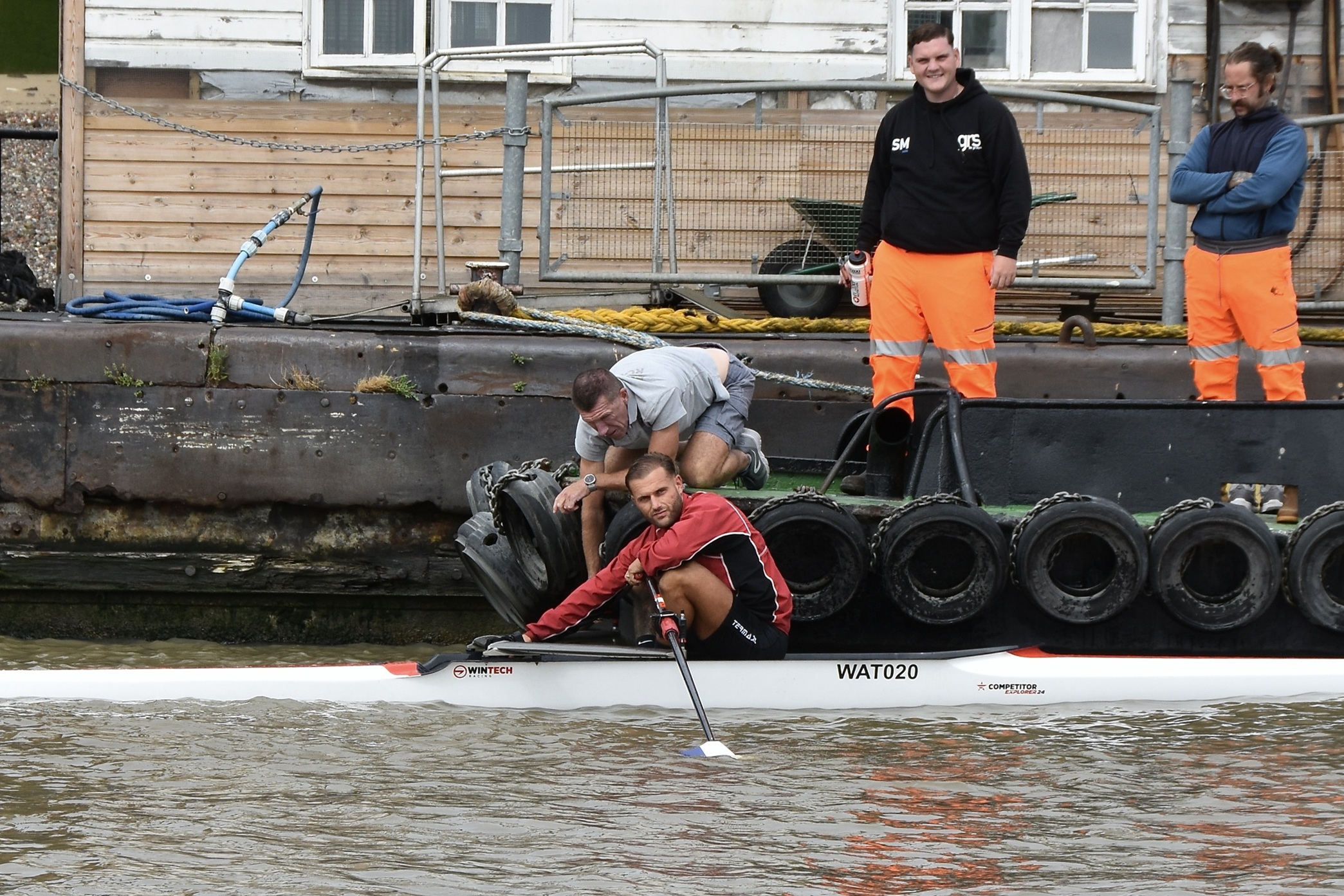
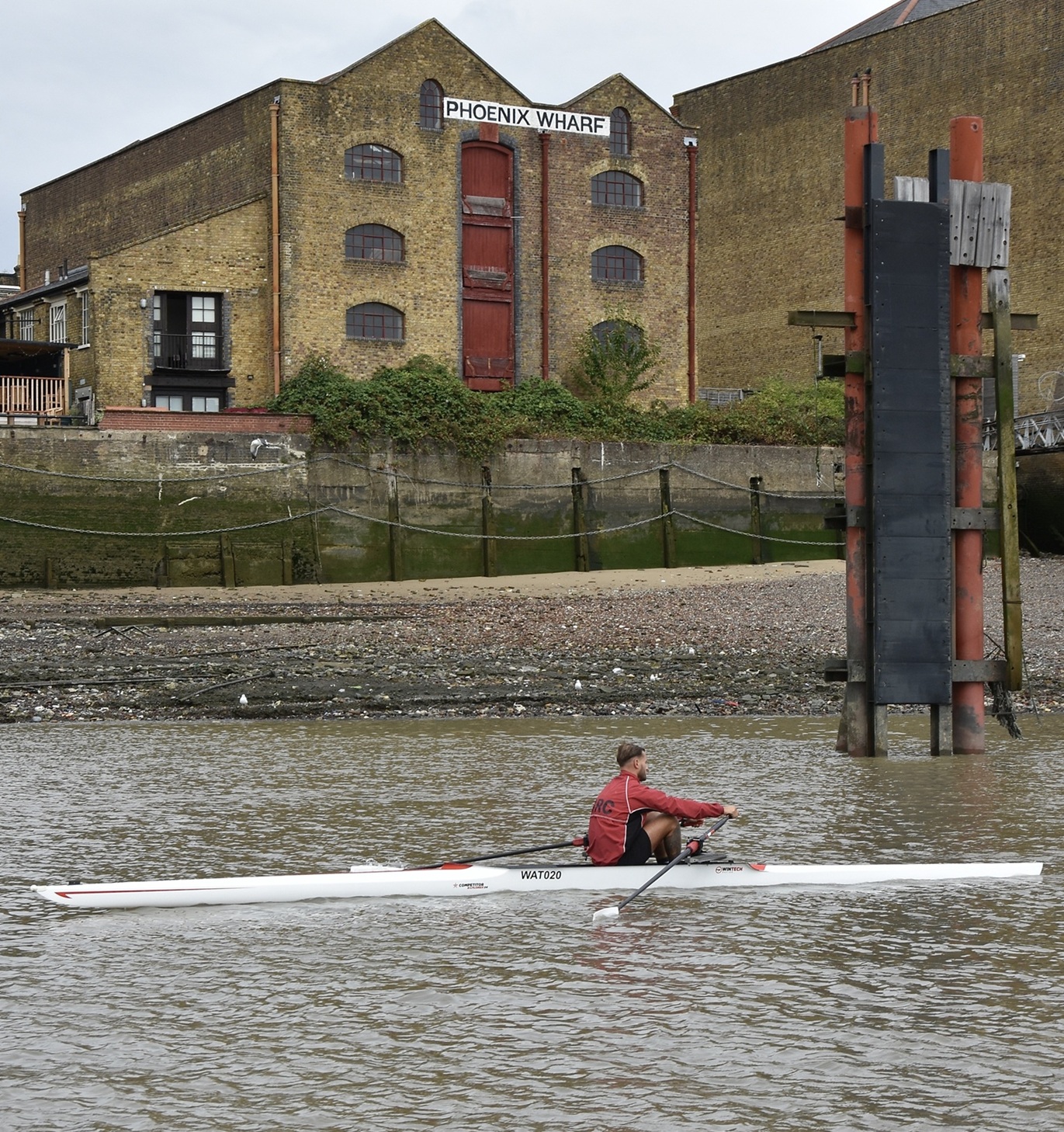
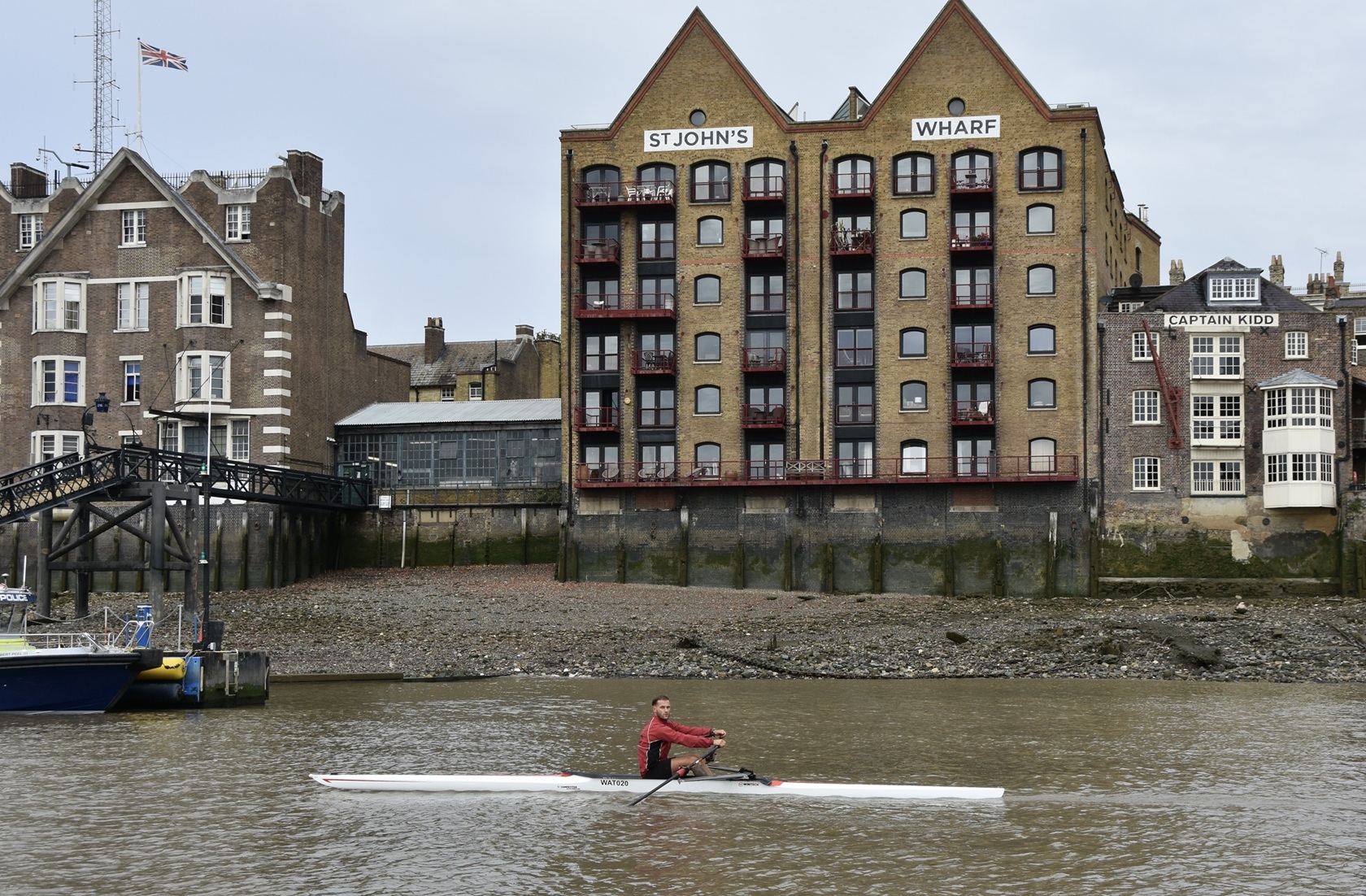
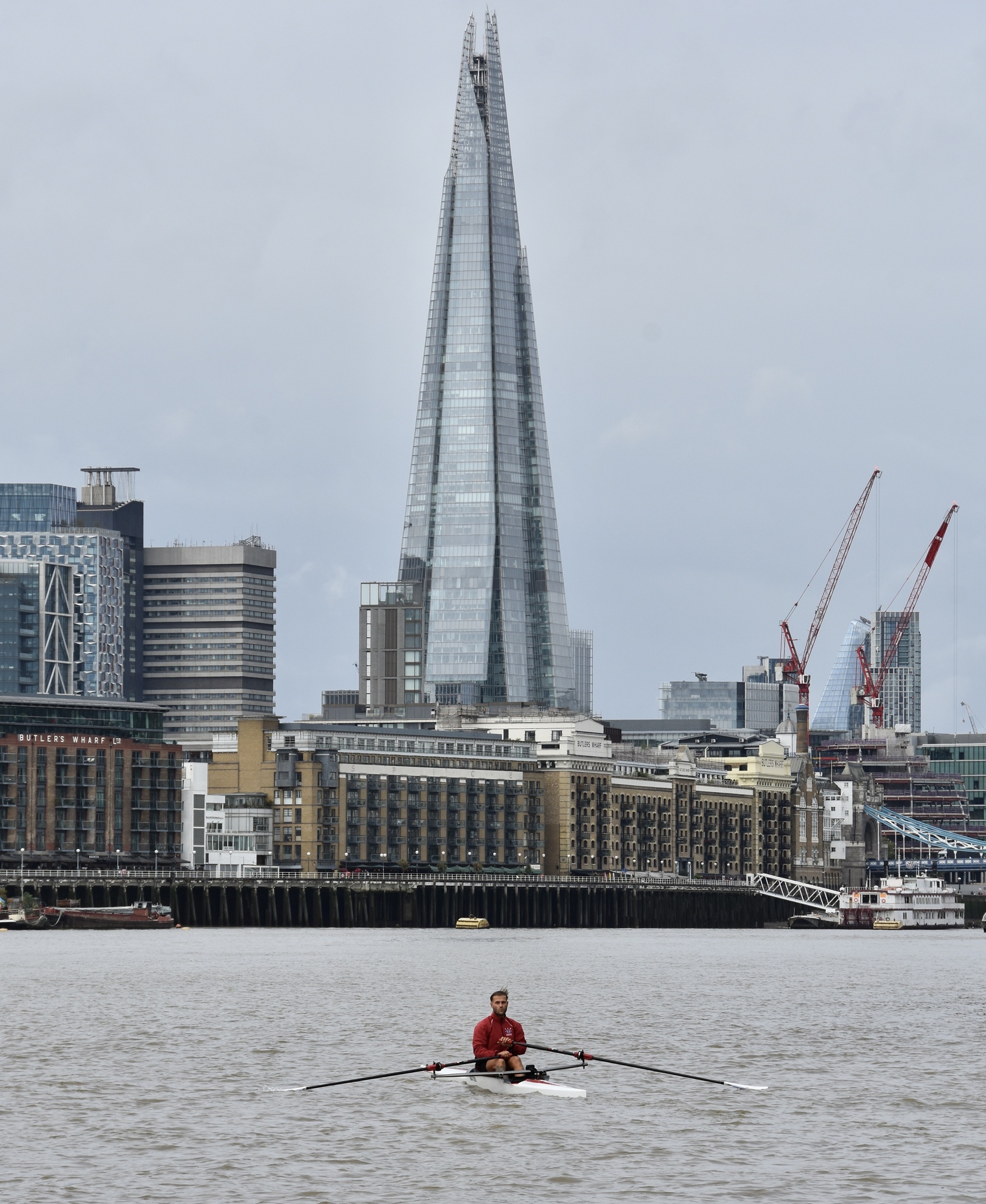
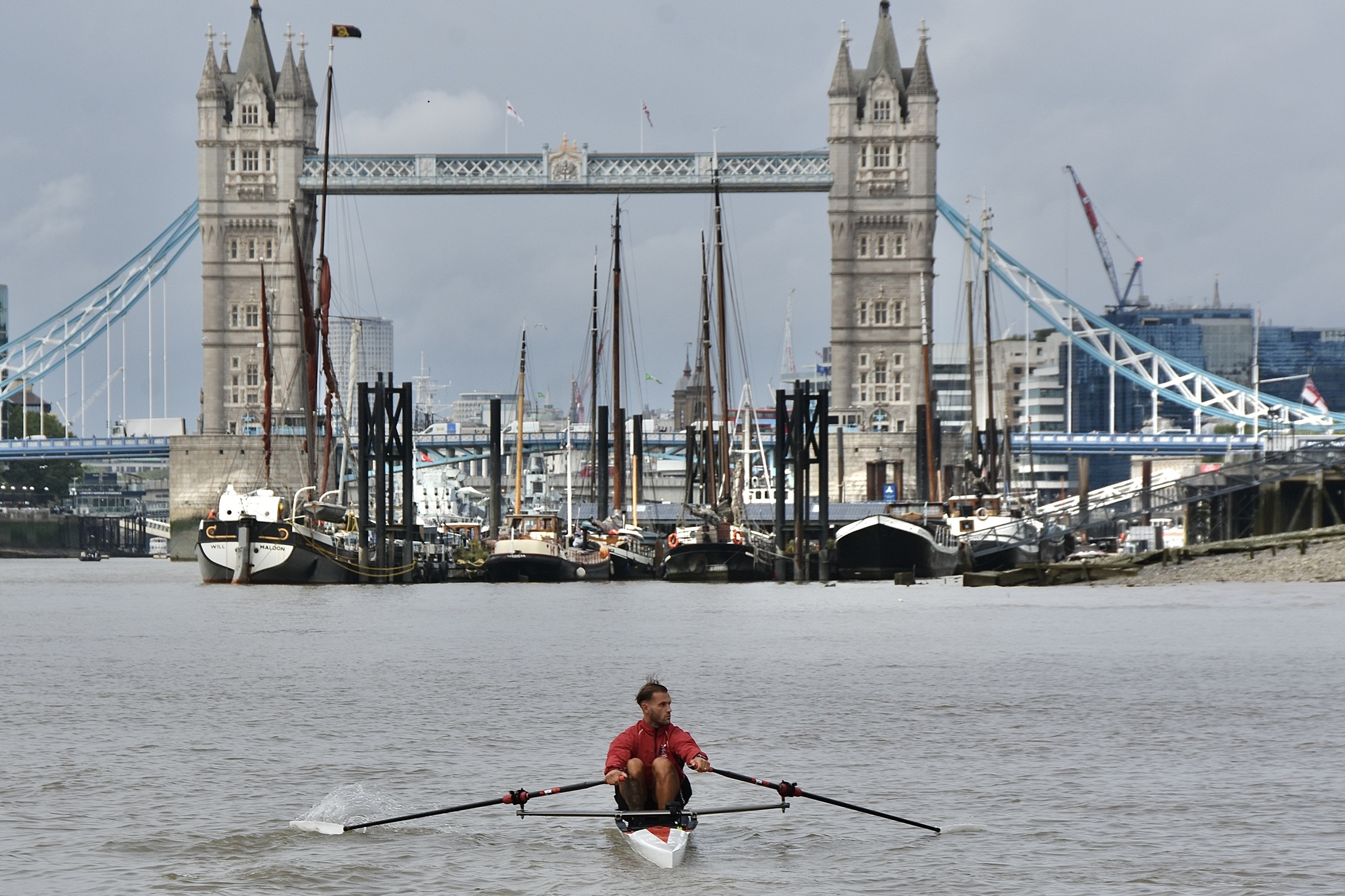
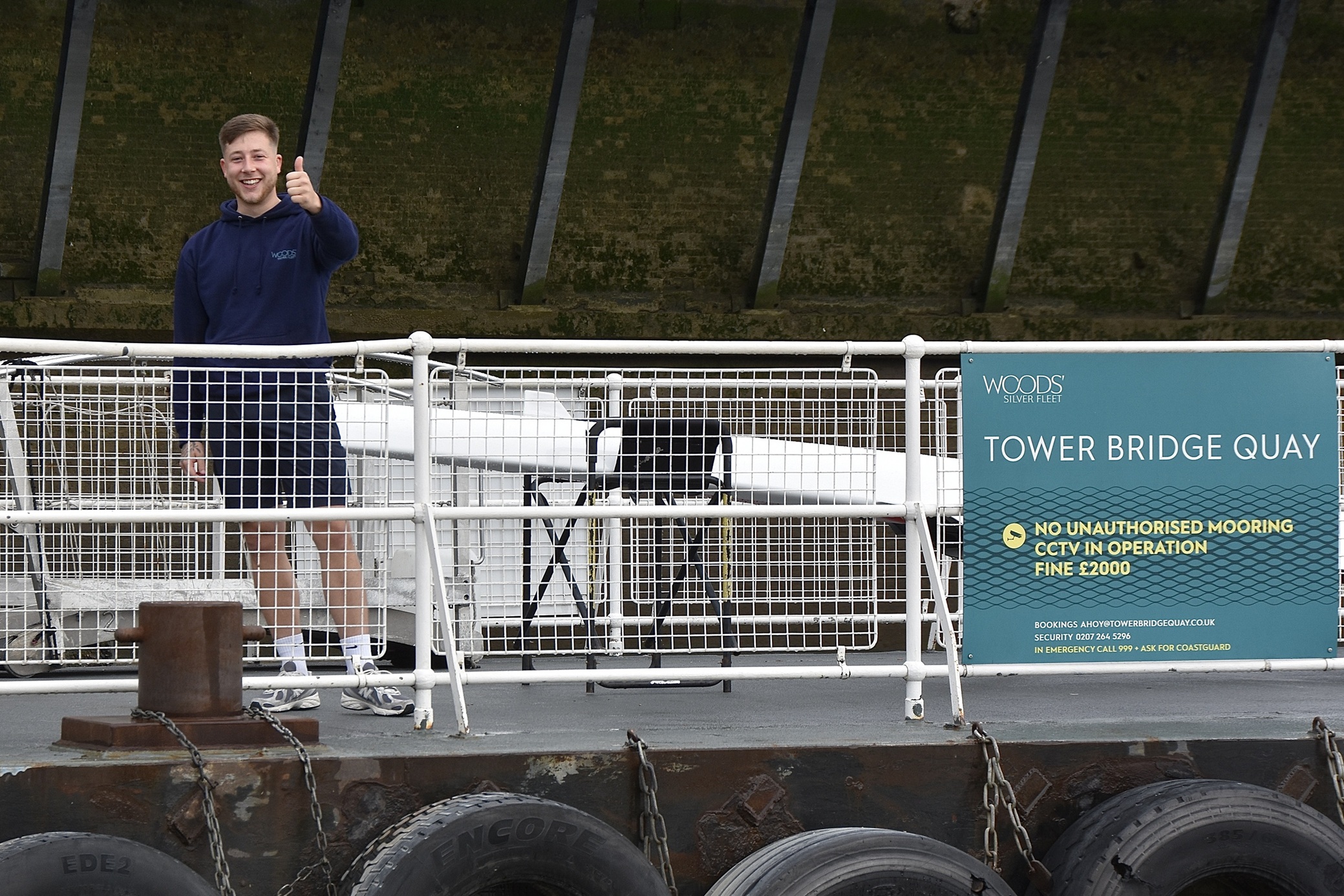
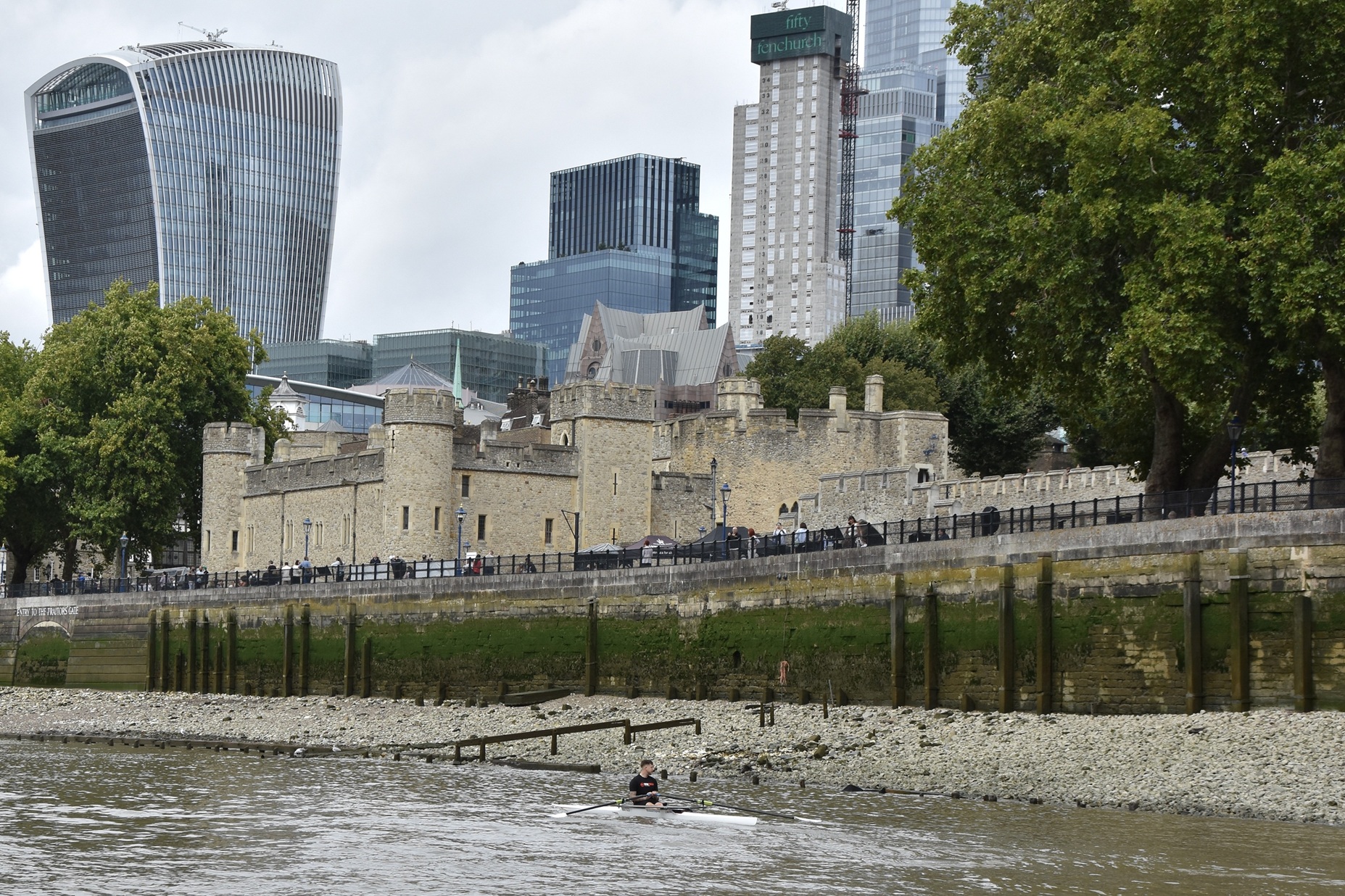
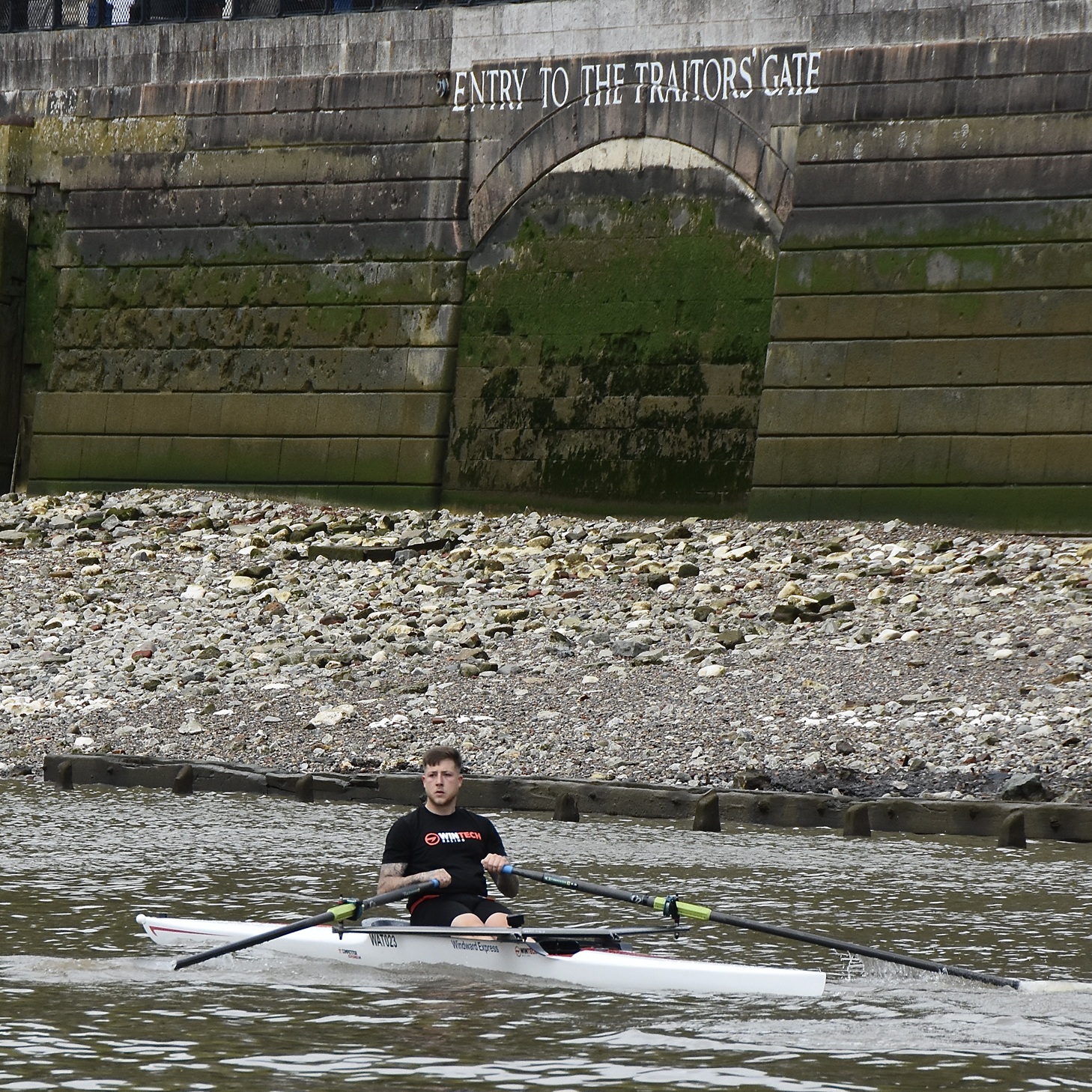
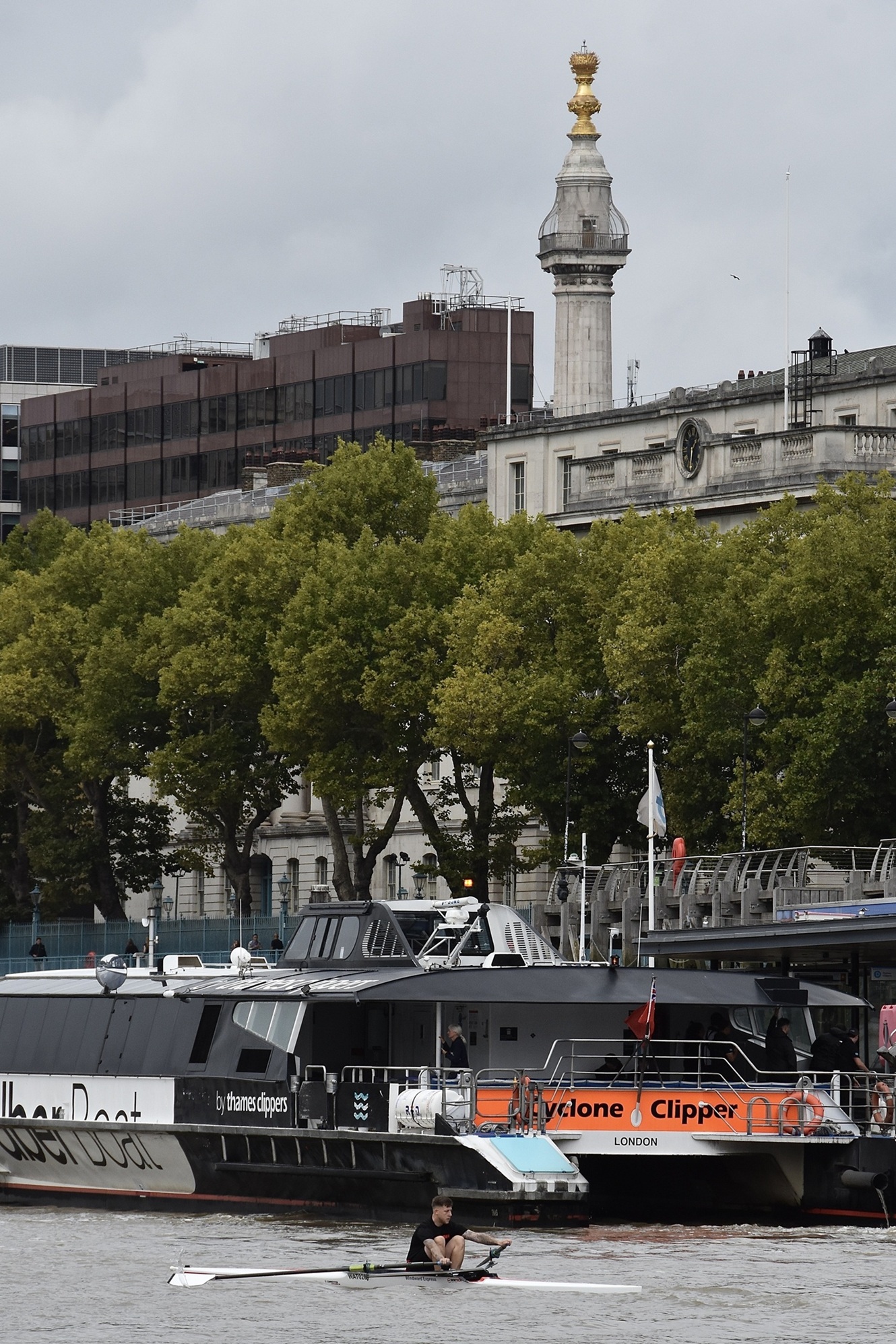
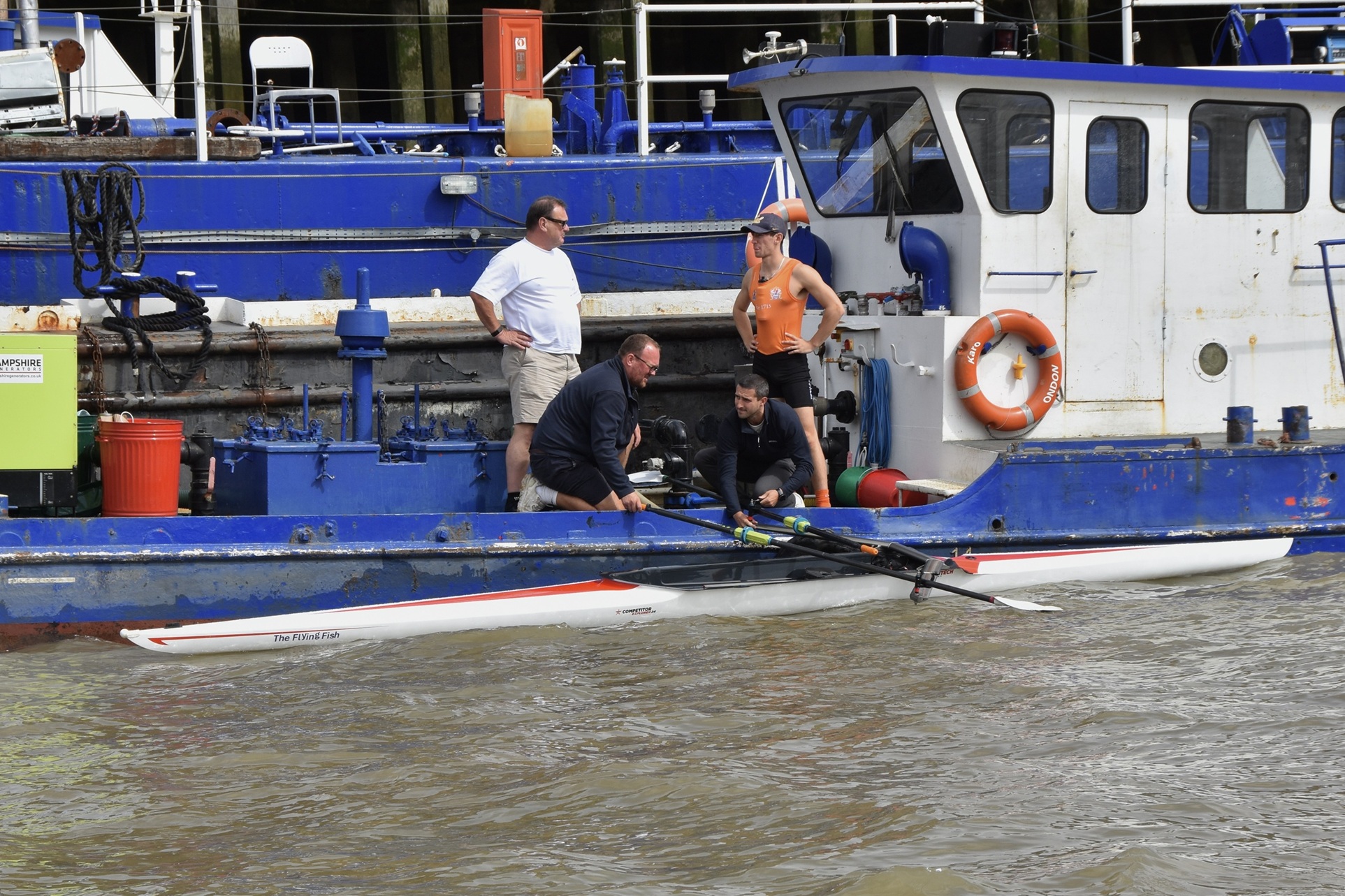
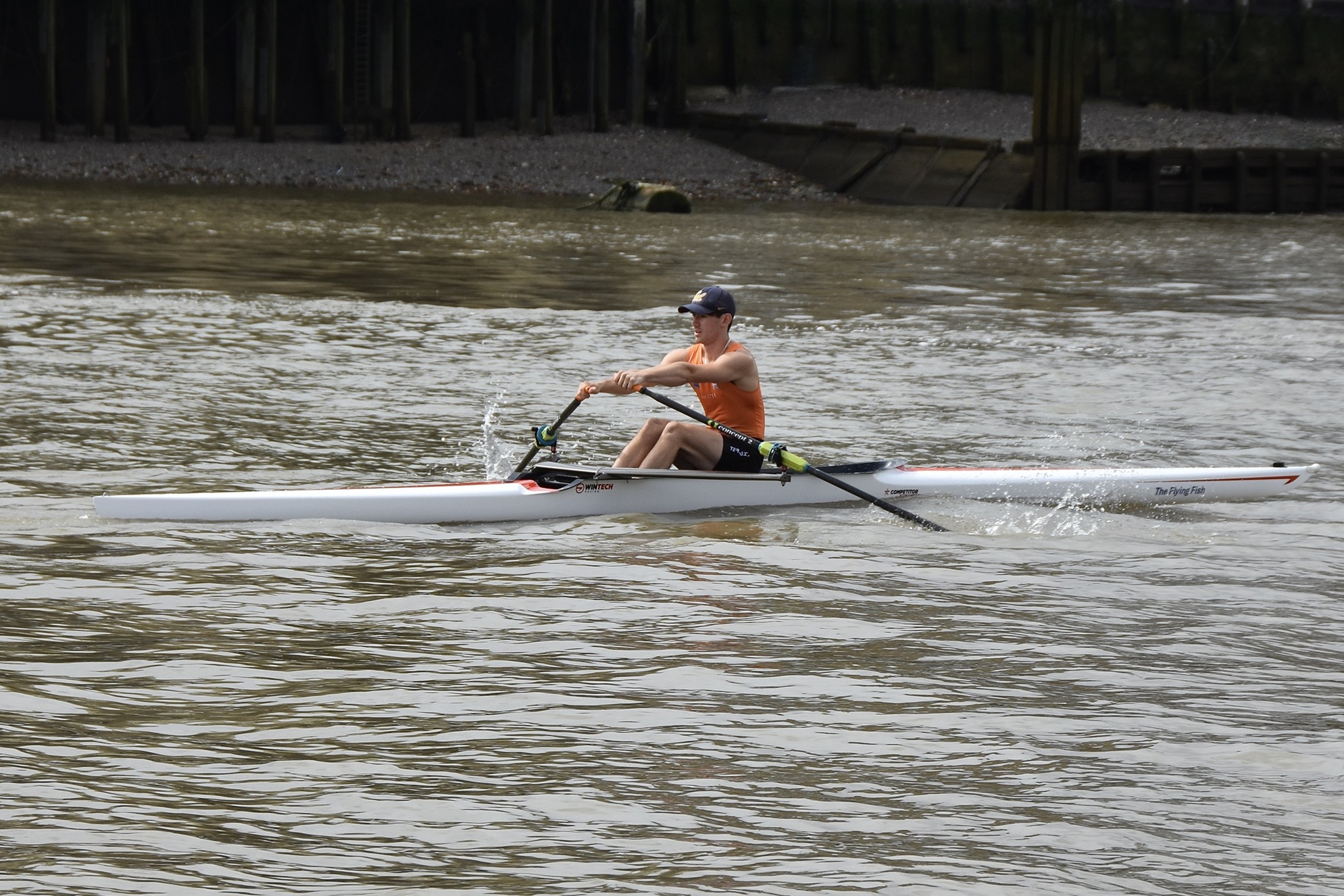
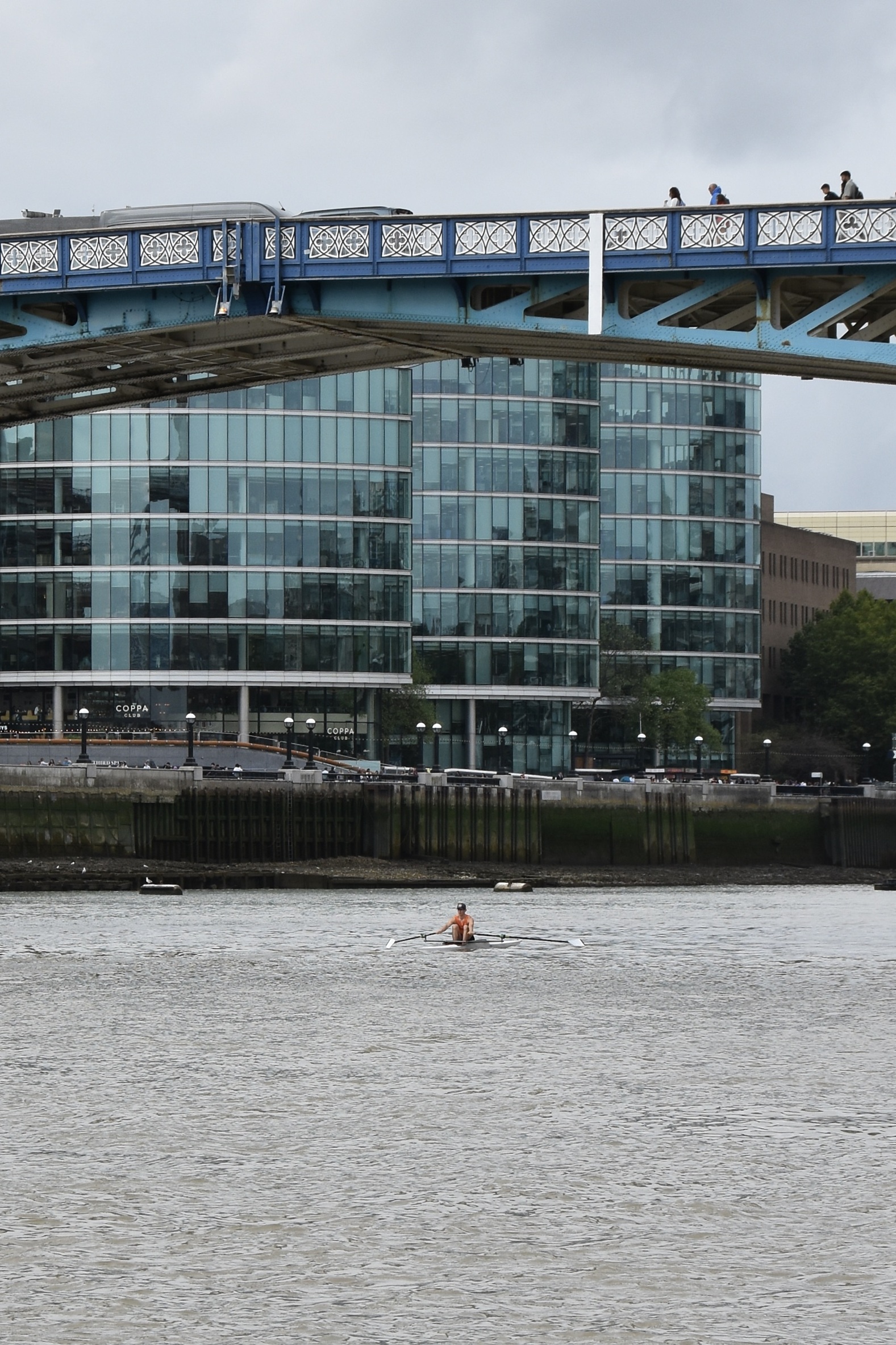
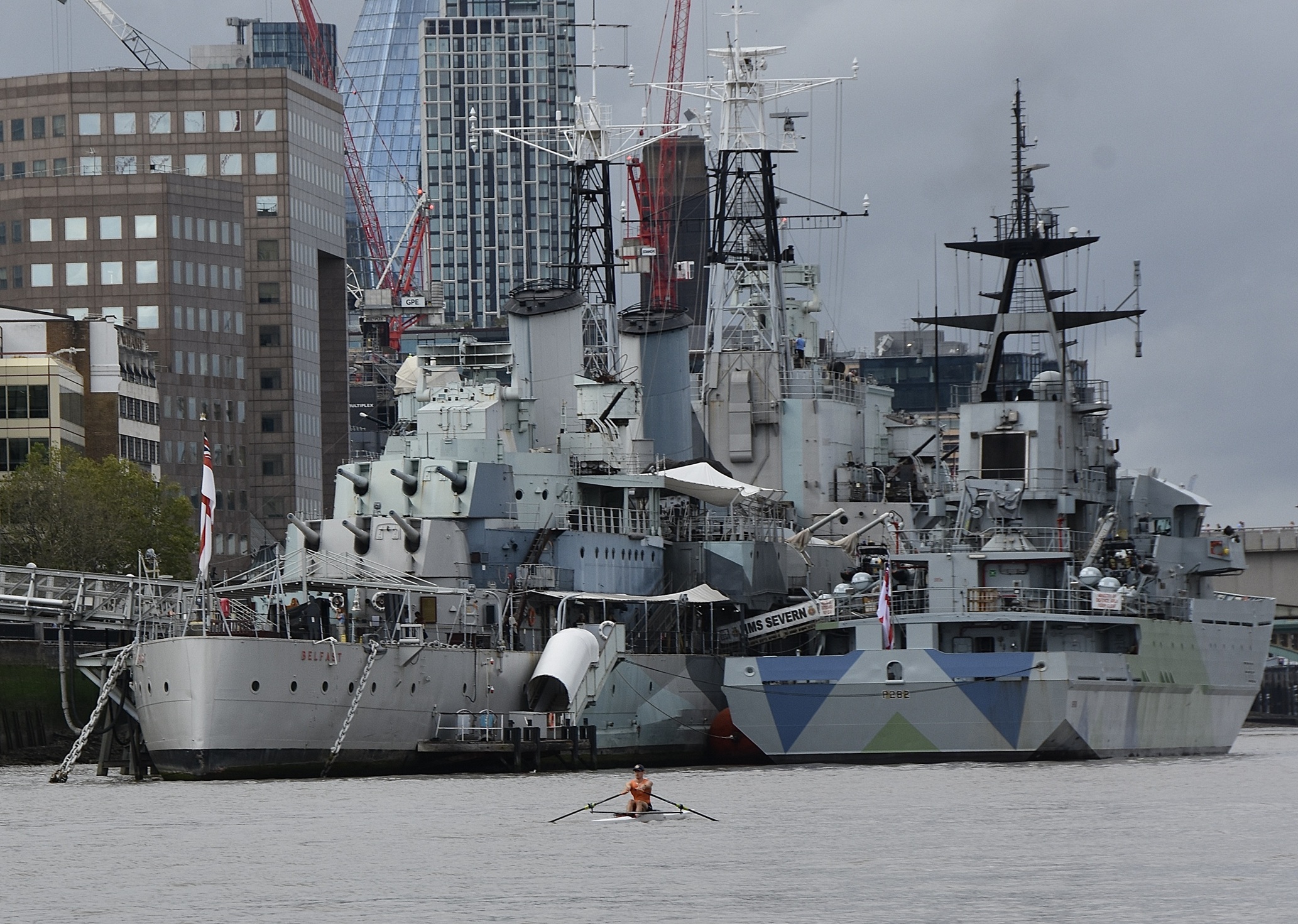
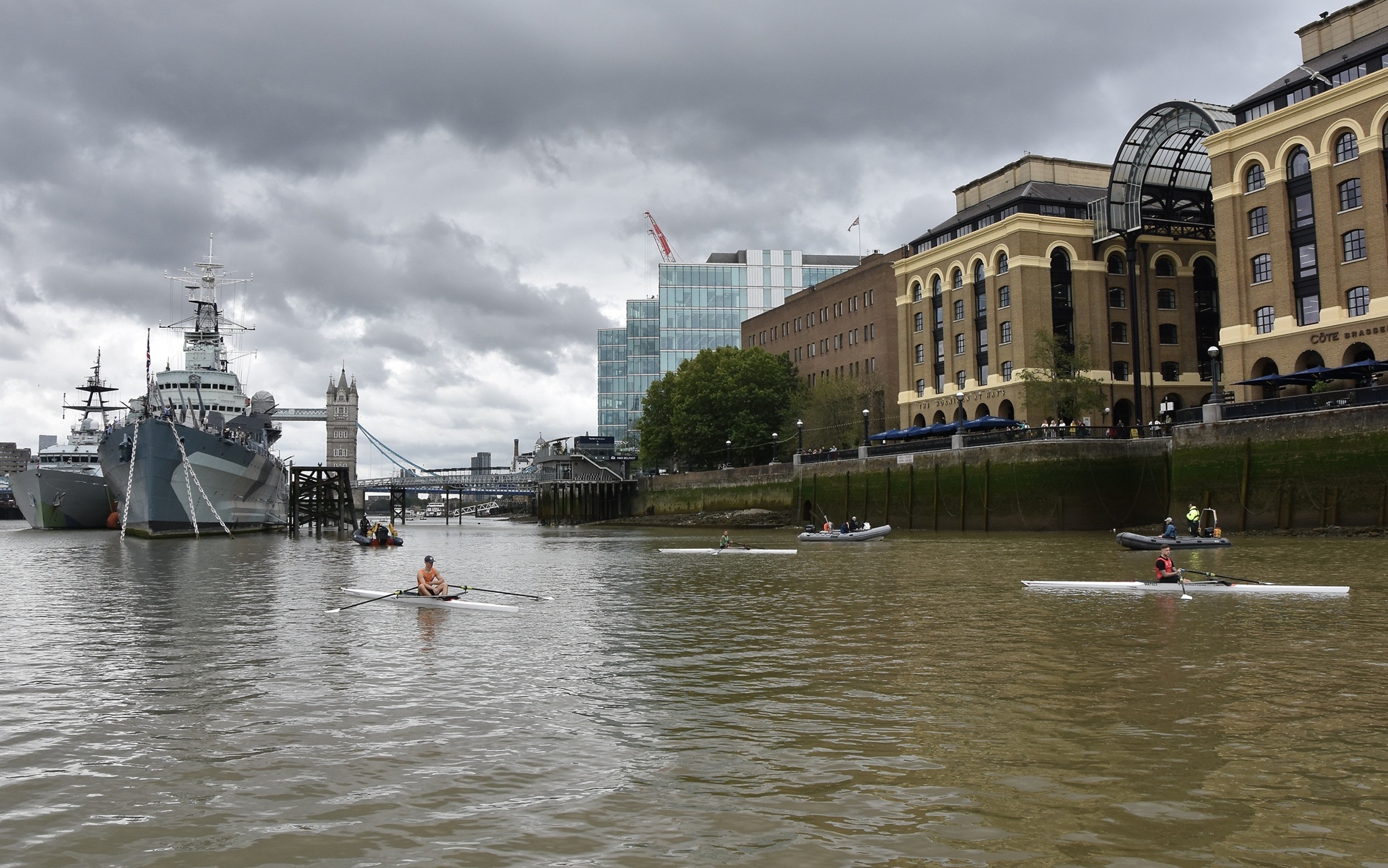
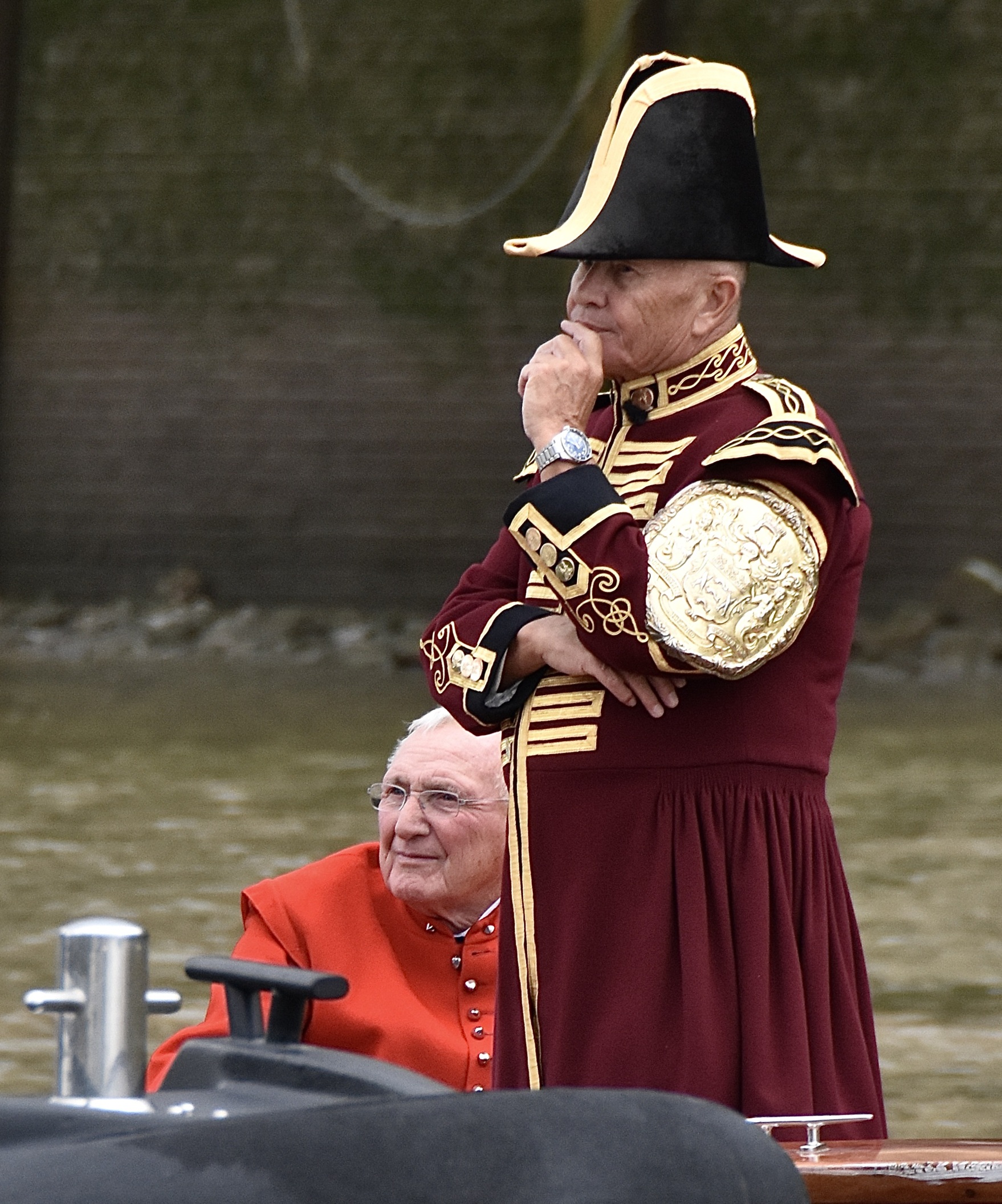
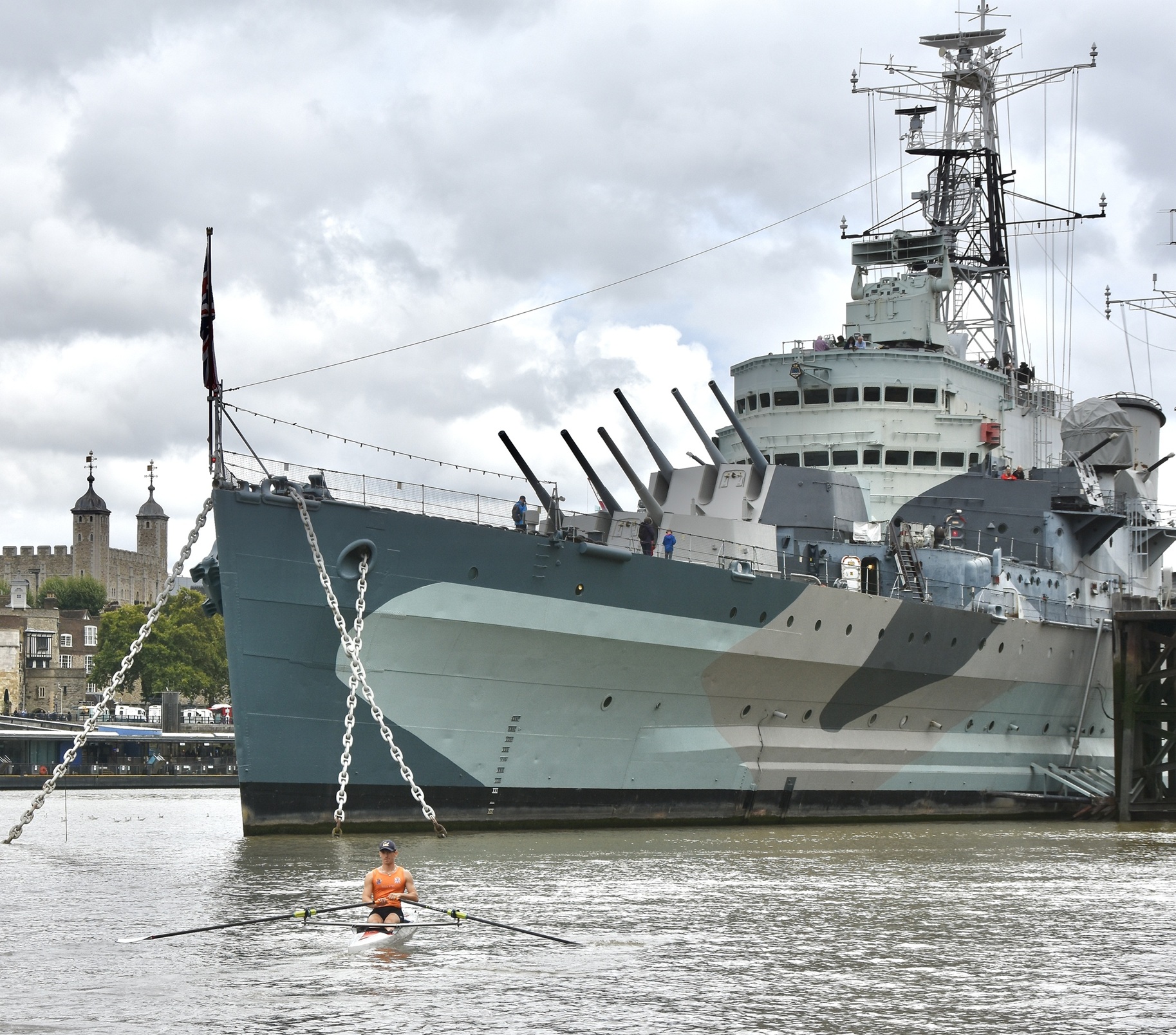
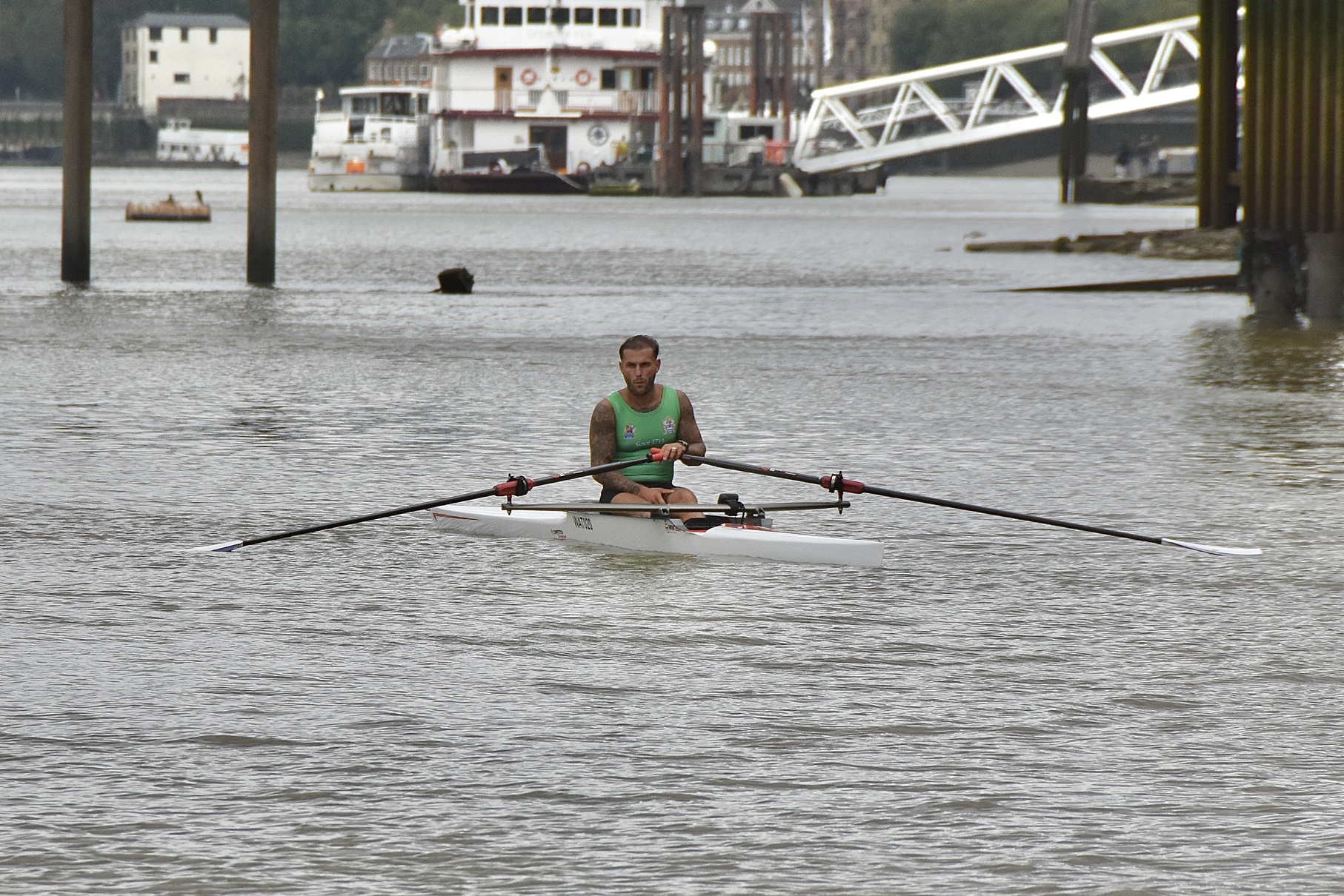
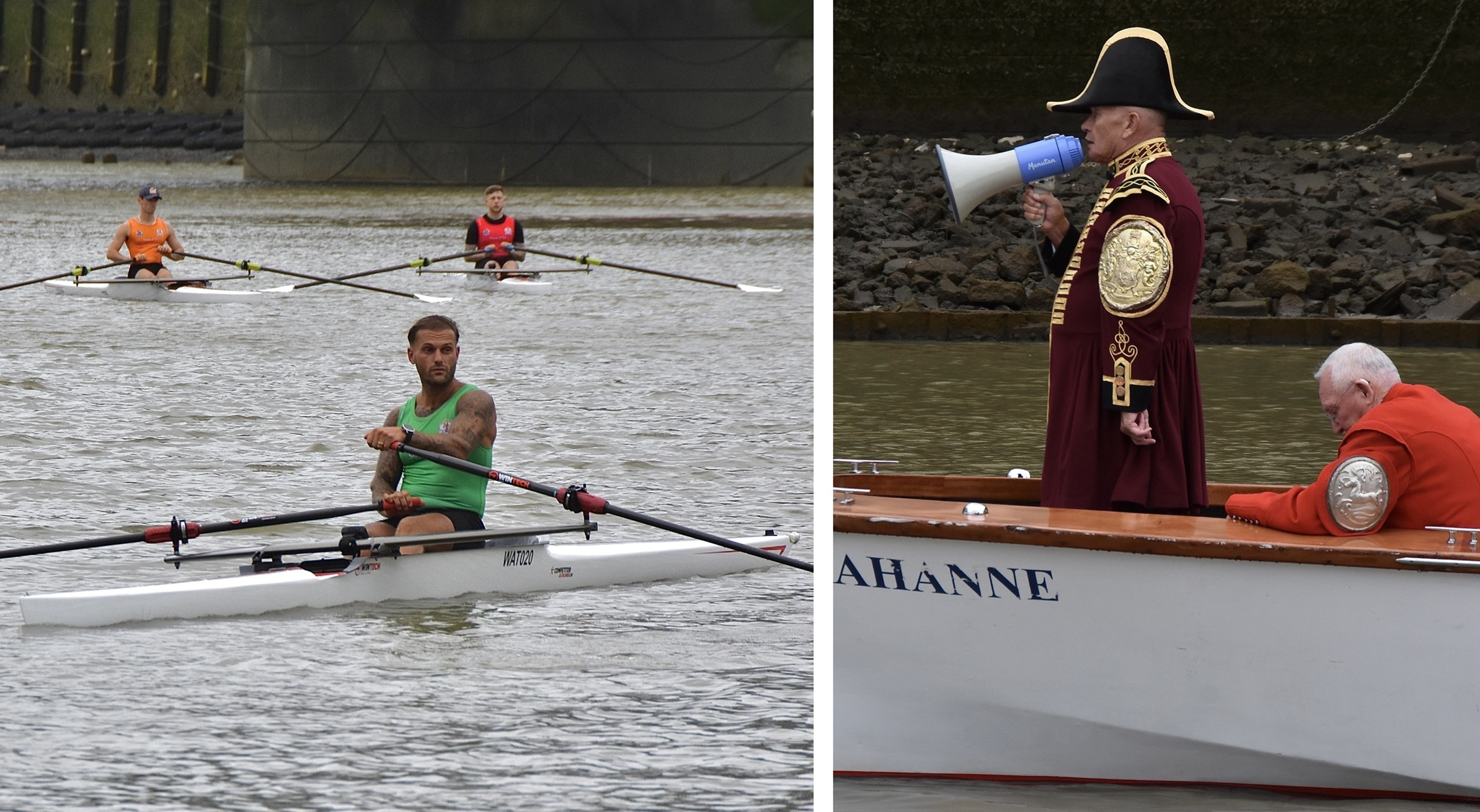
Jack Finelli boated from Wapping Pier on the north bank.Finelli trains at both Gravesend Rowing Club and Medway Towns Rowing Club and works for Cory Environmental as a Lighterman.This was to be Finelli’s third attempt at Doggett’s.Following Finelli to the start along the Wapping riverfront. Phoenix Wharf was built in c.1840 originally as a flour mill.Passing three historical buildings. The Captain Kidd pub had its origins as a coffee warehouse and St John’s Wharf handled dry goods, spices, and general cargo unloaded from barges on the foreshore. On the left is the headquarters of the Thames River Police which has its origins in 1797.Finelli in the shadow of Butler’s Wharf and the 310 metre Shard building.Approaching the 1894 Tower Bridge and the Hermitage Community Moorings, a co-operative which built, owns, and operates the project.Charlie Milward, from Poplar, Blackwell and District Rowing Club works for Woods’ Silver Fleet and boated from their Tower Bridge Quay on the north bank east of Tower Bridge.Milward on his way to the start passing the Tower of London which has its origins in 1078. In the background are some rather more recent structures, ones that are unlikely to last as long.Milward passing a piece of history considerably older than Doggett’s, a 13th-century former water gate entrance to the Tower of London, the so-called Traitors’ Gate.In the background is the top of The Monument to the Great Fire of London, more commonly known simply as The Monument, a stone Doric column topped with a gilded urn of fire completed in 1677.First-time competitor Callum Howard (standing, right) has some final words with his coach, Simon McCarthy (standing left), a fifth-generation Thames Waterman who won Doggett’s in 1984. His son, Harry (kneeling left) won in 2014. Watching the competitors warm up in the unsettled water, Howard seemed the most confident of the three.Howard under Tower Bridge. He works for HCH Marine Services on cargo barges around Purfleet, Erith and Tilbury and was apprenticed to his father, Nick, a Doggett’s competitor in 1999.Howard has been sculling for four years and rows out of Globe RC based at Greenwich and the Royal Docks. Here he is dwarfed by HMS Belfast and the temporarily moored HMS Severn.The boys gather next to HMS Belfast, a permanently moored museum ship that was commissioned in the Royal Navy, 1936 – 1963.As Bargemaster of the Fishmongers’ Company, Bobby Prentice (standing) is ex-officio the race umpire. On Bobby’s right is the umpire’s assistant and race timekeeper, Ken Dwan, who won Doggetts in 1971.
Bobby Prentice won Doggett’s in 1973 and he and Martin Spencer were the first working watermen to win at Henley Royal Regatta taking the Double Sculls in 1976. Bobby holds the Doggett’s course record.
Ken Dwan was the GB single sculler in the Olympic Games in 1968 and 1972, won the Wingfield Sculls six times, the singles at the National Championships four times and the Scullers Head three times.
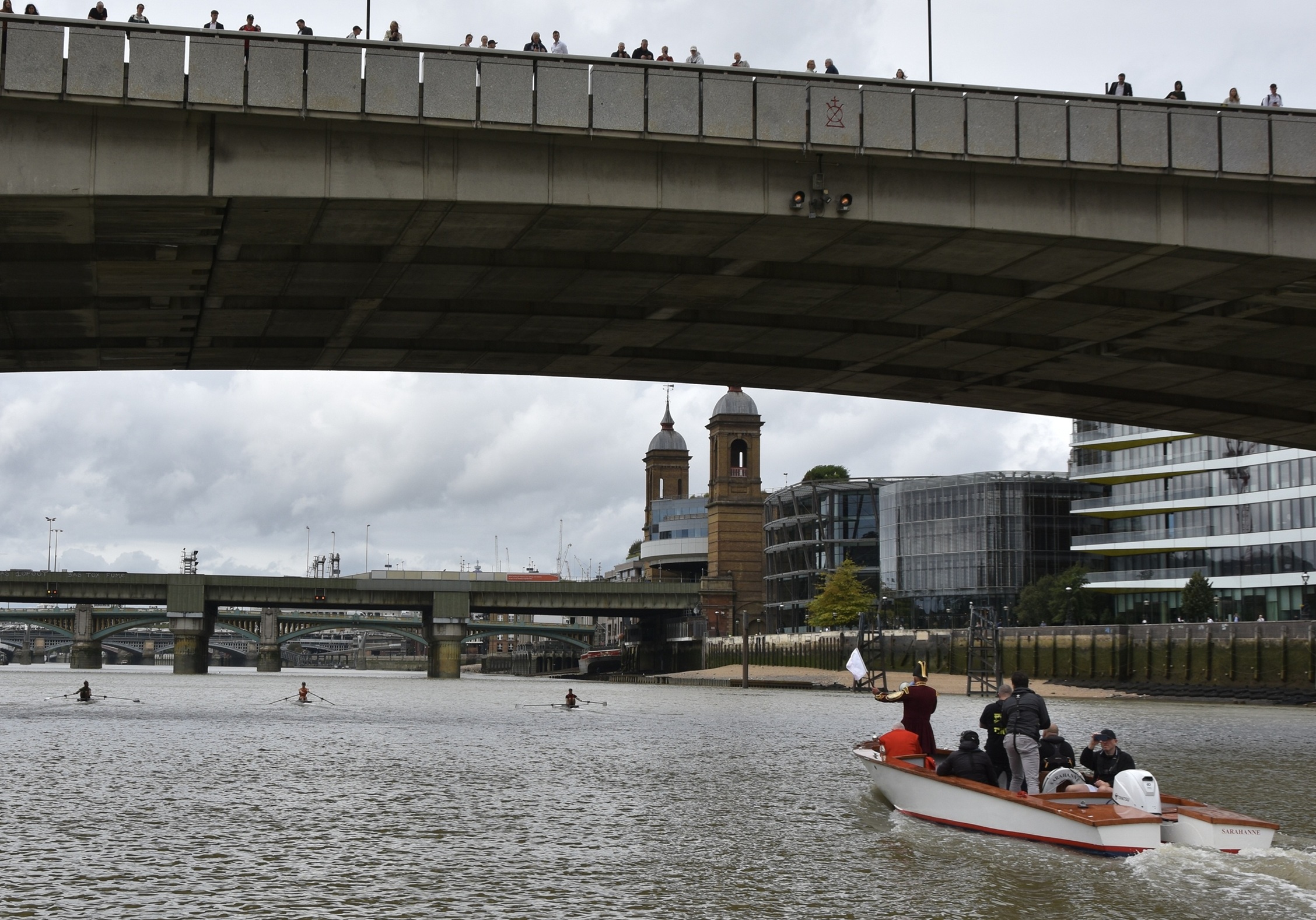
Sun’s out, guns out. Howard in front of HMS Belfast.Finelli waits for the call to the start.Milward, alone with his thoughts.The boys are called onto the start above London Bridge.Umpire Prentice raises his flag. Left to right: Jack Finelli, Callum Howard and Charlie Milward.