
15 June 2026
By Leah Duran
An all-female crew will row the +5,000-mile Great American Loop to raise funds to find a cure for Parkinson’s disease.
When Dawn Smith, an elite ocean rower, former police boat skipper and commercial mariner with over 25 years of experience heard about an all-women’s team aiming to make history, she jumped at the chance to coach them.
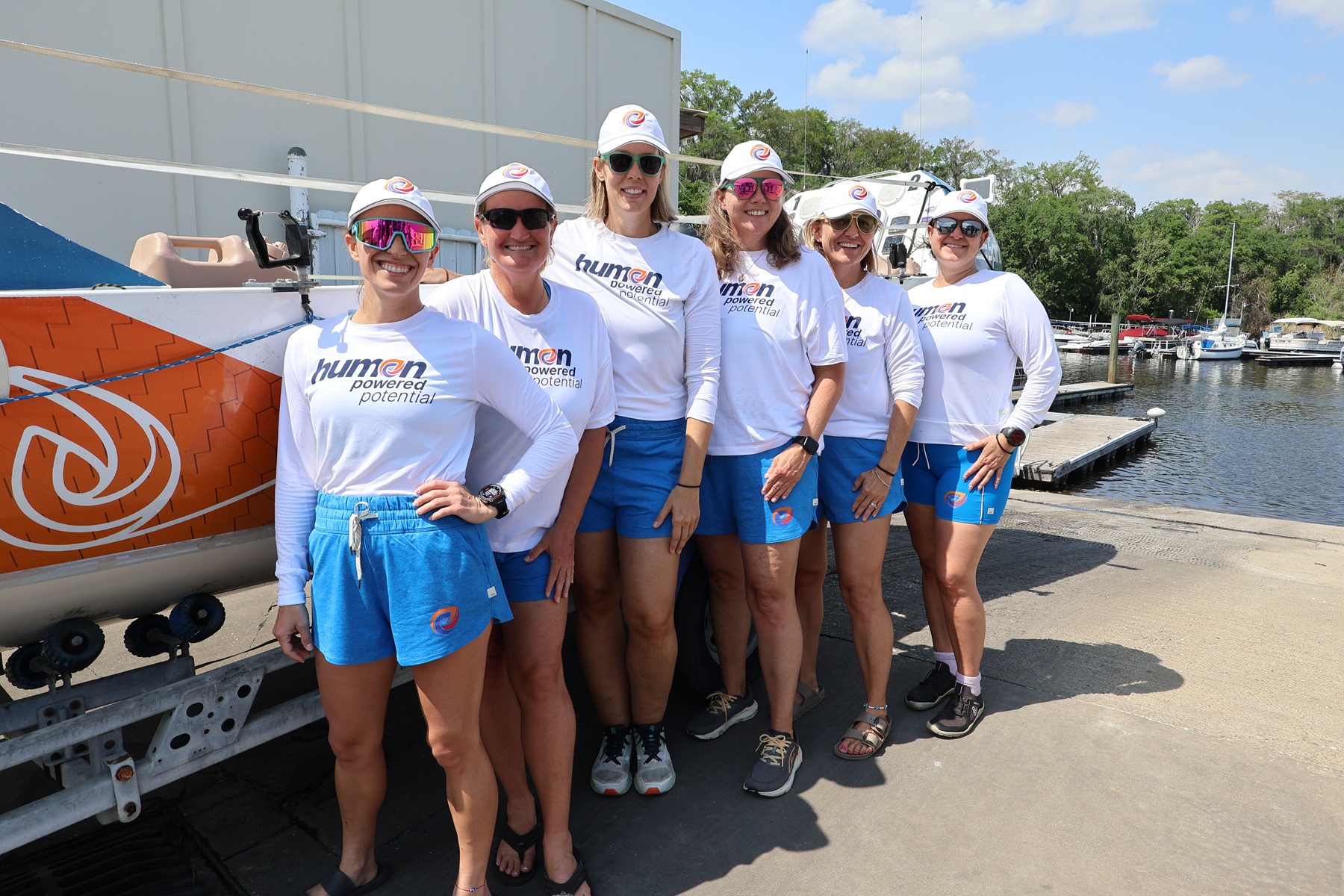
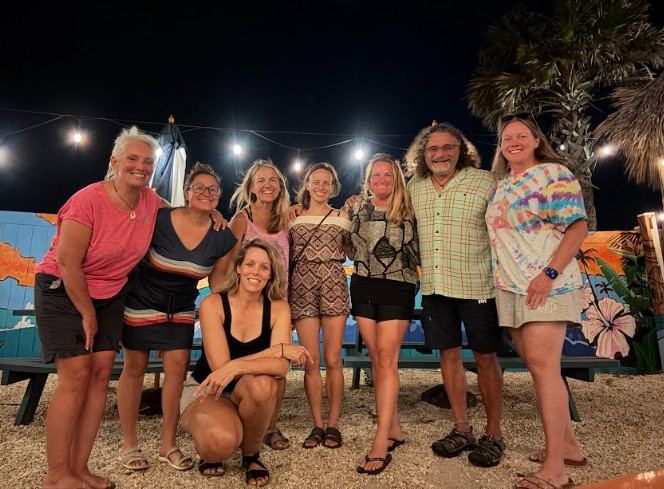
She recently flew to Florida to meet the team – Human Powered Potential’s “Second Wave” crew – a group of six women aiming to become the first ever to row the +5,000-mile Great American Loop, while raising awareness and funds for The Michael J. Fox Foundation for Parkinson’s Research. If successful, their captain, Ashley Ellis, will be the first person with Parkinson’s disease to complete the route.
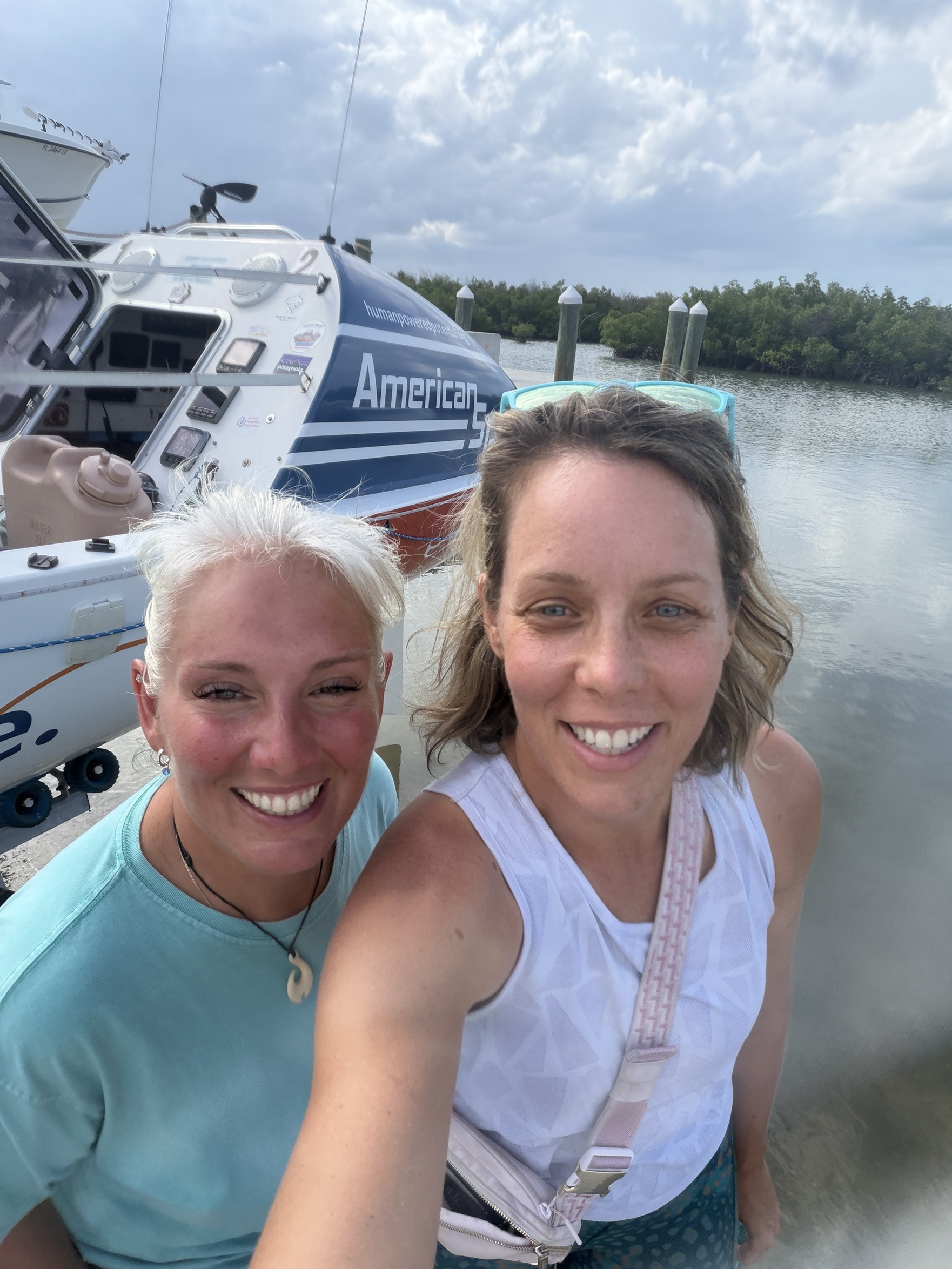
Smith has spent her life breaking down barriers. She’s rowed six oceans and holds the world record for the most ocean rows and most nautical miles completed by a female. She was also the first female police boat skipper and one of the first female firearms instructors in the Essex Police. She connected with the nonprofit Human Powered Potential’s Second Wave team through her Florida-based rowing teammate, Paul Lore.
“Paul and I had recently rowed 3,000 miles across the Atlantic from La Gomera, Canary Islands, to Antigua as part of the World’s Toughest Row,” Smith said. “Paul basically told the Second Wave team, ‘You need to get Dawn over here to come and do some coaching!’ So, that was it!”
The Second Wave row kicks off Human Powered Potential’s new slate of bold imagination-capturing athletic endeavors led by individuals living with Parkinson’s disease to raise awareness and funds for a cure.
In 2024, Human Powered Potential’s original team completed a 2,800-mile row on the American Spirit – raising $43 million for The Michael J. Fox Foundation and becoming the first four-man American team to complete the mid-Pacific, as a part of the World’s Toughest Row-Pacific. One of the original crew, Patrick Morrissey, became the first person diagnosed with Parkinson’s to complete the Pacific route.
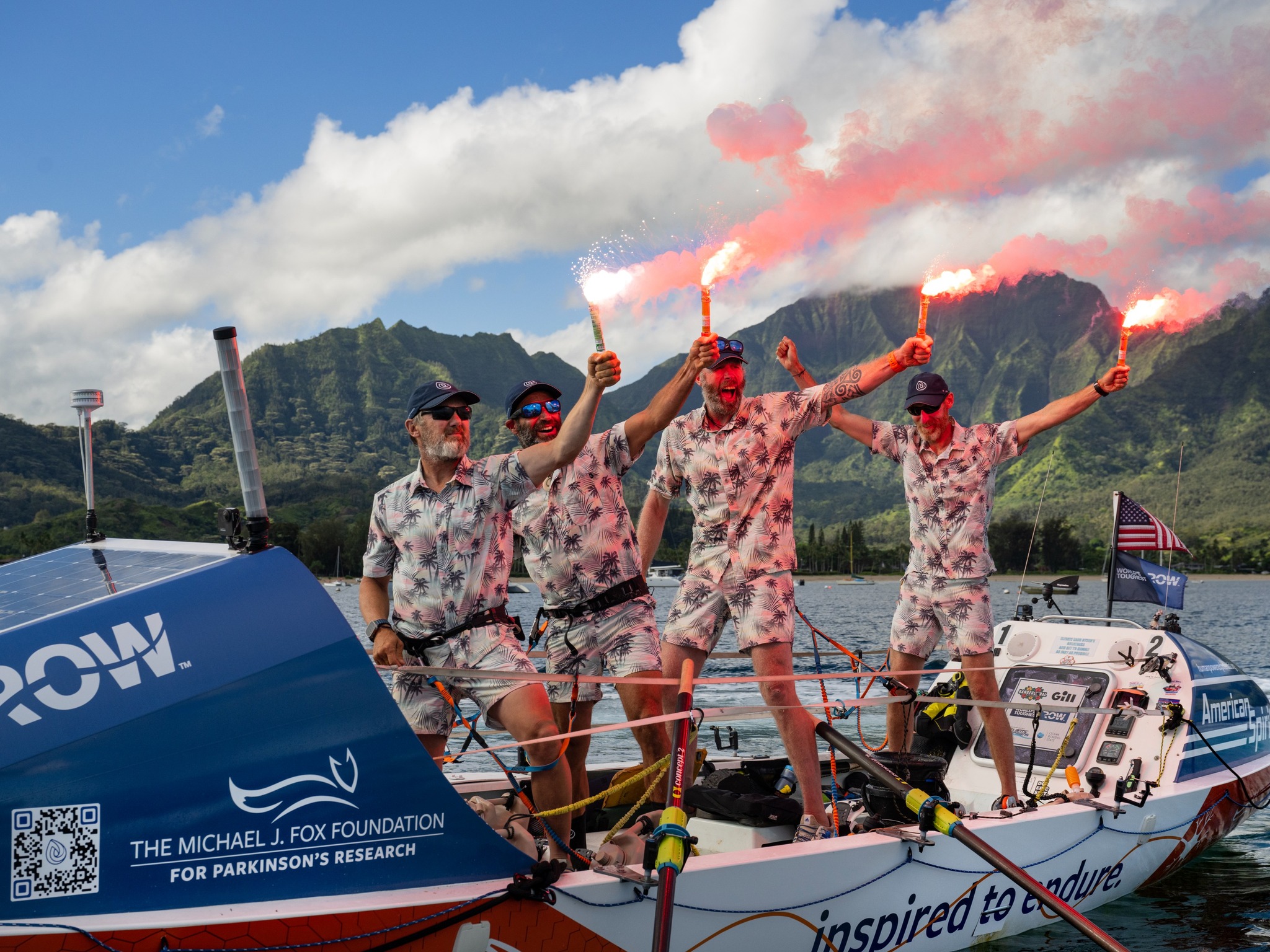
Morrissey reflected on every 30-foot wave, every hour of seasickness, and every dose of medication he couldn’t keep down being worth it, later saying “I know helped advance the work of The Michael J. Fox Foundation.” He was diagnosed with early-onset Parkinson’s disease at age 48 and serves as a member of The Michael J. Fox Foundation’s Patient Council, and he deeply believes there will be a cure for Parkinson’s in his lifetime.
The Second Wave crew’s mission is to raise funds for a cure and inspire those living with Parkinson’s to keep moving, as research shows exercise can slow disease progression. Parkinson’s is the world’s fastest-growing neurological disorder. The number of people diagnosed with Parkinson’s doubled from 1990 to 2015 to over six million, a number that is projected to double again by 2040. Research increasingly shows that exercise helps slow the progression of the disease, and the Second Wave team’s row will also spread awareness of movement as medicine and encourage people to keep moving.
For Captain Ellis, leading the team of women means joining the fight against Parkinson’s for herself, for others living with this disease today, and for the future – with hopes for slowing progression, finding a cure and stopping Parkinson’s for good. “If I can help transform grief into hope for one person, even in a small way, then every oar stroke through the water will be worth it,” she said.
For her part, Smith is focused on preparing this team for a route that is more complicated than an endless expanse of ocean.
The Great American Loop brings challenges such as tides, inland waterways, and locks. She is drawing on her two decades of skills in ocean rowing, coastal rowing, river rowing, and lock management to train the Second Wave team.
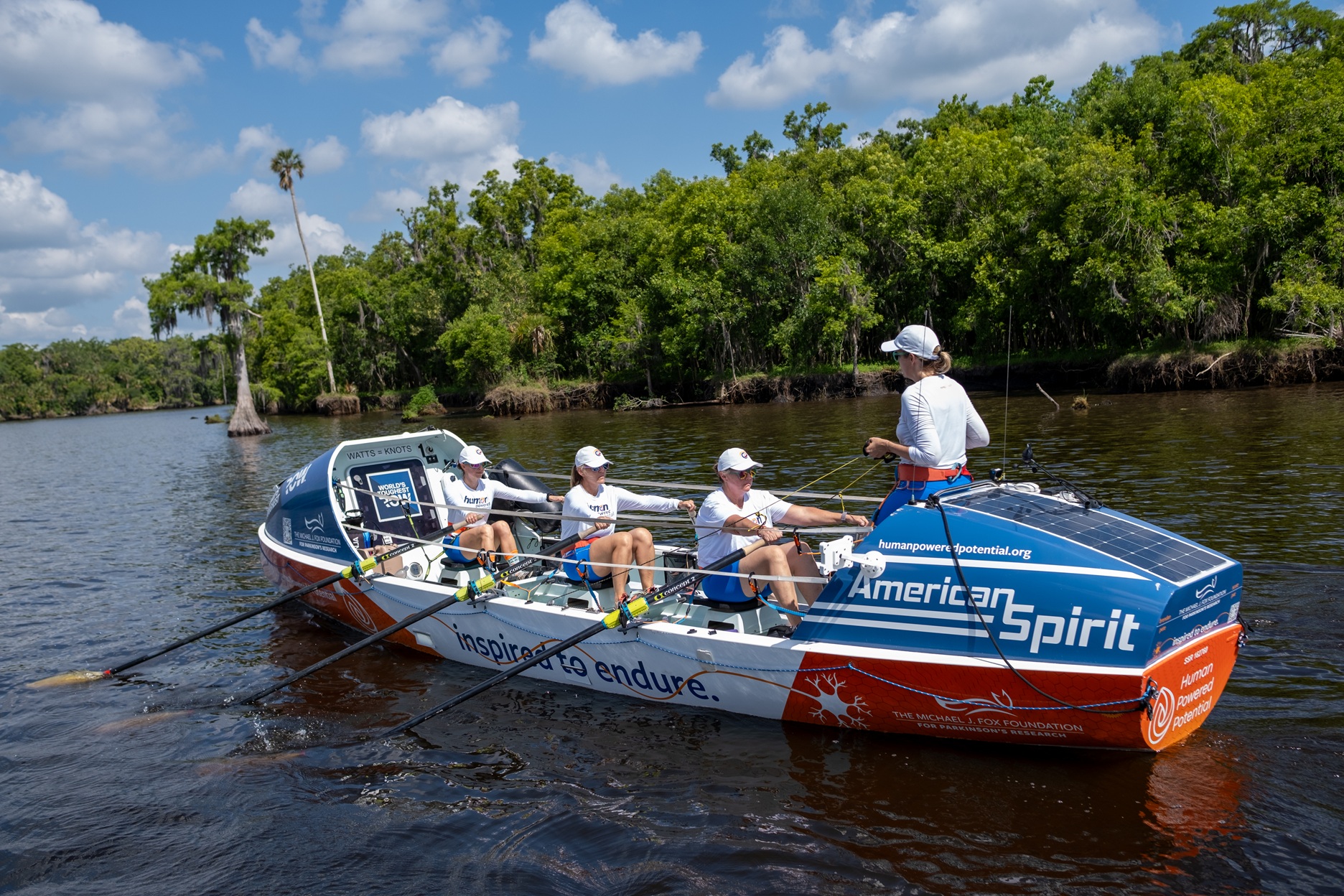
The loop is typically a motorized travel route, and the Second Wave team will navigate heavily trafficked shipping lanes and the ocean-like swells of the Great Lakes. Their boat is equipped with two small sleeping cabins, and the team will row in shifts – two hours on, two hours off, 24/7 – for several months. A ground support vehicle will follow on land to help support crew swaps.
Smith reflected on her rows around Scotland as a parallel, with lessons learned encountering “Neptune’s Staircase.”
“It’s a series of about 12 locks where you end up rowing uphill,” she said. “That’s one of the major things the team is going to encounter: lock systems. We’ve also got a lot of navigation training. When rowing oceans, there’s only one place you’re aiming for normally, whereas the Loop will entail constant navigation.”
Smith shared that the team comprises a mix of experienced and new rowers, so her coaching is less about learning to row and more about adopting the right mindset and technical skills for operating their boat and handling emergency situations.
“If you have equipment on board but you’ve not been trained on how it works, it’s useless,” she said. “So, we’ve gone through the Rannoch R45 American Spirit boat and its onboard systems from front to back. We also have emergency sea survival and night rowing training, since they’ll be on the water 24/7 for several months in all kinds of weather.”
The biggest difference between ocean rowing and what this team is attempting comes down to their mentality, as there will be numerous opportunities to stop rowing along the way. Focusing on their “why” will make all the difference.
“What makes this team so special is that their ‘why’ is clear,” Smith said. “They know exactly why they are rowing – to raise funds to find a cure for Parkinson’s disease – and that is what will stop them from going home when they’re halfway round.”
You can learn more about the row on Human Powered Potential (HPP) website and follow the team on Instagram, Facebook, Strava and YouTube for updates.

