
12 August 2026
By Bill Miller
I’m writing this piece, not about our usual skinny racing shells, but about the behemoth Greek triremes with 170 oars. Today we row for health and recreation. We race for honors and to satisfy our competitive juices. About 2500 years ago, rowing was a specialized skill and if you lost in battle, you either died or were sent into slavery.
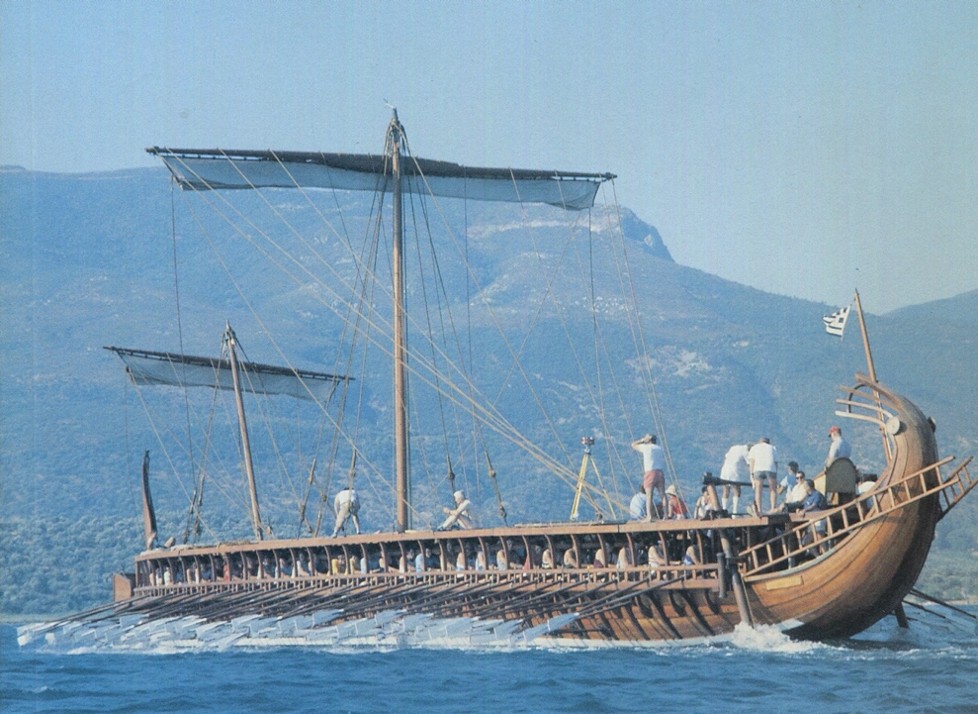
I took a special interest in The Trireme Project when, in 1990, a good friend was one of the 200 volunteers to travel to Poros, Greece, to learn to row the experimental trireme, Olympias. It was fascinating to hear how he and the others spent a week learning to manage 170 oars situated at three levels and then the second week rowing in the open sea and testing the Olympias’ speed.
The Greek trireme was a mysterious battleship that was described in various Greek writings but little was known about its design. Bits about its existence were described in texts but interpreting Greek words could be confusing and sometimes there were multiple meanings.
The ships were described as three-tiered rowing ships with two sails that could be used for long passages. At the bow was a bronze battering ram that could sink or disable an opposing ship by impaling it at the waterline.
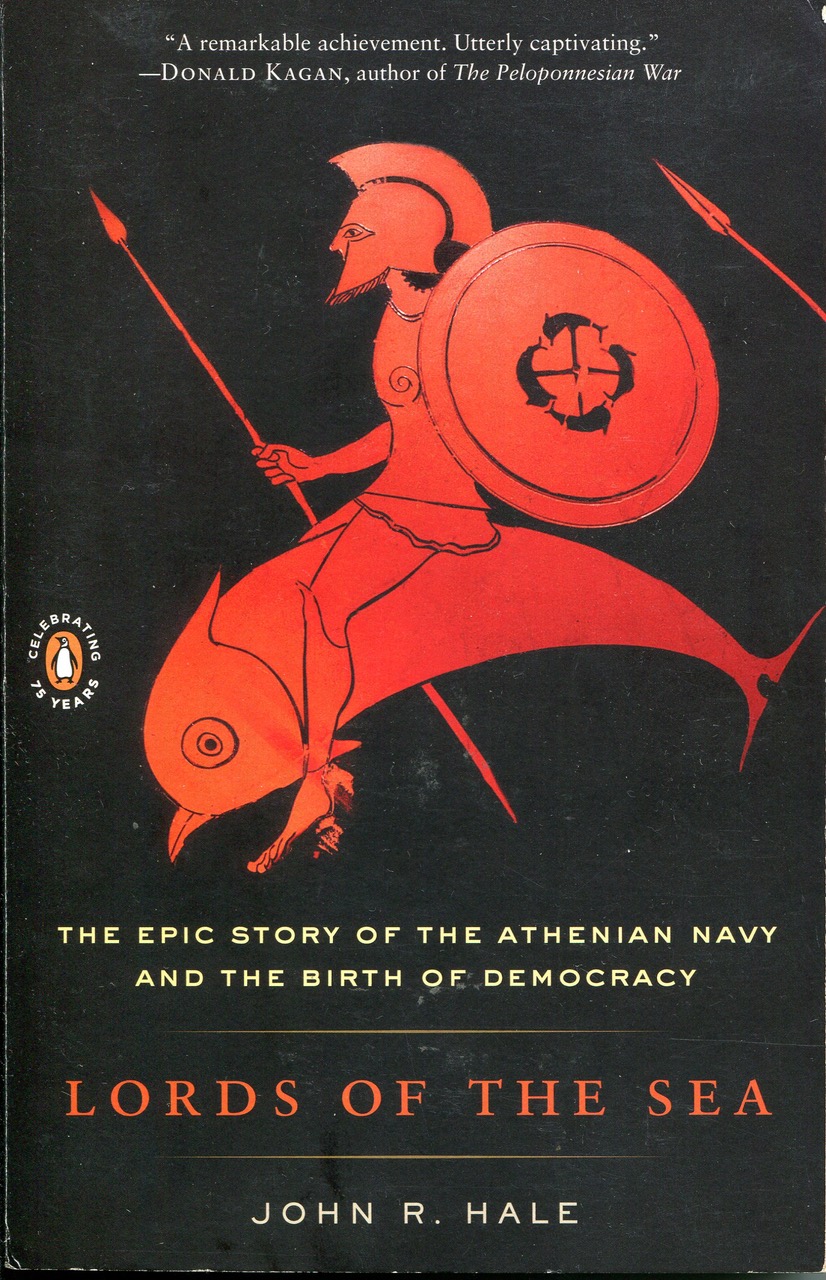
Sea battles were well described and the triremes were praised for their lethal power. The survival of Athens was attributed to their dominance in the eastern Mediterranean such as in the Battle at Salamis. A good book about the Athenian naval prowess is Lords of the Sea by Dr. John R. Hale, 2009. I’m far from an expert on the subject but I’ll try to give you a brief description about their domination of the sea.
The Athenians knew that well-trained oarsmen were critical for success. The images of Charlton Heston chained to the oar was as far from reality as cinema could make it. The Greek oarsmen were highly respected, upper-middle class citizens. They knew that conditioning would determine victory or defeat. Occasionally they would race their triremes to add excitement to their training.
In the summer of 480 BC, the Persians, under the command of Xerxes, were overrunning the Greek city-states. Athens was captured. These city-states built sizeable naval fleets but the Persians, with their huge naval fleet and army, pushed the Athenians and other city-states to the island of Salamis. There, the Athenians and allies formed a defensive stand. Through deception they convinced the Persians that they were vulnerable and would flee when confronted but in reality, they devised a plan for victory. In the narrow sea they launched their ships with their triremes situated to inflict the most damage.
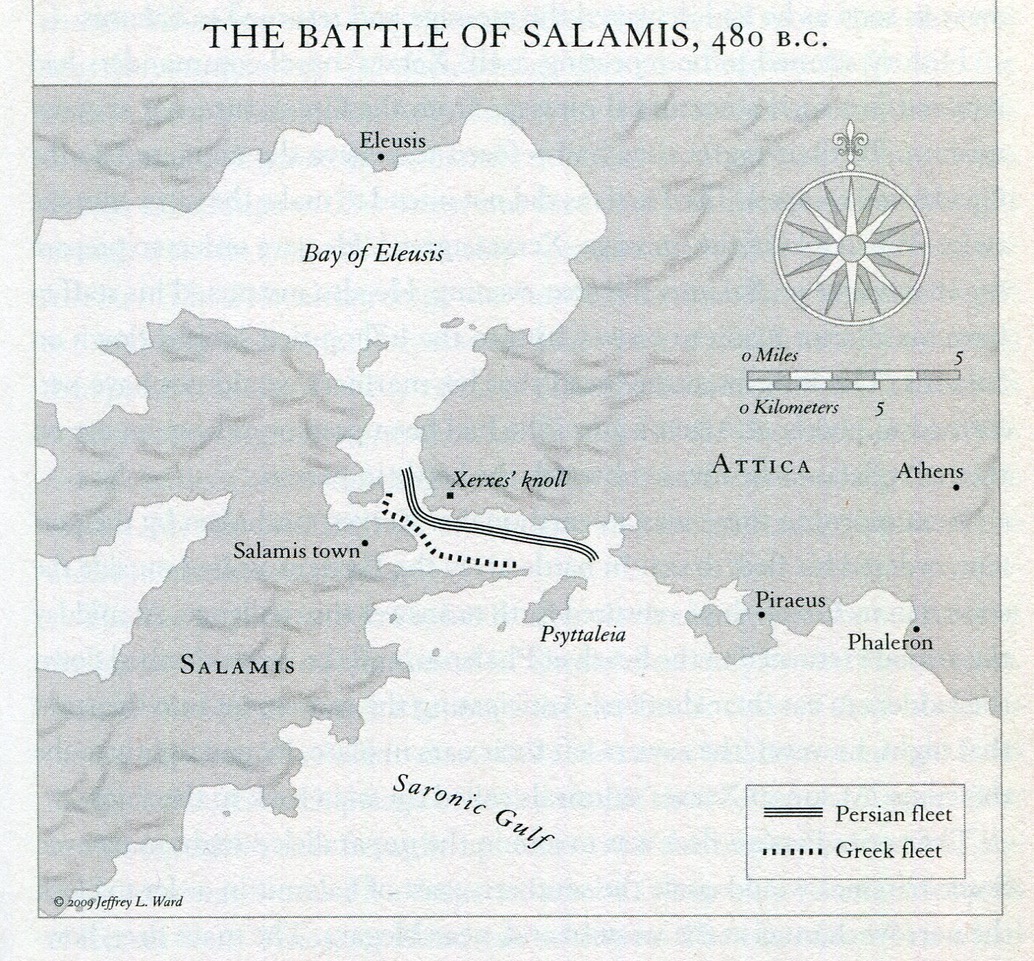
The Persian ships outnumbered the Greeks three-to-one. The Persians advanced while the Greek states held their positions out of sight. Suddenly the Greek ships attacked. The area of battle was narrow so the Persian ships couldn’t send all their ships forward. The combined Athenian and other Greek states’ ships demolished the lead line and then conquered more Persian ships. The remaining Persian ships turned and fled and the Athenians were victorious. The Greek states were saved from the invasion.
What were these triremes like? Historians gathered details from various sources. The writings described that they were manned by 170 oarsmen. A sail could be hoisted in favorable conditions but not in battle where it would be stored below or left on shore. On deck were a group of marines that would board an enemy ship if they needed to finish it off.
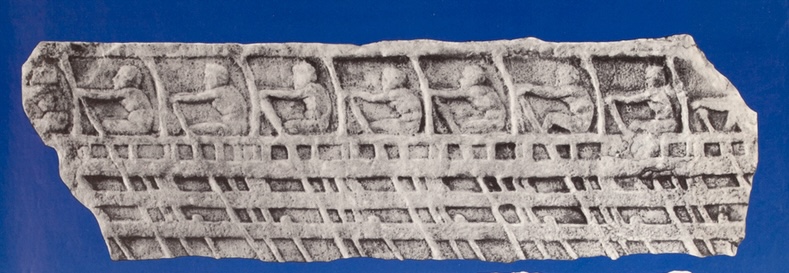
One piece of evidence, besides the written texts, was when the Lenormant Relief was discovered in 1859. It shows the upper tier rowing in an outrigged platform while the lower two tiers rowed through oar ports in the hull. Another piece was when the trireme storage sheds were excavated. The sheds revealed what were the triremes maximum length and maximum width. Several bronze rams were excavated from the Mediterranean Sea floor which added details.
But was a trireme effective? Did it really have three tiers with 170 oarsmen and how were they arranged? Could such a ship have enough speed and maneuverability to dominate in battle? Could the bits of information be pieced together to reimagine the Athenian trireme?
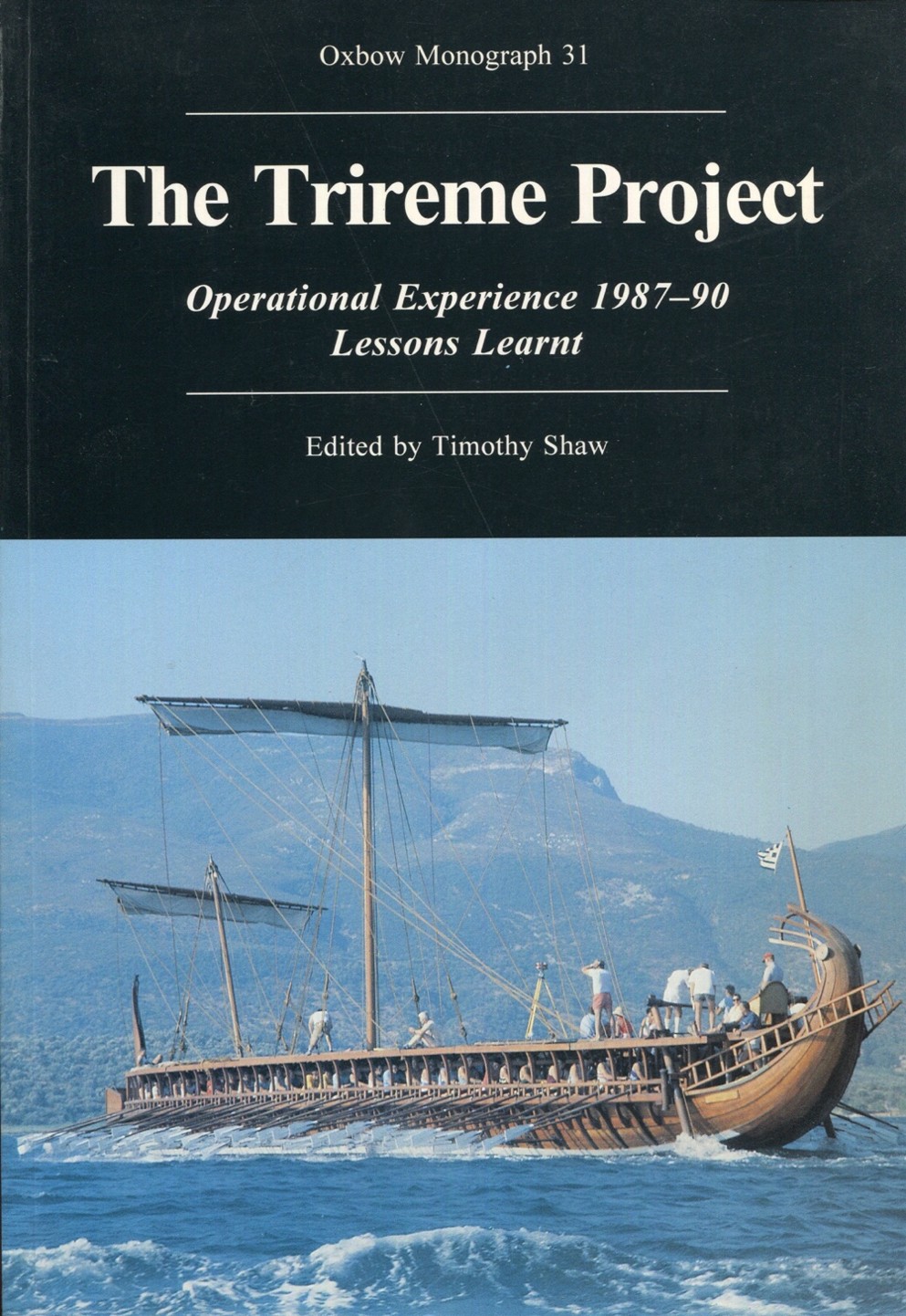
The answers are well documented in The Trireme Project, edited by Timothy Shaw, Oxbow Monograph 31, 1993. The book gives great details about researching the trireme design, construction and its sea trials.
In 1983, about forty specialists met at the National Maritime Museum, Greenwich, UK, to discuss, review and critique the trireme’s design. There were thirteen historical requirements and seven main design requirements that would dictate the design. The meeting resulted in adjustments and changes for the final design elements.
The Trireme Trust was founded and a group of specialists recruited the Greek government, the Hellenic Navy and the Greek people to support the effort to recreate the ancient warship. In 1985 the boat plans were completed and the Greek boatbuilders began their work. The Olympias was built.
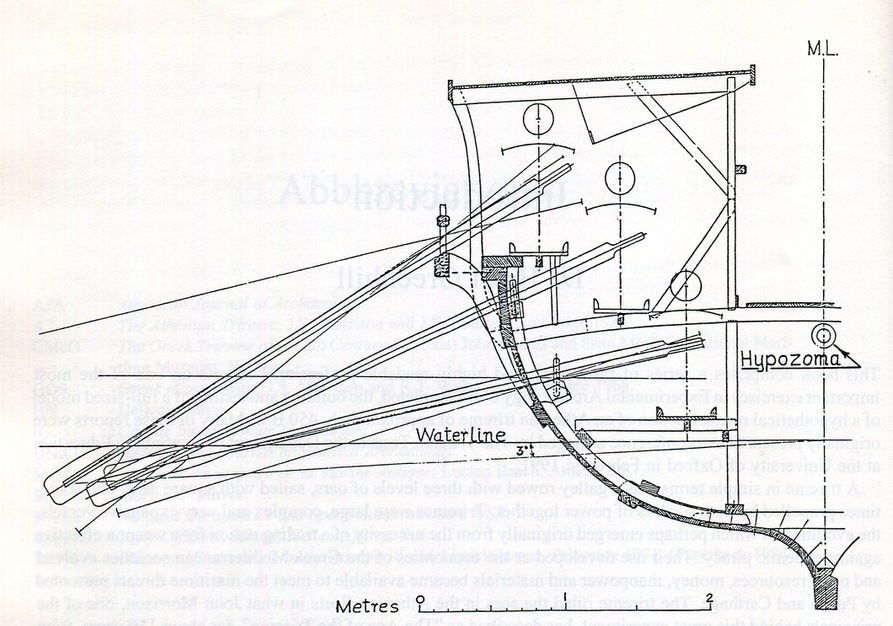
The rowing stations – The Trireme Project
Rowing the Trireme
The sea trials in 1987 and 1988 uncovered areas for improvements such as the oars needed to be better balanced. In 1990 serious trials were scheduled. Two weeks were dedicated to mastering the technique and then speed trials. The trireme was stationed in the harbor of Poros. Two-hundred rowers were recruited for the testing with about half from North America and one-third were women. The restriction was that none could be taller than 5’ 10” as the rowing stations were extremely tight. The Athenians around 480 BC averaged 5’6”.
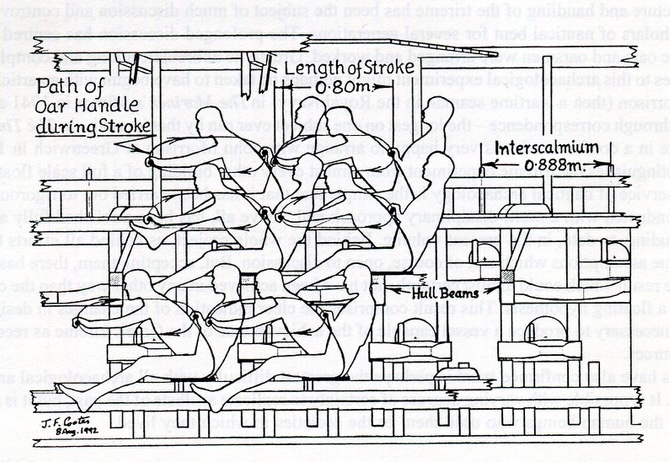
The first outing was around the Poros sound. There, the rowers mastered the difficulty in rowing from three levels. On the sixth day, the Olympias set out for a fifty nautical mile open sea voyage to Tolo. There were two overnight stops along the way. The return trip was done directly in one day. The rowers became proficient with their timing.
Watch how the Olympias was rowed during the sea trials:
After returning to Poros, the focus was on obtaining the highest sprint speed. A short 90 second burst recorded the fastest speeds. After numerous trials, the speed almost reached 9 knots at around 45 spm. Also, it was very maneuverable and could accomplish sharp turns. The Trireme Project proved that the trireme was a successful fighting ship.
Listen and see John Hale explaining the triremes and the Battle of Salamis:

