
13 October 2026
By Tim Koch
In Part I posted yesterday, Tim Koch looked at the two most recent occupants of the riverside site upstream of Barnes Bridge on the Middlesex side i.e. the former Chiswick Boathouse (which housed Thames Tradesmen’s RC and others) and currently, Brentford Boat Club. He noted that the site was continuing to do what it has done since at least 1876 – providing a home for homeless rowing clubs.
While I have previously written about Tom Green’s Boathouse in a 2014 piece subtitled Good Times in a Rat Infested Shack, I am returning to the subject not least because what could be called the Green archive, in reality a random collection of photographs and personal ephemera, which is physically held in store by the now closed River and Rowing Museum and digitally on their still functioning website.
However, the RRM building is now inaccessible, and I am not certain how long collection.rrm.co.uk will stay up, I want to preserve at least a small part of what the Greens left behind here. Unless otherwise indicated, all the black and white pictures here are from the RRM site. Frustratingly, few pictures are dated or identified.
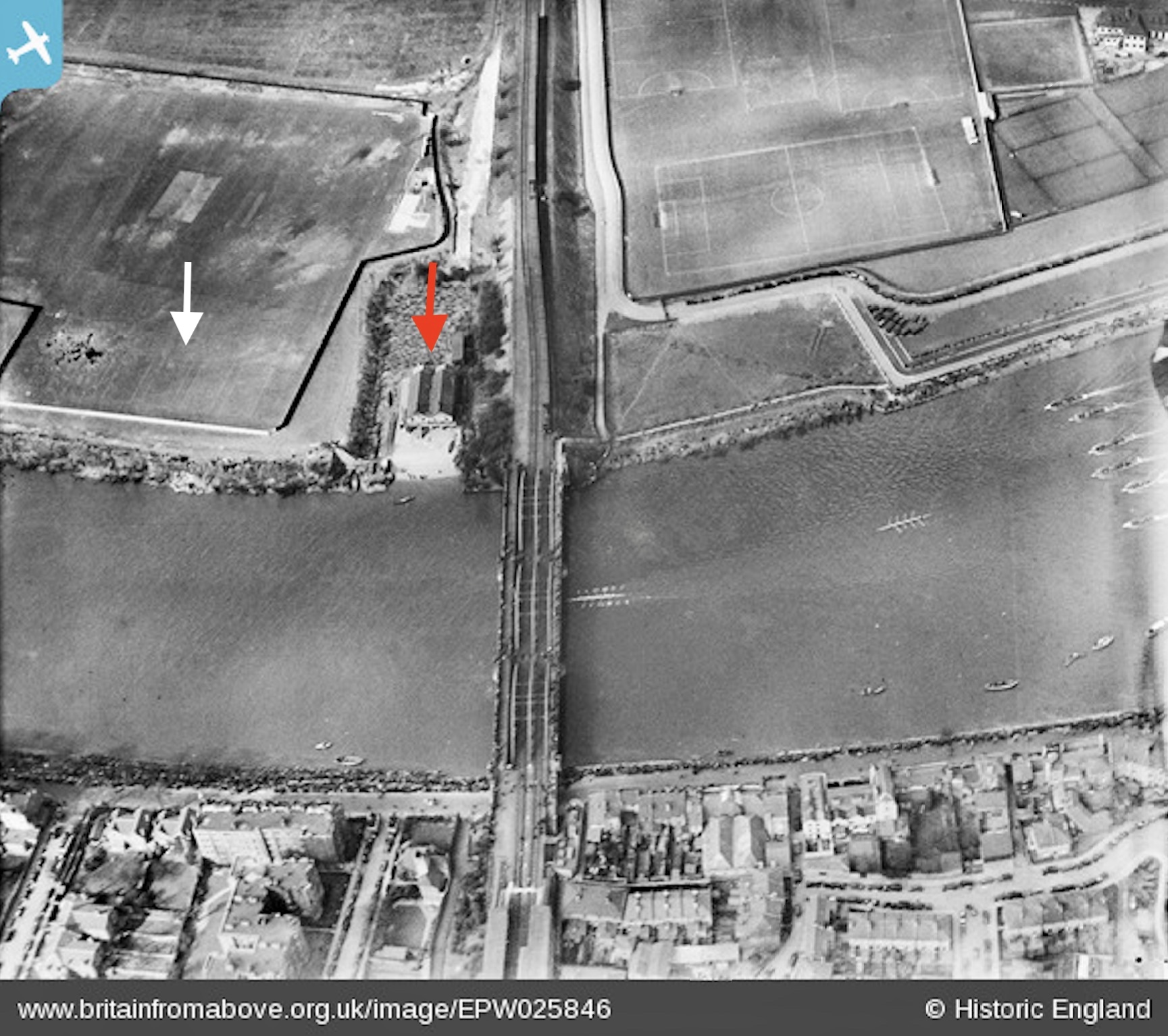
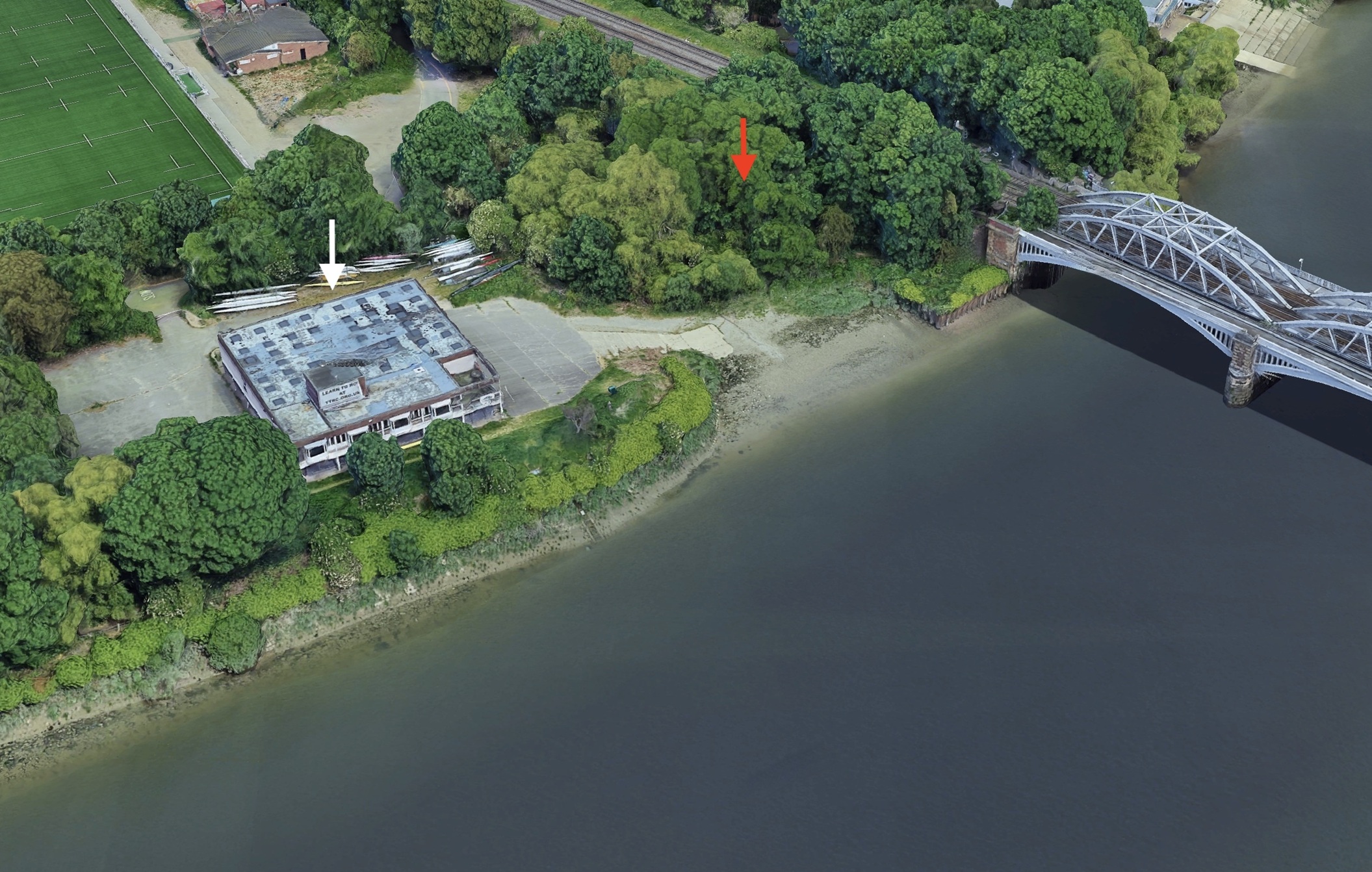
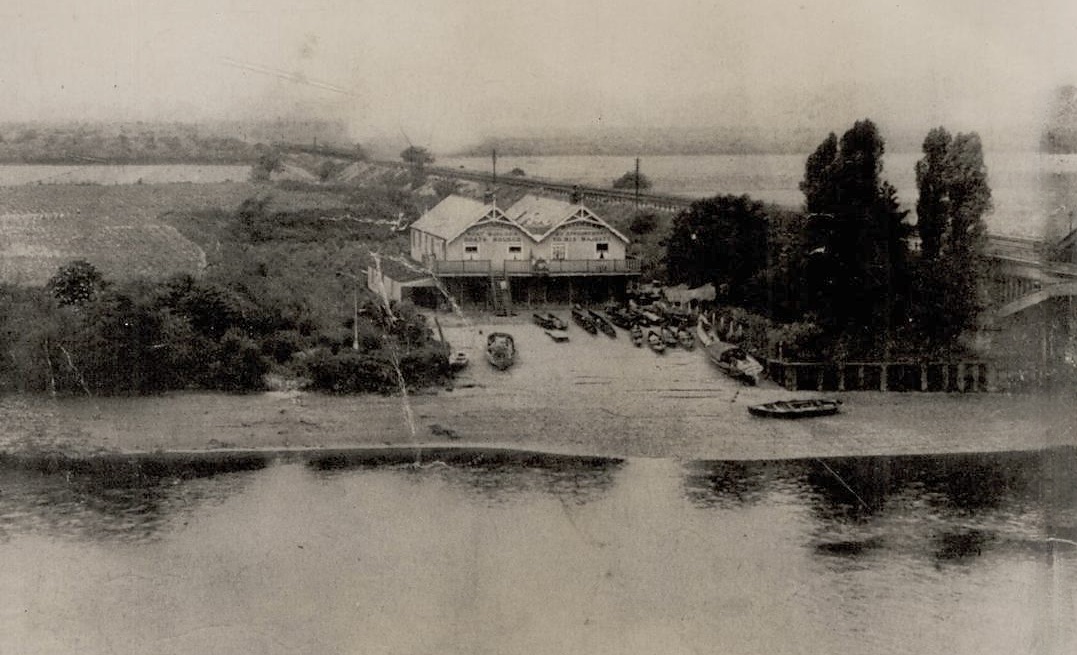
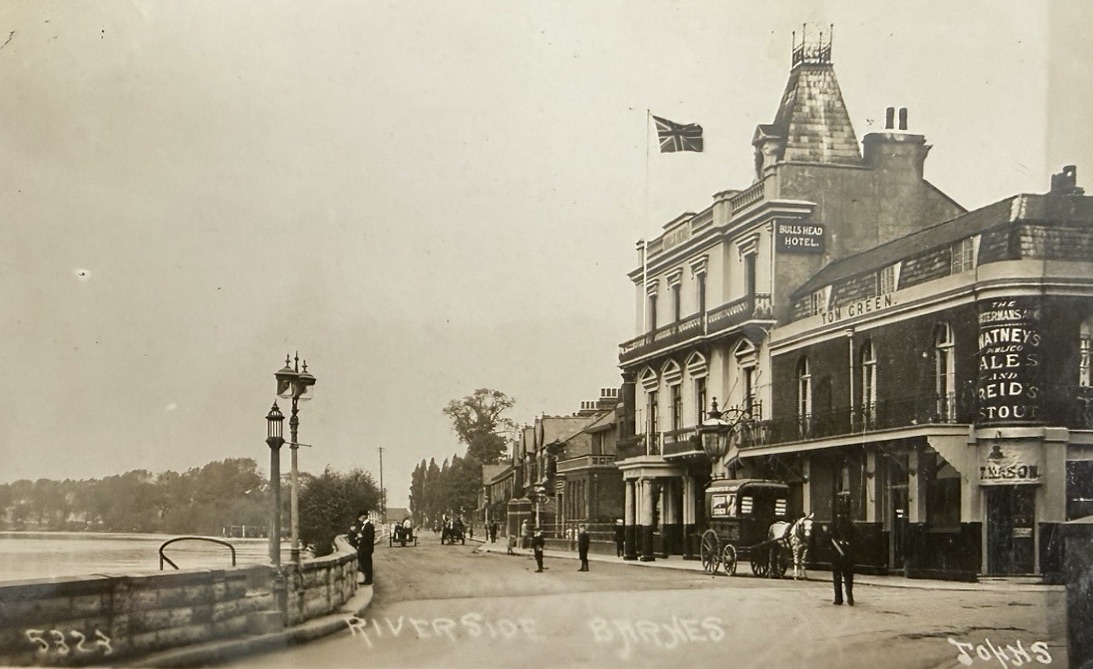
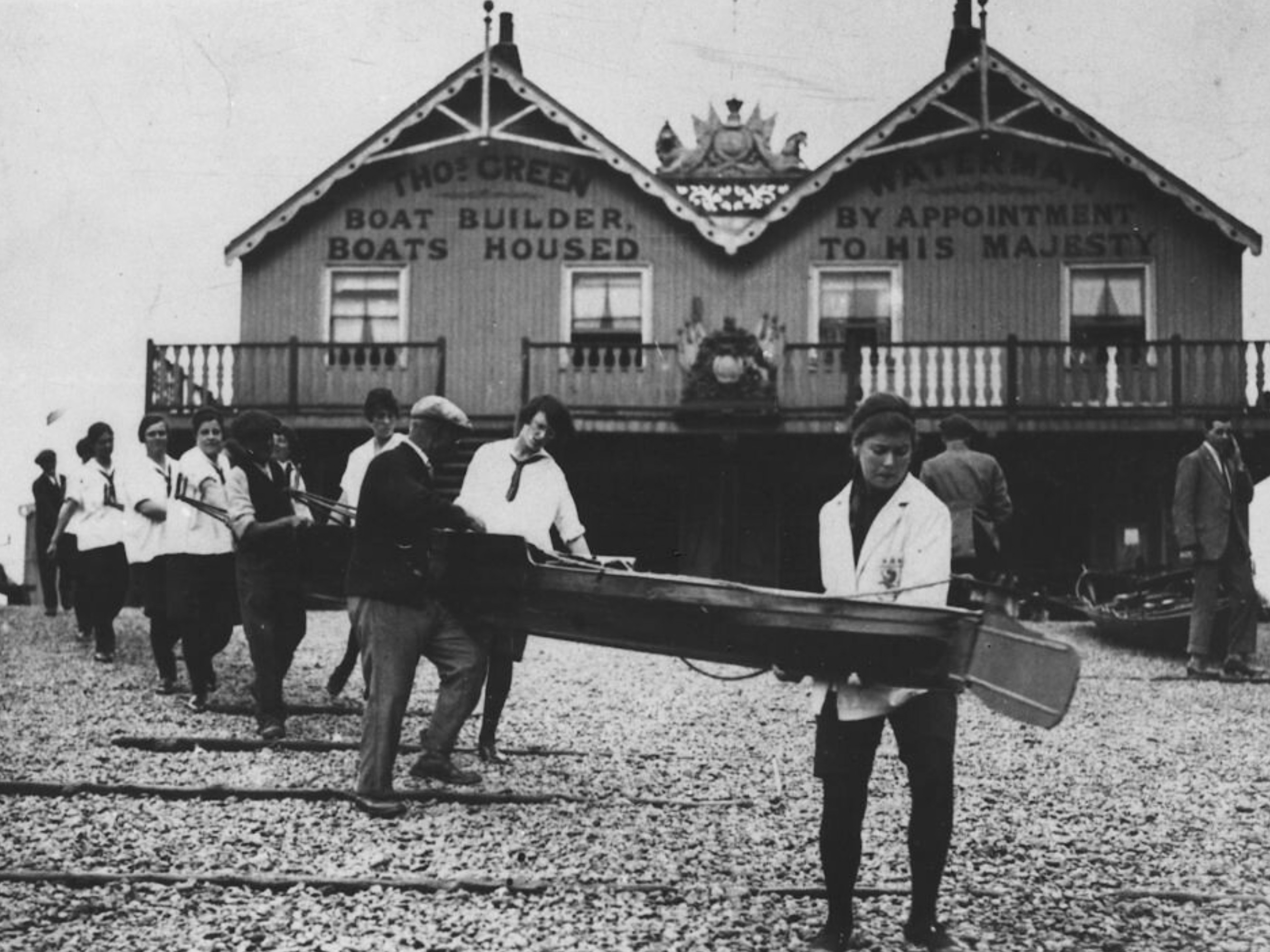
In 1872, Tom Green Senior (1848-1925) bought the ailing May’s Boathouse and spent the next four years completely rebuilding it and making it into the impressive structure that became Tom Green’s Boathouse. Young Tom, aka Pa Green (1877-1958), took over on his father’s death and on his demise his wife, Ma Green, kept the place going until she died in 1975. The derelict boathouse burned down in 1977.
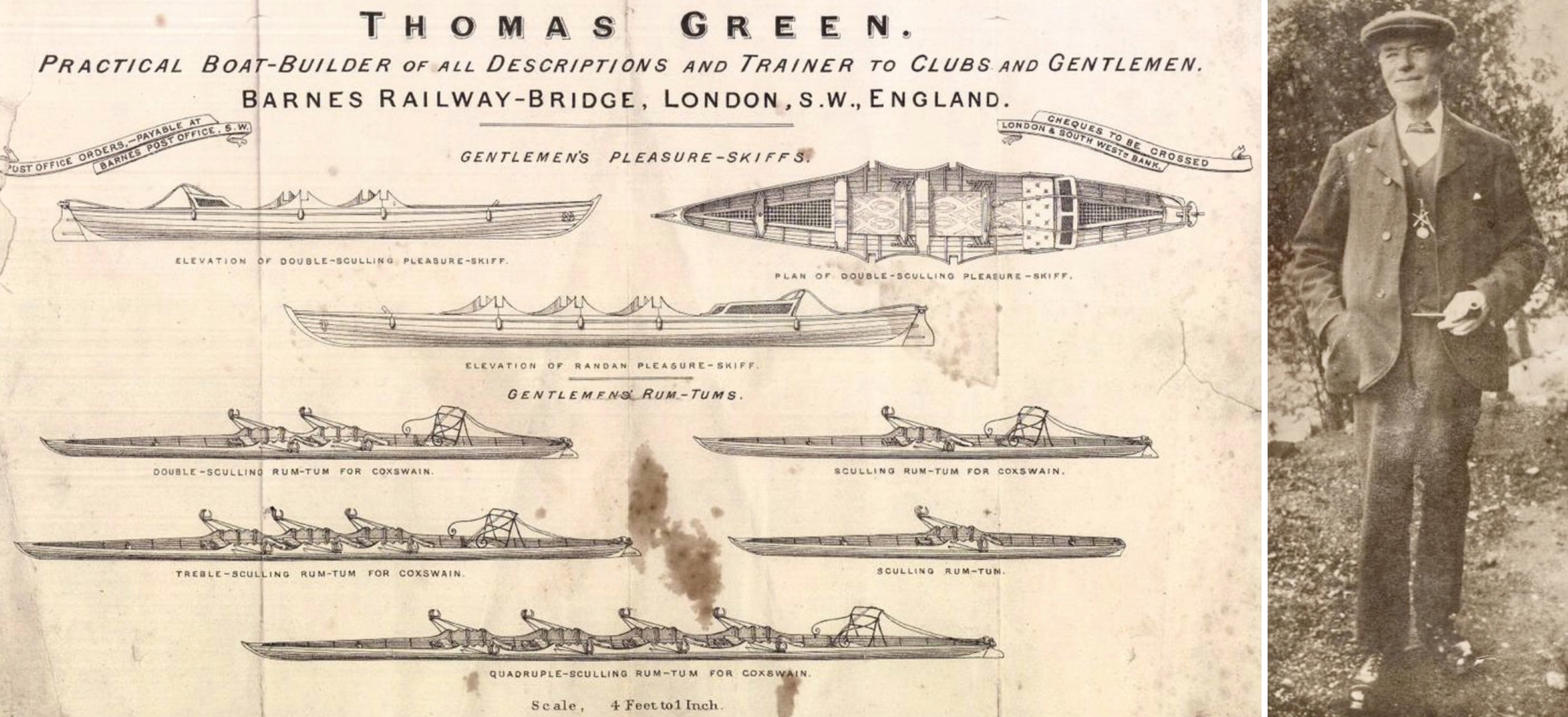
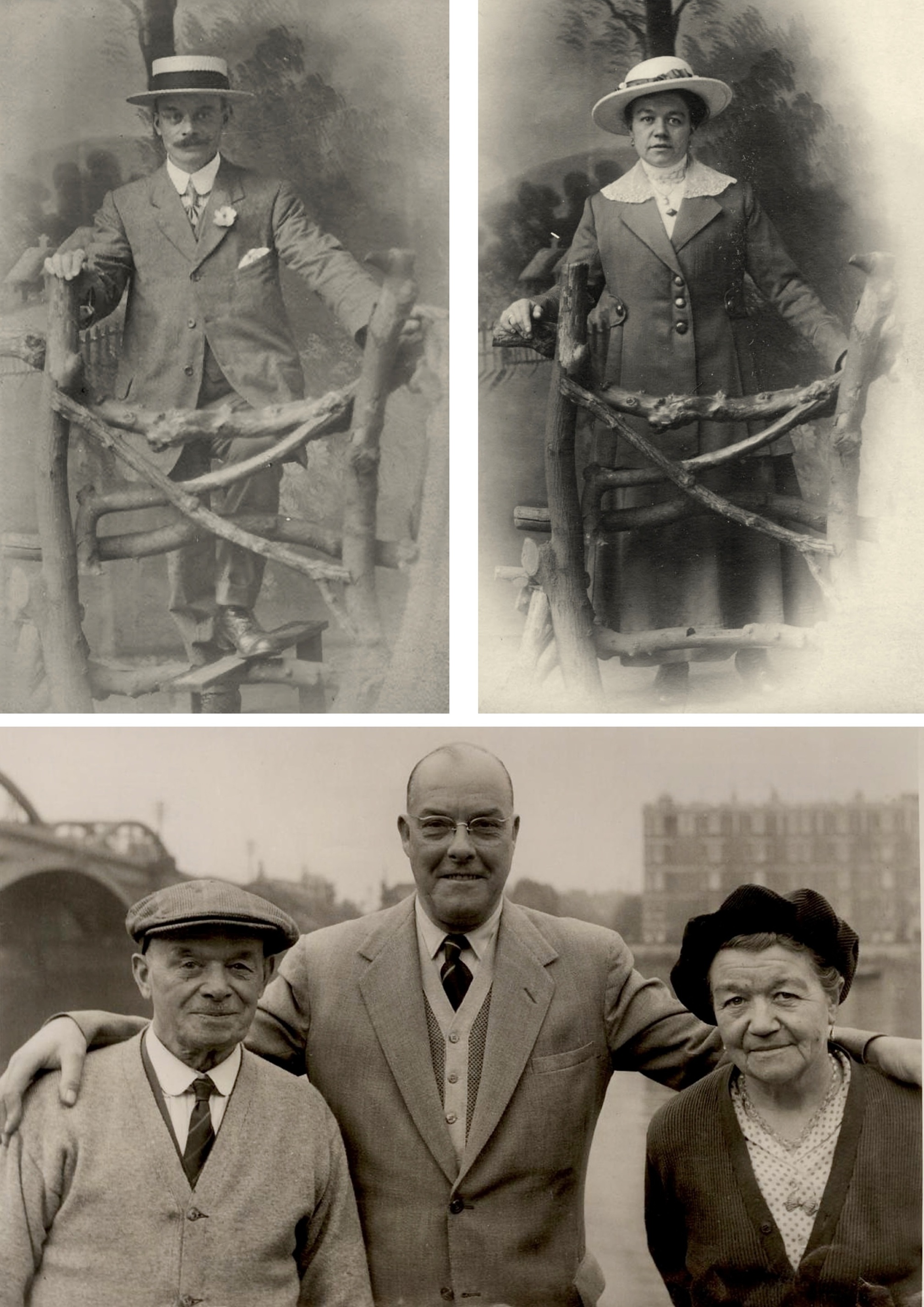
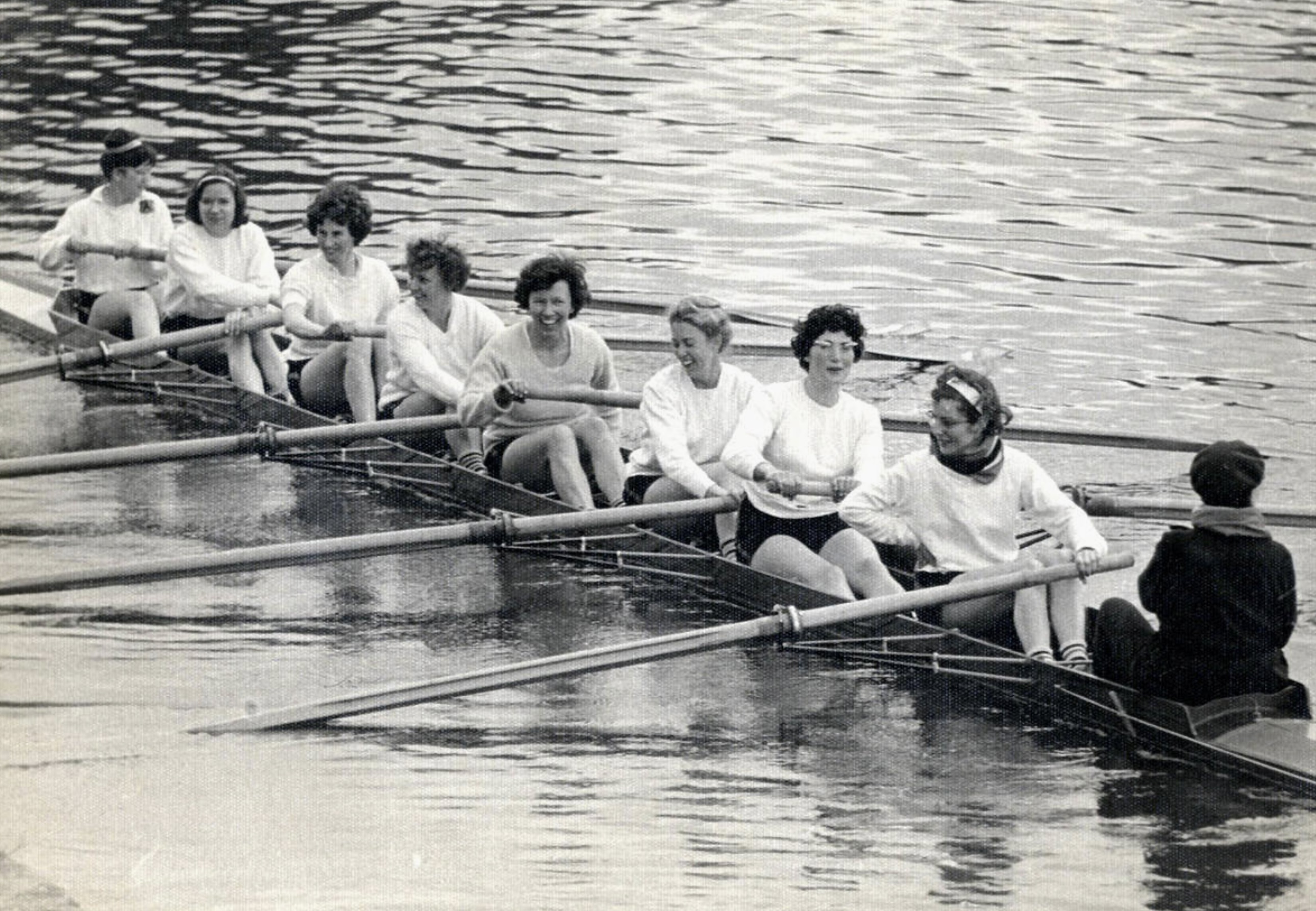
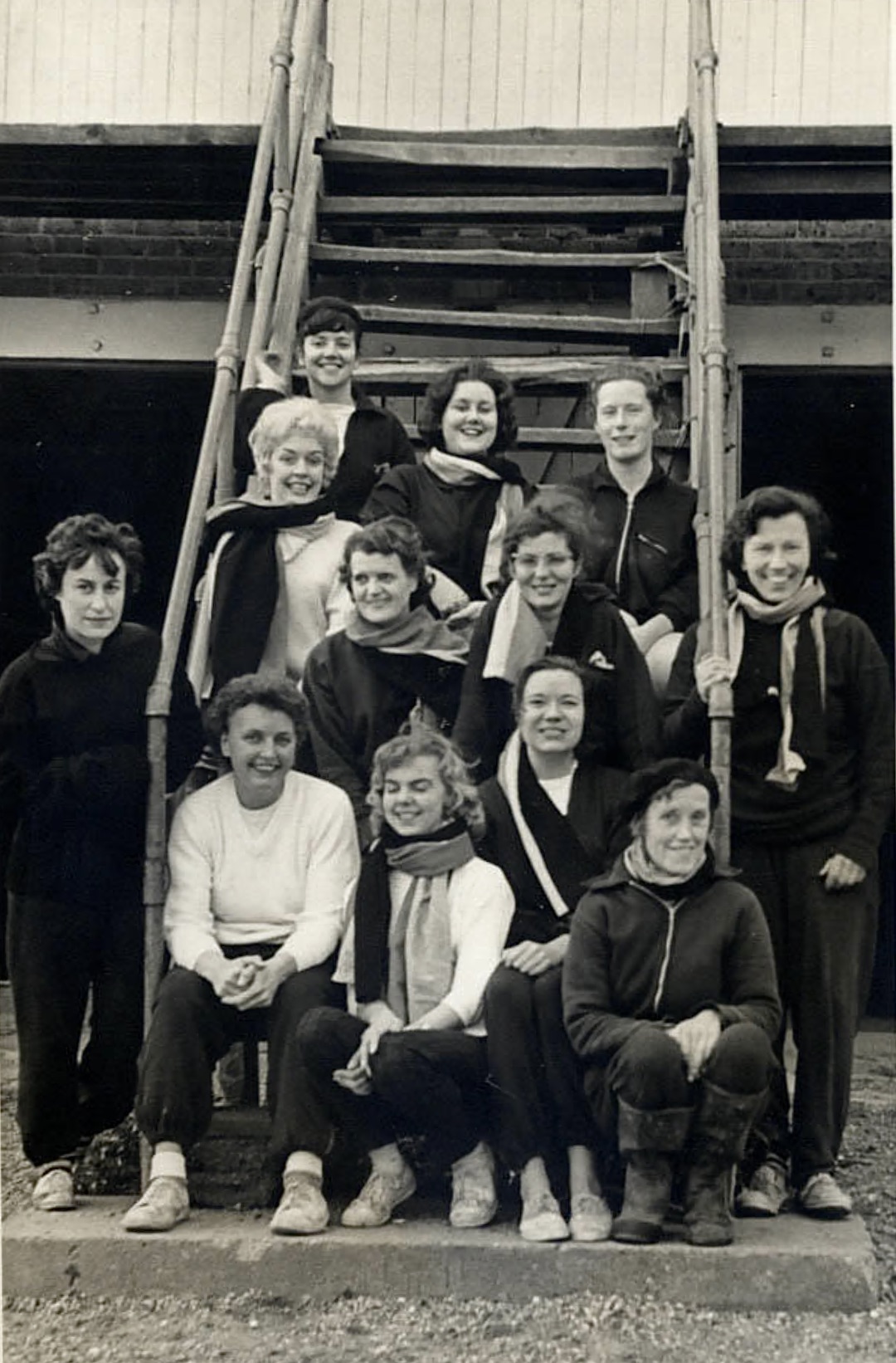
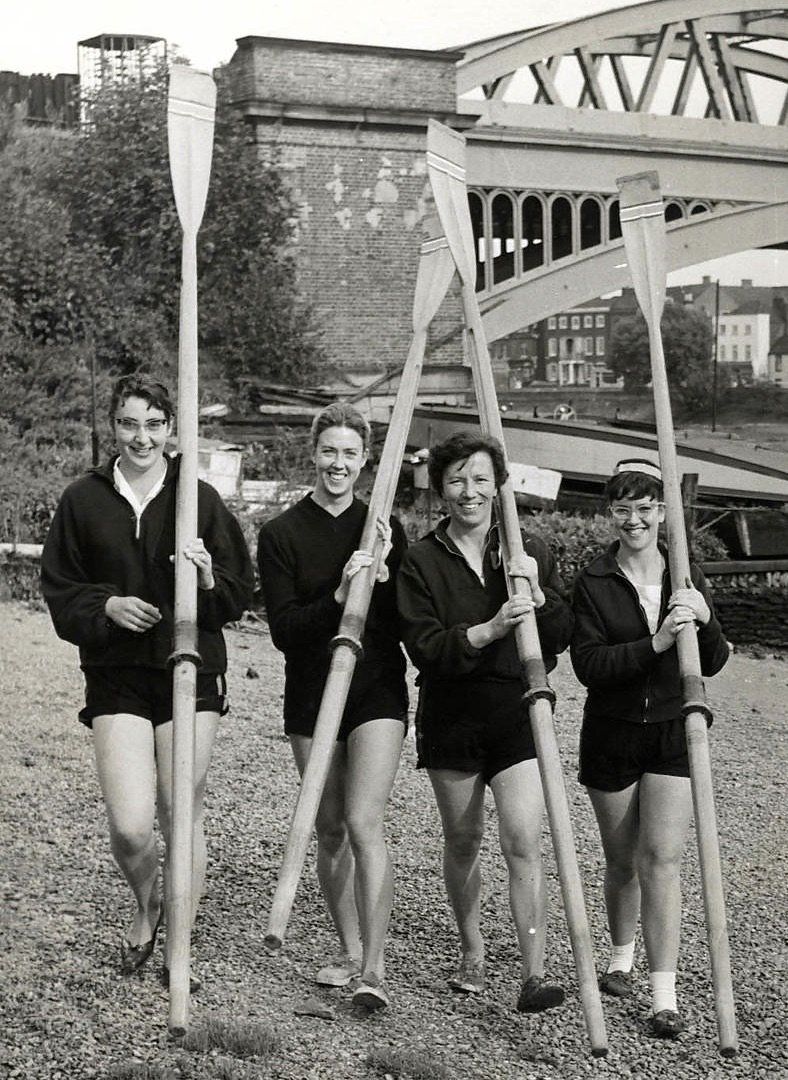
By accident or design, throughout its life Green’s seems to have attracted those whom most of the male-dominated amateur rowing world marginalised or simply refused to engage with. In the words of a 1947 newspaper, “Green’s Boathouse provides for homeless tradesmen, artisans and women who like the river…”
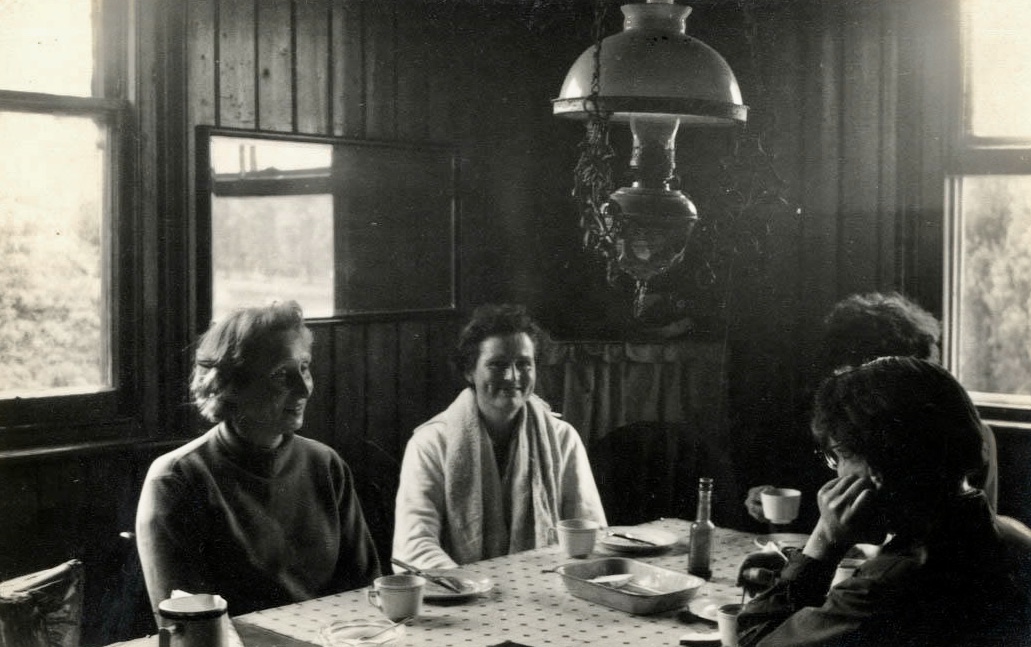
In 2004, Rene Rawkins gave a wonderfully frank account of rowing out of Green’s during the 1939-1945 War:
Tom Green’s Boathouse was a rat infested wooden shack situated immediately adjacent to Barnes Bridge on the Chiswick side… There were no showers… Ma Green – Tom Green’s wife – cooked on a large bottled gas stove, there being no electricity either. Needless to say, no insurance company would touch the place…. For all that, we had some good times there…
Rene: Young Tom Green was one of the river’s great characters; a professional boatman, he was given to binge drinking and frequently disappeared for days at a time, before being brought back much the worse for wear on the ferry that ran between Barnes and Chiswick.
Rene: Ma Green was forever purloining our sweaters and shoes while we were out on the water. Yet, if you enquired about the whereabouts of a missing item of clothing she’d swear blind that she’d never seen it, even when she was standing before you actually wearing it….
Rita Cramp (née Dennis) joined Alpha RC as a schoolgirl in the early 1950s. She recalls:
I used to take a filled hot water bottle so I could have a warm wash after our outings or evening runs. It was then used for others to wash their feet in. It was all so taken for granted, it’s amazing when one thinks of it now.
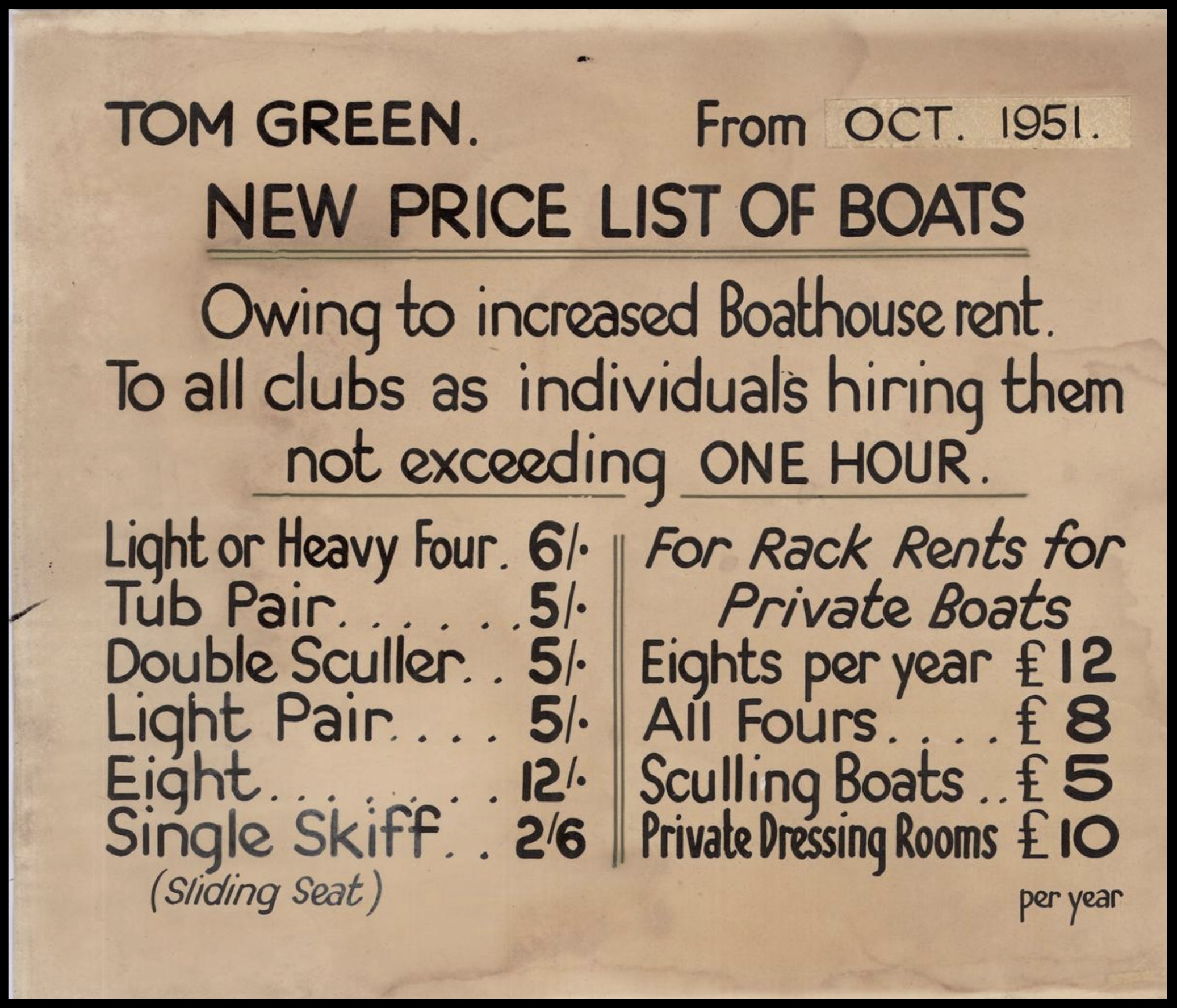
Even in its later years, Green’s seemed to have carried on as if the world was not changing, particularly as regards health and safety and ideas on basic sanitation. A history of Thames Tradesmen’s RC notes that at some time, probably at least until the 1930s:
Toilet facilities were very primitive consisting only of a canvas enclosure “out in the woods.” Guests were confronted by a board with two apertures and the entertainment provided by the birds, bees, and other denizens of the trees.
The Boathouse
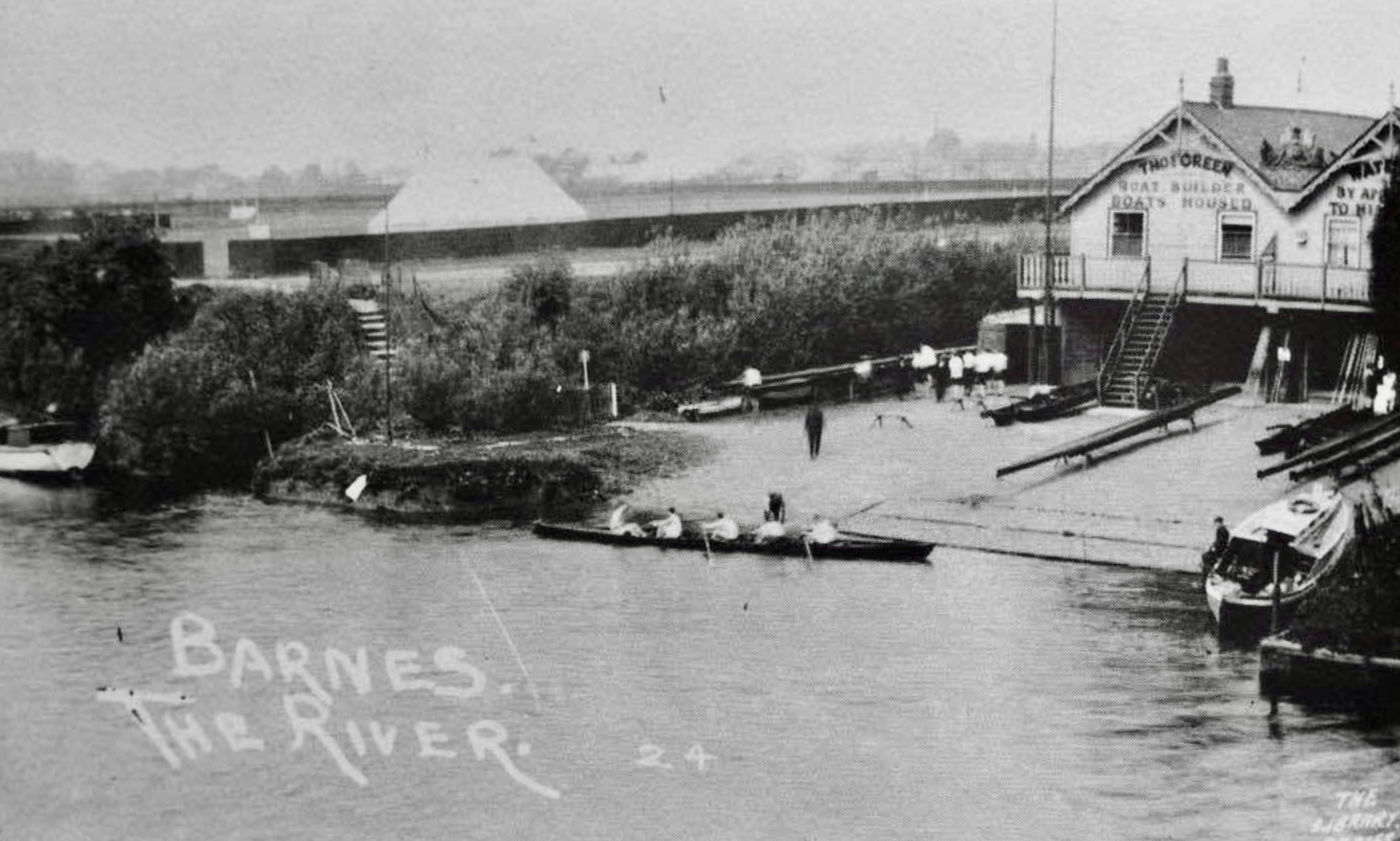
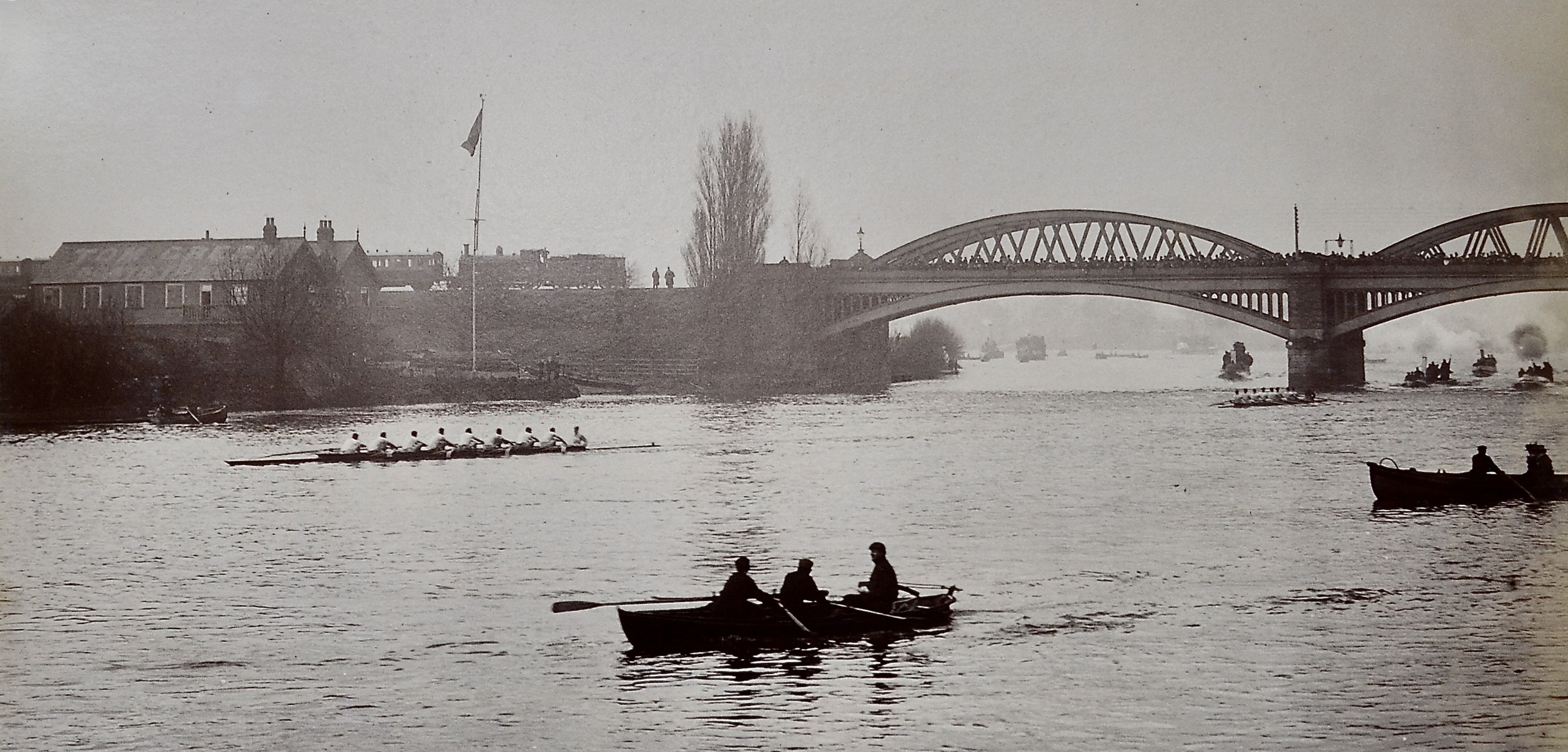
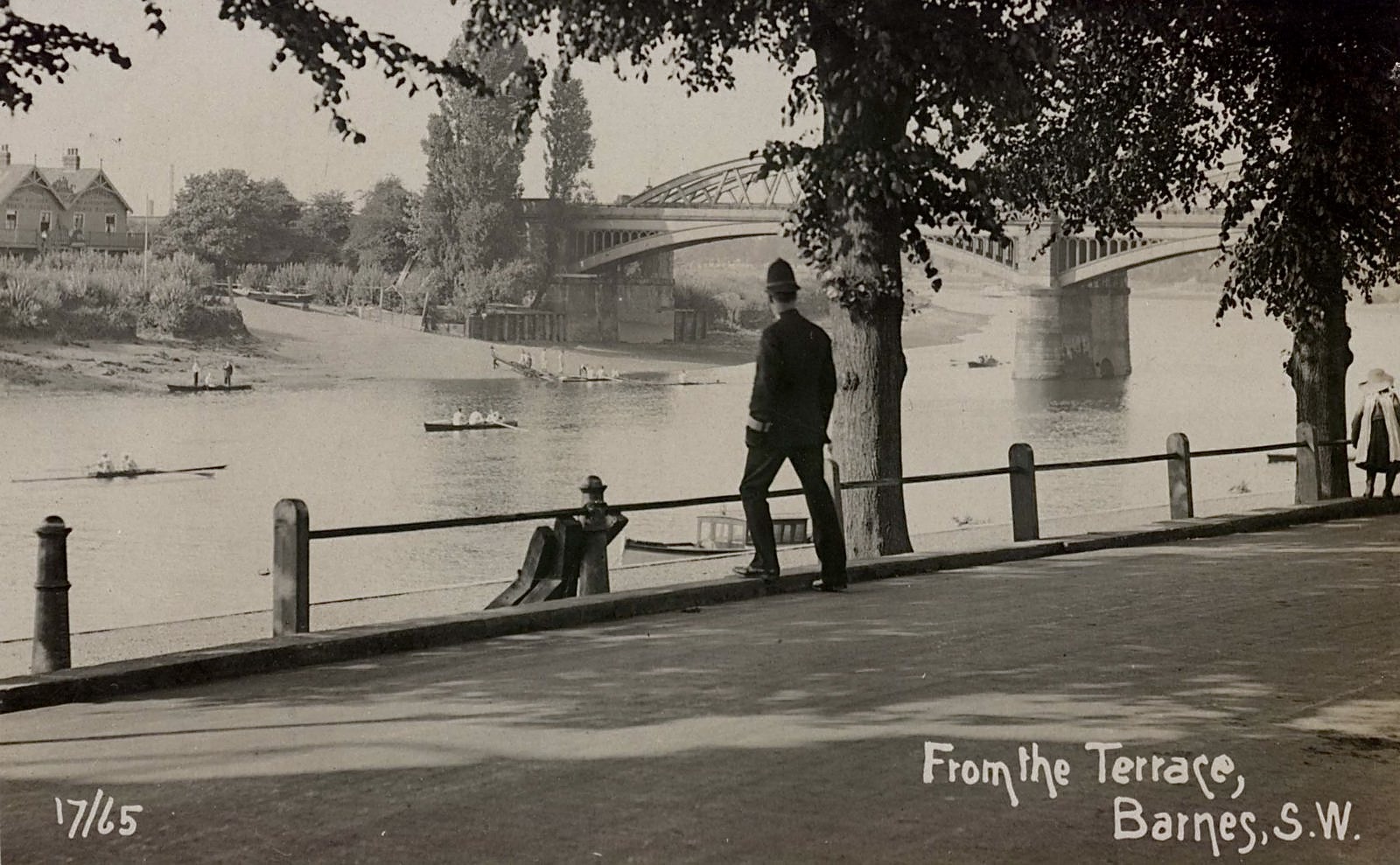
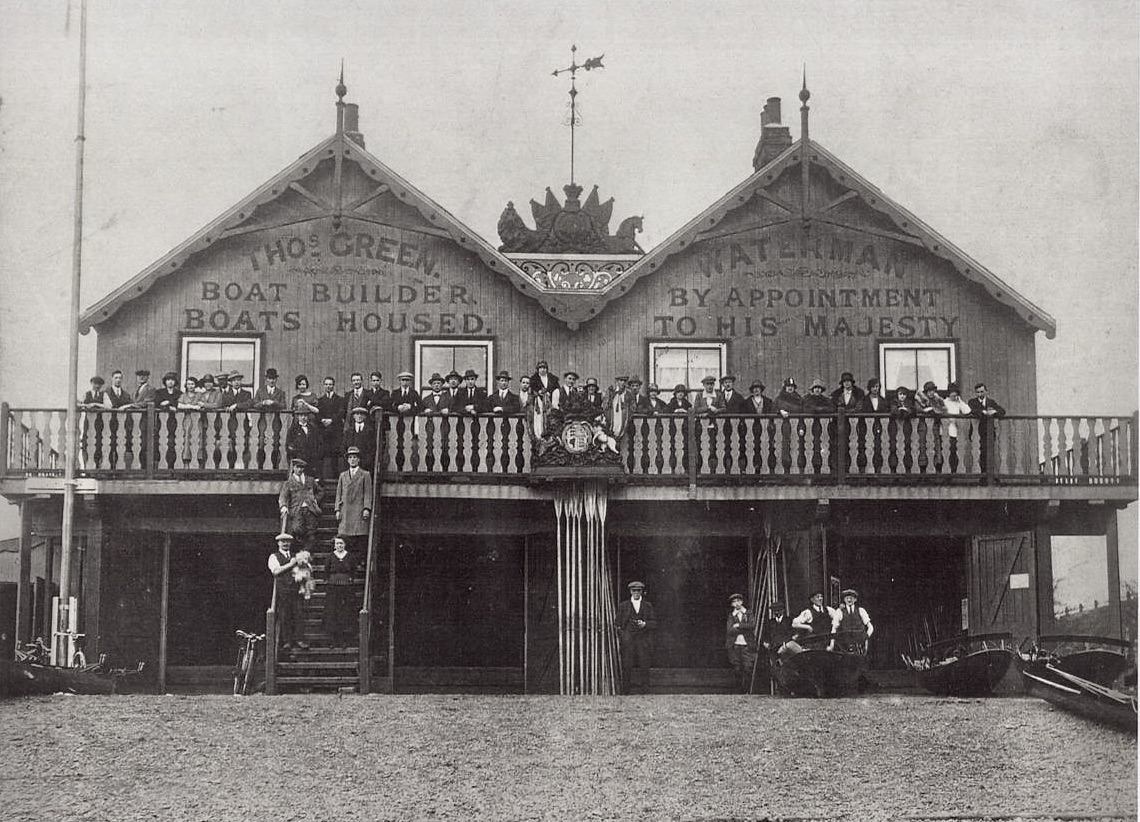
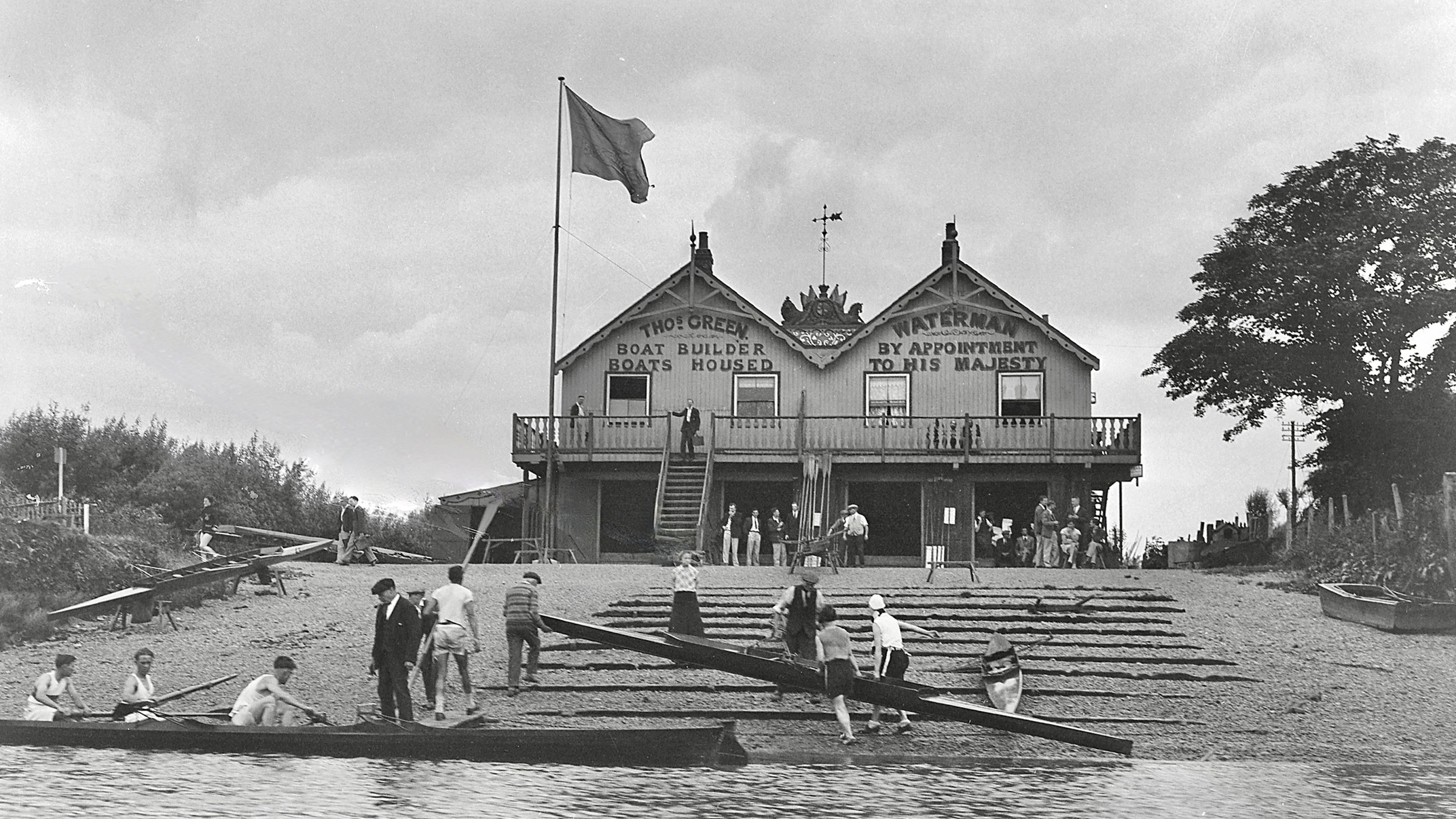
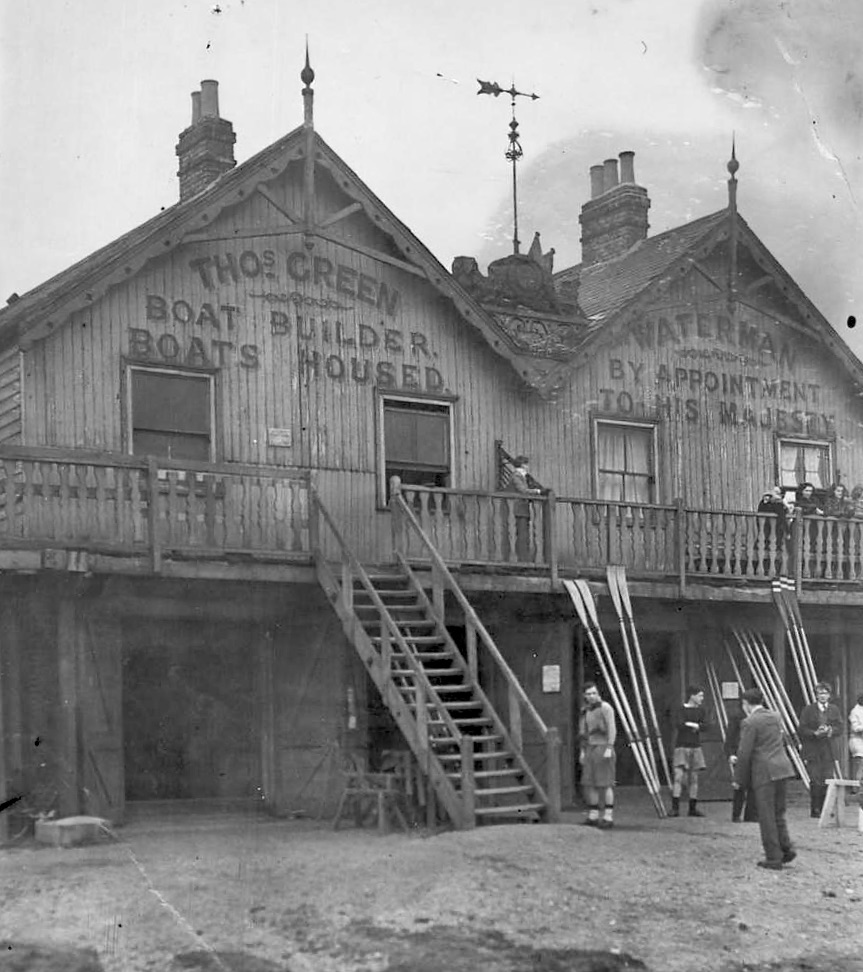
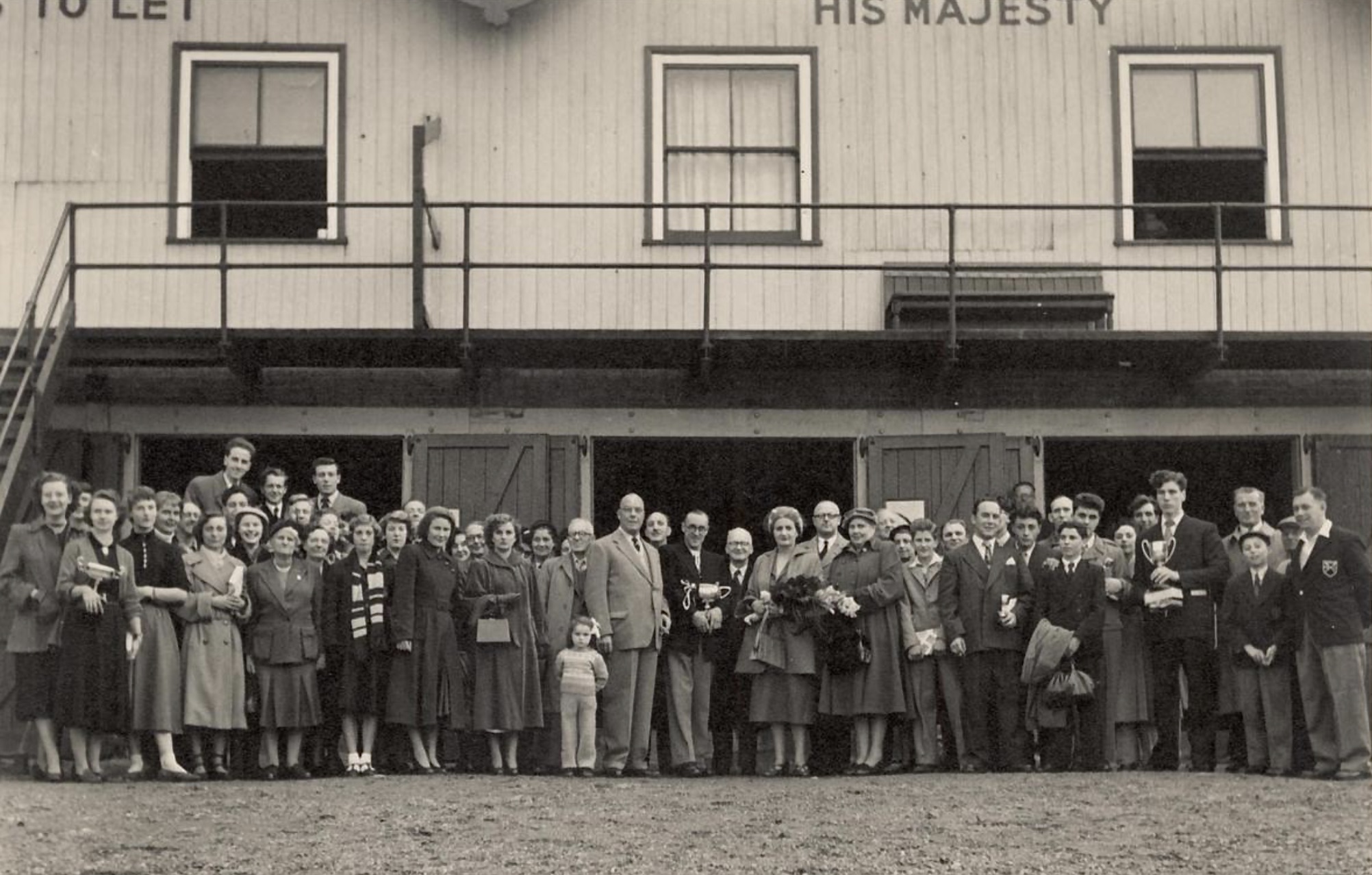
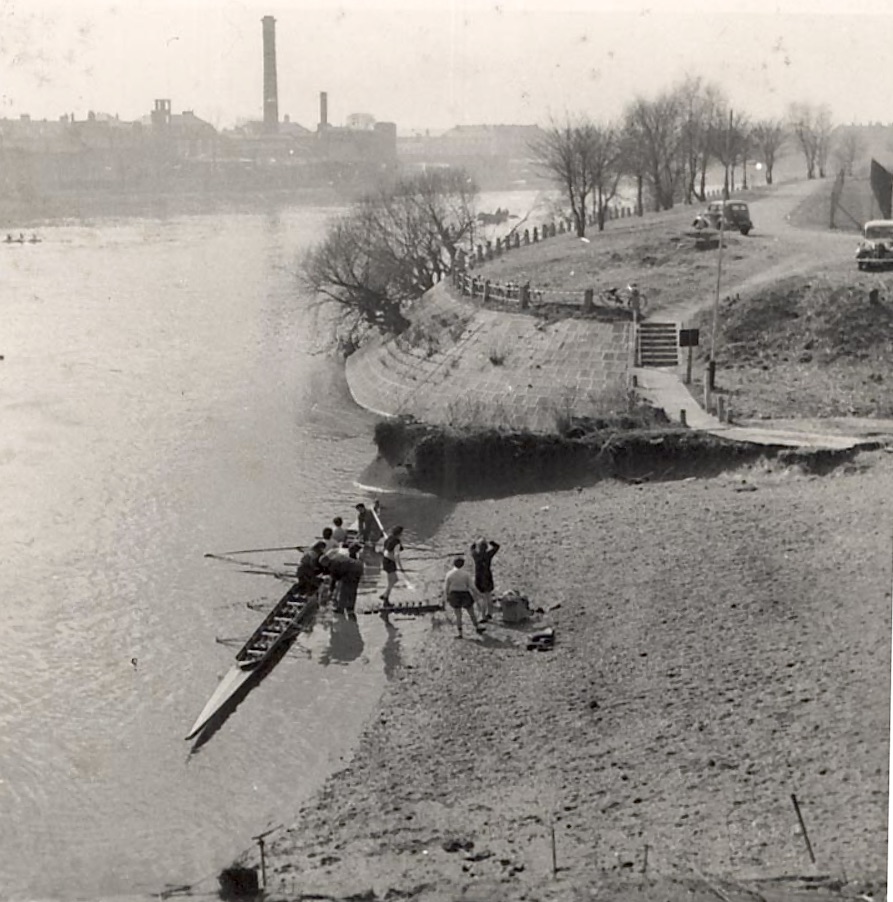
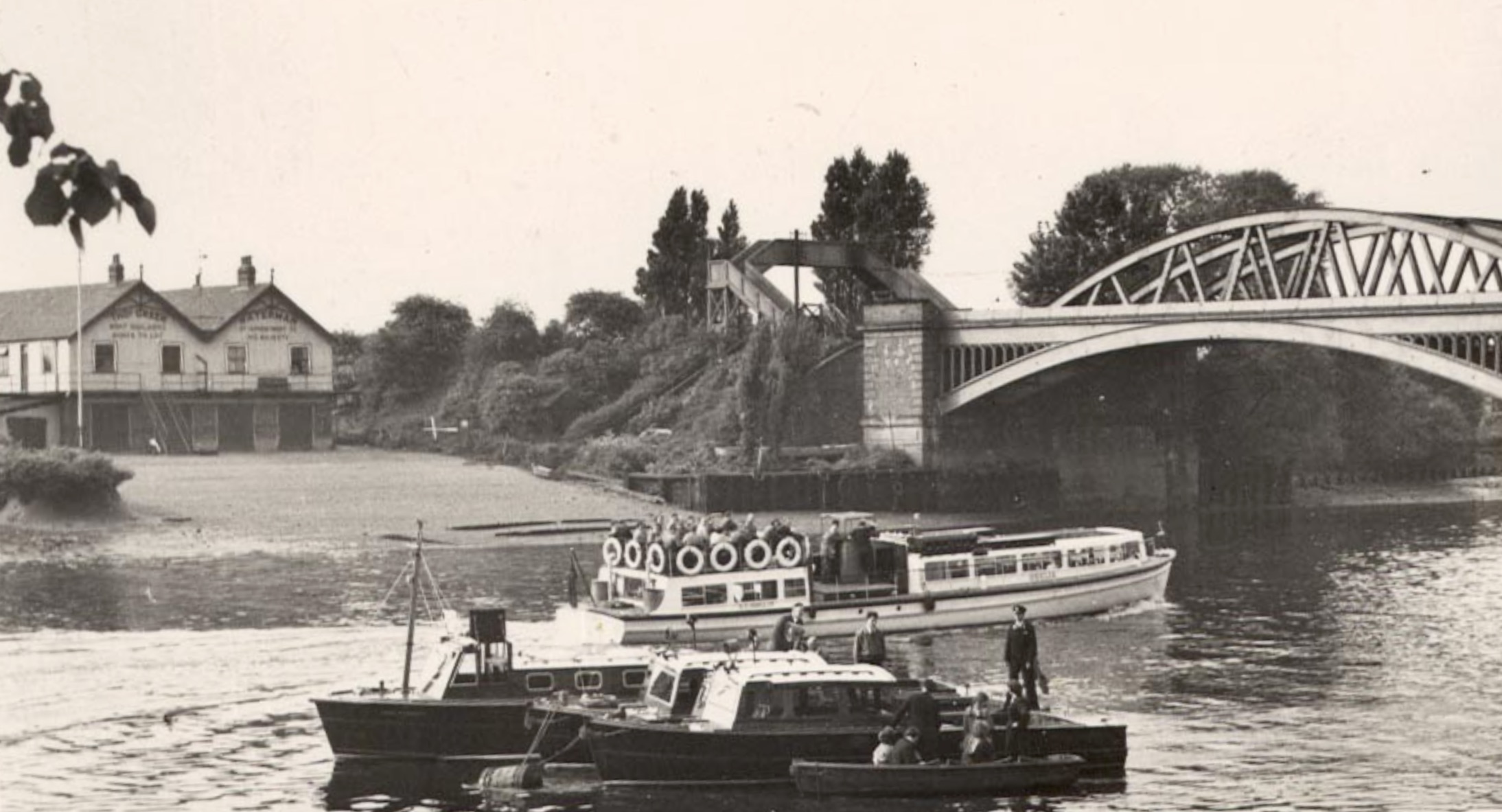
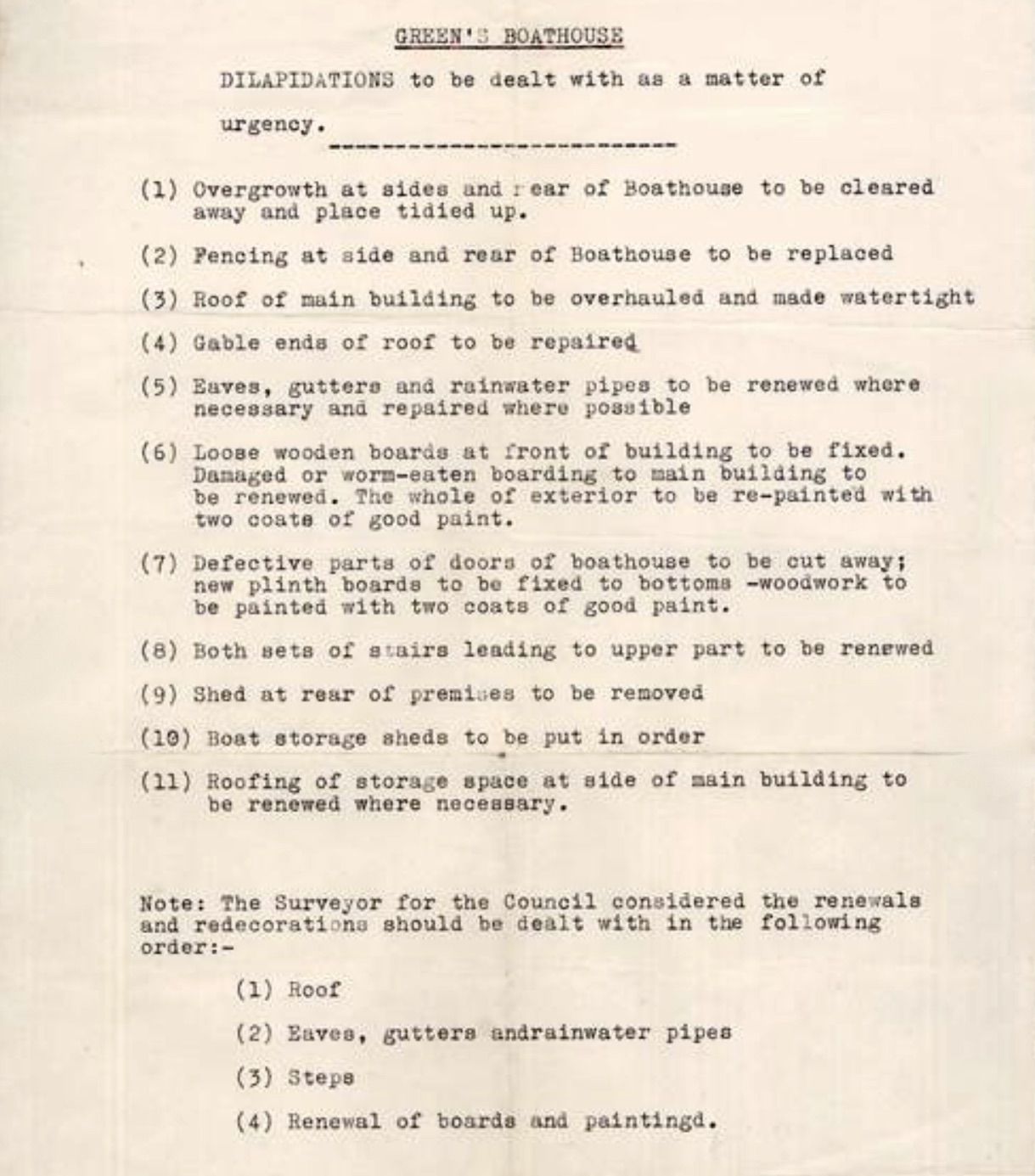
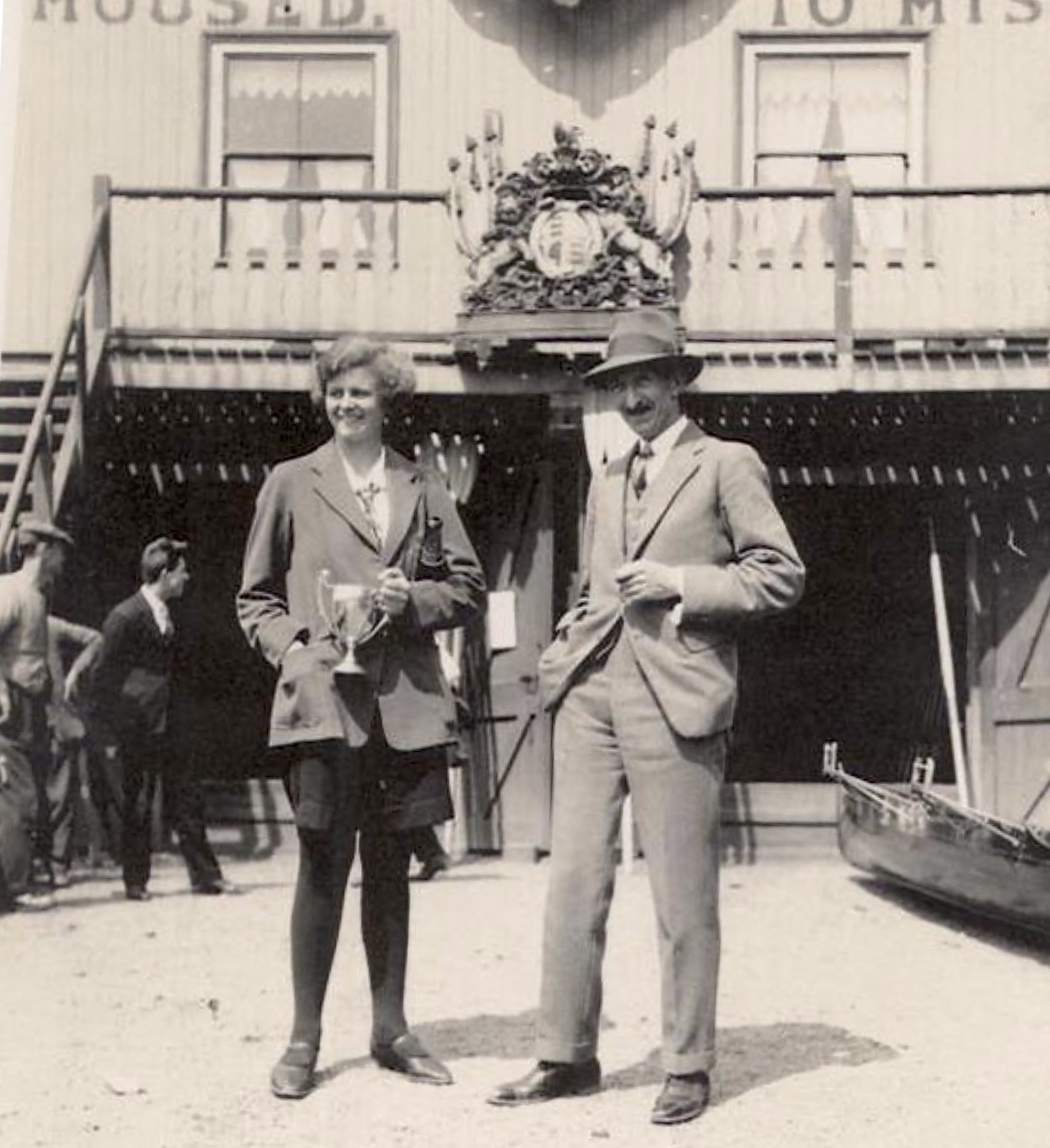
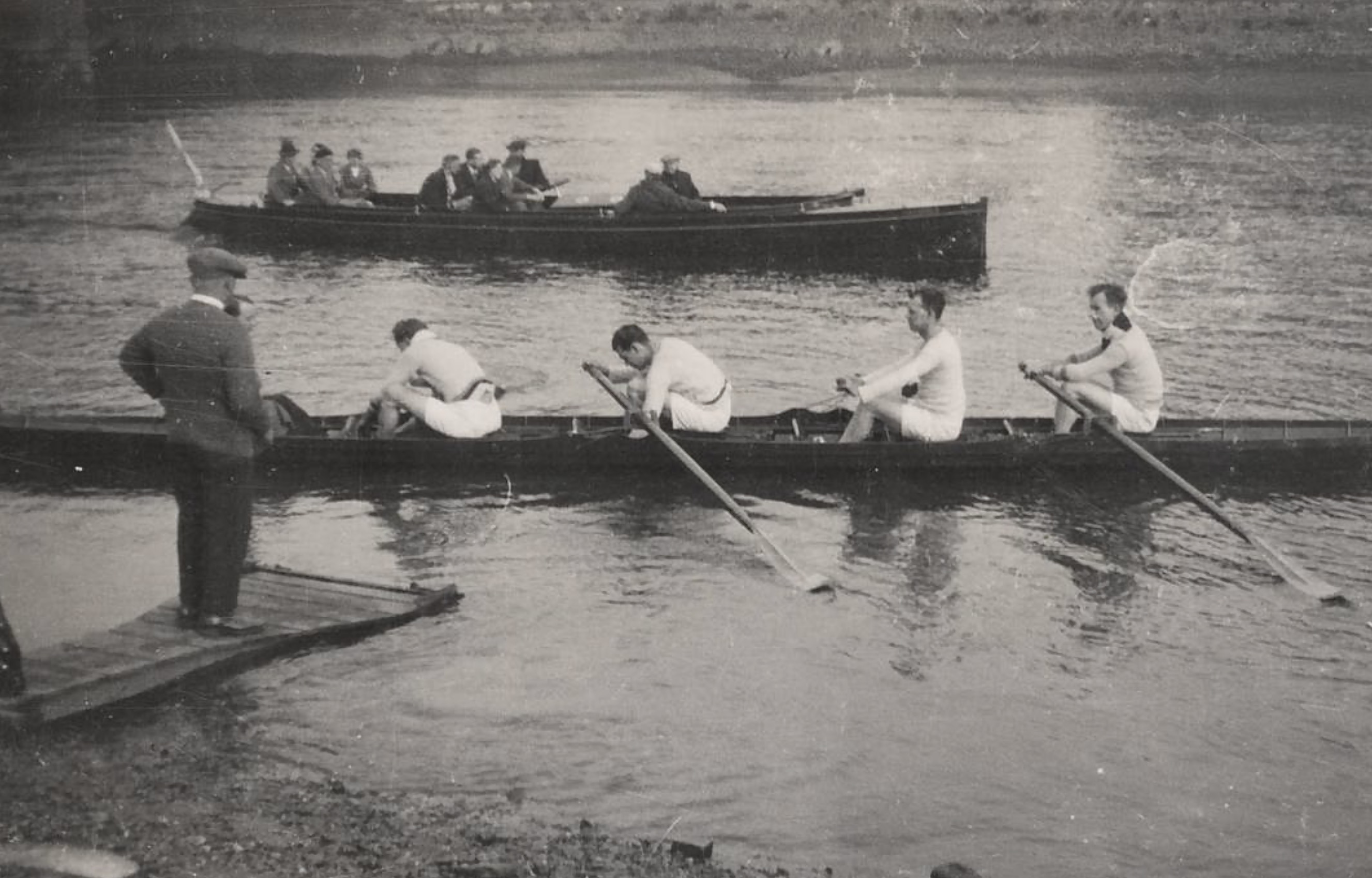
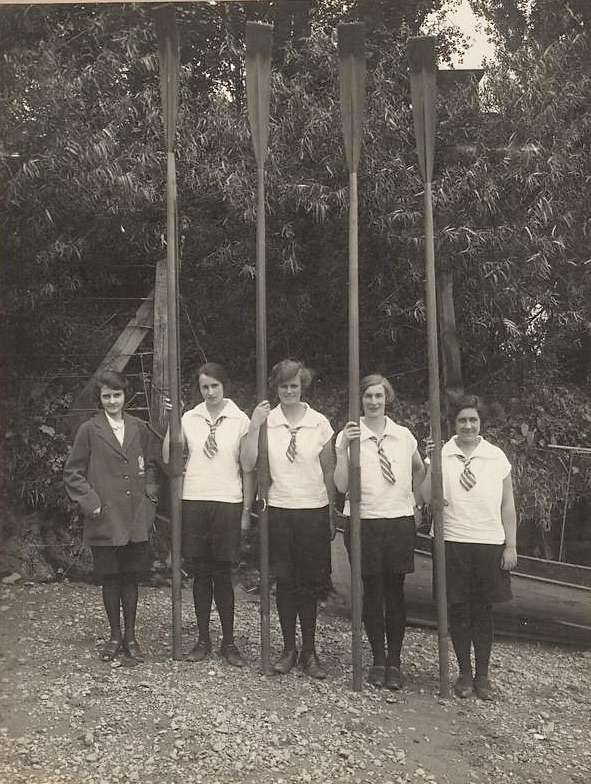
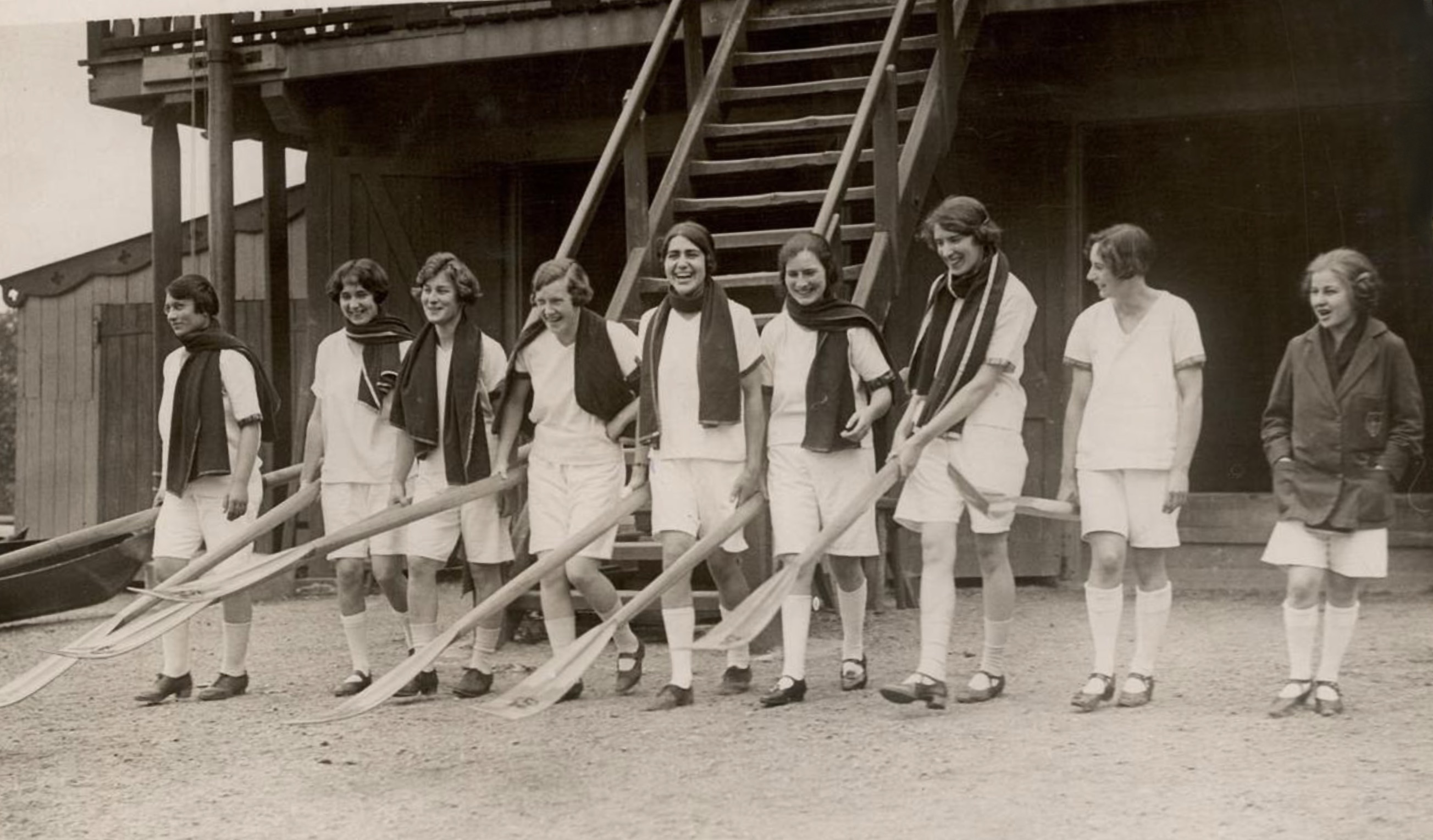
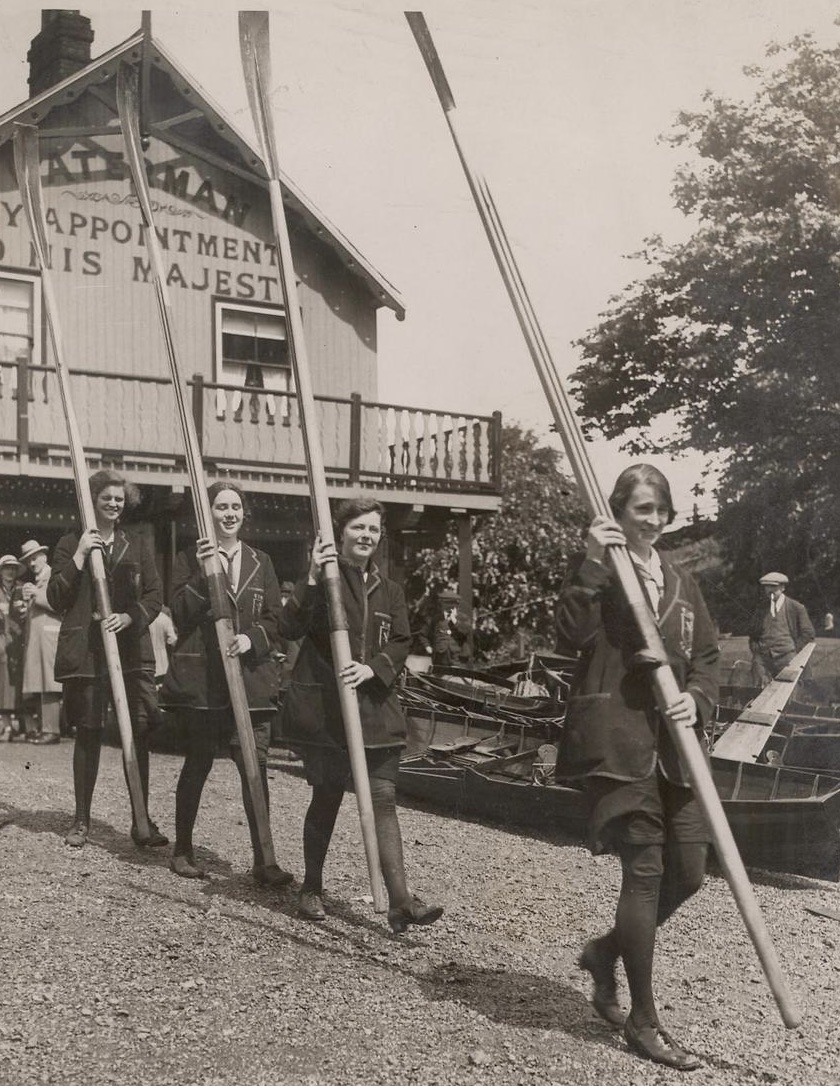
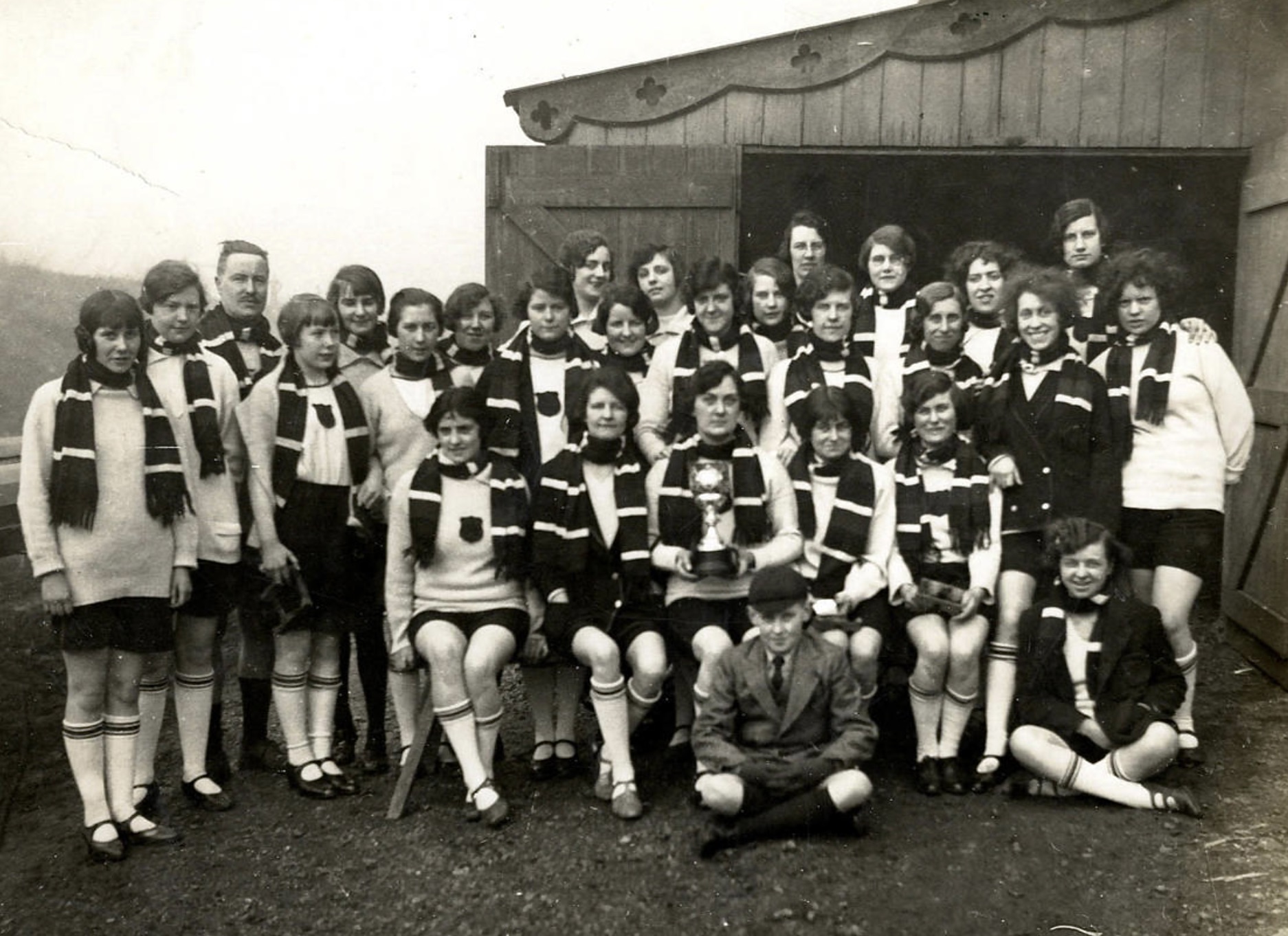
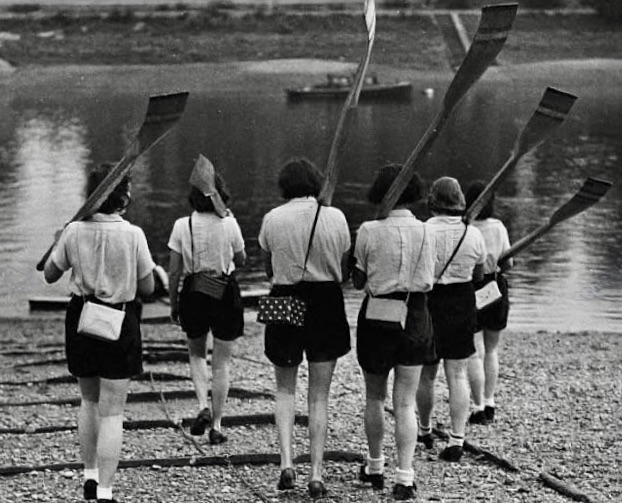
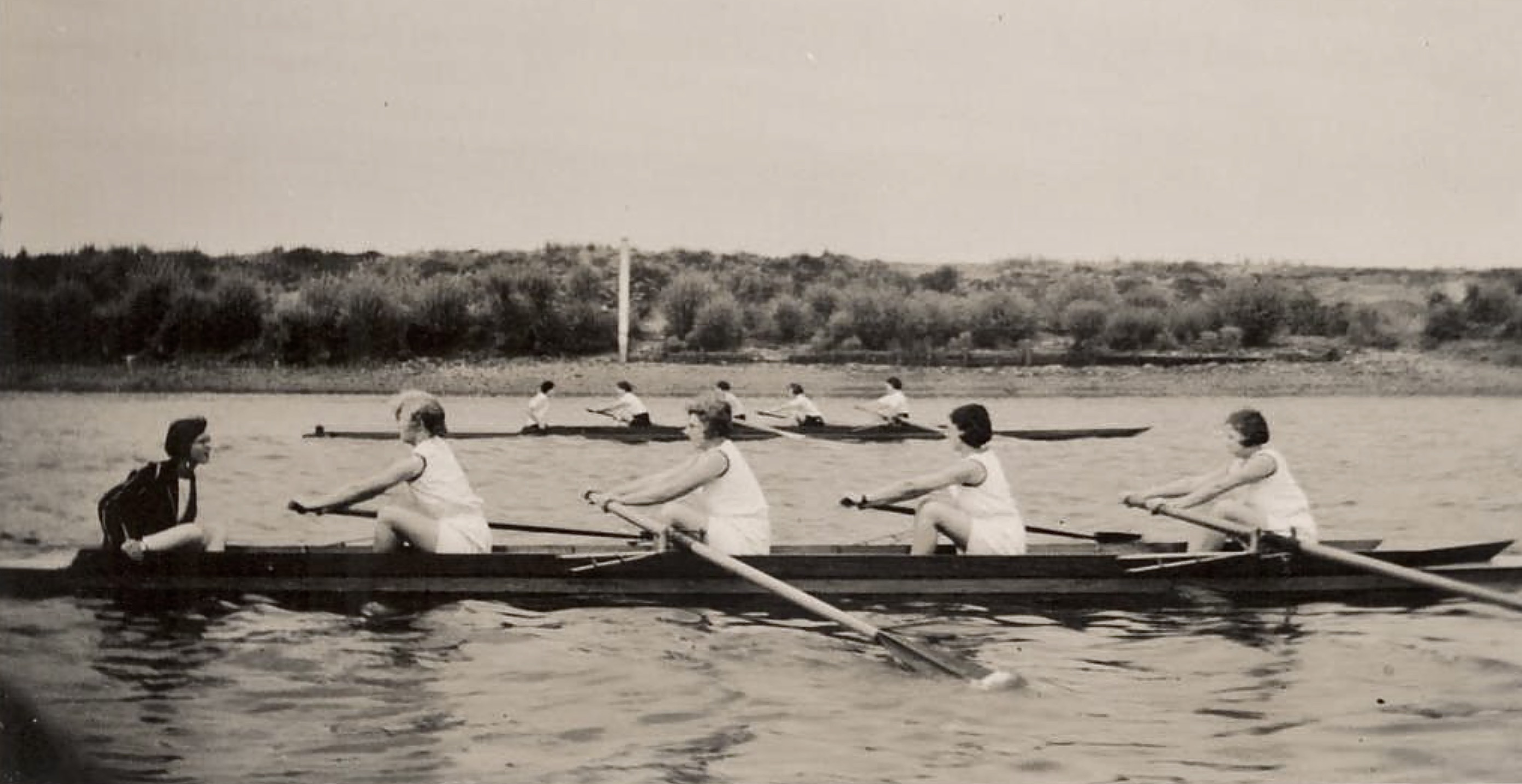
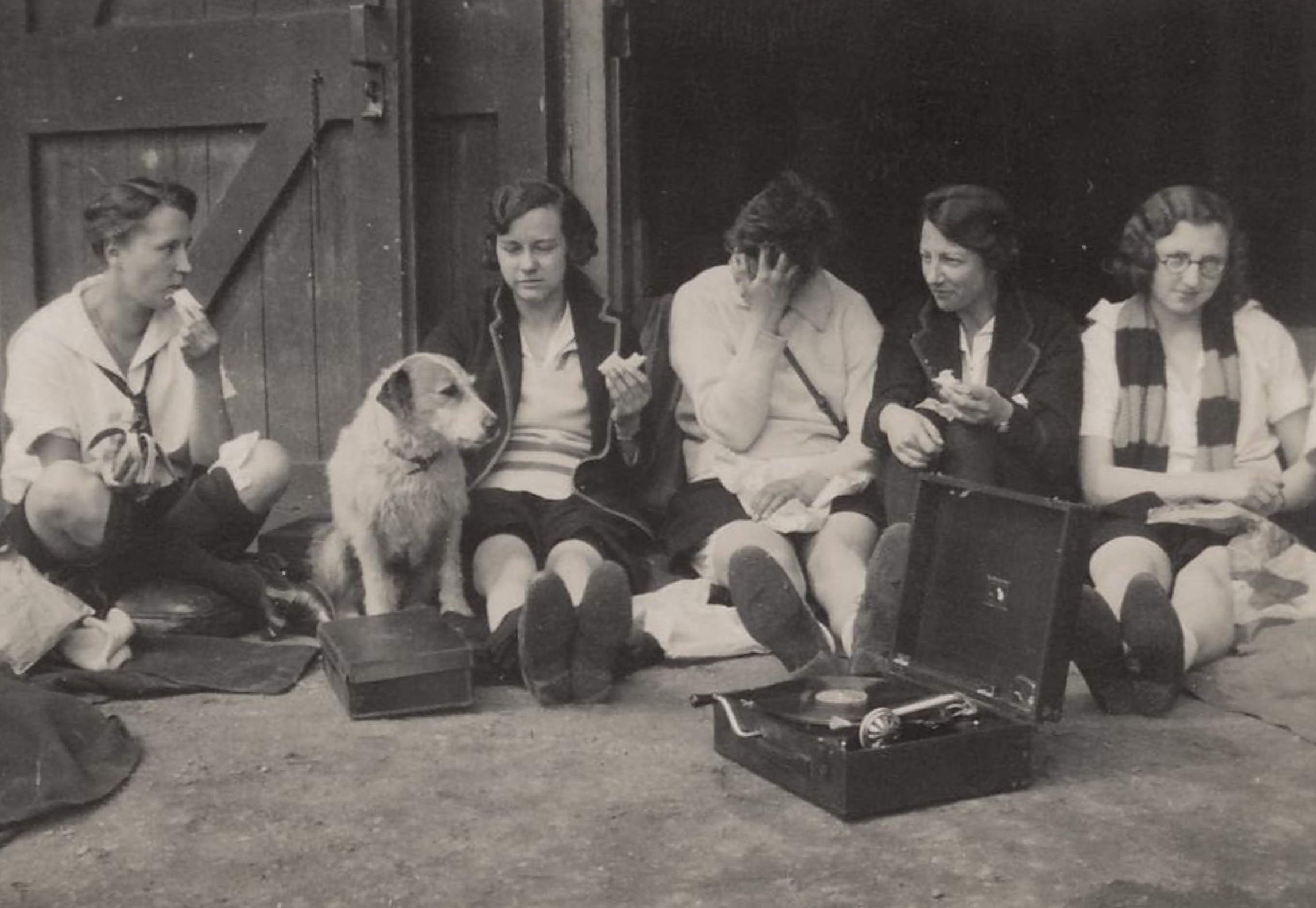
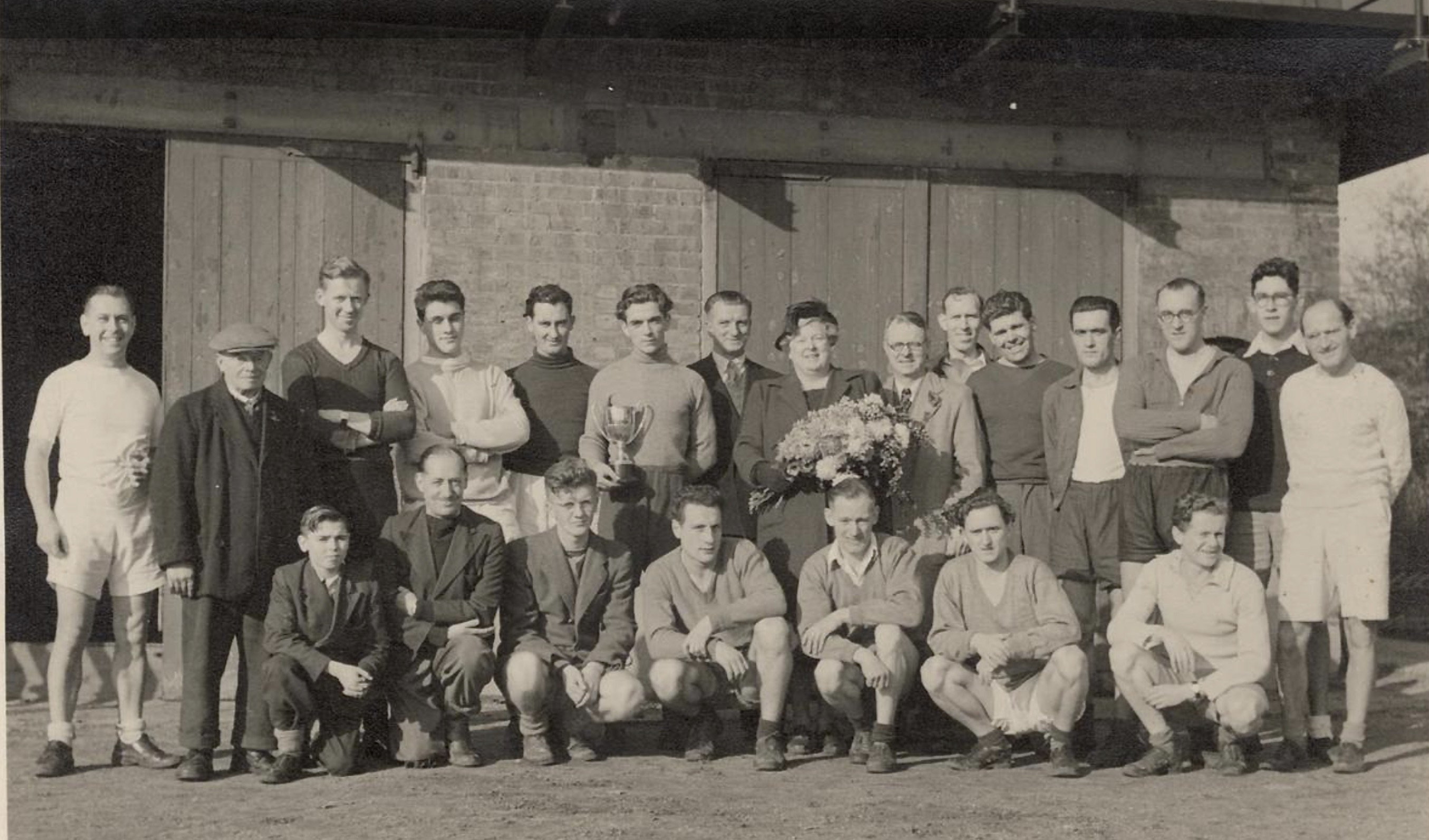
As I have previously lamented, few of the pictures in the Green archive are marked or dated. However, identified or not, most of these images show the pleasure that Green’s gave thousands of rowers over ninety-nine years, notably “homeless tradesmen, artisans and women who like the river…”
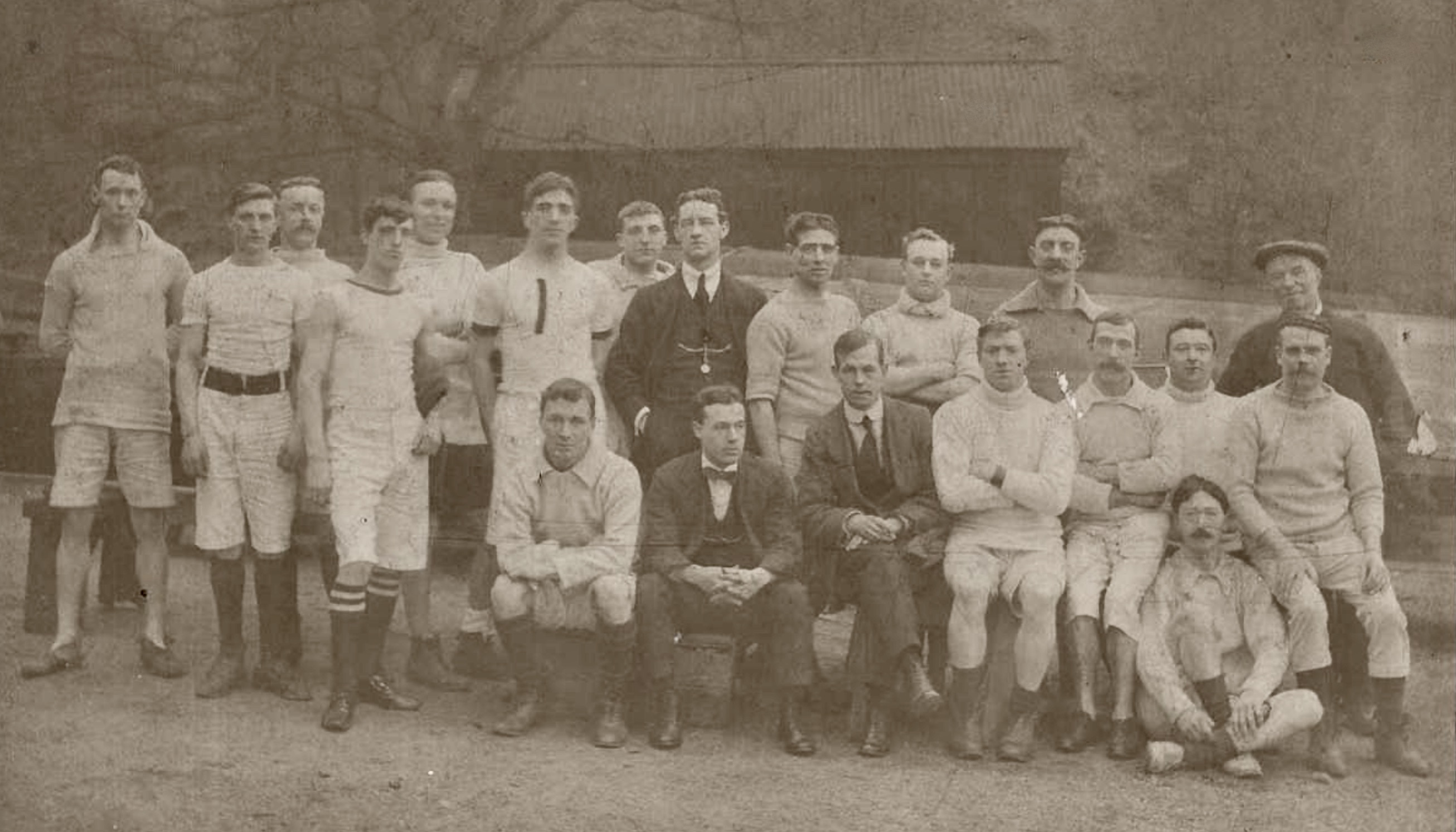
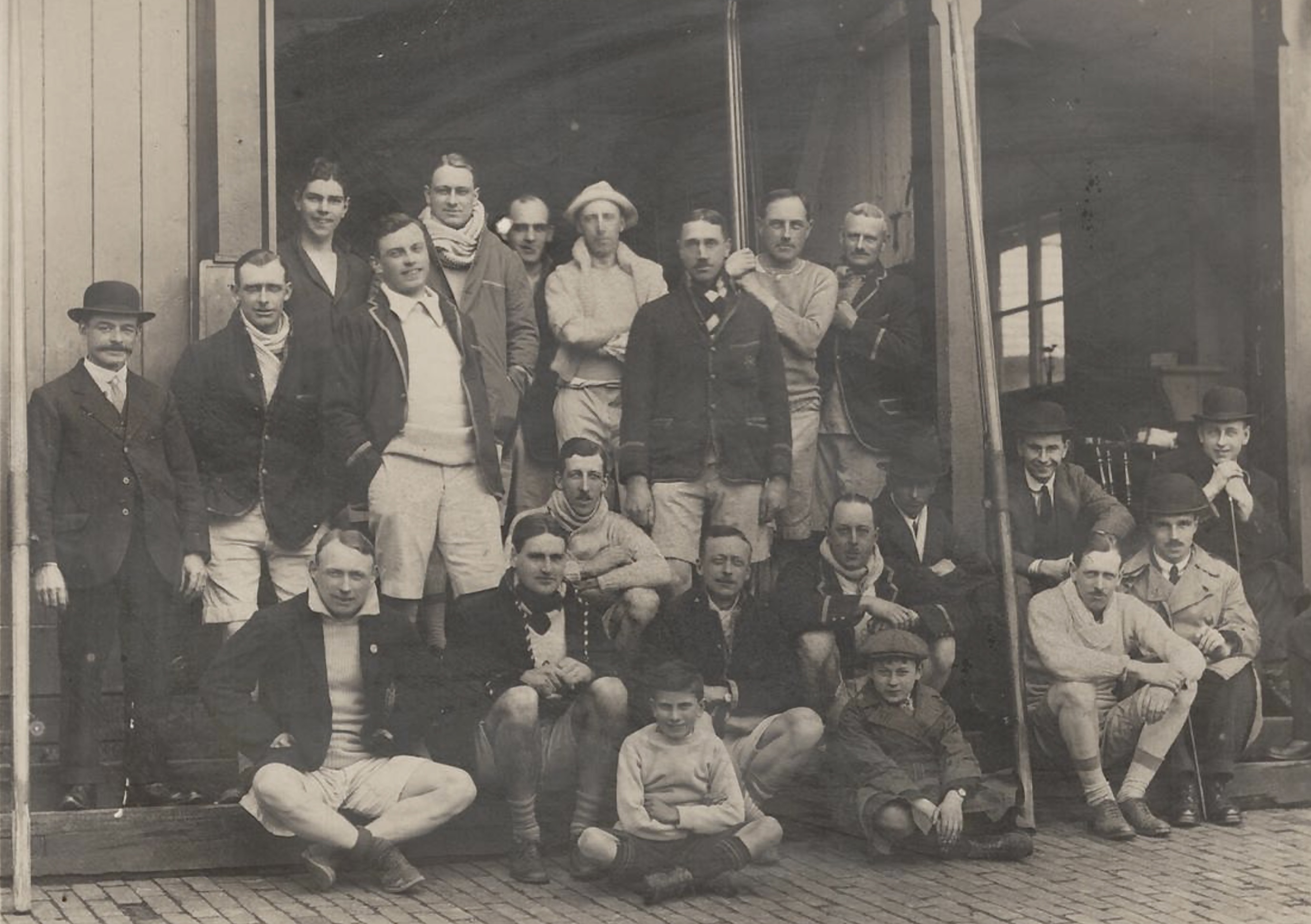
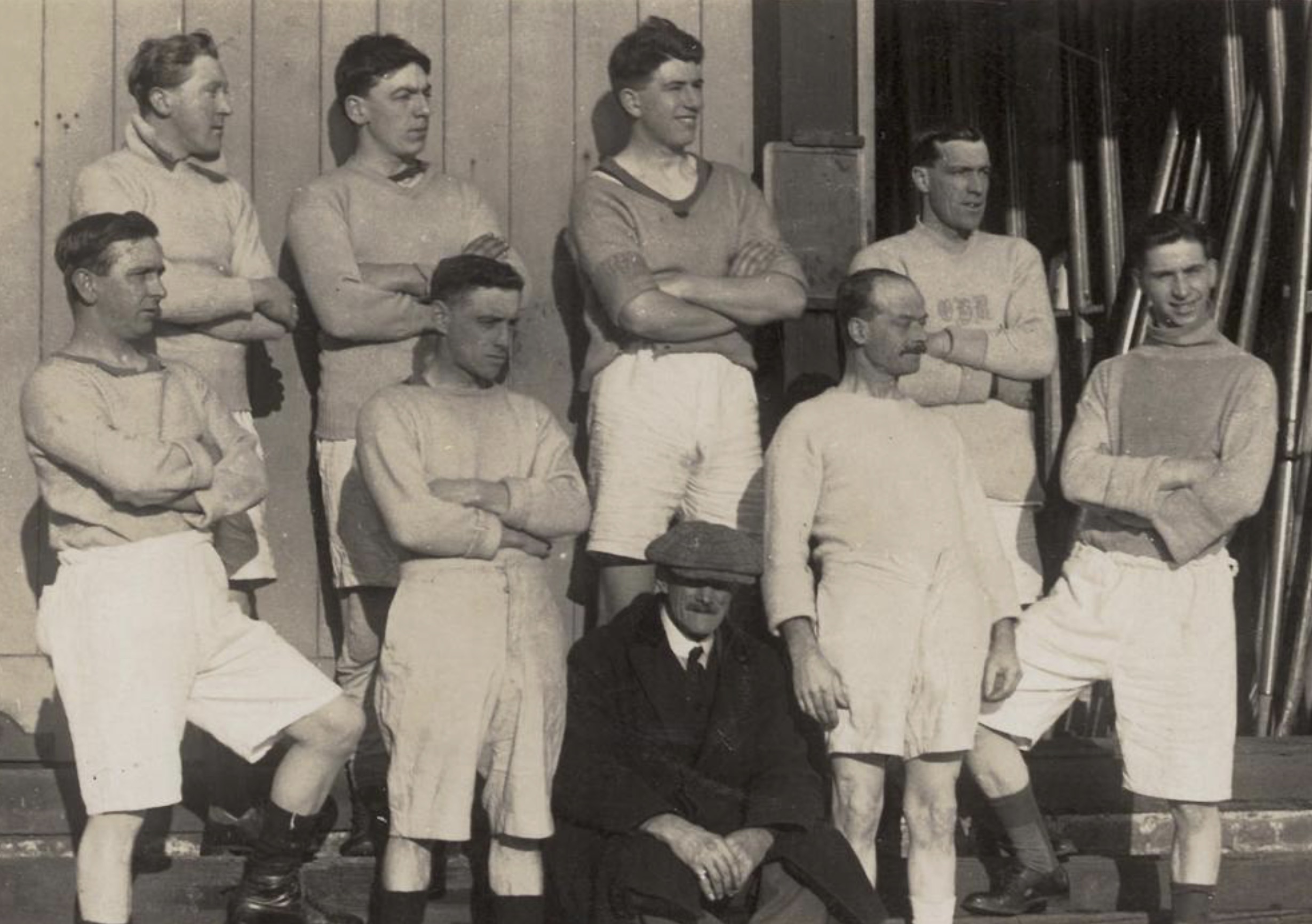
Crews at Green’s before the 1914-18 War
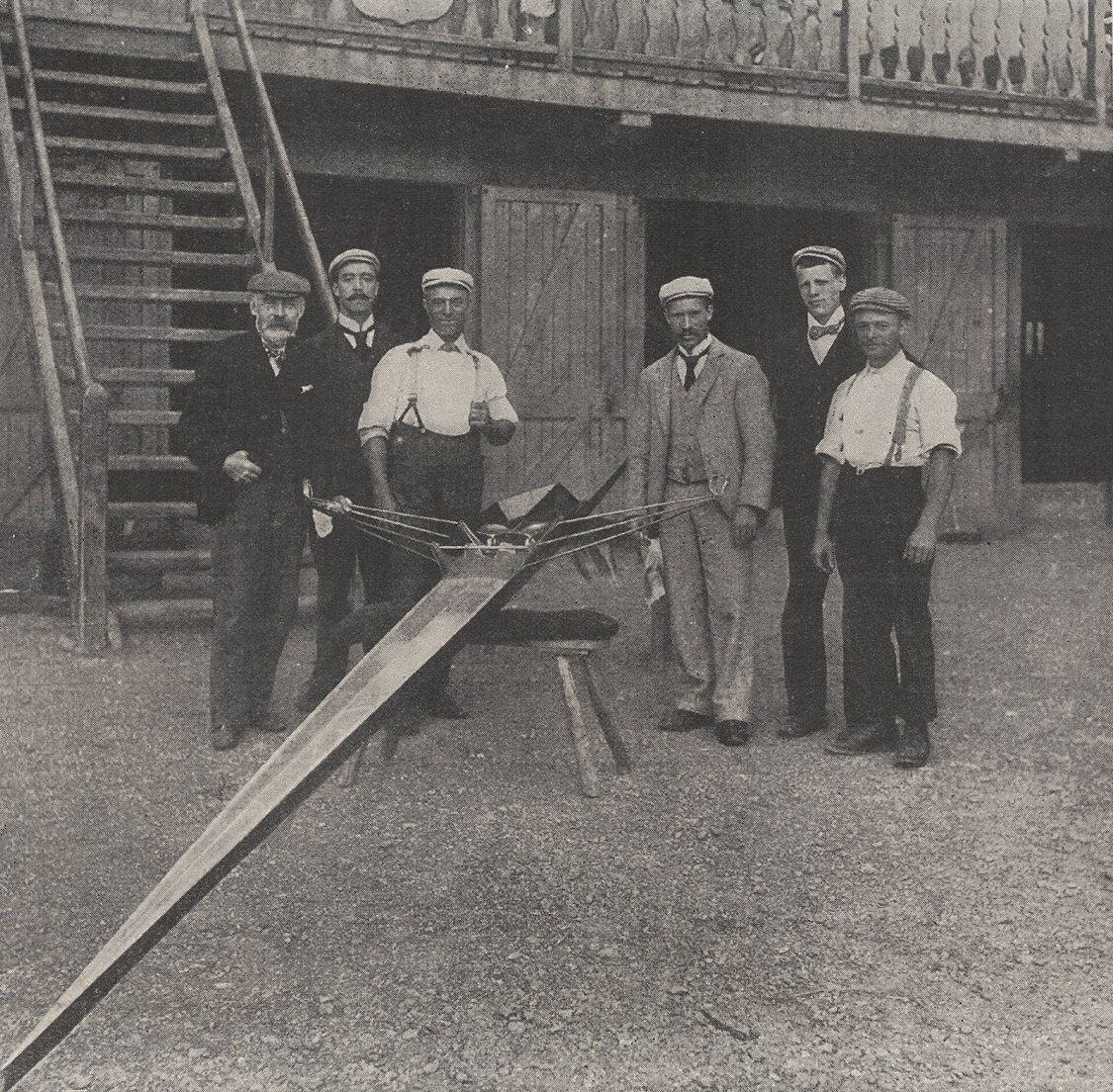
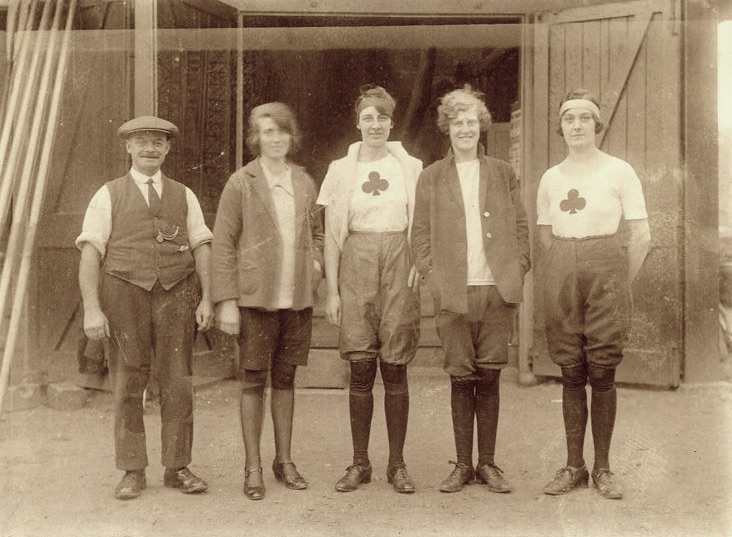
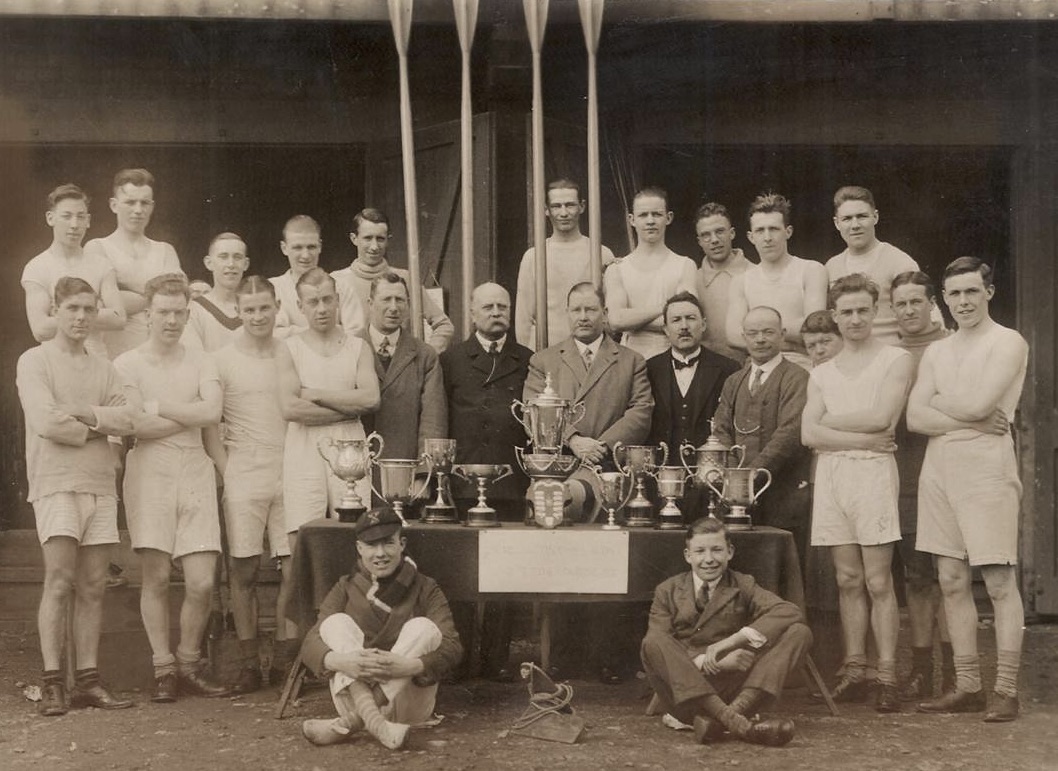
Crews at Green’s in the interwar period, 1919-1939
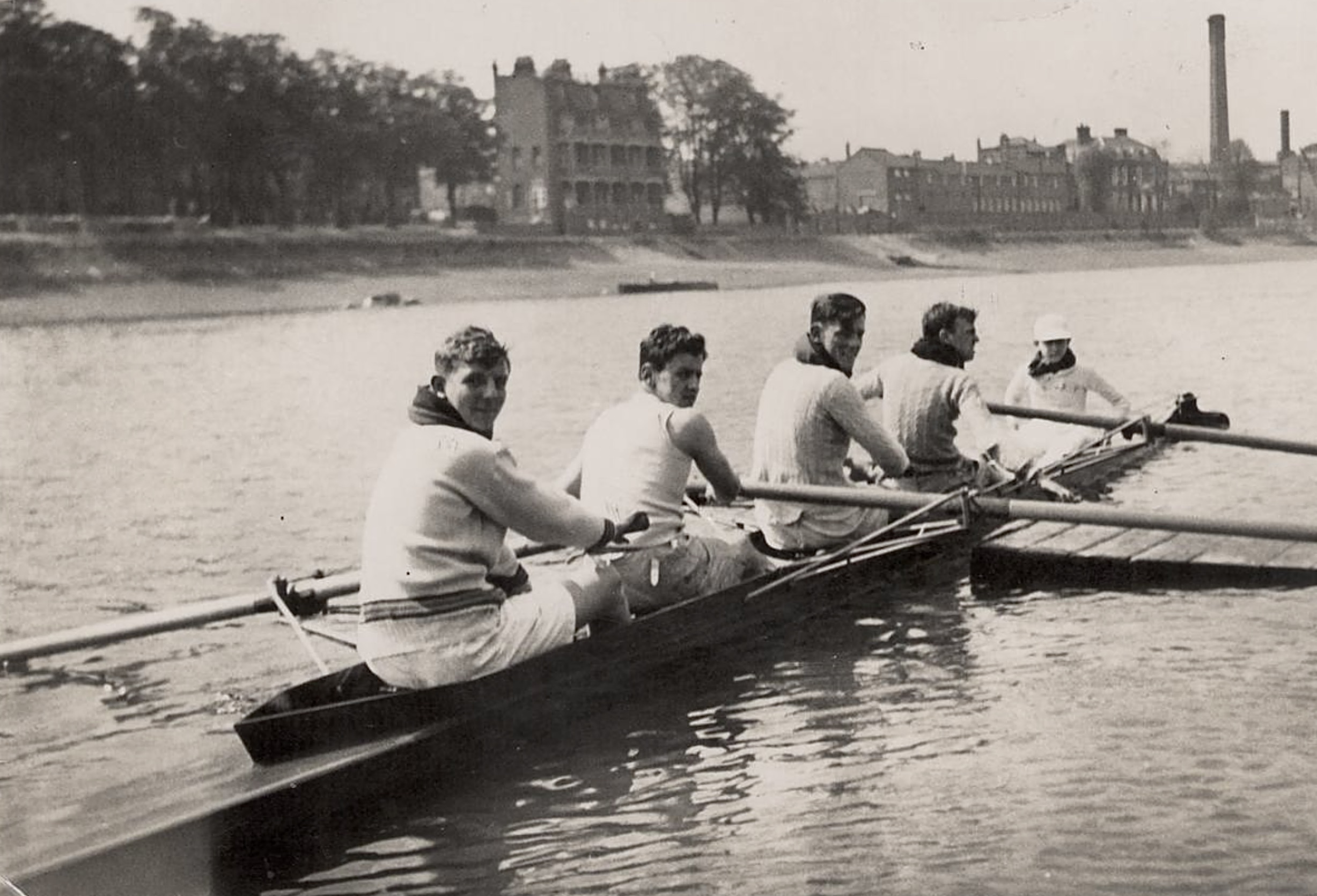
Crews at Green’s after the 1939-45 War
Final Days
In January 2023, Simon Wass posted this in the comments section of my 2014 post on Green’s:
I remember Old Ma Green’s place in the 1970s. I went to Chiswick Comprehensive School and we had a few eights, fours and sculls in the new boat house next door (Chiswick Boathouse which opened in late 1973, TK). When Ma Green died (in 1975), a friend and I went in to the Thos Green boat house to look around. I still remember the interior quite clearly. It had a club room at the back with rows of coat hooks and a large board hand-painted with previous club member names. You could see it had been a nice place and the scene of many happy occasions. But the floor had caved in and now sloped into a swamp of mud and river water. It was a very tragic yet magical experience. However, Ma Green’s accommodation was extremely squalid and contained examples of some rather eccentric behaviour. It was a great shame when it was eventually torn down. It was quite a landmark and the Greens were well known on the riverside, even amongst us rowdy school kids.
While Simon says that Green’s was “eventually torn down”, in fact it burned down on the night of 4 August 1978, probably due to arson.
In 1957, rowing journalist Hylton Cleaver wrote, “Tom Green’s today is a relic of the days when Putney Bridge was wooden and horse-drawn coaches crossed it…” In fact, the boathouse that opened 25 years before Queen Victoria died and that closed in the year that Microsoft was founded, i.e. 1876 to 1975, remained a relic to the end. However, throughout those ninety-nine years, Green’s was always a home for the homeless.
Addendum. In a non-chronological and undoubtedly incomplete list, these are some of the clubs that rowed out of Green’s between the 1870s and 1970s. Those marked with an asterisk are known to have been exclusively women’s clubs, those with two asterisks are those known to have had women’s sections: Cobden, Gaiety, Nelson, Temple, Metropolitan Police, Helen Smith’s*, The Times, Daily Mail, News Chronicle and Star, University of London Medical School, The Ladies Boat Club of the UC Hospital*, The Ladies Boat Club*, Simpson’s on the Strand, Grosvenor, Thames Tradesmen’s, Barnes Bridge, Amalgamated Press, Alpha Ladies*, London Transport, St George’s Ladies*, Falcon, Anglian, The Field, Grove Park, Putney RC, Chromo, The Ladies Boat Club of the London School of Medicine*, The RAF Association, Chiswick General, Ace*, Cromer, Evening News, Odham’s Press, Cowparians, Barnes, Barnes and District, Borough Polytechnic, Emmanuel School, Westminster City School, Panther, King’s Printers, Gainsford, Civil Service Ladies*, Ministry of Health**, the Ministry of Labour**, Customs & Excise**, Post Office Savings Bank**, London Telephone Service**.

