
15 October 2026
By Gennadii Ochkalenko
Rowing coach and historian Gennadii Ochkalenko writes from Ukraine how Chris Dodd opened the world of rowing history to him.
The Historical Vacuum
During the Soviet era and the early years of Ukraine’s independence, the history of rowing was practically invisible. We had world-class athletes, incredible coaches, and advanced training methodologies, but our history was reduced to brief annual summaries in profile magazines. Serious historical research or books on the roots of our sport simply did not exist. I collected my rowing library piece by piece, relying mostly on intuition, operating in a complete information vacuum.
Henley, 2008–2010: Discovering the Books
Everything changed in 2008 when I moved to the UK to work as a coach, the first Ukrainian rowing coach in the UK. For a collector and rowing enthusiast, it felt like landing on another planet. I discovered the internet auctions and the legendary antique bookshops in Henley-on-Thames. It was there that I first held Chris Dodd’s books in my hands. His writing style, deep immersion in the subject, and profound respect for historical details amazed me. I started buying his works, studying how the West preserved the heritage of our sport.
The 2009 Conference and an Unexpected Invitation
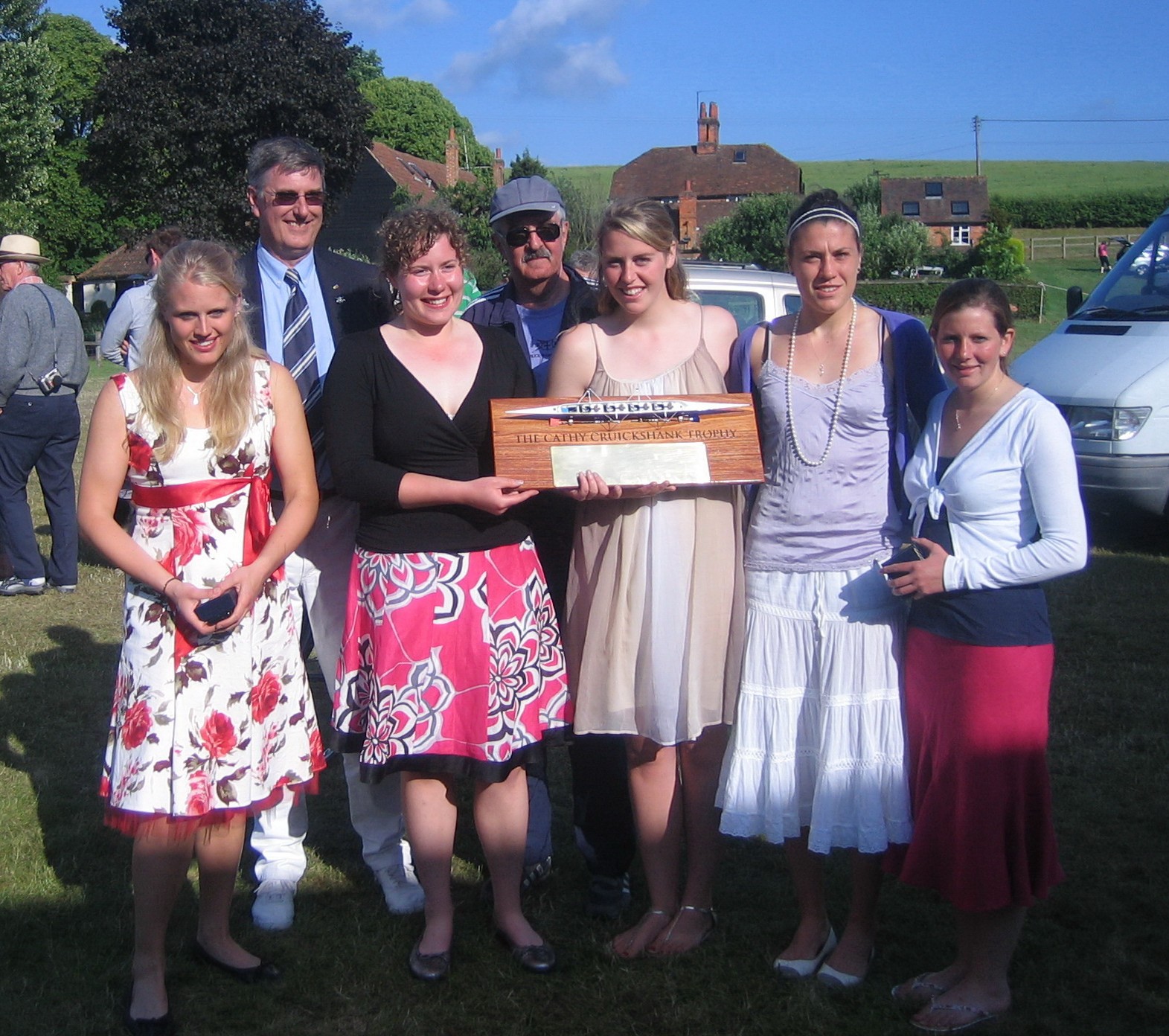
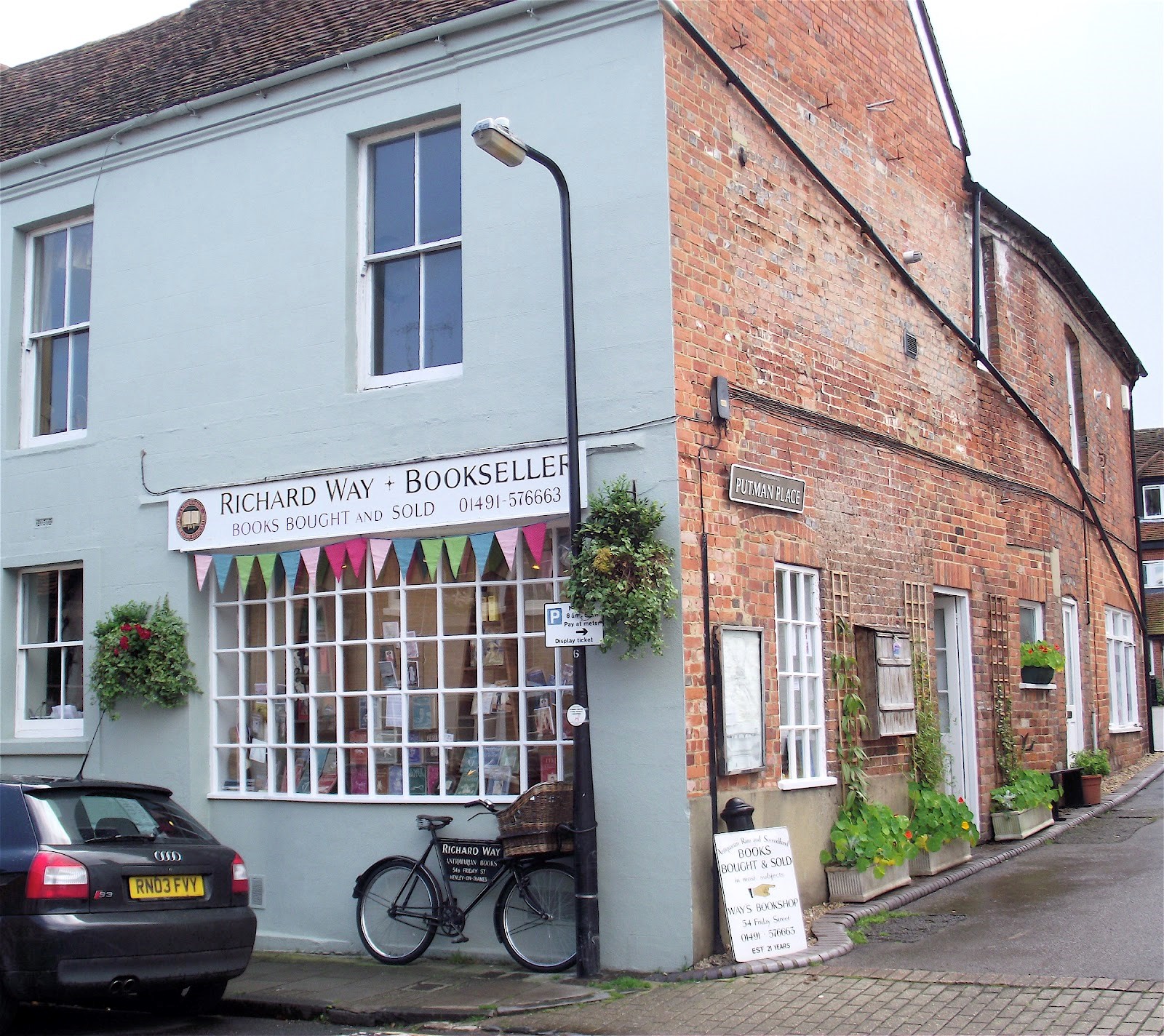
In 2009, an event occurred that completely transformed my journey as a researcher. I was working as the Head Coach for the women’s squad at Durham University Boat Club. We regularly traveled to Henley for training camps and regattas. My interest in rowing history was unexpectedly supported by our club’s Chief Coach, Wade Hall-Craggs. Despite our rather complicated relationship, he showed me the book auctions, introduced me to Diana Cook, the owner of Richard Way’s Bookshop in Henley (she and I looked at each other and realized instantly that we were colleagues…).
It was Wade Hall-Craggs who officially authorized my trip to the International Rowing History Forum as a business trip. And it was Chris who sent the invitation to participate in the conference.
As a member of British Rowing, I had free admission to the River & Rowing Museum. The conference itself was incredibly informative, packed with discussions among people who truly lived and breathed rowing history. I felt like a pioneer representing a completely different, unfamiliar world of Eastern European rowing.
An Insider’s View of the Museum
I must admit that my initial expectations of the museum were set a bit too high. By that time, I had already visited many traditional British rowing clubs and seen their “club rooms” or “historical rooms.” I was deeply moved by those living archives filled with ancient oars, vintage boat parts, faded regatta posters, and blazers worn by generations of oarsmen.
Compared to those club collections, the official rowing display at the Henley Museum felt somewhat modest. I soon realized the clever historical strategy used by Chris Dodd, who was the driving force behind the museum: the massive exhibit dedicated to the history of the River Thames itself served as a legal and administrative “cover” to rightfully collect and exhibit rowing relics. Nevertheless, it was a revelation. I even found a display dedicated to my own Durham University Rowing Club and proudly bought a commemorative booklet.
A Painful Contrast with Home
The contrast with what was happening back in my homeland was painful. In Soviet and post-Soviet Ukraine, the culture of preserving rowing history was not just ignored — it was actively destroyed. I witnessed unique artifacts that belonged in museums being ruthlessly burned down at rowing clubs during “cleanup operations”. Old coaches in Kyiv, Dnipropetrovsk and Mykolaiv, had managed to save private collections between the 1930s and 1980s, but today they are either lost or sold off to private collectors.
Nobody had ever researched Ukraine’s rowing history on an official level (I was only able to fully begin my research into the history of rowing in the Dnieper region in 2019). Against the backdrop of this cultural loss, the British reverence for historical detail felt sacred.
The Day Chris Dodd Kept the Record
The most remarkable moment happened after the conference concluded. Chris invited me to stay for an extra day, and I met him in his office at the museum. It was a very modest room: simple functional furniture, no luxury, no medals on display. The patriarch of British rowing journalism sat me down and… the entire day turned into my monologue under his dictation.
Chris questioned me about everything: my personal journey in the sport, how I coached, and the realities of rowing in Ukraine. Back in 2009, it was difficult for me to present a deep, comprehensive history of Ukrainian rowing — I only unearthed the main archives later in the 21st century. But Chris caught every single word, meticulously writing down my answers in his notepad all day long. The Western world, through him, was eagerly absorbing the experience of an Eastern European coach.
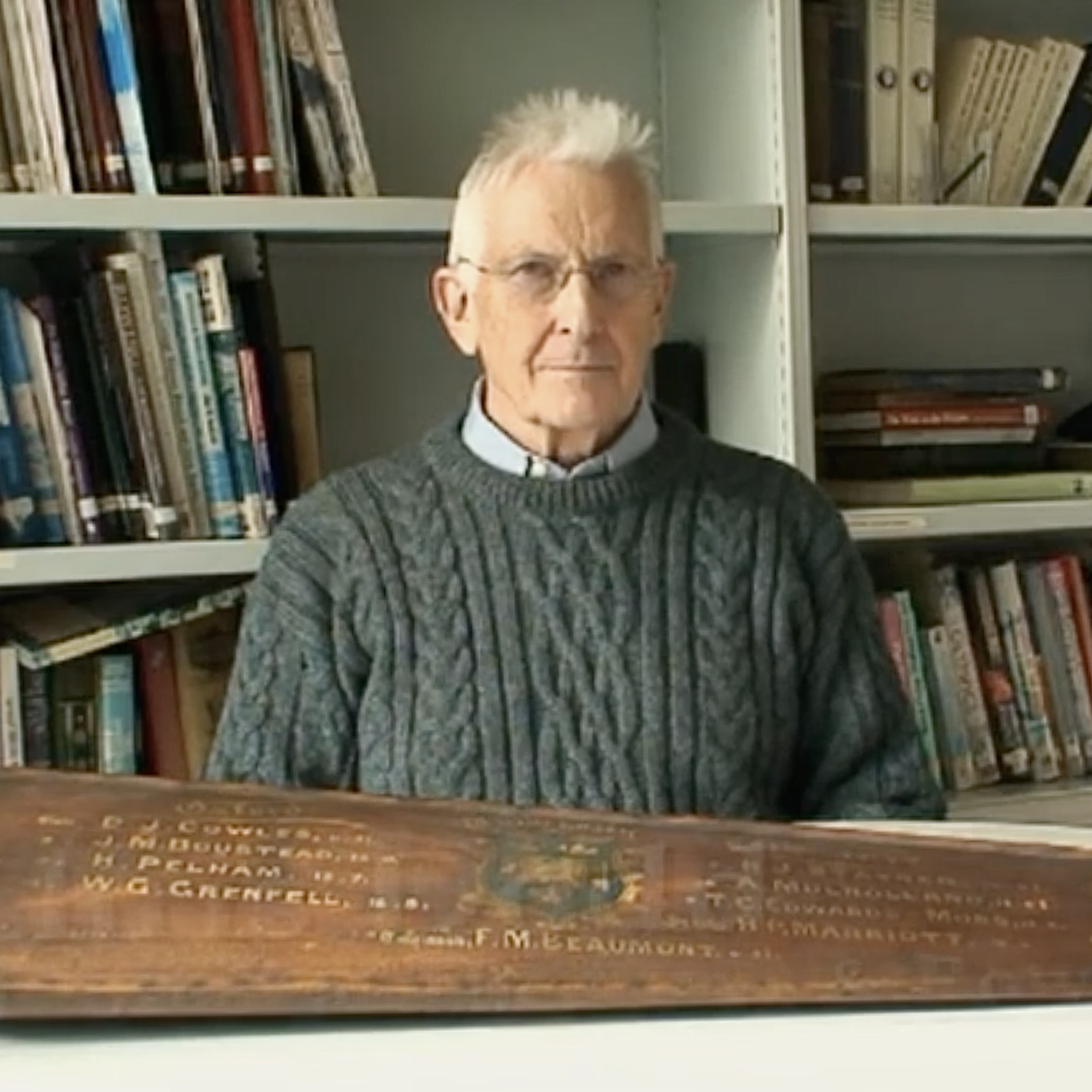
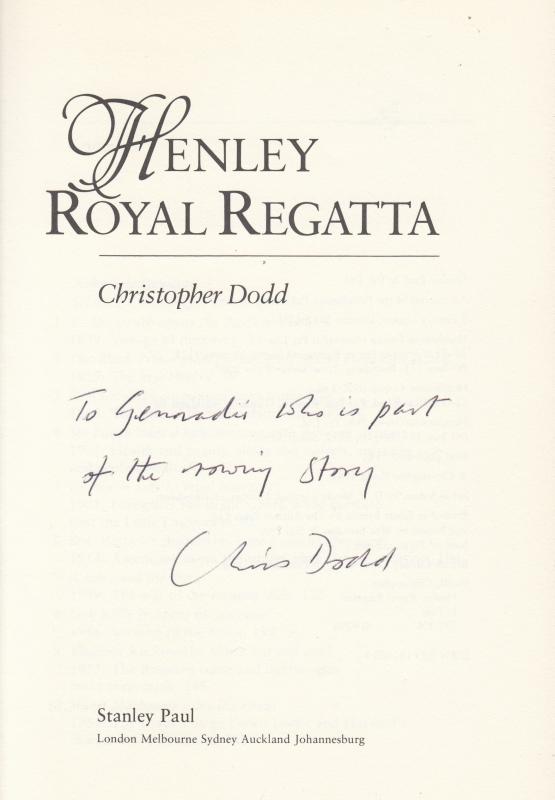
At the end of this long, warm day, Chris took his fundamental book Henley Royal Regatta and signed it for me: “To Gennadii, who is part of the rowing story — Chris Dodd.” For me, this inscription became not just a treasured autograph, but a profound validation that our efforts to preserve rowing history truly matter.
Chris and I could spend hours discussing the finer points of rowing, exchanging rare findings and archival discoveries. We were united by a shared passion for preserving the fading history of the sport, to which each of us had dedicated a significant part of our lives. Chris always remained a man of his word, a deep researcher, and a reliable ally, ready to support any worthwhile initiative.
Our last contact took place shortly before his passing. I asked for his advice on how to best and most securely preserve my long-standing collection of sports books. He confirmed receipt of my message, but, unfortunately, did not have time to reply…

