
22 October 2026
By Peter Mallory
Peter Mallory’s response to Gennadii Ochkalenko’s article on The Sport of Rowing (TSOR), which was published on 19 October.
Gennadii’s thrilling narrative of our collaboration concerning The Sport of Rowing reminds me of that saying from the classic Hollywood Western movie, The Man Who Shot Liberty Valence: “When the legend becomes fact, print the legend.” I absolutely love Gennadii’s version of the adventure we had. He makes himself the hero of his tale, and that is precisely what he was.
But in the service of history, let me provide an additional word or two of background.
I started to research TSOR without knowing a whole lot about rowing history. I was curious and hoped to learn a thing or two . . . and that I most certainly did. I started out with a few preconceptions (and more than a few misconceptions), read some books and articles, talked with a few friends and acquaintances, and constructed from scratch a preliminary rough outline that would evolve over seven long years. For each section I would write a draft, send it out to some relevant people, get feedback, incorporate that feedback, and send out another draft. Sometimes I would post drafts on www.row2k.com to elicit more responses. I did that over and over until everyone was satisfied, and then I would move on to another chapter.
By the time I ran into Gennadii in 2011, I was almost finished with rowing in most of the world, but my crude outline on Eastern Europe was still just, as Gennadii describes it, full of omissions and mistakes and misunderstandings. Why? Because no information about rowing was flowing in either direction between the Soviet sphere and the West, and very little information was available to me.
Gennadii’s dissatisfaction with my ignorance was fully justified. I recall no fighting “tooth and nail” between us. I totally agreed with him and eagerly urged him to educate me. He opened my eyes to a whole new world, and I enthusiastically wrote and rewrote the chapters on rowing behind the Iron Curtain with him looking over my metaphorical shoulder and guiding my hand. We didn’t stop until he was completely satisfied that together we had done justice to the topic. These chapters ended up among the most informative and significant of the entire book project.
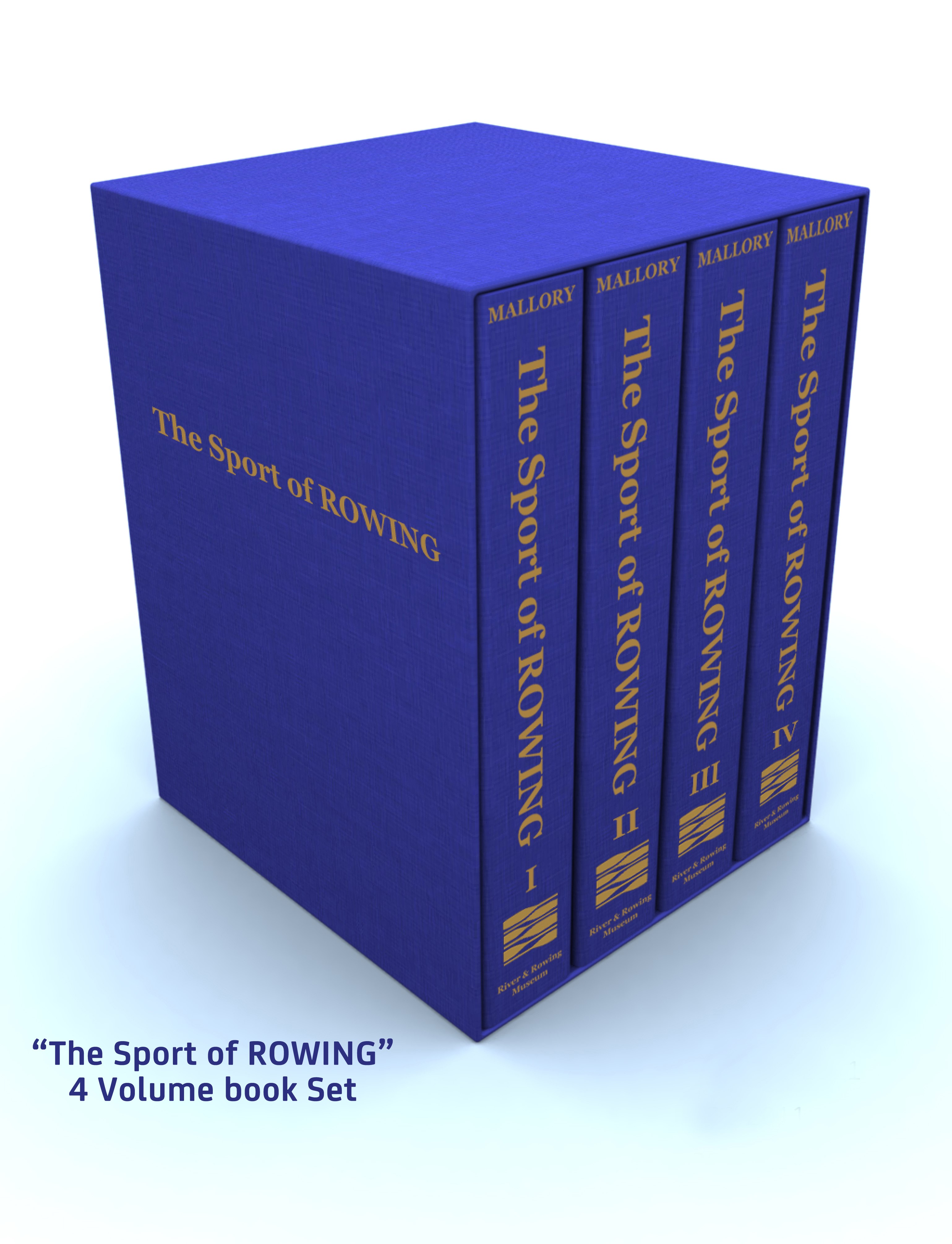
Gennadii (and Valery Kleshnev) are not the only ones who deserve all the credit for the content found in TSOR. This pattern was repeated many, many times in the 2500 pages of my book. I wasn’t making up stuff. I was publishing the wisdom I had uncovered and received from others. Perhaps my only real contribution was organizing the four volumes so the reader could see the connections between the different regions of the world and follow the evolutionary links between the different generations in our rowing history.
And I was doing my best to make sure that our history could no longer be ignored or forgotten.
Gennadii’s determination stands out in the world of rowers who are naturally very determined, and his example is worth preserving for future generations. He’s my good friend, and I worry every day as he continues to live in the war zone of Ukraine.
Along the way I have just reported the news. The real legends of rowing have been those who actually made the news. Gennadii is a true legend to me, and so I say, “Print the legend!”

