
23 April 2026
By Tim Koch
Tim Koch is inspired.
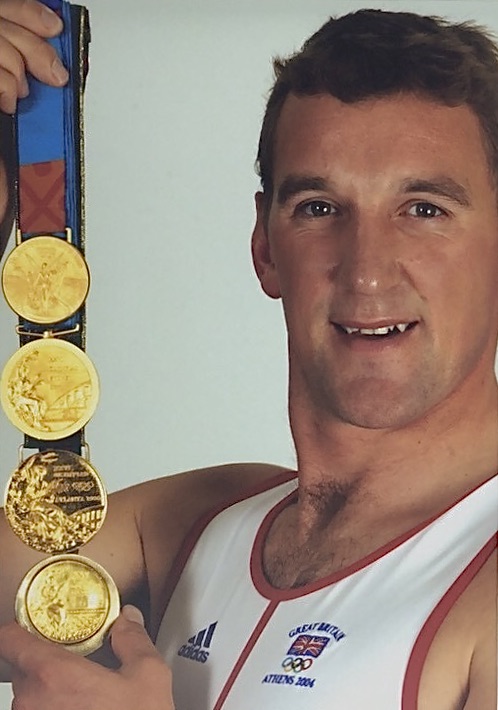
Whatever the pros and cons of YouTube algorithms (we are all susceptible to falling down rabbit holes into echo chambers), HTBS Types will not be surprised that the online video sharing platform thinks that I am interested in rowing and it recently suggested that I may wish to view a 40-minute video of Sir Matthew Pinsent, addressing a corporate conference in 2019.
While Sir Matthew is an articulate and engaging motivational speaker who has achieved what few others have in rowing, I was initially uncertain about giving up 40 minutes of my day to listen to what I feared could be some sort of trite “when the going gets tough, the tough get going” speech that sports stars typically make to conferences in order to inspire the delegates to sell more office supplies, make better investments or, in this case, promote the offshore helicopter industry.
Fortunately, I did view the video and found Sir Matthew’s talk both entertaining and informative, not least because it was done without him explicitly telling his audience what career lessons they could or should learn from his experiences, he left them to work that out for themselves. The result was something that could have been delivered to a gathering of HTBS Types and I have picked out some of my highlights.
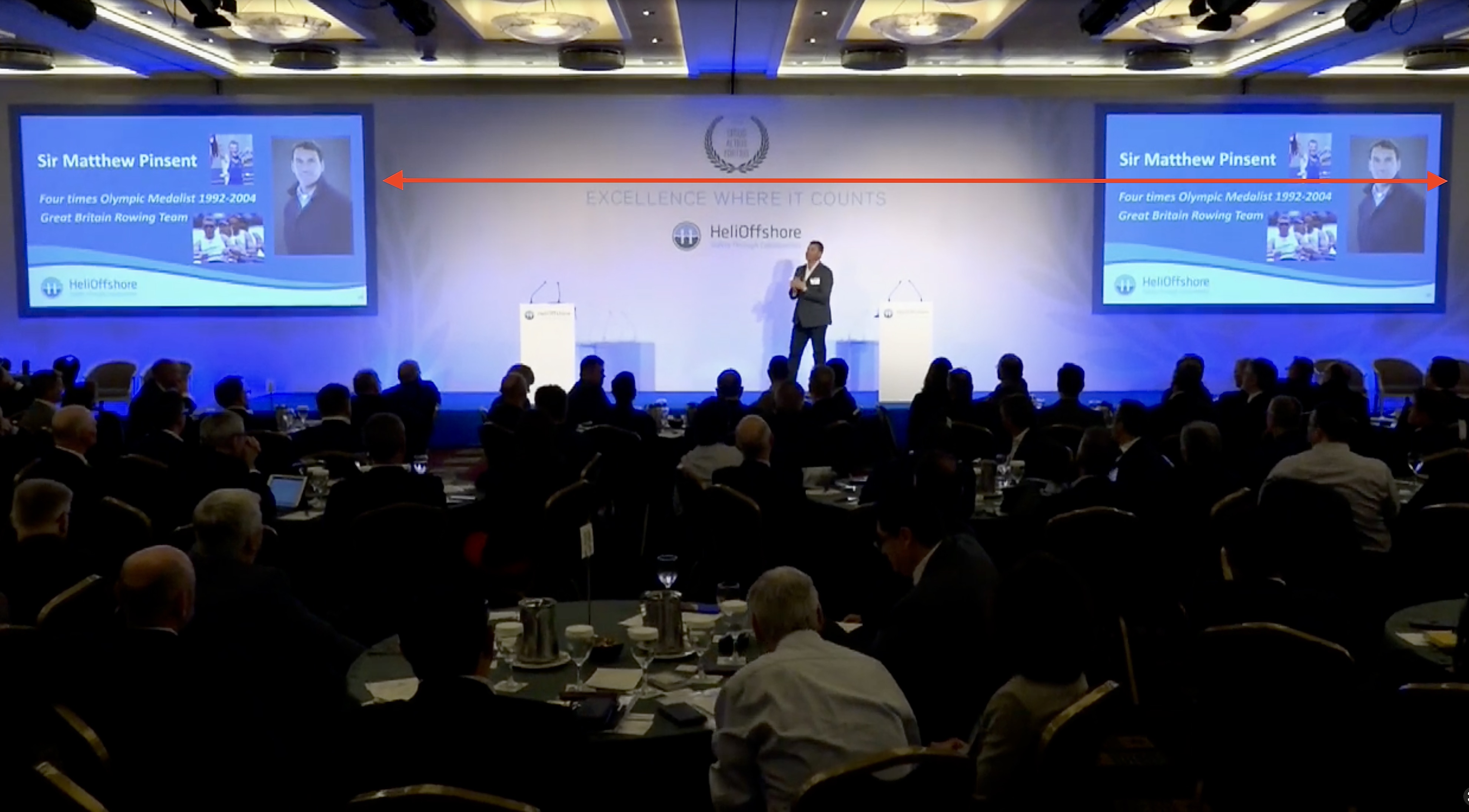
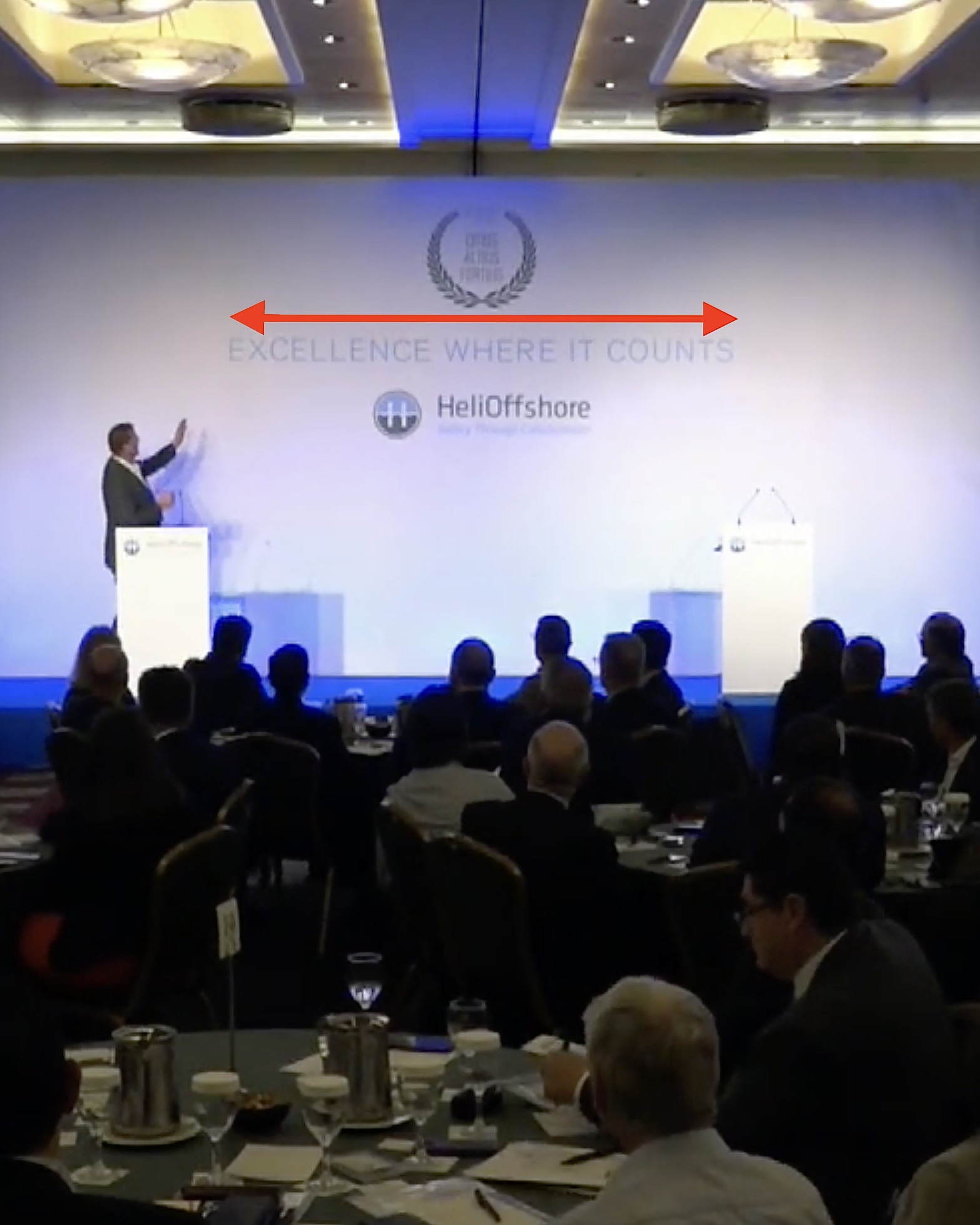
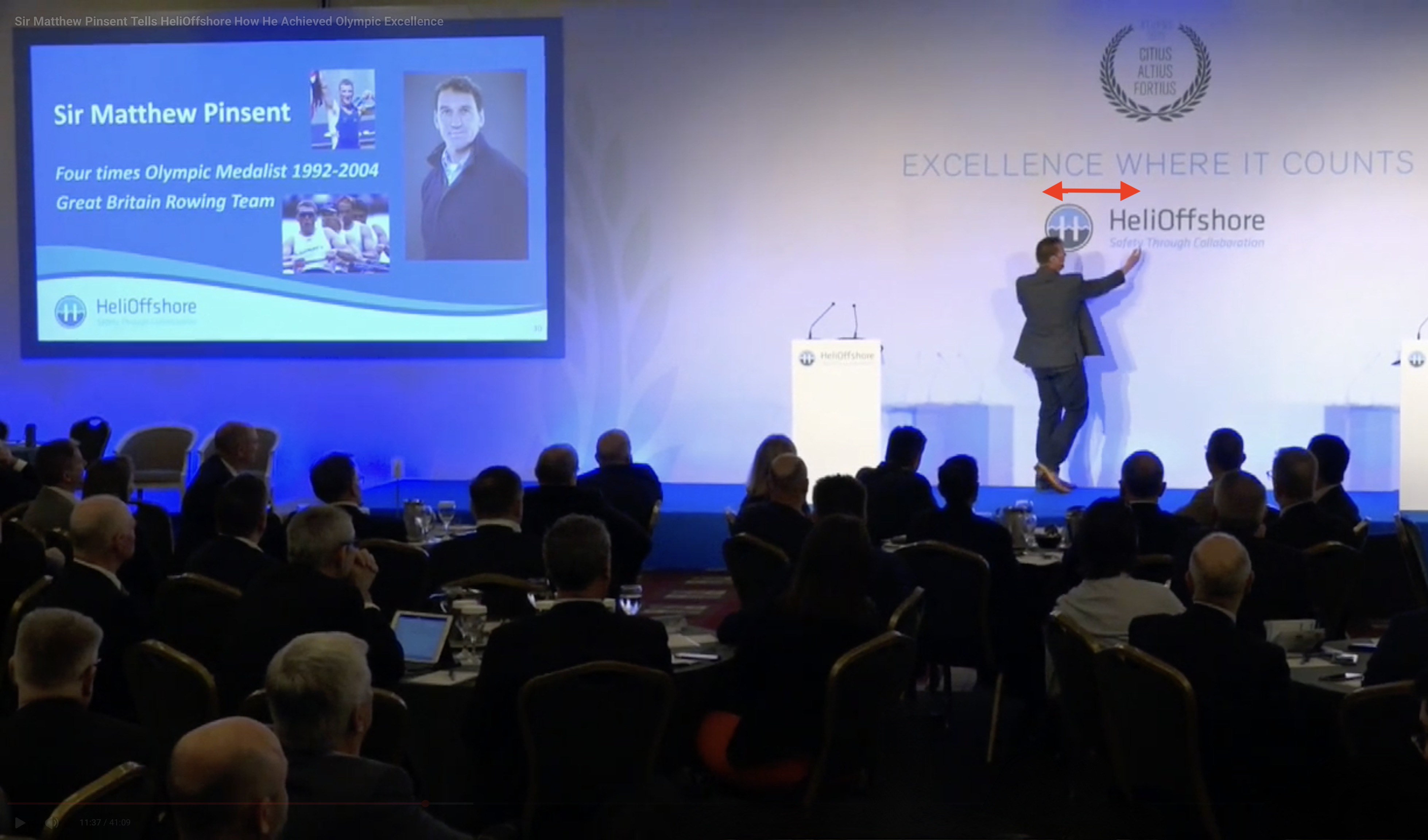
Sir Matthew began by vividly illustrating the winning margins that he achieved in his Olympic career.
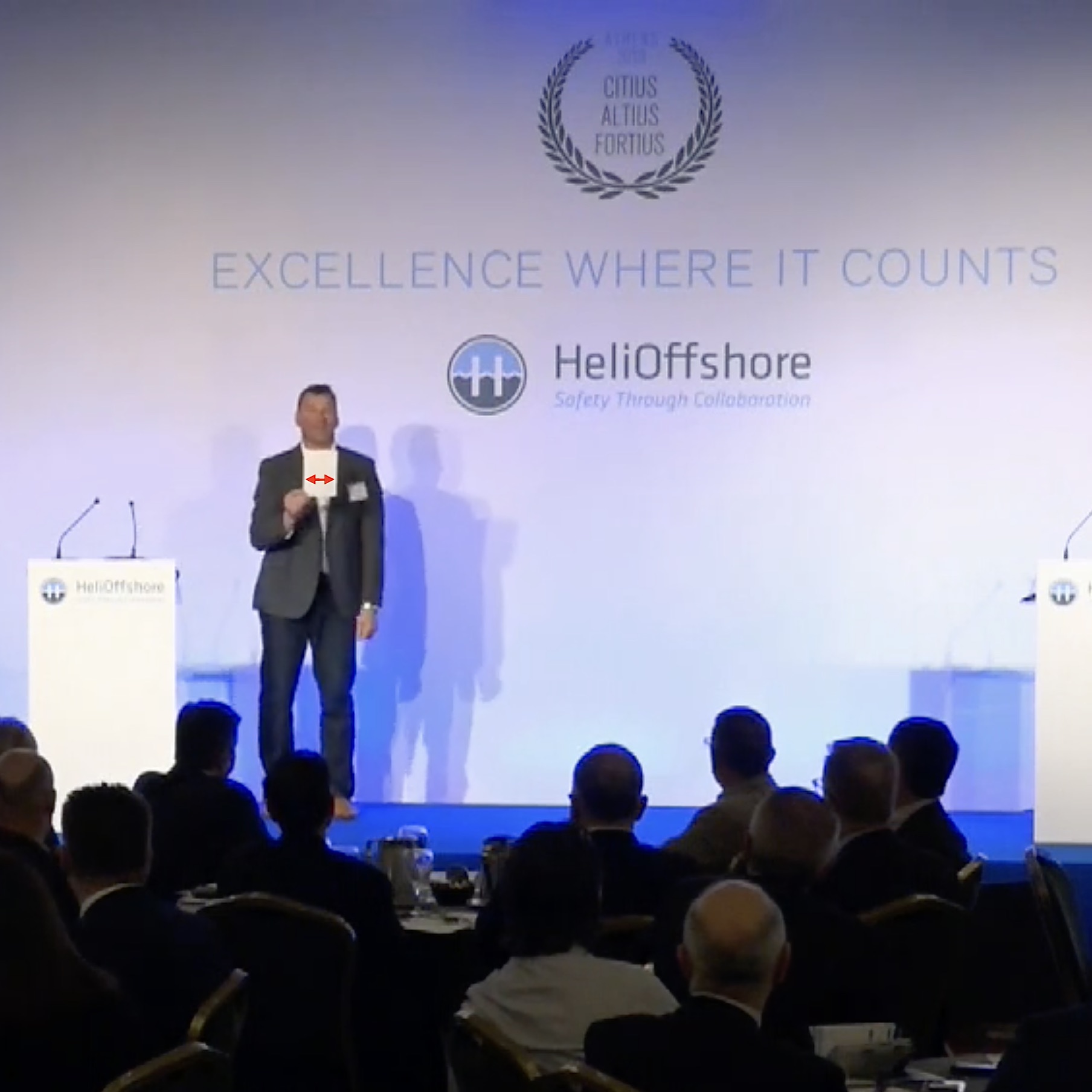
As to the lessons that he learned in a long top level rowing career, Sir Matthew said:
People say to me, you must be going back, coaching or advising or helping… Not really. (Today’s crews) are… trying to go 15 seconds faster…It is mad. If you could take our Sydney boat and turn us back into the shape… that we were on that particular day and send us out for Tokyo 2020, we would not be in the top fifteen… The crucial thing is, we knew it at the time…
My career was… a decade at the top and there was nothing that we did at the end that we did in the beginning in the same way… If I look at what the rowing team is doing now, there is nothing we did in 2004 that is relevant in 2019…
If you know that to stay at the top you are going to have to evolve, to change… pretty much everything, then the next logical step is (to ask) how are we going to change, what are we going to change and in what order…? We had a daily dialogue about what we wanted to change… We could never say, we have done enough…
Sir Matthew ended with a great story about one very late change that was made on the night before the Athens 2004 final.
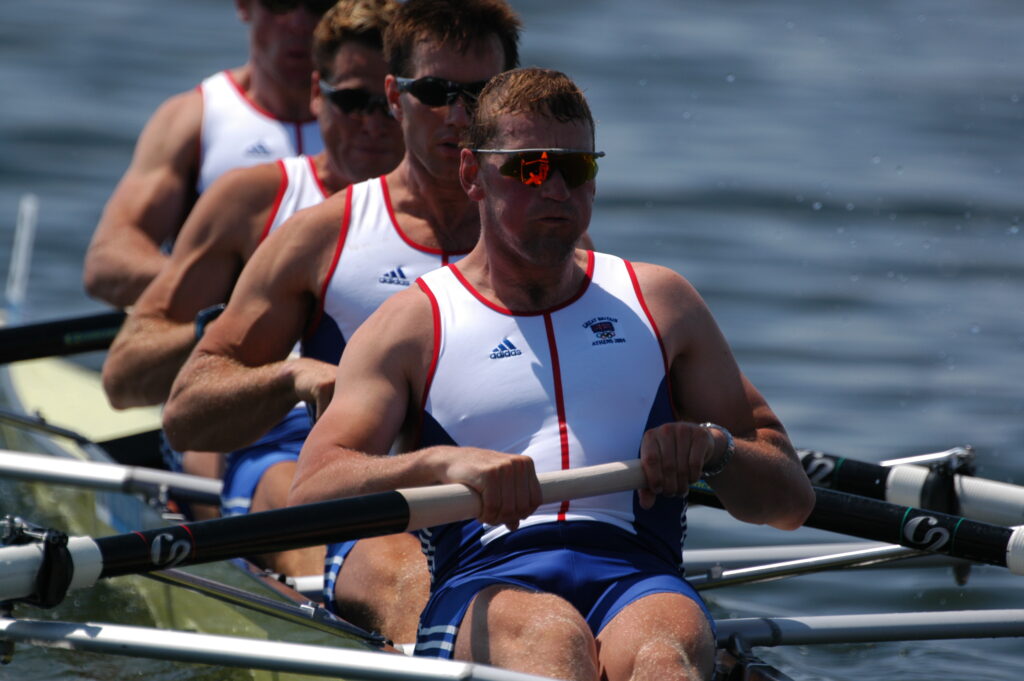
Lining up for the final, the British four in lane one had not won an event in three months and had a crew change due to injury six weeks before the Olympics. Further, the Canadians in lane two were the reigning world champions and the Italians in lane three had set that year’s best time.
Bowman Steve Williams was in charge of giving the calls in absence of a cox. The last call is usually to sprint to the finish in the last ten or fifteen strokes but “2” man James Cracknell suggested that they start the finishing sprint with thirty strokes to go, a very long way for a final exhausted effort. The thinking was that if it was a close race and the crew did a thirty-stroke sprint, counting down all the way in their heads, they could overtake the Canadians or Italians if they were leading. This was agreed.
During the race, the lead kept changing between the British and the Canadians. Approaching the finish, the Canadians were slightly ahead when Matthew at stroke heard the call for the last thirty – he sprinted and started counting down.
The Brits drew level and then started to move ahead. Matthew tells his audience that by the time he started counting down the last ten strokes their lead was about the distance between the two lecterns on the stage and he was confident of victory.
Unfortunately, when the countdown finished, the race had not. Instead of calling the last thirty at 300 metres, Steve Williams had called it at 410 metres, not wanting the Canadians to increase their canvas lead.
In his mind, Matthew felt that he could not row another 110 metres and thought about stopping before the finish. However, he told the audience he would not stop while they were still ahead of the Canadians as that would look really bad on TV (audience laughter). In less than ten strokes after the thirty-stroke sprint ended, the Canadians came back to draw level.
Matthew and the Canadian stroke, Barney Williams, then made eye contact and they later found out that at that moment they both thought the same thing: We are going to win because he looks terrible.
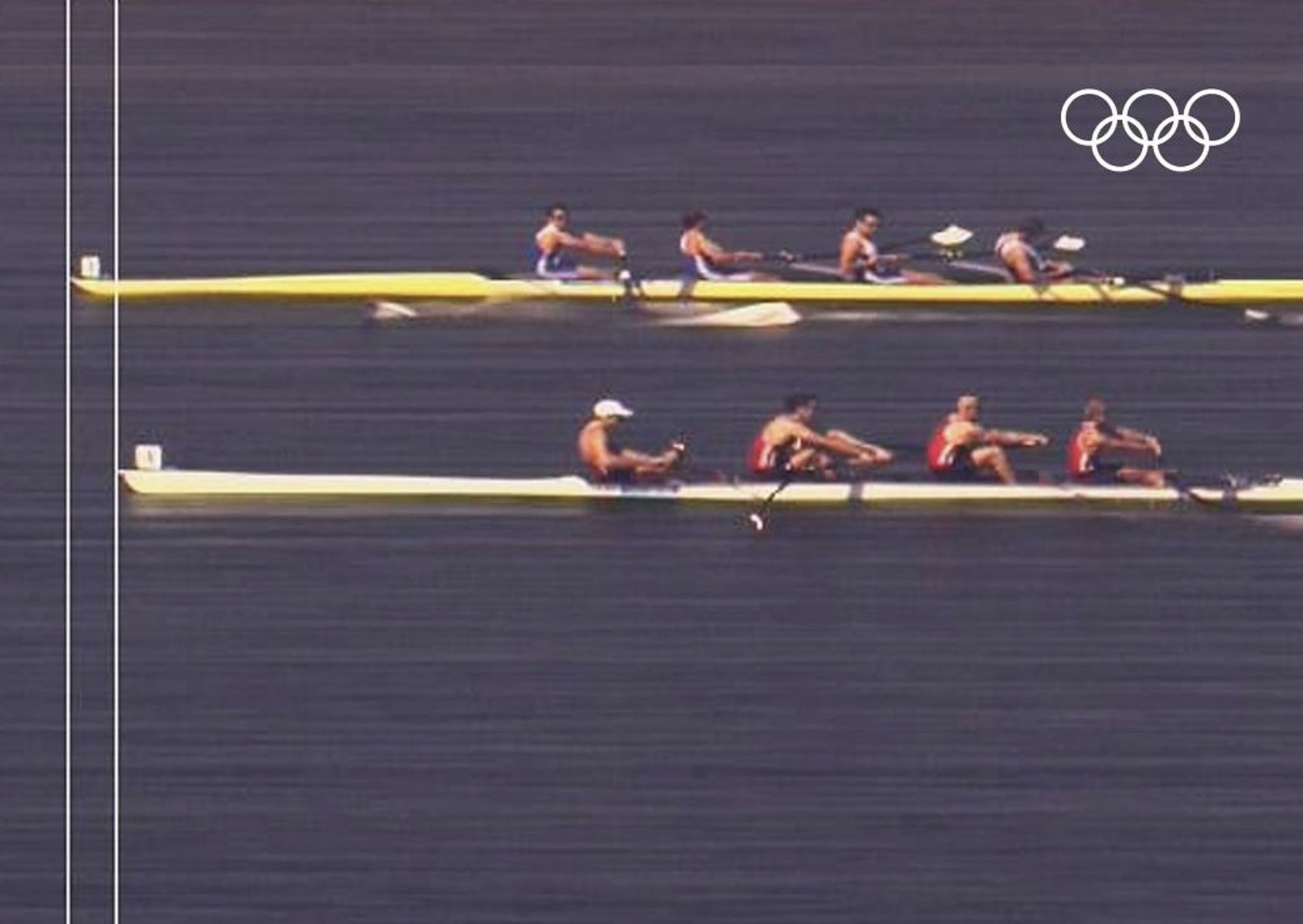
The final result indicates that Williams and his crew were 8/100 more terrible than Pinsent and his crew. In this case it would almost be forgivable to use the hackneyed phrase referencing the fact that, when the going gets tough, the tough do indeed get going. Or at least, they keep going.


Great article. Great way to start my day. Thank you.
He is a true Olympian, in stature and in manner. A deep passion for the Sport and an easy manner of demonstrating what it takes to win.