
10 October 2024
By Chris Dodd
News Fit To Print, my new book, is set amongst journalists during the American Civil War and dedicated to a Bill and two Toms.
Forty years ago, Bill Miller invited me to his house in Duxbury, Massachusetts, and shared his comprehensive library and collection of rowing artefacts. Professor Tom Mendenhall introduced me to Goodspeed’s bookshop and the Brattle Book Shop in Boston, and to the Argosy print shop in New York, as well as sharing dozens of stories over long lunches in Boston and his home on Martha’s Vineyard. At the Vineyard the favourite radio program was the Lake Wobegon Home Companion.
And the third American to inspire my interest in American history and US rowing history was Tom Weil who entertained me at his home near Washington DC where the guest room was filled with newspaper stories, prints, magazines and books concerned with the art and science of moving boats by oars.
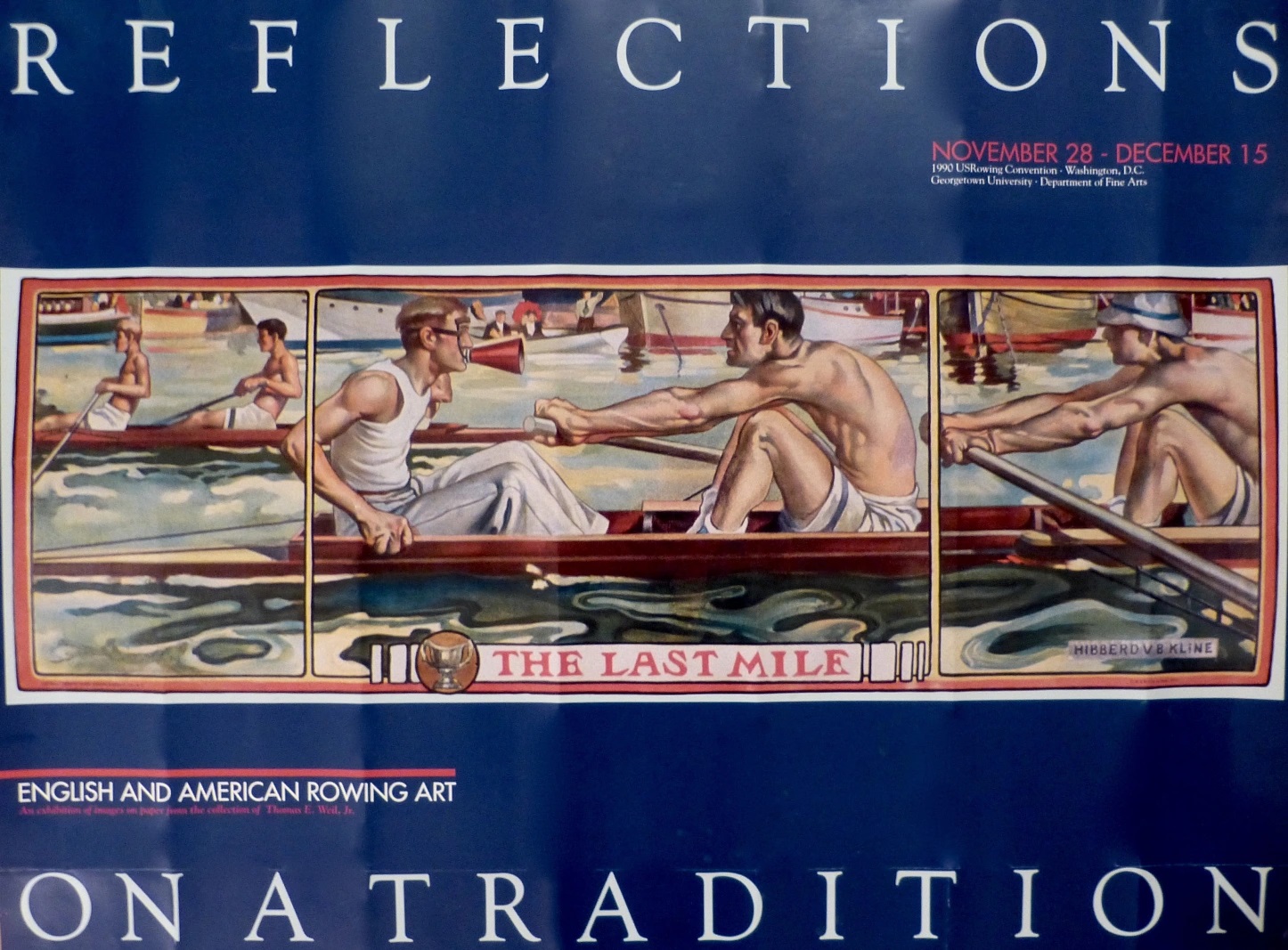
These friendships stemmed from the 1980s when I visited an exhibition about the history of rowing at the Olympic Games in Los Angeles and was fired with the idea of founding a museum devoted to rowing in Henley-on-Thames. Most of the art and pictures on display at UC Santa Barbara’s gallery were loaned by Weil, and the curator, David Farmer, a former Columbia oarsman, did an excellent job by designing a fascinating exhibition that attracted many visitors.
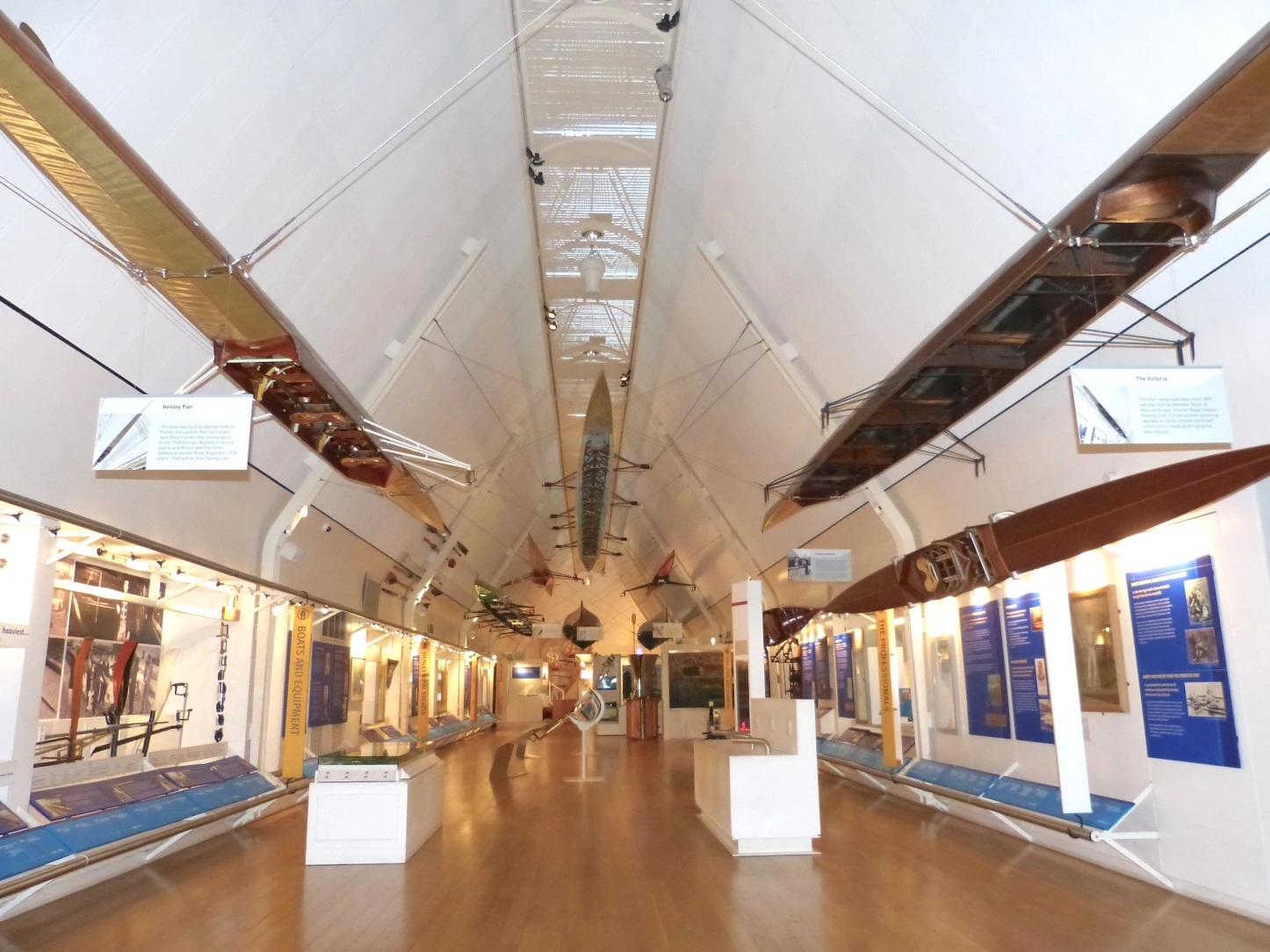
What followed was several years of gestation in pubs back in London until a committee of rowing history nutters got together and set up the River & Rowing Museum in Henley (RRM) in a beautiful modernist building designed by David (now Sir David) Chipperfield and sponsored by the financier Martyn (now Sir Martyn) Arbib and opened by Queen Elizabeth II in 1989.
Meanwhile, Messrs Mendenhall, Miller and Weil set up the Friends of Rowing History and established a relationship with Mystic Seaport Museum in Connecticut. They organised exhibitions and weekend symposia where a medley of rowers turned out to eat chowder in the Mystic Inn and hear talks on aspects of their sport. When the RRM opened, the British wing of the Friends of Rowing History organised similar events in Henley, and Tom Weil played a major role in the project. Tom was an entertaining lecturer, storyteller, cataloguer and exhibition organiser, and he served as a trustee of the RRM for 25 years. He donated many objects from his collection to the institution.
Tom’s talents combined with his legal life at Skadden, Arps, Slate, Meagre, & Flo to produce wonderful articles and esoteric books, including Beauty and the Boats and major contributions to the history of Yale’s lightweights, a volume that he edited.
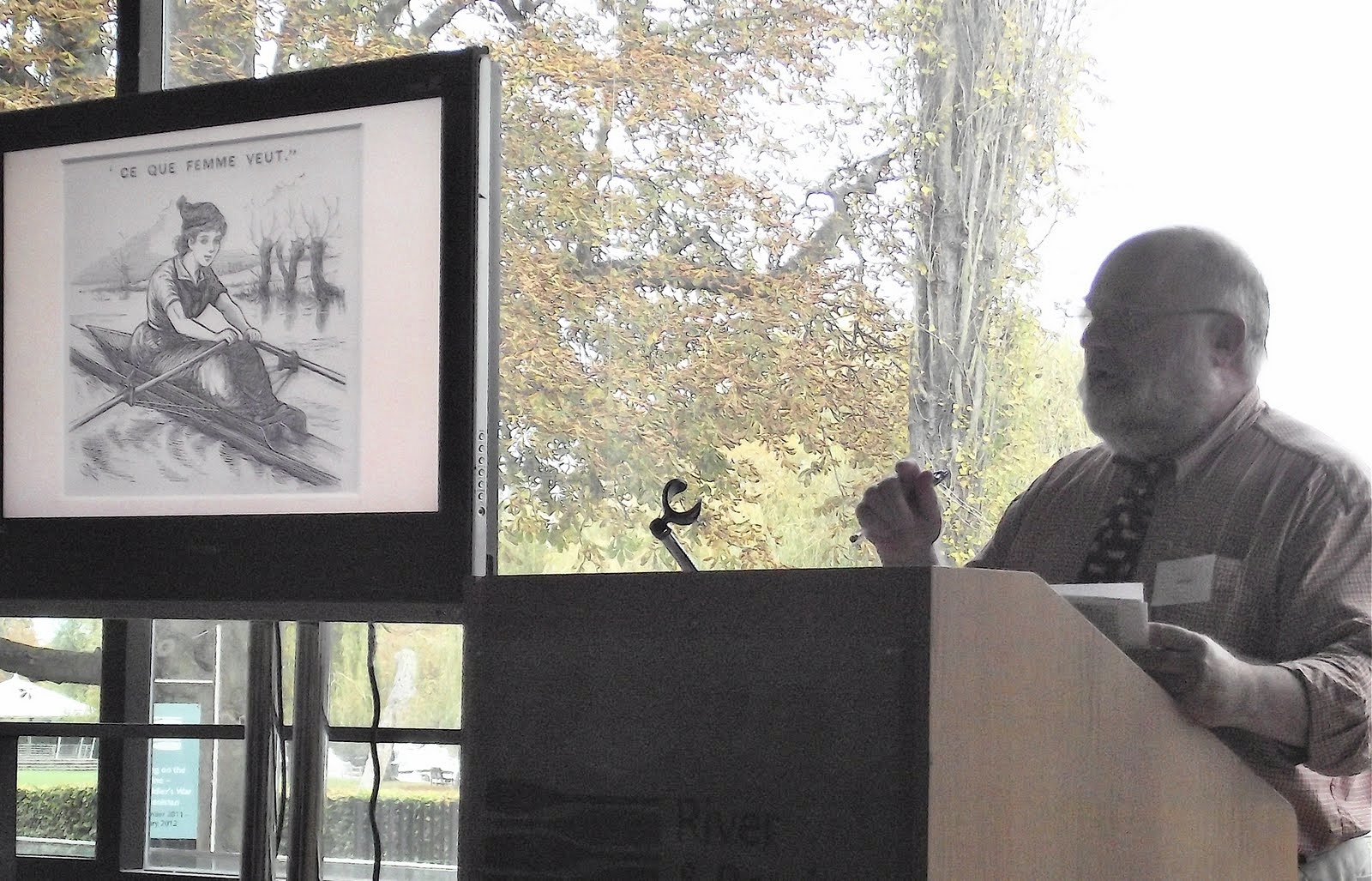
Tom was born to an American father and Kiwi mother in Kabul, raised in countries such as Turkey and Japan according to his dad’s diplomatic postings; schooled at Andover, Yale and Henley-on-Thames, discovered Marmite in Henley and sporting prints after defeat at the regatta freed him to take the train to London to empty his pockets in his discovery, the Parker Gallery. Thus began the greatest rowing collection in the life of the sport.
Tom often took the red eye between the US and the UK with cabin baggage crammed with oar, scull and rudder info, and when crossing the ocean west-to-east, large pots of Marmite. His humour and companionship were great and constant and many episodes of his life may be found by searching HTBS, Wikipedia, Yale, Mystic or RRM.
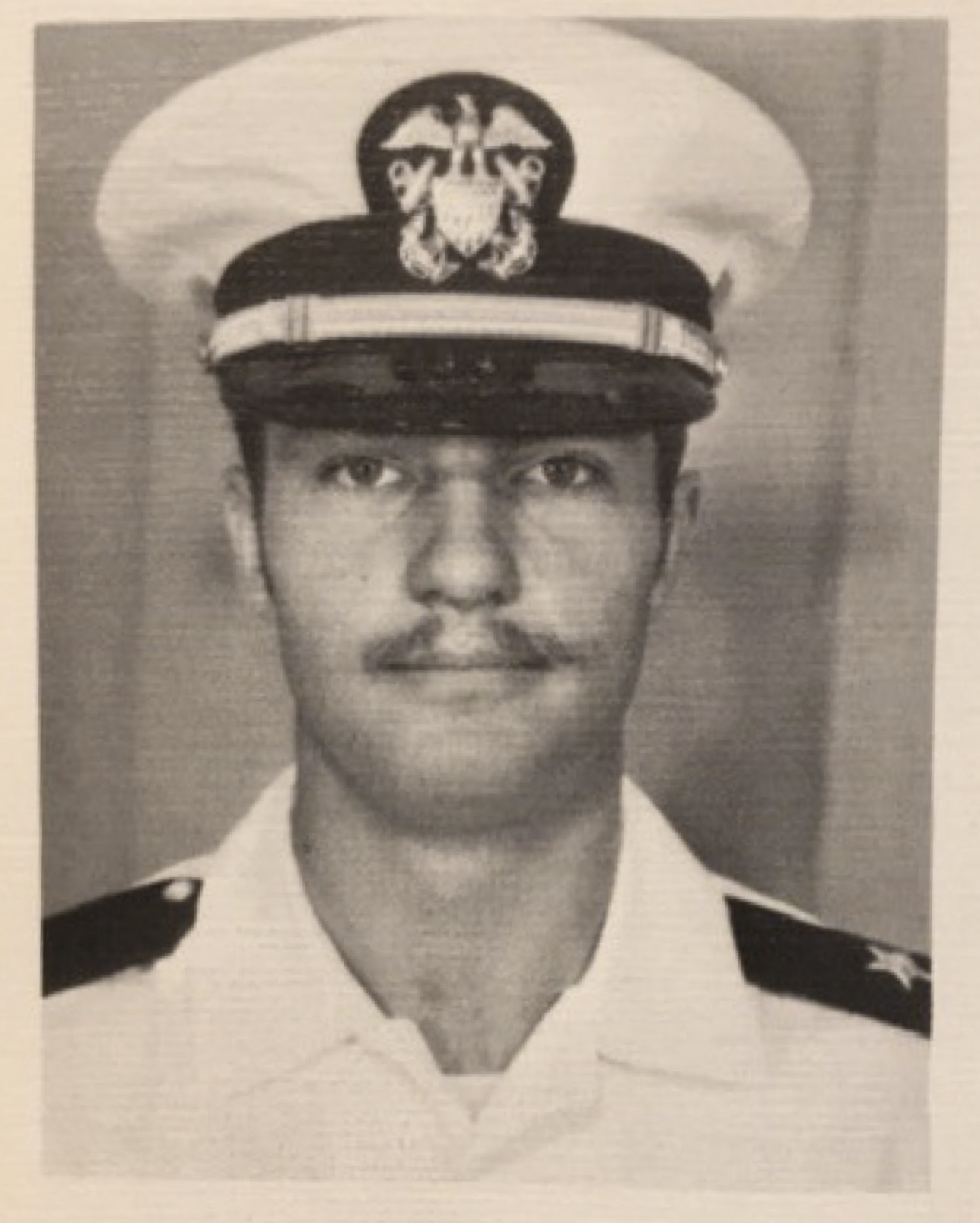
Here is a tribute that I wish I had written:
‘With great admiration for your leadership and contributions to the world of rowing history, and the deepest gratitude for decades of a very special friendship.’
This describes Tom to a T, but in fact it was written by him and sent to a friend in 2023 from Lieutenant T. Weil on a US Navy Special Projects Officer faded memo pad. This is Tom with humour, gracefulness, loyalty and intelligence eternal.
For rowing, for history, for YALE!

