This website covers all aspects of the rich history of rowing, as a sport, culture phenomena, a life style, and a necessary element to keep your wit and stay sane.
Jack Beresford: Serving Britain In War And In Peace 1917 – 1977
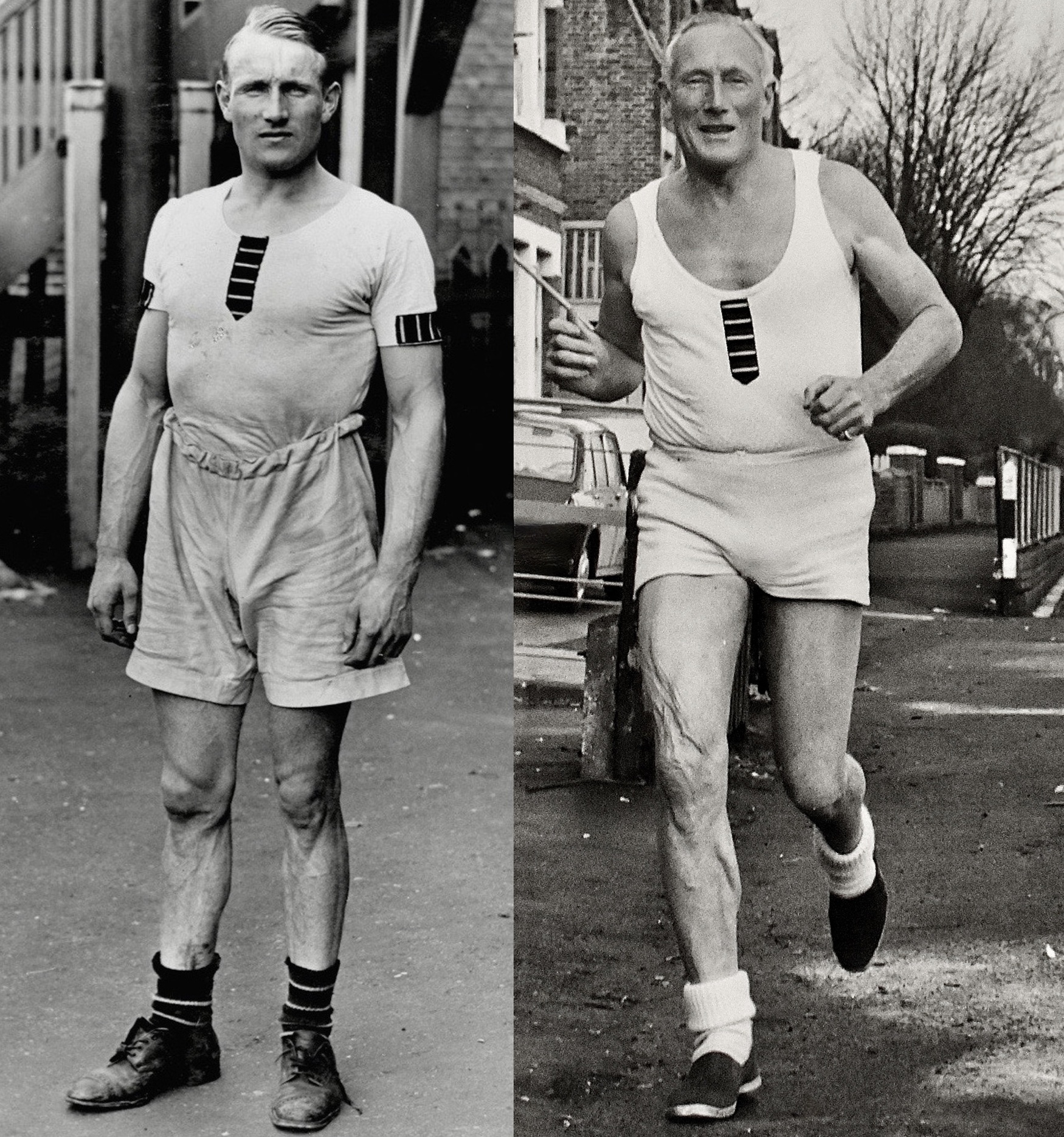
Jack Beresford pictured in the mid-1920s and in the mid-1960s showing that he kept himself fit all his life.
2 January 2026
By Tim Koch
Tim Koch concludes his study of Jack Beresford’s personal photo albums with an eclectic selection of pictures from a full life.
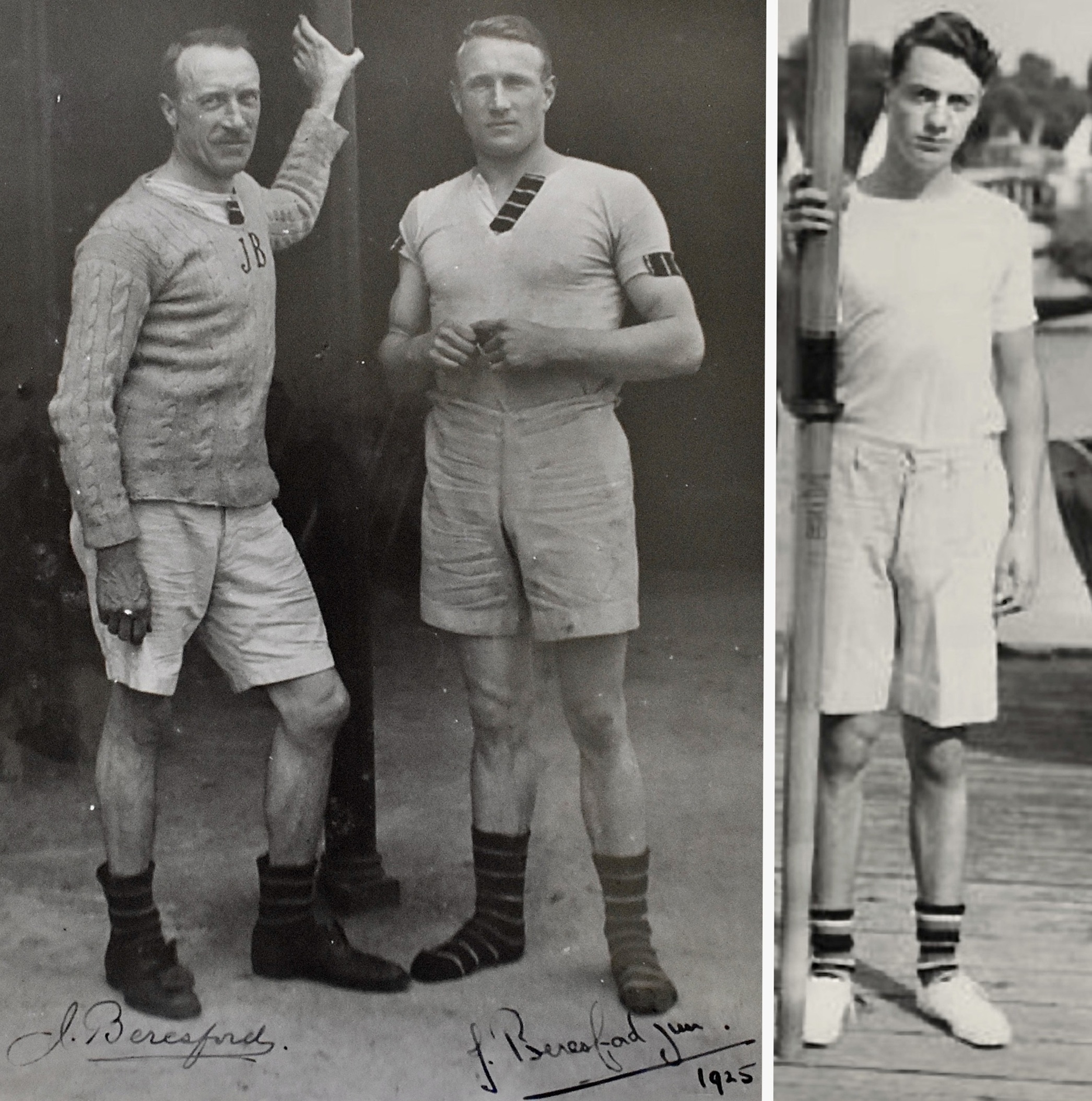
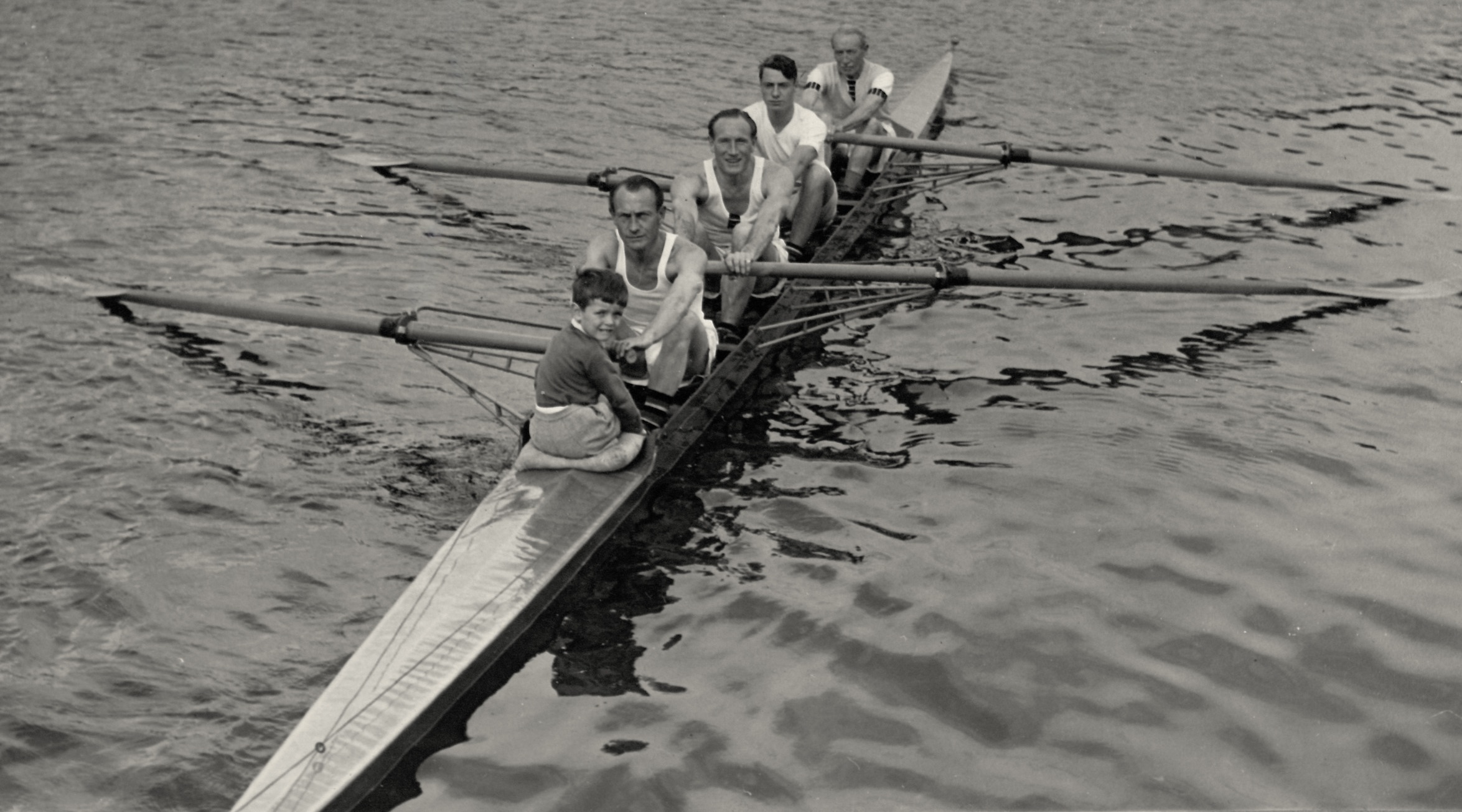
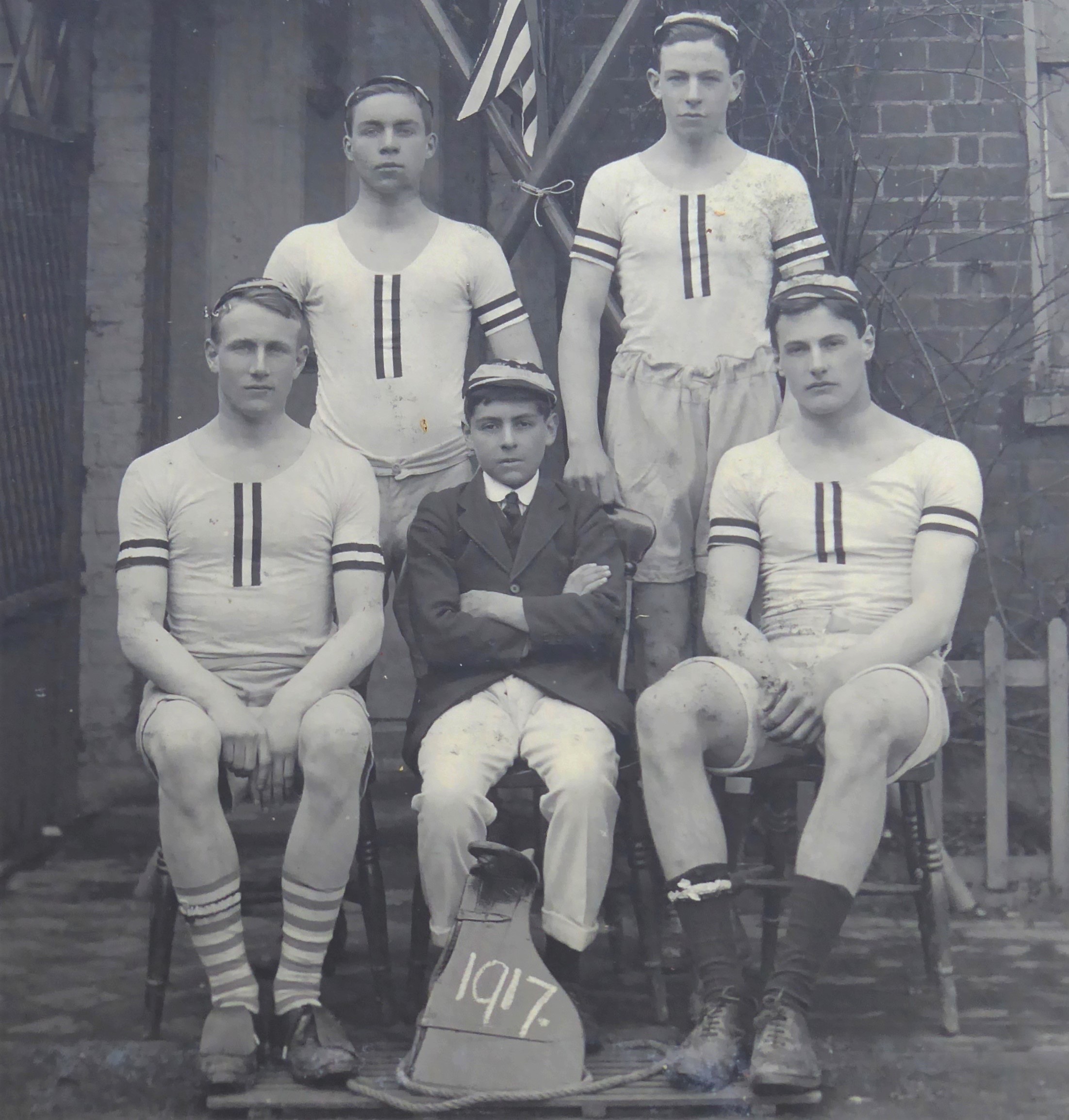
Julius (“Berry”) Beresford won silver in the coxed four at the 1912 Stockholm Games. His son, Jack, won medals at five Olympics, 1920-1936. In 1960, Jack’s nephew, (John) Michael Beresford, came fifth in the coxless fours at the Rome Olympics. Thus, the Beresfords were the first British family to have three generations represent them at the Olympic Games.Four generations of Beresfords in a coxless four (with cox) at Henley in 1950. Cox, John (Jack’s son); stroke Eric (Jack’s brother); “3” Jack; “2” Michael (Jack’s nephew) and bow Julius “Berry” (Jack’s father). Crescent House Rowing IV, Bedford School, 1917. Beresford was captain of the school First VIII.
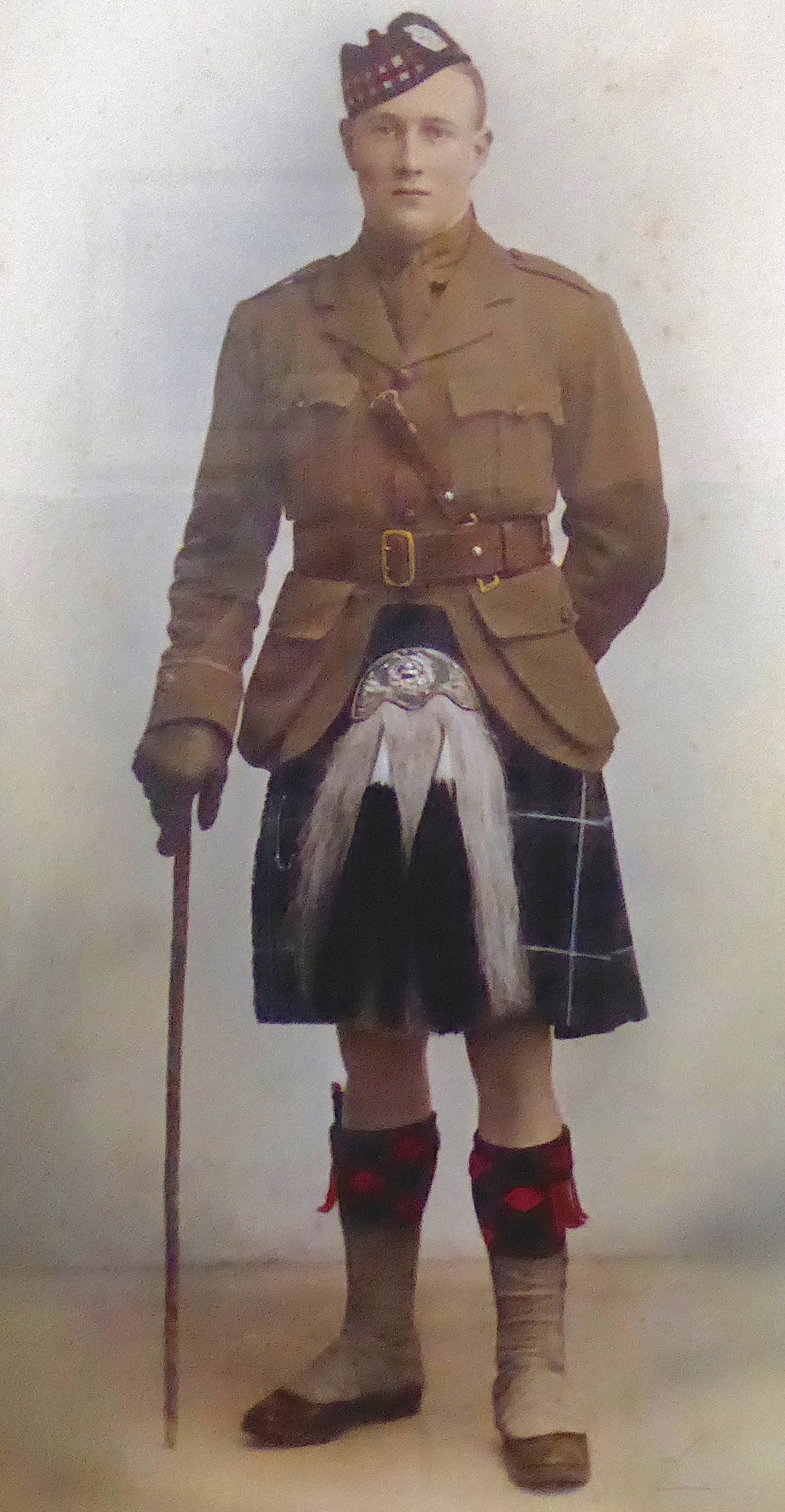
2nd Lt J Beresford, The King’s Liverpool Scottish, November 1917.
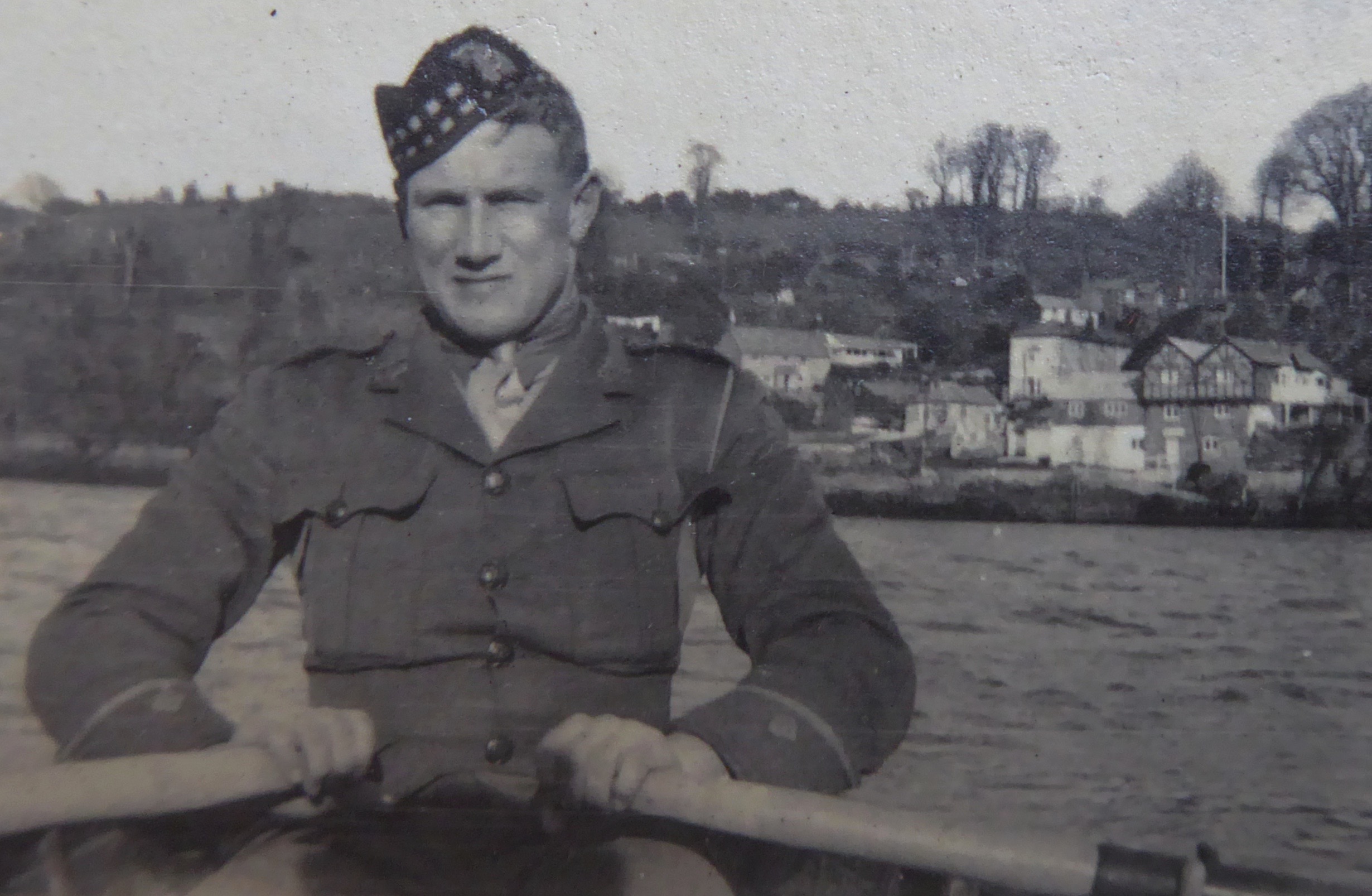
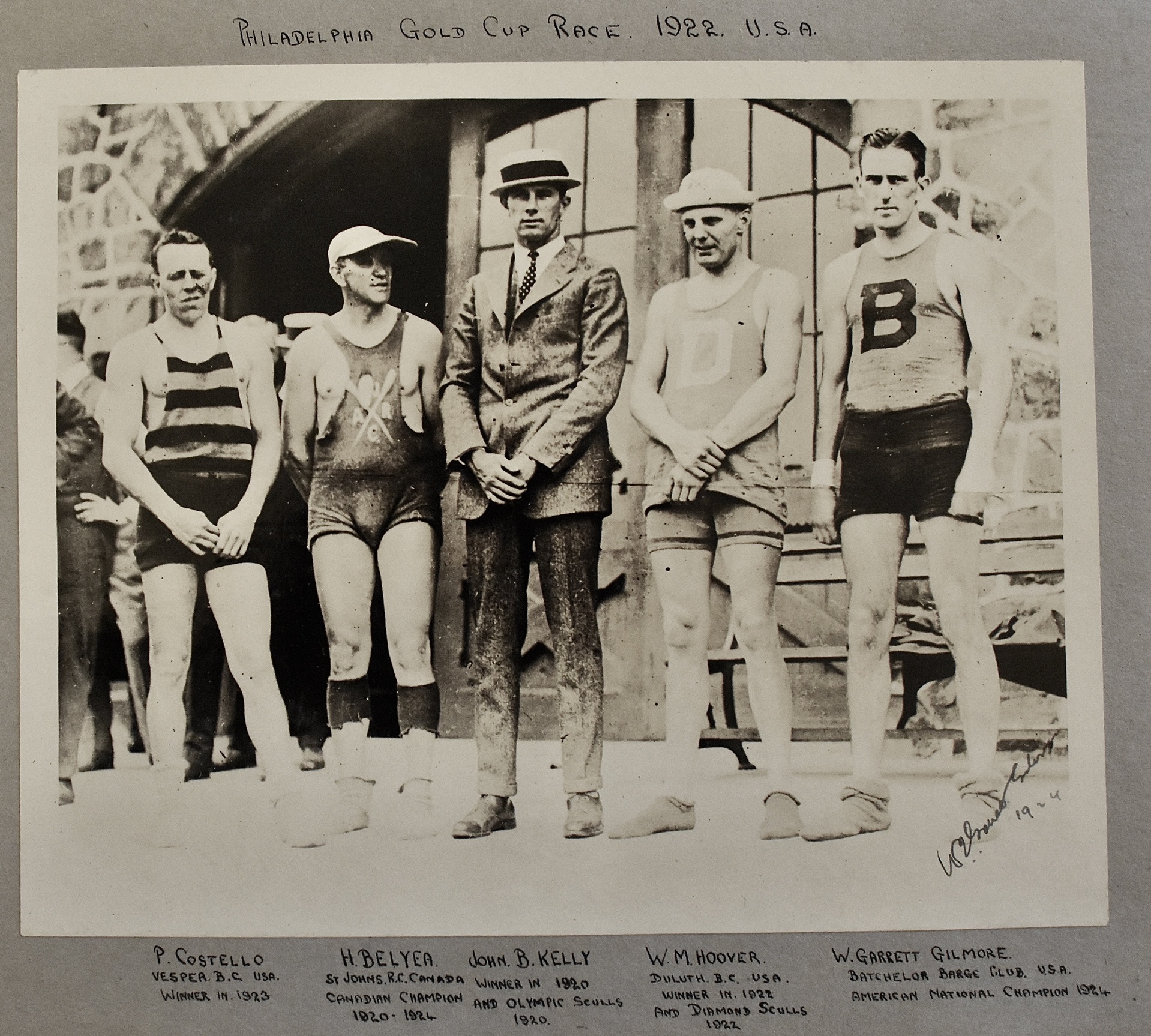
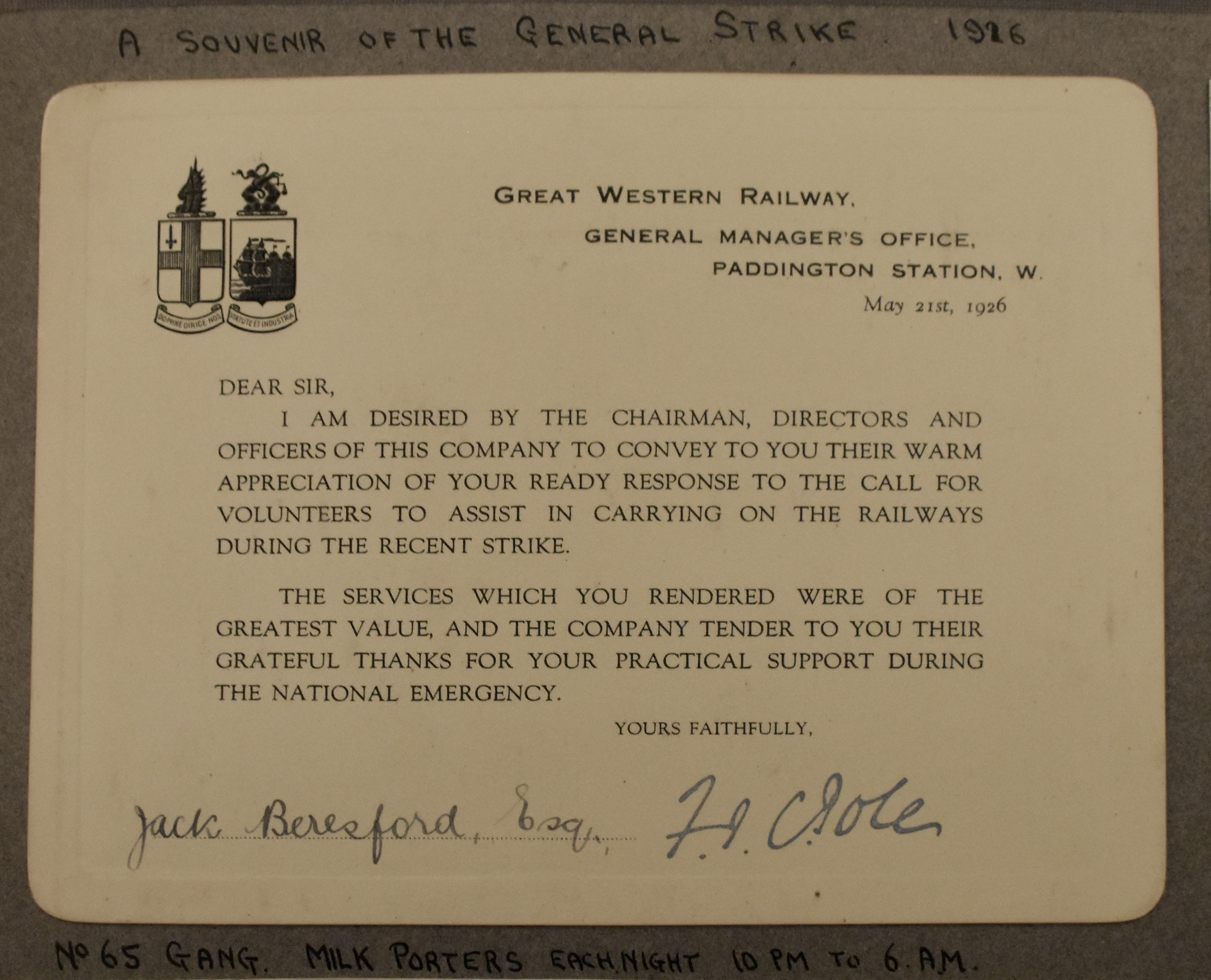
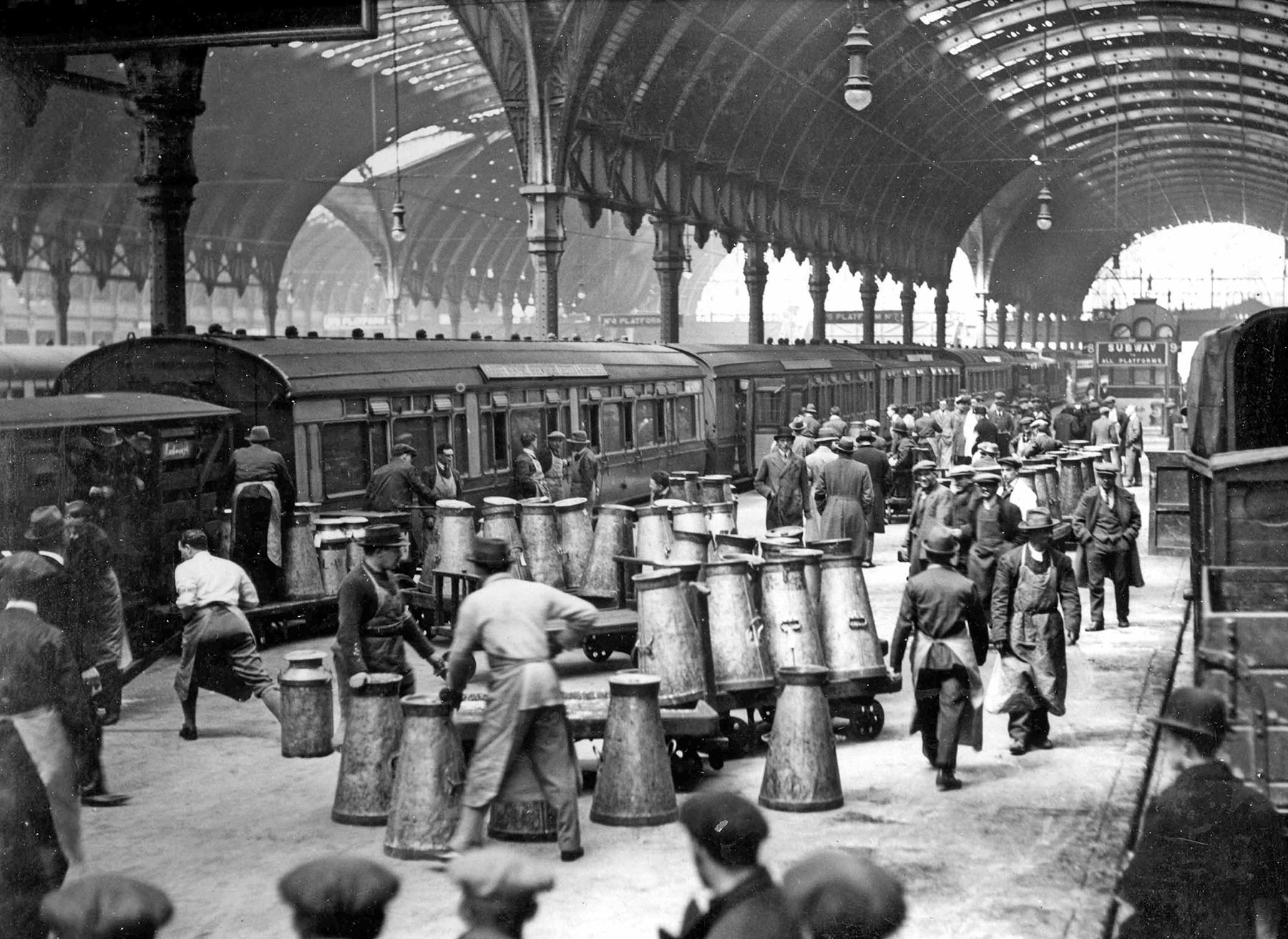
Jack rowing at Fowey, Cornwall, during his recovery from a bullet wound to the leg, 1919.Jack did not take part in the 1922 Philadelphia Gold Cup, but he had this picture of those who did – signed by the winner, Walter Hoover.Jack notes that during the General Strike, 4-12 May 1926, he was a volunteer maintaining “essential services” with the “Number 65 Gang” unloading milk churns at Paddington Railway Station during the night shift, 10pm to 6am.Jack may have responded to a poster like this one in Oxford which stressed that “Men and women are recruited… solely in the interests of the COMMUNITY and NOT to act as strike breakers…” Some must have volunteered on these terms, some no doubt actually wanted to break the strike.Not from the Beresford archive but this picture shows volunteers unloading milk churns at Paddington Station during the General Strike. It must have been heavy and unglamorous work, particularly at night.
In the 1920s, Jack received the ultimate accolade for a sportsman at the time when he appeared on several versions of the collectable cards that were commonly given away in cigarette packets.
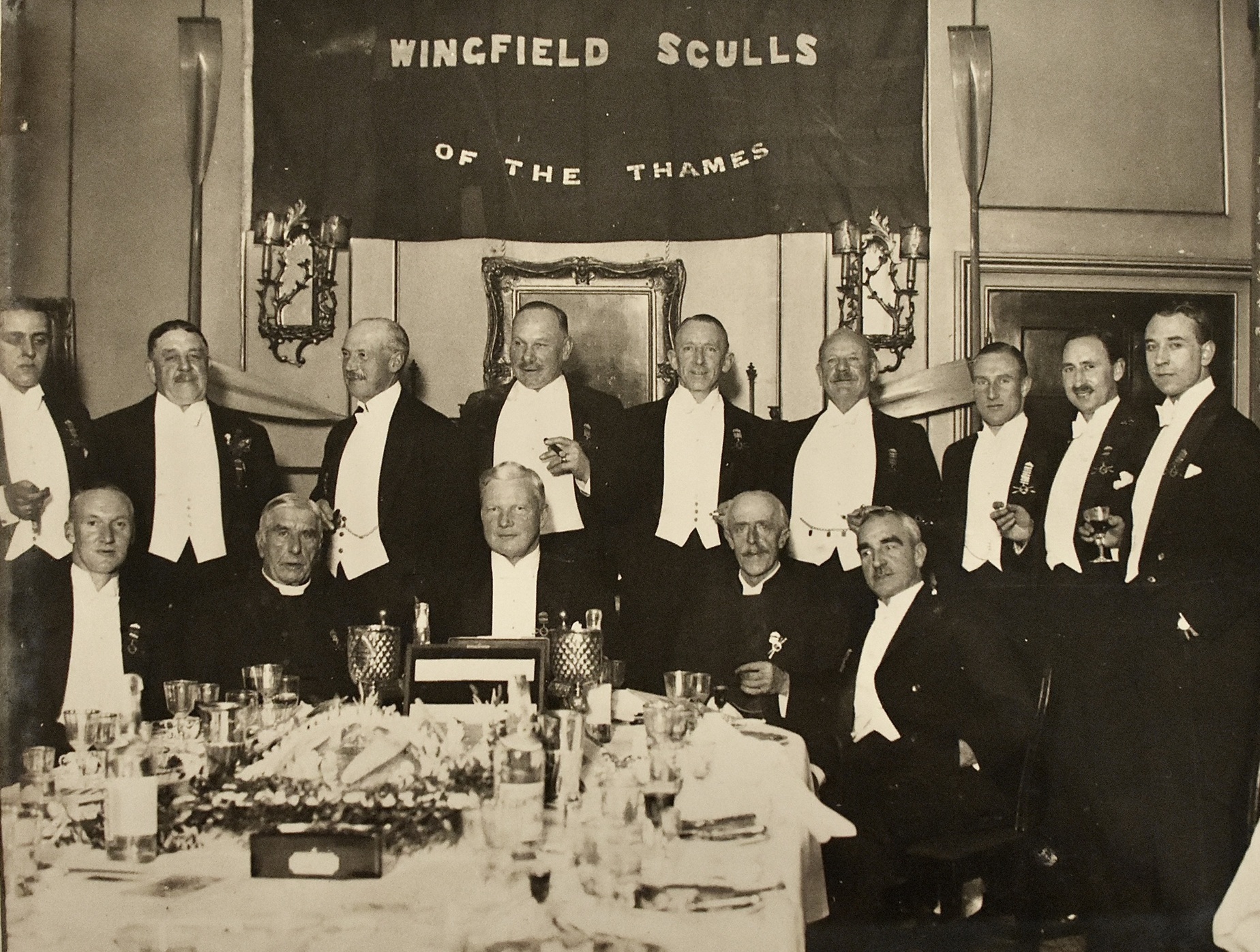
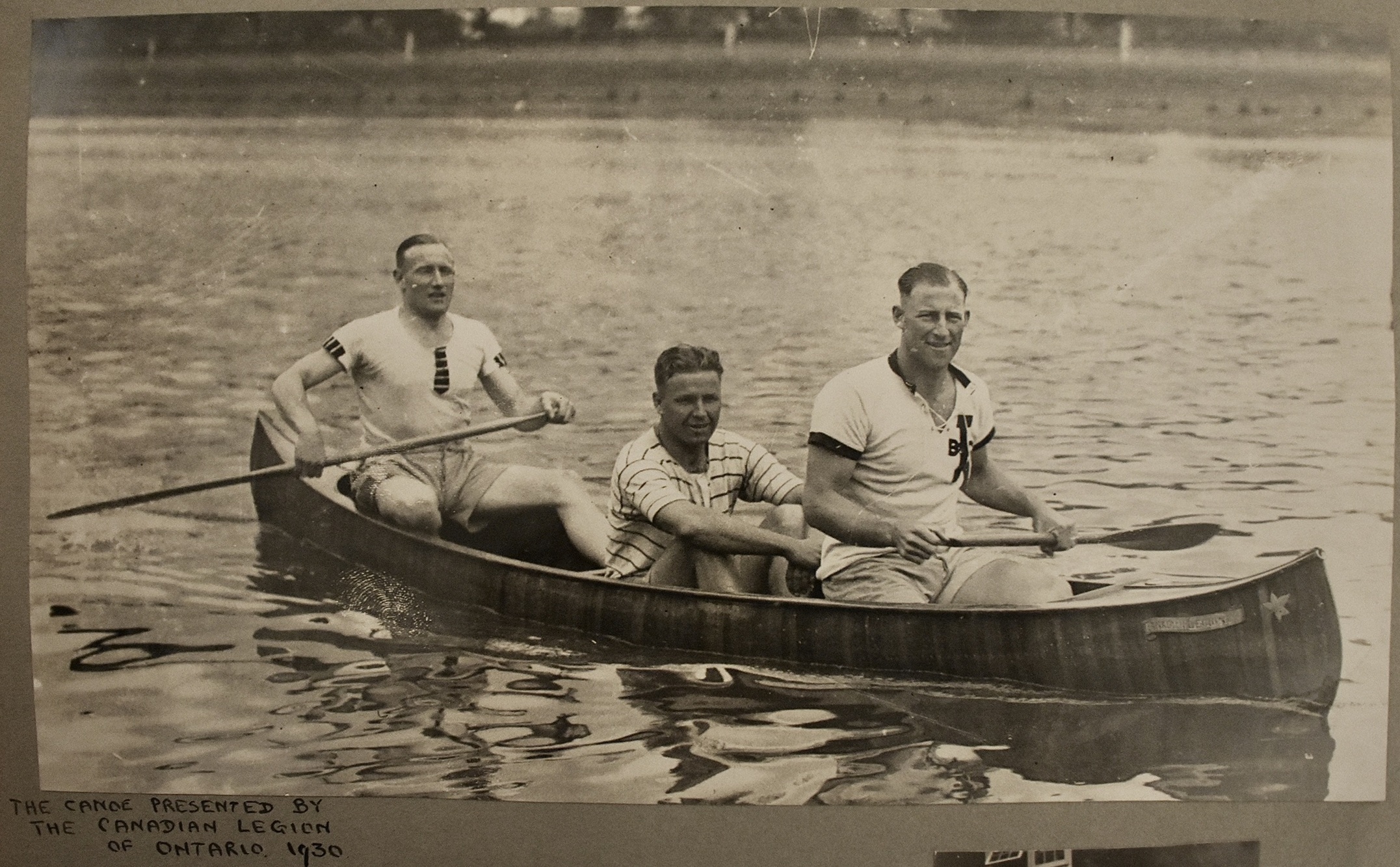
A famous picture showing the Wingfield Sculls Centenary Dinner of 1930. Fourteen past winners attended: Lord Iveagh, Guy Nickalls, Rev. WS Unwin, FI Pitman, Vivian Nickalls, JL Tann, TDA Collet, HD Blackstaffe, D Guye, JC Gardner, J Beresford, Rev AC Dicker, CW Wise, and WD Kinnear. Three other living winners could not be present: FL Playford was very ill, and AA Stuart and AH Cloutte were abroad.Jack pictured at Putney in July 1931 with World Professional Champion, Ted Phelps, and two-time Olympic gold medalist, Bobby Pierce. They are in a Canadian-built canoe of “special design and workmanship” just presented by members of the Canadian Legion to Jack in recognition of his exceptional sportsmanship during the previous year’s Henley. When his Canadian opponent, Joe Wright Jr, hit the booms, Jack stopped and waited until he got free. The Canadian then went on to win the heat and the final.
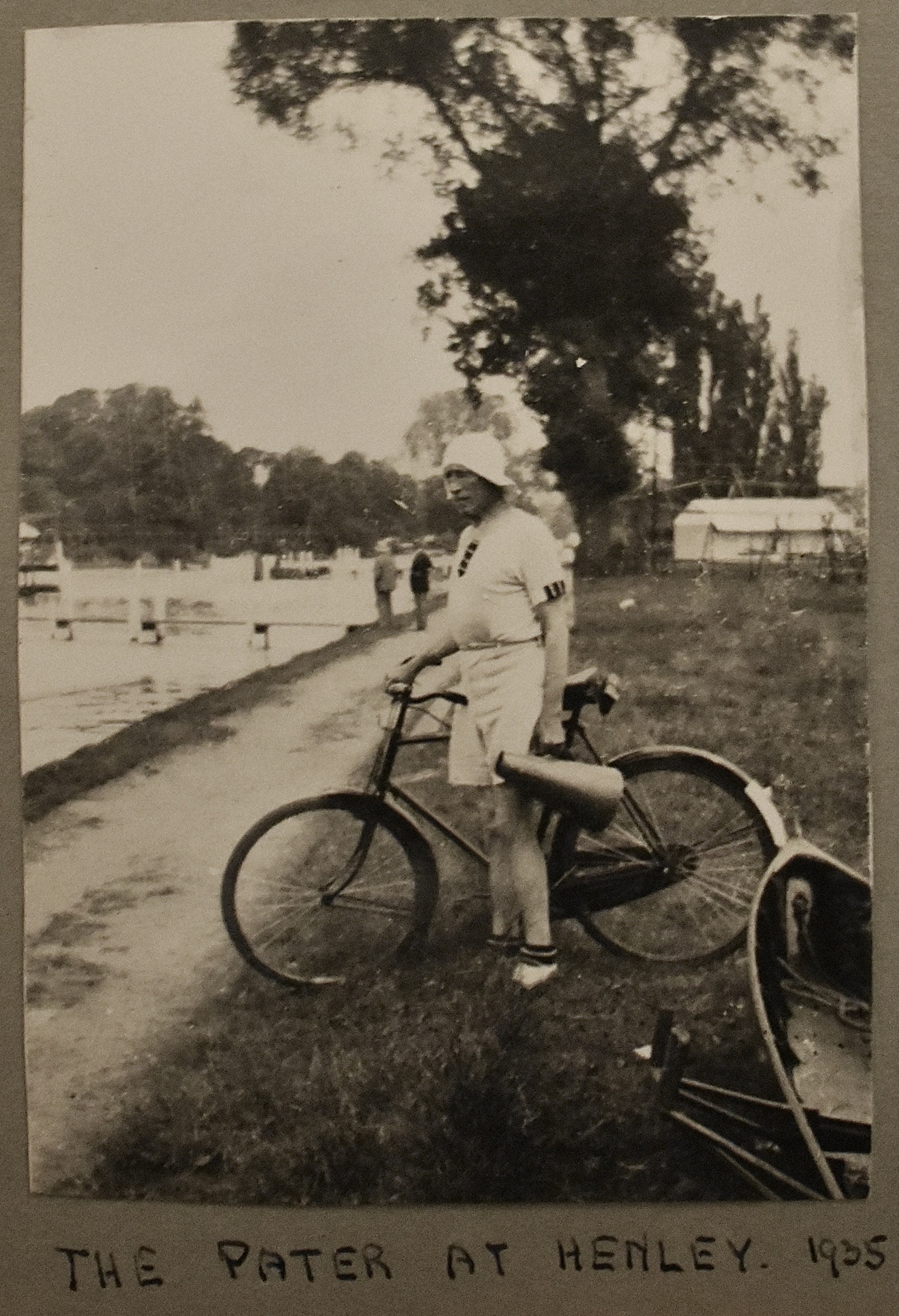
Jack’s father, Berry, pictured coaching at Henley in 1935.
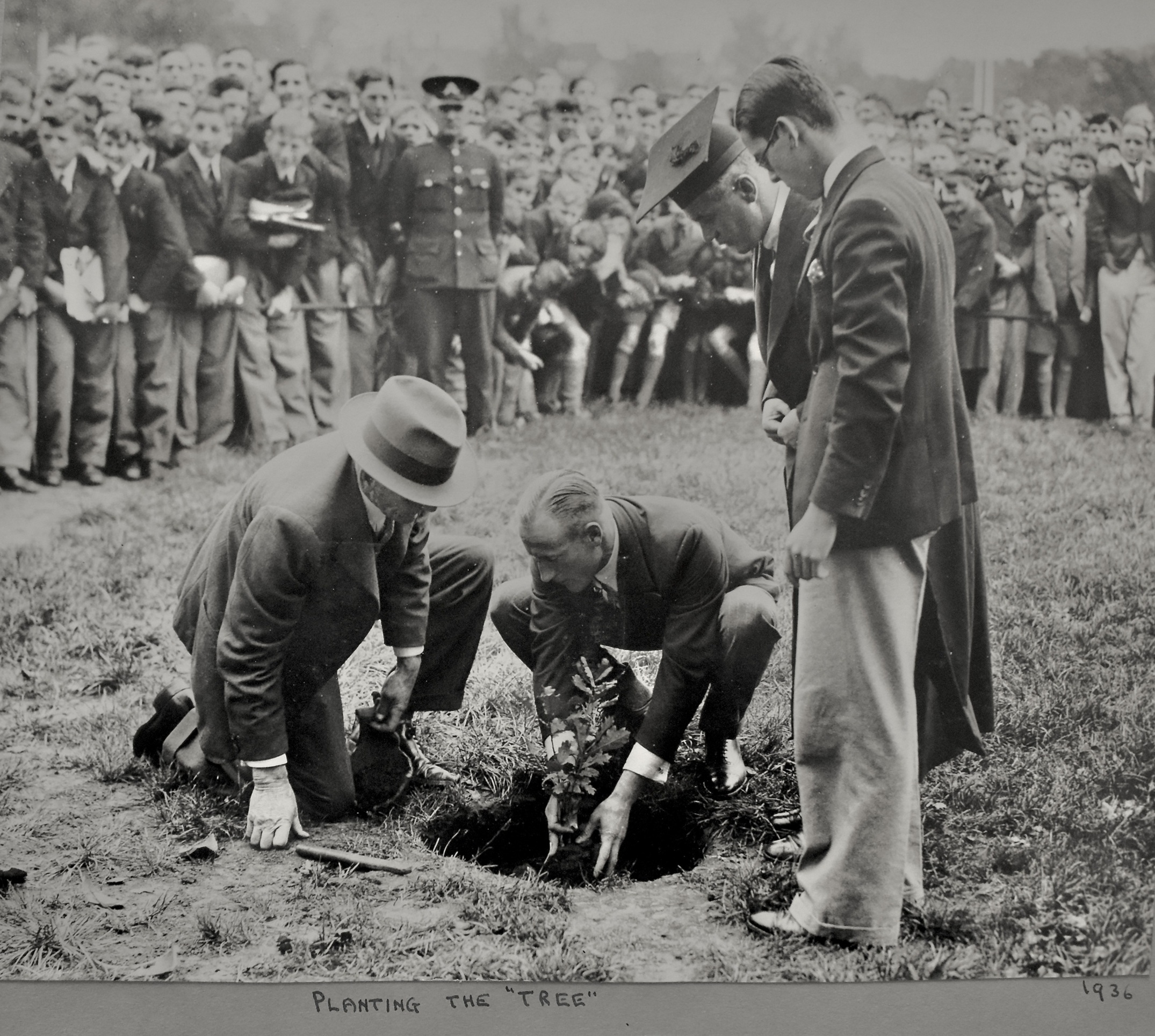
Greg Denieffe has previously told the story of the so-called “Hitler Oaks”, the sapling oak trees that were given to each winning individual, team or crew at the 1936 Berlin Olympic Games. They were awarded by the German Olympic Committee and were “a gift of the German people.” The saplings of about 50 cm high were each in a terracotta pot adorned with the Olympic Bell and on which was written the motto “Grow in the honour of victory! Summon to further achievement!”
On 10 October 1936, Jack went to his old school, Bedford, and presented it with the sapling that he won two months previously.
Jack leaving home for Bedford School with the sapling that he was to present. He is carrying the pot that the oak originally came in.
Jack and the Bedford headmaster, Humfrey Grose-Hodge.Planting the oak.
In 1996, the school magazine noted:
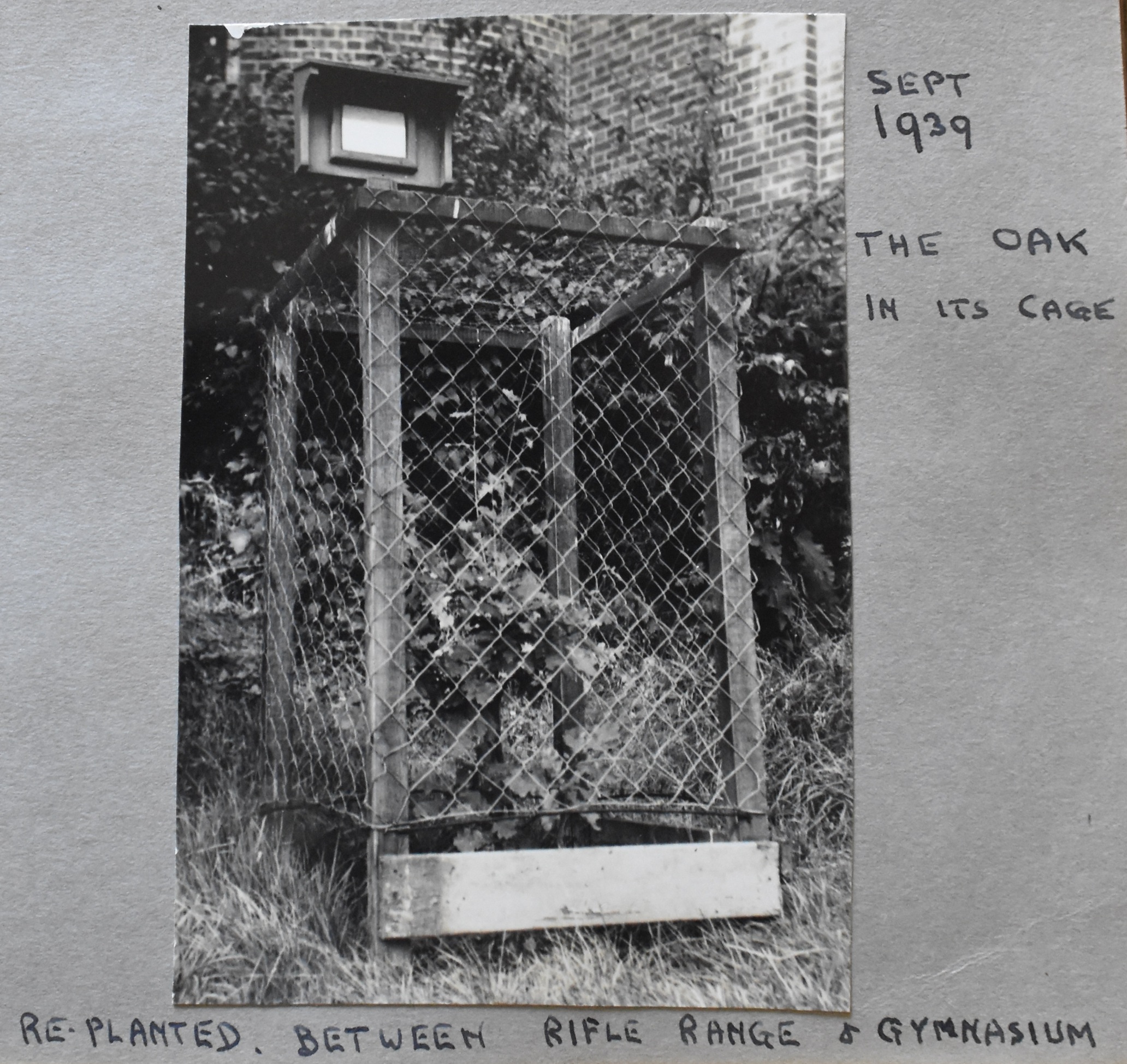
It was originally planted on the West side of the School Field… but on the outbreak of war it was felt prudent to move it to a less conspicuous position… It remained there until the late 1970s when the construction of the new swimming pool necessitated the removal of the mound, and the oak was felled. A certain amount of the wood is still held in storage, and is used primarily for rowing plaques and honours.
The oak pictured in its new protected home on the outbreak of war in September 1939.In 1938, Jack appeared in a short film, Sportsmen discuss a fitter Britain. This was linked to the Moral Rearmament Movement that sought to transform society by changing individuals, partly by using sports figures as role models. It is interesting that even the boxer Len Harvey adopted the “BBC English” accent that we find so amusing today.
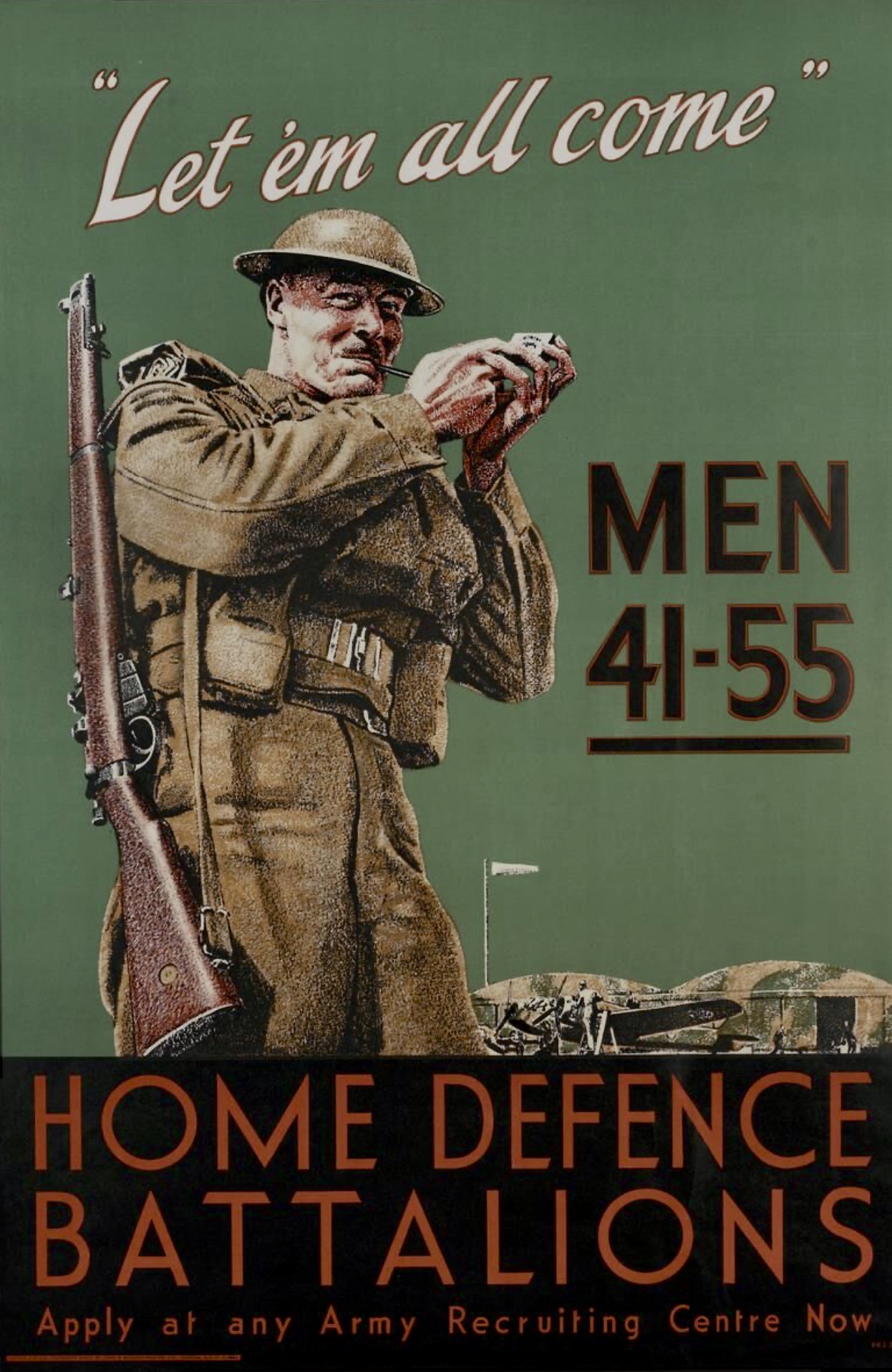
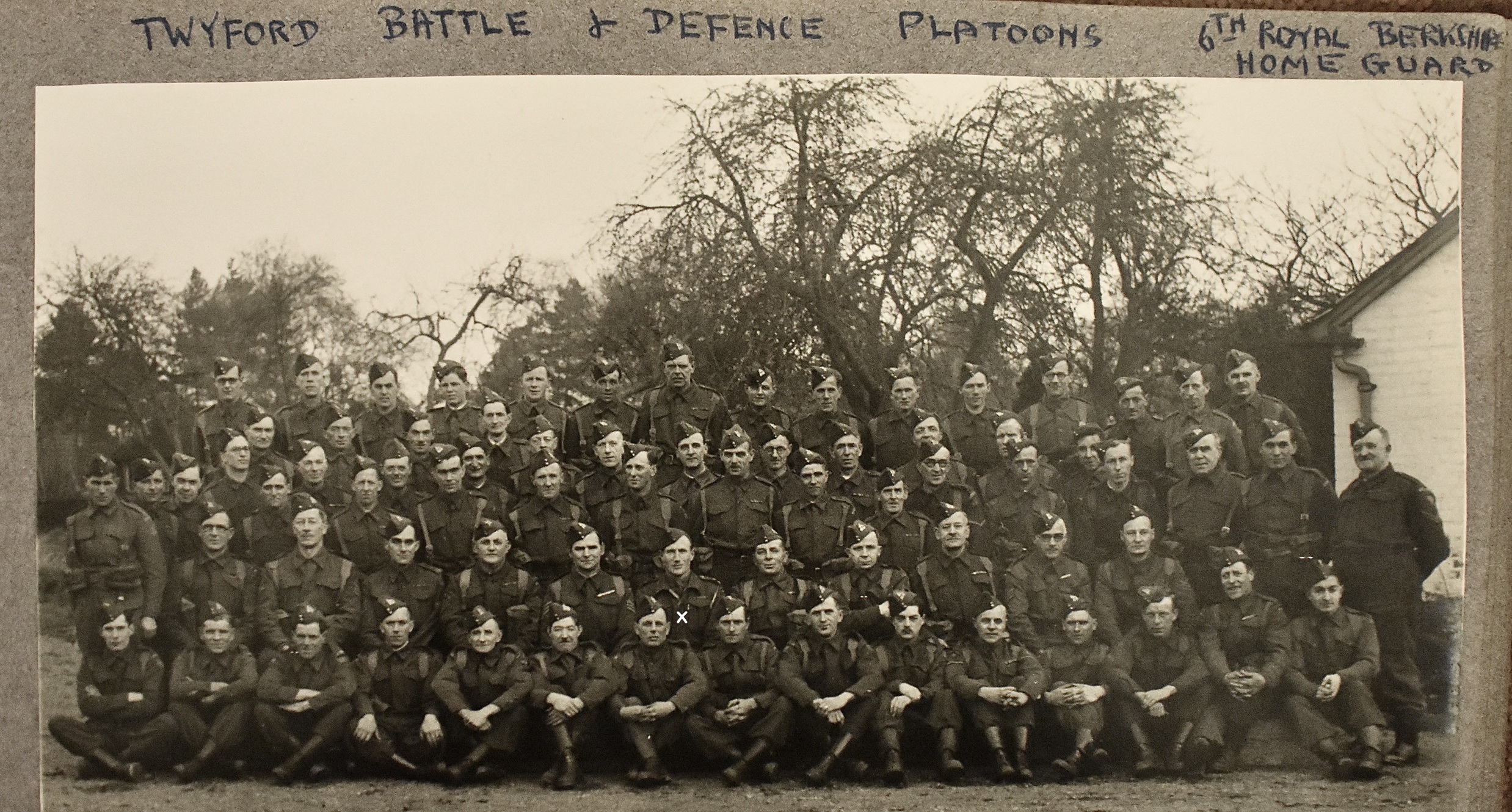
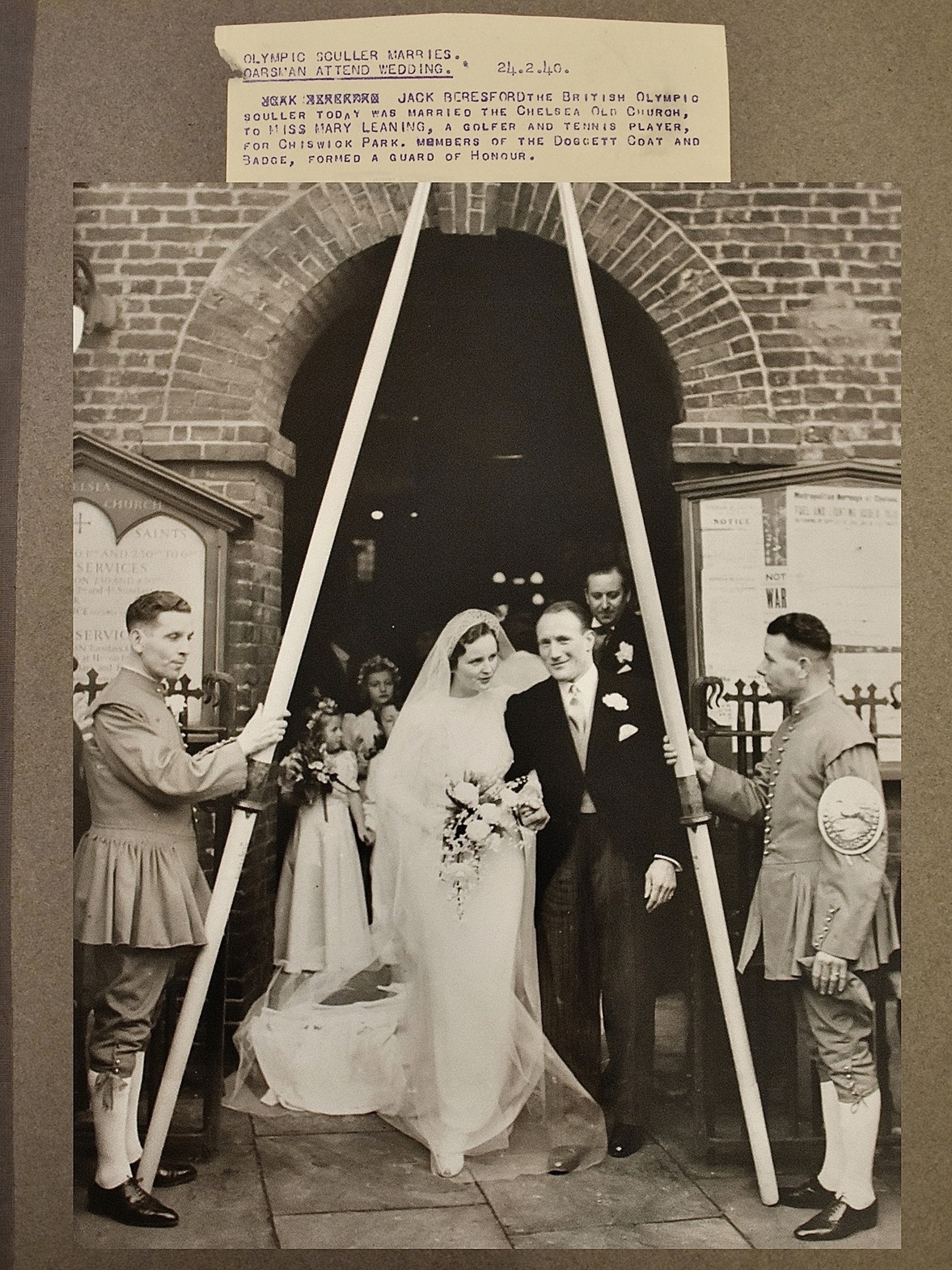
On the outbreak of war in 1939, forty-year-old Jack was briefly a Special Constable in London but, when he moved to Berkshire on his marriage in 1940, he joined the Home Guard, a volunteer force formed for home defence mostly comprised of veterans of the 1914-18 War and younger men exempt from normal military service as they were engaged in essential war work.
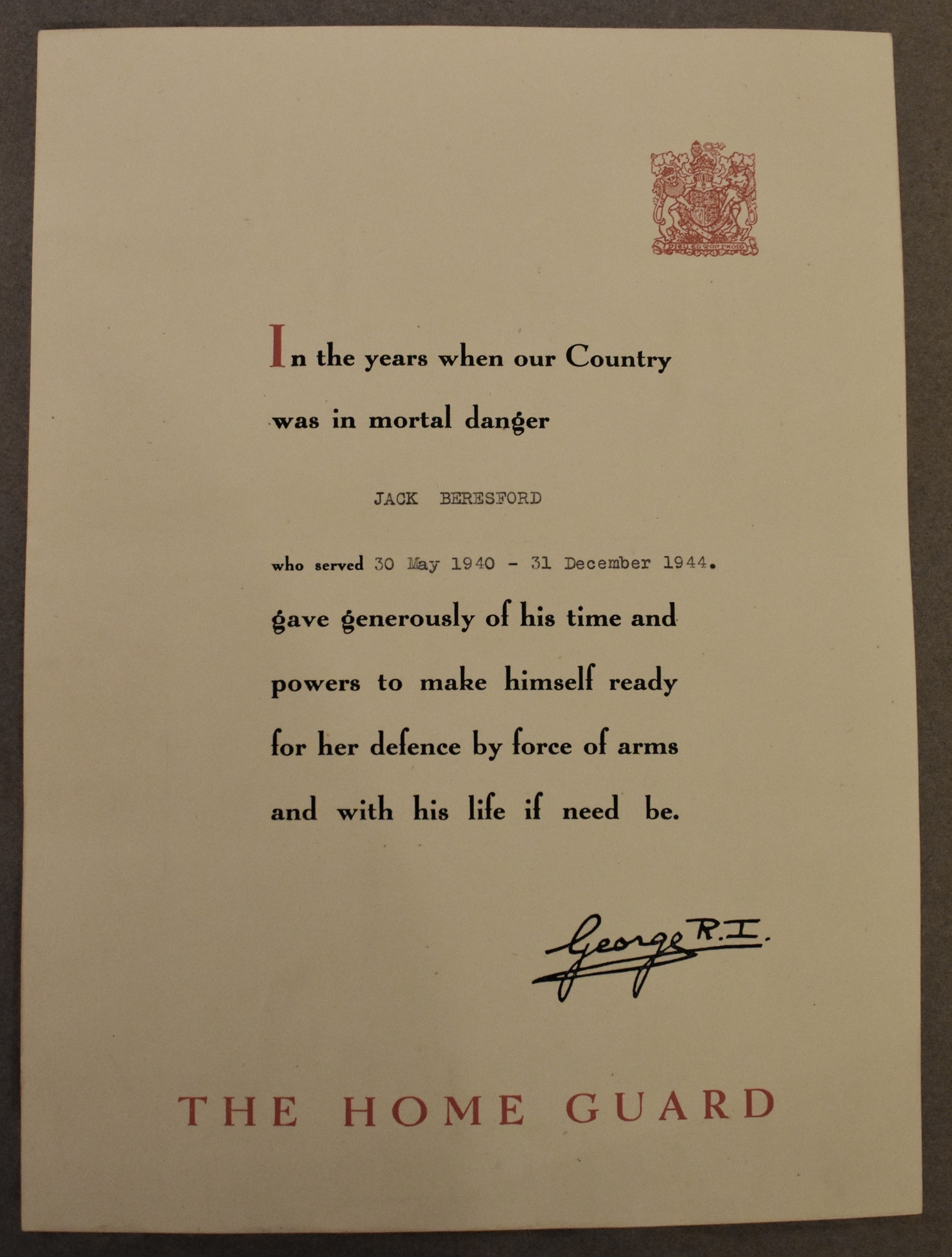
The 6th (Bracknell) Battalion Berkshire Home Guard, affiliated to the Royal Berkshire Regiment. Jack, marked x in the centre of the group, appears to have Captain’s pips on his shoulder and is the only one wearing a shirt and tie with his battledress blouse, both indicating that he was the officer in charge.Thanks from The King.Jack’s first marriage on 24th February 1940.
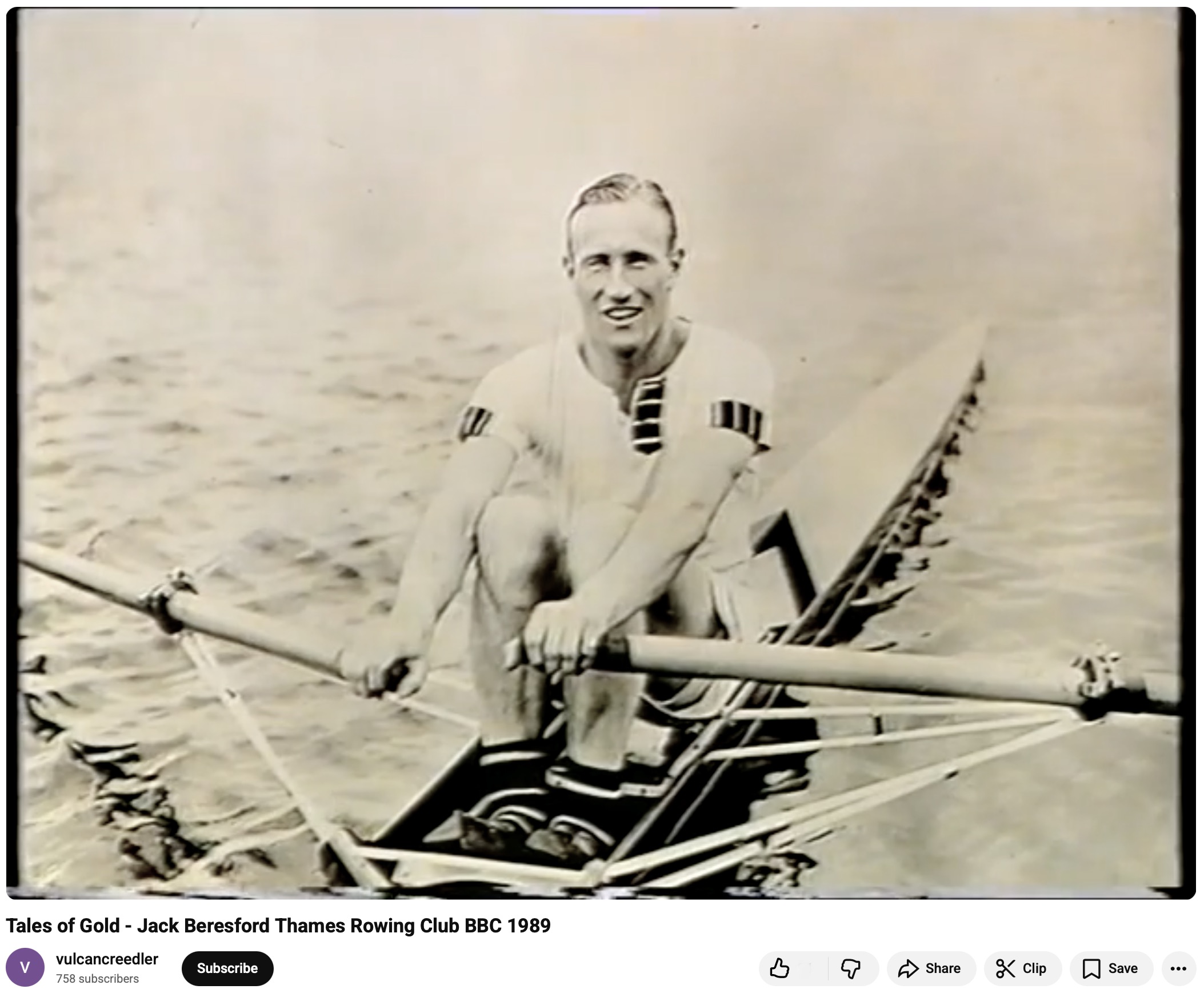
Jack unfurling an Olympic flag to mark the start of the 1960 Rome Games from the headquarters of the British Olympic Council (of which he was a member).Jack won his age category in the Veteran Scullers Head of the River between 1969 and 1971.A short film biography of Jack was shown on Channel 4 in 1989. Unfortunately, the television people unknowingly used a picture of him wearing the ridiculous sideburns and whiskers that were part of his make up when he appeared as a late-Victorian era umpire in the 1963 film, Half a Sixpence.
Jack’s biography on the Thames RC Archive website concludes:
Beresford… epitomised (the) view of an amateur oarsman … He was sporting, displayed loyalty to his club, dressed for dinner, was well heeled, and when not in a boat was an ambassador for a gentlemanly way of life. He was fit and hardy, and a colleague remembered him as never wearing a waistcoat or an overcoat, whatever the weather…
From the beginning of his rowing career, Beresford displayed the tactical brilliance of a winner, assessing his opponents’ capabilities and pacing his training, and usually his racing, to do just enough to beat them, although he clearly possessed the killer instinct which motivates a winner and a breaker of records…
Beresford’s successes proved his worth in every type of boat—eights, fours, pairs, and sculls—the more remarkable because his rowing weight was normally just over 11 stone and he stood about 5 feet 10 inches…
He died at his home, Highlands House, Shiplake, on 3 December 1977, the morning after presiding cheerfully over the Thames annual dinner.
Thank you Tim for yet another tribute to Dad & for making this such a readable story, this time mainly in pictures.
You’ve also given me the detail of why he was presented with the Canadian Canoe, now name ‘Beresford’ & lovingly looked after by her lovely current owners at Shiplake, where sometimes I am privileged to be allowed to paddle her on the reach of the Thames where I spent so much of my childhood. I knew the story of his hitting the booms at HRR, but not when.








 Hear The Boat Sing
I met Jack Beresford a couple of times, when I was young. I found all the photos from his albums very interesting.
Hugh Dulley
Thank you Tim for yet another tribute to Dad & for making this such a readable story, this time mainly in pictures.
You’ve also given me the detail of why he was presented with the Canadian Canoe, now name ‘Beresford’ & lovingly looked after by her lovely current owners at Shiplake, where sometimes I am privileged to be allowed to paddle her on the reach of the Thames where I spent so much of my childhood. I knew the story of his hitting the booms at HRR, but not when.