This website covers all aspects of the rich history of rowing, as a sport, culture phenomena, a life style, and a necessary element to keep your wit and stay sane.
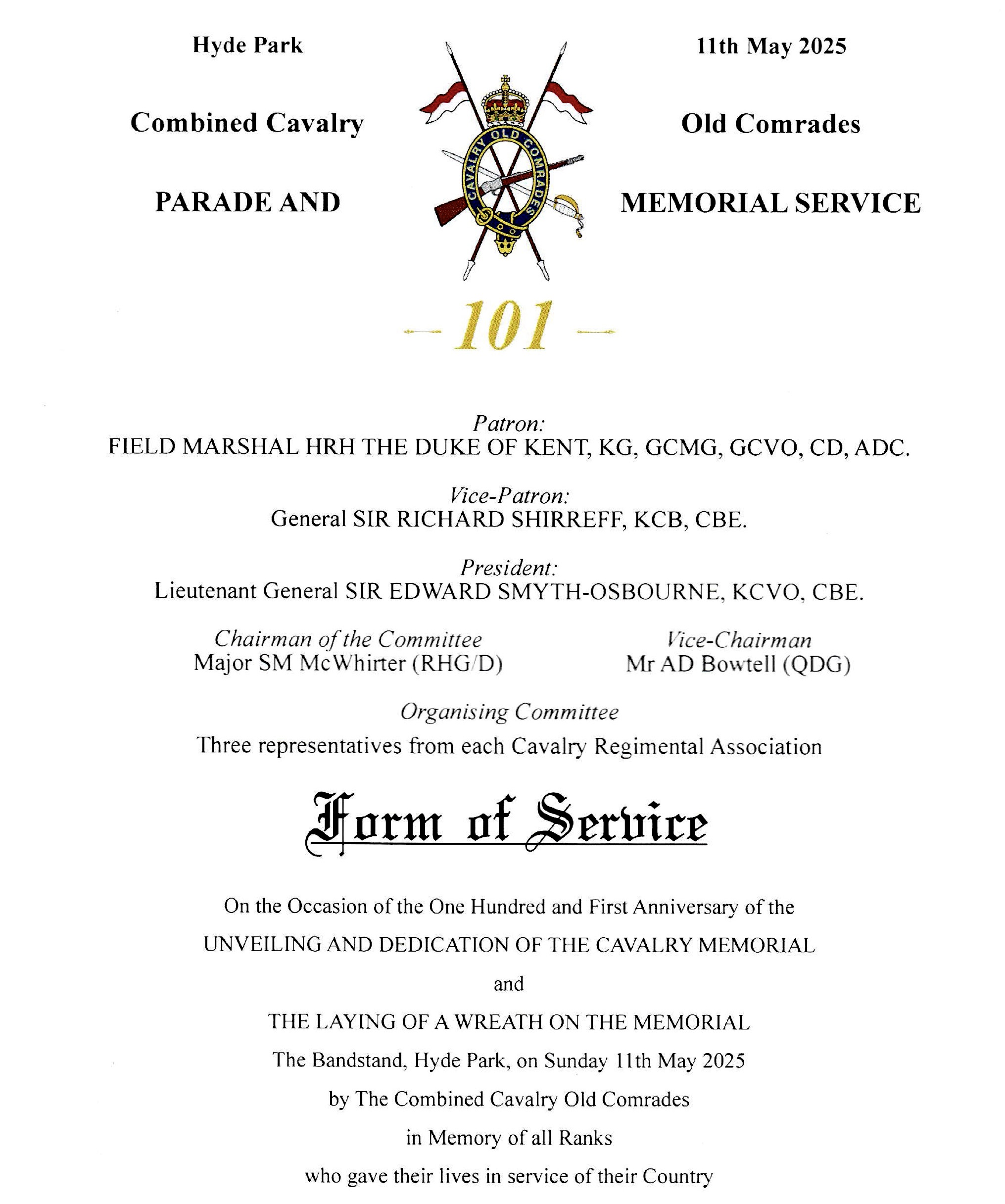
The front of the programme for the 2025 Combined Cavalry Old Comrades Association Parade and Memorial Service, now in its 101st year.
14 May 2025
By Tim Koch
Tim Koch’s annual report on Cavalry Sunday is his most regular “nothing to do with rowing” post, one which he justifies on the grounds that HTBS Types like history, tradition and fine examples of “pulling together”.
The great 18th century man of letters, Dr Johnson, famously said, Every man thinks meanly of himself for not having been a soldier… This generalisation may or may not be true but for us perpetual civilians witnessing the annual Combined Cavalry Old Comrades Association Parade and Memorial Service in London’s Hyde Park every May, it is difficult not to surrender to the good Doctor’s idea. This is despite the fact that the ultimate purpose of such occasions is to remember people who died, usually in their youth, sometimes for a cause that history may deem “wrong”, and never yet in a war to end wars.
The glamorous side of soldiering – bands, marching, medals and comradeship – is a poignant mix when viewed close up, even more so when it is associated with the cavalry. Lancers, Hussars, Yeomanry and Dragoons retain their dashing, romantic image even when armour has replaced equine, the cavalry regiments’ horses having long given way to tanks and armoured vehicles for active service.
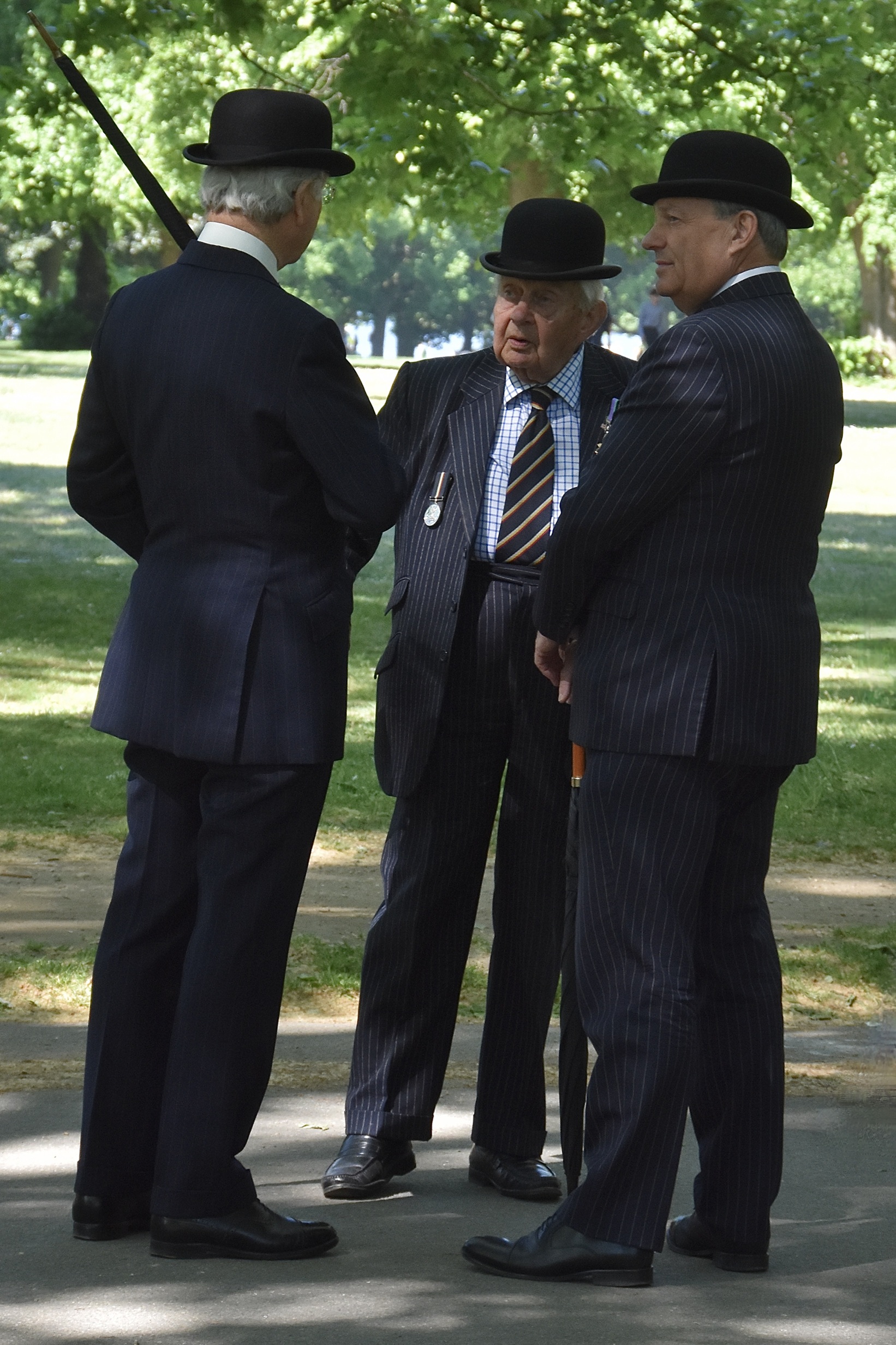
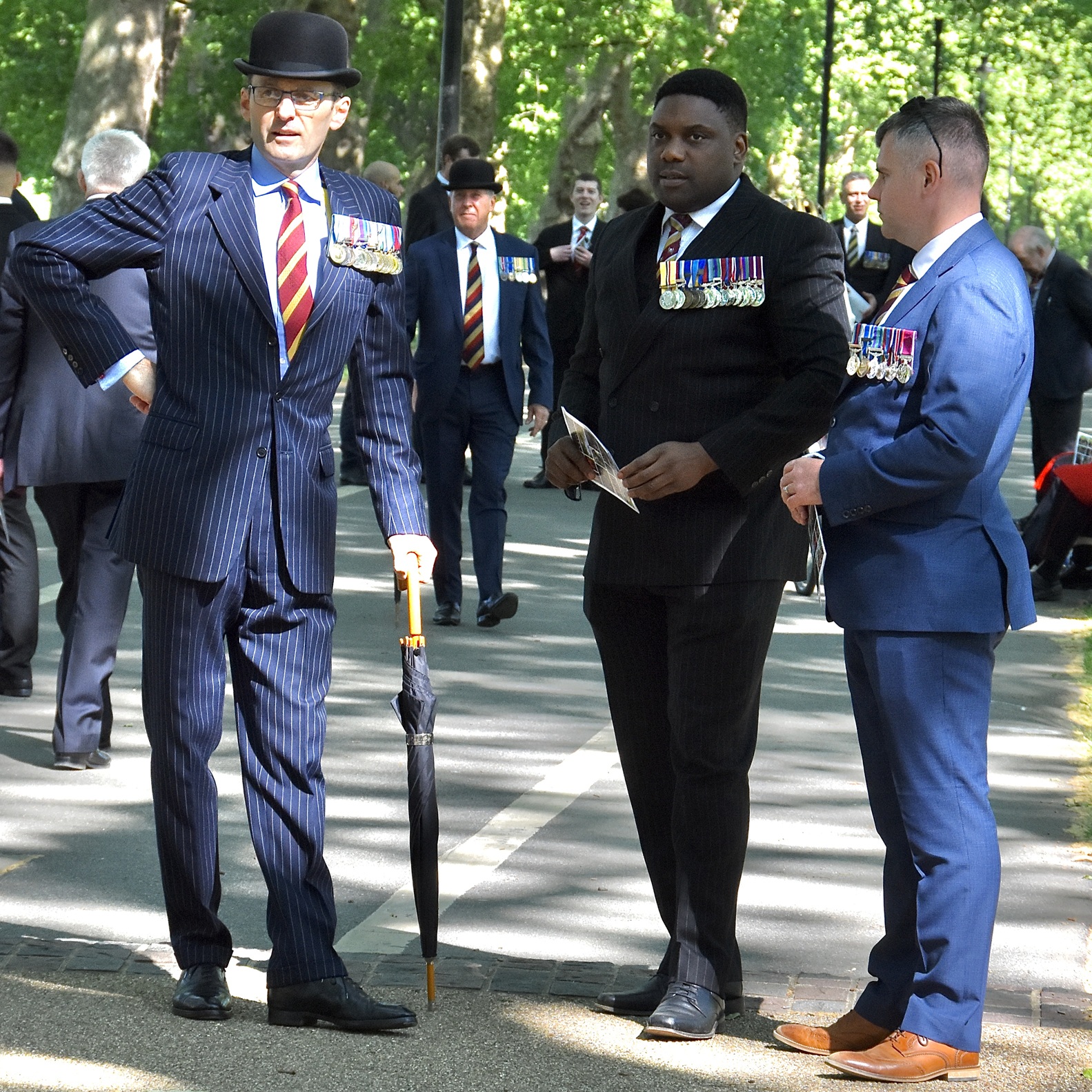
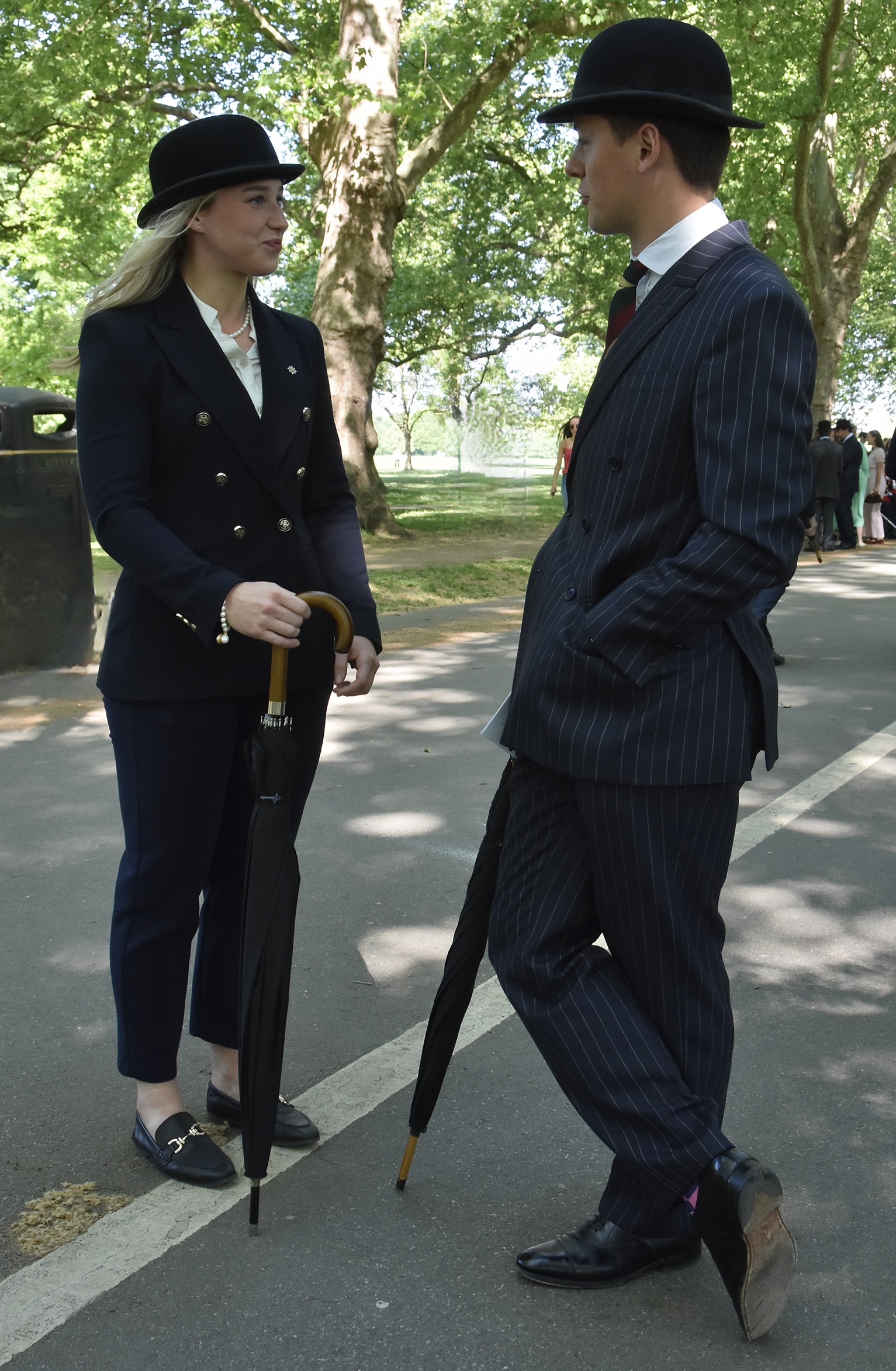
Many of those parading carry furled umbrellas (sword substitutes perhaps) and wear regimental ties and bowler hats, the stereotypical British headgear that is rarely seen nowadays but was common when the event began in 1924. Officially, the dress is simply lounge suits with medals and decorations.
Orders: RV at your Regimental Standard by 10.45 hours
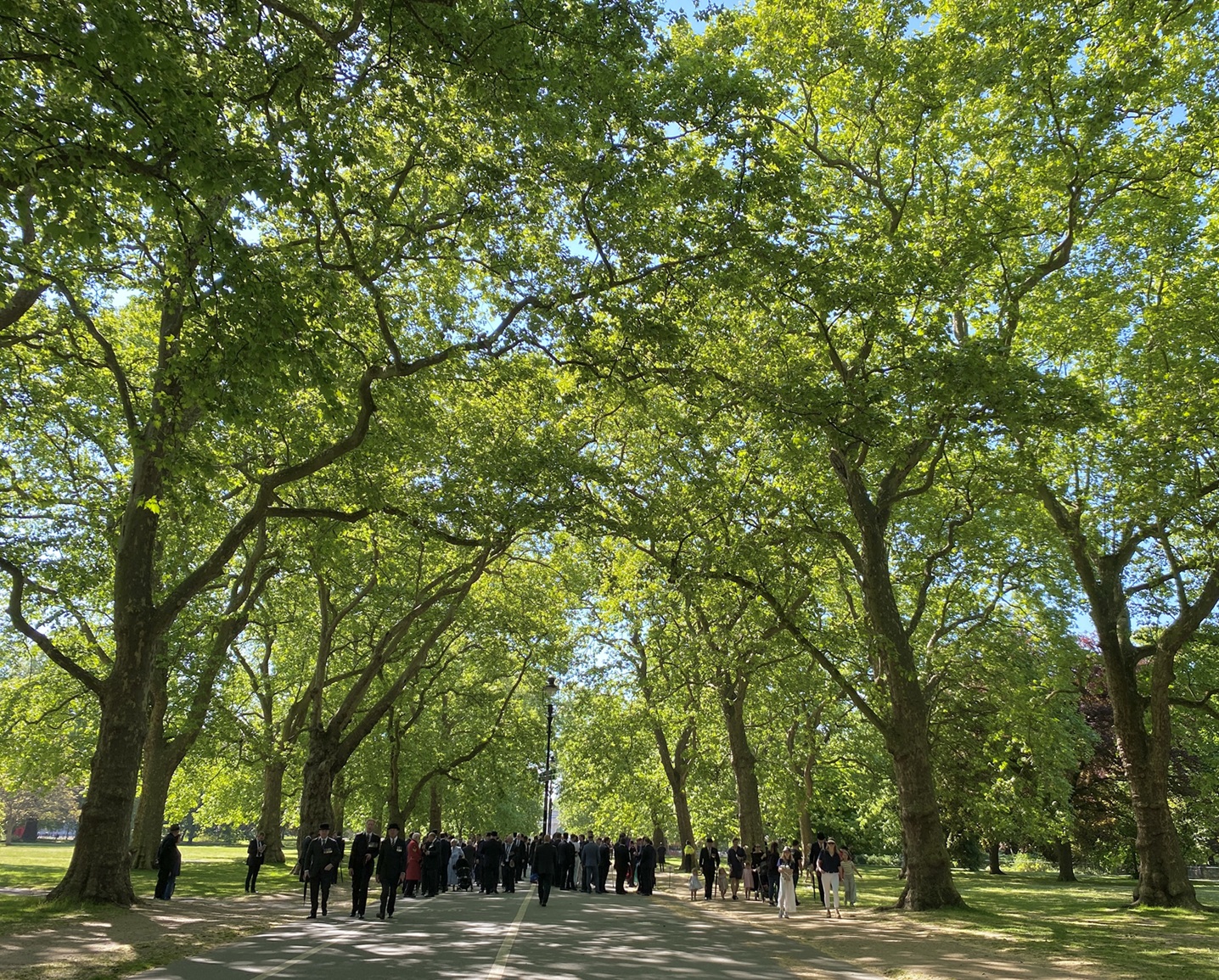
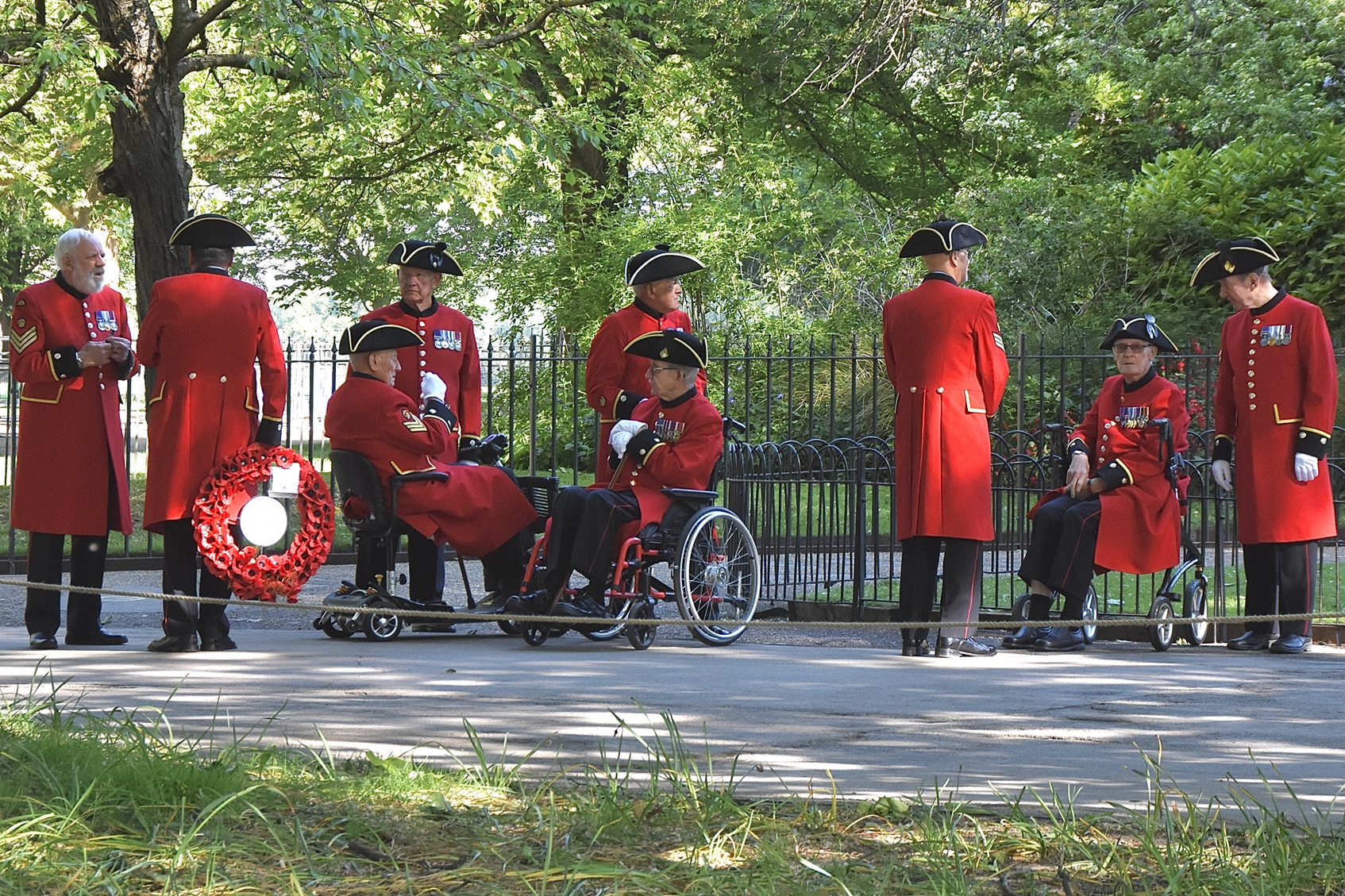
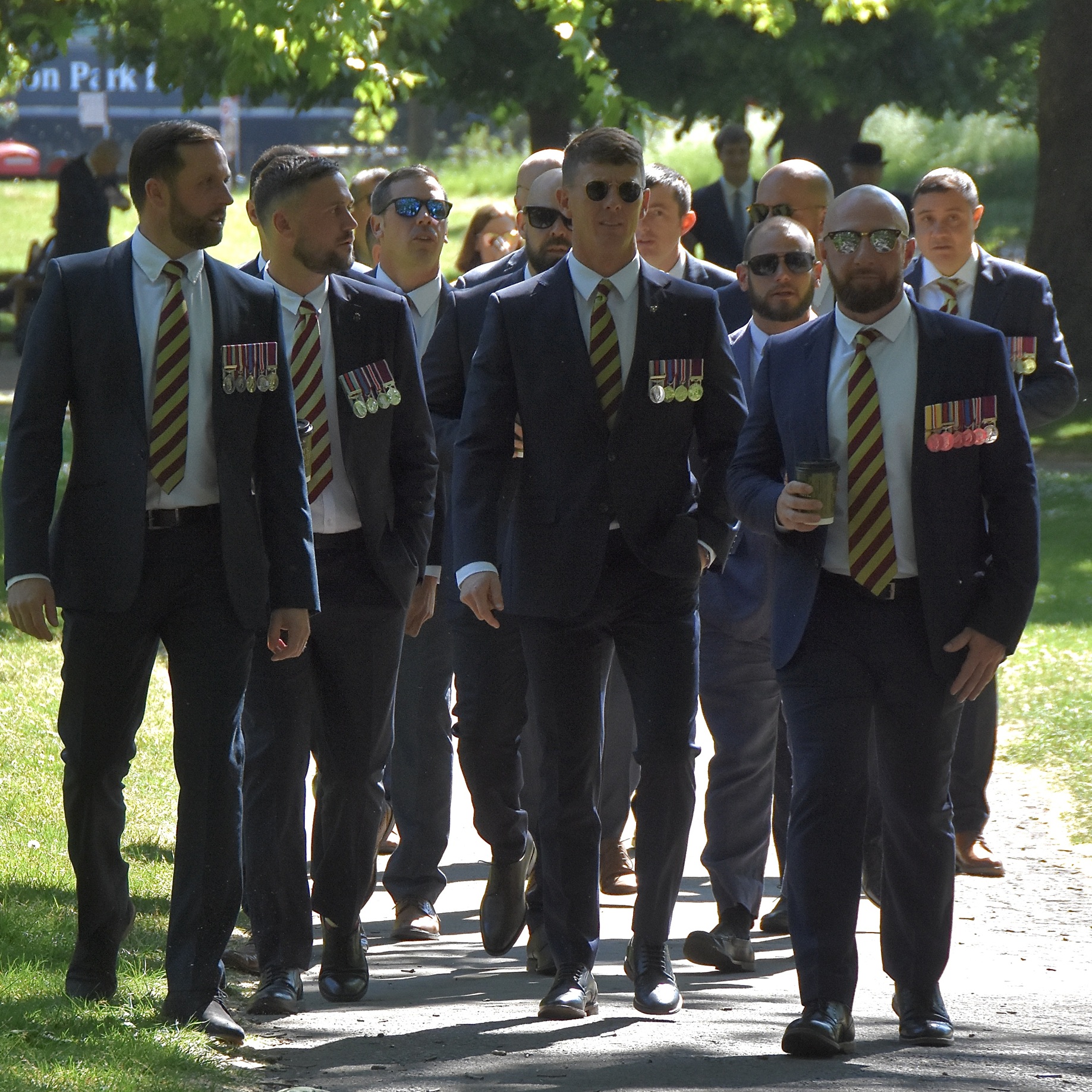
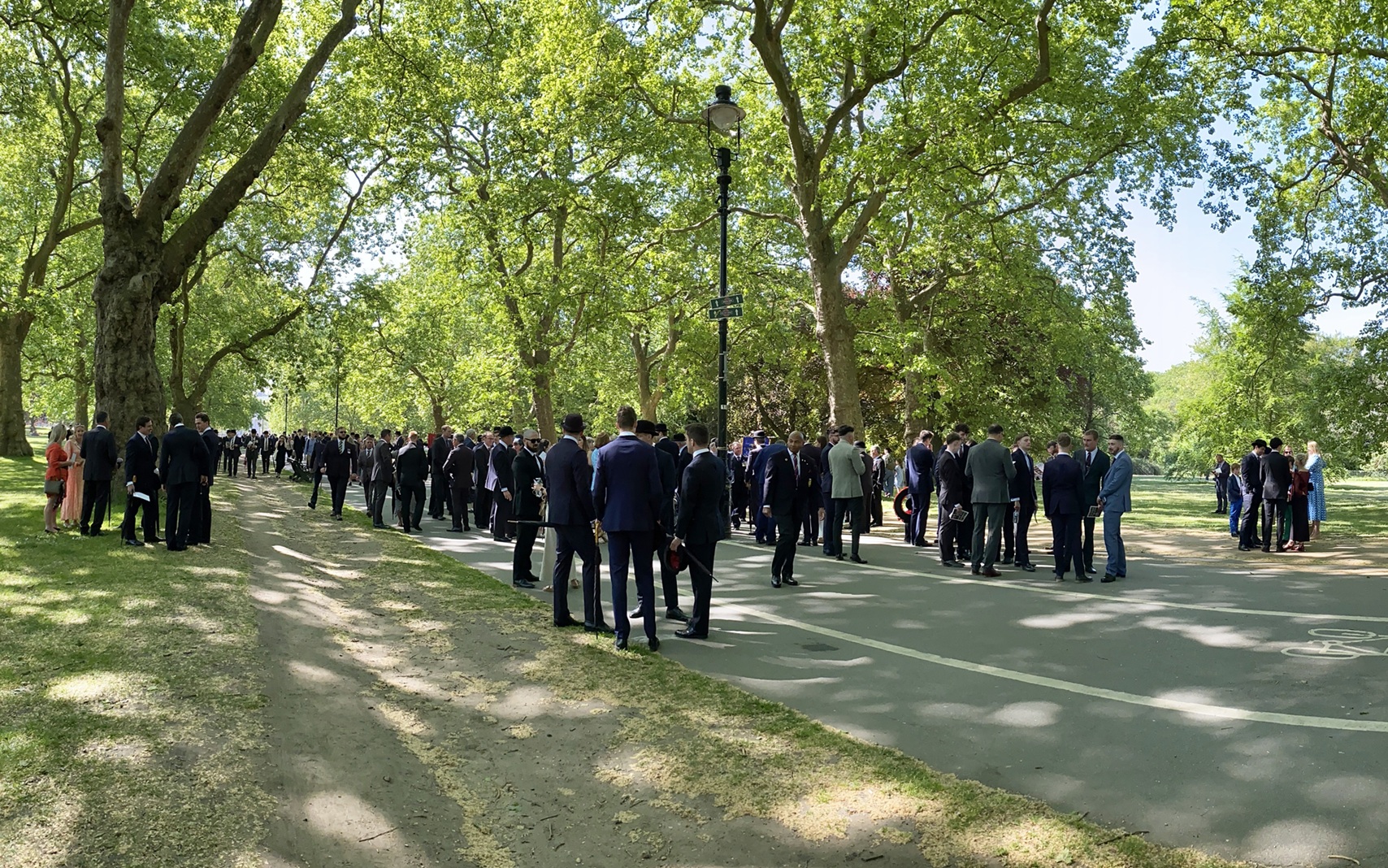
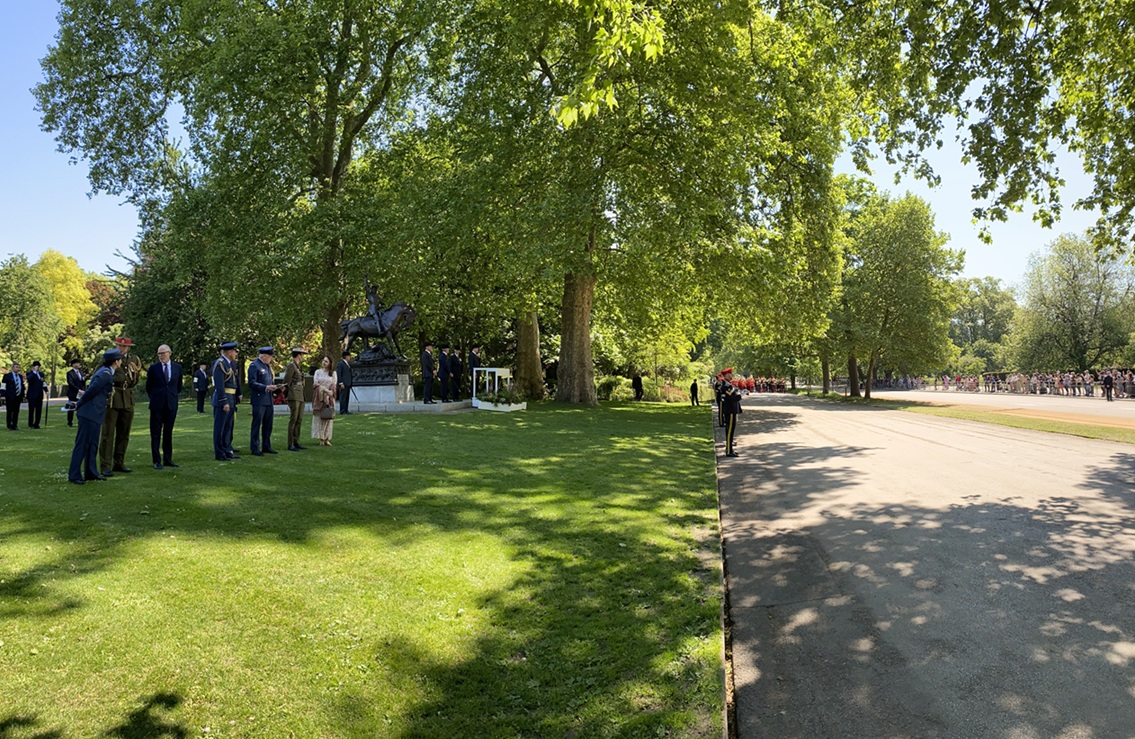
It was a warm and sunny day and Hyde Park’s Broad Walk with its long archway of shade providing trees was the perfect gathering to “RV” (rendezvous).Some ex-cavalry “Chelsea Pensions”. They are among the 300 residents of the military veterans’ home founded in 1692, the Royal Hospital Chelsea (RHC). The term “hospital” is used in its original sense of “guesthouse”.Young comrades from The King’s Royal Hussars.
Older comrades from The Royal Scots Dragoon Guards (Carabiniers and Greys).
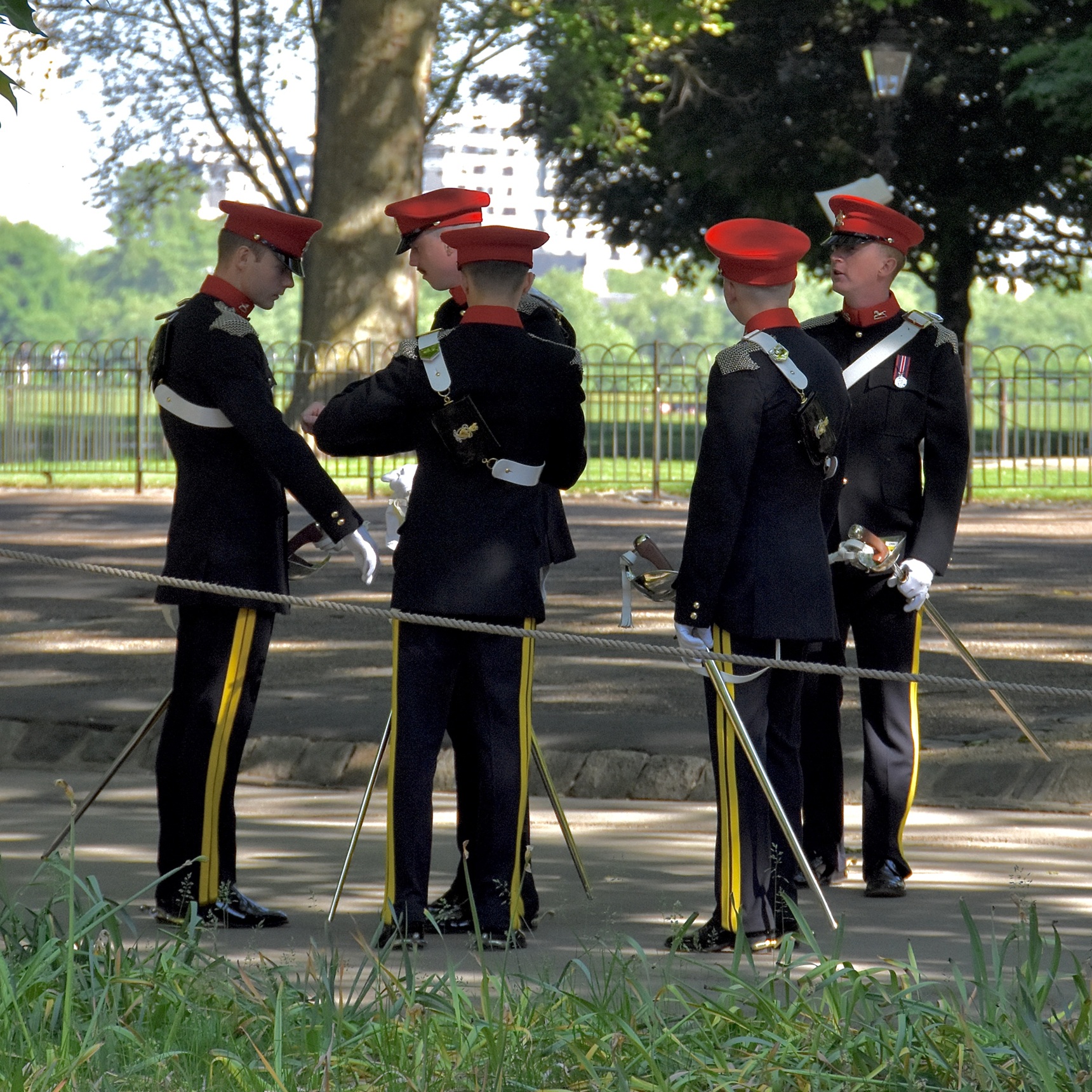
The tie on the left is of the former 9th/12th Royal Lancers which existed 1960 – 2015. The ties centre and right are of The Royal Lancers – of which the 9th/12th now are a part.The rendezvous point, Hyde Park’s Broadwalk, runs semi-parallel to the so-called Serpentine Road that the Old Comrades will march along to pass the Cavalry Memorial and the saluting base. Serving members of this year’s “sponsoring” or organising regiment, the Queen’s Royal Hussars, ready for ceremonial duties.
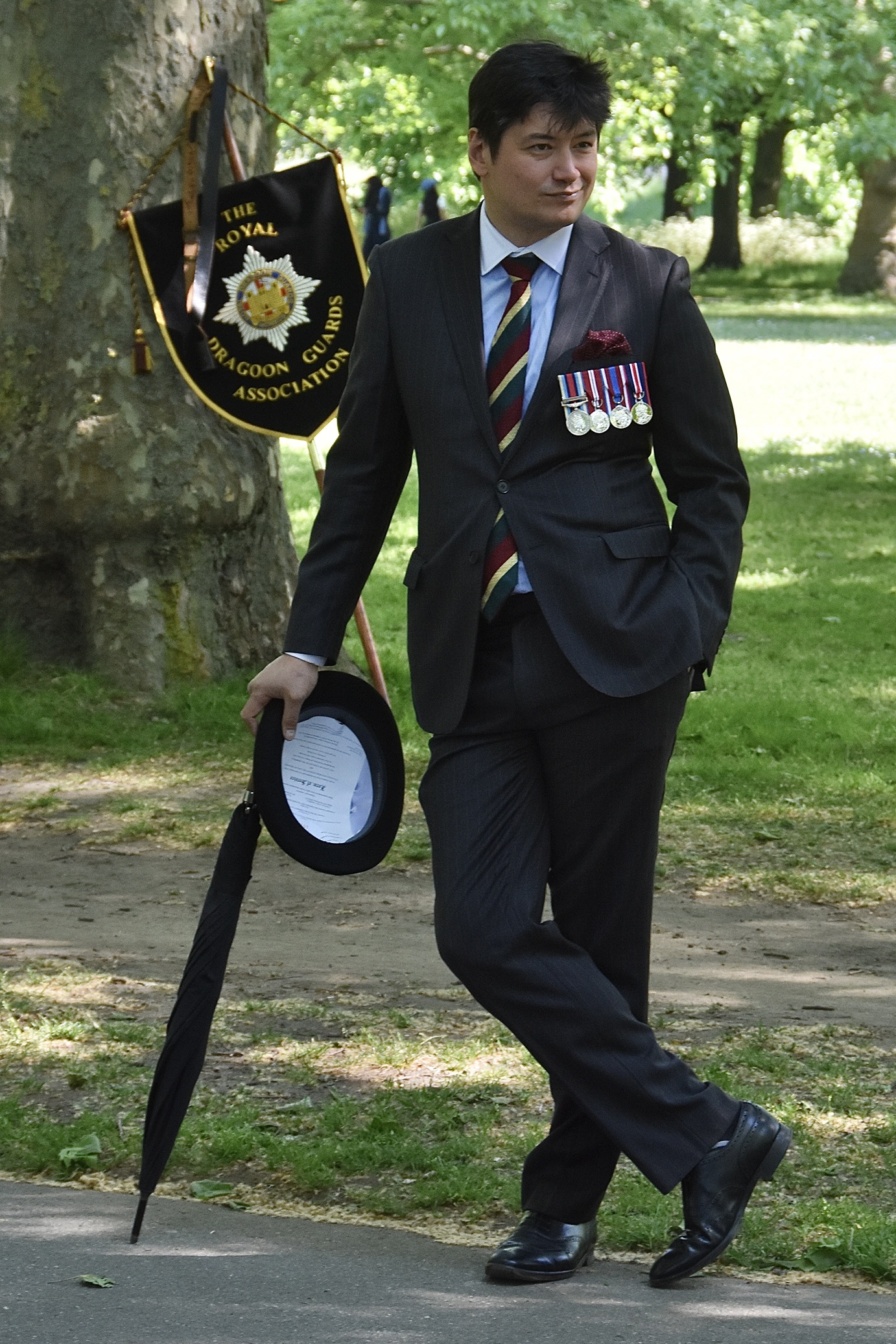
Former or perhaps serving members of The Royal Dragoon Guards. It is always interesting to see how women interpret the “lounge suit” dress code.
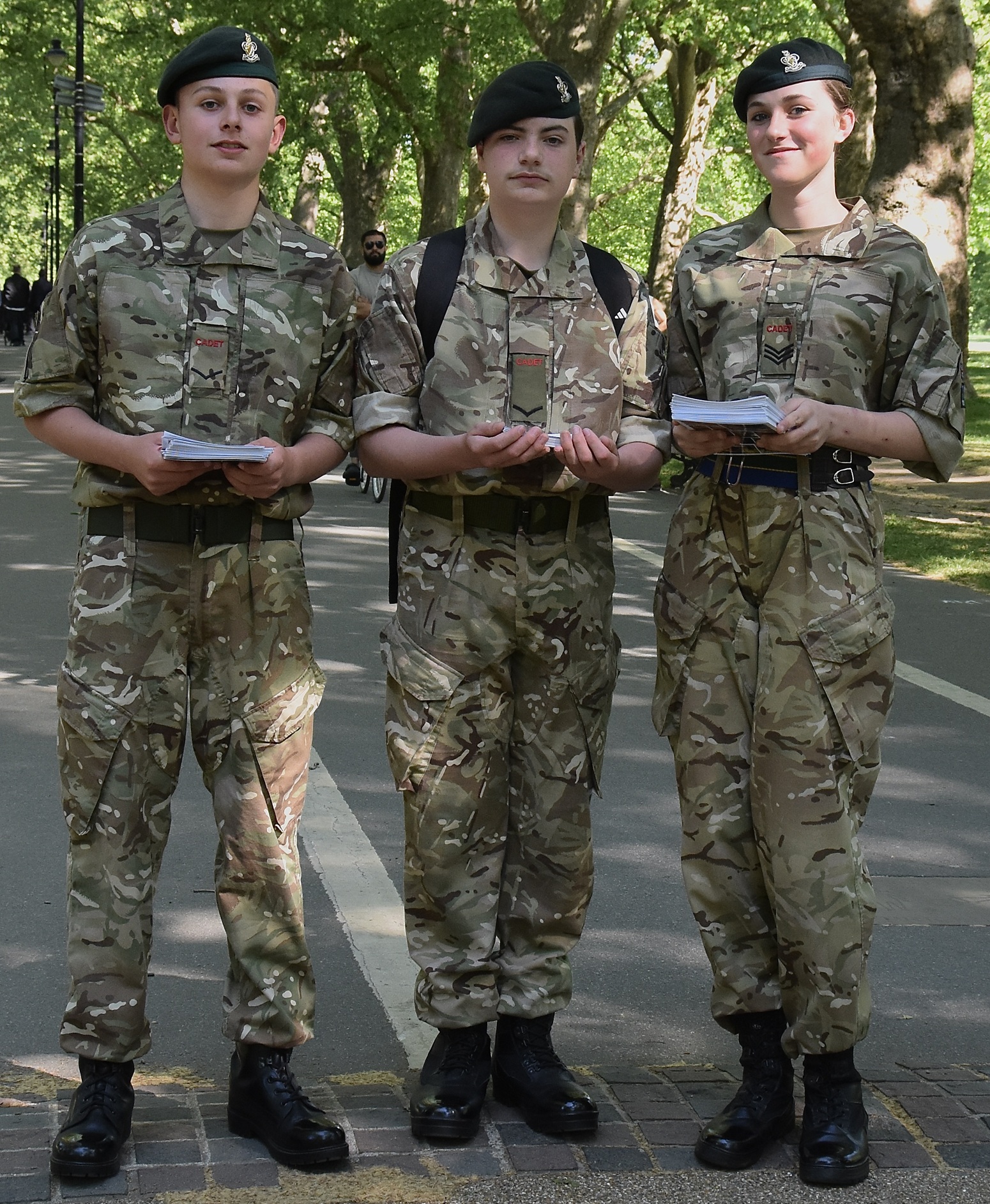
Army Cadets wearing the cap badge of the Queen’s Royal Hussars.
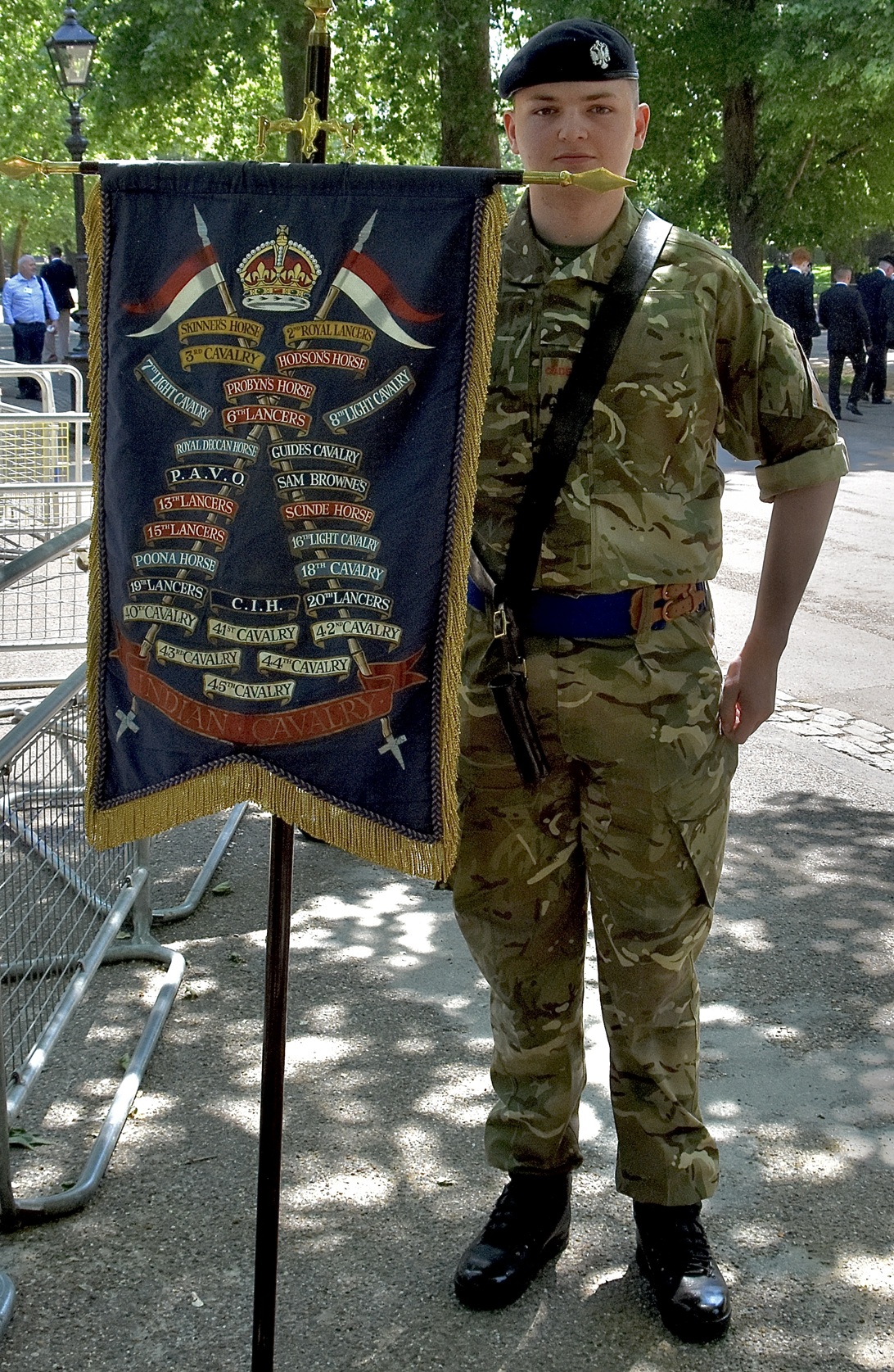
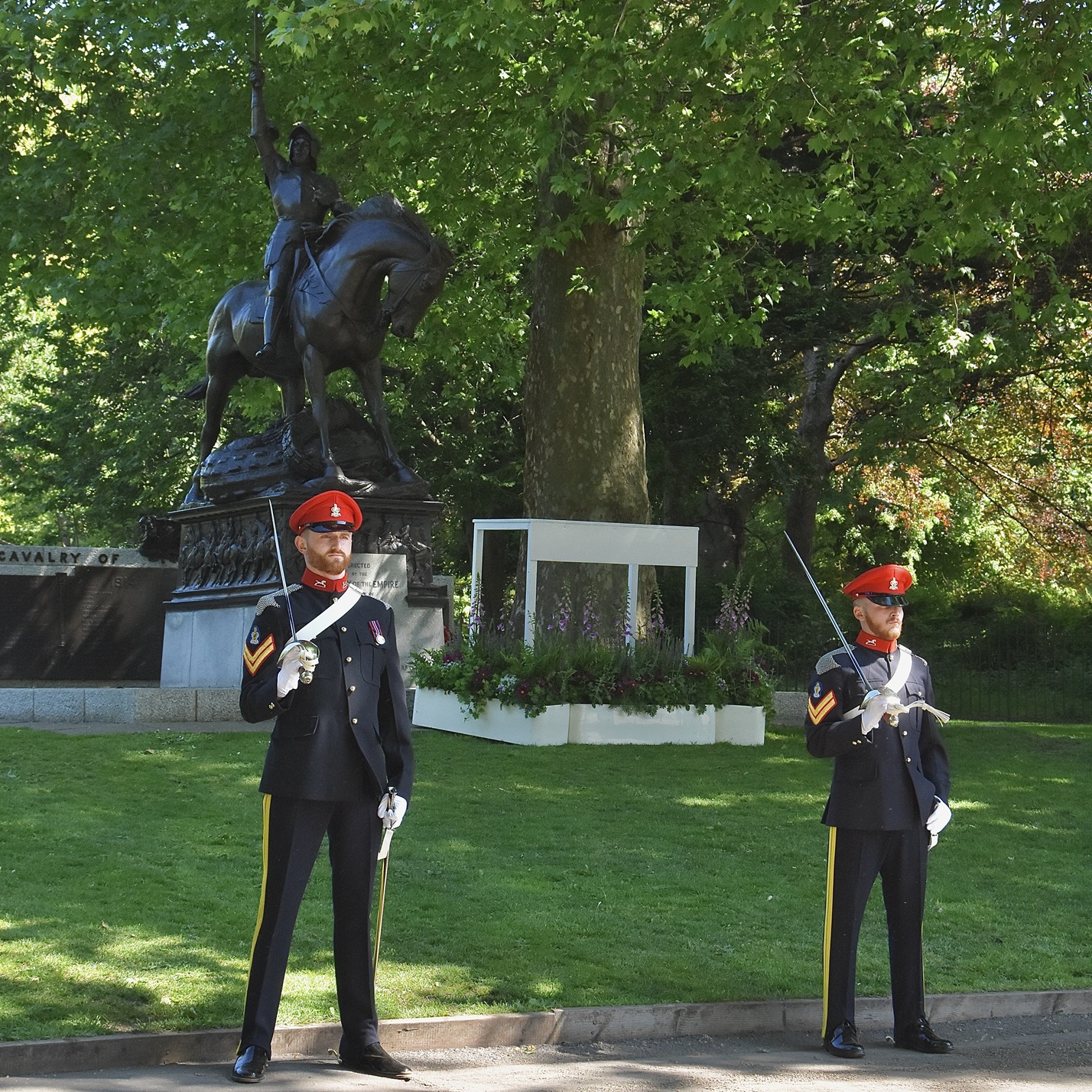
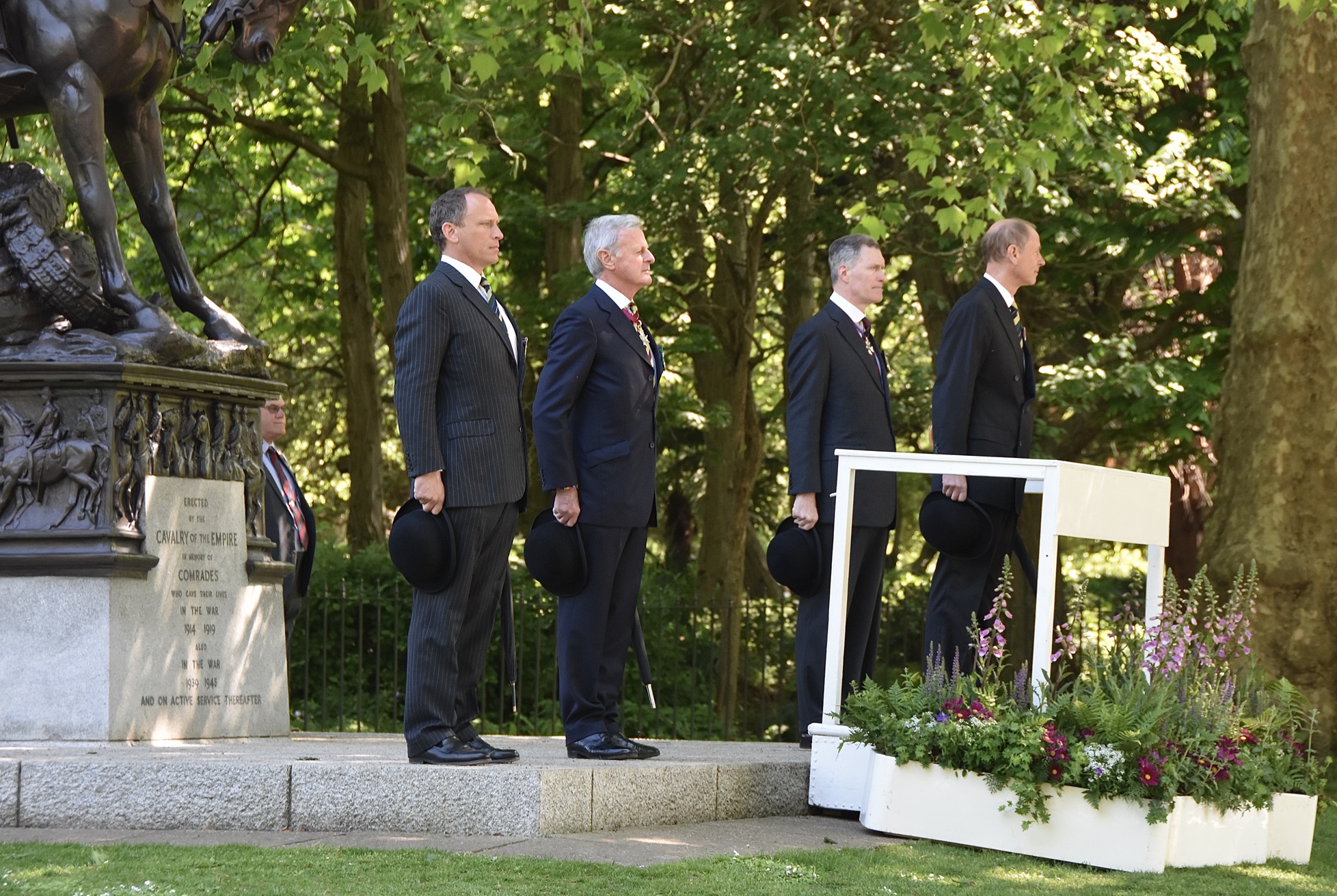
When the Cavalry Memorial was unveiled in 1924, it was called the Cavalry of the Empire Memorial. In 1926, the Empire became the British Commonwealth and more recently just “The Commonwealth”. Surprisingly, today’s Indian Army has retained many regimental names from the former British Indian Army.
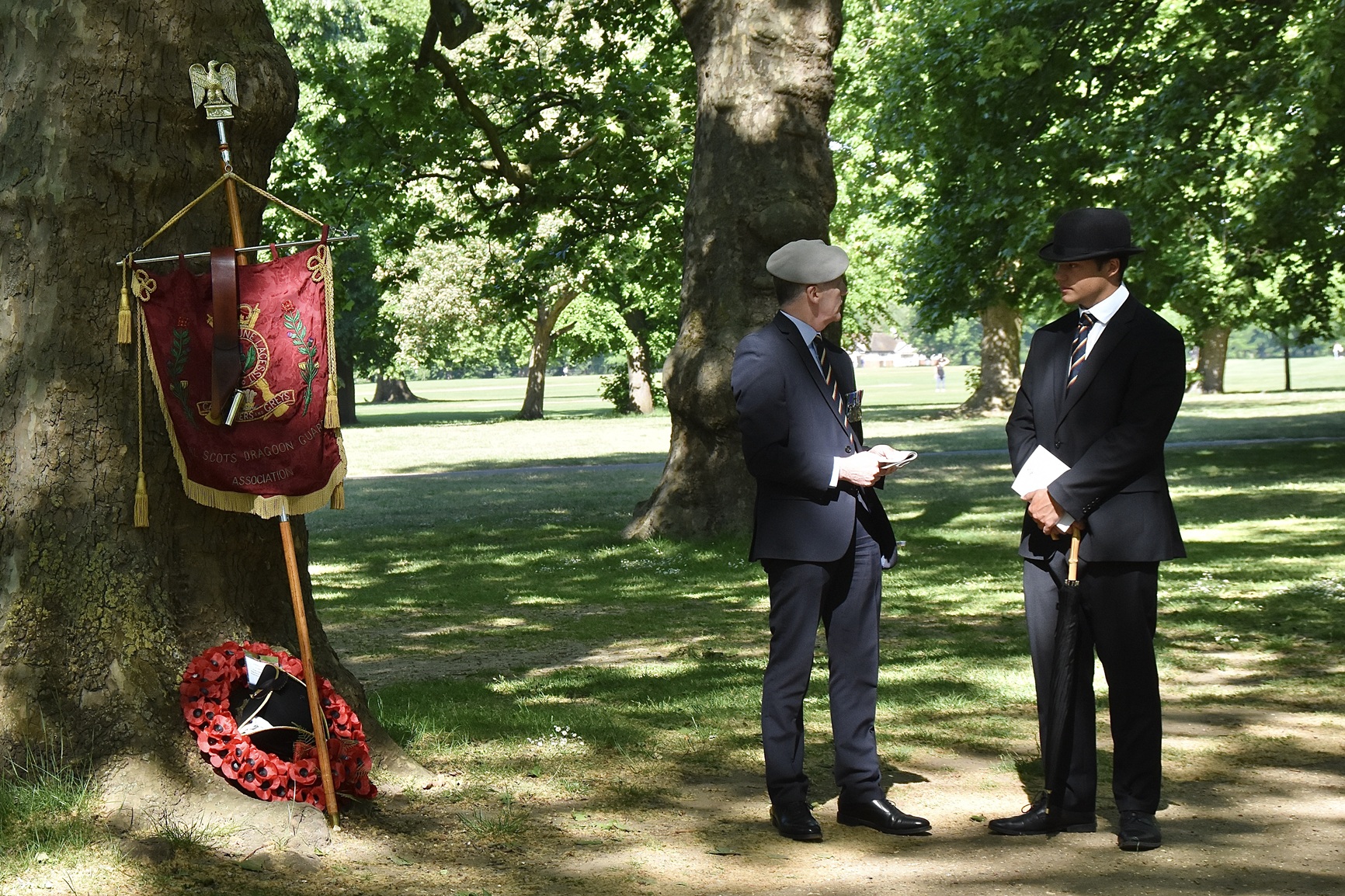
The Royal Scots Dragoon Guards banner is topped by a representation of the French Imperial Eagle captured at Waterloo in 1815.
A past or serving member of The Royal Dragoon Guards in a relaxed pose.
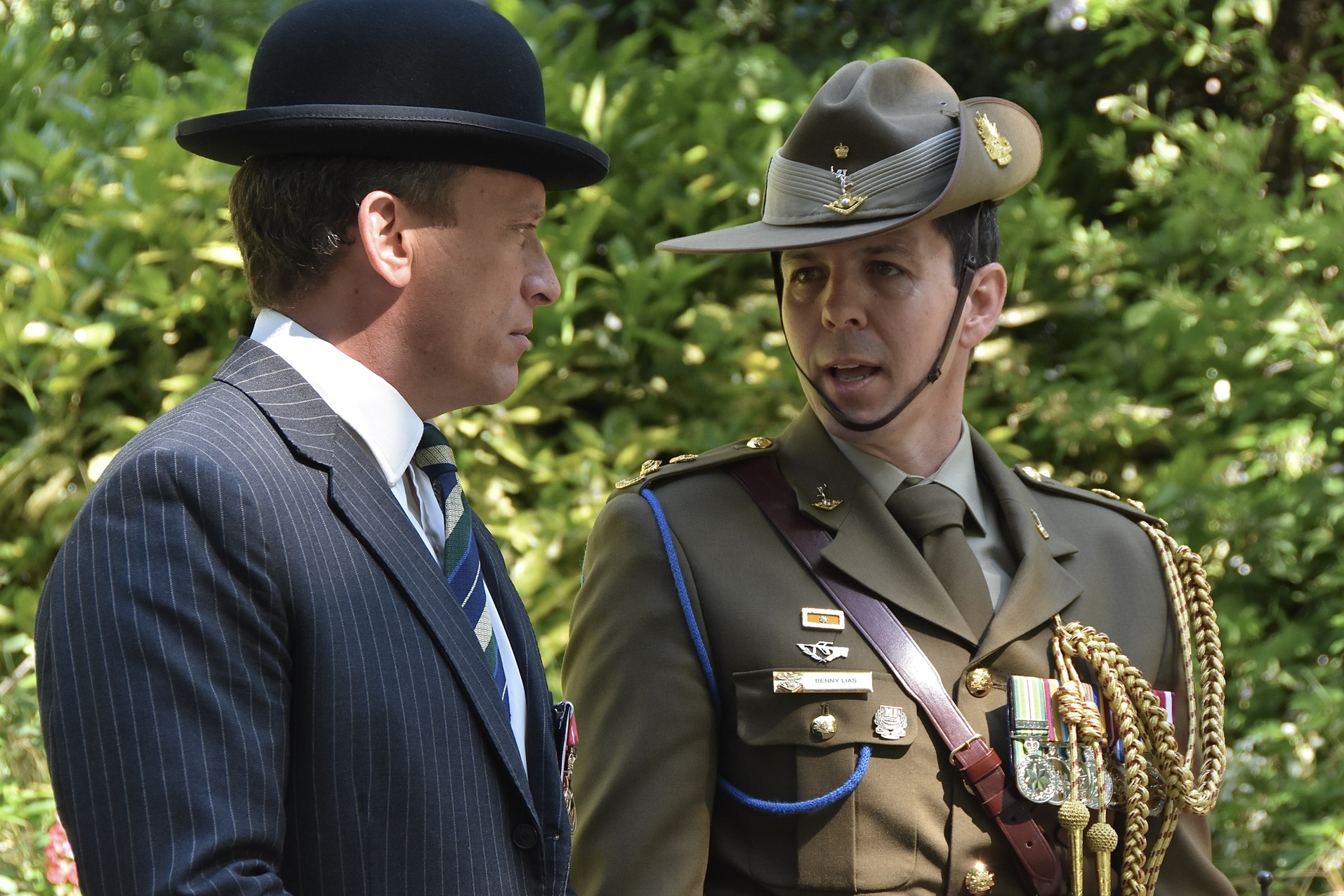
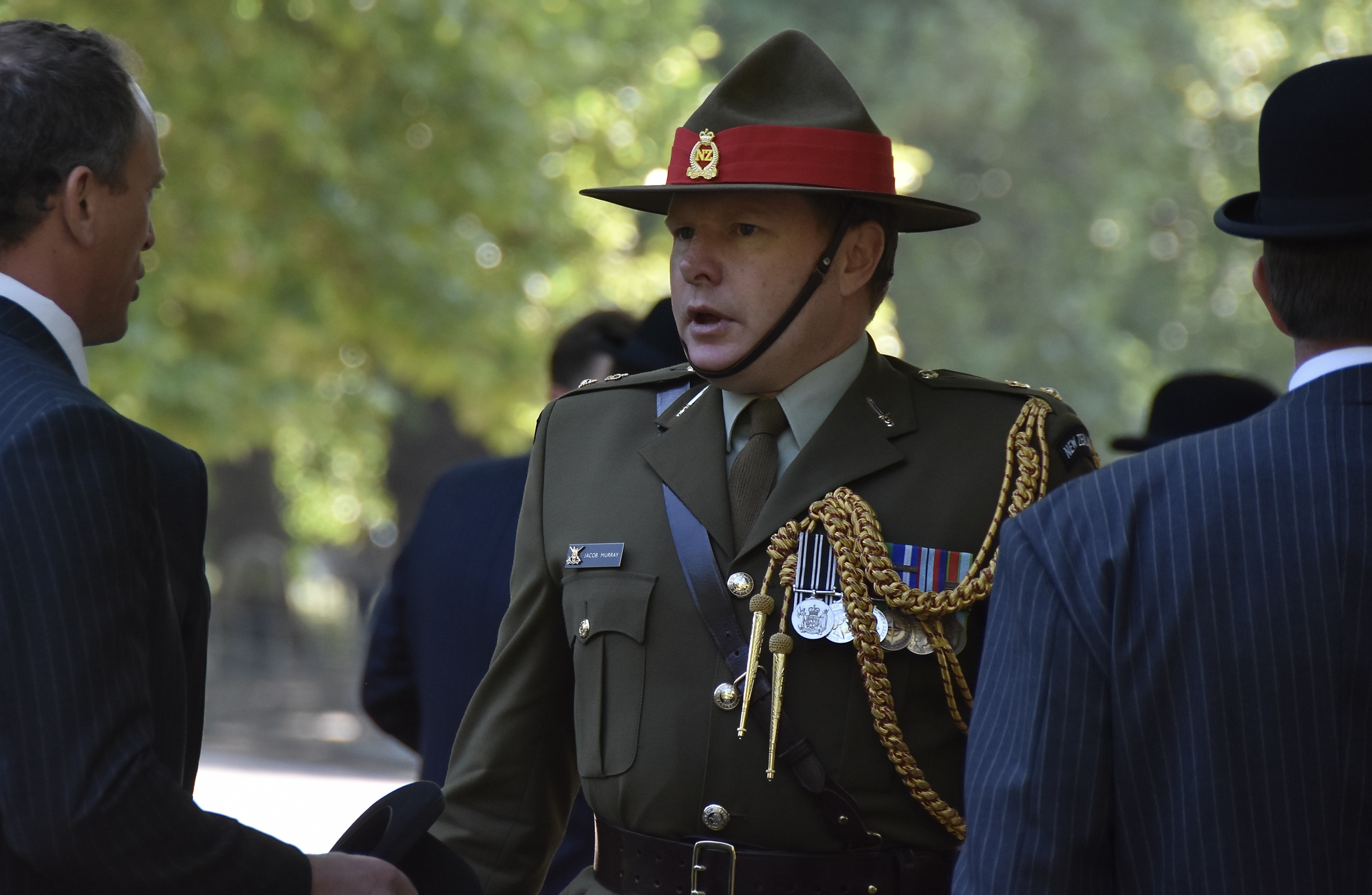
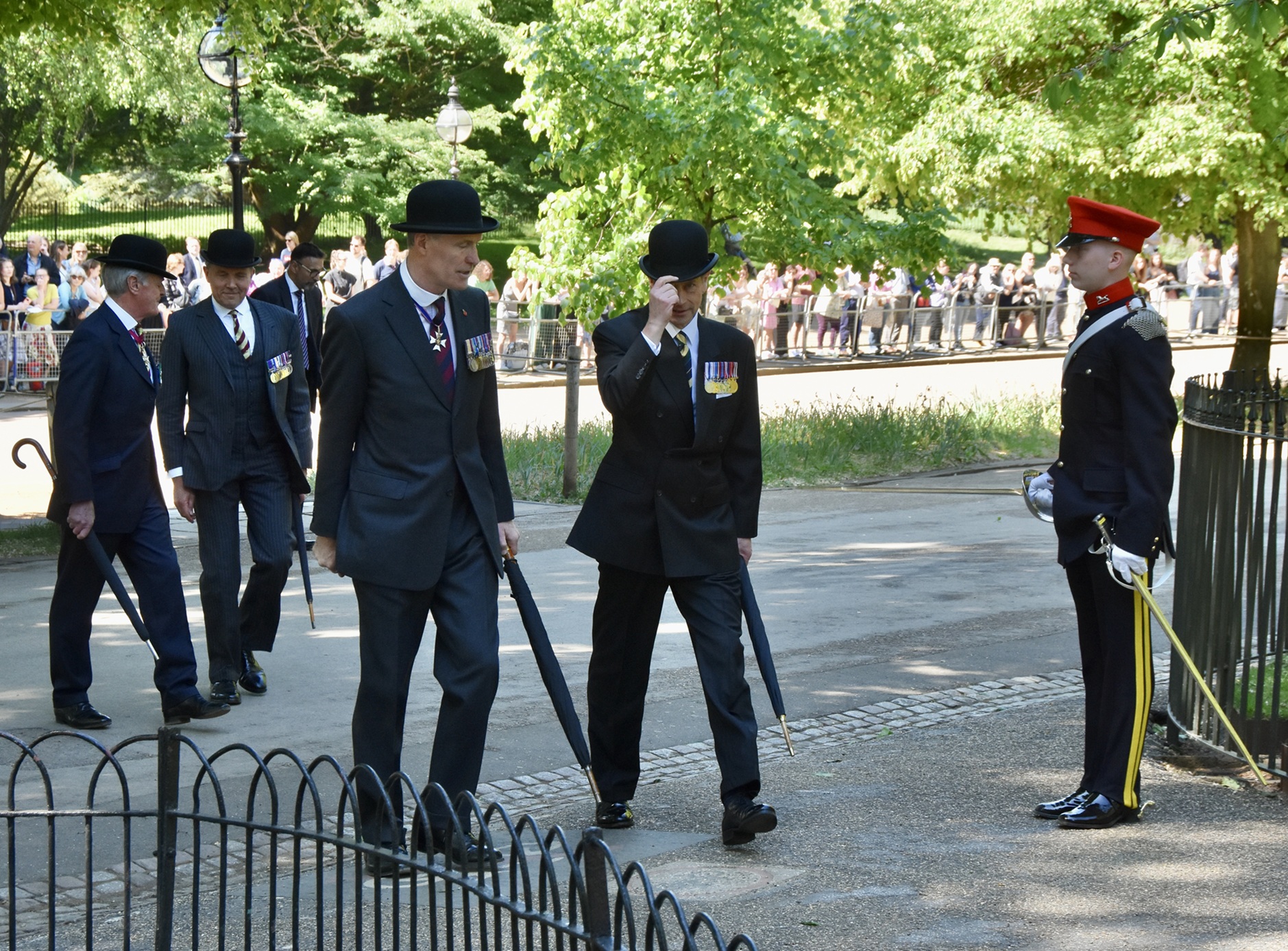
Two Queen’s Royal Hussars in front of the Cavalry Memorial, part of the honour guard for the marchers.Left: Major-General Nick Cowley, Colonel of this year’s sponsoring regiment, the Queen’s Royal Hussars, and 2025 Old Comrades Parade Commander. Right: Lieutenant-Colonel Benny Lias, representing the Australian Defence Force.Lieutenant-Colonel Jacob Murray, represented the New Zealand Defence Force along with colleagues from the country’s Air Force.Prince Edward, Duke of Edinburgh, Colonel-in-Chief of The Queen’s Royal Hussars, arrives to take the salute. Despite appearances, the Prince is not raising his hat to me. On the Prince’s right is Lieutenant-General Sir Edward Smyth-Osbourne (President of the Old Comrades) and on the far left of the picture is General Sir Richard Shirreff (Vice-Patron of the Old Comrades).Taking their place on the saluting base, left to right, Major-General Nick Cowley, General Sir Richard Shirreff, Lieutenant-General Sir Edward Smyth-Osbourne and Prince Edward.In the distance, musicians from the Life Guards and from the Blues and Royals march toward the saluting base. Here they will turn to their left, form up and play for the duration of the parade.
Hi Tim, your American fan here. Love your annual photoshoots of the parade — especially these relaxed almost-ready-for-prime-time photos! I’ll have to remember to get there early the next time I’m planning to photograph an event. What kind of camera do you use? (Do you think Prince Edward thought you were part of the paparazzi? 😉 Best regards, Marla
Thank you for the kind comments. My camera is an old middle range DSLR, a Nikon D7200. I mostly use a 18 – 200mm lens (effective focal length 28 – 320mm on my cropped sensor) which seems to cover most needs. I think that the Royals are tolerant of respectful photographers, they do need us!

 Hear The Boat Sing
Hi Tim, your American fan here. Love your annual photoshoots of the parade — especially these relaxed almost-ready-for-prime-time photos! I’ll have to remember to get there early the next time I’m planning to photograph an event. What kind of camera do you use? (Do you think Prince Edward thought you were part of the paparazzi? 😉 Best regards, Marla
Hi Marla,
Thank you for the kind comments. My camera is an old middle range DSLR, a Nikon D7200. I mostly use a 18 – 200mm lens (effective focal length 28 – 320mm on my cropped sensor) which seems to cover most needs. I think that the Royals are tolerant of respectful photographers, they do need us!
Best wishes,
Tim