
2 April 2026
By Ian Whitehead
In my previous article about the Claspers, I hope I have satisfactorily explained how to distinguish between the Tyneside father and son who were both named Harry Clasper. But there were also two Tyne oarsmen named Robert (Bob) Chambers, who were not related but whose careers overlapped between 1861 and 1868.
During that period, journalists were careful to make a distinction between them. However, after the original “Champion” Robert Chambers of St. Anthony’s in Walker-on-Tyne died in 1868, it wasn’t long before the surviving Robert Chambers, previously identified by his origins in Wallsend-on-Tyne, and as “Young Bob”, sometimes became just plain “Robert Chambers”. I don’t think there was any confusion between the two on Tyneside. It was estimated that 1,000 people followed “Champion” Bob’s coffin from his house to Walker Churchyard and that, in total, 50,000 to 60,000 persons were present along the route. But when “Young” Bob travelled to Canada in 1871, as a member of James Renforth’s Champion Tyne four, the extensive Newcastle Chronicle coverage never mentions Wallsend, nor points out he is not the ex-champion Robert Chambers.
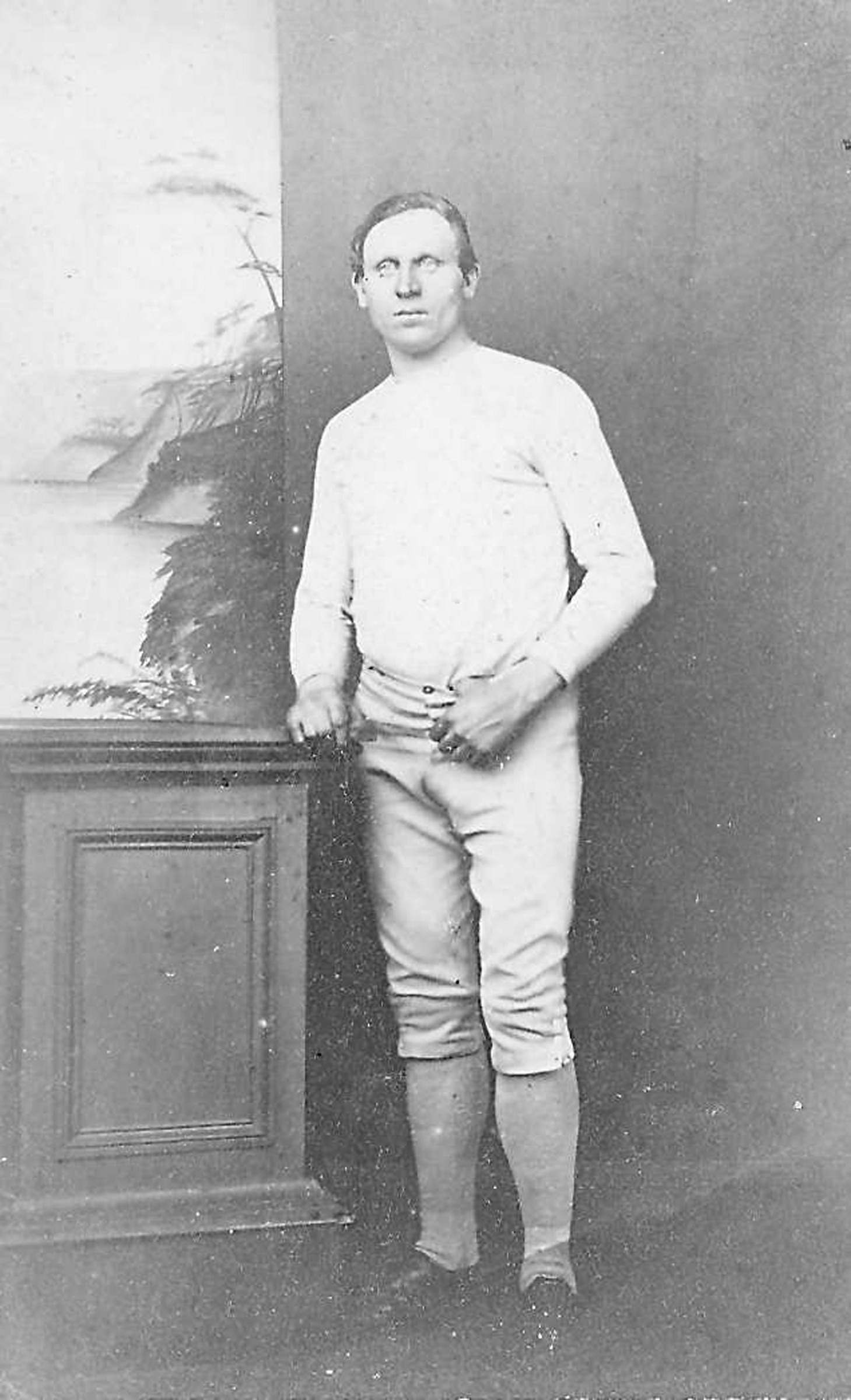
“Champion” Bob (Walker-on-Tyne)
Birth: 14th June 1831 St. Anthony’s, Walker-on-Tyne.
Rowing career: 1852-1867
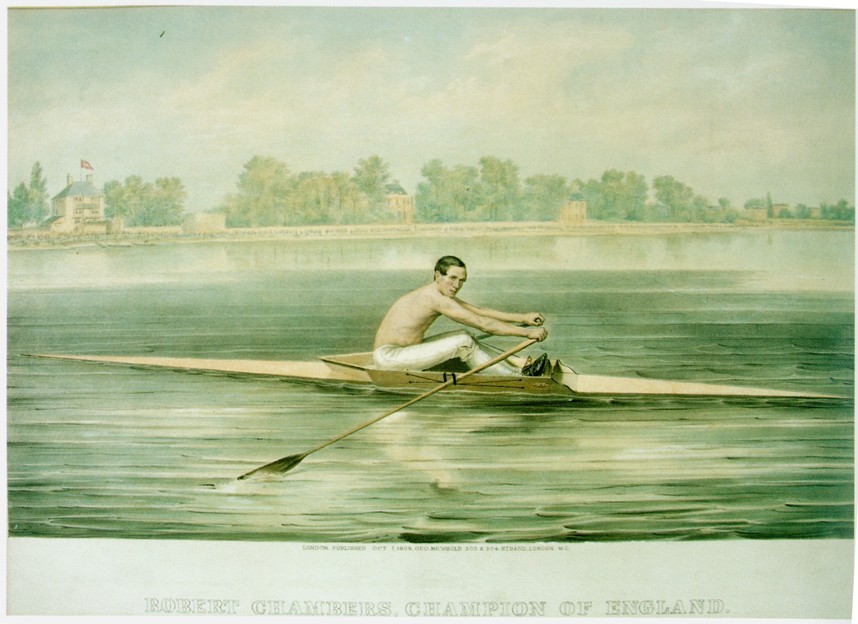
Bob Chambers was beaten by Hicks in his first sculling race on the Tyne in 1852, but thereafter he enjoyed a long and illustrious career in single sculls, pair oars and fours. On 29th September 1859 he raced Harry Kelley from Putney to Mortlake for the Championship of the Thames and £400, winning by 200 yards, and taking the title of Champion of England. Henceforth he was known as “Champion” Bob, or in the short periods when he had lost the title, as the “ex-champion”. He defended his title successfully for six years, including a victory over the Australian champion Richard Green, after which he claimed to be World Champion. He lost the Championship to Kelley on the Thames in 1865 but won it back in a match with Joseph Sadler in November 1866. He raced hard through 1867, going to Paris and stroking a Tyne four to victory, but losing again to Harry Kelley, this time on the Tyne. His health was deteriorating and despite moving on 6th May 1868 to Croft Spa, near Darlington, his condition worsened. He returned to his house in St. Anthony’s and died of tuberculosis there on 4th June 1868.
Death: 4th June 1868, St Anthony’s, Walker-on-Tyne.
“Young” Bob (Wallsend-on-Tyne)
Birth: About 1839, Northumberland.
“Young” Bob first came to notice when he won a scullers handicap in open boats at the St Lawrence Regatta on the Tyne in October 1861. Chambers won the first heat after the favourite, Scott, got swamped by a wave, “which enabled Chambers (not the champion) to win rather easily.” Subsequently, a series of unfortunate events, including that it had become too dark, meant that even the first round of heats was incomplete. It was decided to postpone the rest of the competition until the following Saturday. (Newcastle Daily Chronicle 15th October 1861) Young Bob went on to win the final very easily by two lengths, thereby winning the handicap of 29 entries. His future prospects were summed up in a press report of the event. “The victor, although no relation to the celebrated champion oarsman, has a similar hardy, strong frame, and possesses a great amount of muscular power, and will, no doubt, be heard of hereafter.” (Bell’s Life 27th October 1861)
Young Bob continued to race through the 1860s, also characterised as “Young Chambers”, and “Robert Chambers, Wallsend”. On one occasion in May 1867 both Robert Chambers were exercising on the river at the same time. The Newcastle Chronicle evidently didn’t want to confuse its readers, so described the situation thus, “About four o’clock Chambers was on the river again, as was also the Wallsend sculler.”
In August 1868 he stroked the Tyne Champion four to victory in the Thames Regatta. This was a low point for the Thames watermen since they also lost in the pairs, to Matt Scott and James Taylor, and in the single sculls, to the up-and-coming James Renforth. On Tyneside, this disaster for their Southern brethren, was memorialised in a song – “The Defeat of the Cocknies”! A select party of gentlemen gathered in Wallsend to pay a compliment to “Young Bob”, and Mr Thomas Hall said that he hoped that Bob would follow in the footsteps of his late lamented namesake. “Chambers recapitulated the late scenes on the Thames, and having given, in plain language, a faithful description of their races, the rest of the evening was spent in harmony. (Newcastle Journal 17th August 1868)
In June 1869 he defeated James Boyd of Gateshead on the Tyne for £50. The report of the race offers an insight to his character which may explain why Young Bob never became one of the great Tyne scullers.
“Chambers has been a long time inactive, a remarkable circumstance certainly, but none the less accurate and true. The Wallsend sculler has been a perfect enigma and it is to be hoped that now he has come off the victor, that he will come out of his shell a little oftener.”
In 1871 Chambers was a member of James Renforth’s Tyne Champion crew that travelled to Canada to defend the Championship of the World. The title had been won the previous year at Lachine by defeating the St. John, New Brunswick, crew, although Chambers had not been in that 1870 Tyne crew. This time the race would take place on the St. John crew’s home water of the Kennebeccasis River on 23rd August 1871.
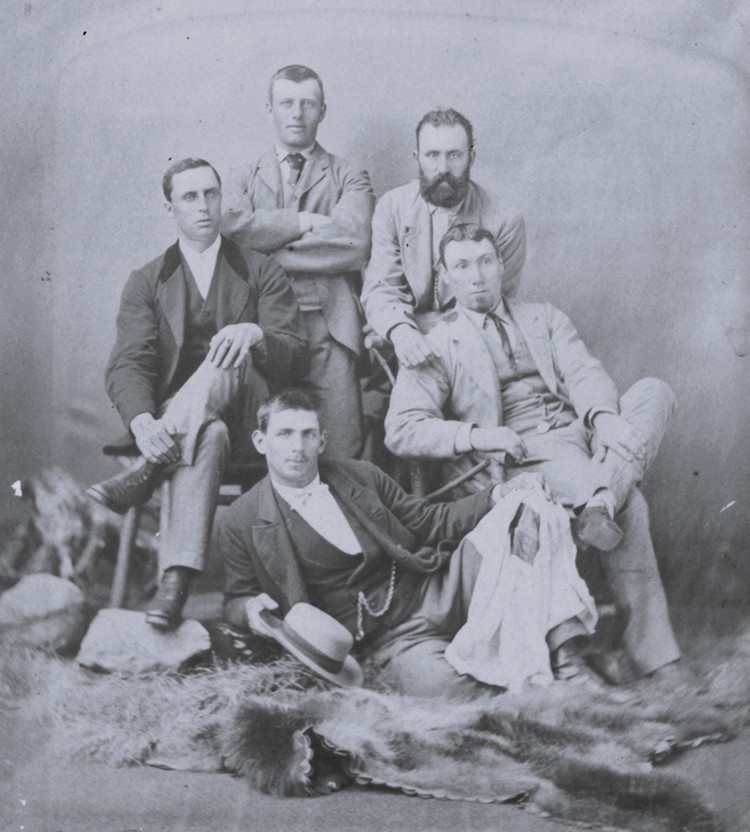
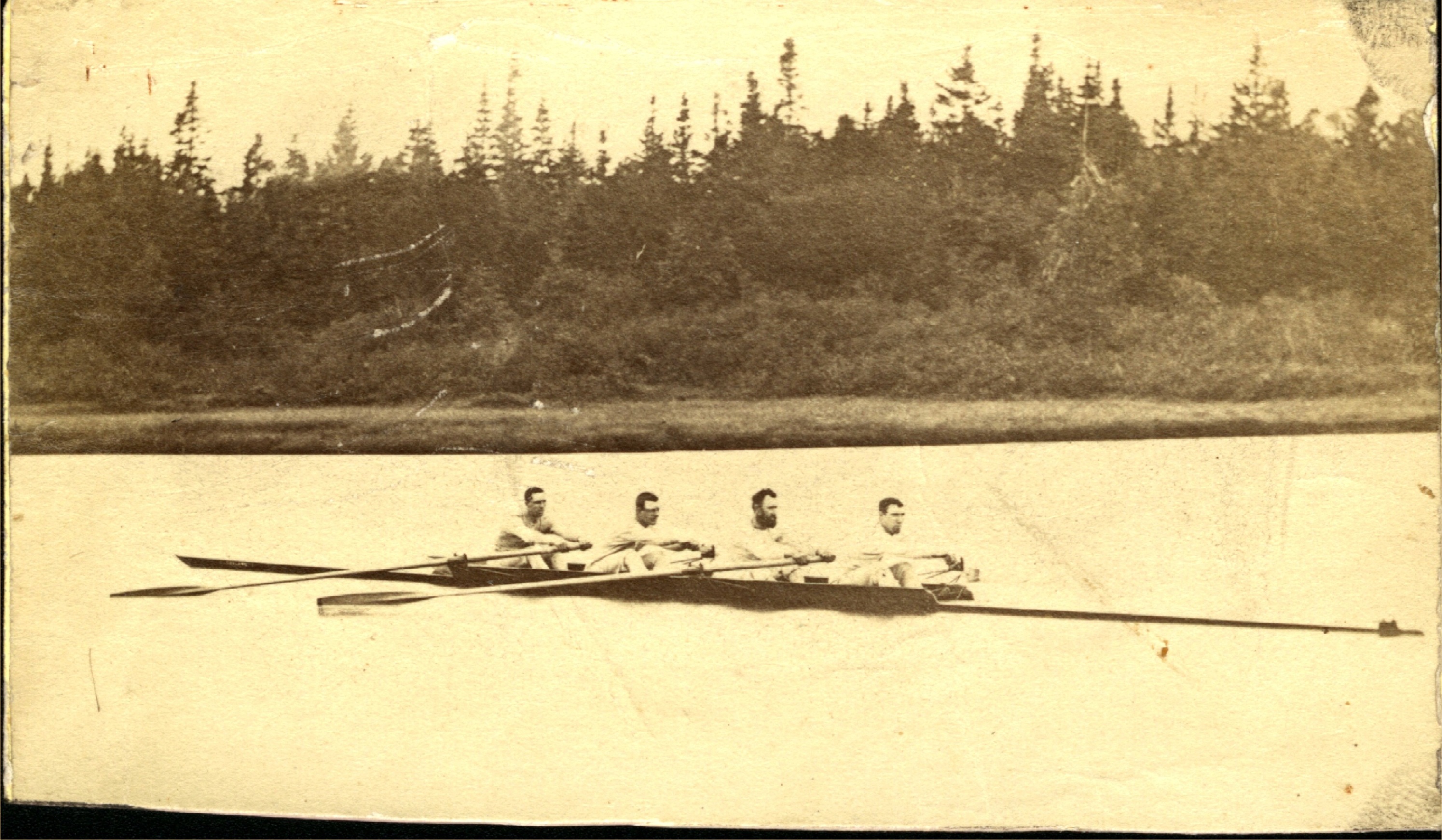
The race started well but the Tyne crew had rowed just a few hundred yards when James Renforth collapsed and was rowed ashore. He died less than two hours later. It was a human tragedy but also a financial catastrophe. The English party had bet all their money on a victory. The only way they could see to recoup their losses was for the remaining crew to compete at the upcoming Halifax Regatta. Chambers had been rowing at 2, but he now moved to replace the fallen Renforth at stroke, and the spare man, John Bright, took over at 2. The changed crew raced at Saratoga, Longueil, Halifax and Quebec, all without success.
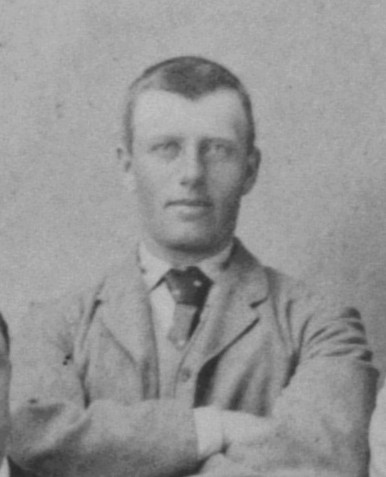
When what was now the Chambers crew returned to England, they immediately challenged the Winship crew, who had also been in America, to a race for the Championship of the Tyne, to take place on 22nd November 1871. The Winship four came to the start with their boat fitted with sliding seats of American design. The Chambers crew lost, with their opponents making very good use of their slides. As far as I am aware this was Robert Chambers’ last competitive race. I would suggest that the trauma of the death of Renforth, followed by successive losses in the races that followed will have severely damaged his already fragile confidence.
In 1877 the Newcastle Daily Chronicle established a competition in single sculls for the Championship of England Challenge Cup. Robert Chambers was on an initial list of competitors, but by 19th February he had called at the Chronicle’s offices to say that he had practised a few times with the sculls and was convinced that he would stand no chance whatever against the first-class men entered. He was by now 37 or 38 years of age. The Chronicle thought this explanation, “perfectly comprehensible and satisfactory, as although once a magnificent oarsman and sculler, he has been upon the shelf for a number of years.” (Newcastle Daily Chronicle 19th February 1877).
Robert Chambers is recorded in the 1911 Census as living with his wife Rachel at 5 Elton Street, East, Wallsend. He was 71 and she was 73 and they had been married for 52 years. They had no children. His occupation was recorded as waterman and he was employed by Wallsend Borough Council.
Death: Wednesday 28th May 1919, at Morpeth, Northumberland.
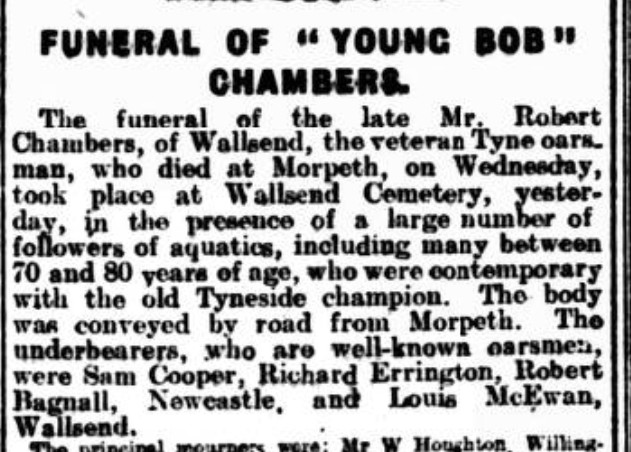
“Young Bob” Chambers was buried in Wallsend Cemetery on 30th May 1919. His funeral was attended by many relatives, friends and a large number of followers of Aquatics (rowing). Many were contemporaries aged between 70 and 80. Wallsend’s borough surveyor and Aldermen from Wallsend and Newcastle were also present. For an oarsman who had last raced 38 years previously, it was an impressive turnout.
I think the Newcastle Chronicle’s headline writer showed a nice touch of humour when the ceremony for the 80-year-old veteran was billed as, FUNERAL OF “YOUNG BOB” CHAMBERS. (Newcastle Daily Chronicle 31st May 1919)
I hope this article, and the previous one about the father and son Harry Claspers, will be helpful in identifying these four oarsmen of Tyne origins. It has been very rewarding for me to research the lesser known “Young” Harry Clasper and “Young” Bob Chambers. Their illustrious namesakes have been celebrated for many years, and it is perhaps time that “Young” Harry and “Young” Bob got a share of the limelight.
 Hear The Boat Sing