
31 March 2026
By Ian Whitehead
In February this year I asked curators at North East Museums (formerly Tyne and Wear Museums) if they were interested in acquiring any Tyne related items from the River and Rowing Museum Collections (RRM). I was pleased to find that an expression of interest had already been sent to the RRM but a throwaway remark, “why did they all have the same names!” set me thinking.
I could immediately bring to mind two pairs of Tyneside-born rowers with the same names that have caused confusion among rowing historians, including me. In the first part of this article I will explain how to distinguish between the “Old” and “Young” Harry Claspers.
“Old” Harry
Birth: 1812, Dunston (Gateshead)
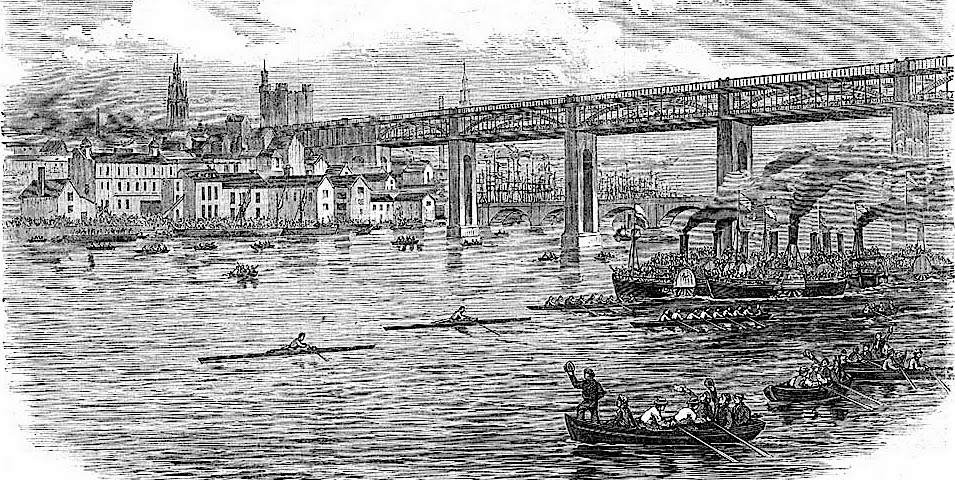
Rowing career: 1837 -1867 – Famous oarsman, boatbuilder and coach. Almost all references you come across will be about “Old” Harry. He was based on the Tyne all of his life.
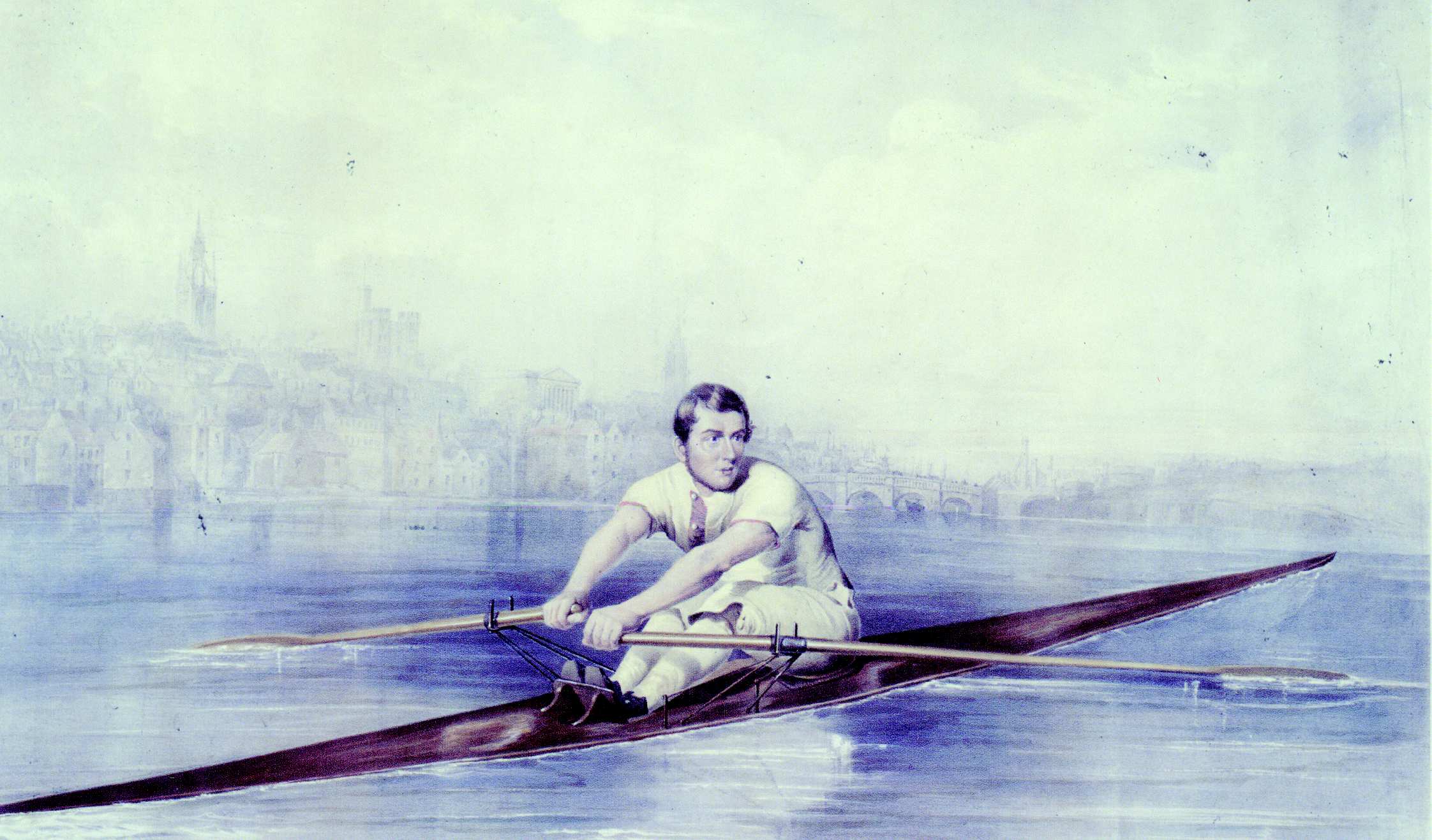
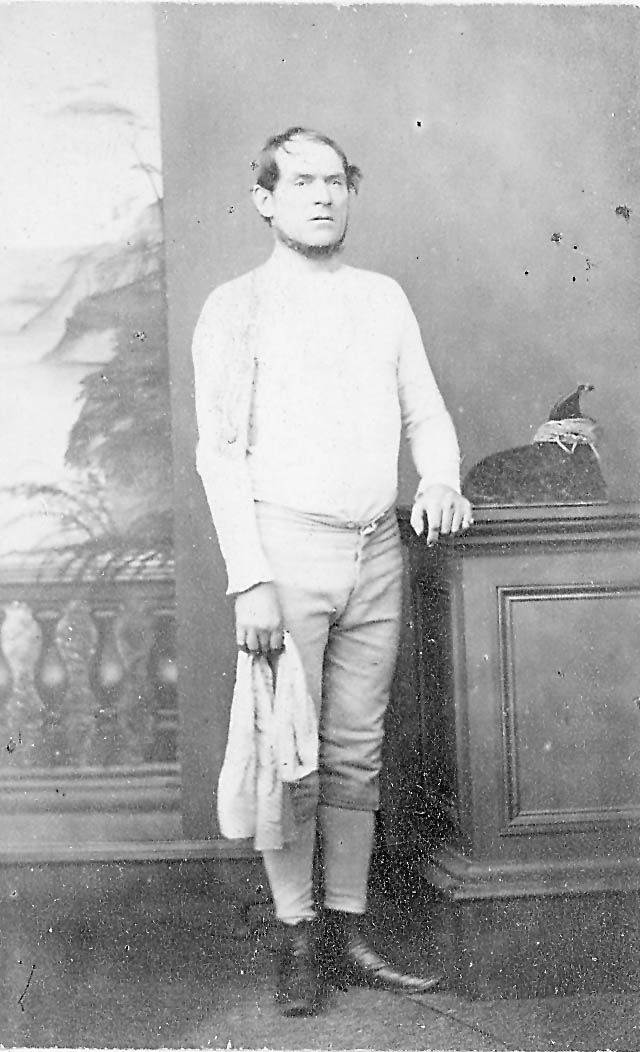
Death: 13th July 1870, Ouseburn (Newcastle)
“Young Harry”
Birth: July 1858, Elswick (Newcastle). He was the youngest son of “Old Harry” and was only 12 years old when his father died in 1870.
Rowing career: 1872 – 1885. “Young Harry” was based on the Thames for all his career, living firstly in the household of his older brother John Hawks Clasper. He was a fine sculler, but small, 5’ 5” tall, and weighing only 8 stone 7 pounds when he rowed his last race. This was on the Tyne against Robert Patrick of Gateshead in September 1885. Previously Young Harry had been beaten on the Thames by William Spencer and Messenger, who were both bigger men. Patrick was also a lightweight, weighing in at 8 stone 11 pounds (Newcastle Journal 8th September 1885). The match was for £60 and the light-weight sculling championship of England (The Grantham Journal 12th September 1885). Harry became a Queen’s Waterman in the same year. He later trained crews at home and abroad, notably in Berlin and Budapest (Newcastle Chronicle 22nd July 1925).
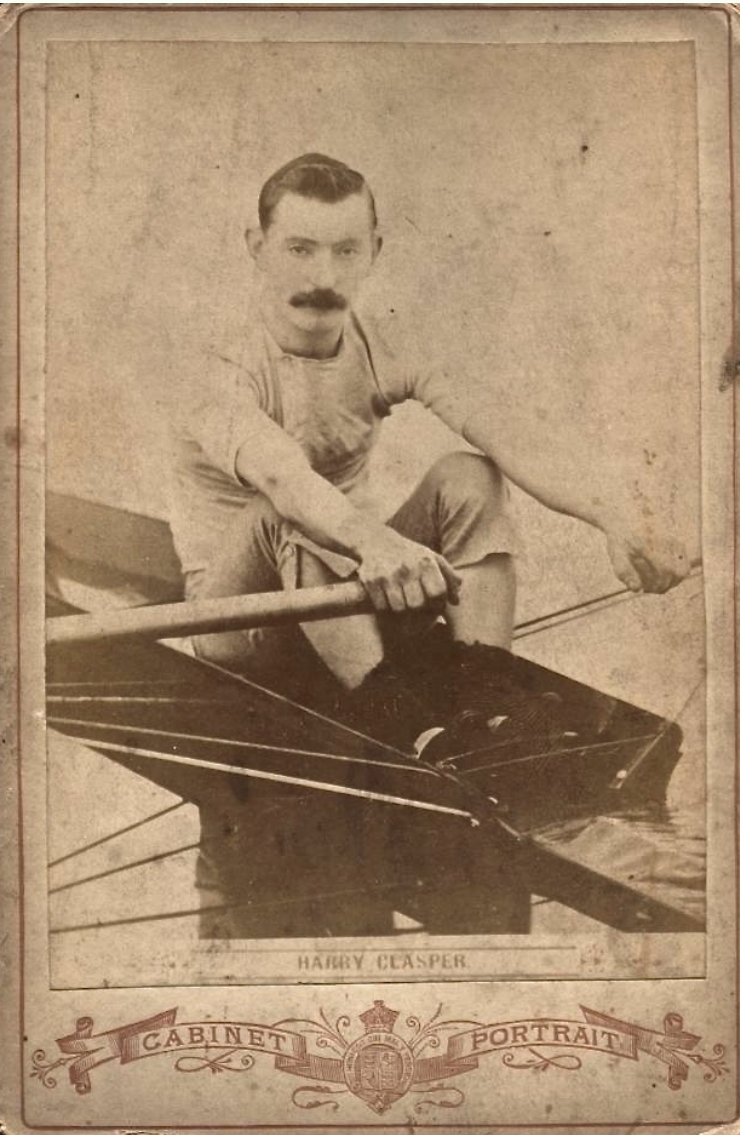
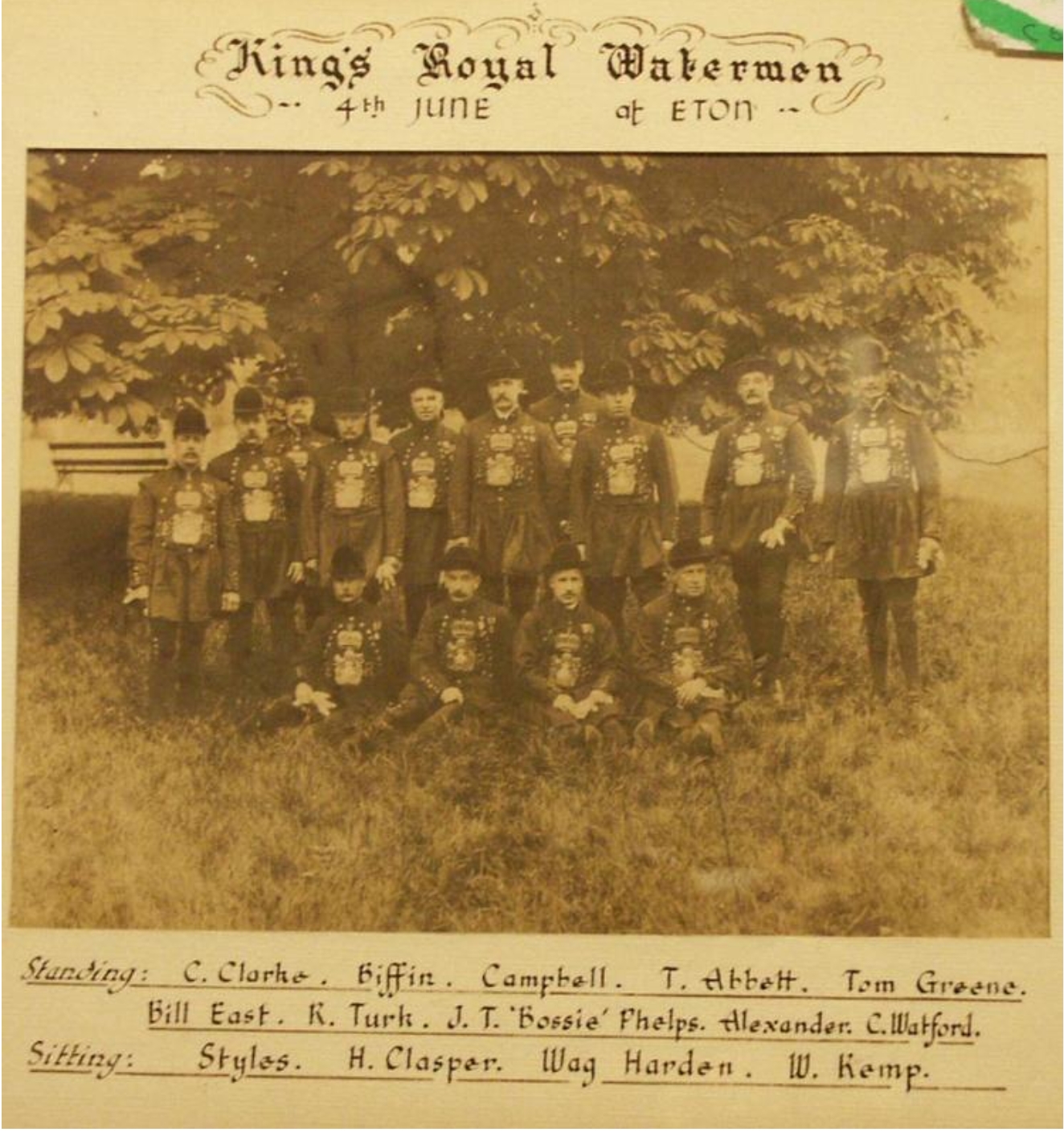
Death: Around December 1931 – “W. Coles, who coached Bert Barry (Barnes R.C.) when he beat M. Goodsell (Australia) in the World’s Sculling Championship at Vancouver, in 1928, has been appointed to the vacancy in the ranks of the King’s Watermen due to the death of Harry Clasper.” (Southwark and Bermondsey Reporter 8th January 1932)
I hope I have provided some tools to distinguish between the two Harry Claspers. “Young Harry” was a fine sculler who was just too small to take on the bigger men, but he deserves to take the credit for his achievements and not have them assigned to “Old Harry” his much more famous father.
In the next instalment I will look at how to distinguish the Tyne oarsman, Robert Chambers, from another Tyne oarsman, Robert Chambers, (no relation).
 Hear The Boat Sing