
4 November 2025
By Stephan Ploke
Rowing on the Indian subcontinent has already been the subject of several articles by Tim Koch published on HTBS. I recently had the particular pleasure of attending the most traditional and probably most prestigious rowing event on the subcontinent, namely the annual regatta between the Madras Boat Club in the South Indian city of Chennai and the Colombo Rowing Club from the Sri Lankan capital. The event takes place alternately each year in Colombo and in Chennai, the latter hosting this year’s races.
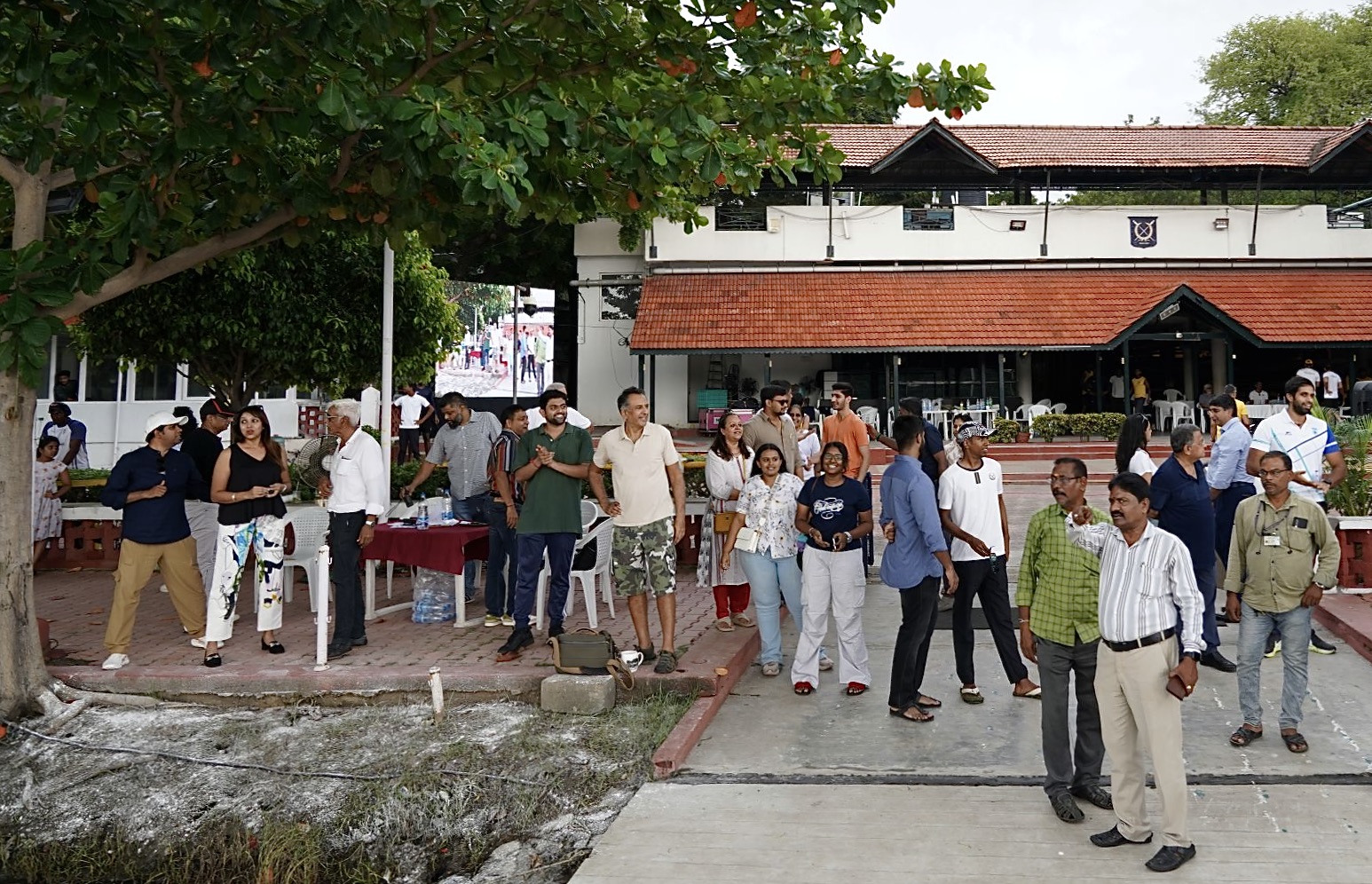
During my stay in Chennai, I was warmly welcomed and generously hosted by the members of the Madras Boat Club. It was a wonderful opportunity to discover an entirely new facet of rowing and to witness this traditional event before continuing my journey to Sri Lanka to visit the Colombo Rowing Club. As many HTBS-types may already know, the chief purpose of this trip was research and photography for a book I’m currently working on about the world’s greatest rowing boathouses.
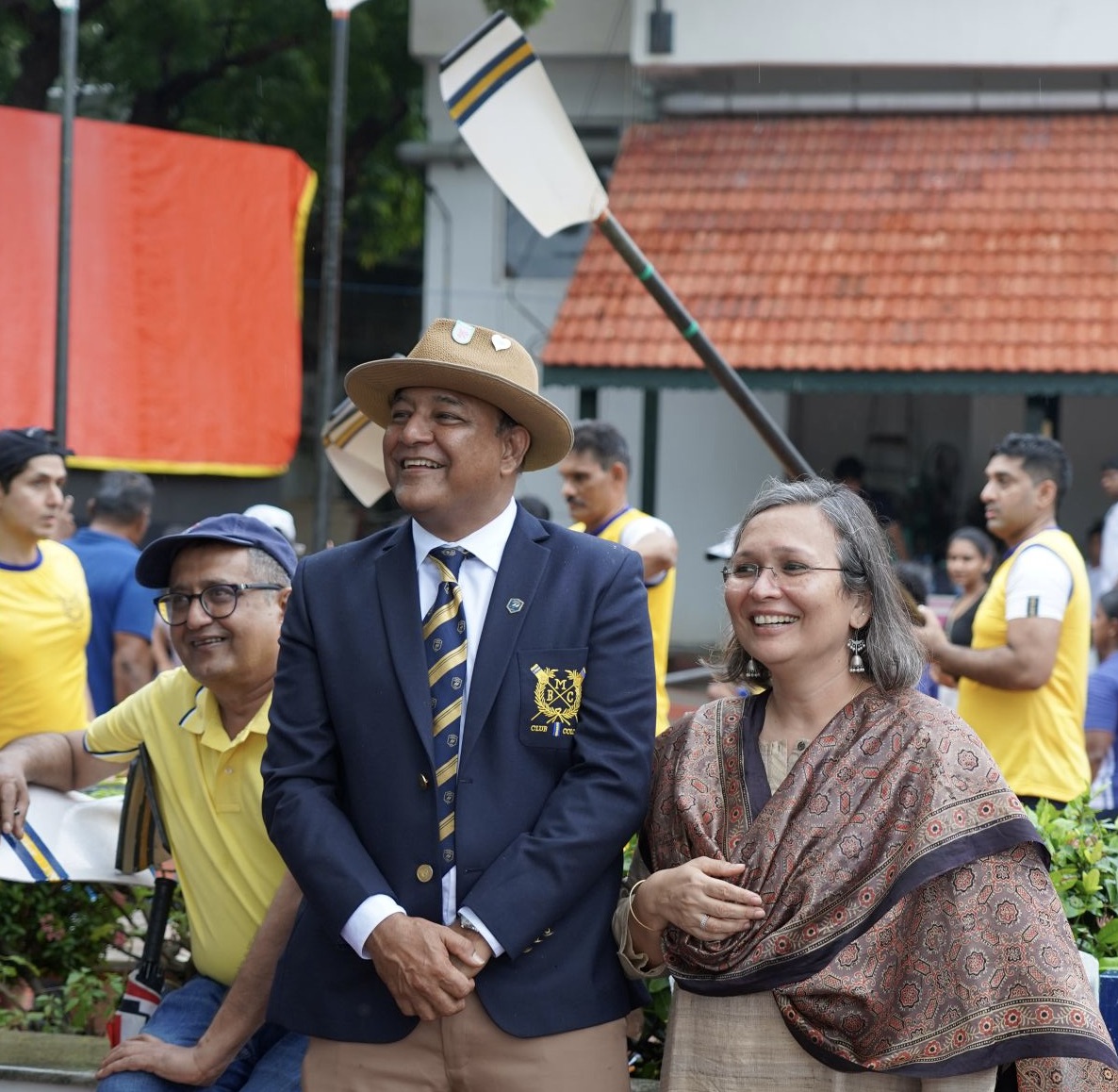
The first race between the two clubs took place in 1898, after Colombo RC had challenged Madras BC to a match in coxed fours and in pairs. Over time, further races in single and double sculls were added; today, races in all boat classes are also contested by women of both clubs, while the men compete in both higher-level A-races and in B-races. Thus, there are twelve races in total. These are not restricted to a specific age, and since rowing in India and Sri Lanka is far from a mass sport, the races are often filled with oarsmen and oarswomen of varying ages and experience, which means that crews are not always evenly matched. Yet in many races the standard of rowing is respectable and finishes are often closely fought.
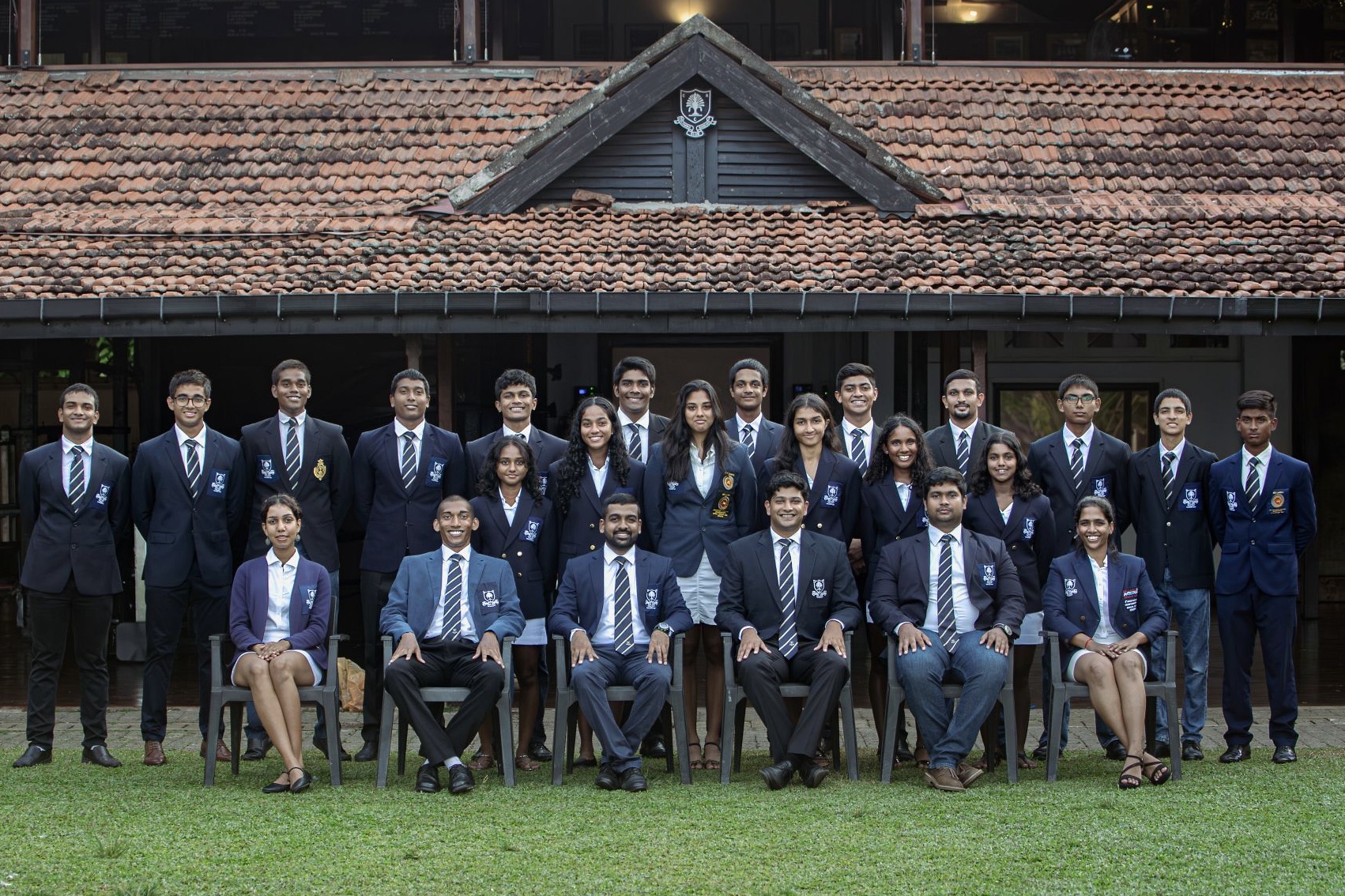
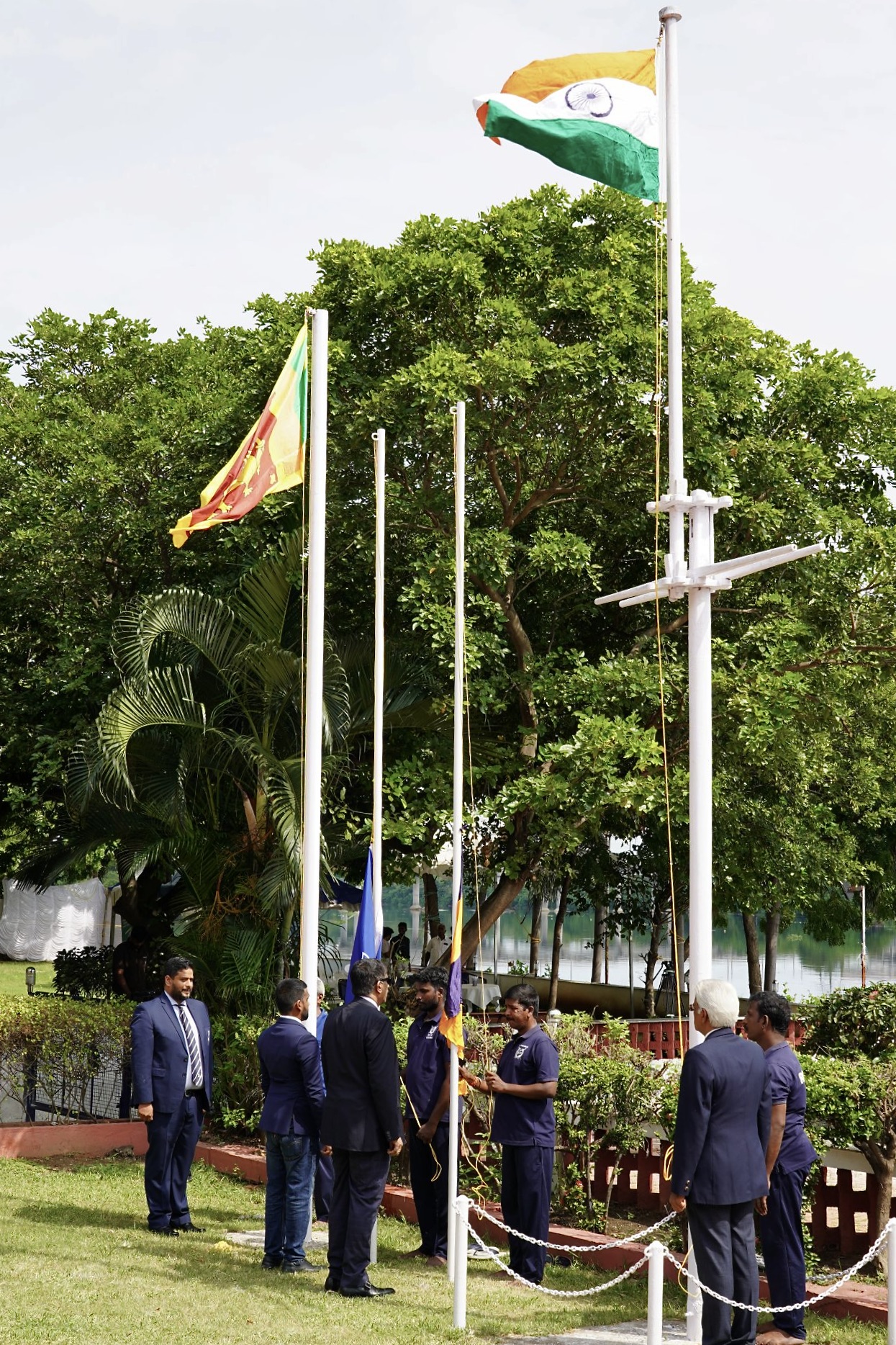
What all the races share, however, is the enthusiasm and seriousness with which athletes and spectators alike take part. This begins days before the regatta, when the crews are presented to their clubs and gather in their club blazers for a group photo in front of the respective boathouses. On the regatta day itself, the national flag of the two countries as well as the flags of both clubs are ceremonially hoisted in the presence of all, followed by a pledge of sportsmanship and fair and competition.
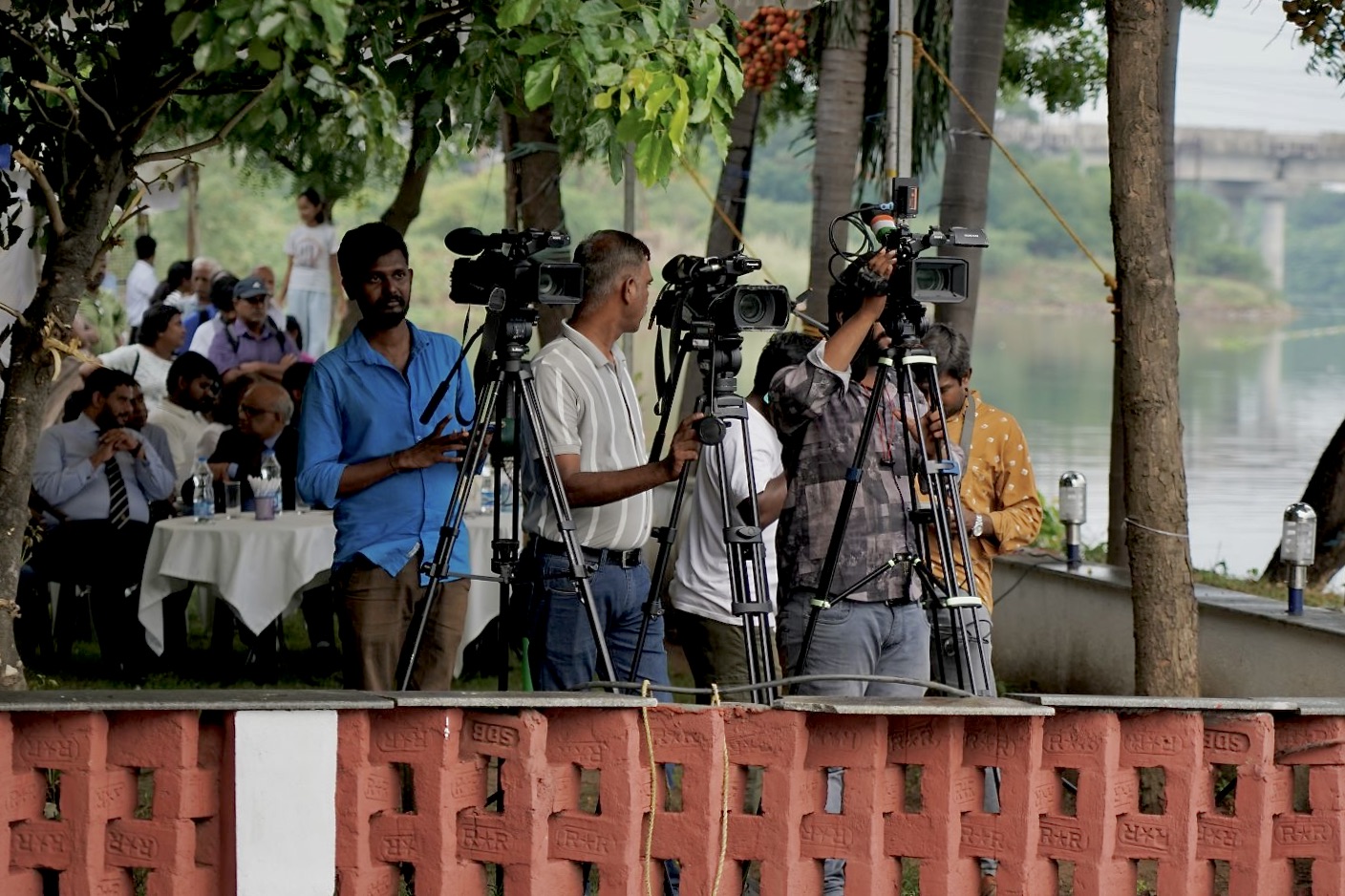
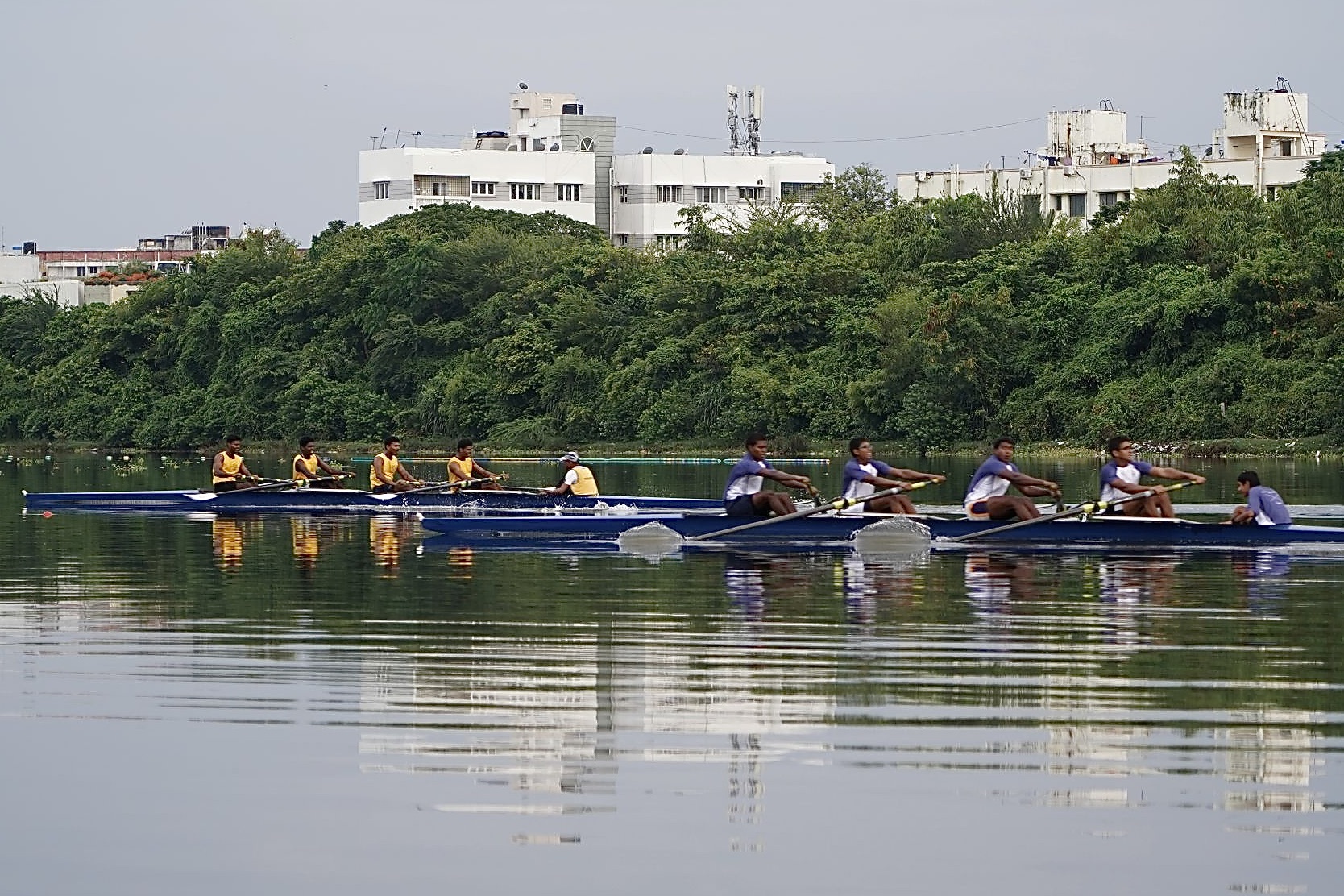
The races follow at roughly half-hour intervals, the final one being the men’s A coxed four, which is the actual Madras–Colombo Boat Race and the root of the regatta, thus still remaining its most prestigious event. During the regatta one often hears the claim that it is the world’s second-oldest inter-institutional rowing race after the Oxford–Cambridge Boat Race. That, of course, is somewhat idealised, since for example the Yale–Harvard Race has been held annually since 1859 (first rowed in 1852), or has the Childs Cup between Princeton, Columbia and Pennsylvania since 1879. Yet the author knows of few annual races between two clubs, and of none older than the Colombo – Madras Boat Race that has been contested more or less without interruption.
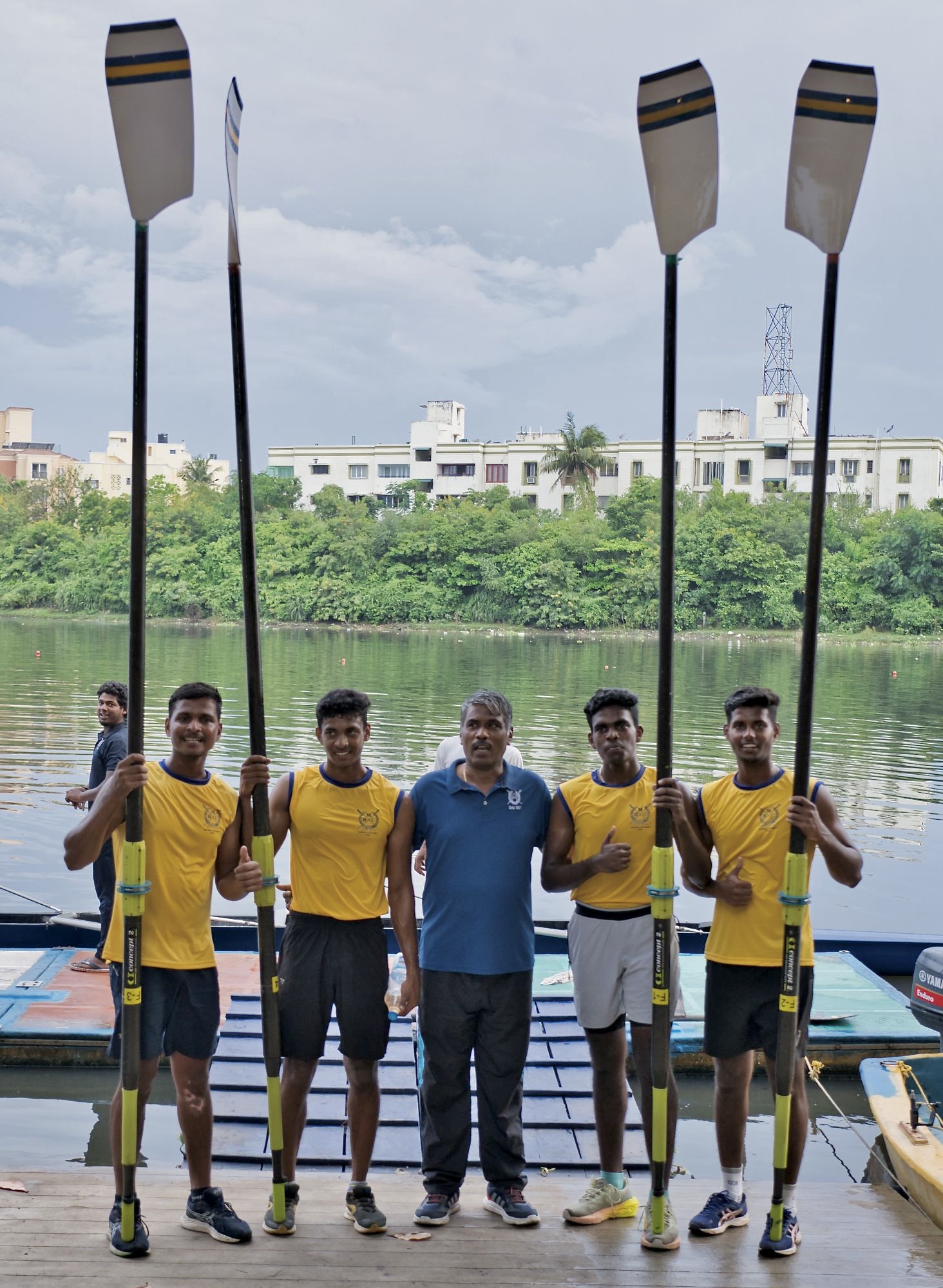
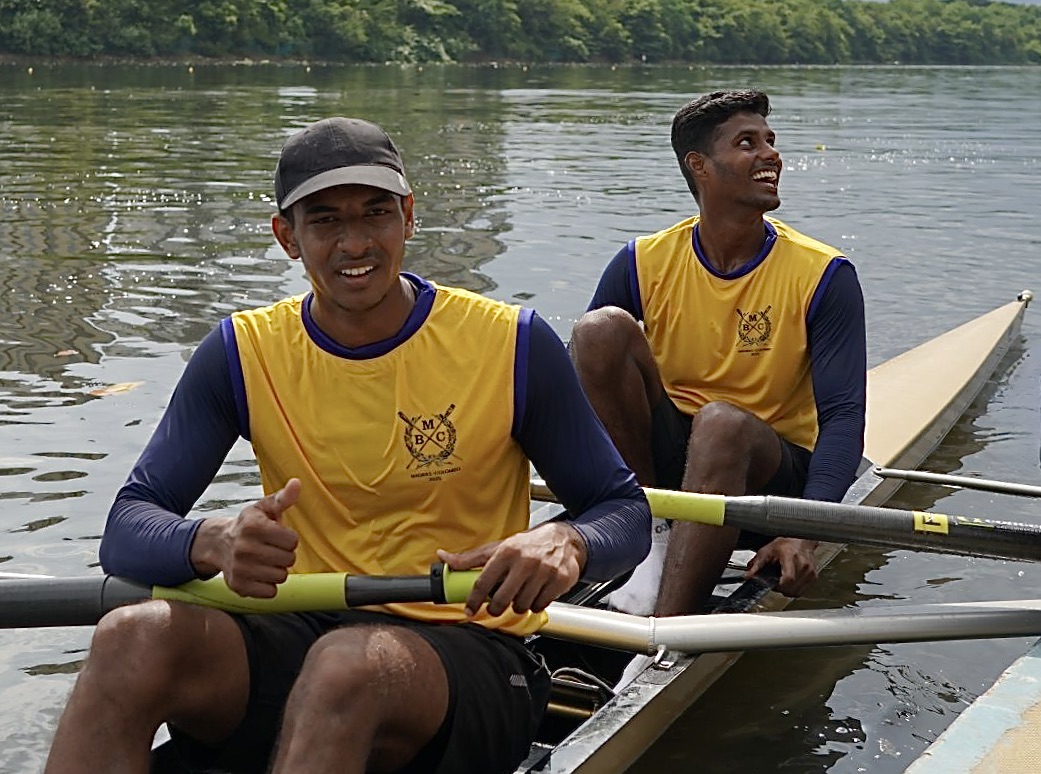
Interestingly, what is missing after the races is the traditional tossing the cox, for the Adyar River is so heavily polluted that any rower who capsizes is taken straight to hospital – though similar problems are said to exist at the original Boat Race.
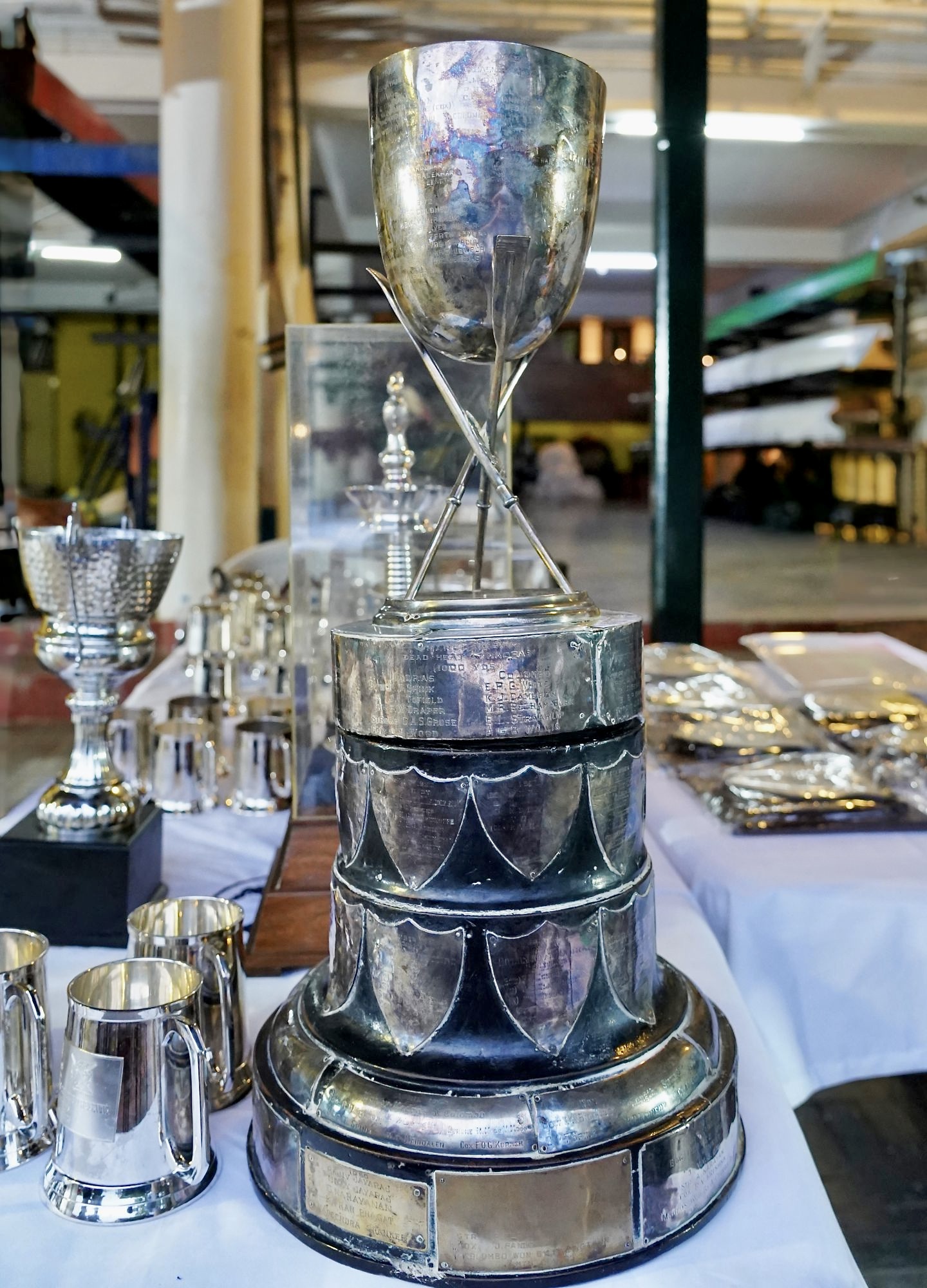
There is, of course, an official prize-giving ceremony, conducted this year by the President of the Indian Rowing Federation together with the Consul General of Sri Lanka. In addition to the winners of each race, the overall victors are honoured, determined by a points system, with the Deepham Trophy awarded for the men’s races and the Adyar Trophy for the women’s races.
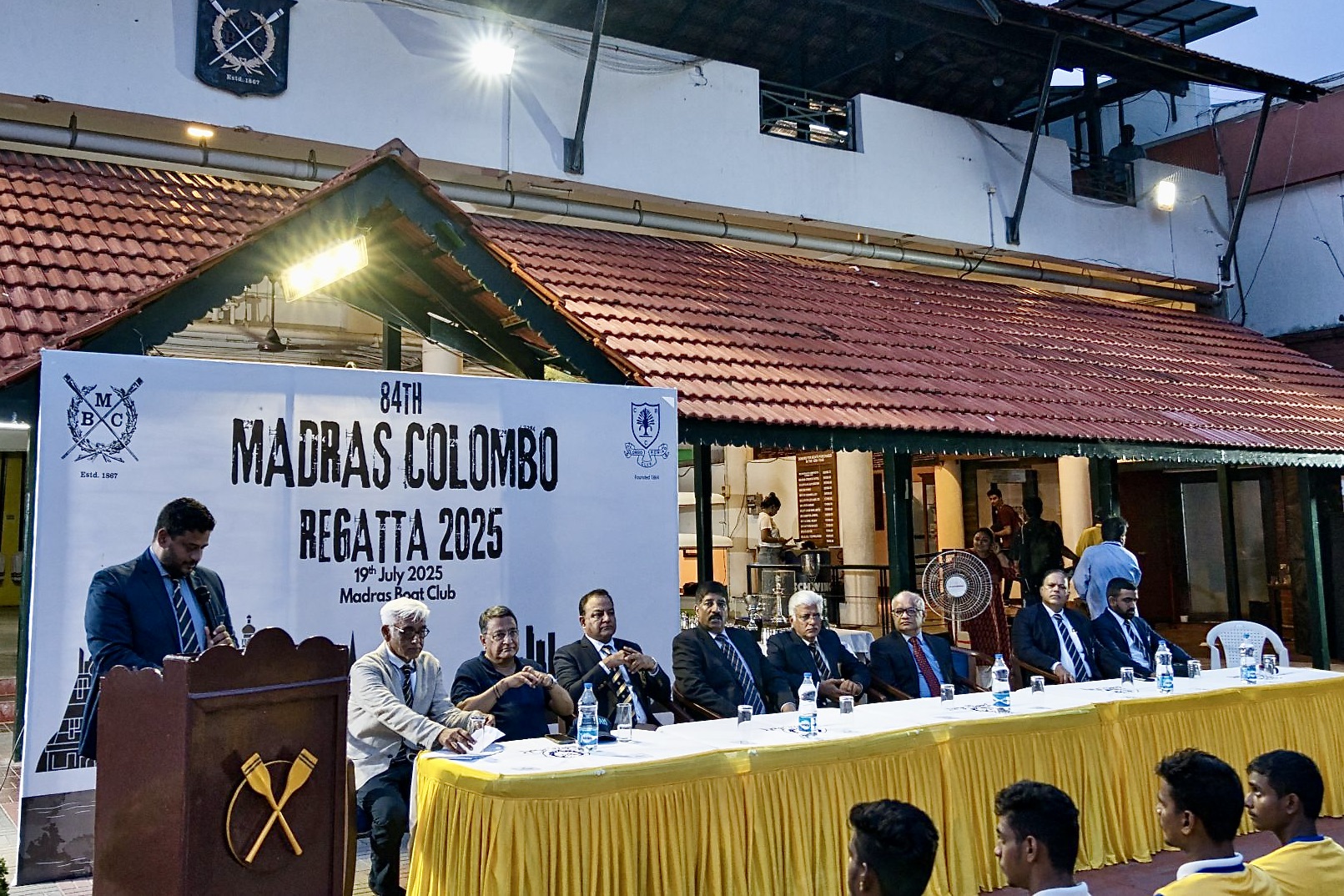
Particularly impressive is the weight and substance of the speeches delivered, emphasising the value of sport in general, and rowing and tradition in particular, for both the individual and society. Many a regatta in the Western heartlands of rowing could take a large slice of inspiration from this. This year’s winners were the hosts from Madras BC in the men’s coxed four as well as in the men’s overall points. Madras BC took the honours in the women’s four while Colombo won the remaining three women’s events and by then taking the overall points.
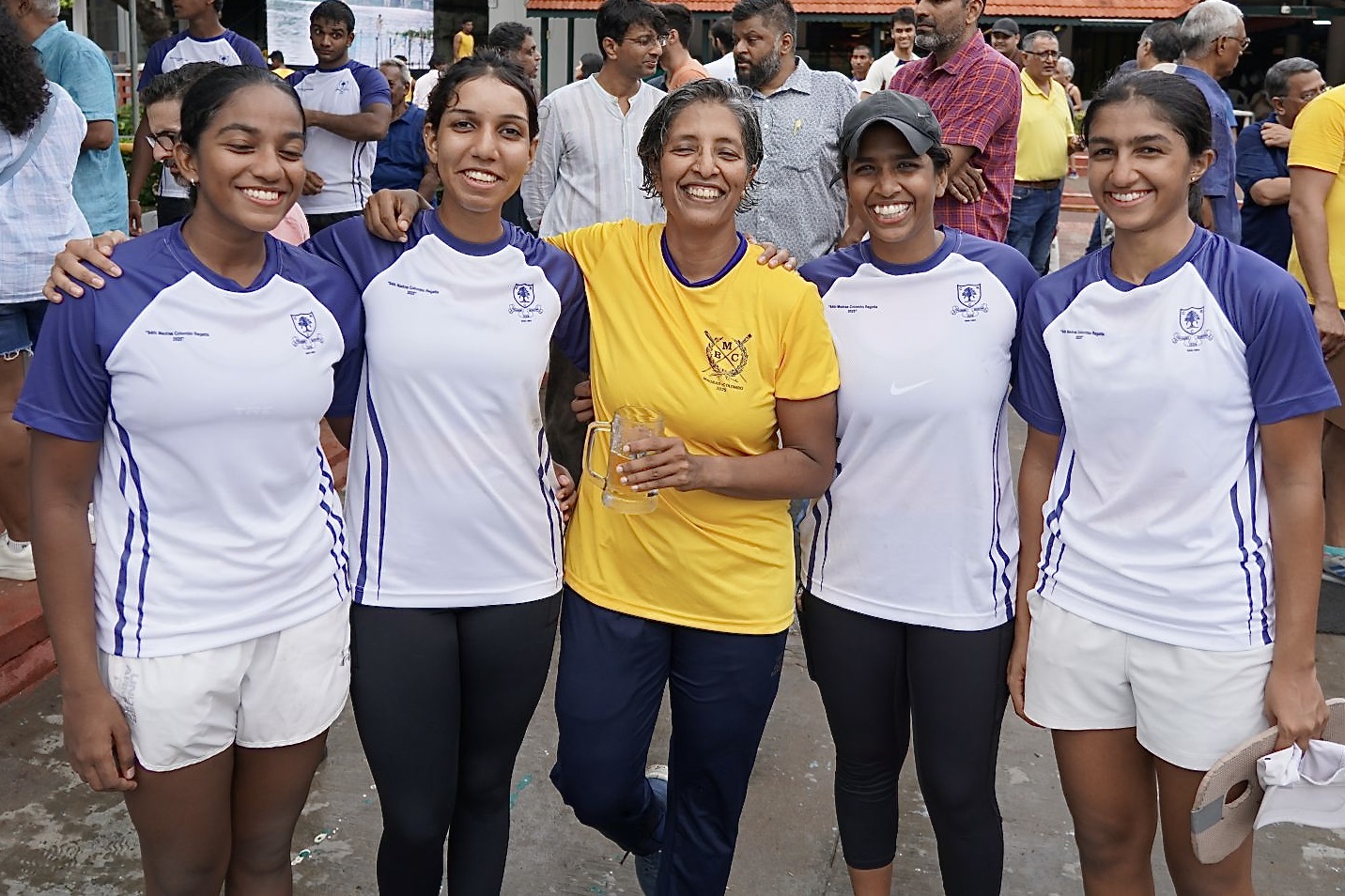
The day ends with a communal dinner followed by a lively party. For however fierce the rivalry may be on the water, the relationship between the two clubs is deeply rooted and friendly. Many have known each other for years and faithfully take part in the annual visits.
Boats are not transported between the two cities, owing to the long journey; instead, the host club provides the boats. At Madras BC these usually come from the Canadian boatyard Hudson; there are also two Indian boat builders, Sunny and Jeeva, but their quality does not match that of established Western yards and so their boats are used rather for training beginners or for recreational rowing.
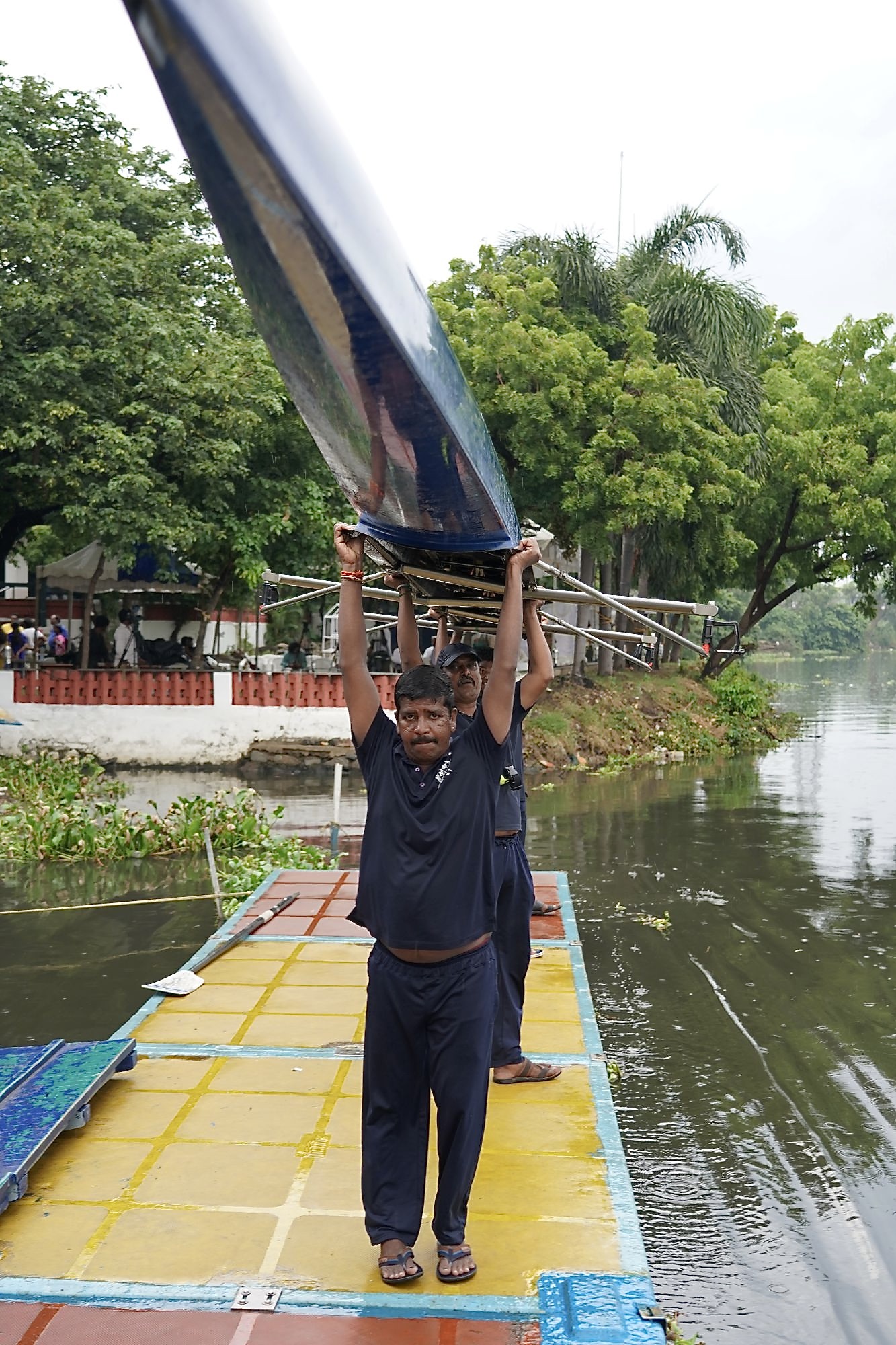
Because of the frequent boat changes during the regatta, the club’s boat boys have their hands full. They not only bring the boats from the bays down to the water, but also swiftly adjust stretchers, slide tracks and riggers. These boat boys are known as Lascars, a term of Persian origin that in colonial times referred to non-European sailors serving on British ships.
At Madras BC four Lascars are always on duty, under the lead of the Head Lascar. To Western eyes this may appear somewhat out of step with today’s egalitarian ideals, but one must concede that there are far worse jobs to be had, in India and elsewhere, and today, many of the more ambitious rowers hardly make use of their services, preferring to handle their boats themselves. The Lascars meanwhile increasingly focus on the repair and maintenance of equipment, on the training of beginners, or serve as coxswains.
It is striking how proud the members of both clubs are of their unmistakably British heritage and of preserving it. When Madras BC significantly rebuilt its boathouse in the 2000s, they deliberately chose the typical English colonial style for the façade, which also characterises the boathouse of Colombo RC. The latter still resides in the original boathouse built by the English in 1900 and is one of the most inviting and hospitable clubs I have visited anywhere in the world. Its exceptionally cosy bar is adorned, much like the Captain’s Room of the Goldie Boathouse in Cambridge, with plaques listing the crews and winners of the Subcontinent’s Boat Race. Alongside the bar there is an elegant restaurant, a lounge and a billiards room, and around fifty staff care for the building and the club’s roughly six hundred members.
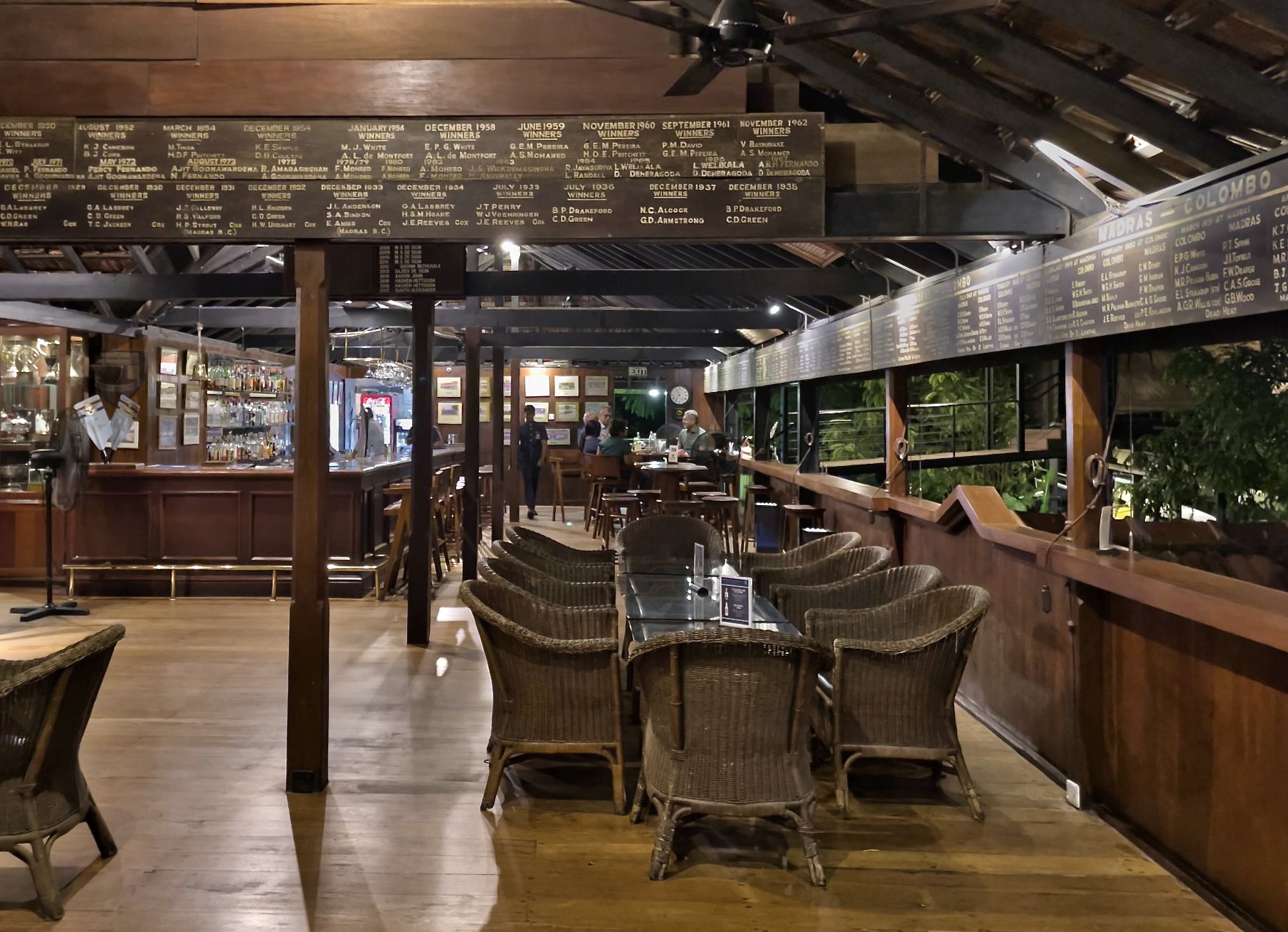
Madras BC, by contrast, has some 1,500 members, one hundred staff, and a large swimming pool. Both clubs count many social members who help finance the expensive sport of rowing on the Subcontinent – in Colombo they are known as “pavilion members” and in Madras as “lawn members”. Nevertheless, both clubs clearly see themselves as rowing clubs, and the social members have only limited voting rights in club affairs, ensuring that they do not gradually transform into mere country clubs.
Editor’s note: The article was updated on 4 November to correct which club (Colombo RC) took the overall point in the women’s races.
 Hear The Boat Sing