
24 October 2025
By Tim Koch
Tim Koch talks rowlocks.
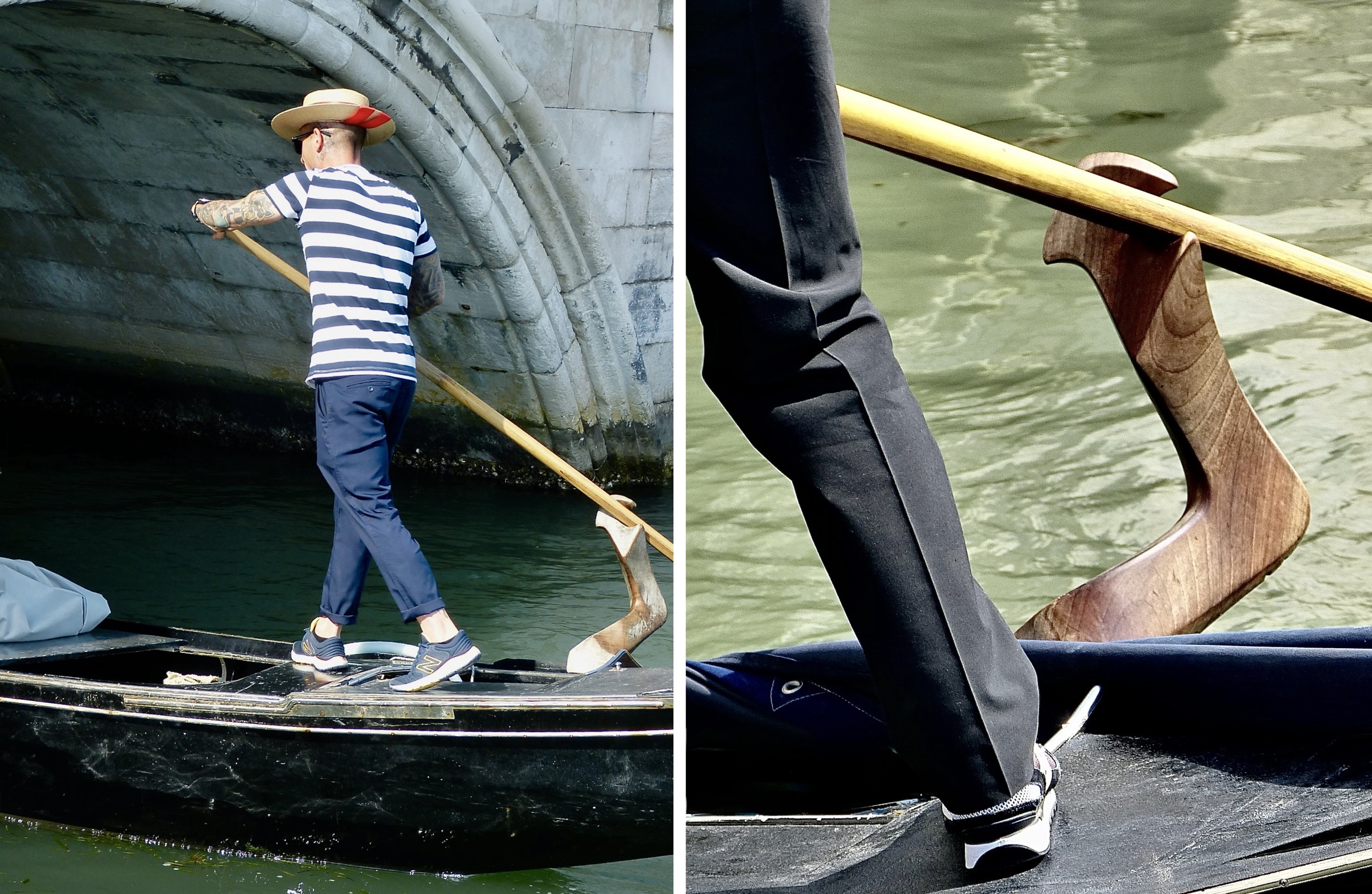
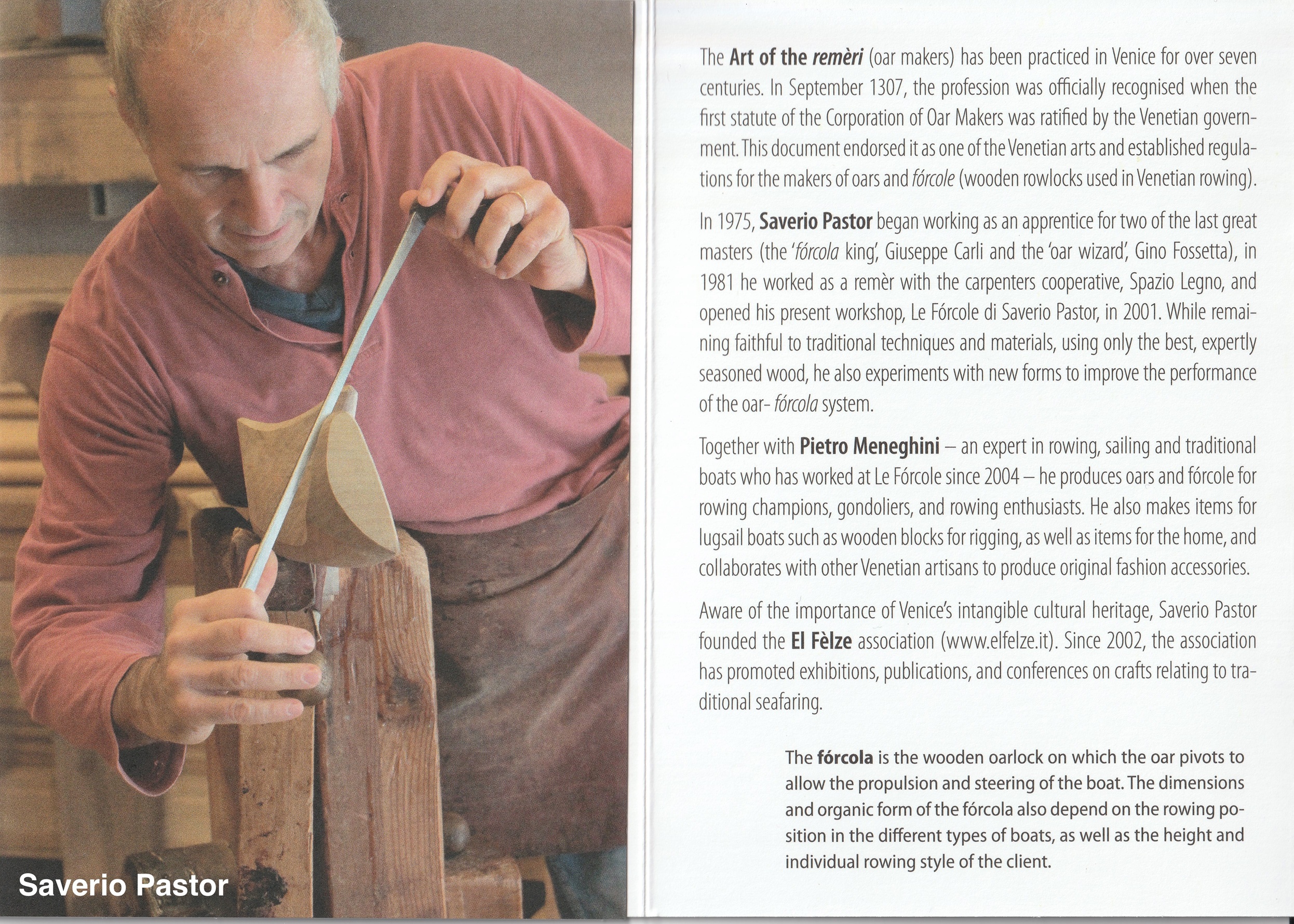
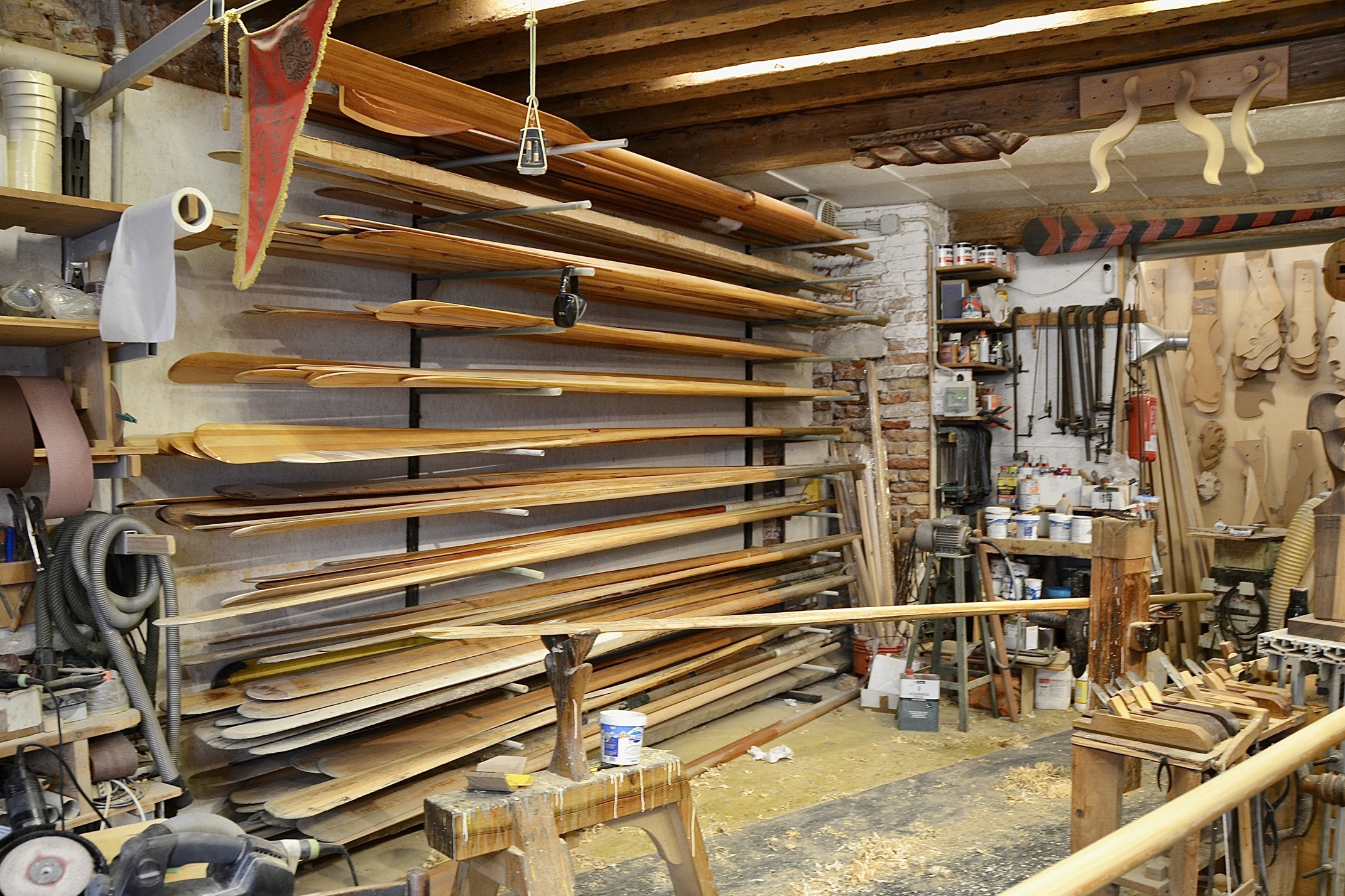
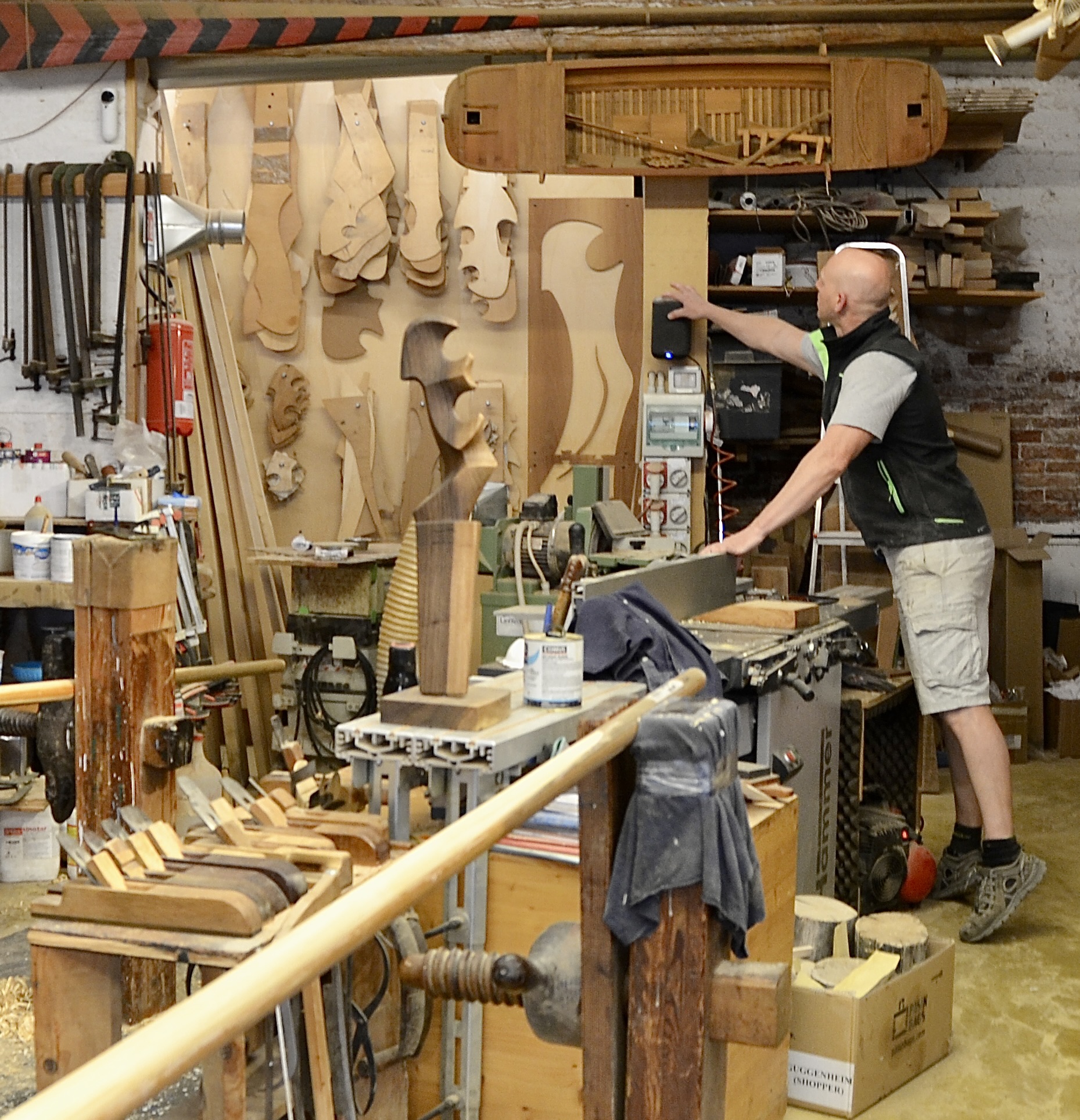
As anyone who has seen a gondolier in action will know, their ability to manoeuvre a 350-kilogram, 11-metre gondola with one oar and with apparently little effort is remarkable. It is a testament to them, to the boatbuilders and above all to the fórcola makers.
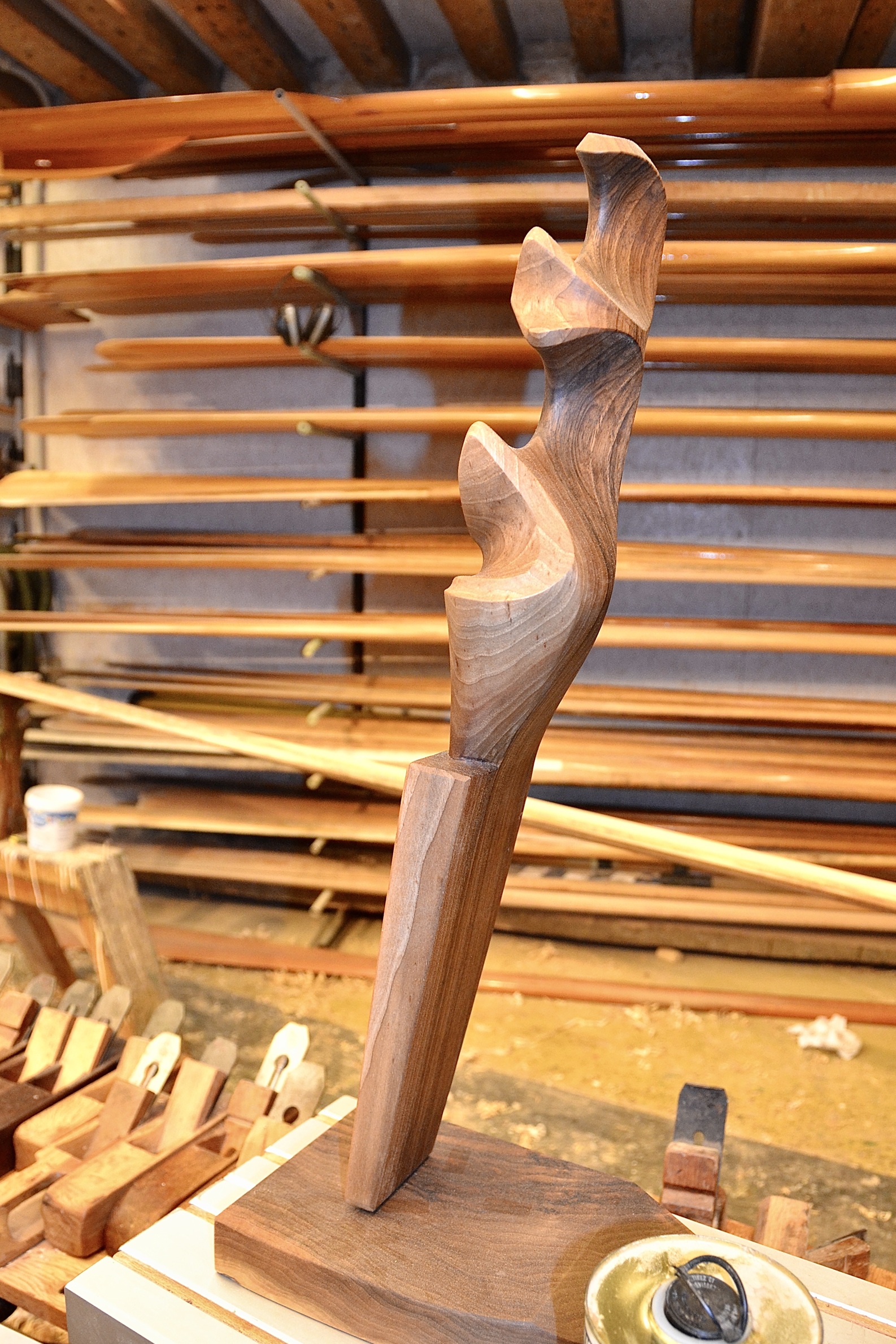
Unlike a simple rowlock, a fórcola has multiple leverage points to allow a gondolier, standing facing forward and with a single oar, to perform a variety of manoeuvres, including rowing forward, slowing down, turning, and stopping.
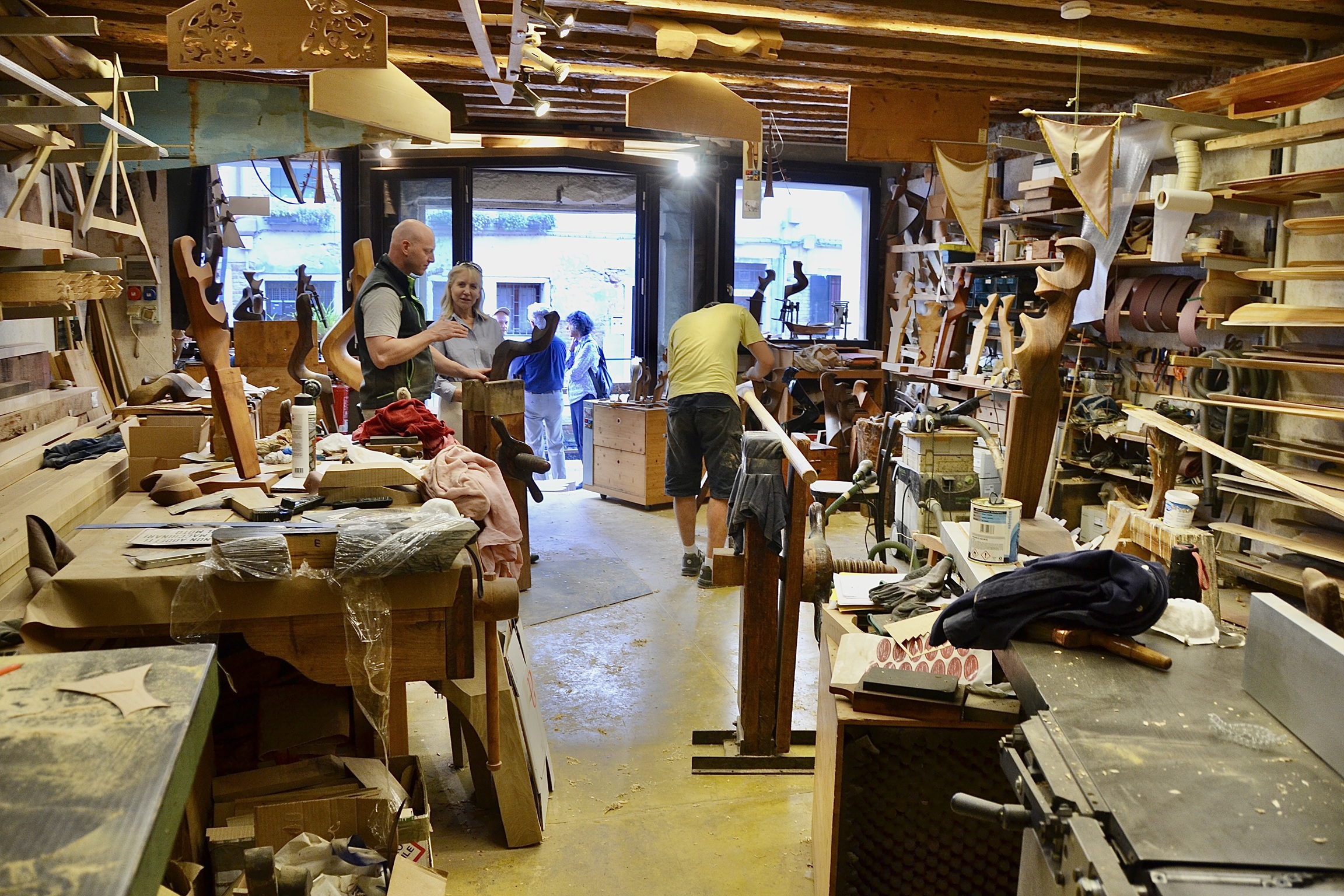
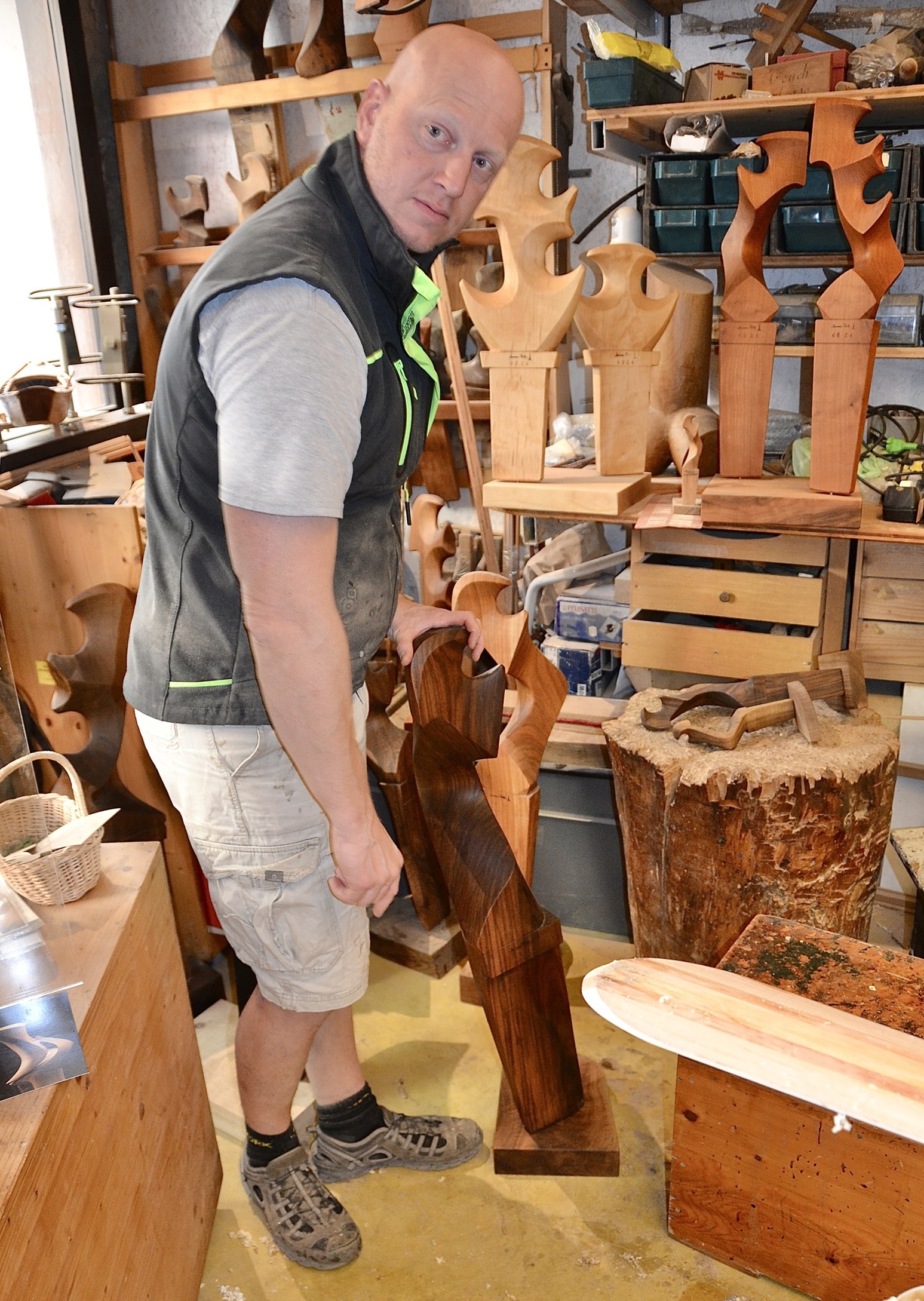
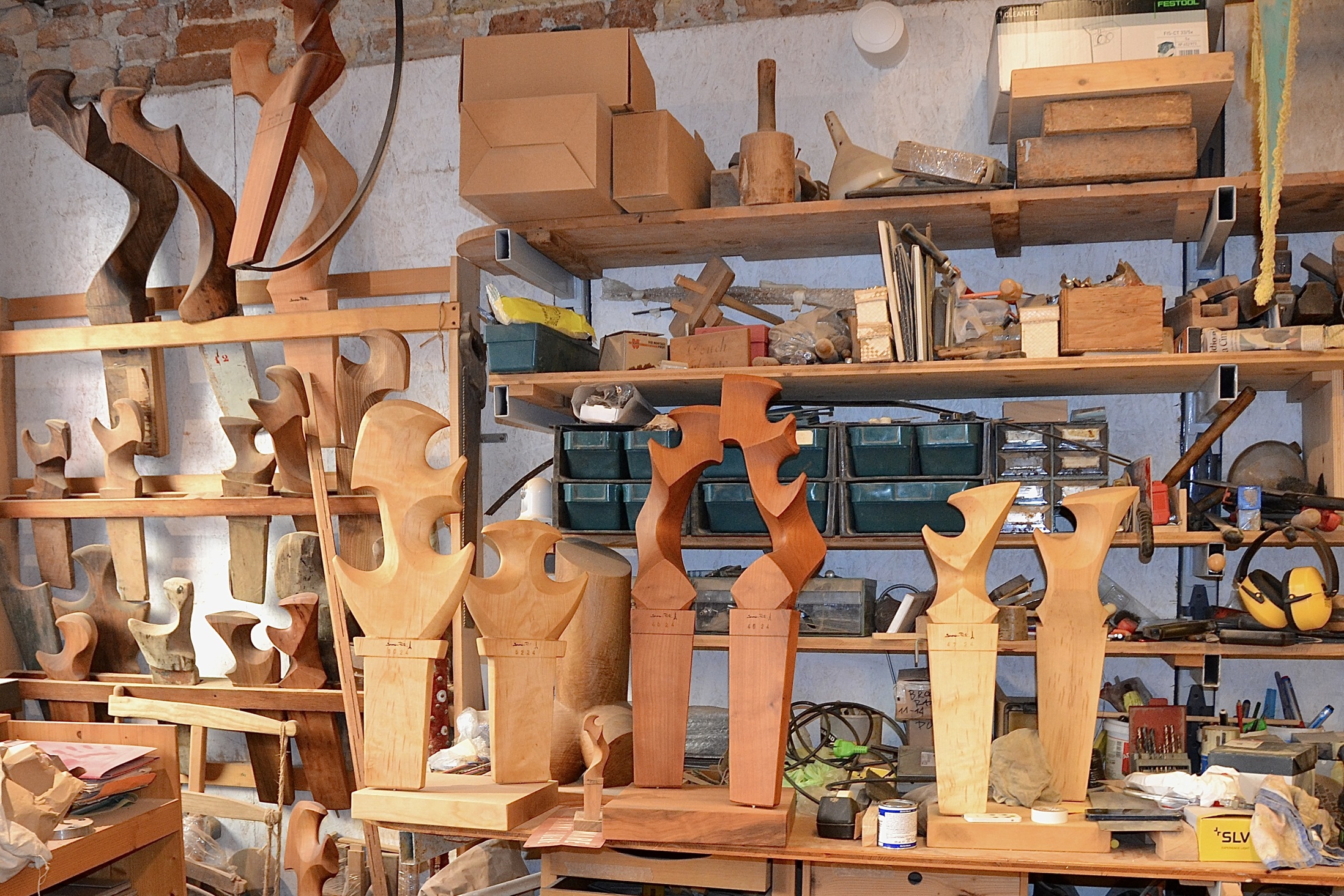
Each fórcola is unique since it is specifically designed for each rower according to their height, weight, rowing style and boat type. There are more than fifteen traditional, flat-bottomed Venetian rowing boats besides the gondola resulting in more than forty different types of fórcole.
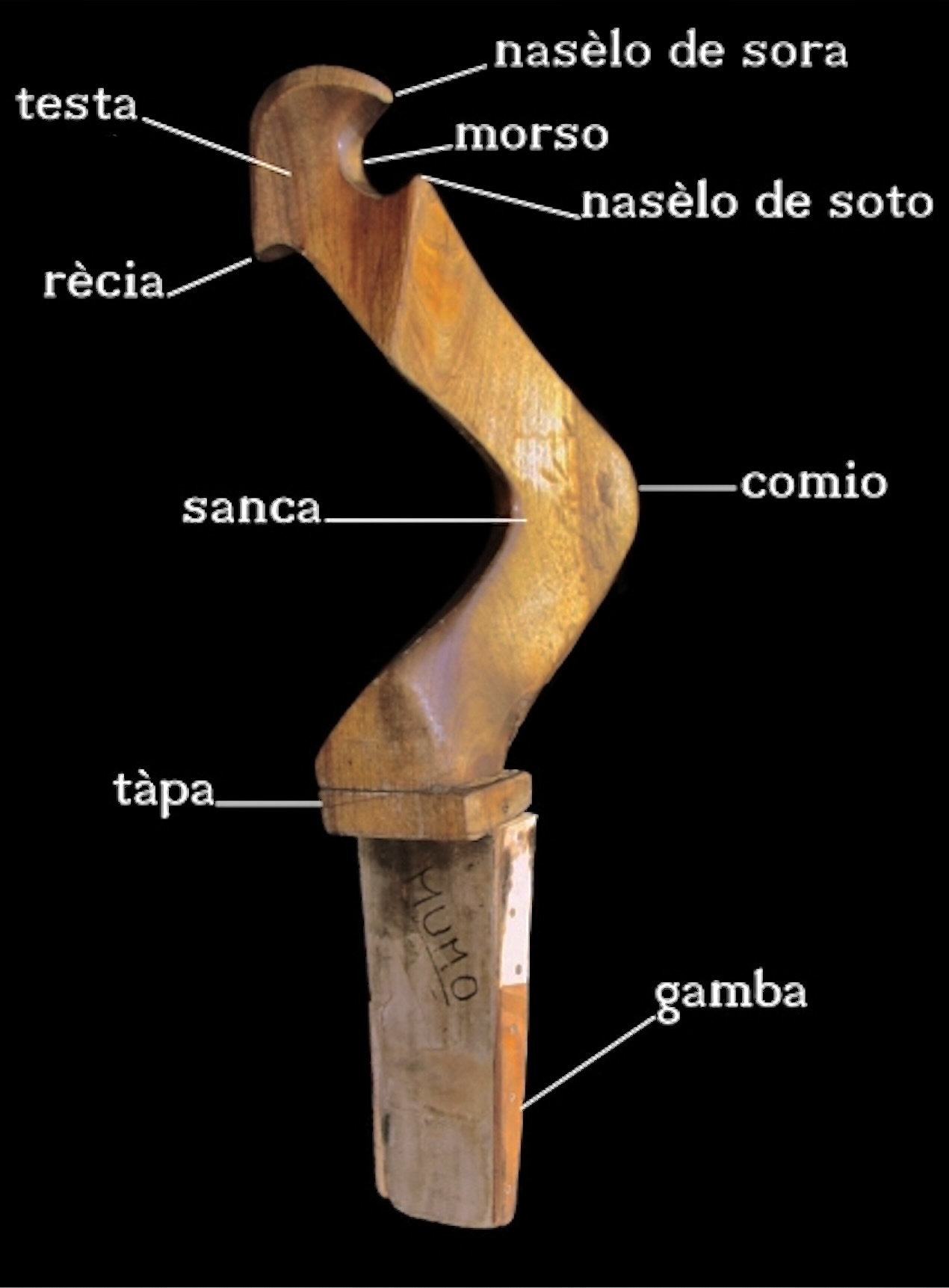
It may be imagined that fórcole design was fixed centuries ago but in fact several features are of comparatively recent innovation and a modern version could have eight different leverage points to change speed and the direction.
Writing on the website, Craftmanship, Erla Zwingle notes:
The forcola might appear relatively simple, but first-time rowers quickly discover it is anything but. Even those with experience in the more common, backward method of rowing (often called “English style”) find their oar is continually jumping out of the forcola. It’s maddening to keep losing control of the boat as well as the oar, everything seemingly doing whatever it wants, but with practice, everything falls into place. The rower learns to press against the forcola on the forward stroke, then quickly turn the oar 90 degrees and slide it out of the water on the return stroke.
So now you know.
 Hear The Boat Sing