
2 October 2025
By Tim Koch
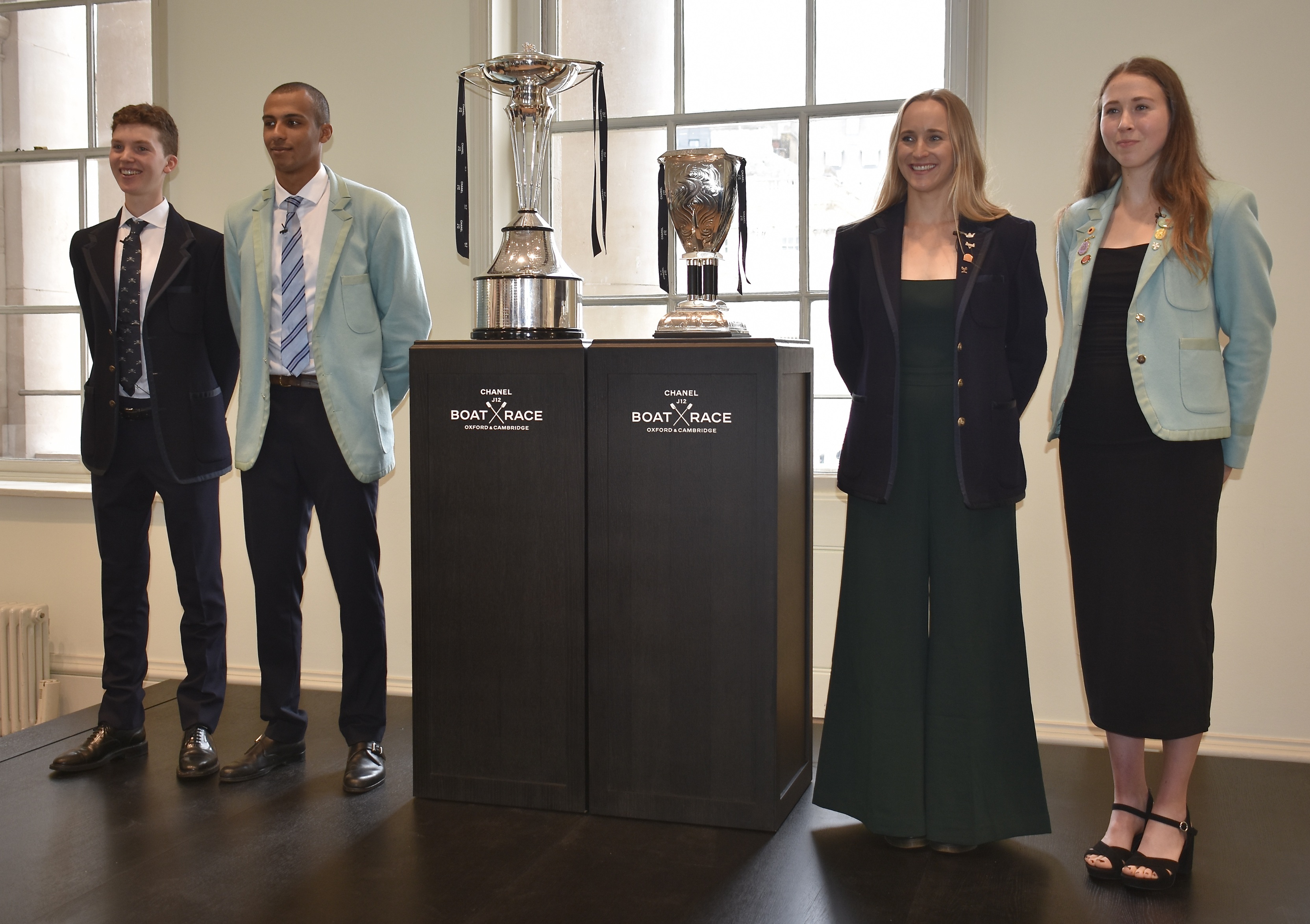
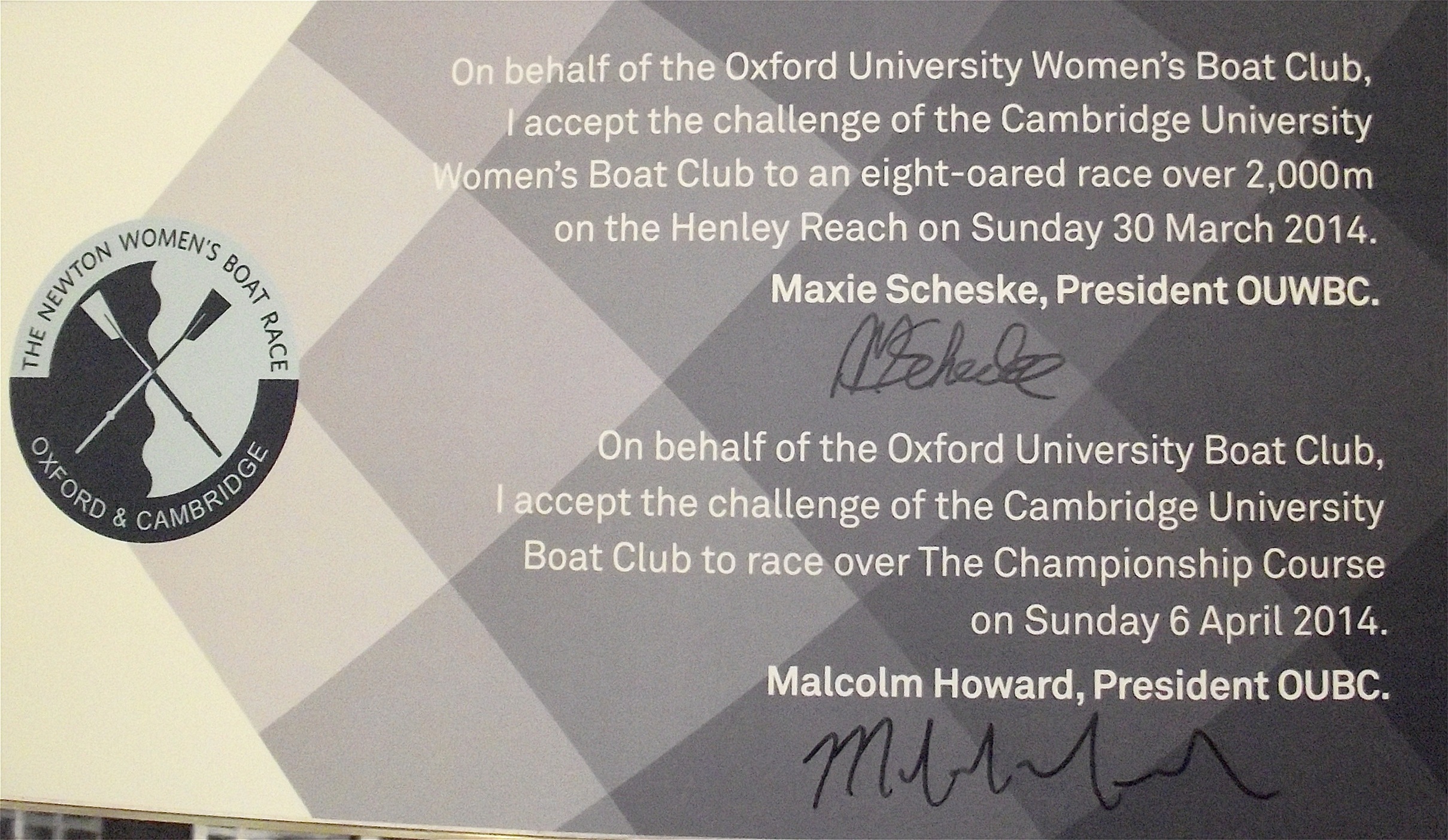
Somerset House, the large Georgian neoclassical building overlooking the Thames by Waterloo Bridge, is best known for its former incarnation as the centre for civil registration of births, marriages and deaths in England and Wales. While that role ceased in 1970, last Wednesday the place registered the birth (or perhaps the conception) of the 171st son and 79th daughter of the sometimes uncivil partnership between Oxford University Boat Club (b.1839) and Cambridge University Boat Club (b.1829). Over the last nearly 200 years, many people have also attempted to record the death of the offspring of this fecund couple but, so far, to no avail.
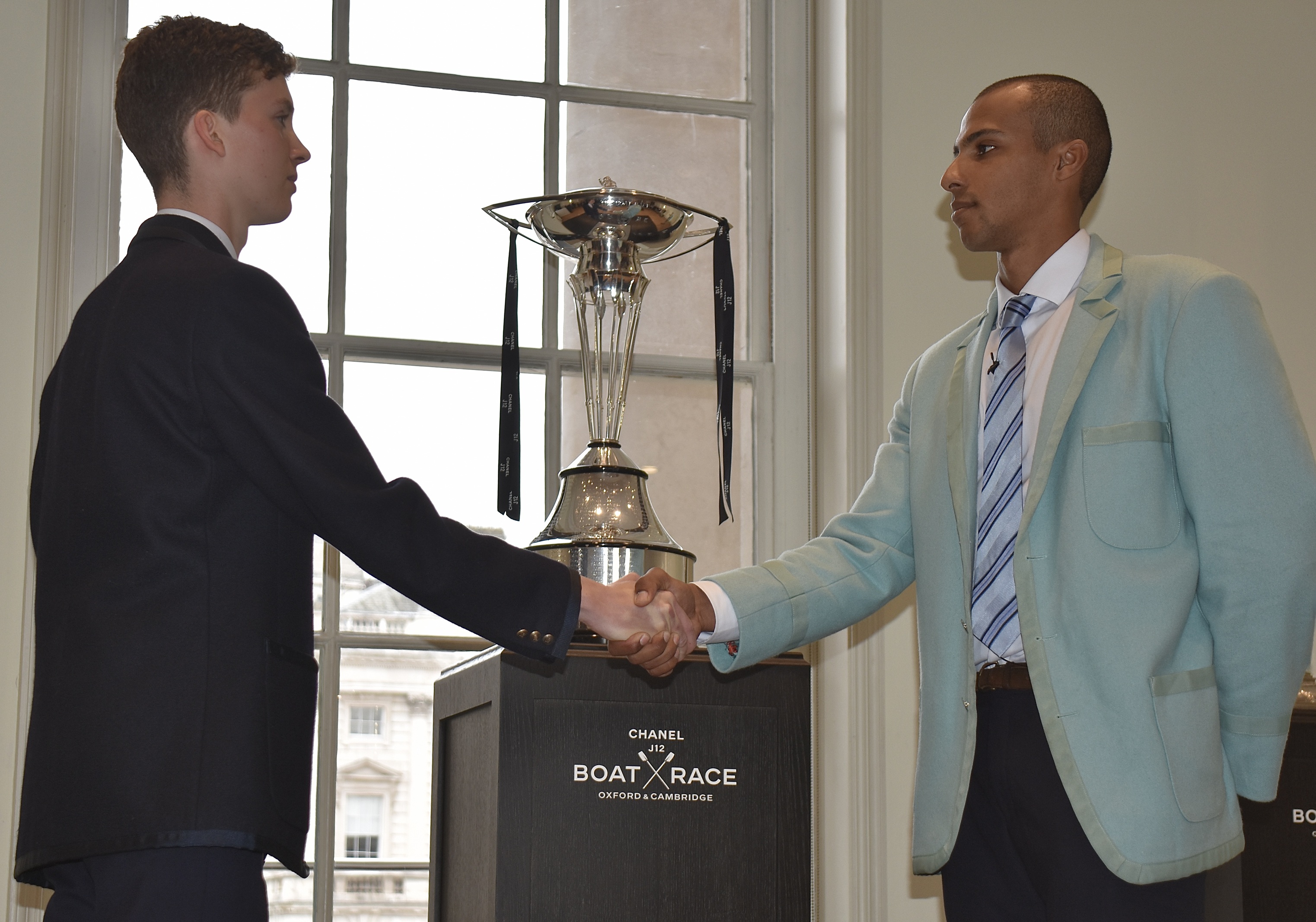
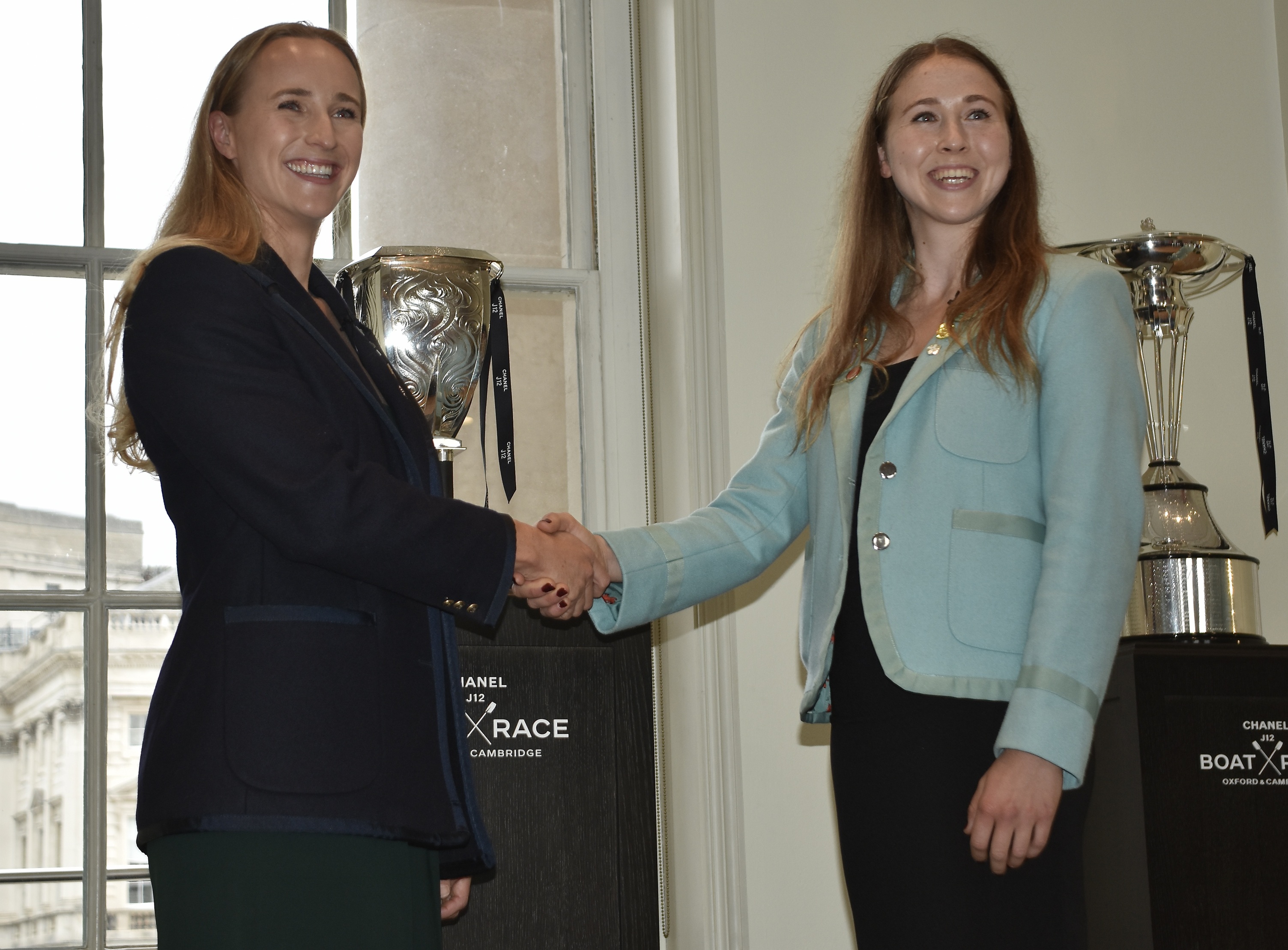
The Oxford-Cambridge Boat Race Presidents’ Challenge sees the Presidents representing the losing crews of the previous year’s races formally challenge those from the winning crews. With Cambridge recording a clean sweep in 2025, it was up to Oxford to make the challenges.
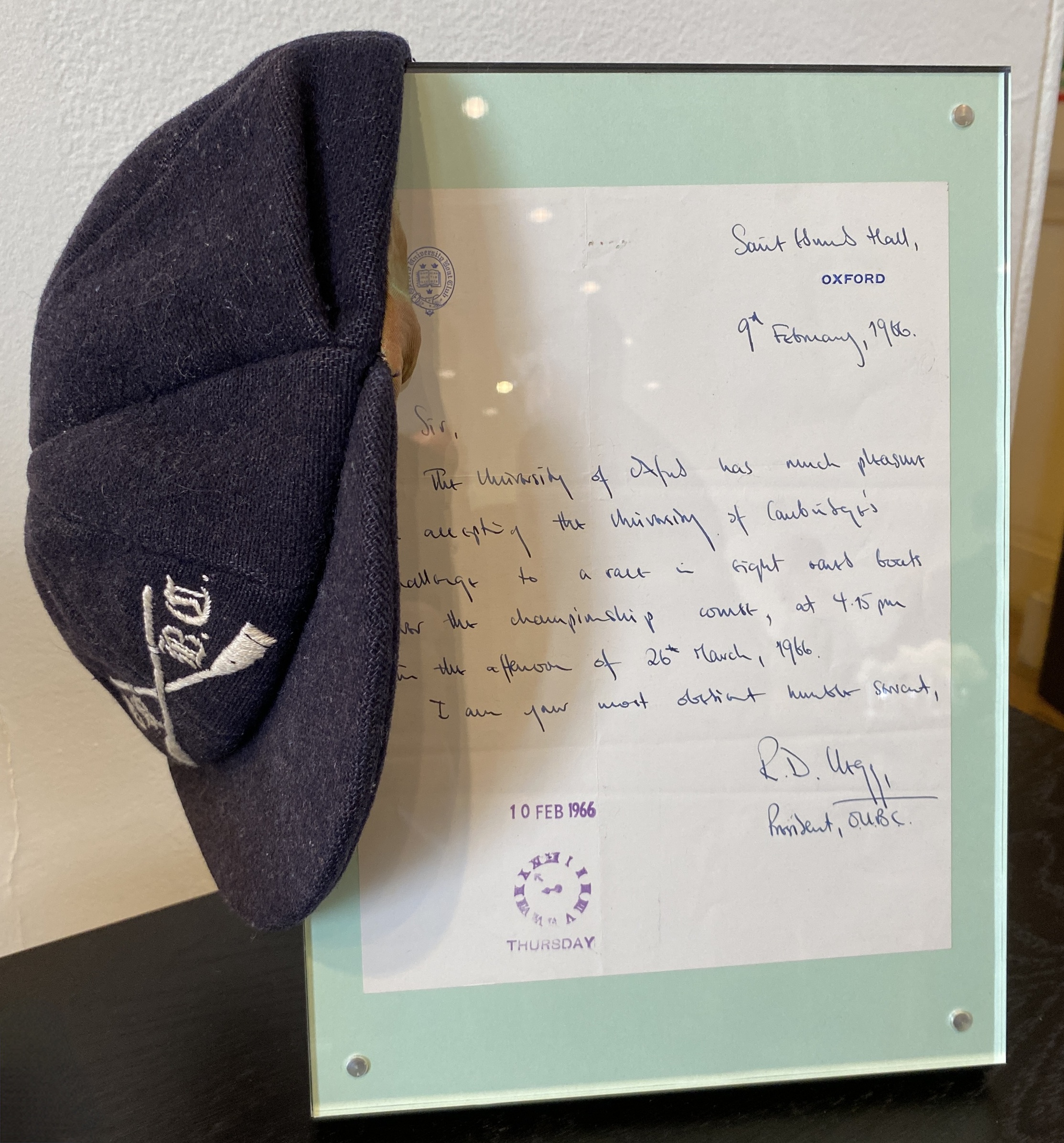
Prior to the formal challenges, Siobhan Cassidy, Chair of The Boat Race Company, announced that, following an open tender, Channel 4 has secured exclusive free-to-air broadcasting rights to the Boat Race in a five-year deal starting in 2026. The agreement covers both the men’s and women’s races and includes the centenary of the Women’s Boat Race in 2027 and the Men’s race bicentenary in 2029.
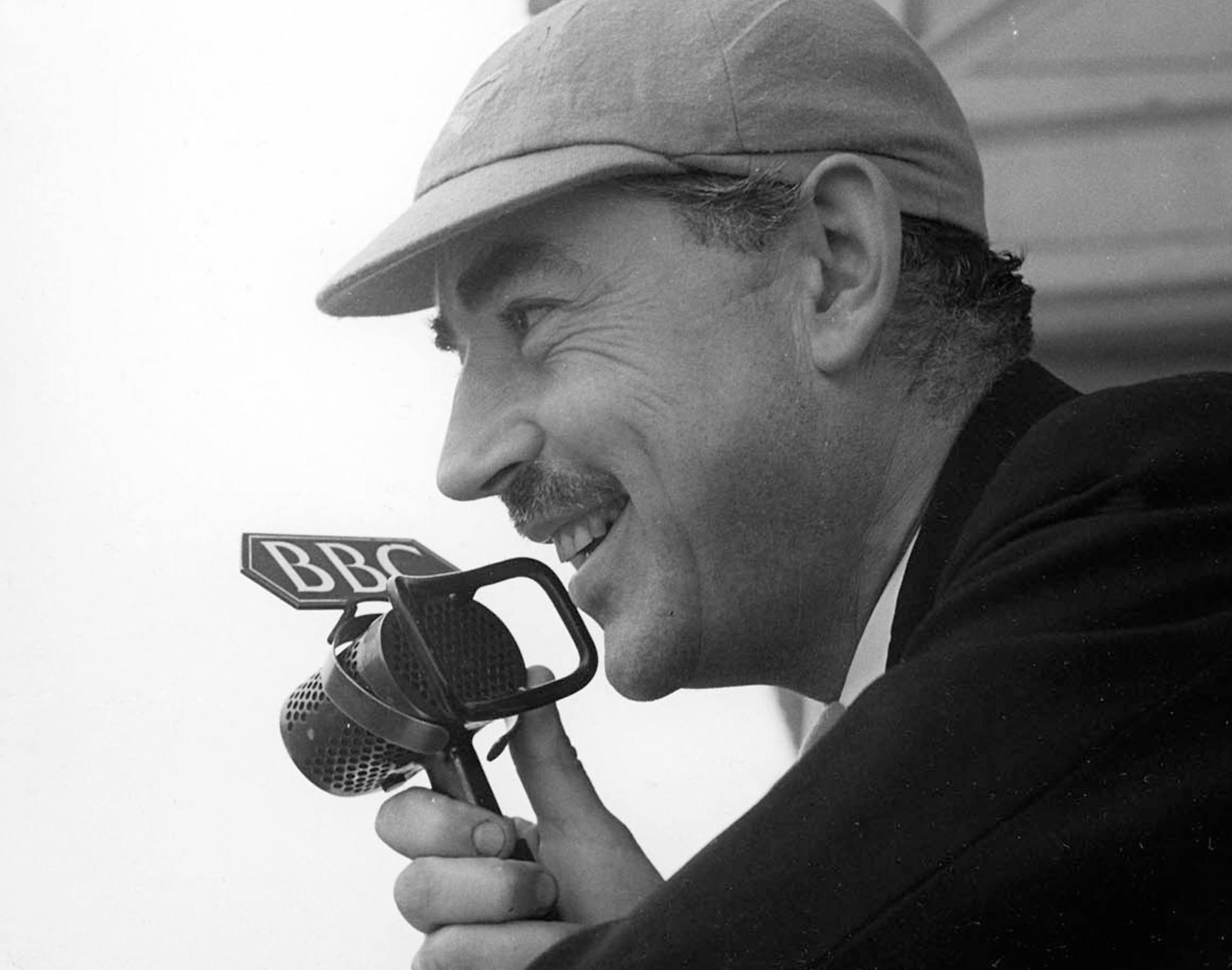
Channel 4 takes over from the BBC which first televised the event in 1938 and carried it continuously for 87 years apart from the five years from 2005 when ITV took over. ITV did not attempt to renew its contract after the 2009 Race citing high production costs.
Like the BBC, Channel 4 is a public service broadcaster but, while the BBC is funded by a compulsory licence fee, C4 is commercially funded. The channel has a reputation for taking irreverent looks at British national institutions, but it will continue to use the same specialist sports production company, FilmNova, as has been used by the BBC since 2022.
In an interview with Broadcast Sport, Channel 4 Head of Sport, Pete Andrews, said that he is “definitely,” looking to bring a different spin to the Boat Race and that Channel 4 is, “talking about changing the tone and parts of the coverage.”
The viewing figures show that it’s for everyone… We don’t look at it as elitist. Lots of people feel involved and they’ve grown up with it. We’re focused on it being a free event, and people can watch the Boat Race but they can’t see a Premier League (soccer) match…
In its own online report on the story, BBC News wrote:
The BBC said it had been “proud to broadcast the Boat Race over many years”, adding: “Our decision not to continue reflects the difficult choices we need to make to ensure we deliver the best value for audiences with the money that we have….”
We are pleased the Boat Race will remain available free-to-air and wish all involved in the event every success for the future…
BBC sources denied a report in the Daily Telegraph that the (BBC’s) director of sport, Alex Kay-Jelski, viewed the event as “elitist”, adding that the decision had been purely based on the return on investment.
The Telegraph story was written by its Sports News Correspondent, Tom Morgan, who is well-informed on rowing matters. It quotes “a source close to the talks” as saying: The head of sport showed very little enthusiasm (during negotiations) believing that a showcase for London, the UK and two of our top universities is elitist.
The online Daily Mail picked up on the Telegraph story and noted that:
When the BBC regained rights from ITV back in 2010, the corporation’s then head of sport, Roger Mosey, described the Boat Race as “one of the British sporting institutions” and admitted it had been “painful” to have previously lost the rights.
“I know there’ll be people who question the relevance of an event between two ancient universities, but most UK audiences take a broader view,” Mosey wrote at the time.
Most UK audiences – and all HTBS Types.
I am favourably quoting the Daily Mail. Please register the death of my credibility at the successor to Somerset House.
 Hear The Boat Sing
Wonderful final sentence, Tim! And a good report on the event. Thank you.
Jane
Interesting article by Tim and it prompts me to remind readers that they can listen to Lord Desborough in 1938 in a BBC recording describing the 1877 dead heat race (available at https://www.youtube.com/watch?v=tisuaV1hcQ8 ). I assume Snagge set this up? Now that the BBC is standing back it would be good if they chronicled their involvement in the Boat Race over those 87 years and not least that first year of broadcasting