
22 September 2025
By Tim Koch
Tim Koch goes to a wake.
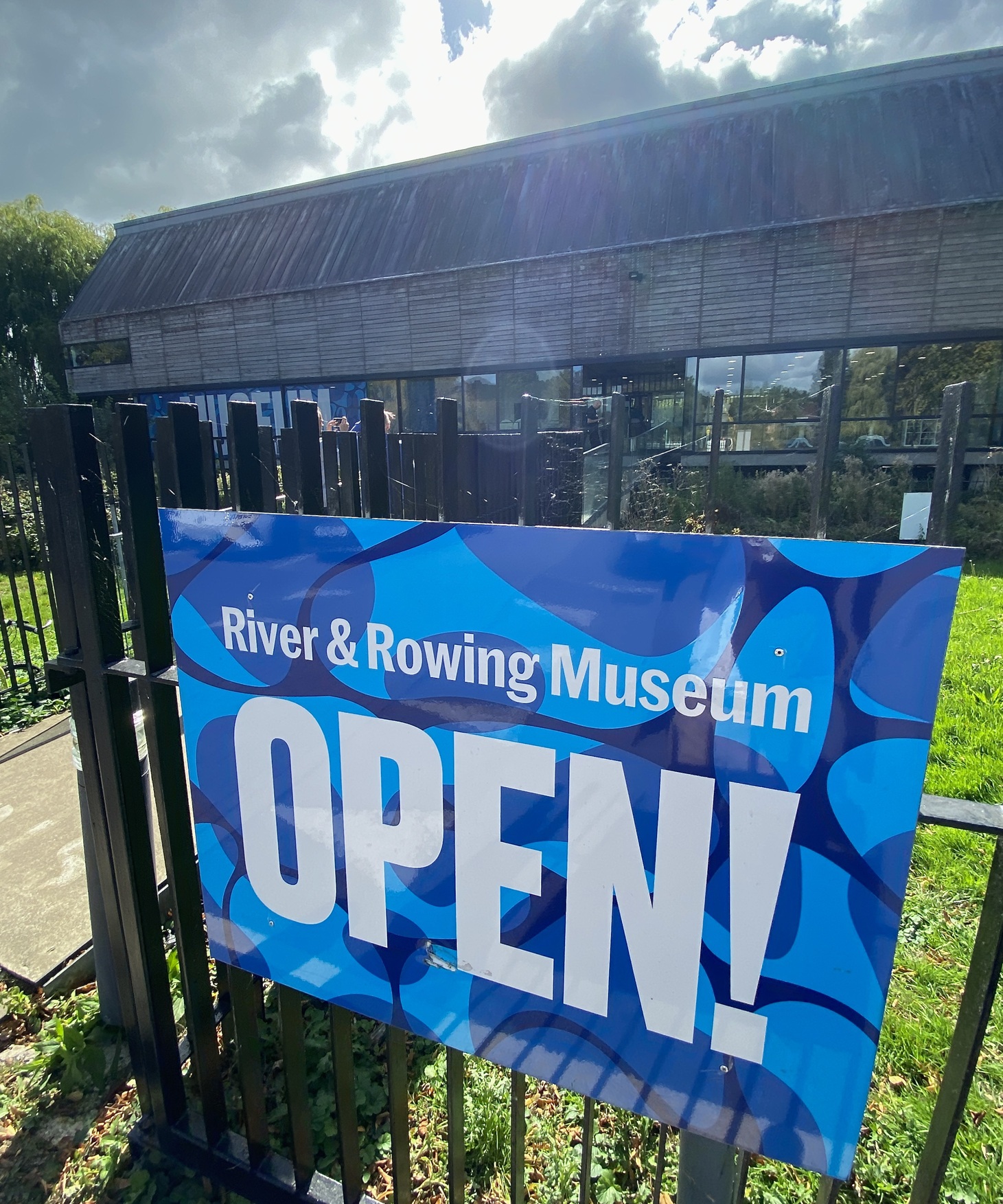
Over the last 27 years, the unique institution that is the River and Rowing Museum has been visited by over two million people, including more than 100,000 school children, and has won numerous awards and accolades, including being named as one of the world’s top 50 museums by the Times newspaper in 2012. However, as HTBS reported in February, this has not been enough to secure its future.
In recent years the museum has carried large deficits, notably an over £1 million loss in 2022/23, which though reduced in 2023/24, remained substantial. The costs of maintenance, especially of its large building and infrastructure have escalated and, despite efforts to generate income via the café, shop, renting space, and school visits, the income has not kept pace.
Last month, the Henley Standard reported:
Two men who founded the River & Rowing Museum in Henley almost 30 years ago have told of their sadness at its permanent closure…
(In 1998) Sir Martyn (Arbib), who founded the Perpetual fund management company in 1973, had given the museum’s charitable trust an £8.5 million endowment, to cover its operational costs…
“I was pleased to provide much of the capital for its construction, as well as all the endowment fund but I understand how challenging it has proved for an independent museum to break even.”
But as the deficits have increased, this has reduced the interest and the base sum and the museum trustees feared that eventually all the money would run out so they took the decision to close now and explore different options…
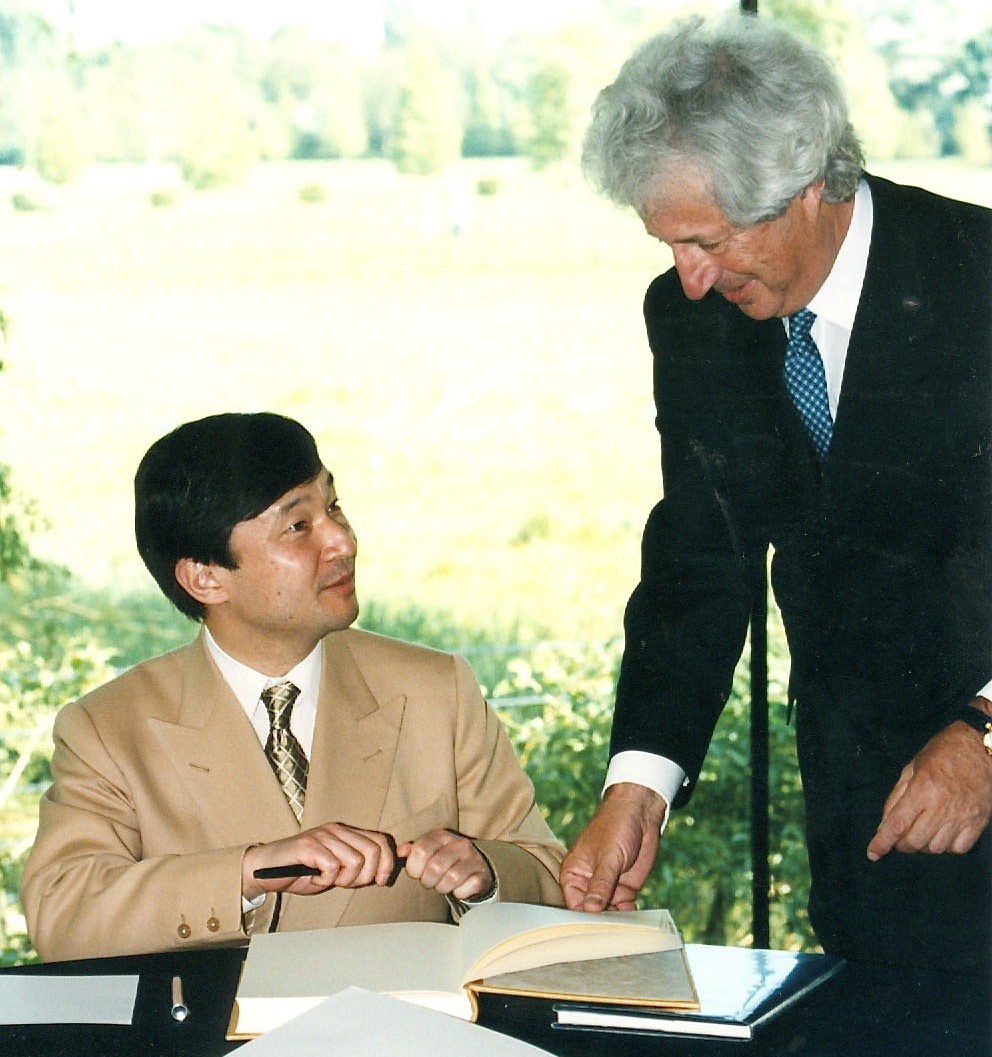
(Chris) Dodd, who worked as a rowing correspondent for more than 40 years, said he would like to see its collections preserved.
He said: “It’s extremely disappointing for me because 27 years ago we witnessed something rise, which went on to win awards for its architecture and its collections, built from nothing…
“I’m particularly concerned about the rowing collection. I would like to see that in a safe home where its future is safeguarded.
“It’s important that people recognise that preserving historic information is really valuable to historians, writers and artists, so we can keep the story going of what is the oldest team sport.”
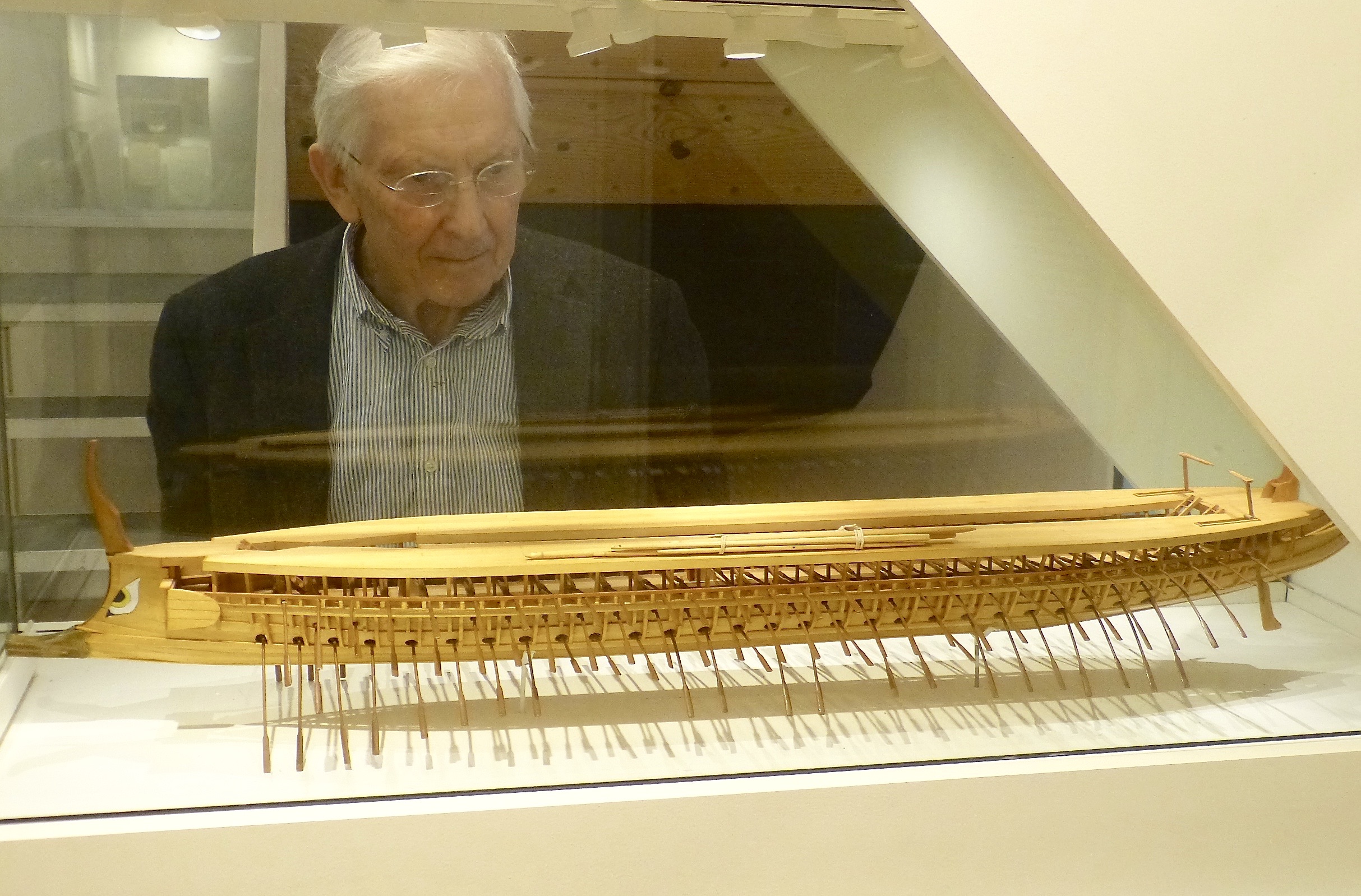
Henley Town Council decided to create a museum in early 1987 to highlight its collections of documents and artefacts.
The impetus, born during the 1984 LA Olympics, came from David Lunn-Rockliffe, the former executive secretary of the Amateur Rowing Association.
Sir David Chipperfield, a then-young Harvard-trained architect, designed the award-winning boat-house-shaped museum…
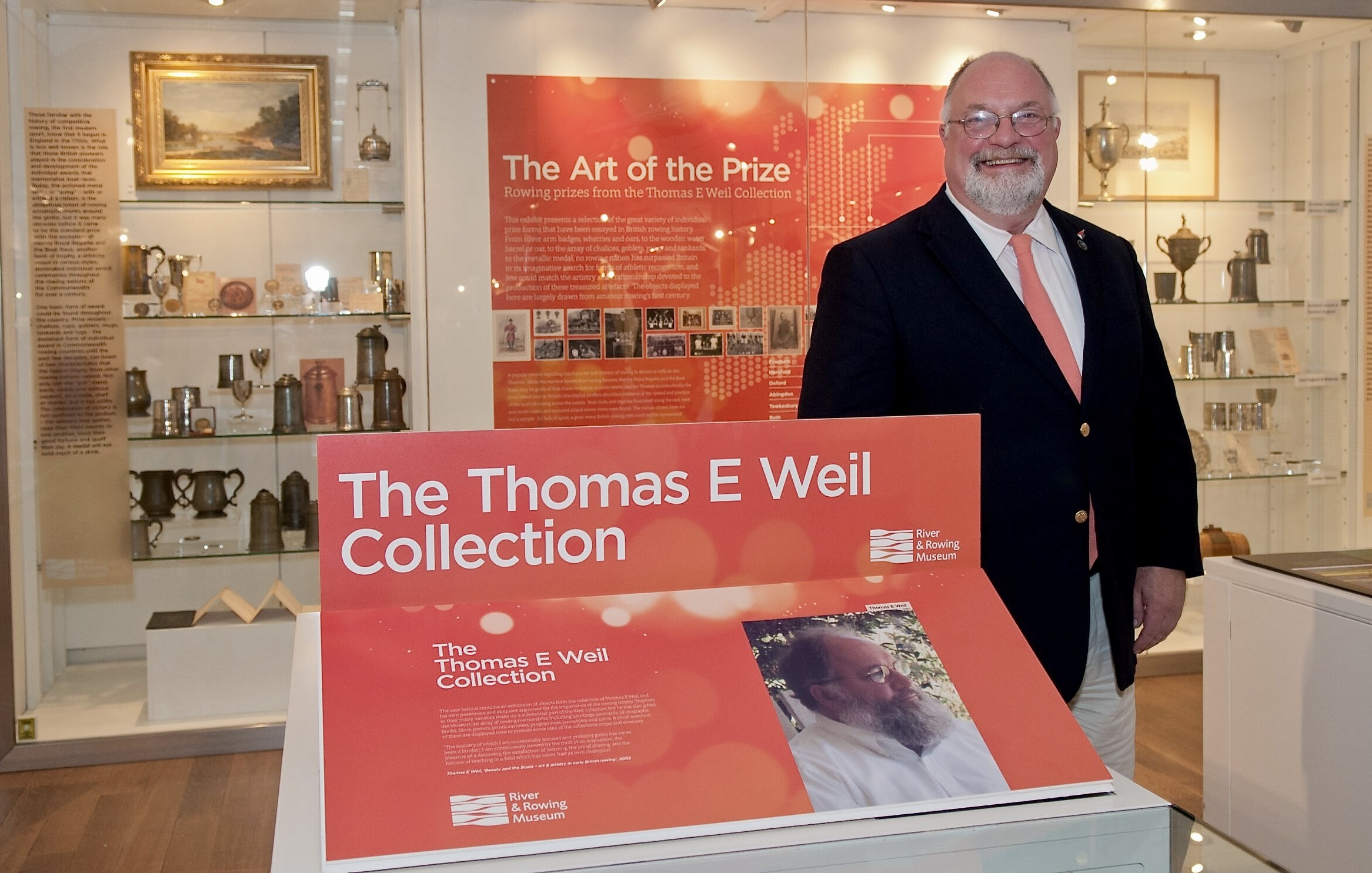
On the RRM’s closing day, the BBC quoted Kevin Sandhu, the museum’s acting director:
It is a sad feeling but, at the same time, we feel that there is a lot to celebrate in terms of what the museum has achieved and brought to the community over the years…
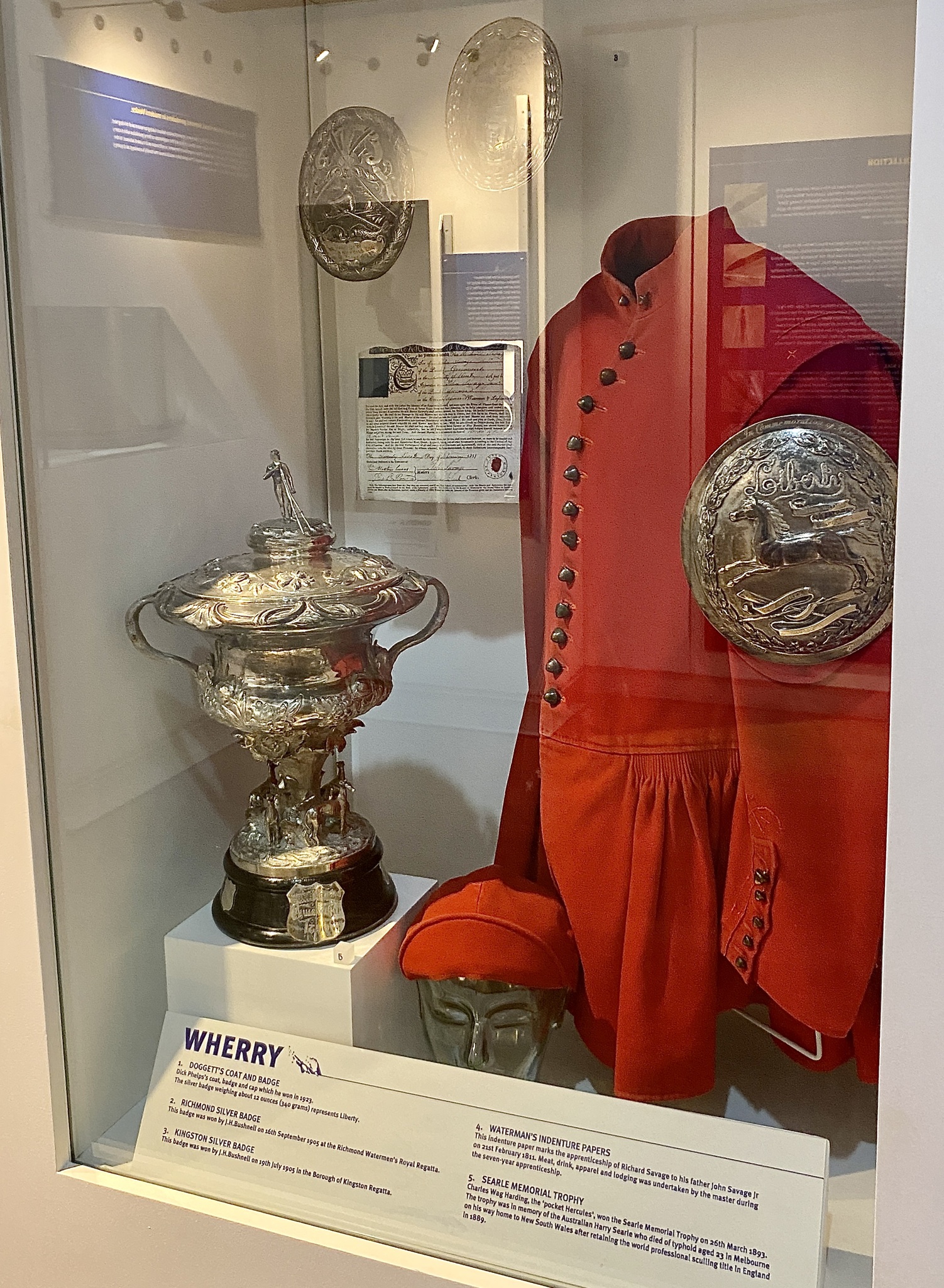
The museum is home to broadly three collections – the river, rowing, and Henley itself…
The idea would be to keep all of those collections together, though with 35,000 things – including some rather large boats – that may not be practically possible…
We are still developing ideas and plans for what may emerge after we close this site, which may mean a new site, but that’s still in its early stages.
Pictures from the last day
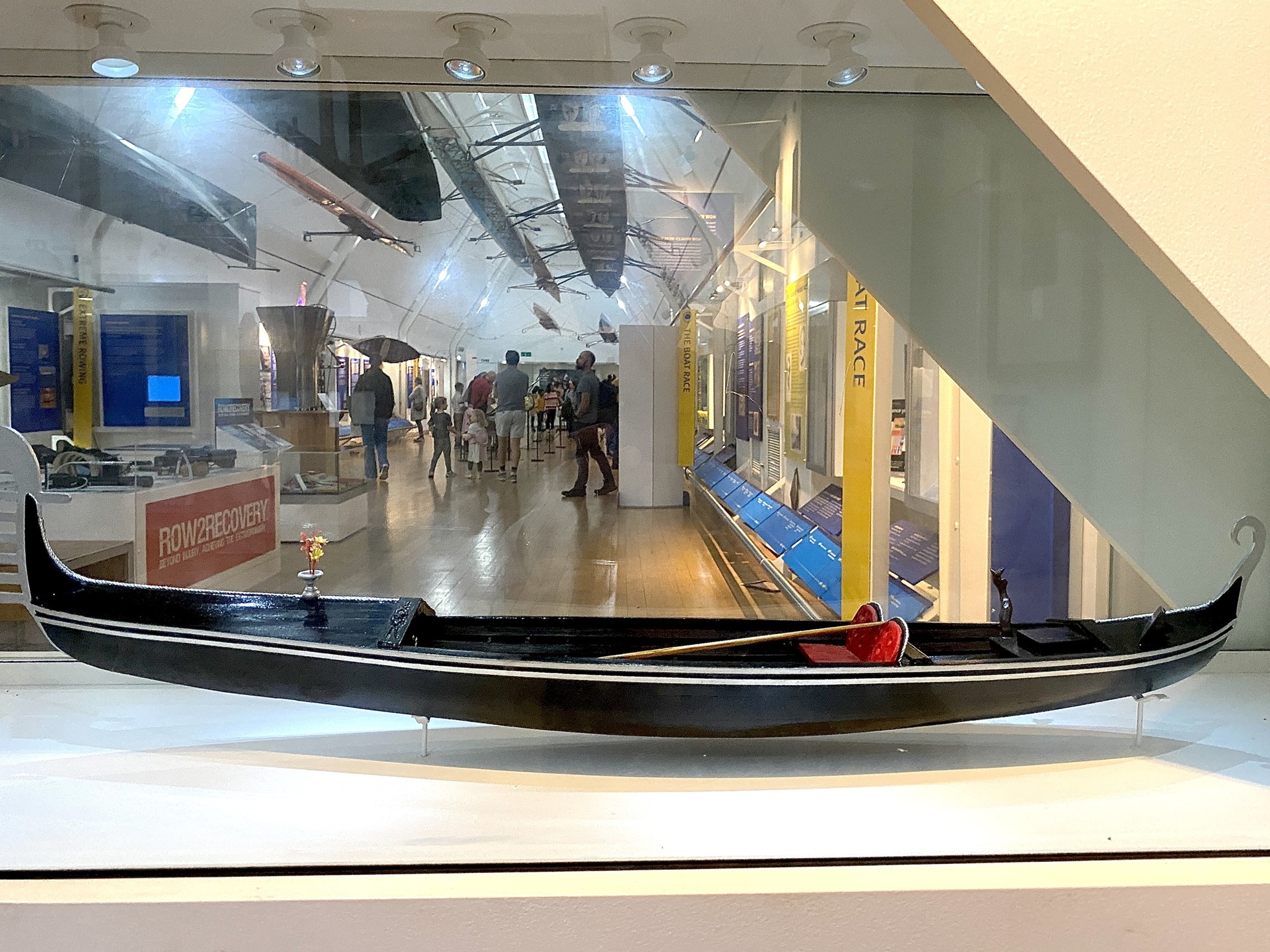
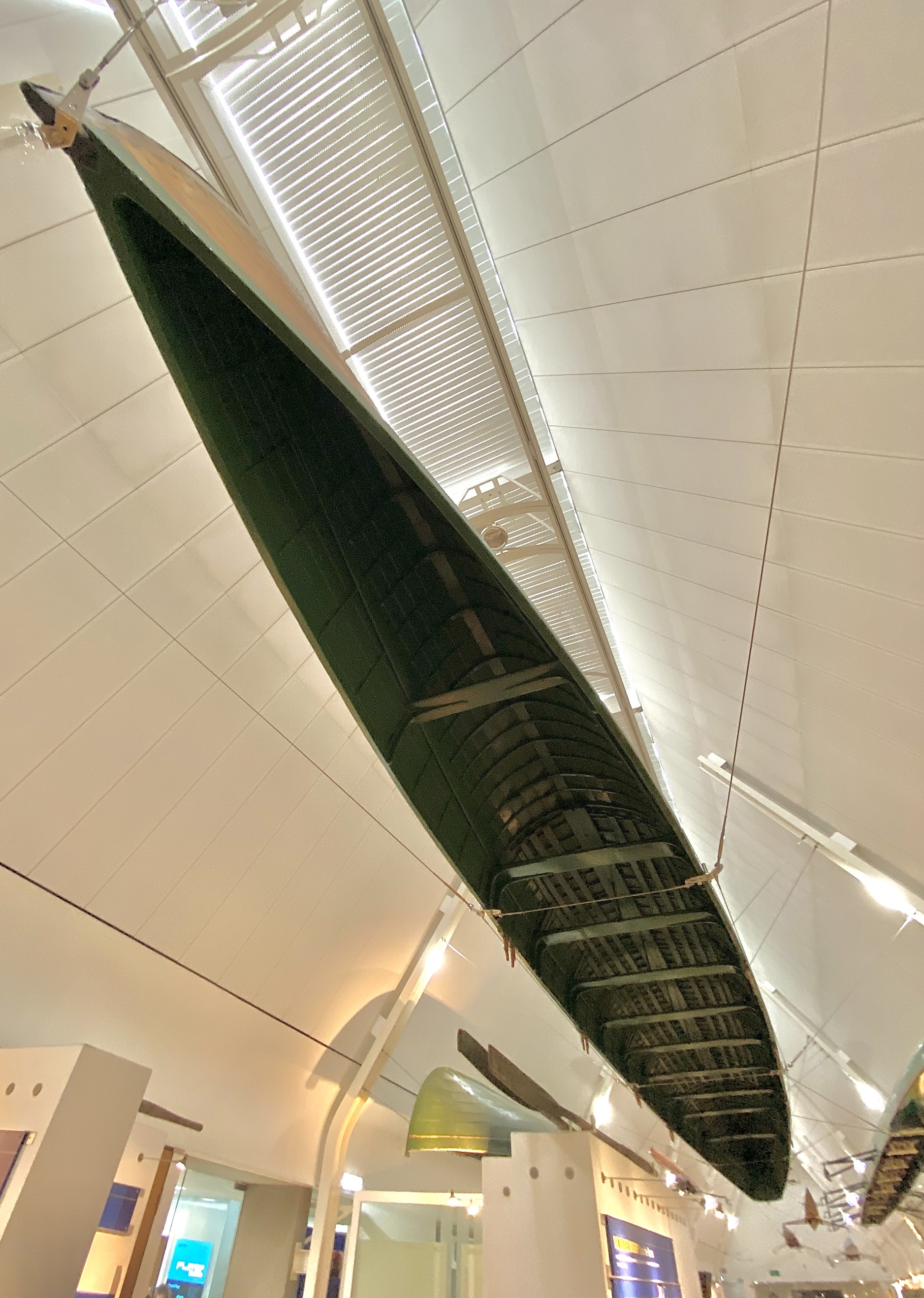
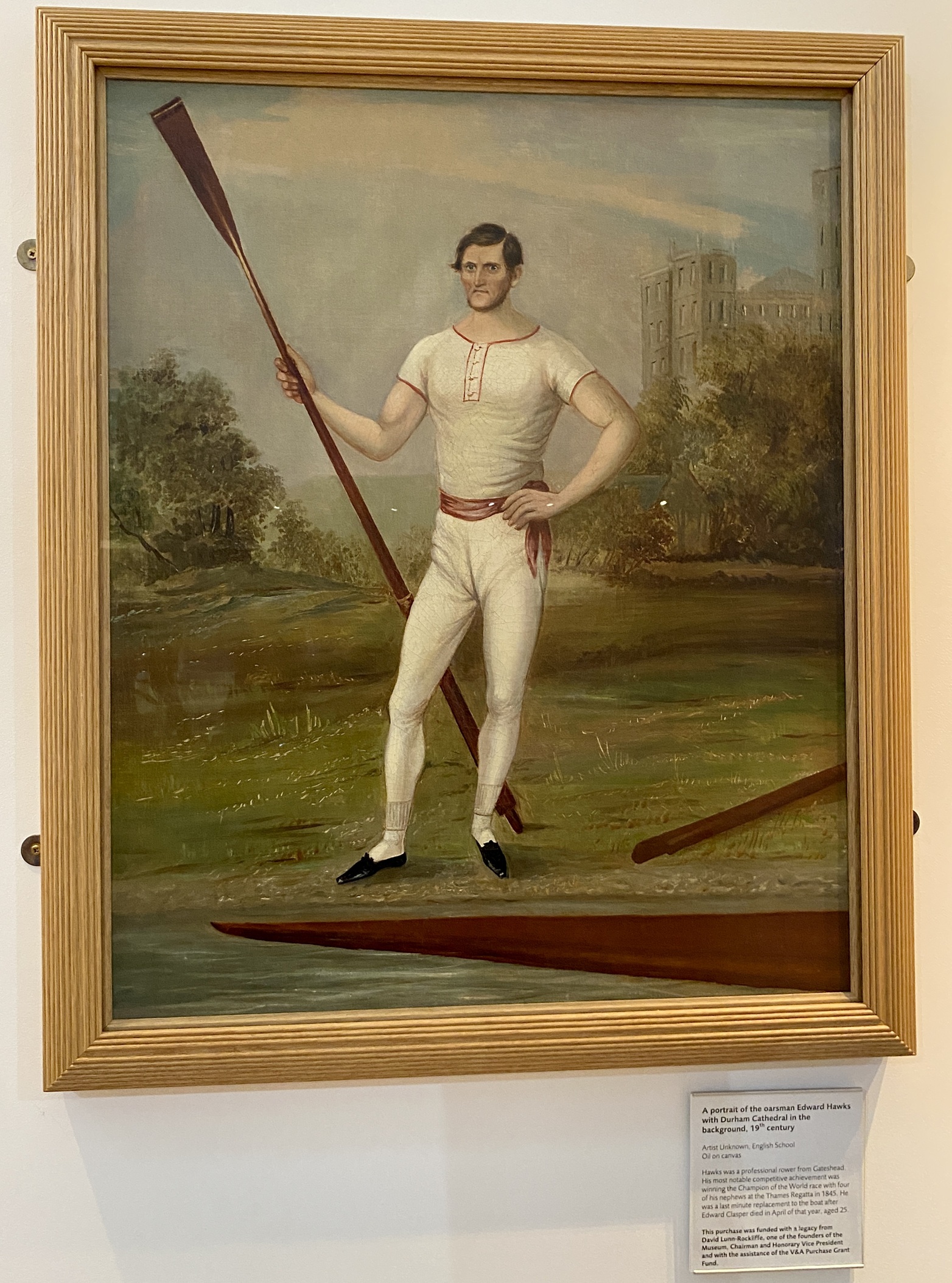
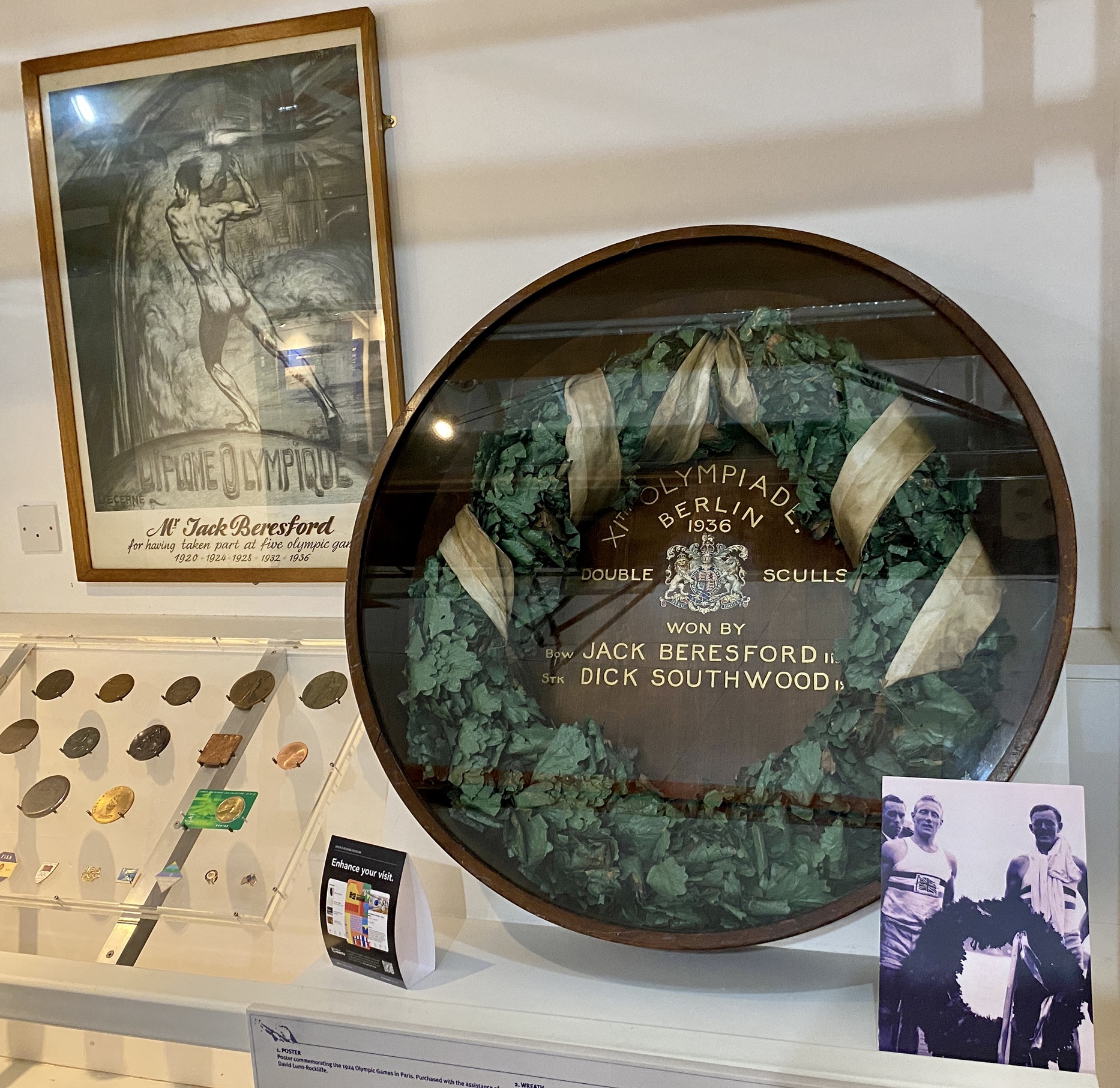
In the beginning
In 2019, the RRM’s 21st anniversary, Chris Dodd wrote a series of HTBS posts chronicling how the museum came into being and about its early days.
In the first, RRM@21: Inspired in the USA, Chris wrote:
The rowing at the Olympics in 1984 took place a couple of hours’ drive north of the ‘City of the Angels’ at Lake Casitas, a beautiful stretch of water hidden among hills and live oaks near Oak View. I had a room at the Wagon Wheel Motel, a truckers’ stop on the Pacific Coast Highway, and I frequently drove north to the University of California’s Santa Barbara campus where the rowers were housed in their triple-barbed-wire-enclosed Olympic village paradise. One of the attractions of the part of the campus in the free world was an Olympic Arts Festival rowing exhibition that my press colleague and I chanced upon. We were charmed by the eclectic displays, much taken by oars, boats and their bits, old books, posters, prints, cartoons and training aids. I came away with the realisation that organised amateur, ‘Olympic’ rowing was five generations old – one or two generations older than any other team sport could make an easy claim to. There ought to be a place in the world, thought I, where the roots and history of pulling oars was recorded permanently.
Chris’ other RRM@21posts are here:
RRM@21 – 2: Friends of Rowing History
RRM@21 – 3: A Sketch in Time
RRM@21 – 4: Modeling the Museum
RRM@21 – 5: Chancing upon the Glass Casket
RRM@21 – 6: Ocean Gig to Carbon Tiger
RRM@21 – 7: Up Soochow Creek
RRM@21 – 8: Five Fours to Fathom
RRM@21 – 9: Sugar and Spice
RRM@21 – 10: Singular Boats
RRM@21 – 11: The Takeaway Trireme
RRM@21 – 12: It’s all about Steve
RRM@21 – 13: When Rodney met Elizabeth…
RRM@21 – 14: Happy Birthday and Many Happy Returns

 Hear The Boat Sing
Such a very sad day. It is so important to keep the rowing collection together & I want to loan all my father’s, Jack Beresford, items to a new venue when it can be found. I wish the Trustees well in finding a location soon.
It was a lovely museum, and I am glad my wife and I got the chance to visit it years ago.
Ed Woodhouse
>