
21 August 2025
By Tim Koch
Tim Koch returns to the hills.
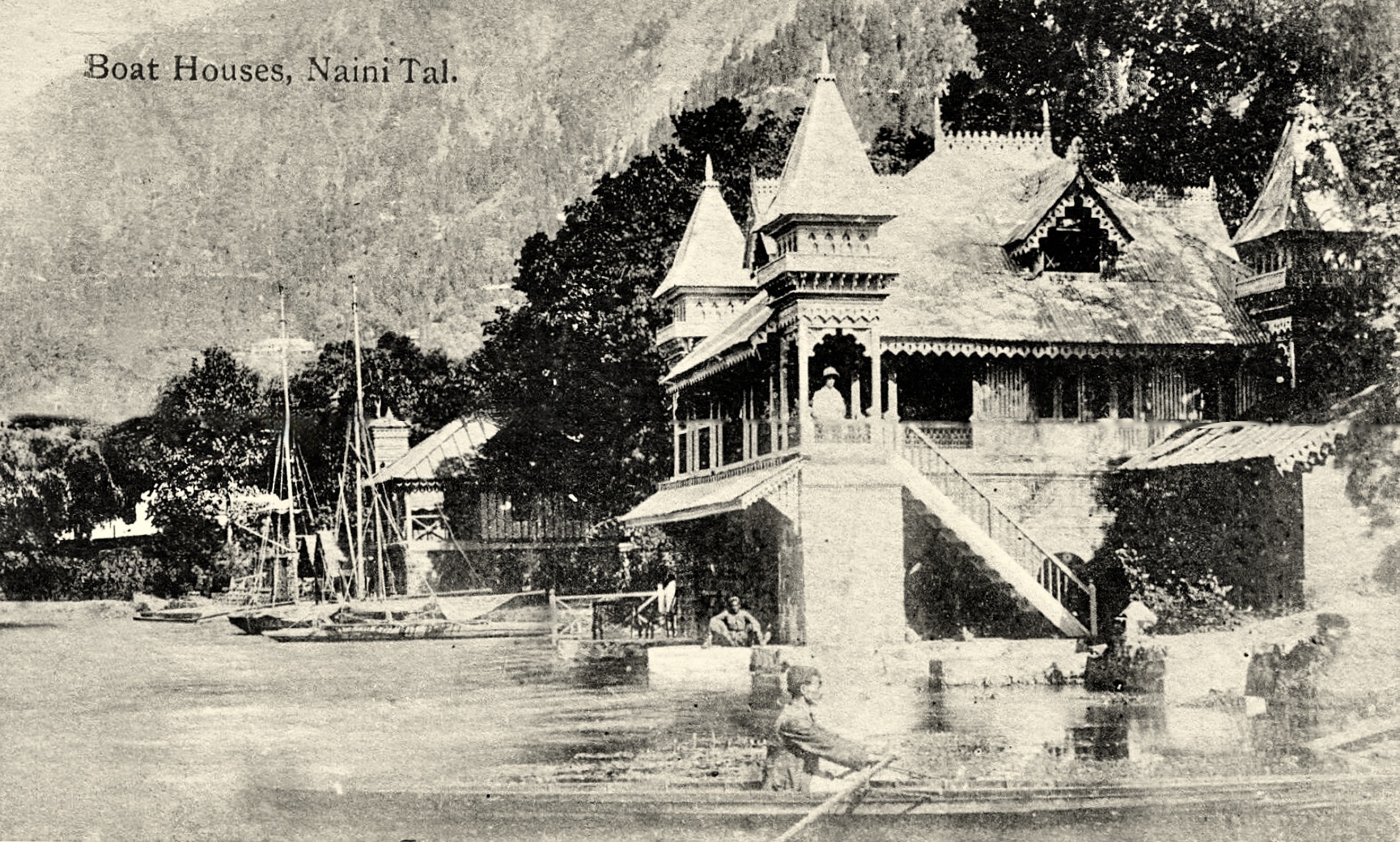
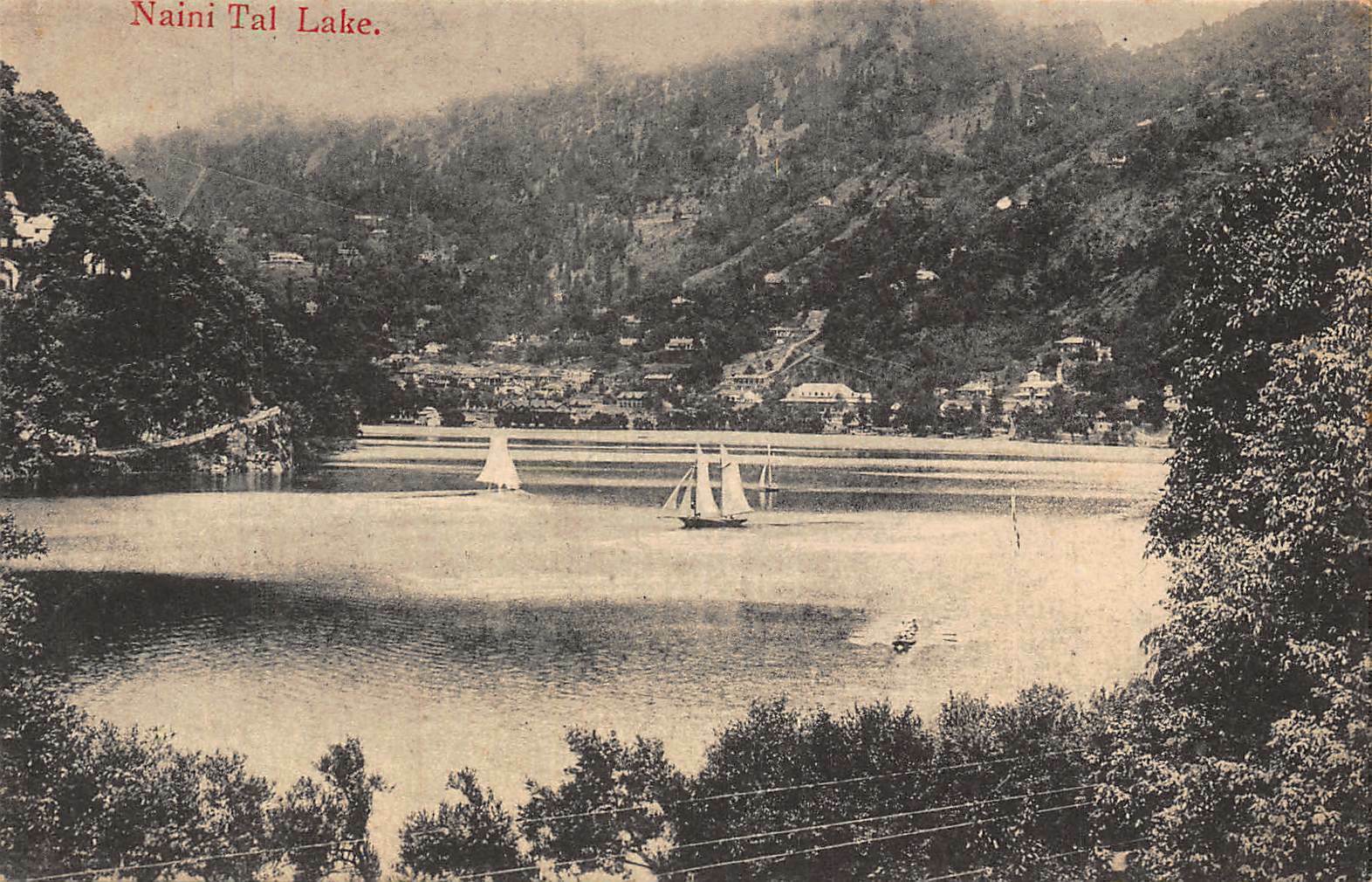
One of my most popular posts on HTBS was the result of some internet browsing during lockdown. On 5 June 2020, I posted The Rowing Memsahibs of Naini Tal, a piece in which I claimed that two photographs that I had discovered, one in a Texas museum, one for sale by an English book seller, were taken at the same time and were the oldest known photographic images of a women’s racing crew.
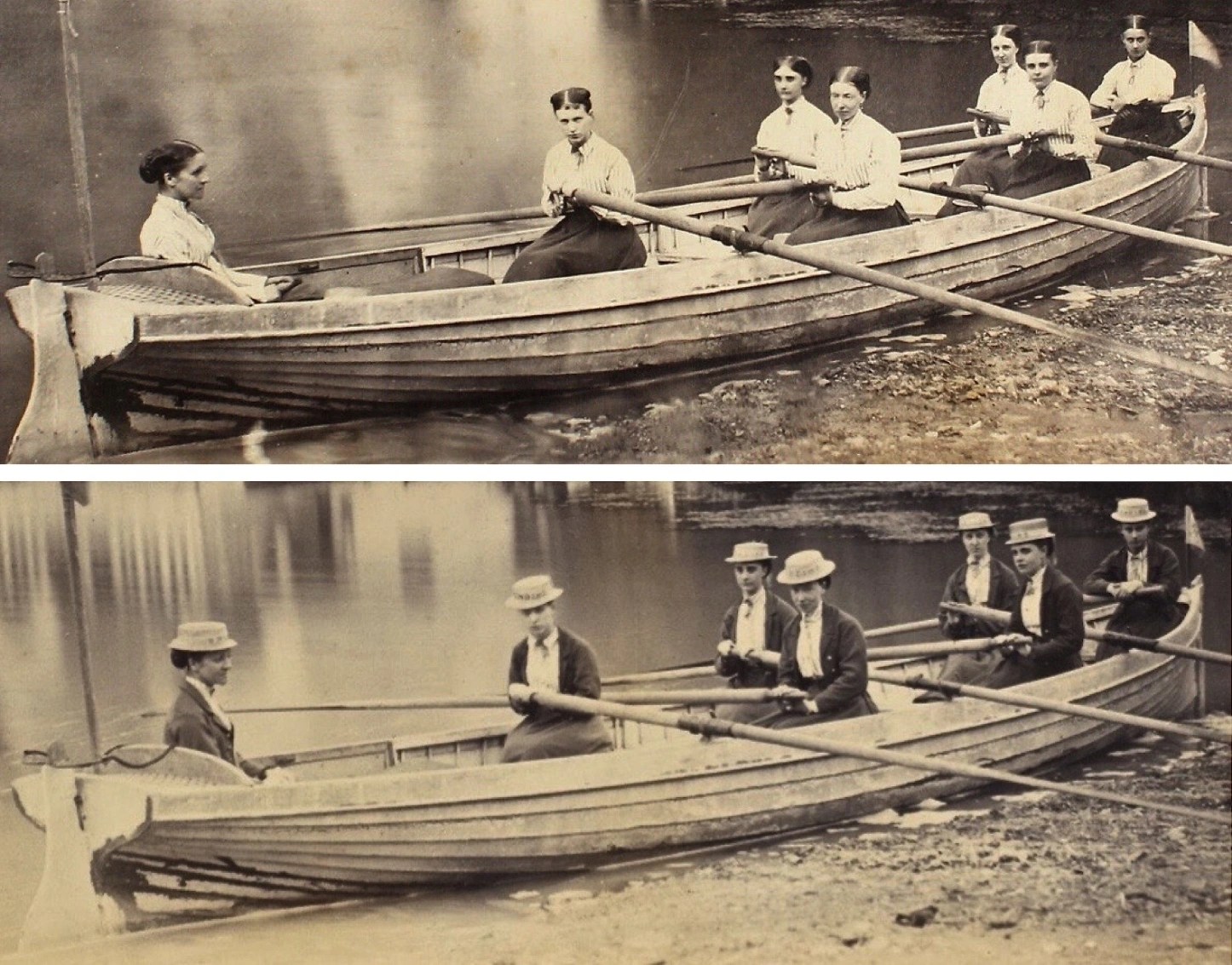
I was certain that these were pictures of women who took their boating seriously, they were not just groups of friends who sat in a boat to make an interesting photograph or who would occasionally, randomly and inexpertly go rowing.
They all look confident leaning on their oars and seem at ease in a boat. Notably, they are all in uniform rowing costumes. Their boater hats have “Undine” on the band, a reference to the mythological aquatic female creatures, and this could be the Undine Club or the Undine Crew. They are in matching skirts, blouses and, most interestingly, they seem to be wearing some sort of short boating jackets, perhaps with brass buttons.
In her book Women of the Raj: The Mothers, Wives, and Daughters of the British Empire in India (1988), Professor Margaret MacMillan of the University of Oxford confirms that such activity existed on Naini Tal in the 1860s:
Ladies who had been too tired to do anything much on the Plains found in the cool air (of the high altitude settlements) that they could take up sport again… At Nainital, the lake was the scene of ladies’ rowing races. In 1867, young Barbara Kerr reported proudly, she was fortunate to be part of the crew of the Lieutenant-Governor’s daughter, which had “a very swell costume of dark blue stuff trimmed with scarlet braid and looped up with fifteen scarlet anchors.”
The Naval and Military Gazette of 18 September 1869 said of Nainital, During the season there are balls, cricket matches, croquet etc, and boat races on the lovely lake, the crews of the rival boats being some of the belles of the station.
HTBS editor, Göran R Buckhorn, told me that initially views of Rowing Memsahibs followed the usual pattern, i.e. most on the first day of posting followed by fewer over the next two days and then virtually none. But then, said Göran:
…on 18 June, something happened: someone in India must have found the article. The stats show 385 people from India had found HTBS and the article was read 557 times. The day after, the piece was read by 704 readers, 590 from India… (By) 20 June, “Rowing Memsahibs” found 183 readers of which 152 are from India….
By HTBS standards, this was “viral” and Rowing Memsahibs remained at the top of our “Most Popular Posts” sidebar for a long time. The article produced many positive comments, mostly from India, and three follow-up posts followed: Return to Naini Tal (June 2020), A Raj Regatta (October 2021) and Catherine Dyas and Friends: Naini Tal’s Unwitting Pioneers (November 2021).
Last May, D Bhooi posted a comment below the original article. He or she wrote, “The women rowing in the picture are from the American Methodist Church.” Sadly, no evidence is given for this assertion but it could be true.
The Wikipedia page on the Methodist Church in India says, “The Methodist Church in India’s roots originate in American Methodist missionary activity in India, as opposed to the British and Australian conferences… In 1856 the Methodist Episcopal Church From America started the mission in India.” It set up in Bareilly which is only 145 km/90 miles from Nainital – so it would make sense for the women of the church to move to the hill station to escape the summer heat. Also, Nainital has the oldest specially built Methodist Church in India dating from 1858.
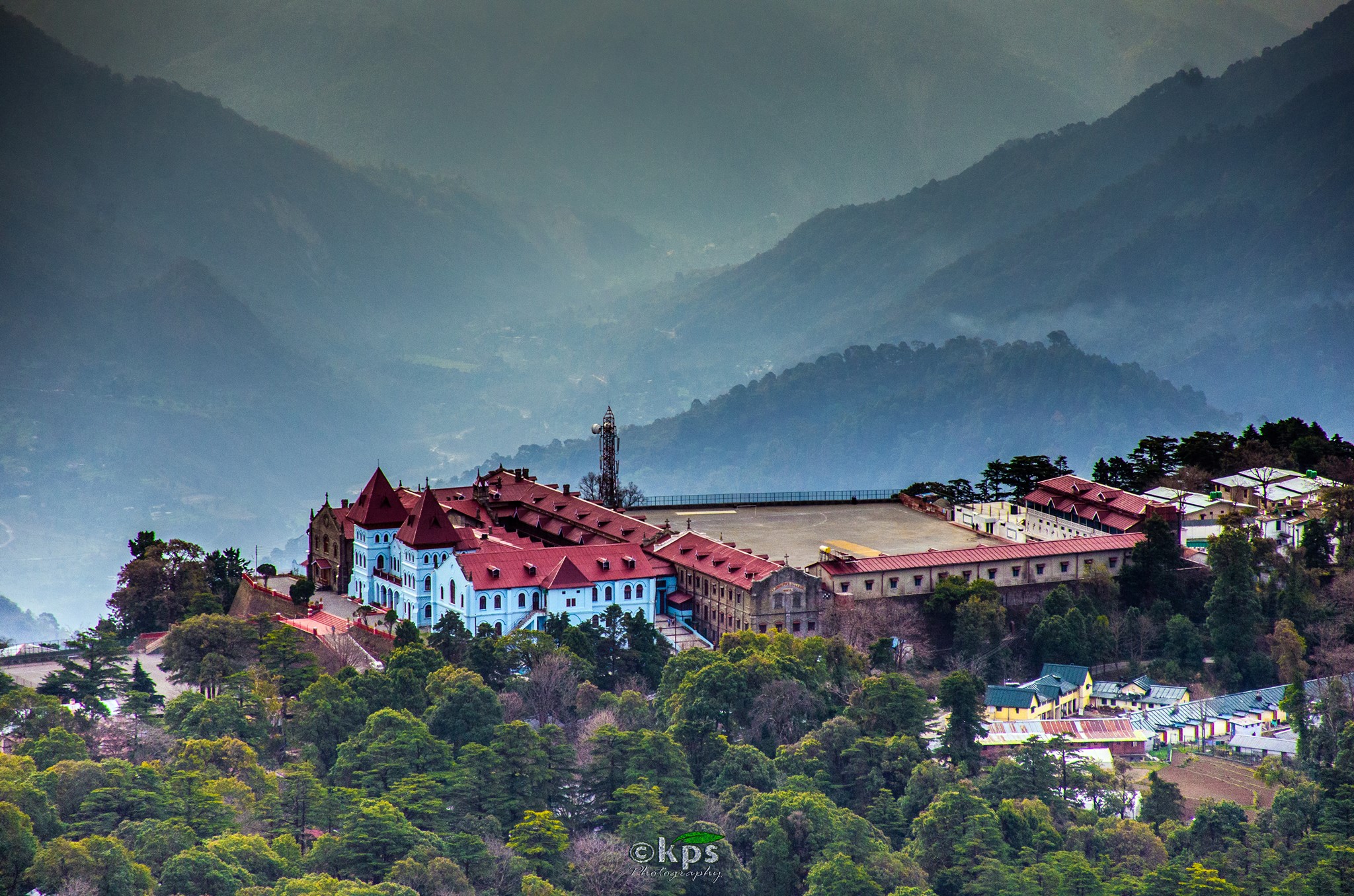
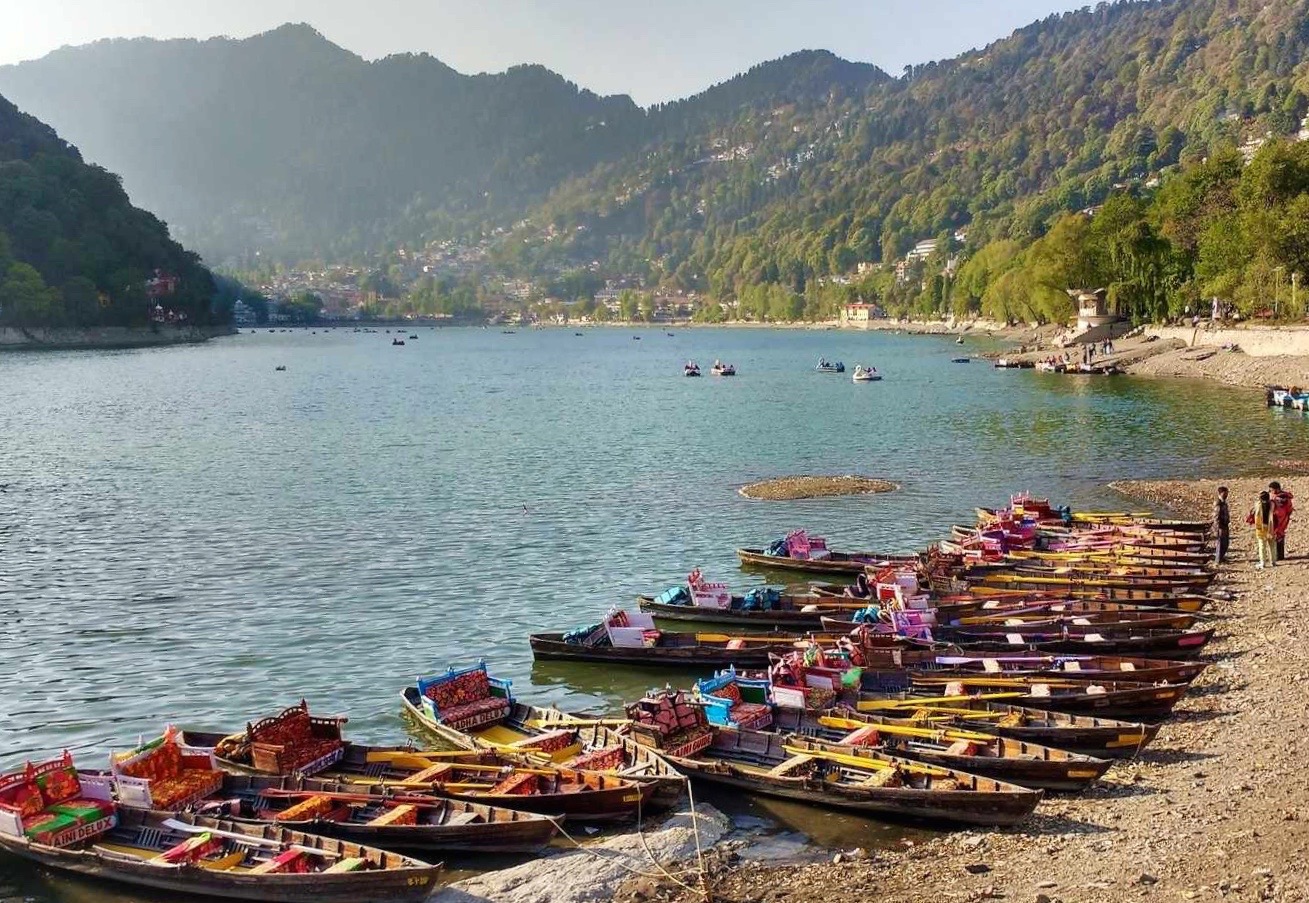
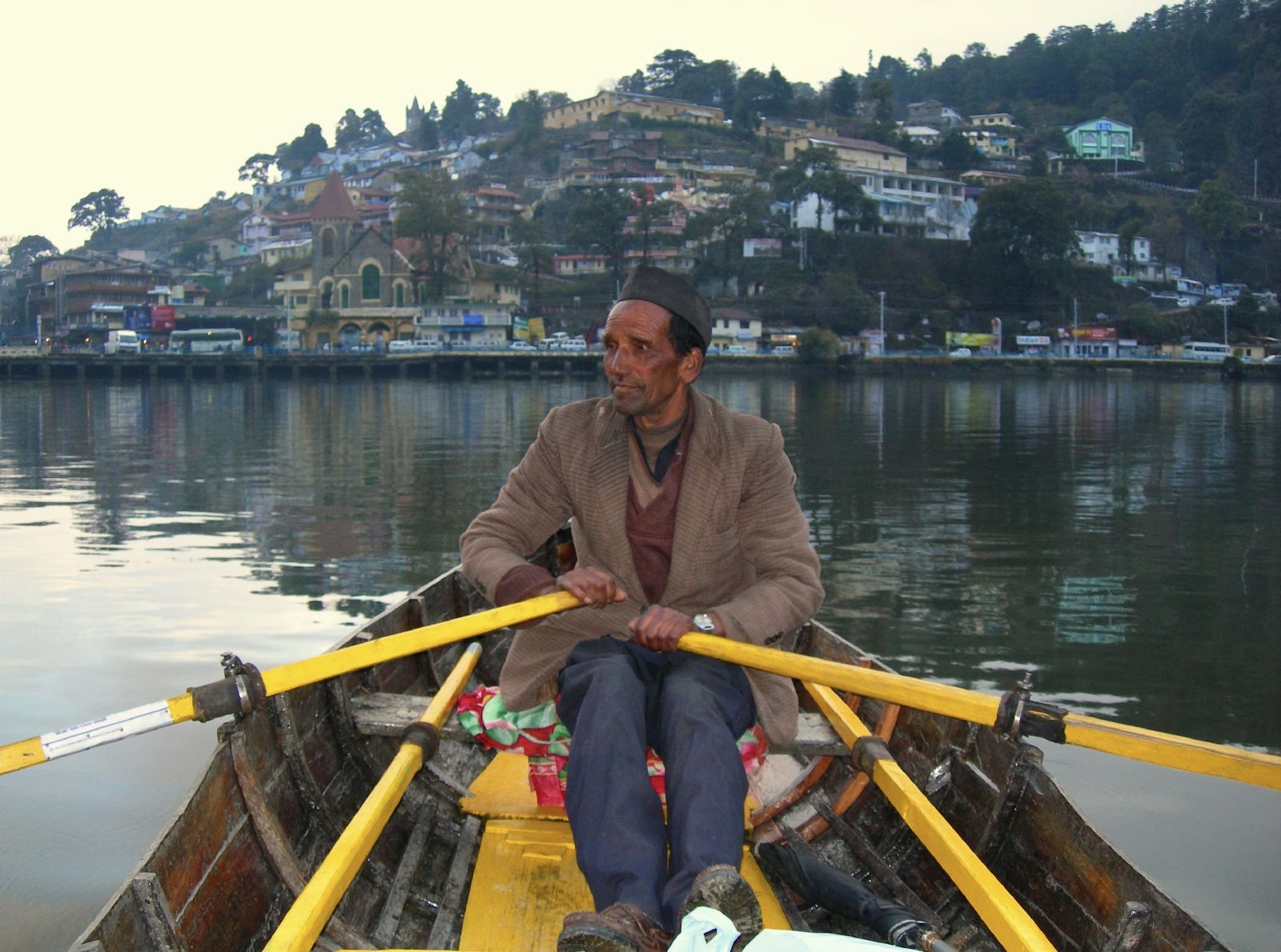
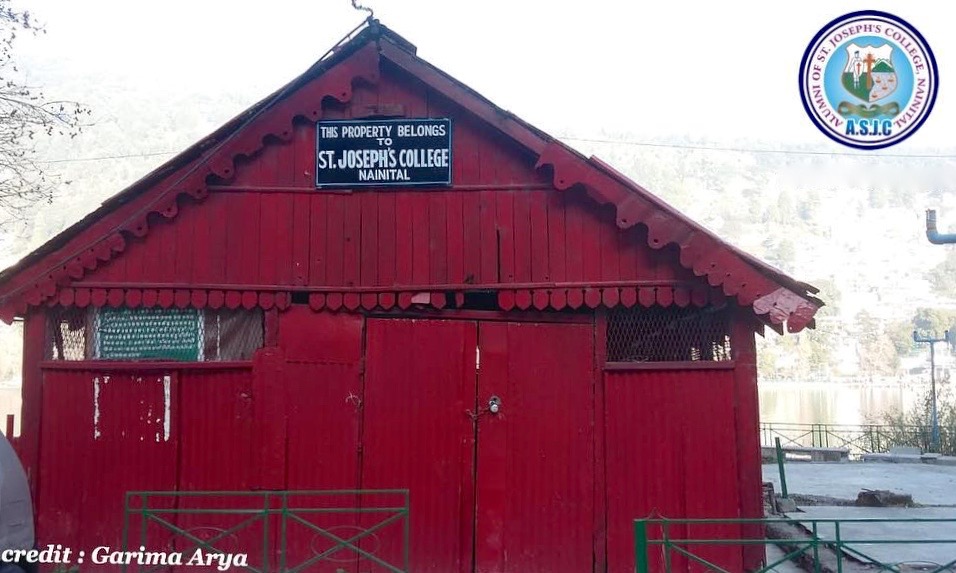
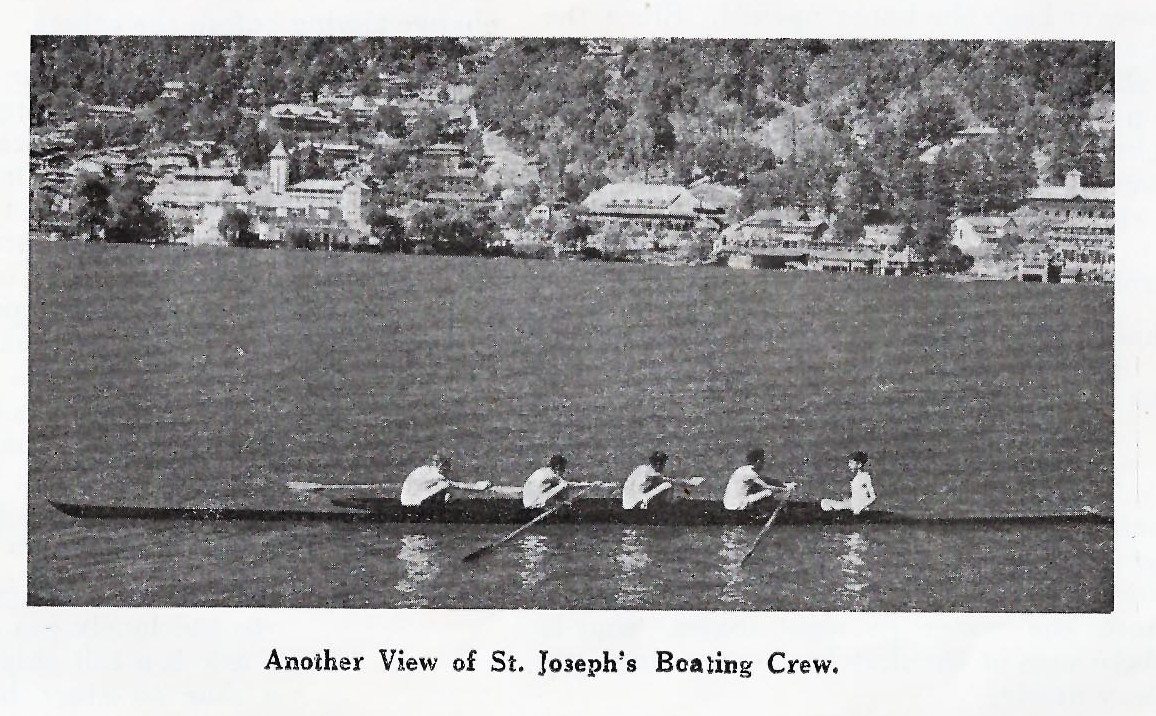
Much of the Indian interest in my Nainital pieces was fuelled by the alumni of Nainital’s St Joseph’s College whose defunct rowing club I had mentioned. Many of the alumni are very successful in all walks of life and seem a tight-knit group, immensely proud and supportive of their old school.
St Joseph’s College was established in 1888 and was originally a seminary. The school is still referred to as “Sem” (for Seminary) and the alumni refer to themselves as “Semites.” In 1892, the Christian Brothers, a Roman Catholic teaching order, took formal charge and today the school numbers about 1100 students, with 360 as boarders.
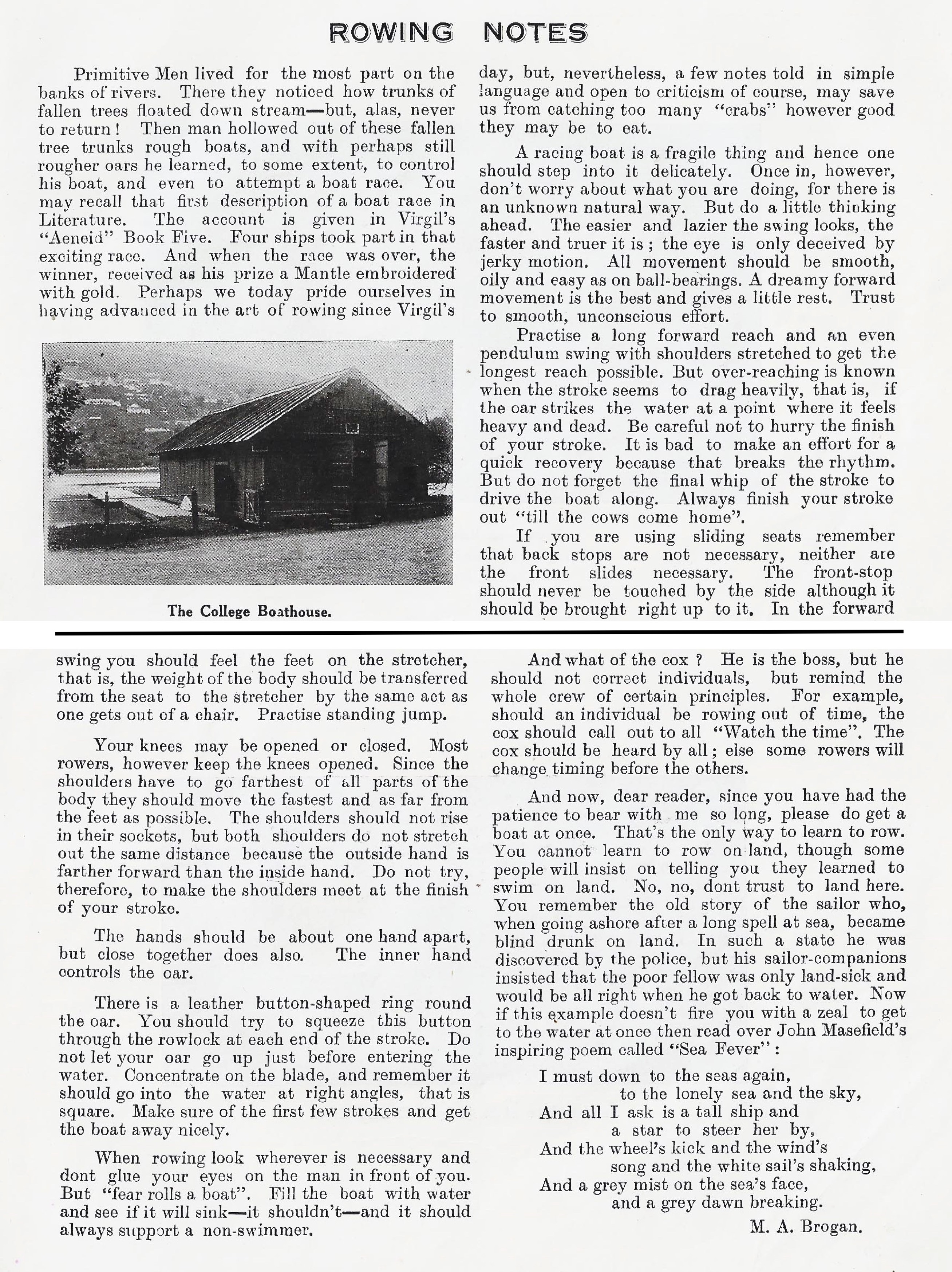
Rowing at St Joseph’s died out in the 1980s but I had previously posted some pictures from before this time.
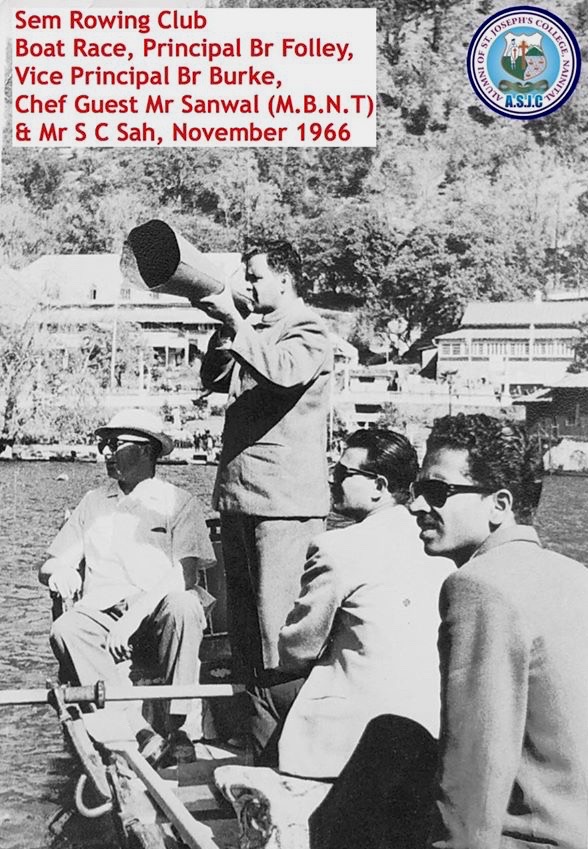
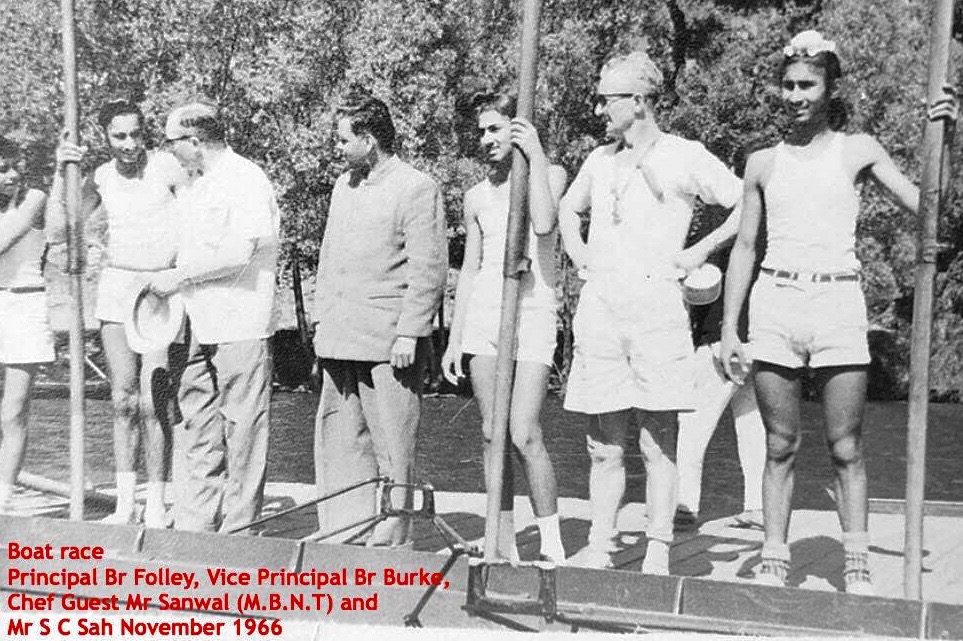
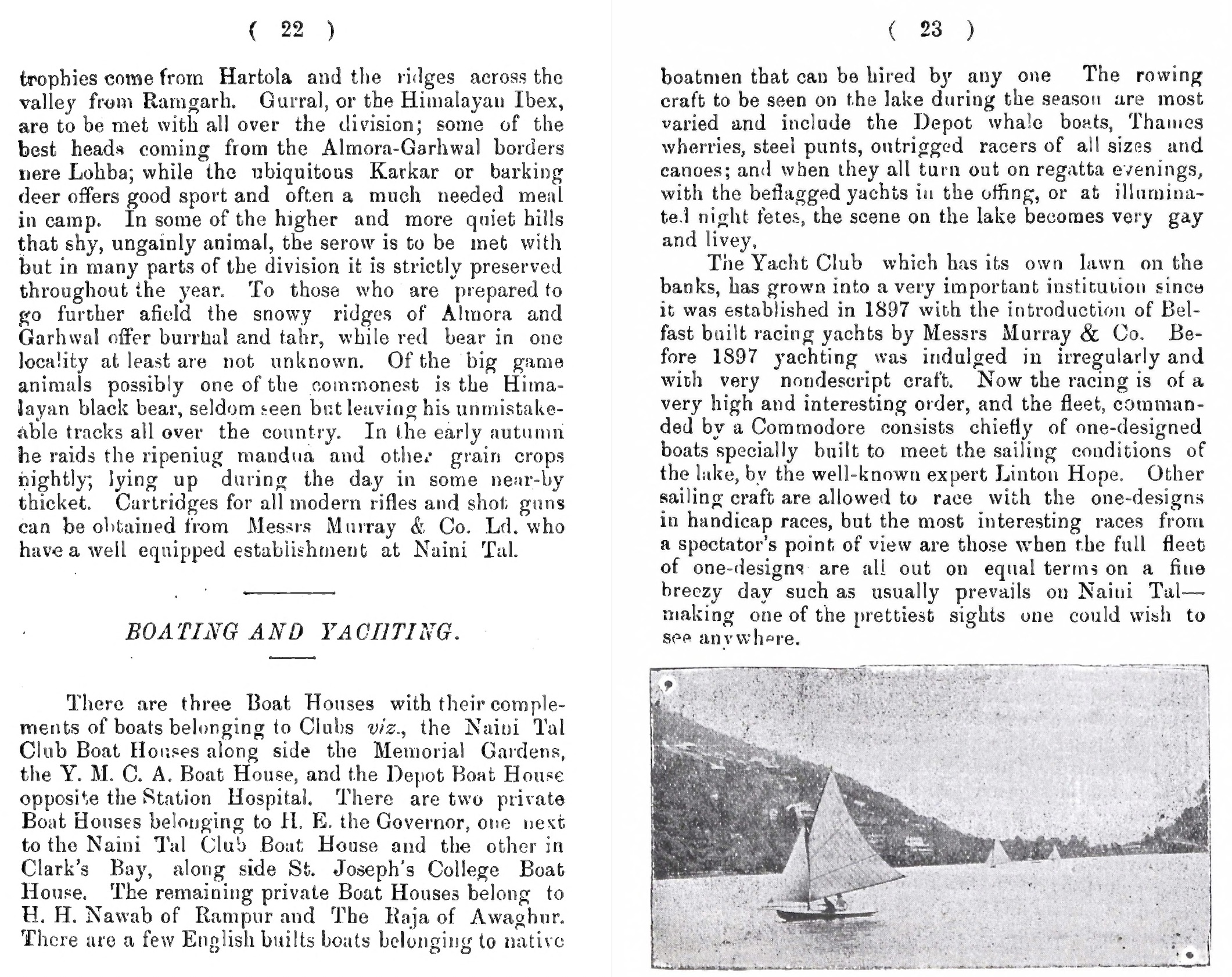
I was recently contacted by Ashok Daga, an alumnus of St Joseph’s who provided some nice material from the college’s 1954 Annual Review.

 Hear The Boat Sing