
6 July 2025
By William O’Chee
Many will say that the best two days of racing at Henley Royal Regatta are Friday and Saturday. Saturday this year certainly lived to that reputation, with some tight races, and future champions coming out to chase their crowns. Here is a selection of events, and the crews who staked their claims for glory.
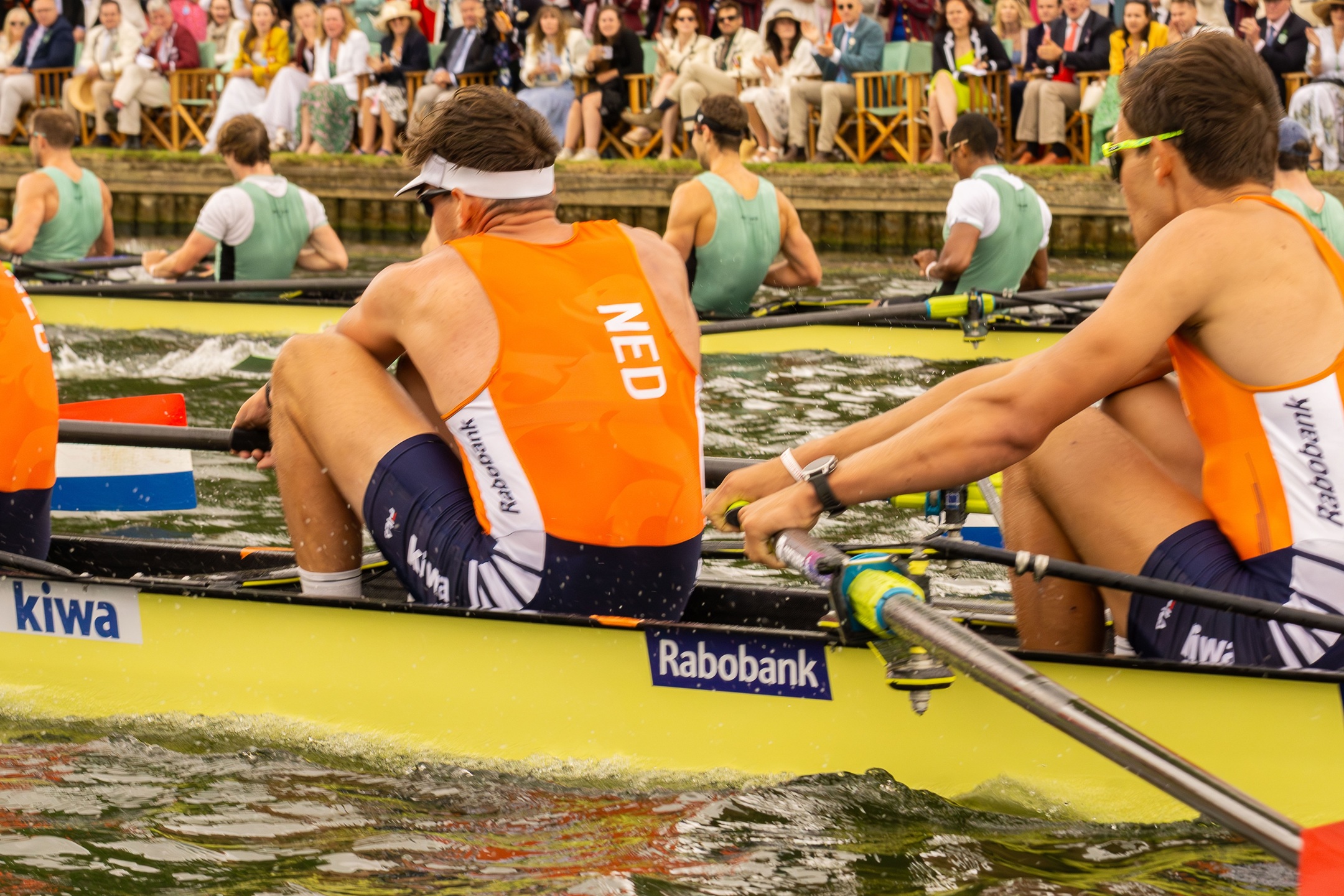
The Grand Challenge Cup saw two superb semi-finals. In the first of these Cambridge University raced Hollandia Roeiclub, Netherlands. There were many on the towpath who queried the wisdom of Cambridge coach Rob Baker’s decision. The Ladies Plate would have been a safer choice. However, my sources at Cambridge tell me that Baker had challenged his crew that if they managed a certain time, he would enter them in the Grand, and that was what happened.
Cambridge, it turns out, were certainly up for the challenge, and were only vanquished by the Dutch after a tight race, with the final margin being one third of a length. They will race the Australian crew in the final, after the latter beat Leander and Oxford Brookes (the putative GB crew) by two thirds of a length. That will be a final to enjoy.
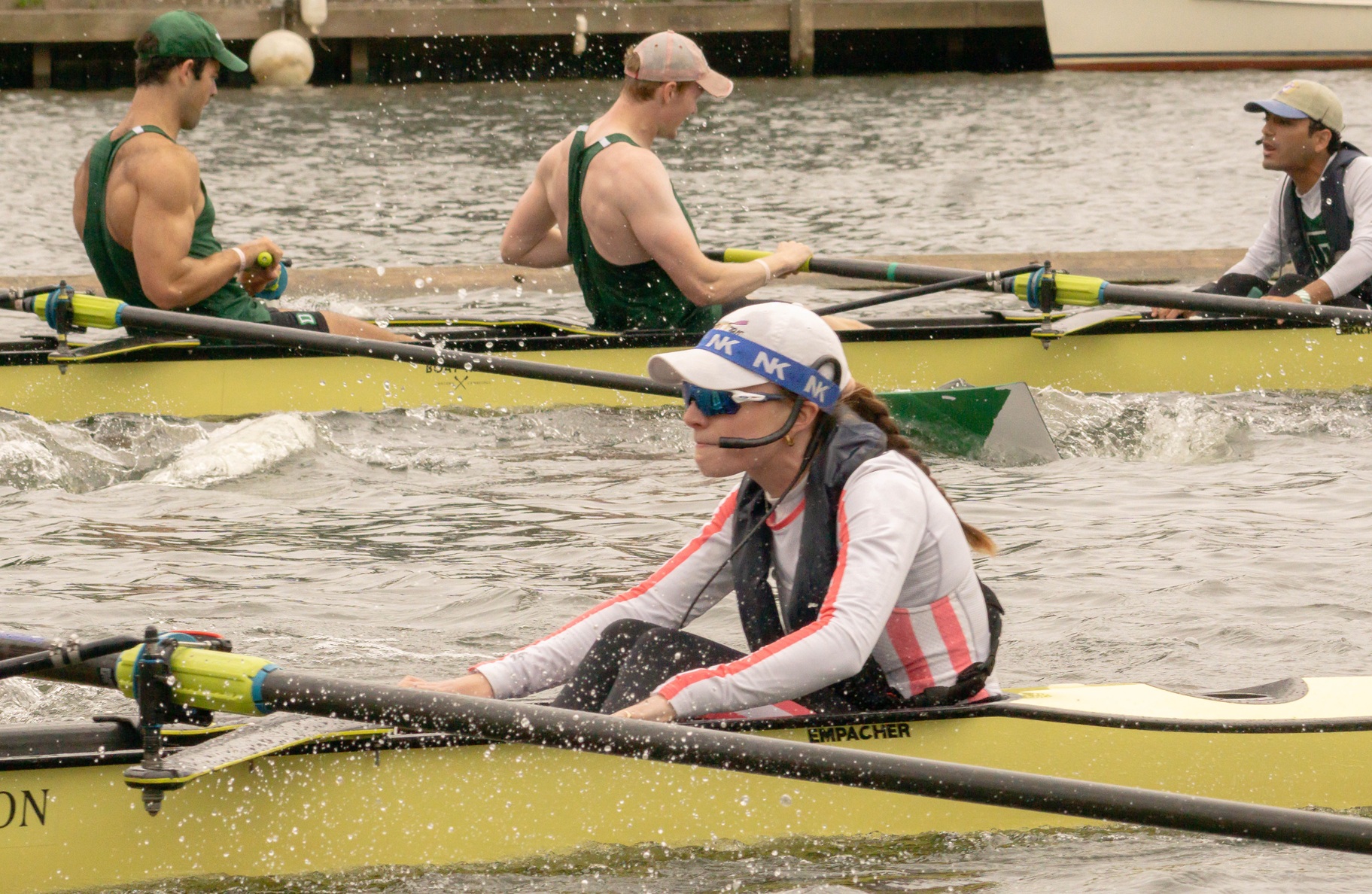
The Ladies Plate also offers a very close final after some superb racing on Saturday. In the first semi-final, Leander won by half a length over a fast finishing crew from Dartmouth College, in a time of 6 minutes 16 seconds. Five races later, in the second semi-final, Oxford Brookes University ‘A’ beat Thames Rowing Club and Leander by two-thirds of a length in a time of 6 minutes 17 seconds. Another thrilling final is promised.
Another tight final could be offered in the Wargrave Challenge Cup for women’s club eights. In the first semi-final, Molesey Boat Club ‘A’ beat Thames Rowing Club ‘A’ by half a length after a battle all the way up the enclosures.
The other semi-final saw Leander defeat London Rowing Club ‘A’ by a length and three-quarters. Leander’s winning time was one second slower than that of Molesey, who finished in 7 minutes 12 seconds. Of course, Leander were not pushed as hard, and may prove faster, but there were only two seconds between the two winners in their times to the Barrier, and nothing between their times to Fawley. If Molesey can push hard in the early part of the race, the final could be an interesting prospect.

An event which will be interesting is the Stonor Challenge Cup. This was one of the most stacked fields of the regatta. Eighteen crews entered for twelve places. Eight of them – national crews, or crews mad euphoria of international single scullers – were given direct entry, and four combinations came through qualifying.
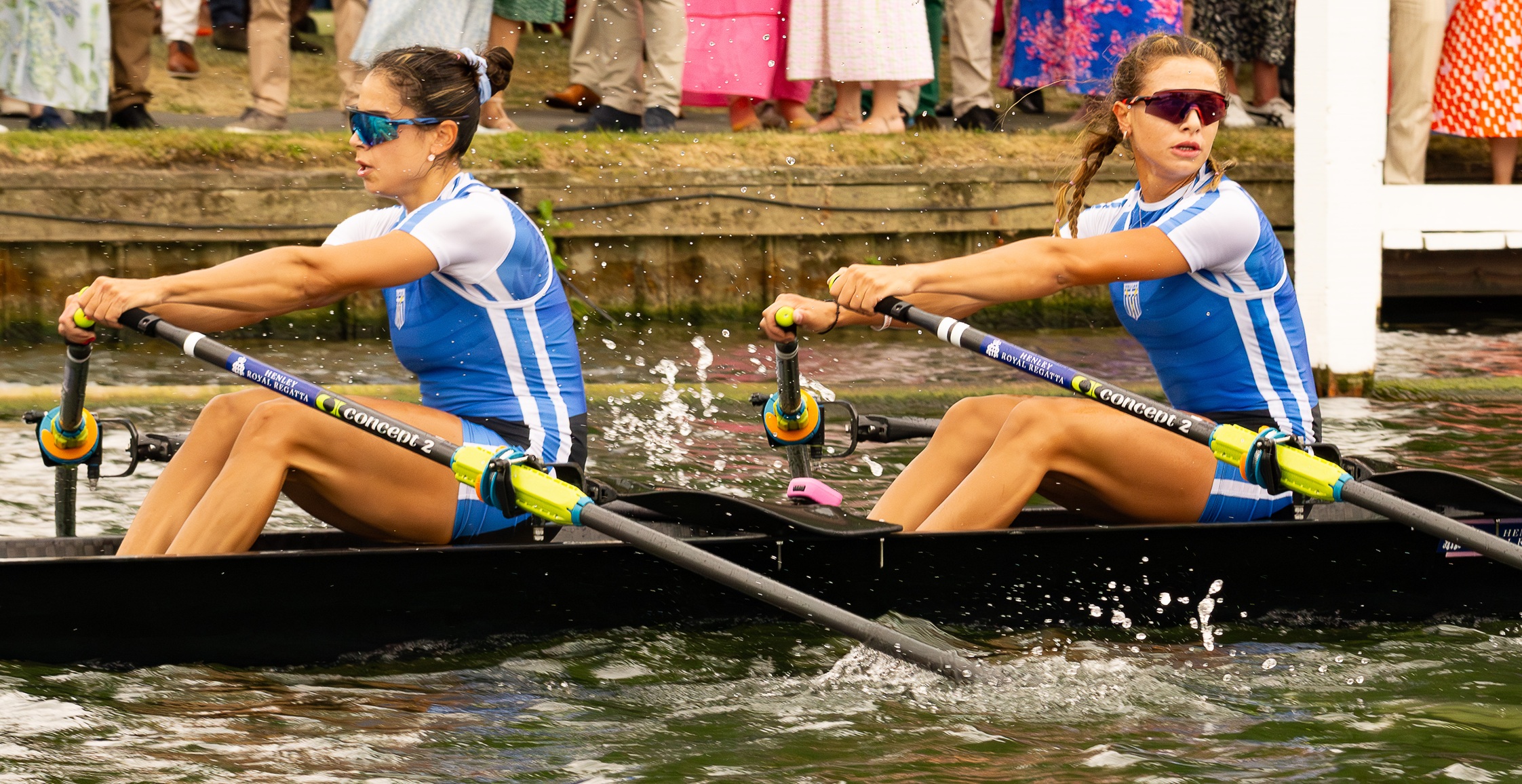
One consistently impressive double, however, has been the Greek combination of Anastasiadou and Fitsiou, who beat the British pairing of Keto and Obukohwo by one and a half lengths in time of 8 minutes 14 seconds.
Their opponents in the final will be the Dutch combination of de Jong and Boonstra, who clocked a considerably slower time in an easy win over Glen and Glover of New Zealand. However, on Friday, the Dutch crew had the fastest time of the event. Again, it will be interesting to watch.
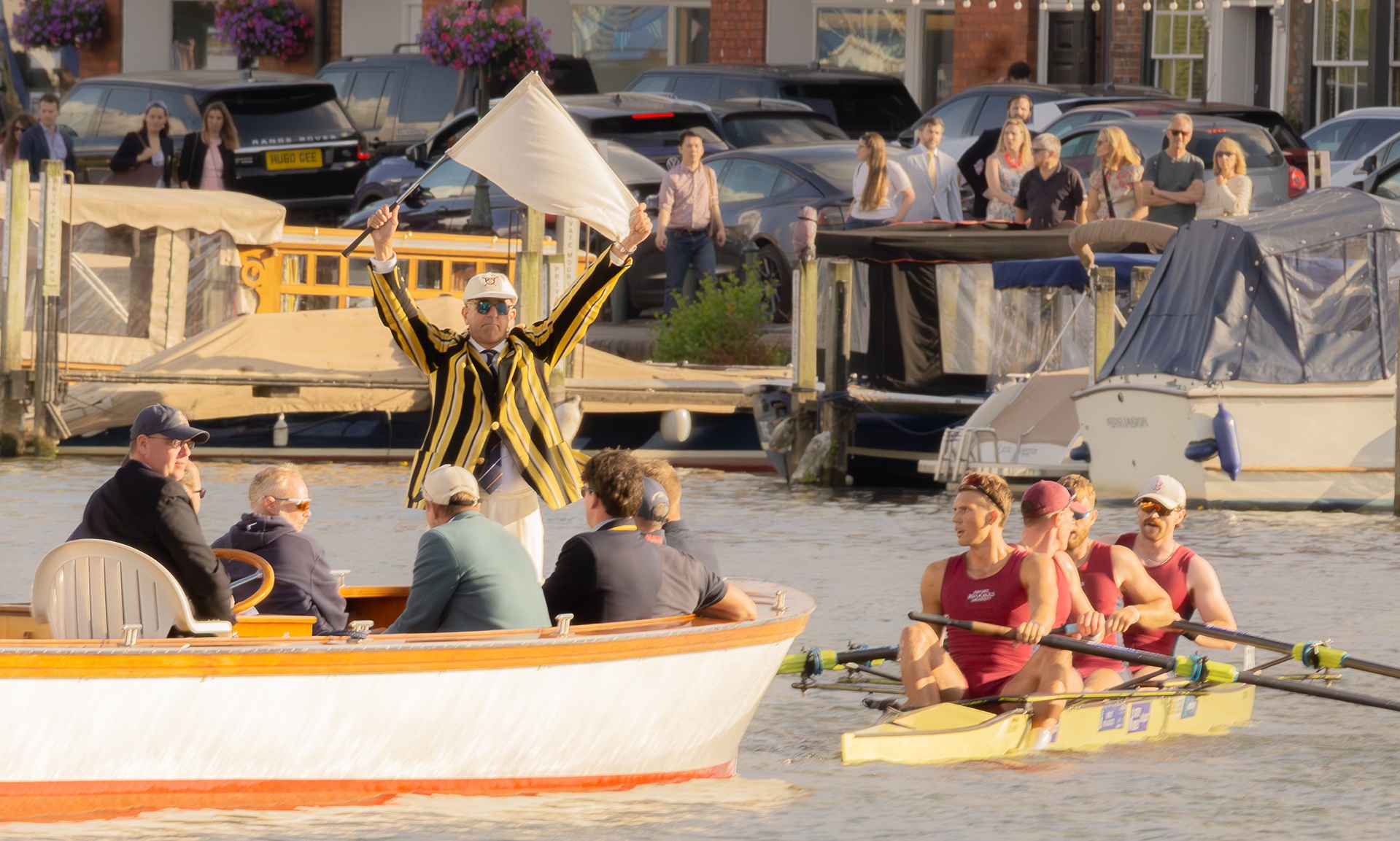
The Visitor’s Challenge Cup saw drama in the second semi-final when Molesey Boat Club and Hostelbro Roklub, Denmark, protested the steering of the Oxford Brookes University crew which crossed the line one and a quarter lengths ahead of them. After consulting the other Stewards on the launch, the umpire raised his white flag to send Oxford Brookes to a finals day match-up with Leander and Tideway Scullers’ School.
The protest may have been the greatest challenge for Oxford Brookes. Their semi-final time of 6 minutes 50 seconds was a full thirteen seconds faster than Leander and Tideway Scullers’ School managed in their semi-final.
Of course, there is always great interest in the Princess Elizabeth Challenge Cup. After the first two days of racing, I wrote that there were no clear favourites. However, the quarter-finals resolved a lot of questions, with potential outsiders eliminated, leaving two fabulous semi-finals on Saturday.
In the first of these races, the local crew of Shiplake met St Paul’s who have been finalists for the last four years. As the crews passed Remenham, the crowd roared as scores of boys from both schools emptied the grandstands to run to the water’s edge. The race was well fought, with the final verdict giving the win to Shiplake by one length in a time of 6 minutes 35 seconds. St Paul’s can consider themselves unlucky. This was not the same crew which won the Schools Head, with injury forcing out one of the original members, and necessitating his replacement by one of the J16 crew.
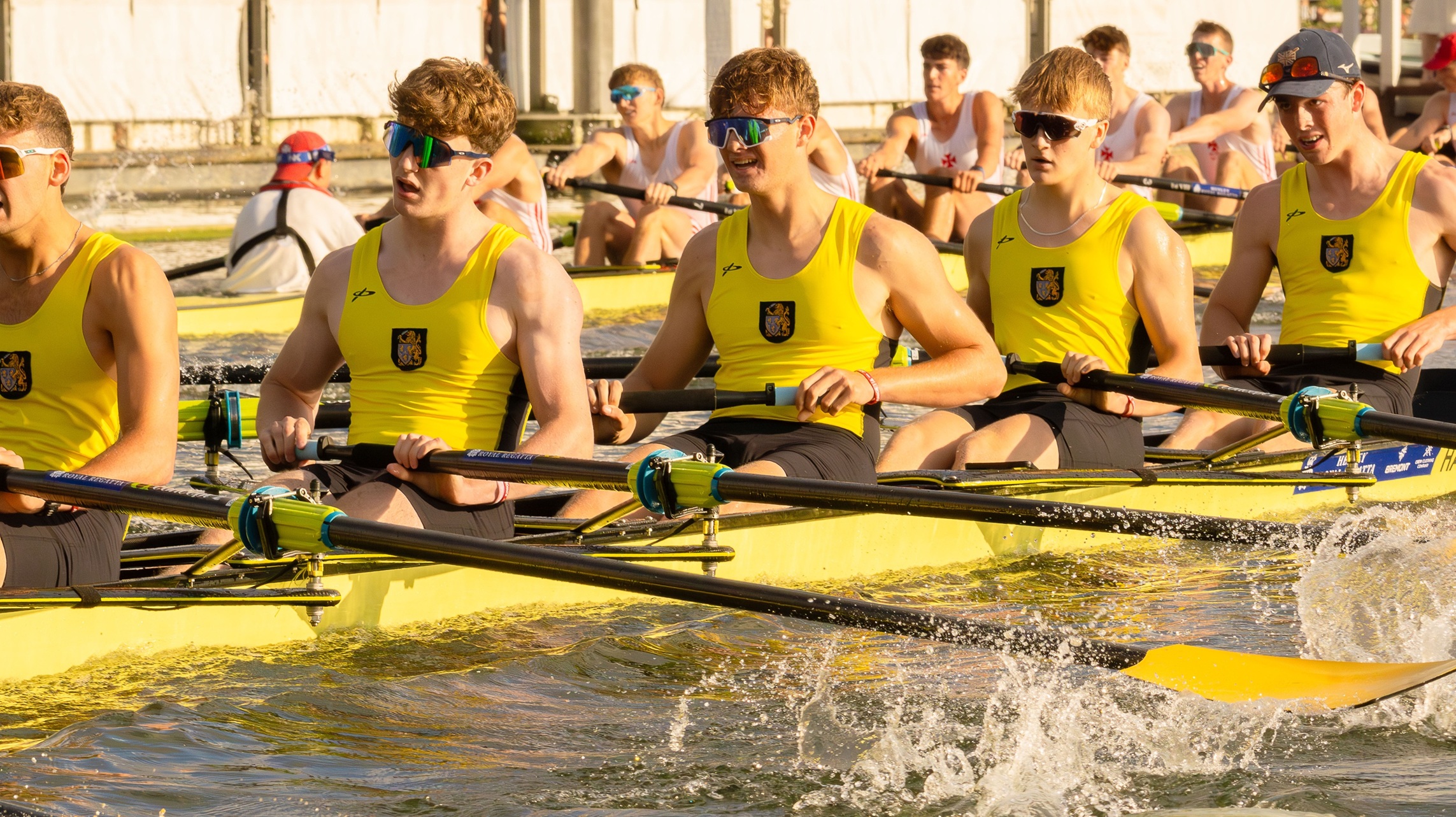
The second semi-final was also a thrilling affair. Hampton School took an early lead in their match-up with Radley College. At the bottom of the enclosures, the race was still evenly matched, but Radley had a stunning push which took over a length off their opponents in some twenty or so strokes. Their winning margin was one and a quarter lengths, in a time of 6 minutes 29 seconds – six seconds faster than Shiplake. It may be that Radley have another gear beyond that, so Shiplake, the National Schools Champions, may have a tough race on Sunday.
The final day now beckons. By Sunday evening we will have crowned another legion of champions in this storied regatta. Bring it on.
 Hear The Boat Sing