
29 May 2025
By Tim Koch
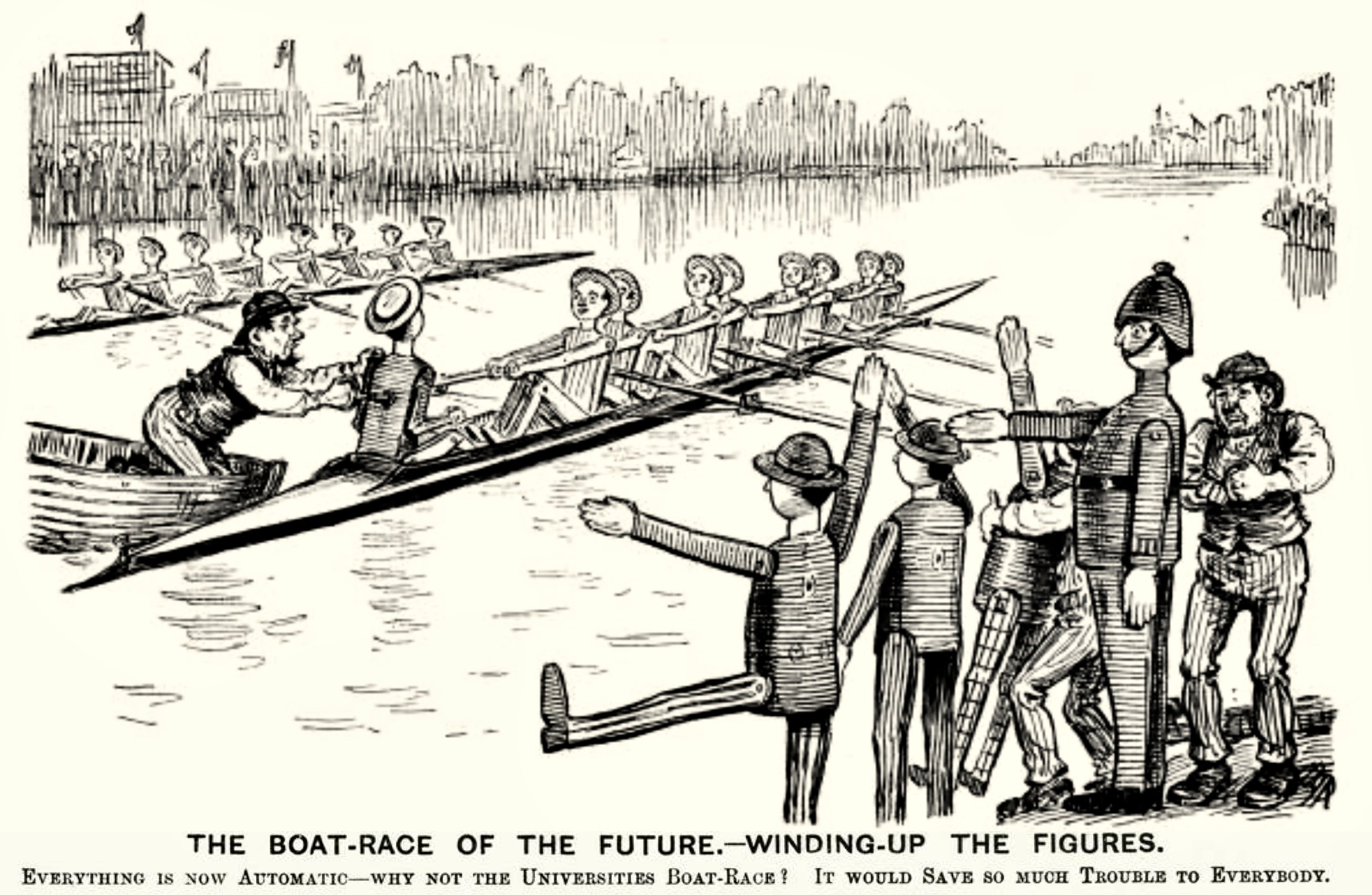
Tim Koch wonders if 1872 can be considered the birth of modern rowing.
After visiting the fledgling Soviet Union in 1919, American journalist Lincoln Steffens famously said, I have seen the Future – and it works. This somewhat overoptimistic view of how the USSR was going to develop was yet another example of how difficult it is to predict what the future holds.
When I was young, those imagining life in the 2020s looked forward to flying jetpacks and robot servants – but few considered the possibility of the internet and the smartphone. Developing technology seems to present particular problems in forecasting what lies ahead.
However, the technology of rowing has seen remarkably few changes over the years. In 1872 though, The Pall Mall Gazette of 1 November published a piece titled The Rowing of the Future which noted two then recent innovations in the sport, the first in nearly thirty years:
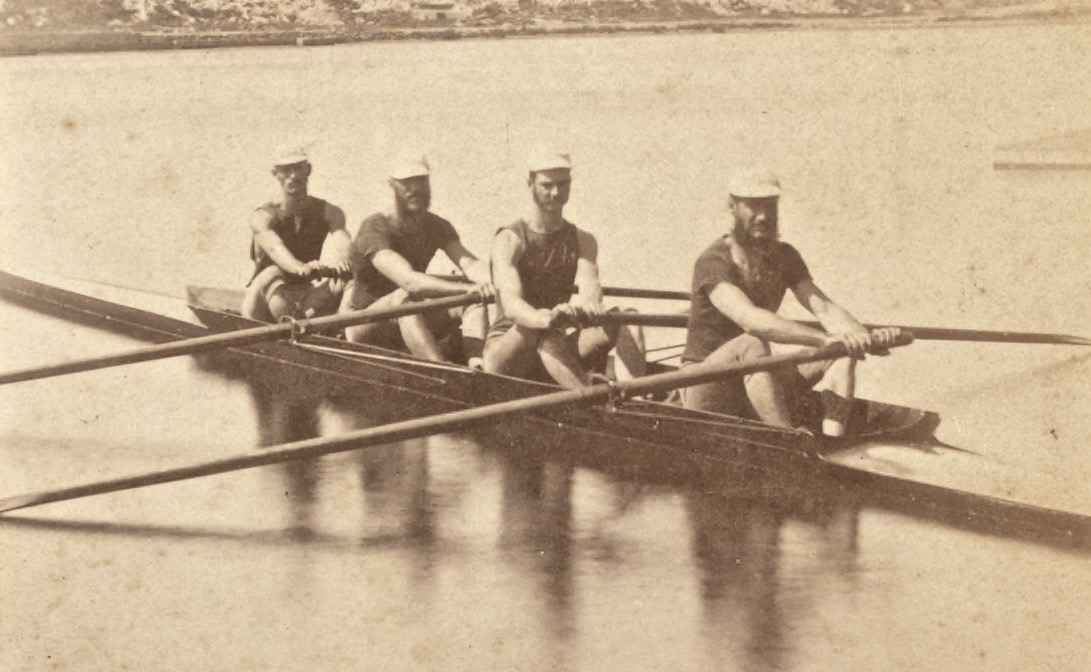
The summer now past has witnessed two improvements in boat-racing which will do more to revolutionise regattas than any innovation since the establishment of scullers’ boats in 1850, or of the outrigger in 1844. These are dispensing with the coxswain, in four-oars at least, and the sliding seat.
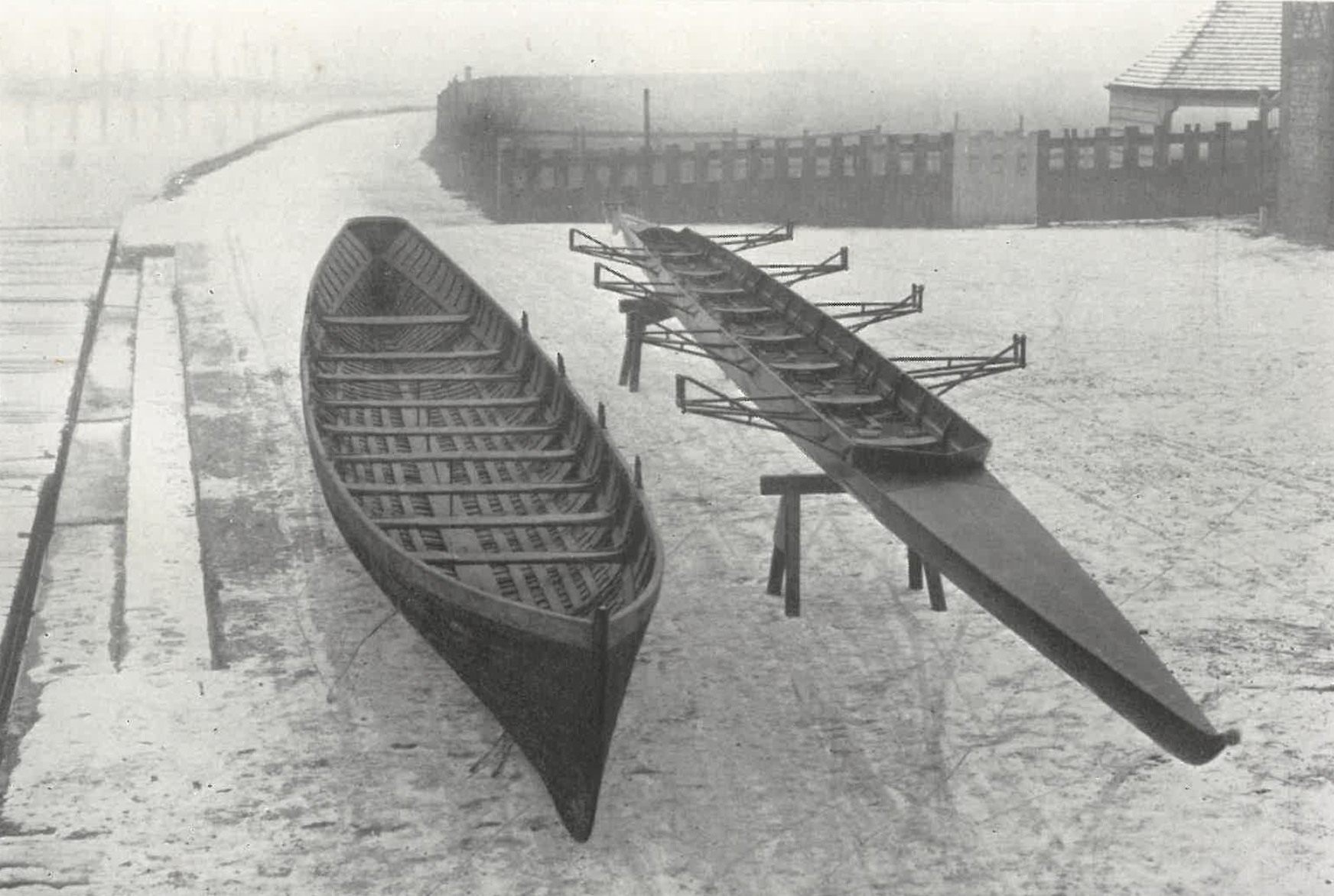
I presume that the reference to “scullers’ boats in 1850” refers to the smooth-bottomed and out-rigged boat, more famously the coxed four Victoria built by Mat Taylor in 1854 which won both the Wyfold and the Stewards’ at Henley in 1855. The next year, a Royal Chester RC Taylor eight built on the same principles won both Henley’s Ladies’ and Grand. Taylor ended up building the 1857 Oxford boat and the 1858 Cambridge boat. Taylor’s claim to be the first to bring the keel inboard was disputed by his rival on the Tyne, Harry Clasper.
The Pall Mall Gazette continued:
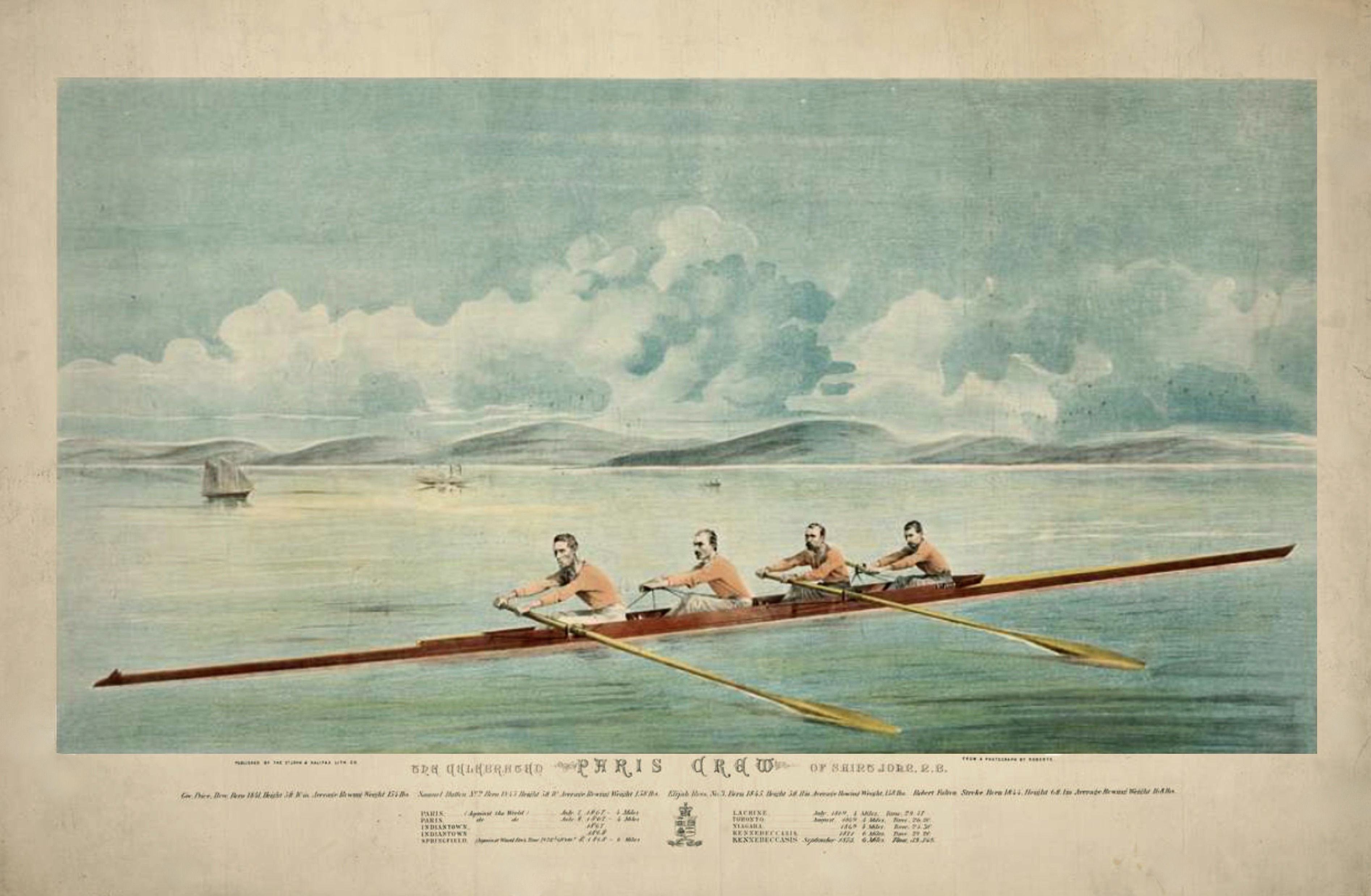
It is true that neither of these improvements was entirely a novelty before this season. The St. John’s Canadian crew at Paris in 1867 won a four-oared race without carrying a coxswain, opposed to crews that were thus encumbered; an Oxford four similarly unprovided came in first for the Stewards’ Cup at Henley in 1868. Two matches between English and American professional oarsmen had also been rowed in America in fours without coxswains.
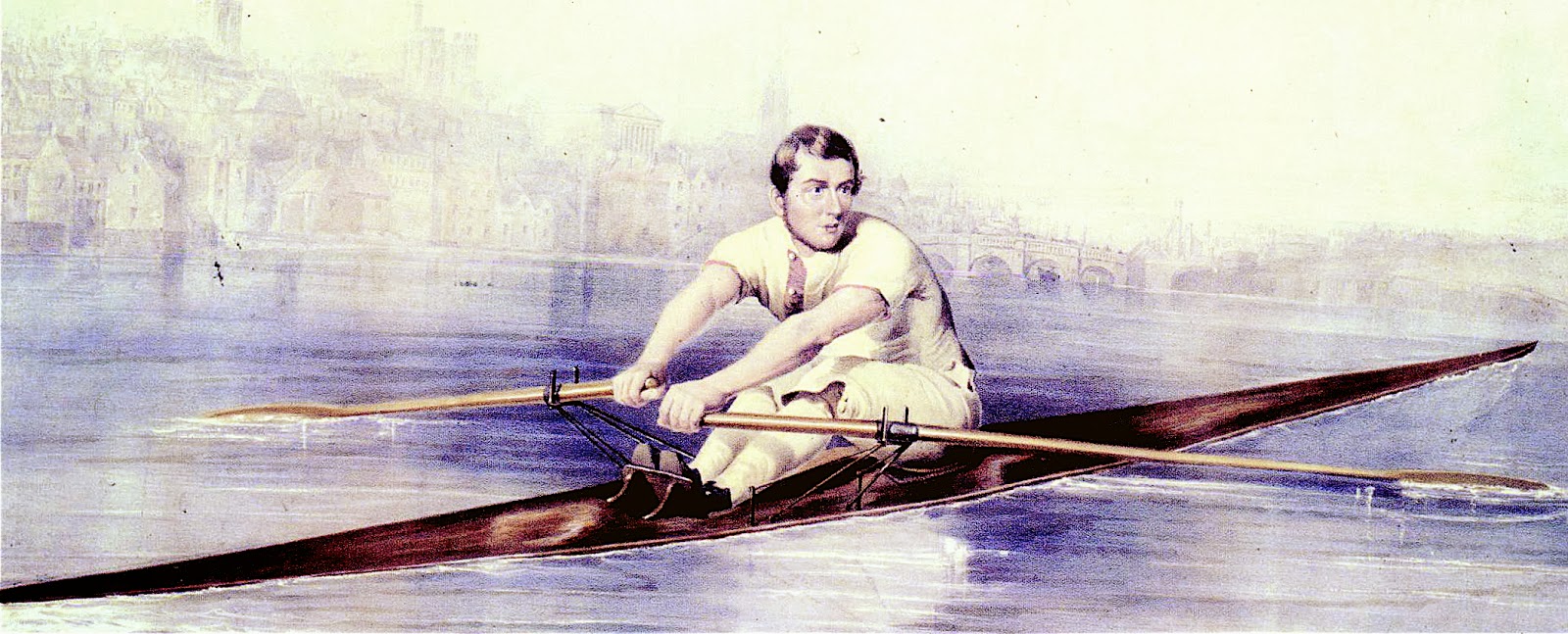
Sliding on the seat was practised by H. Clasper and R. Chambers in sculling boats about ten years ago, and the system had been affected more or less by others. Later on, at the close of last year, in a match rowed on the Tyne the winning four rowed with sliding seats, not by oarsmen sliding on a fixed seat. But neither of these changes was well established till this season, for amateurs had not till then adopted them…
At Henley the sliding seat was a great success; and every club boat in the London Rowing Club has now been fitted with them—regatta after regatta demonstrating the vast increase of reach and power, and consequently of speed and economy of exertion, which the system affords…
In the matter of abolishing coxswains, Cambridge has taken the lead, and has decreed that the college fours of this autumn shall be thus rowed. Oxford for this term, makes no such change. A meeting of Henley Stewards on the 25th (November 1872) will discuss, inter alia, the propriety of appointing the principal four-oar race of that meeting, the Stewards Cup, to be rowed for in this way in future; and there is hardly any doubt that they will so decide.
There can also be no doubt that not only the next (Oxford – Cambridge Boat Race), but all boat races of importance, will for the future be rowed on sliding seats…
 Hear The Boat Sing