

3 May 2025
By Tim Koch
In Part I, I started my east to west journey along London’s Boathouse Row on Putney Embankment and looked at the boathouses currently occupied by Putney High School, London RC, King’s School Wimbledon, Harrodian School and Dulwich College. In Part II, I finish the journey towards the west end of the Embankment.
The Crabtree Boathouse
The history of this small site is little recorded and incomplete. No building appears in the 1882 picture of the Embankment but there is one in a photograph that Historic England has dated as 1879 but which is actually post-1888 as it shows the Embankment paved.
Further, what is the basis of today’s Crabtree is also shown in a photograph of part of the Embankment that I have calculated dates from the early 1890s. It very clearly shows from left to right: a part of Leander, the New University Boat House (with the balcony seemingly subdivided into three suggesting that it then housed three clubs), what is now Crabtree BC, the Unity Boathouse, Vesta RC/Sims Boatbuilders and Thames RC.
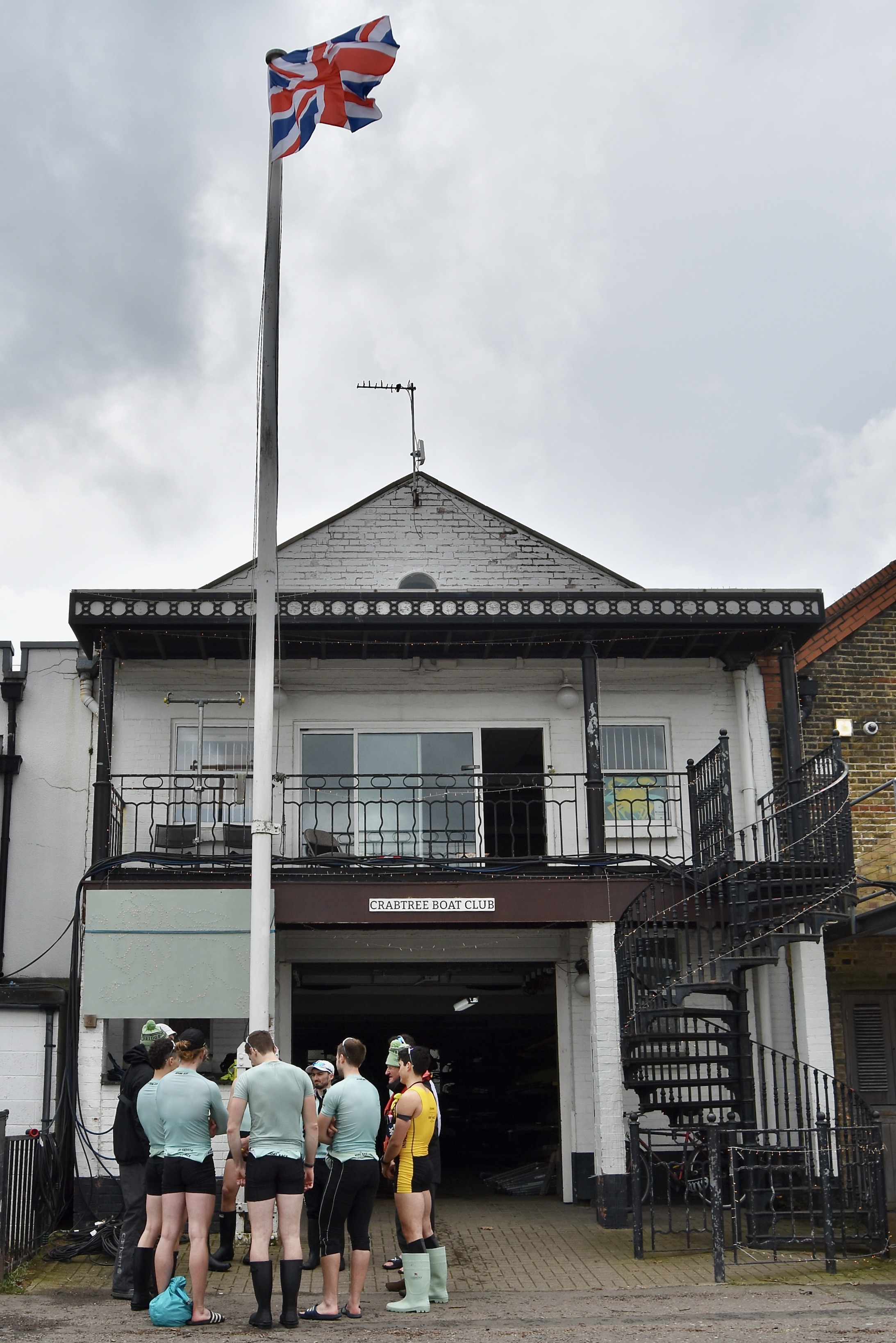
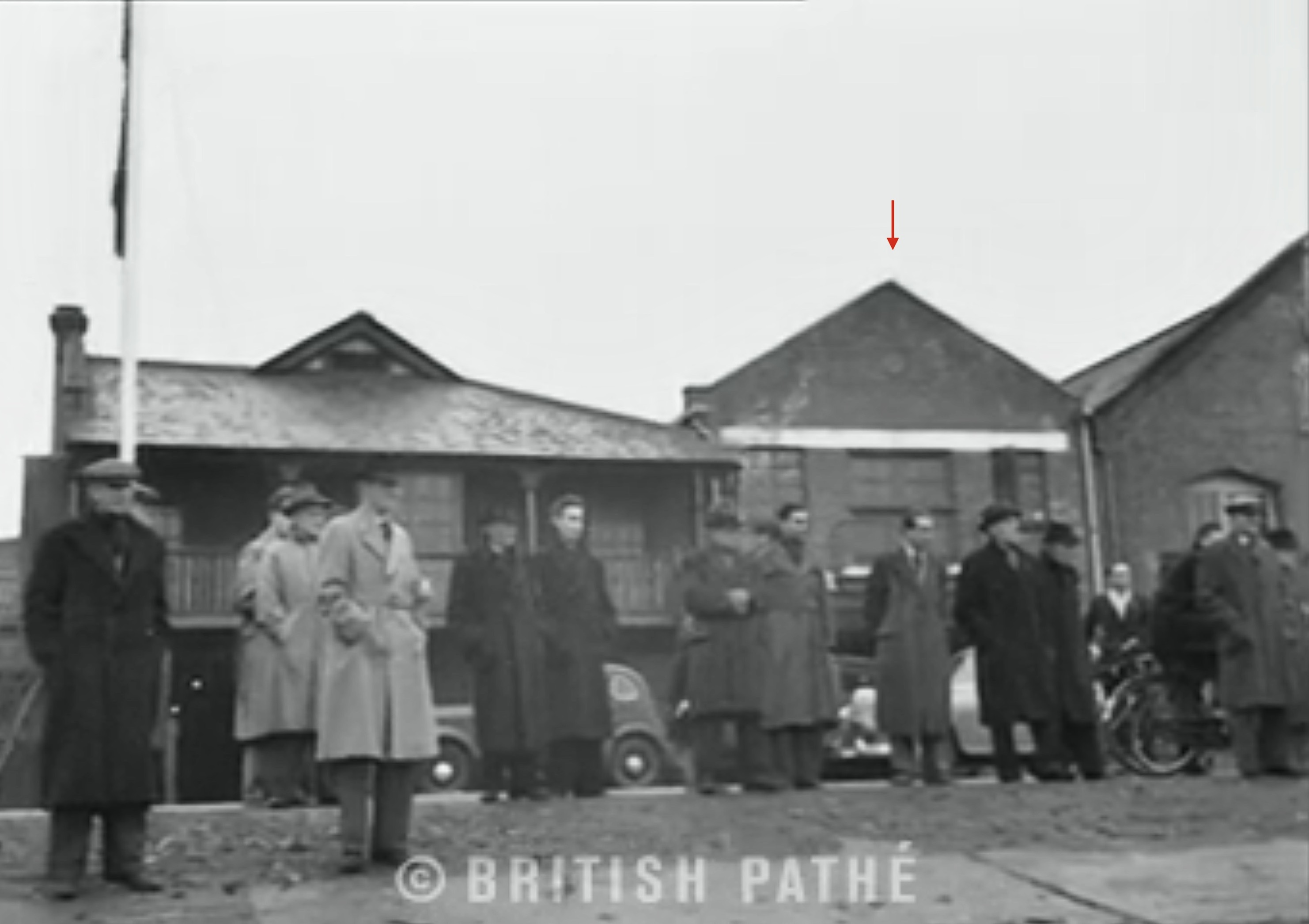
Between 1904 and 1916, today’s Crabtree was used by the Gaines Reversible Propeller Company (reversible propellers have blades whose pitch can be adjusted to generate reverse thrust).
The Shell and British Petroleum staff rowing club, Lensbury RC, was based there sometime post-1945 and they probably added the balcony – as shown in a picture from 1958 on the Alamy site.
Crabtree BC (the Cambridge University alumni club) bought the building in 1998 and currently has plans to redevelop it.
Claspers
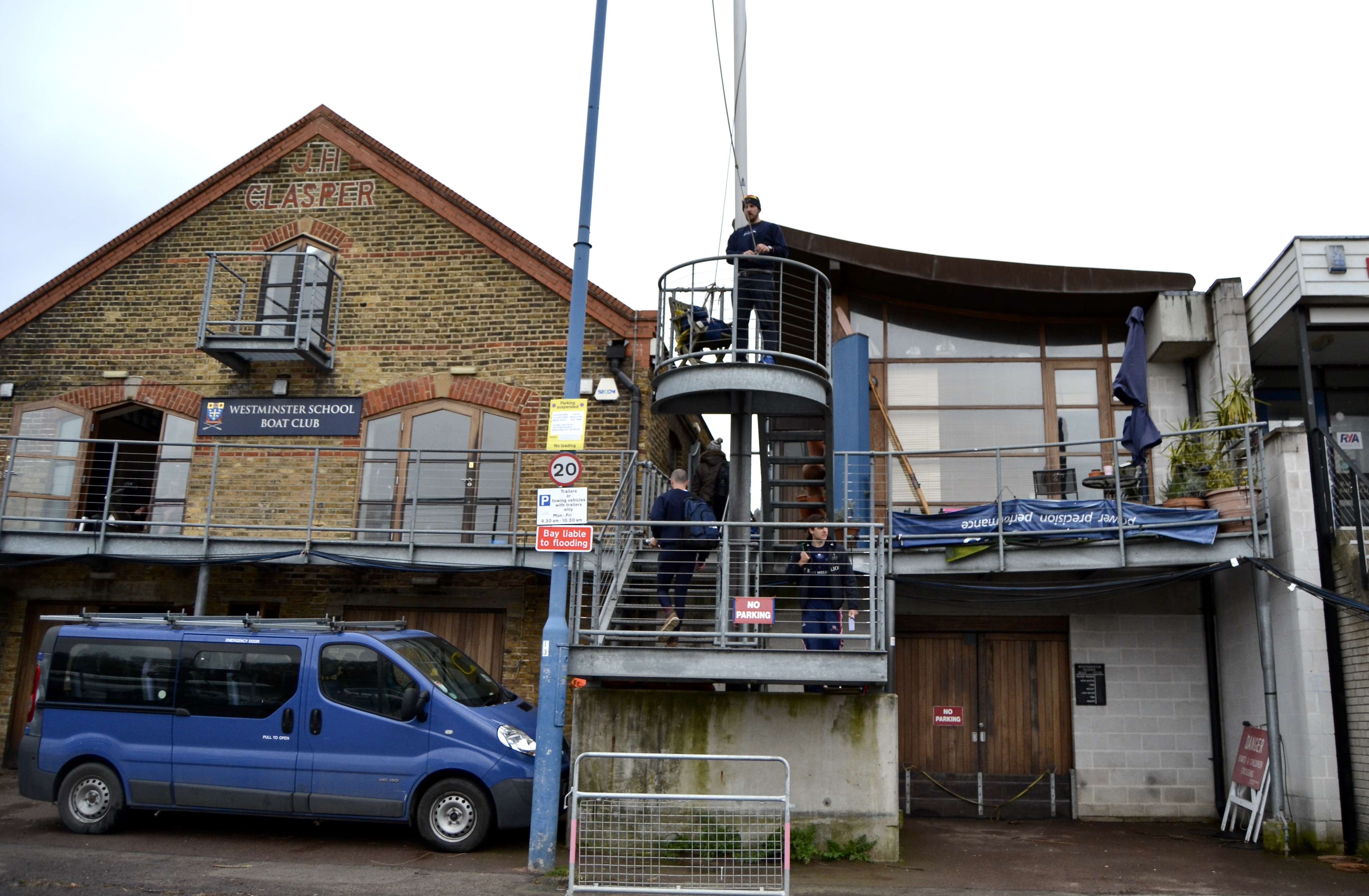
Clasper’s does not appear in the 1882 picture of the Putney boathouses. However, a year later the Daily News of 2 March 1883 reported that, Clasper of Oxford… has recently taken a new boathouse at Putney, next to the headquarters of the Leander Club. Strictly, it was not next to Leander, it was next to LC’s conjoined neighbour, the New University Boathouse.
John Hawks Clasper is not as well-known or well-documented as his father, Harry, but both were highly successful professional oarsmen and important and innovative boatbuilders. Today, John’s most obvious memorial is his name picked out in brick on the gable end of his Putney boathouse.
A 1920 picture on Getty Images (no hyperlink available, use the Getty search term “University Of Cambridge Rowing Team, 1920”) shows a sign on Clasper’s saying “Ayling & Sons. Oars, Sculls & Boats”. This was the oar maker’s second site on the Embankment, possibly they leased it after Clasper’s death in 1908. When Lord Westbury put the freehold of Claspers up for auction in 1913, it did not reach its reserve. I can only assume that Aylings (like London) negotiated a price post-auction as it was theirs to sell in 1921 when Westminster School paid them £2,000 for the freehold.
In 1928, Westminster built an extension adjoining the upstream side. Various improvements were made over the years including electric lighting in the changing room in 1931. This was installed by one of the boys who was described as “an amateur electrician”!
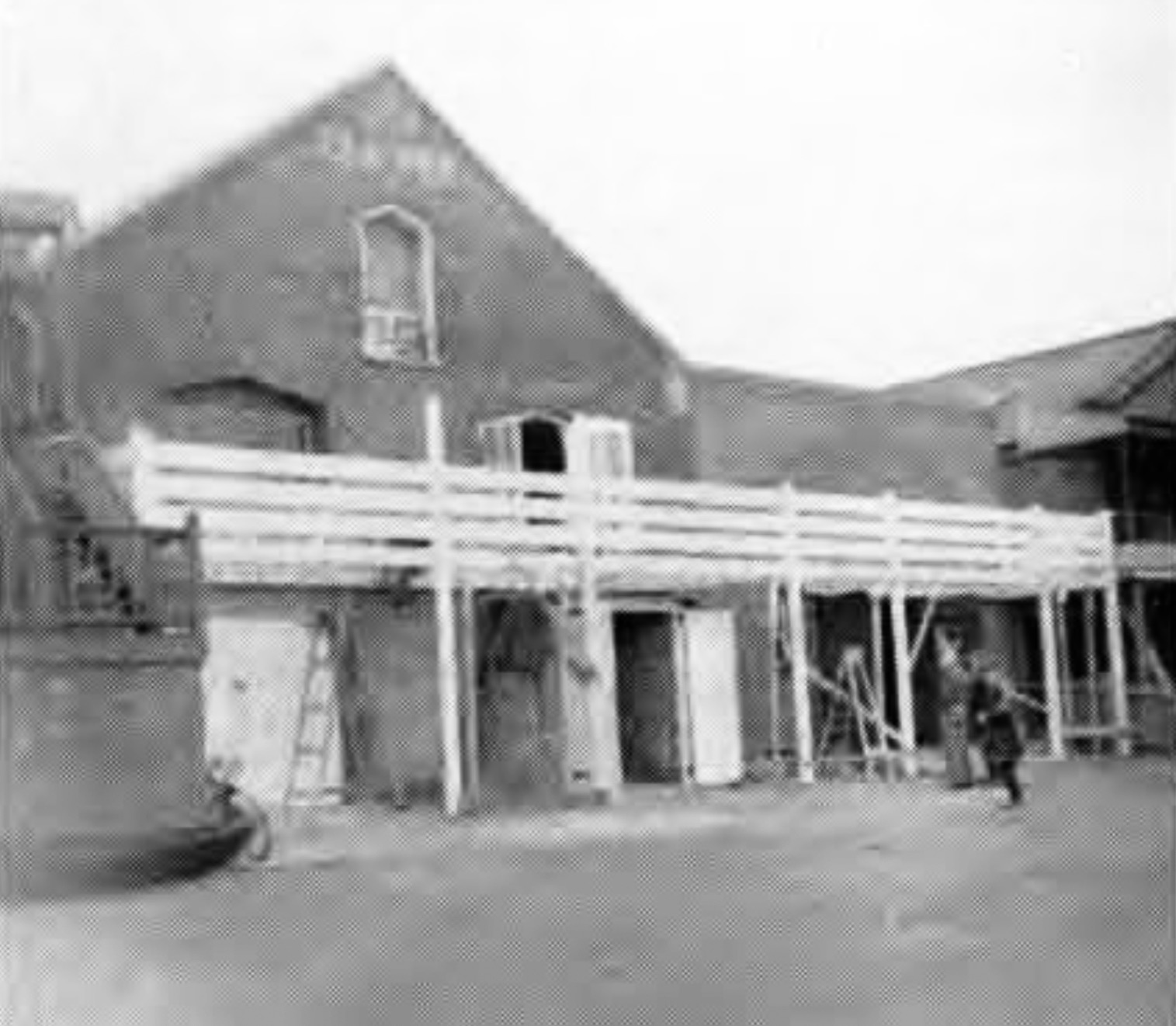
In 1995-97, the 1928 addition was replaced by a modern boathouse with living accommodation above and the earlier building was completely refurbished.
The Unity Boathouse

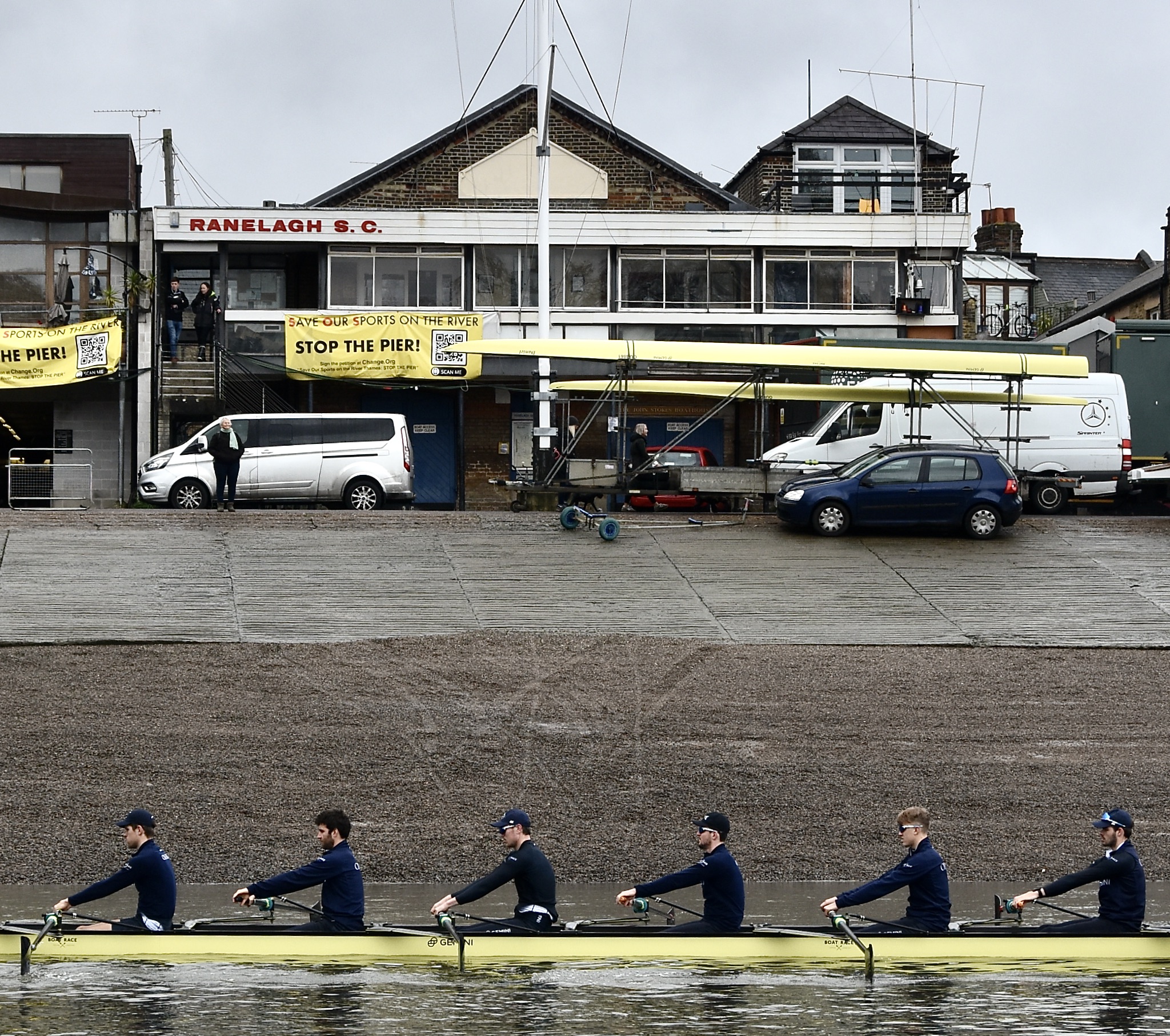
The Unity Boathouse, now the home of the Ranelagh Sailing Club, was not built when the 1871 picture of Putney Embankment was taken but the first newspaper reference to it was in 1874 when it was reported that the new London Hospital Rowing Club would row from the Unity.
Doubtless, only a few of the clubs that have rowed out of the Unity Boathouse over the years have been recorded. In 1875, Vesta RC moved from The Feathers in Wandsworth to the Unity. In 1893, The Field wrote that the Iris Rowing Club have recently moved to new and commodious quarters at the Unity Boathouse, Putney. In 1913, the London County and Westminster Bank RC was also reported to be based there.
As to who ran the Unity over the years, in 1879 the Sporting Gazette wrote, The Unity Boathouse at Putney, so well known to metropolitan rowing men, has just changed hands, Messrs. Robinson and Sims having handed their business over to John Phelps and Samuel Peters. The 1882 picture shows a sign on the side of the Unity for Phelps, Peters and Co – which existed from 1879 until the partnership was dissolved in June 1883.
Between 1883 and 1892, there are numerous newspaper references to Charles Phelps (who won Doggett’s in 1884) running the Unity.
On the death of George William Sims in 1903, it was reported that his boatbuilding business would be carried on by his eldest son, William, who has been practically in control of the Unity boathouse for years past.
Vesta RC and Sims Boatbuilders
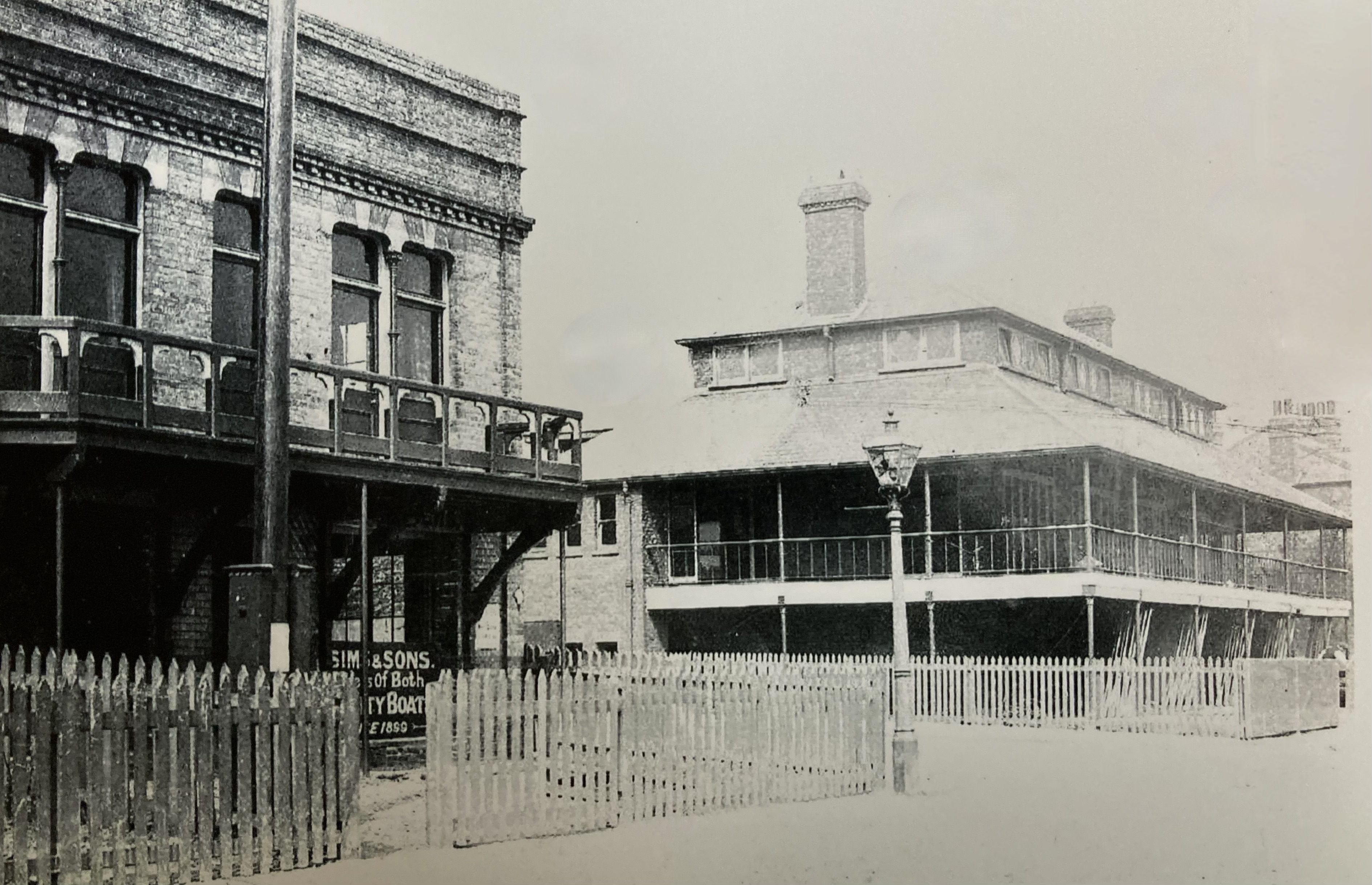

Vesta began life in 1870 nearly 2,000 metres downstream from Putney at The Feathers pub, an old centre of rowing on the River Wandle where it enters the Thames. Between 1874 and 1890 Vesta was based in the Unity Boathouse but moved to its present premises in 1890.
The Sporting Life of 10 January 1891 reported that Vesta’s new home was originally built for the “defunct West London Rowing Club.” This must have been in 1879 when the West London moved from Wandsworth to Putney.
Thames Rowing Club
From its formation in 1860, Thames (then “The City of London RC”) boated from Simmons’ boatyard. Between 1866 and 1879, it rowed out of the newly built New University Boathouse (NUBH, aka Styles’) agreeing to paying a maximum of £90 pa for “the use of the shed and eight rooms.” In 1872, Thames took over what was known as the “old LRC room,” at the Star and Garter as a club room at a rent of £30 per year but presumably boats were still racked at the NUBH.
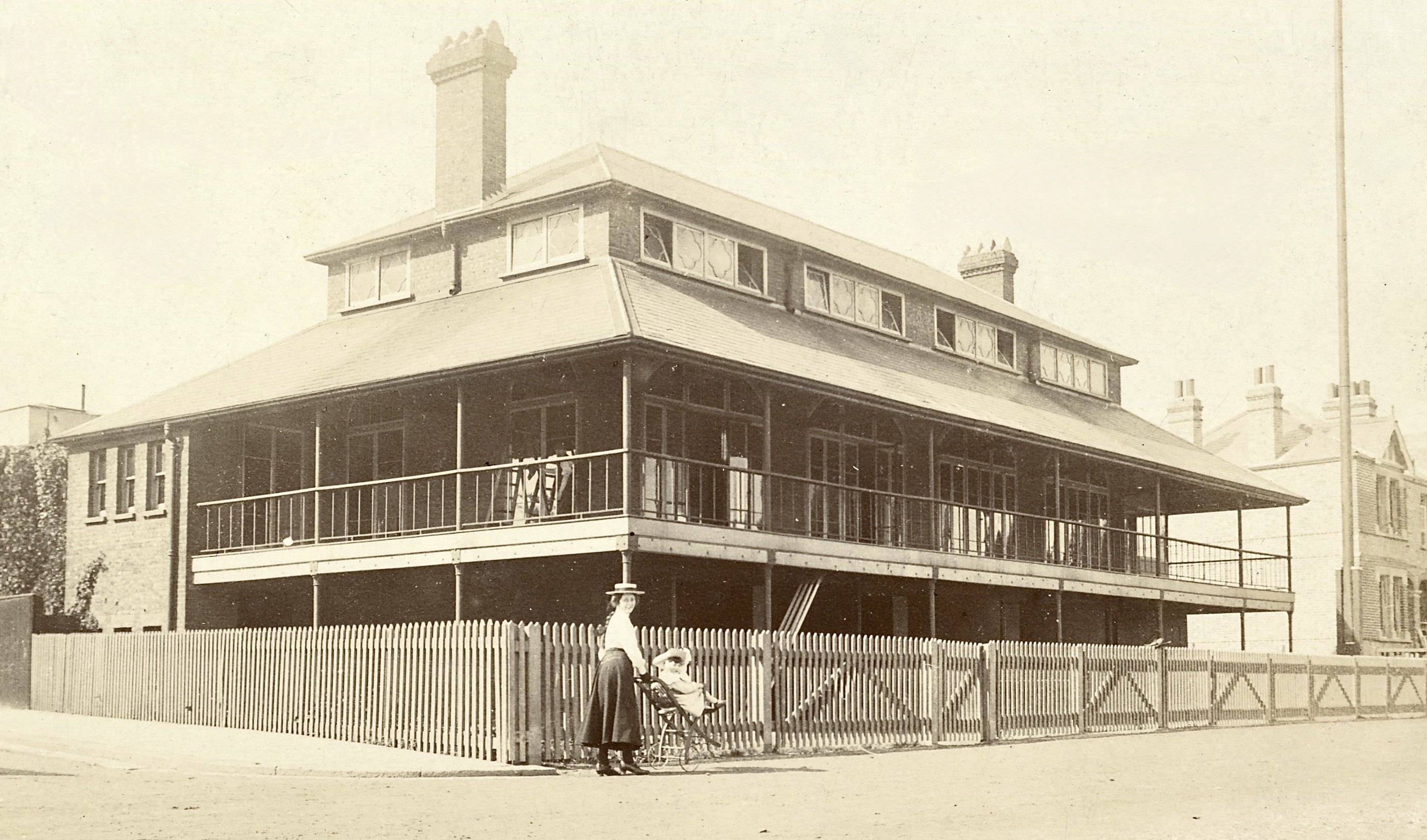
In Played in London – Charting the Heritage of a City at Play (English Heritage, 2014), Simon Inglis wrote:
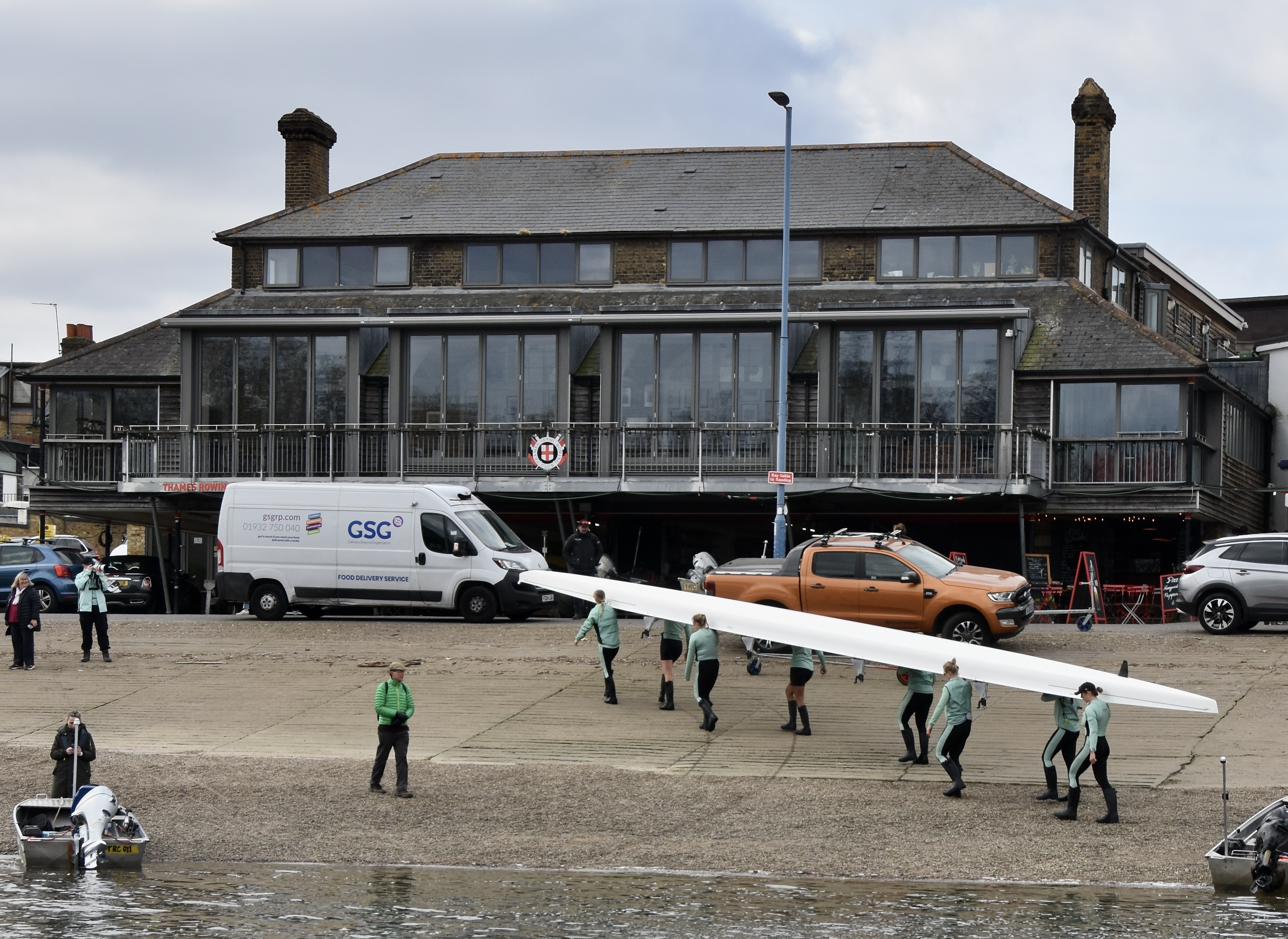
In common with the LRC, the TRC’s boathouse is listed locally, and oozes with history. But as a structure it is quite different. Designed by HT Sugden and opened in 1879, it takes the form of a typical Victorian, colonial style summer house (perhaps influenced by Sugden’s early years in Bangalore).
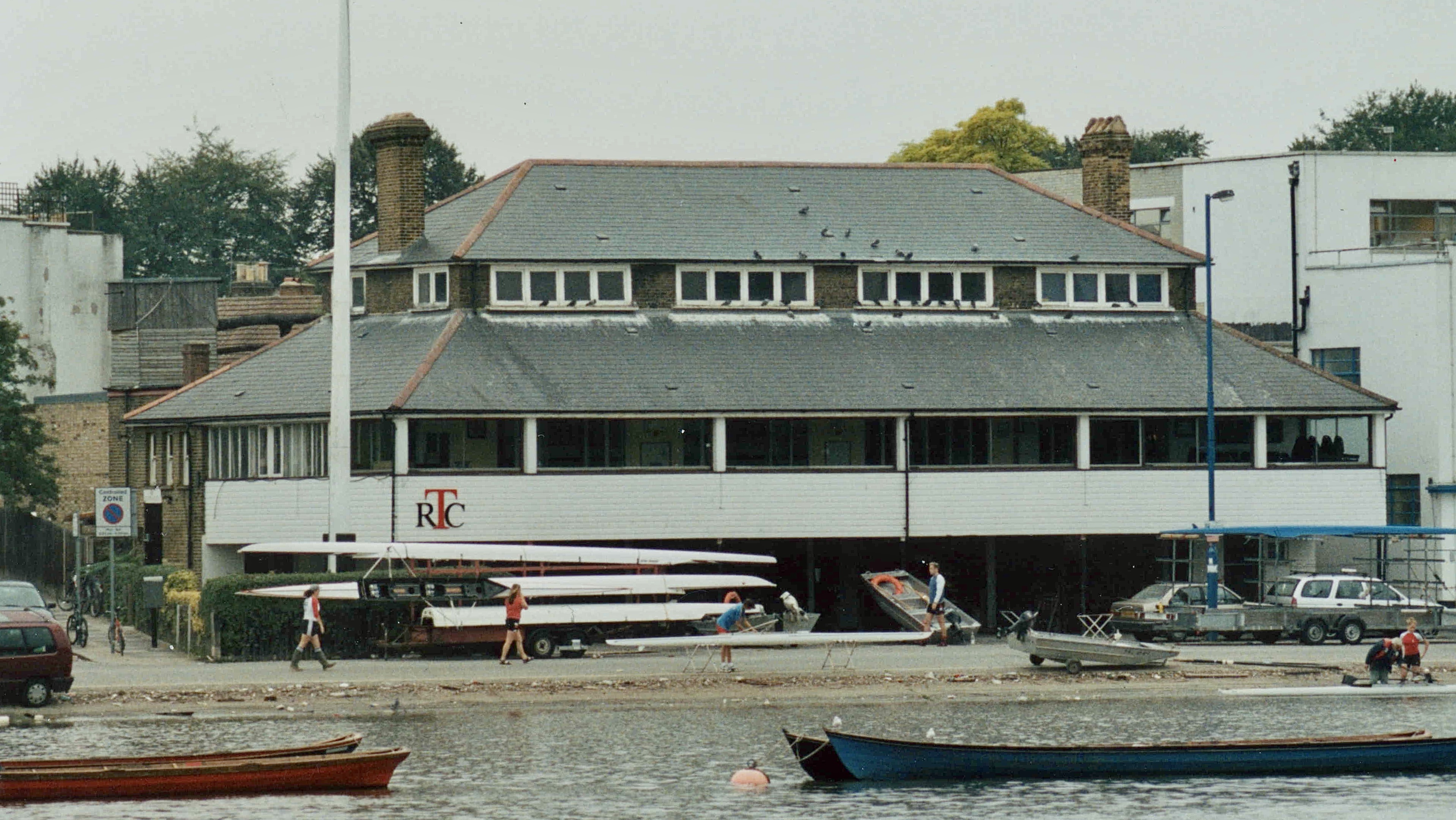
As winter training became common and the clubhouse began being used all year round, the cold north-facing veranda of Sugden’s “summer house” was progressively enclosed. In the 1920s, heavy fabric was hung behind the original iron railings and by the 1950s they were half-timbered. The full half-timbering with overlapping planks and glazed panels pictured above were put in place c.1980.
Of all the improvements to the TRC clubhouse made over the years, perhaps the most gratefully felt by some was the installation of the first ladies’ lavatories in 1963 (women were admitted as members ten years later). The 1964 TRC Journal reported that they were complete with pink fluorescent lighting… and dignified good taste. Up to that point, temporary relief was obtained through the package deal with Imperial College.
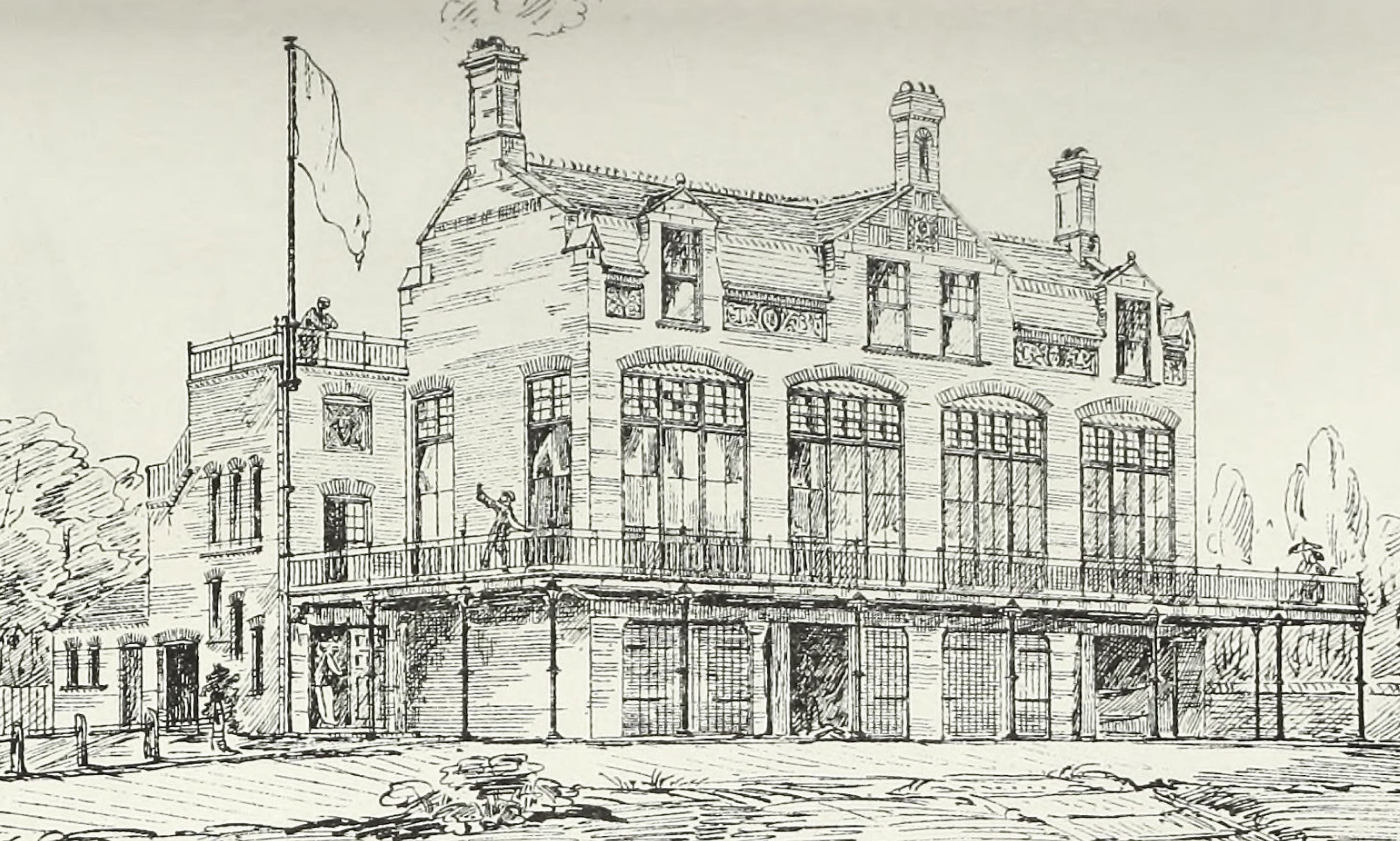
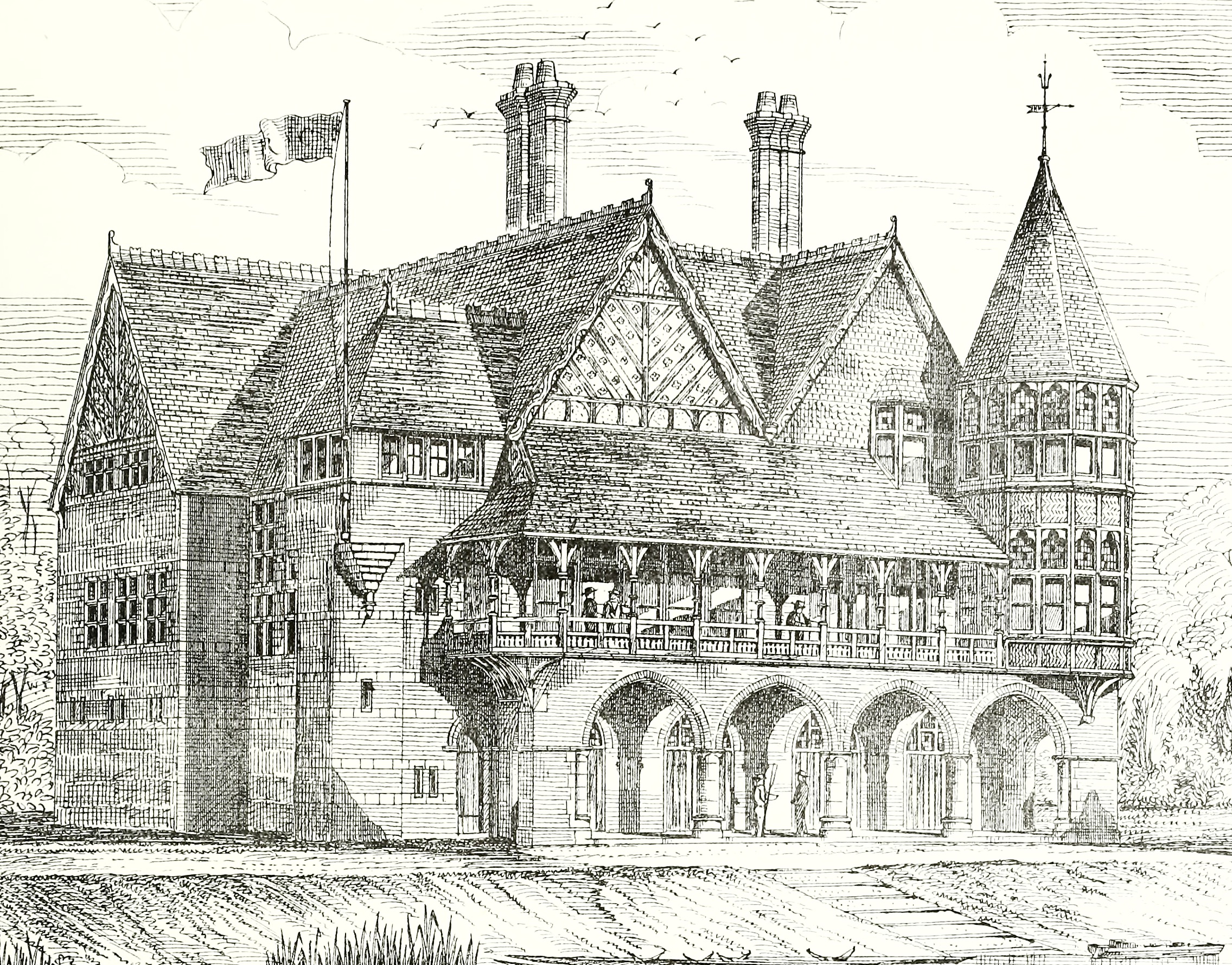
As an aside, The Building News of 23 November 1877 showed what Thames could have been with some overambitious and impractical architect’s suggestions of the time.
Imperial College
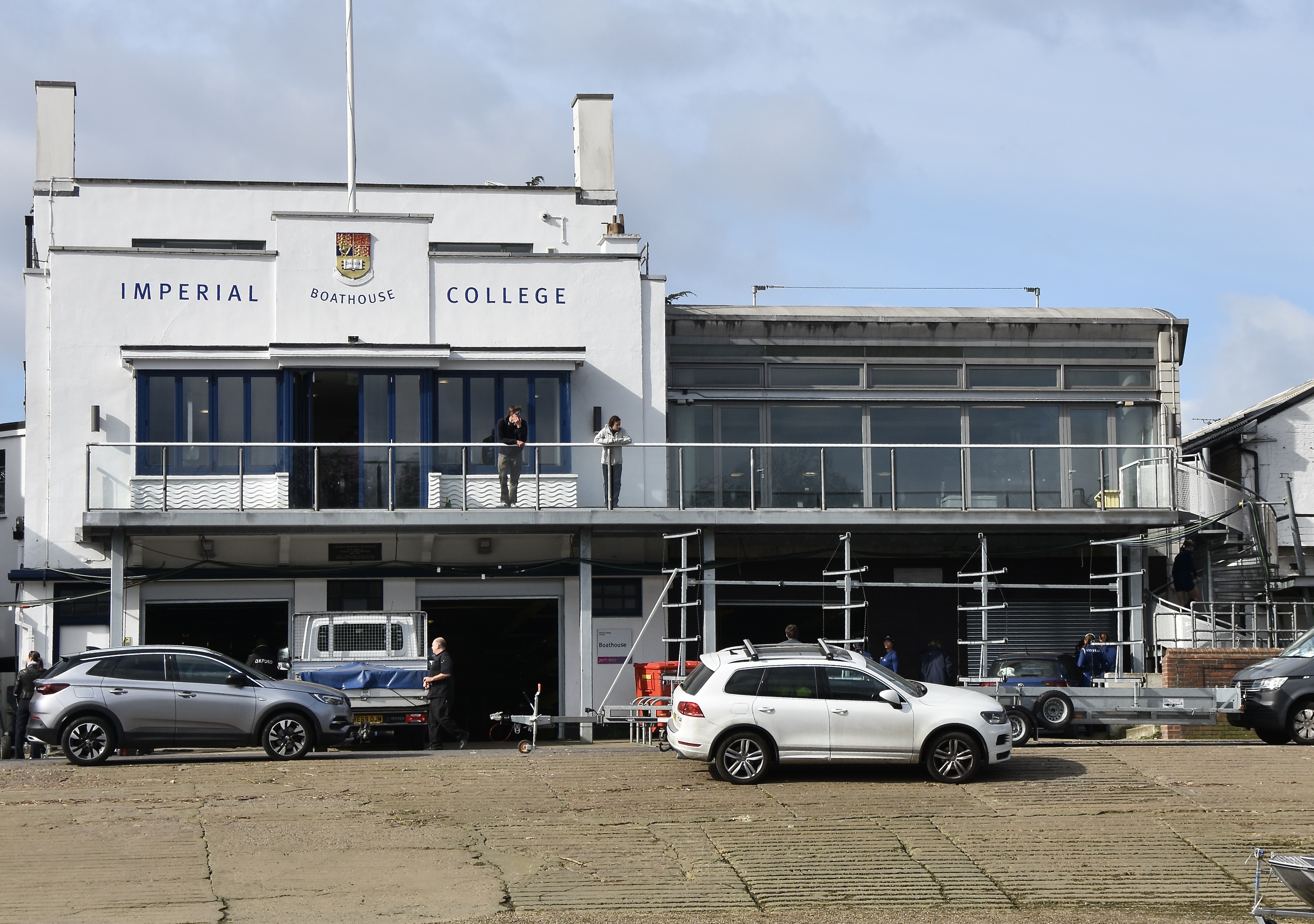
The Putney Embankment Conservation Area Report says of the IC boathouse:
Its sleek Moderne lines make for an attractive contrast to the dominant Victoriana, varying the styles of the group of boathouses but keeping to their overall character. It is a highly individual and positive building, featuring a wave motif on the rendered panel beneath its cluster of Crittall (steel framed) windows. It is also one of the only quintessentially 1930s buildings in this part of Putney. A contemporary extension to the boat house… was added in 1997.
The original layout was planned by Charles Bristow, one of those who founded the club in 1919. As befits a college renowned for innovative engineering, the whole building was state of the art. IC was almost certainly the first club on the Embankment with hot showers. The lockers were heated allowing wet kit left in them to dry. In the boathouse, the boats could be effortlessly slid out on movable racks and on the top floor there was a rowing tank. Apres-rowing, there was a “club lounge” complete with fashionable 1930s furniture.
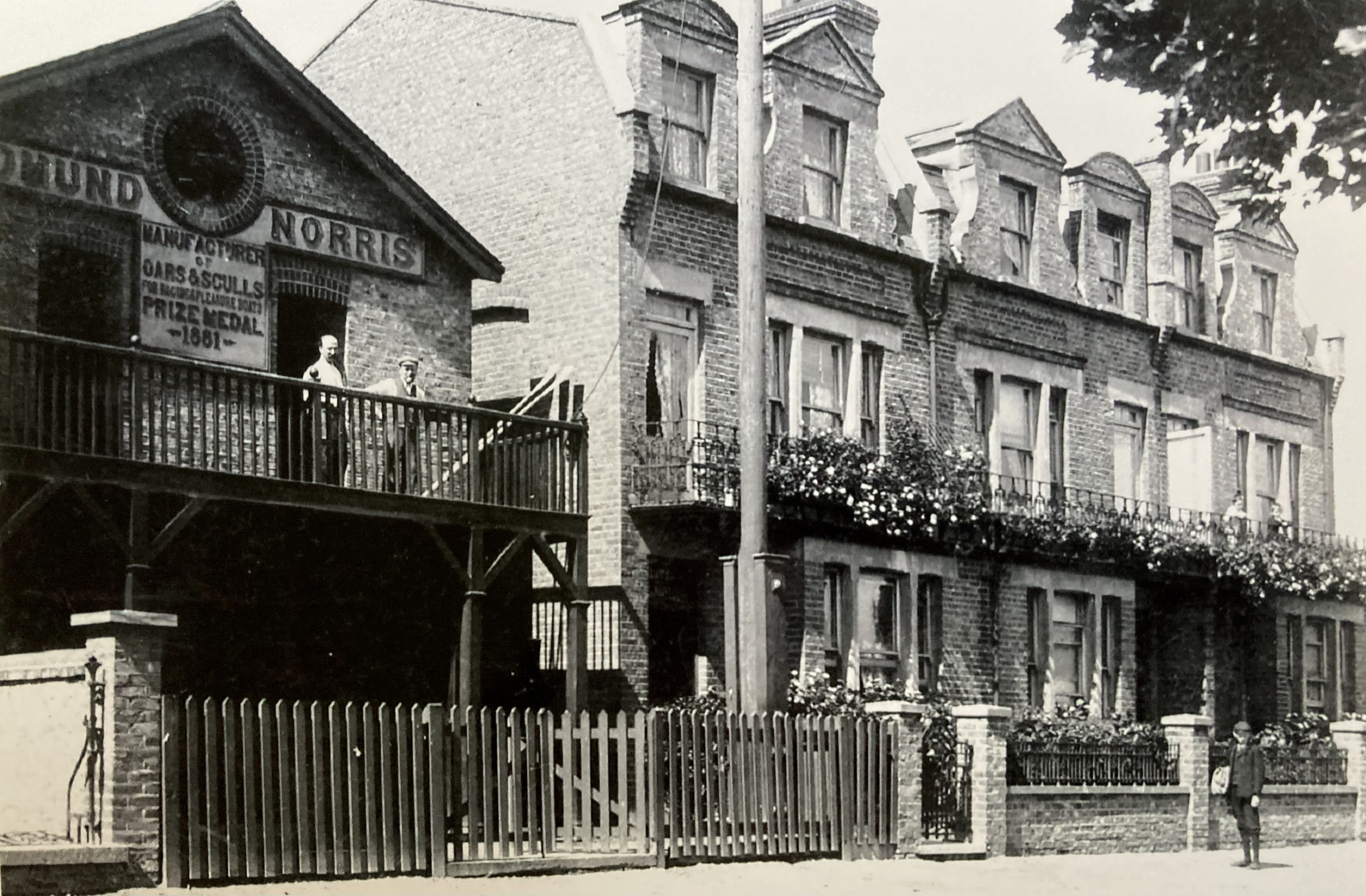
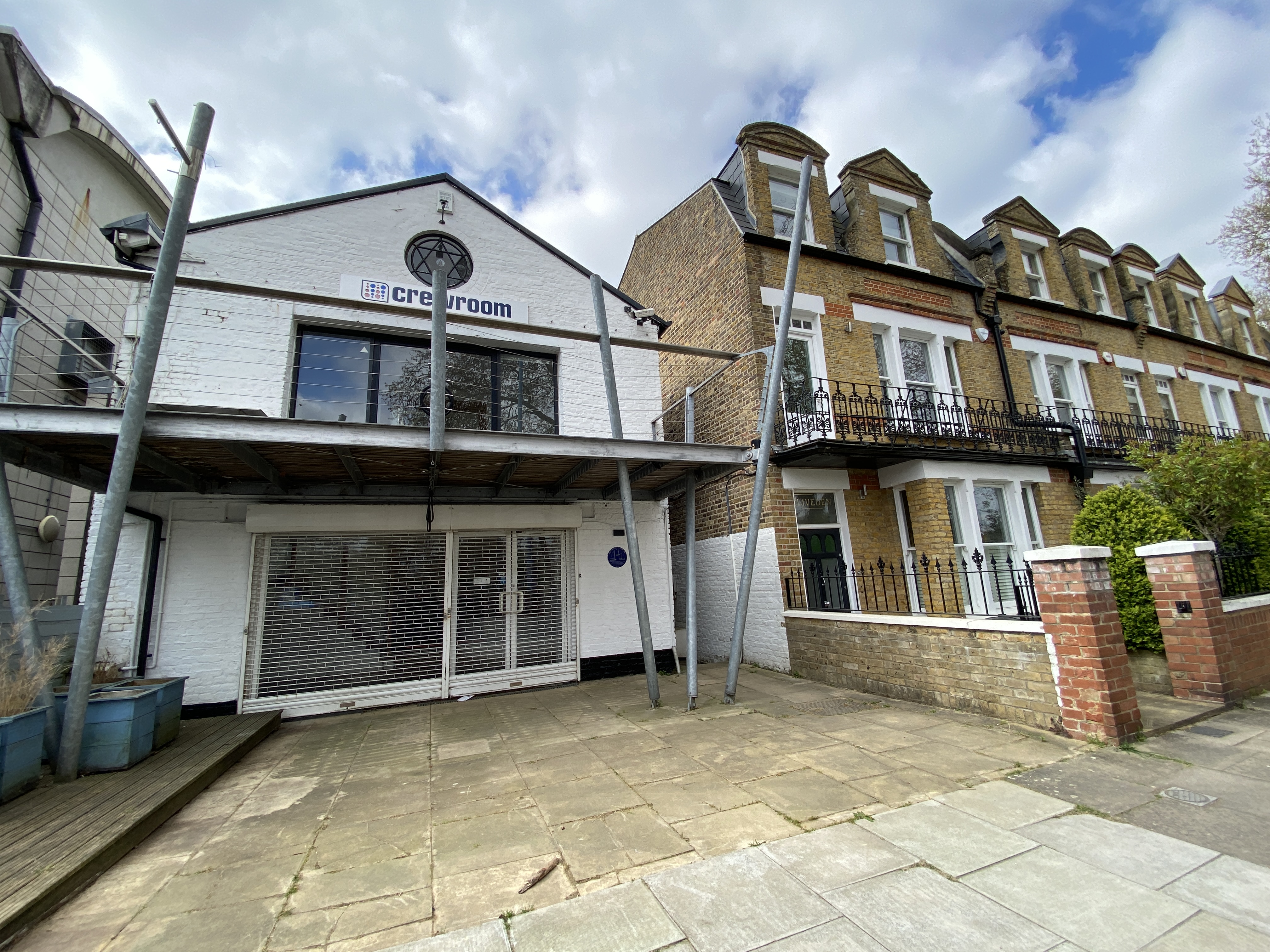
Norris
Ashlone Wharf
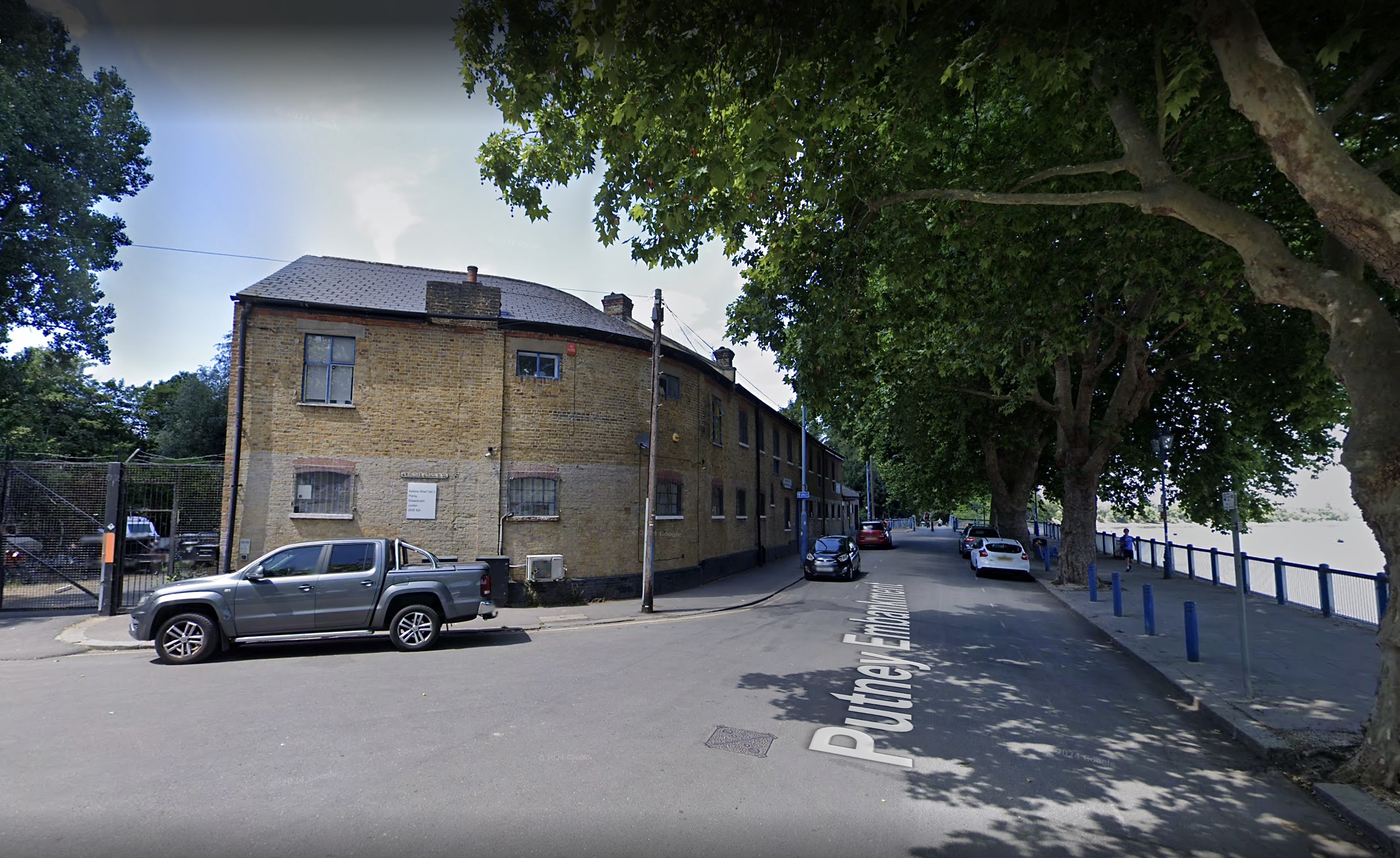
Ashlone Wharf is a Victorian industrial building, once used as a depot by the local council. Separated from the other Embankment buildings by a public park, Leader’s Gardens, it abuts to Beverley Brook, one of the many rivers that flow into the Thames. Extensively refurbished in 2003, it is now home to three river based activities: the Wandsworth Youth River Club, the Sea Scouts and Chas Newens boat chandlers.
Putney For Sale
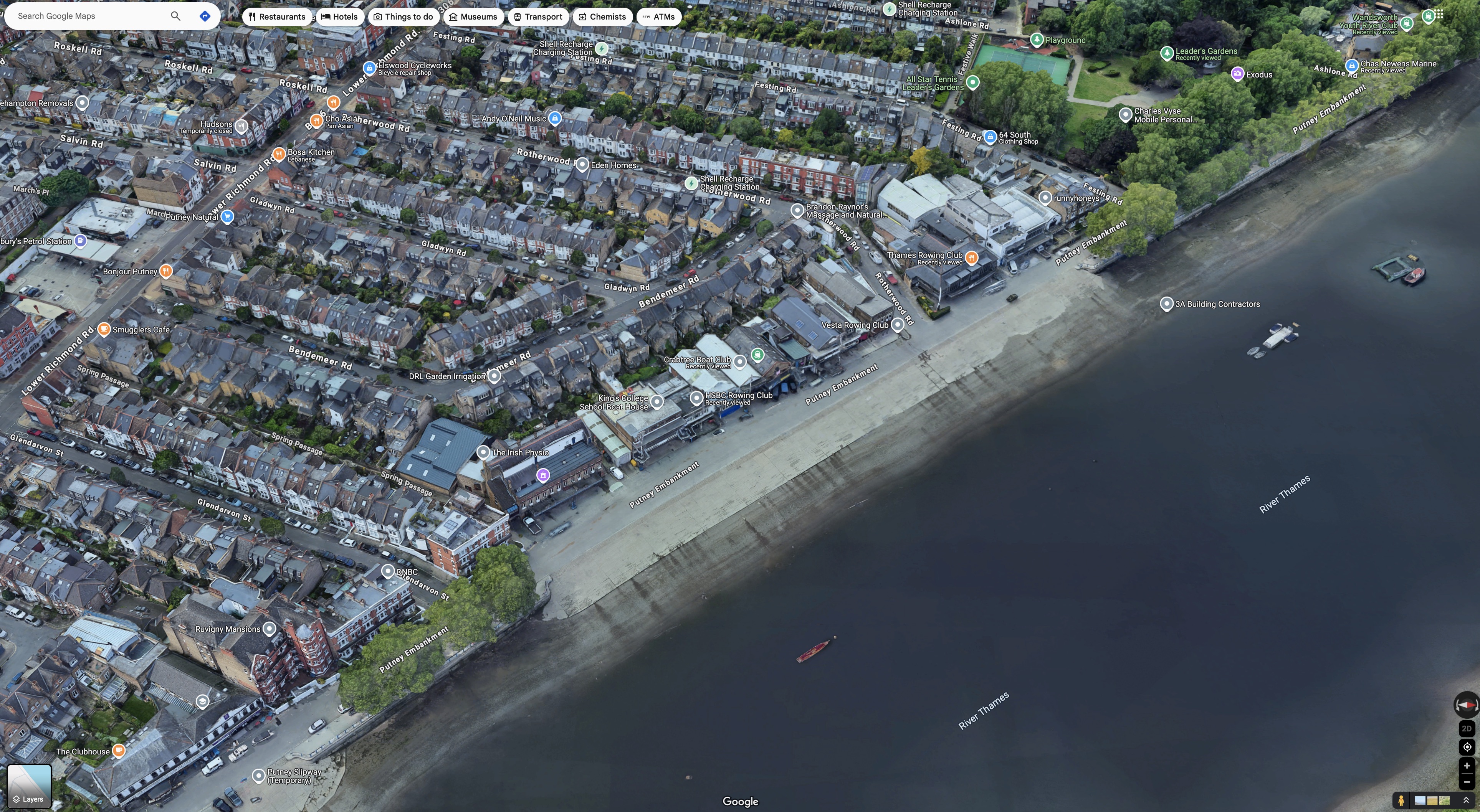
Before 1913, no club or boat builders along the Embankment between LRC in the east and Vesta/Sims in the west, owned the land on which they stood; they could only lease it for a fixed term, one which could not automatically be extended. The freehold was owned by Lord Westbury who had inherited it from his great-uncle, John Temple Leader, in 1903.
In 1913, Westbury decided to auction his land along the Embankment in a series of separate lots as he was desirous that the respective rowing clubs and boatbuilders should have an opportunity of purchasing the premises which they now occupied.
At the auction, London Rowing Club (producing £66 a year in ground rent) was withdrawn at £4,000 but the club, with only seven years left on its lease, later negotiated a price of £3,000.
The Vesta/Sims building (£25 a year ground rent) was sold for £2,000 to the leaseholders, Sims and Sons, and the New University Boathouse (£7 a year ground rent) was also bought by its leaseholders, Bowers and Phelps, for £1,200.
There were no bids for the Unity Boathouse while Clasper’s (£31 per annum ground rent) was withdrawn when bidding did not go beyond £1,650.
One hundred and ten years later in 2023, the bank, HSBC, put its Putney boathouse on the market for £1m but competitive bidding produced a final sale price of over £3m.
The final word should go to the Putney Embankment Conservation Area Report:
Many of the boathouses on the Embankment are fine or indeed excellent buildings, but it is their use that gives them their group character.
That “use” is, of course, rowing. Long may it continue.
 Hear The Boat Sing