

25 February 2025
By Göran R Buckhorn
Göran Buckhorn goes down to the HTBS archives.
In 1929, rowing coach Steve Fairbairn’s friend Freddy Brittain, who would soon secure a much longed-for lectureship with rooms at Jesus College, Cambridge, selected and arranged 366 of Steve’s saying, a maxim for each day of the year, starting with “Don’t start the next stroke too soon” (1 January) and ending with the peculiar “Sit back at the finish till the cows come home” (31 December). I have many favorites among the 366 “Fairbairnisms”, as Freddy called them, but if I must pick only one, it is “Enjoy your rowing, win or lose”, which is what I have done ever since I began rowing in 1973 – it was much later that I realised that this saying falls on my birthday.
The working title for this little book had been “365 Points for Oarsmen”, but Freddy added a saying for Leap Year Day and, as the religious man he was, “a little light relief” by fitting in a number of the quotations to appropriate saints’ days. Freddy also changed the title to Slowly Forward, which surprised Steve. To Steve’s question where the title came from, Freddy answered that it was Steve’s favorite expression when he was coaching his crews. Steve denied this, saying that he always said: “Slow Forward”. Freddy explained that an adverb was essential in that position. “Adverbs!” Steve blurted out, amused. “Adverbs! You are like the rest of the bloody dons – specialised idiots.”
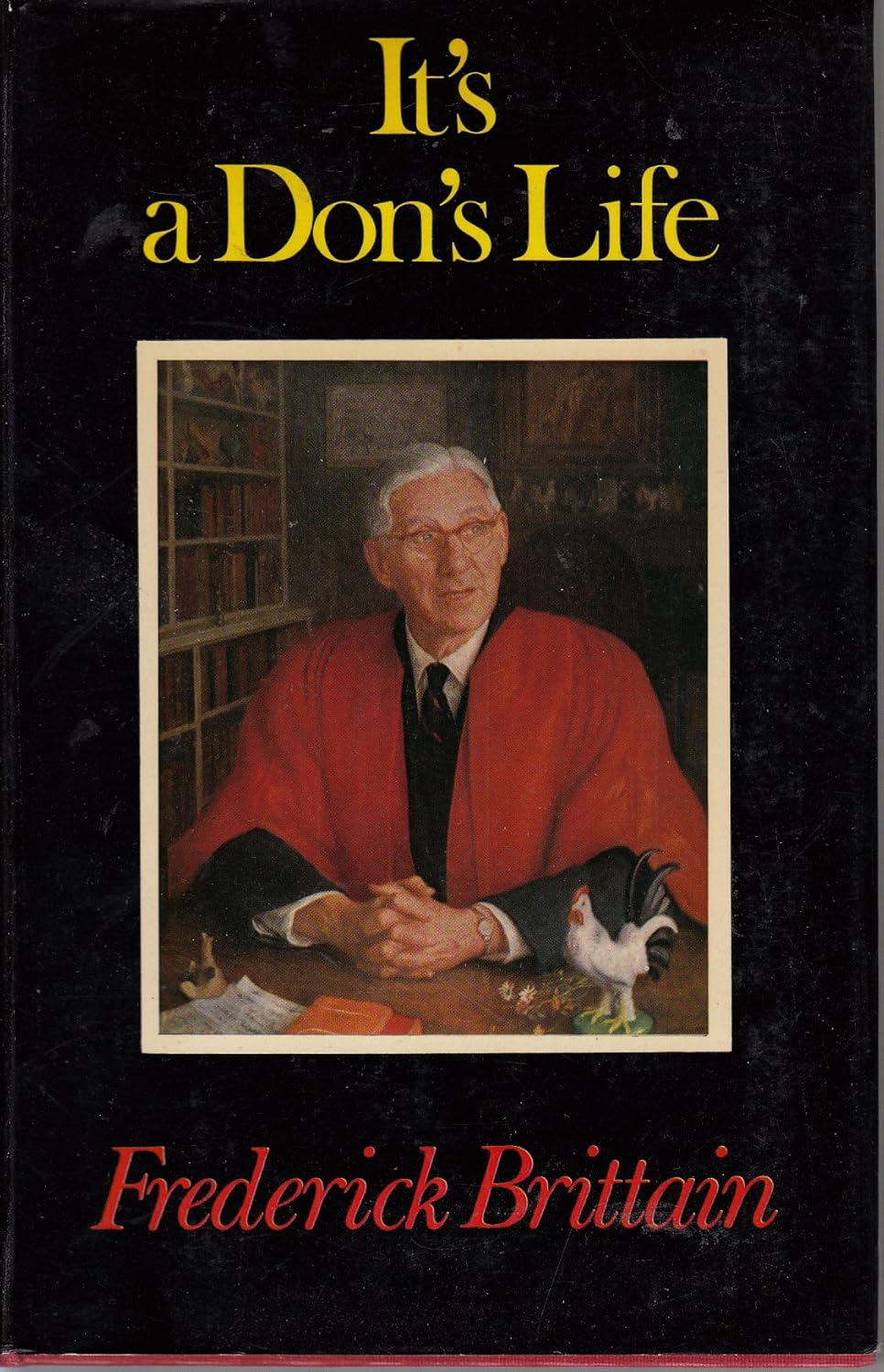
Steve never seemed to forget this, Freddy tells in his autobiography It’s a Don’s Life:
Whenever he introduced me to anyone – in the Stewards’ Enclosure at Henley, or anywhere else – he used to add solemnly, ‘He knows a lot about adverbs, he does’; and when he wrote to me he often ended his letter with
Yoursly everly,
Stevely

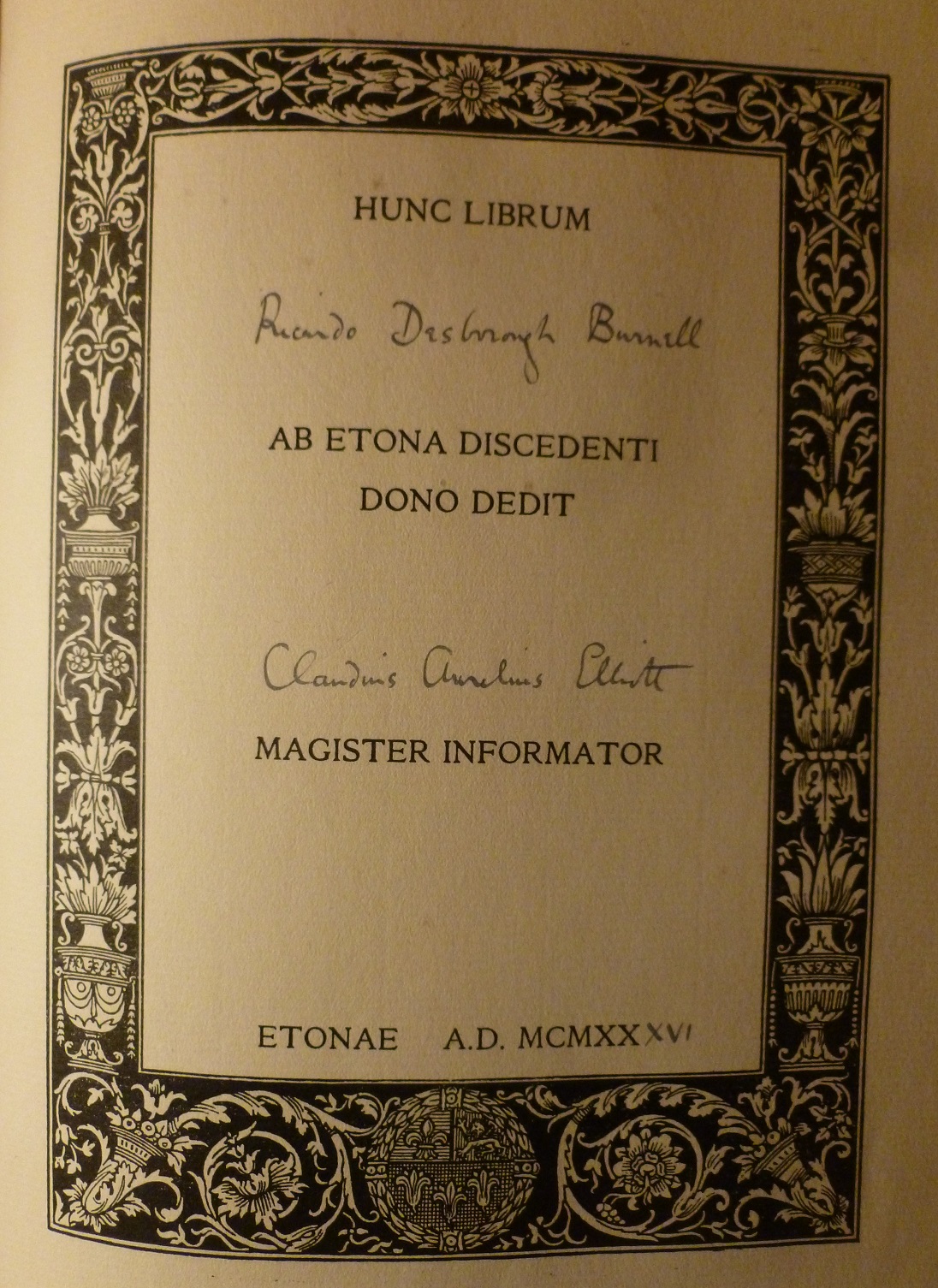
Slowly Forward was published on 8 May 1929 and Steve gave copies of the book to some dons at Jesus. A week later, he received a note from Claude Aurelius Elliott, who had been Freddy’s tutor when he arrived at the college in 1919. According to an entry in Freddy’s diary, Elliott, who had studied at Eton and Trinity College, Cambridge, before coming to Jesus, wrote to Steve:
It is extraordinarily good of you to send me a copy of Slowly Forward, especially after the way you used to talk to me when I was in a boat. The book is most amusing besides being highly instructive.
This was not received well by Steve. He got annoyed by Elliott’s note. Steve did not see anything funny or “amusing” with rowing – the sport he loved was serious business.
It seems Steve got easily irritated by Elliott and had lost his temper coaching a four with Elliott in the crew once upon a time. A 1929 entry in Freddy’s diary reveals this and what Elliott meant by “the way you used to talk to me when I was in a boat”. Freddy wrote in his diary
Wednesday, 30 January
[…] In Hall Elliott related that Steve’s first remark to him (when coaching him in a IV years ago) was “You’re no more use than a b – – – – – sack of s – – -.”
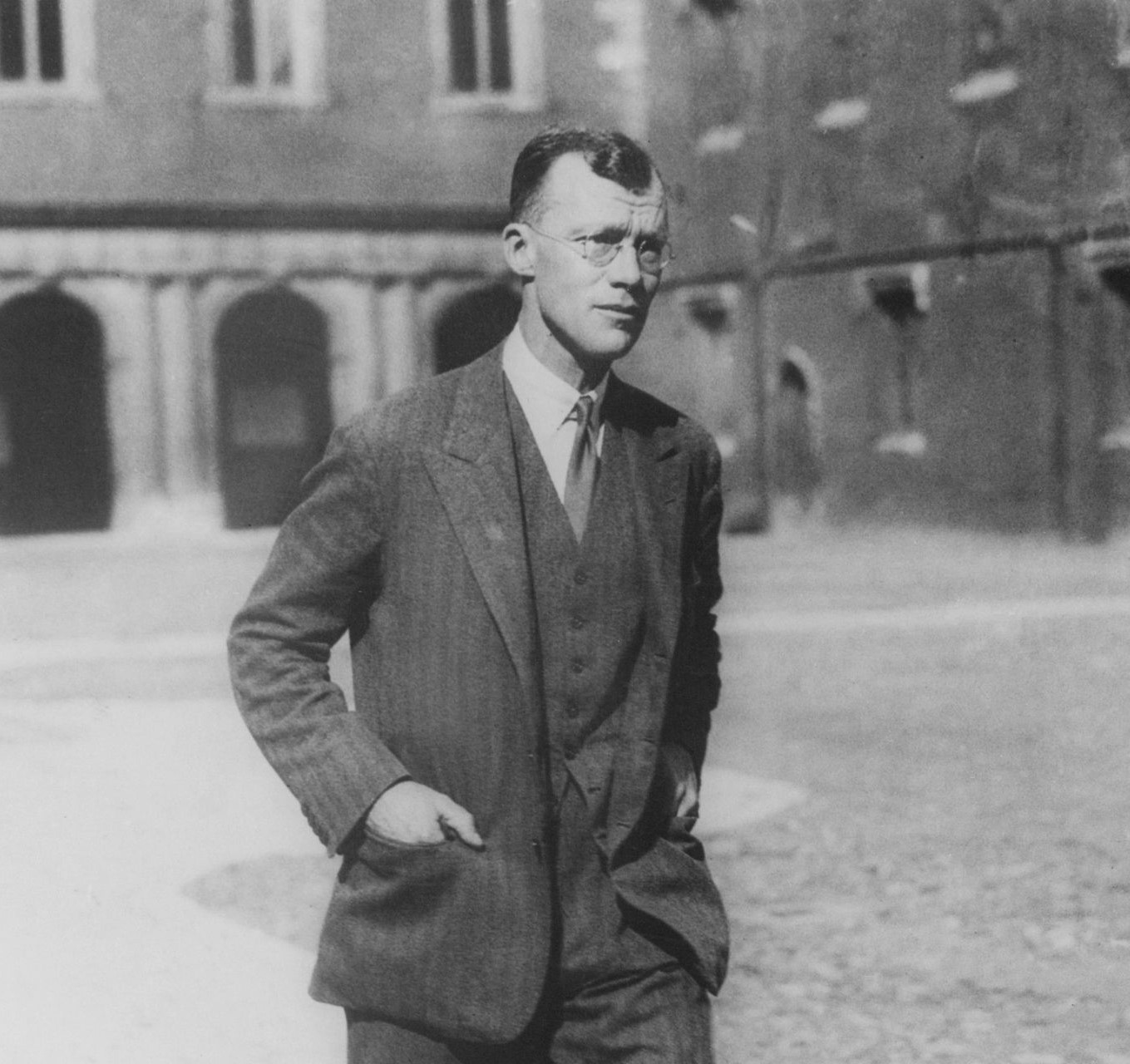
In 1933, Claude Elliott was appointed headmaster of Eton and was knighted in 1958 – and he was a member of Leander Club.
Elliott’s son, Nicholas, who was educated at Eton but did not row there, became a famous MI6 Intelligence Officer. It was Sir Nevile Bland, a family friend of the Elliotts’, who secured a position for young Nicholas at the diplomatic service. Nicholas later said that Sir Nevile “simply told the Foreign Office that I was all right because he knew me and had been at Eton with my father.” Entering the Foreign Office, Sir Nevile gave Nicholas some advice:
In the diplomatic service it is a sackable offense to sleep with the wife of a colleague, [and] I suggest you should do as I do and not light your cigar until you have started your third glass of port.

While Nicholas might not have slept with a colleague’s wife or had his cigar with his second glass of port, he did get in trouble for being involved in two publicly noted intelligence scandals that rocked MI6’s boat: the “Buster Crabb affair” in the mid-1950s and the escape of Nicholas’s longtime friend, the spy Kim Philby to Moscow in 1963.
HTBS readers, non-Brits and those under a certain age, might not know who “Buster” Crabb and Kim Philby were, so here is the scoop….
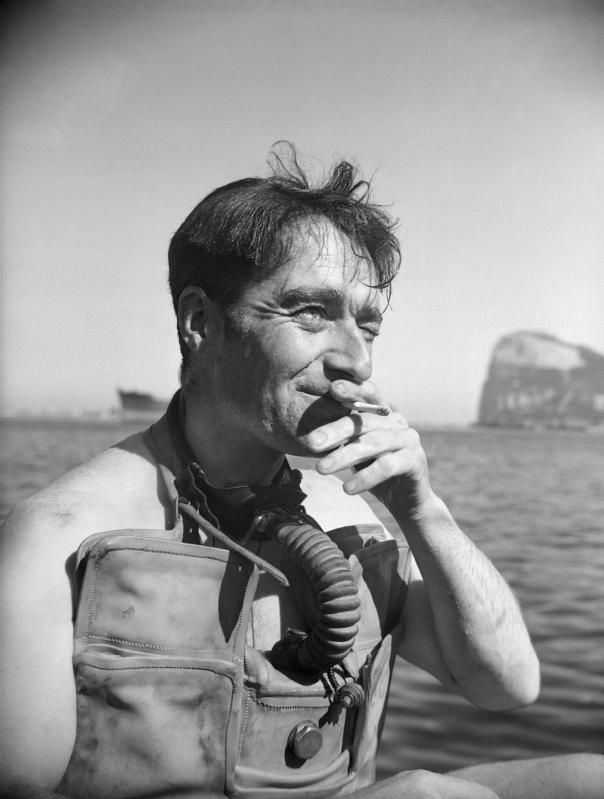
Lionel “Buster” Crabb was a British diver or frogman for the Royal Navy and the Secret Intelligence Service (MI6). Crabb was a frogman for the Royal Navy during the Second World War, stationed in Gibraltar. He performed many daring missions and was awarded the George Medal and was created an Officer of the Order of the British Empire. In 1947, Crabb was demobilised with the rank of Lieutenant Commander and began working as a civilian diver. He soon returned to the Royal Navy but retired in the spring of 1955.
The following year, Crabb was recruited to MI6 by Nicholas Elliott to investigate the Soviet cruiser Ordzhonikidze, when the war ship was on a good-will mission visiting Portsmouth Harbour with Soviet leader Nikita Khrushchev. The cruiser had a newly designed propeller that British Naval Intelligence was interested in. On 19 April 1956, Crabb dived into the harbour and was never seen again. The news leaked out to the press and Naval Intelligence announced that Crabb had vanished during an underwater mission. In a statement, the Soviets declared that the crew on board Ordzhonikidze had spotted a diver near the cruiser on the day Crabb disappeared. The ‘Buster Crabb Affair’ led to an international incident. Prime Minister Anthony Eden, who had forbidden MI6 to investigate the Soviet cruiser, was furious and demanded the responsible MI6 officer’s head on a plate. However, Nicholas managed somehow not to get fired.
On 9 June 1957, a head- and armless body in a frogman’s suit was found one mile away from Portsmouth Harbour and it was believed that it was Crabb’s body. To this day, several conspiracy theories, one more incredible than the other, have been expressed about Crabb’s death.

Harold A.R. ‘Kim’ Philby, who was educated at Westminster School and Trinity College, Cambridge (he rowed at neither place), was a British intelligence officer and spy for the Soviets. He was member of the so-called Cambridge Five, a spy ring which included Anthony Blunt, Guy Burgess, Donald Maclean and, probably, John Cairncross. Another name who has been suggested as the “fifth man” is John Lehmann, son of famous oarsman, coach and writer, Rudie Lehmann.
Philby was the most successful spy in the group, causing a lot of damage to the British MI5 and MI6 and the American intelligence service. He came under suspicion as the “third man” but was cleared. However, he had to leave MI6. Philby fled to Moscow in January 1963 from Beirut, where he had been working as a journalist for The Observer and The Economist and then again working for MI6 (and the Soviet Union).
In late 1962, he had been confronted by his friend and fellow MI6 officer Nicholas Elliott, who came to Beirut, to secure a confession. In his A Spy Among Friends (2014), a book about the friendship between Philby and Elliott, Ben Macintyre suggests that MI6 might have allowed Philby to escape to Moscow to avoid a humiliating public trial. Nicholas always denied this.

In 1991, Nicholas published an entertaining autobiography, Never Judge a Man by his Umbrella where he writes about Philby. The book got its title from a notice in an Eton master’s schoolroom: “Never judge a man by his umbrella, it might not be his.” Nicholas also writes affectionately about his father, whom he mentions as Claude “because that was how he liked to be addressed”. (In A Spy Among Friends, Macintyre describes Claude Elliott as a real bore.) In 1993, Elliott published a second autobiography, With My Little Eye, where he shared his last contact with Philby.
Editor’s note: Parts of this article have been published before on HTBS, though some material has been added. It’s based on an unpublished essay called, “The Quest for Perfect Rowing: The Friendship between Steve Fairbairn and Freddy Brittain and Fairbairn’s Books.”
 Hear The Boat Sing