

22 November 2024
By Chris Dodd
Chris Dodd frolics in some Dark Blue folklore.
In 1937 Keith Briant wrote a book entitled Oxford Limited in which he set out to describe what his alma mater was like at the time. Briant spent seven years at Oxford and devoted one of them to editing the student magazine Isis.
One issue that he grapples with is ‘The Importance of Losing the Boat Race’, a timely topic as Oxford’s 2025 squads prepare to avenge Cambridge’s clean sweep in 2024. In 1936 Cambridge ramped up their thirteenth consecutive victory on the Putney-to-Mortlake course. In the period between the two world wars Oxford came close to being wiped off the river by a victory run that took their old enemy to the head of the ‘Wins’ table.
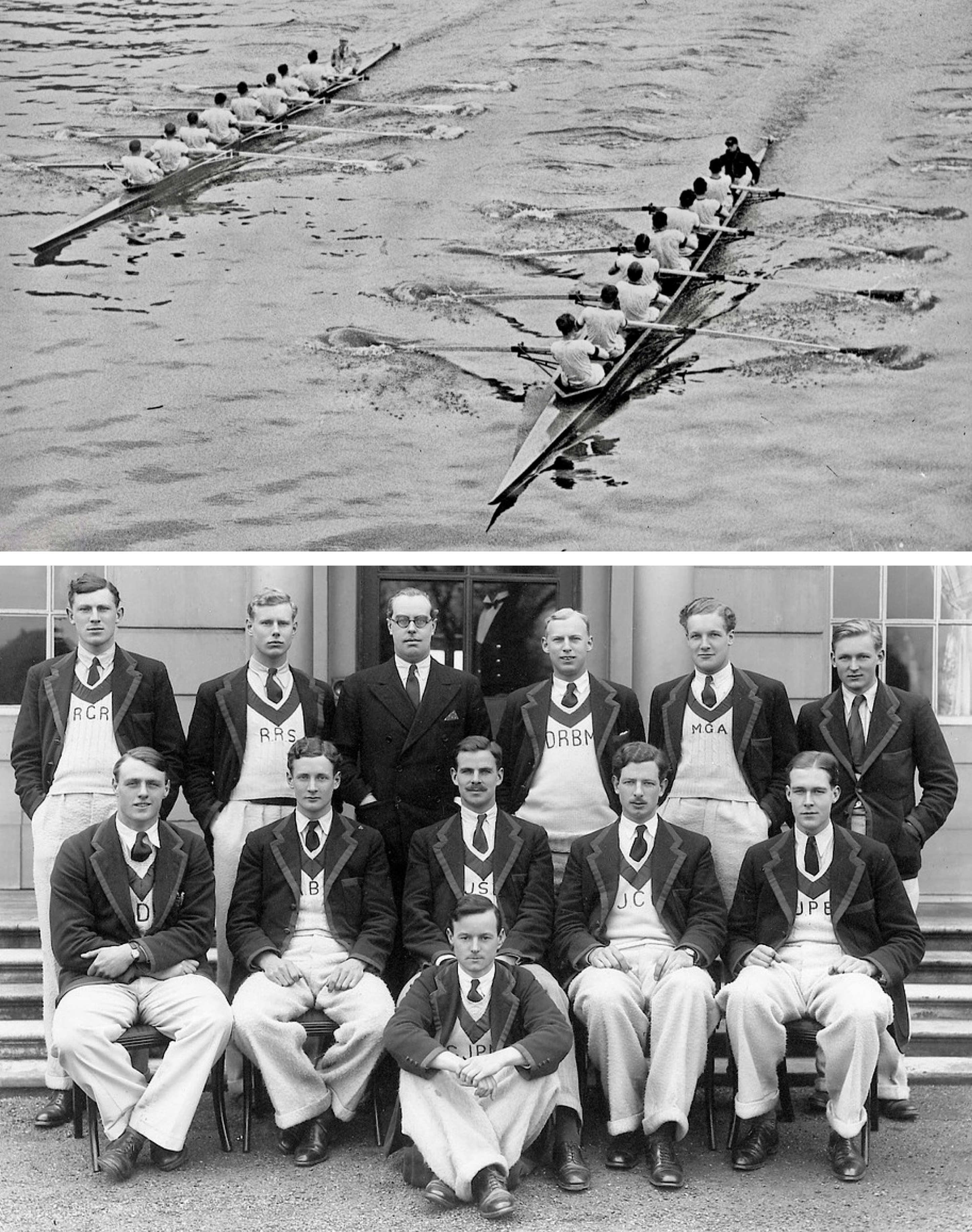
Briant alleges that Oxford sport was declared degenerate – ‘On buses and trains, in tubes and public houses, one heard it said that “Oxford was no good“. It could not produce eight men able to propel themselves through the waters of the Thames faster than eight men from another university.’
Evidence came in a leading newspaper’s argument that respectful Oxford brains had diminished with persistent lack of success in the Boat Race. Not so long ago, wrote Briant, a critic attacked ‘the obstructive attitude of a handful of diehard dons at Oxford for refusing to allow their pupils to row in the morning as well as in the afternoon’.
He goes on to allege that the perennial problem of sport at Oxford used to be ‘how can Oxford win the Boat Race, whereas it is now presented as ‘Why did Oxford lose the Boat Race for so many years in succession?’
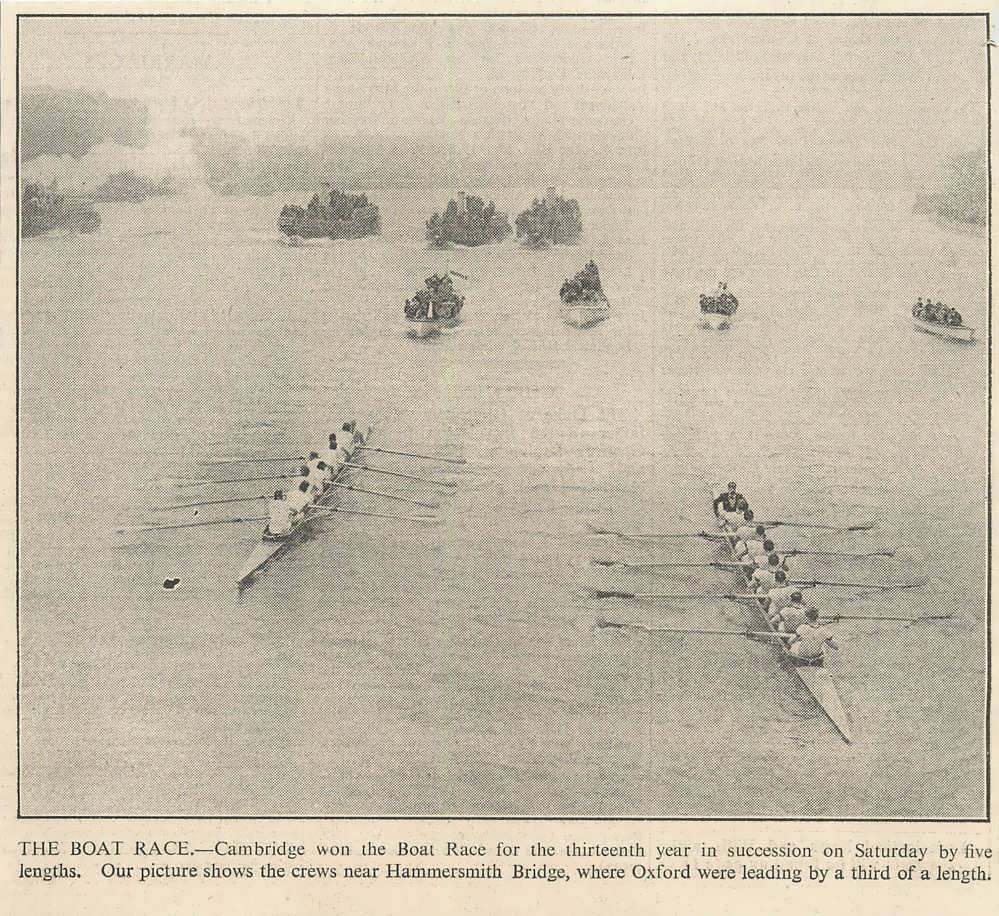
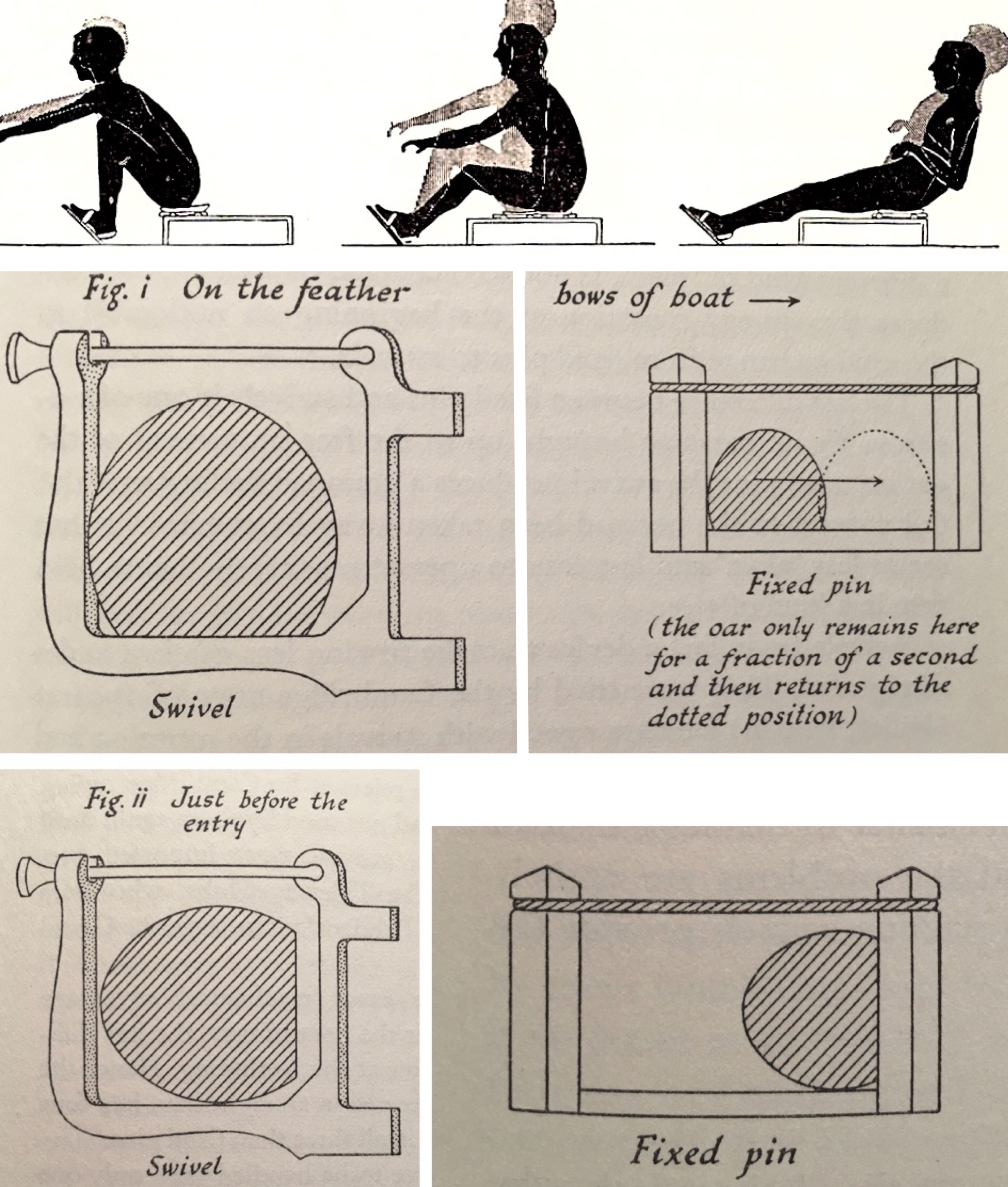
In the pre-war years Oxford rowing was run by a close circle of the best coaches who were largely responsible for Dark Blue successes. Their experience crystallised into catch words, textbook theories and scientific diagrams while the pick of the oarsmen remembered past achievement with gratitude while basking in unexpected miracles.
Coaches clung to happy memories and continued to use their old and trusted methods while failing to sense menacing ripples from the River Cam. Oxford was to pay for its failure to pay sufficient attention to the ‘unorthodoxy’ of the rowing seen on the Tideway and began to attract many disciples. ‘The comparative comfort of these new methods soon had a large, if unofficial, following at Cambridge,’ Briant wrote.
Oxford’s scepticism was largely down to ‘Beja’ Bourne, according to the 1937 oarsman Conrad Cherry who became President of OUBC for the 1938 race (that returned another Cambridge win). Cherry (or maybe Briant himself) considered the éminence grise and influential coach Bourne to regard the ‘new style’ as heresy.
Oxford rowing clung to orthodoxy, and when at last the new method obtained footing on the banks of the Isis, it did so surreptitiously but of necessity, only to run aground on controversy over rig, fixed pins versus swivels and futile bickering that had no place in the style argument.
Incidentally, when it comes to new methods, it is perhaps significant that the two magic words ‘Steve’ and ‘Fairbairn’ do not appear in Briant’s paragraphs. Fairbairnism obviously stuck in orthodox throats.
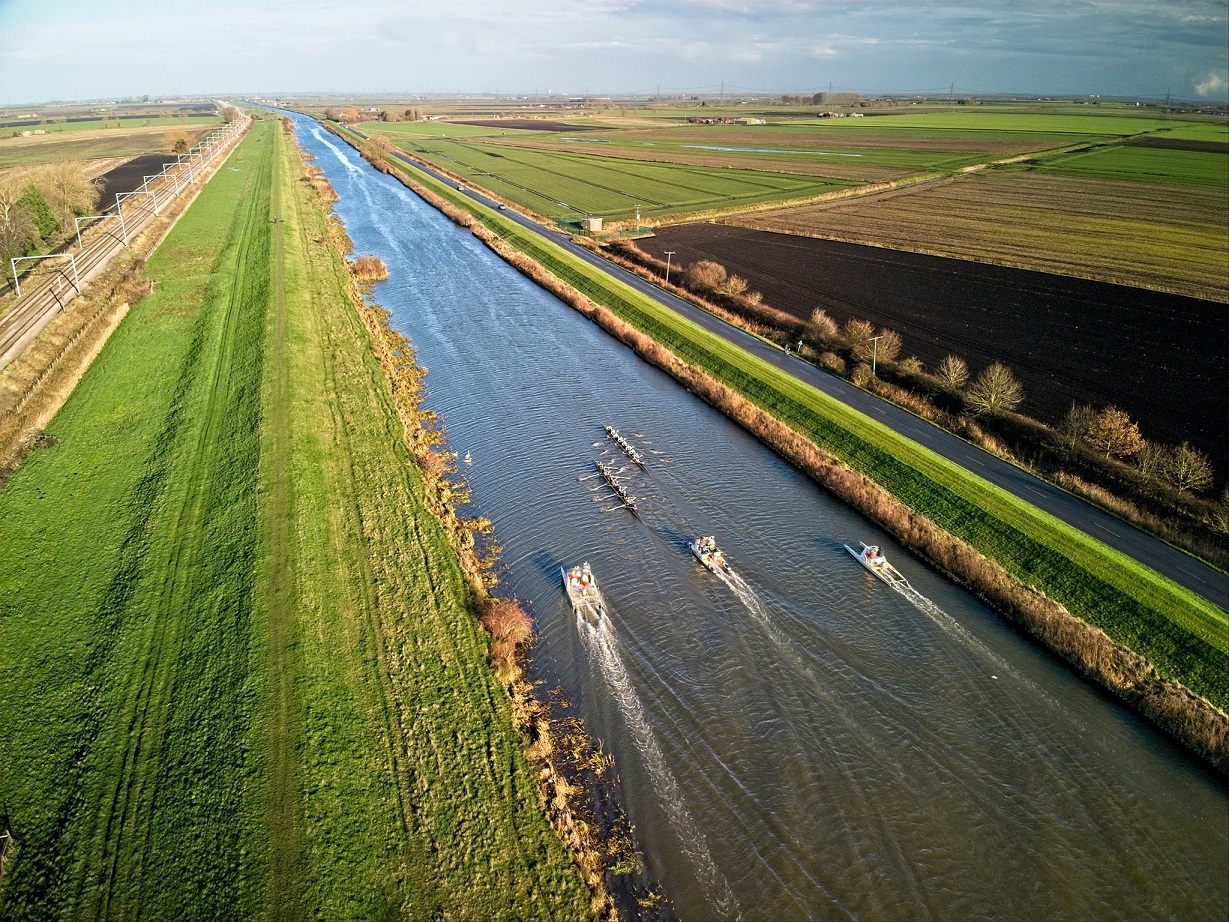
One of the more obvious causes of the success of Tideway teaching was recognition of the value of long sustained stretches of paddling in the training programme. Oxford’s river was inadequate, restricted by the arrangement of locks at Iffley and Sandford and by awkward bends above Folly Bridge. ‘Cambridge and the Tideway clubs think nothing of rowing from 6 to 10 miles a day which serves them well in racing.’
The average Oxford oarsman treats his boat as if it were a bus. This does not help him to acquire that indefinable attribute known as ‘watermanship’, Briant wrote, the possession of which is so essential to a good oarsman.
Oxford was further handicapped by not getting the undergraduate rowing material required. Why wouldn’t one who had done well at a rowing school go to the university which won the Boat Race? Unless, perhaps, his family harboured a relationship with a college. But ever since the 1930s all that oarsmen remembered was the so-called ‘decadence’ of Oxford.
Briant includes a chapter in Oxford Limited on student bad behaviour and decadence, and finishes his paddle through Oxford rowing thus:
‘If Oxford is to repay Cambridge in kind for its long succession of victories, it must profit by the Boat Race of 1937, examine the reasons for its success – as far as they are as attainable – and write them large on the wall of the OUBC. It will not be easy for Oxford to keep on top as it does not possess as much talent in its college boats as Cambridge. Oxford must make the most of the material it has got.’
Oxford Limited by Keith Briant, Michael Joseph, 1937. The publisher’s summary on the dust jacket of the US 1938 edition says:
As a student, Keith Briant, through his editorship (of Isis), obtained an insight into the many sides of Oxford life, and an opportunity of learning the official views of the University. In this book he describes Oxford as it is today and indicates how it has changed and is still changing.
He has no axe to grind and no motive for concealing the truth. Openly and fearlessly he discusses the virtues and vices of ‘dons’ and their salaries, Rhodes Scholars and the Oxford Group, the value of undergraduate journalism, the defects of the women’s colleges, sex, politics, subsidised education and the breakdown of class distinctions.
He is frank in his attack but constructive In his criticism, telling the story of a great university with a long history which has Its meaning for everyone interested in education.
 Hear The Boat Sing