
24 July 2024
By Tim Koch
Tim Koch gets an Eiffel of the Olympic Regatta.
It is in the nature of things that Olympic rowing courses are not usually near most of the venues established for the other events. The space required for an eight-lane, 2,200 metre rowing lake is considerably greater than that needed for most other sports. The current World Rowing rules require rowing courses to meet very specific standards but in past lightly regulated days when unaltered natural lakes and rivers could be used, the Olympic Regatta was often held much closer to the centre of the host city.
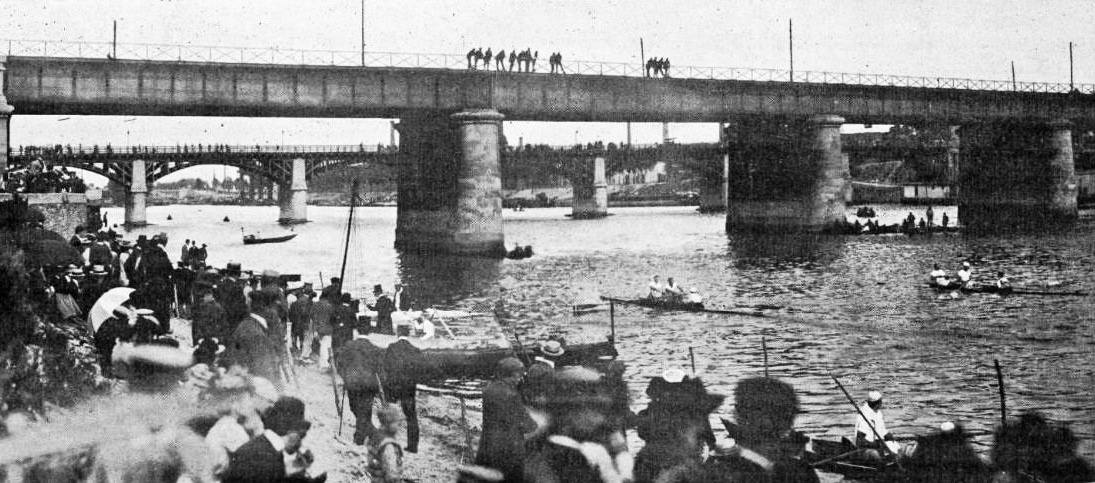
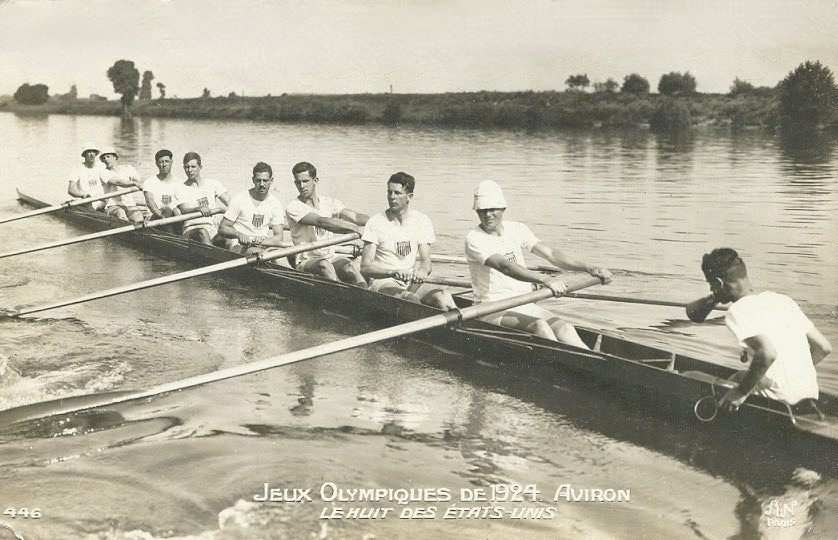
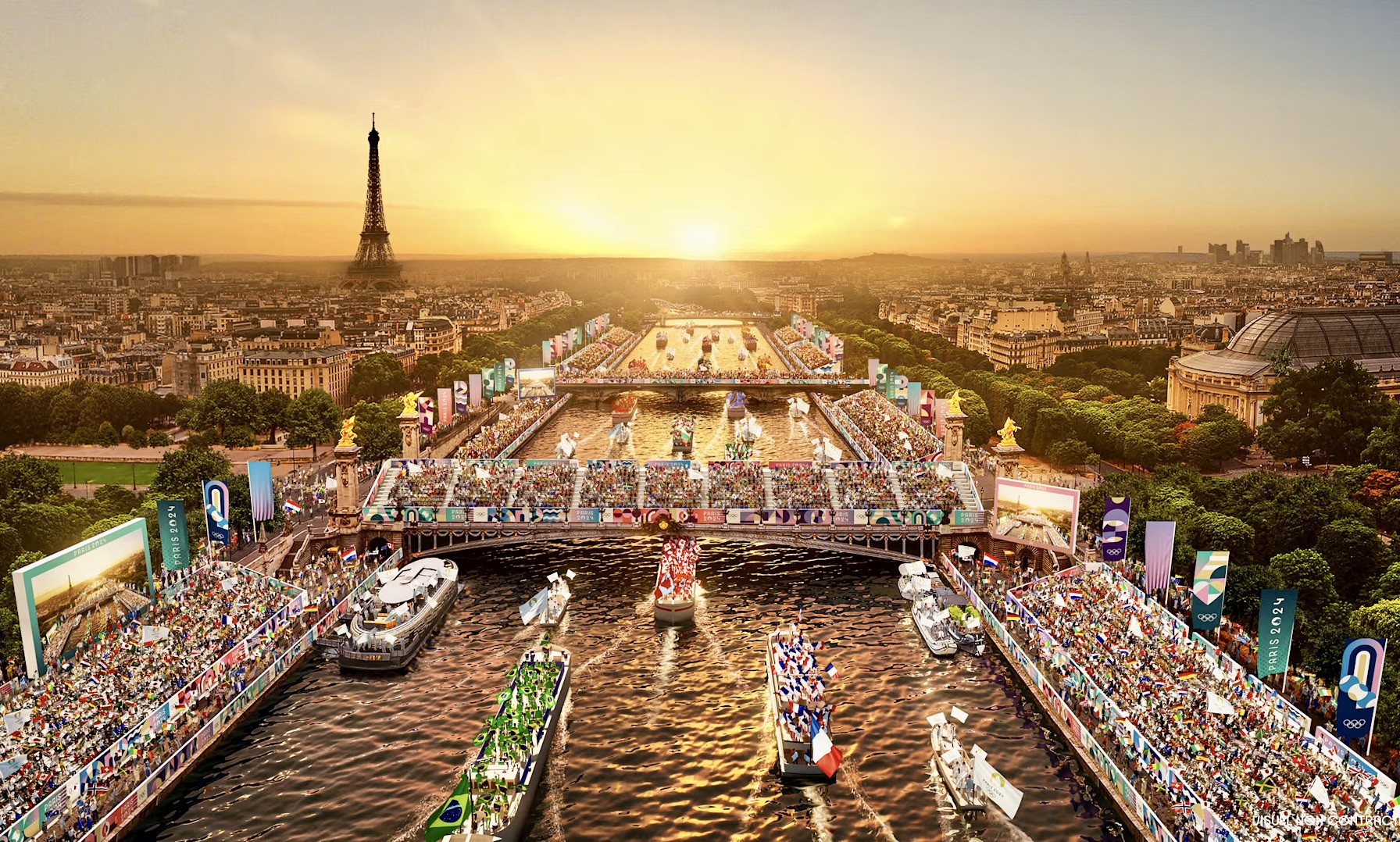
Although the 2024 Olympic Regatta will be at the Stade Nautique in Vaires-sur-Marne, 30km east of Paris, for the first time in modern Olympic history there will be a water-based start to the Games as the opening ceremony will take place on and beside the River Seine in central Paris and not in the Olympic Stadium.
The opening ceremony is on Friday, July 26, beginning at 8.24pm Central European Time. It’s 20.24, geddit? The official website, olympis.com explains:
Taking on a new guise, the parade of athletes will be held on the Seine with boats for each national delegation… Winding their way from east to west, the 10,500 athletes will cross through the centre of Paris… The parade will come to the end of its 6-kilometre route in front of the Trocadéro, where the remaining elements of Olympic protocol and final shows will take place.
Coordinating what I understand to be a flotilla of 116 boats (with support craft possibly taking the number up to 170) is very brave, this could very easily go wrong. However, it will make for entertaining viewing whatever happens.
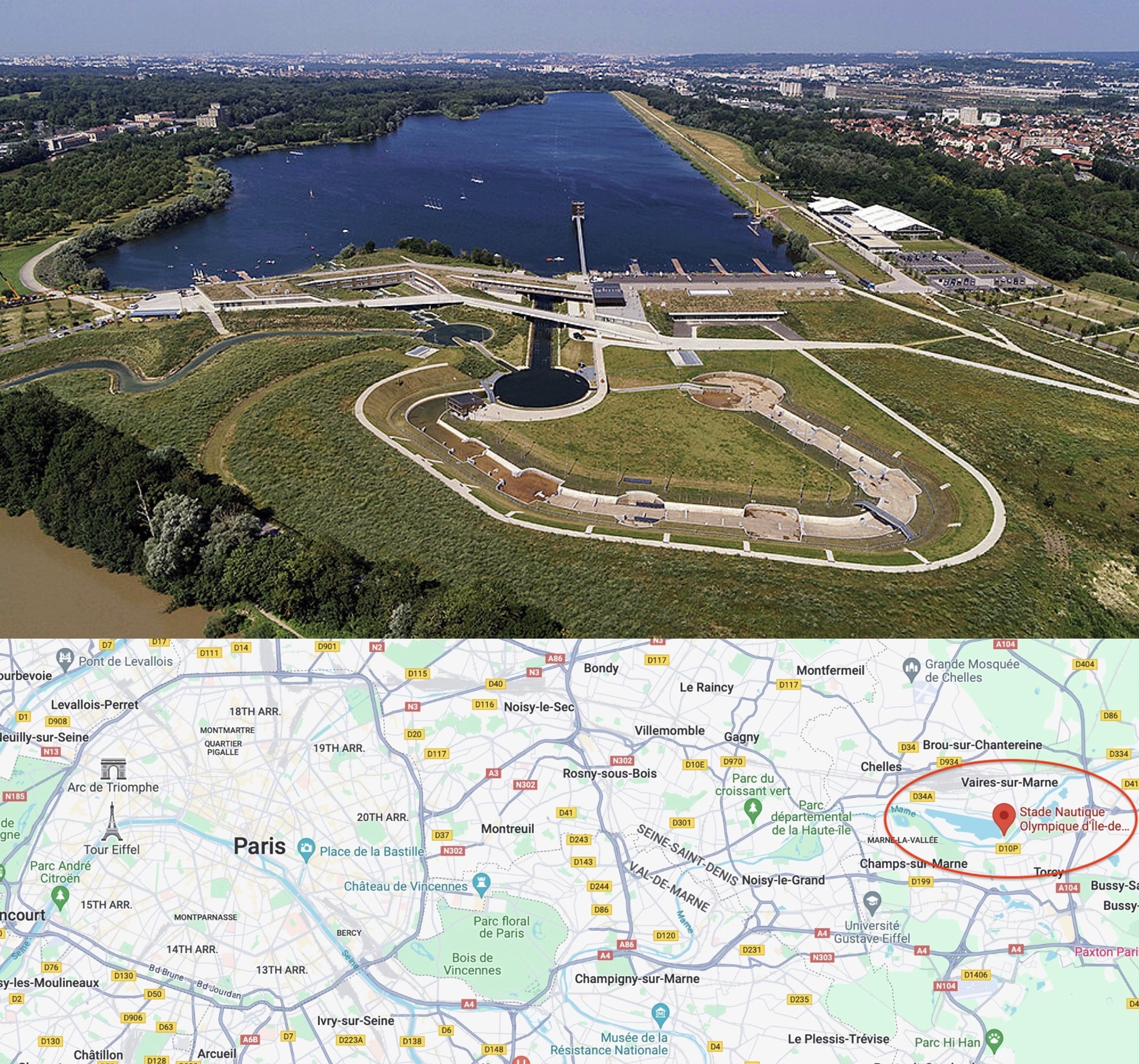
A recent World Rowing press release states:
Sixty-five National Olympic Committees will be competing in the Olympic Rowing Regatta at the Paris 2024 Olympic Games…
Following the conclusion of the Paris 2024 qualification for Rowing, a total of 502 athletes have qualified – 251 women and men each – in the 14 boat classes…
At these Games, more than half of the rowers will be competing at their first-ever Olympic Regatta. Romania and the United States of America have qualified the greatest number of boats, with 12 boats each. This is followed by the Netherlands and Great Britain, both with ten boats…
The men’s single sculls event has 33 entries and all eyes will be on Oliver Zeidler of Germany. Zeidler comes to Paris after a B-final finish at the Tokyo Olympic but having won two consecutive World Rowing Championship titles since then. Facing him will be reigning Olympic champion, Stefanos Ntouskos of Greece, as well as Simon Van Dorp of the Netherlands, who managed to beat Zeidler in their last confrontation ahead of the Games.
For the women, Karolien Florijn of the Netherlands has been dominating this boat class in the last couple of years, not losing a race since she switched out of the women’s four after Tokyo. It will be Florijn’s second Olympics and the same goes for her main competition, Tara Rigney of Australia. Competing at her fifth Olympic Games will be the reigning Olympic champion, Emma Twigg of New Zealand.
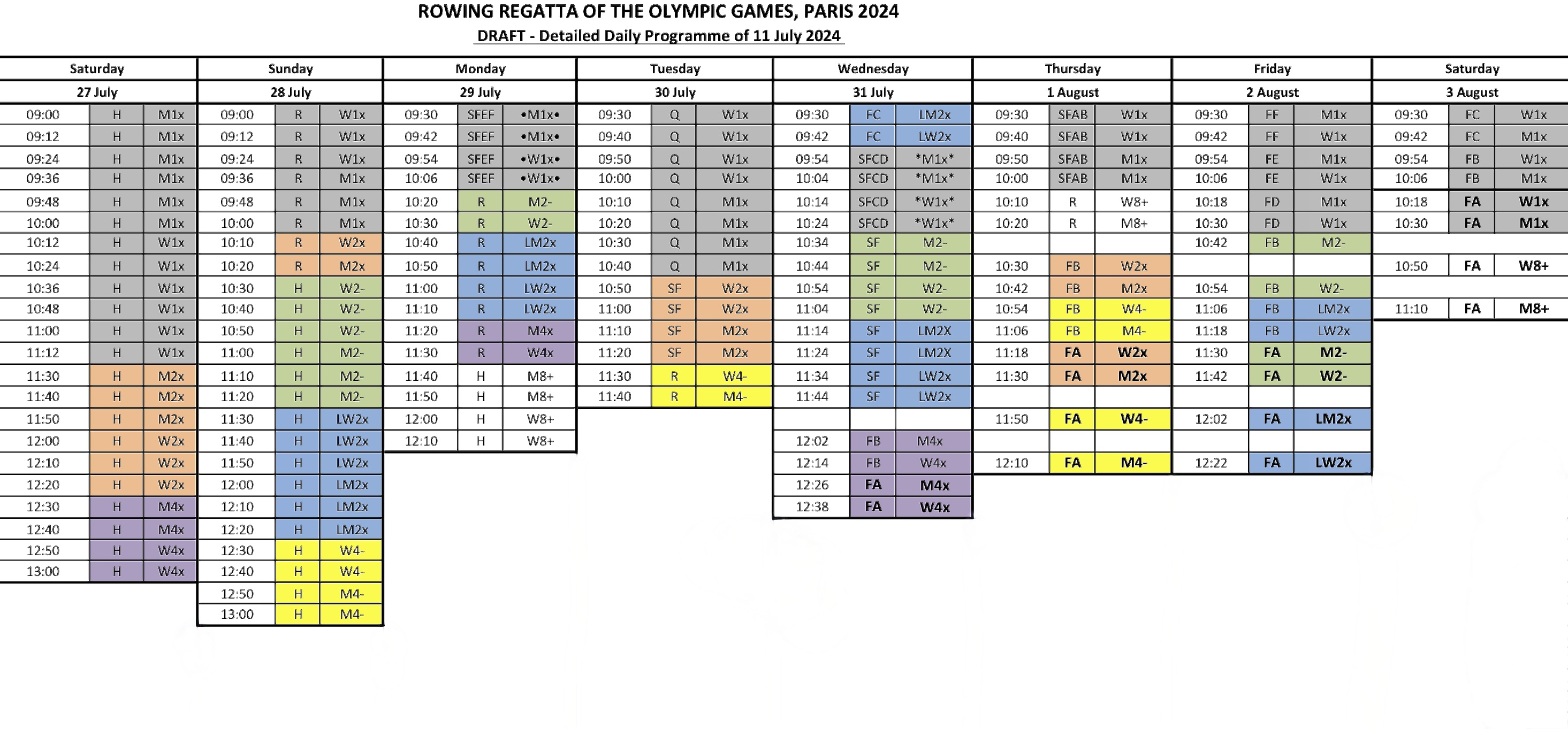
The News section on World Rowing’s website is currently working its way through Olympic previews. At the time of writing, it has covered the openweight double sculls, the pairs and the fours. A parochial interest leads me to reproduce the piece on the men’s four:
Reigning Olympic Champions: Australia; Reigning World Champions: Great Britain; 2024 World Rowing Cup overall winner: Great Britain.
An Australian – British tussle has been the men’s final formula for the last few Olympic Games. But through this Olympiad it has not been about just these two crews. At last year’s World Championships the British came out on top but it was the United States and New Zealand that chased them for the top medal.
Australia is still very much in the mix, but will have to contend with the US and the Kiwis for those medal spots. Great Britain cannot guarantee gold, which seemed theirs to lose earlier in the Olympic cycle. This really makes for interesting racing with Australia and Great Britain now having to look over both shoulders at other crews and not just focus on each other. World Cup III was not quite as stacked as World Cup II with New Zealand taking out the top spot and with that the psychological advantage going into the Olympic Games.
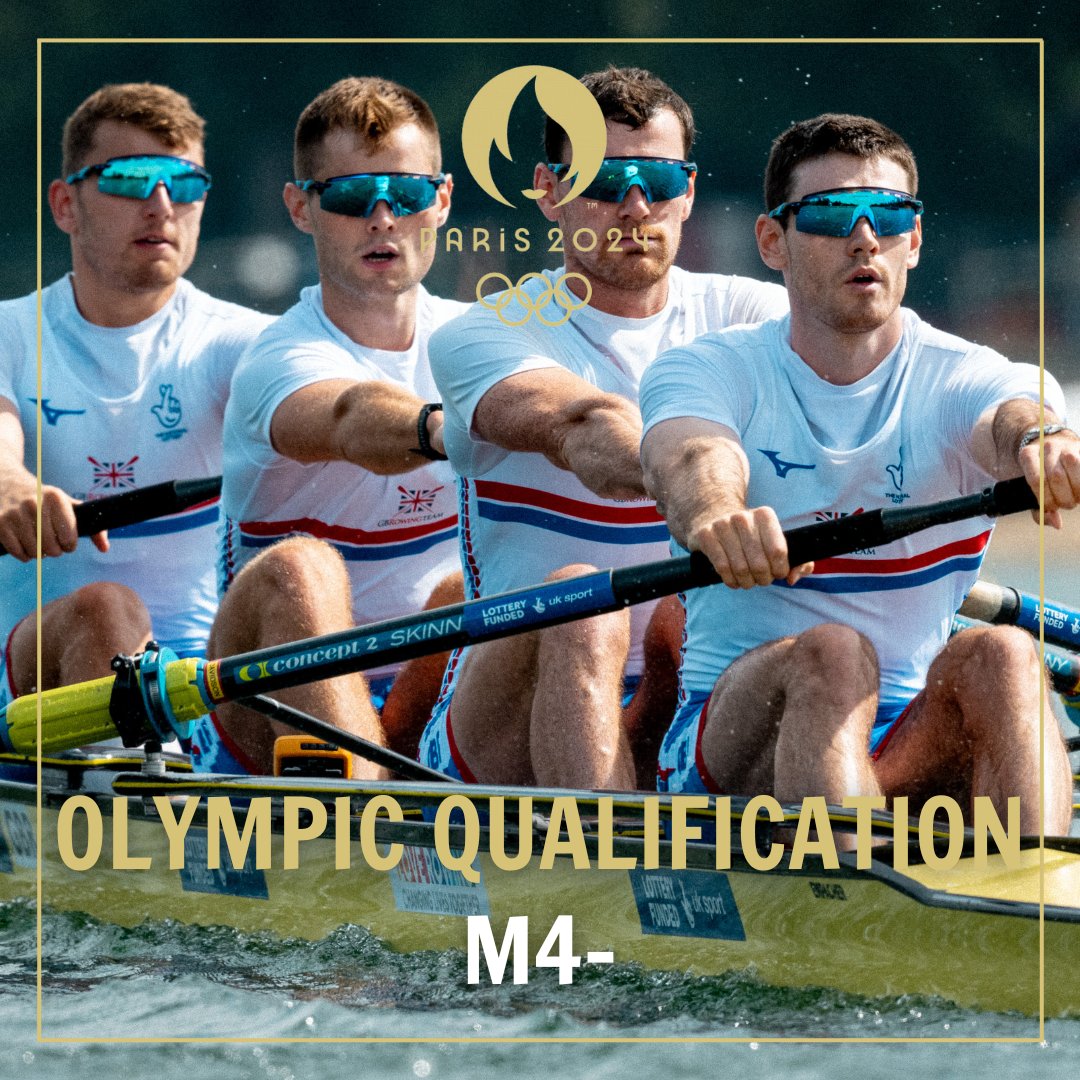
After coming top of the olympic rowing medal table in 2008, 2012 and 2016, Team GB had a disastrous Olympic Regatta in Tokyo 2020 when it plummeted to 14th (one silver and one bronze). Losing the Men’s Four title was particularly painful as the British had held it for the five Games since 2000 – plus they lost it to old rivals, Australia. However, such things make for good sport and we should be seeing a lot of that in the next few weeks, both on and off the water.
 Hear The Boat Sing
Note, the race timetable times are in Central European Time.