This website covers all aspects of the rich history of rowing, as a sport, culture phenomena, a life style, and a necessary element to keep your wit and stay sane.
The Head of the River Race: Relieving Winter Boredom Since 1926
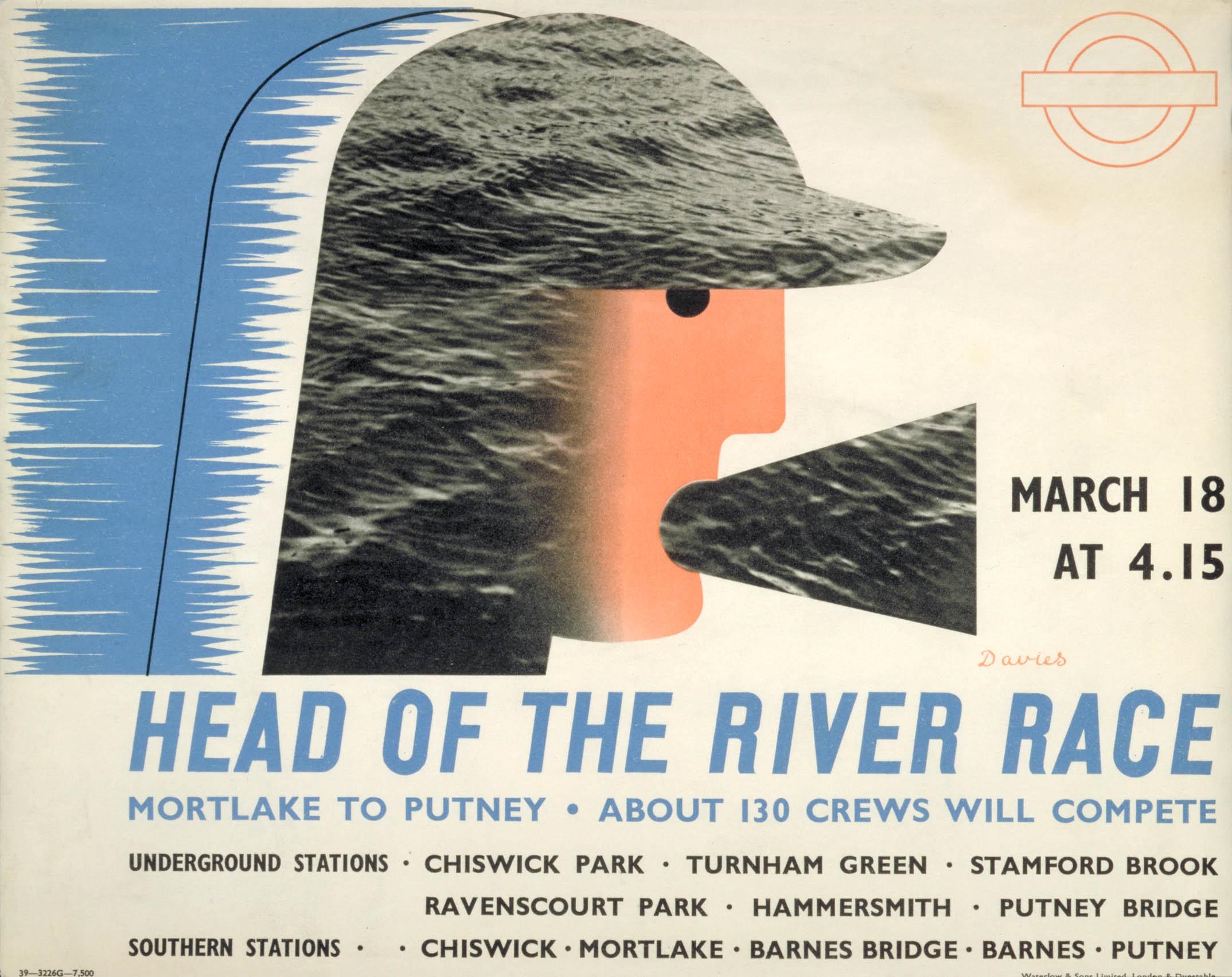
A poster for the thirteenth Head of the River Race in 1939.
28 March 2024
By Tim Koch
Tim Koch reports on Steve’s continuing bright idea.
When in 1926 Steve Fairbairn, the influential and innovative Cambridge and Tideway coach, founded the Head of the River Race (HoRR), a processional event for men’s eights over the Mortlake to Putney course, part of his reasoning was to relieve the tedium of winter training and to give crews something to aim for at the end of this often bleak training period. Before winter processional races became established, the only rowing competitions were in summer regattas with side-by-side racing.
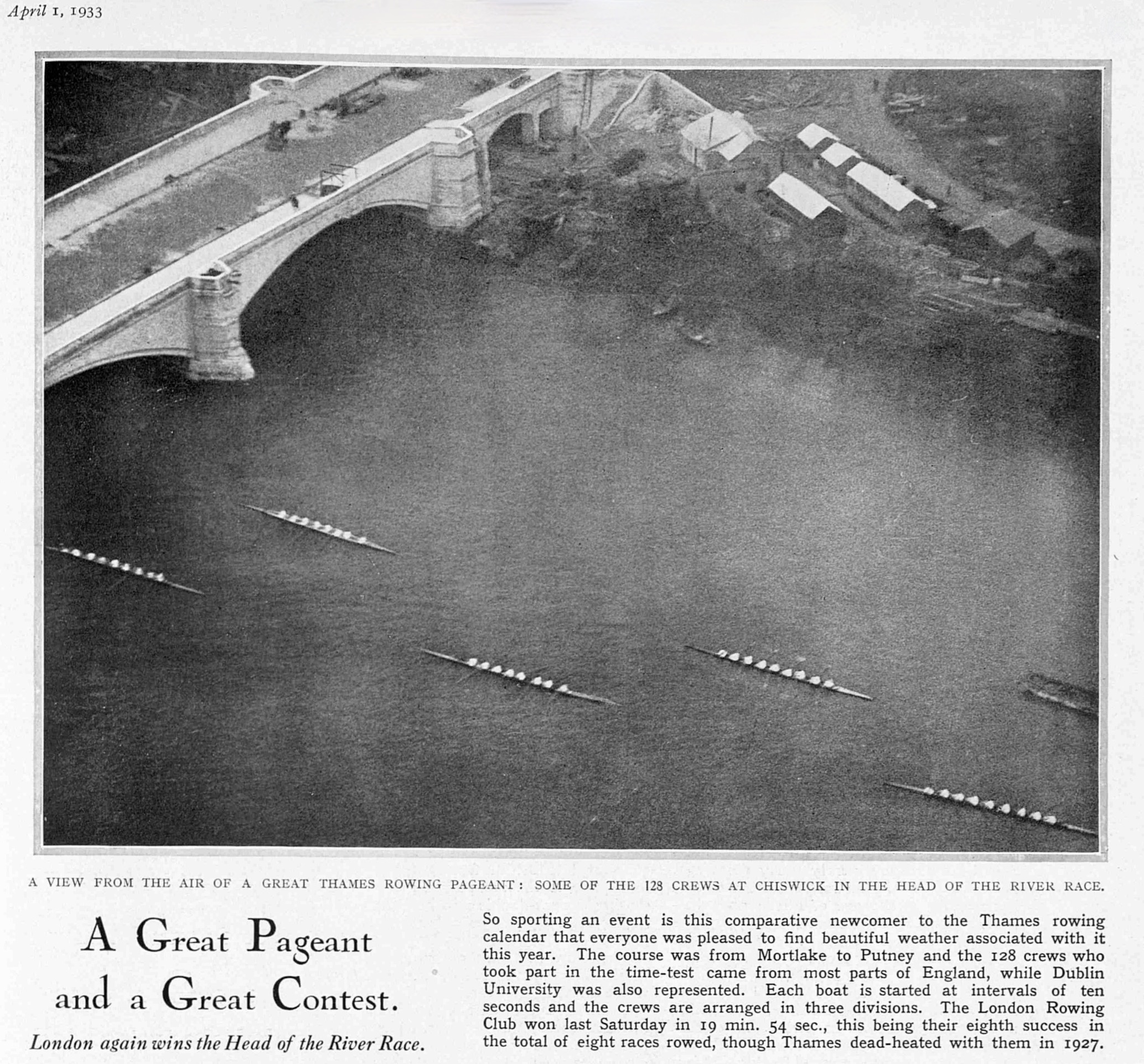
A 1933 magazine report on the eighth HoRR. Chiswick Bridge is under construction and workmen’s sheds temporarily occupy the land now home to the Tideway Scullers boathouse.
One of “Steve’s” famous dictums was that “Milage makes champions” and he held that the Head was “not a race… merely a means of getting crews to do long rows”. That idea of not racing never really caught on but the event itself did – save when wars, weather, unsuitable tides and, in the early days, the Lord’s Day Observance Society interrupted proceedings. In 2020 and 2021, COVID was added to this list of impediments meaning that seven of the last twenty-two years has seen the race cancelled or abandoned.
However, Saturday, 23 March saw the 89th Head of the River Race take place. As the race is rowed on the ebb (outgoing) tide, the recent heavy rain made for fast water and fast times.
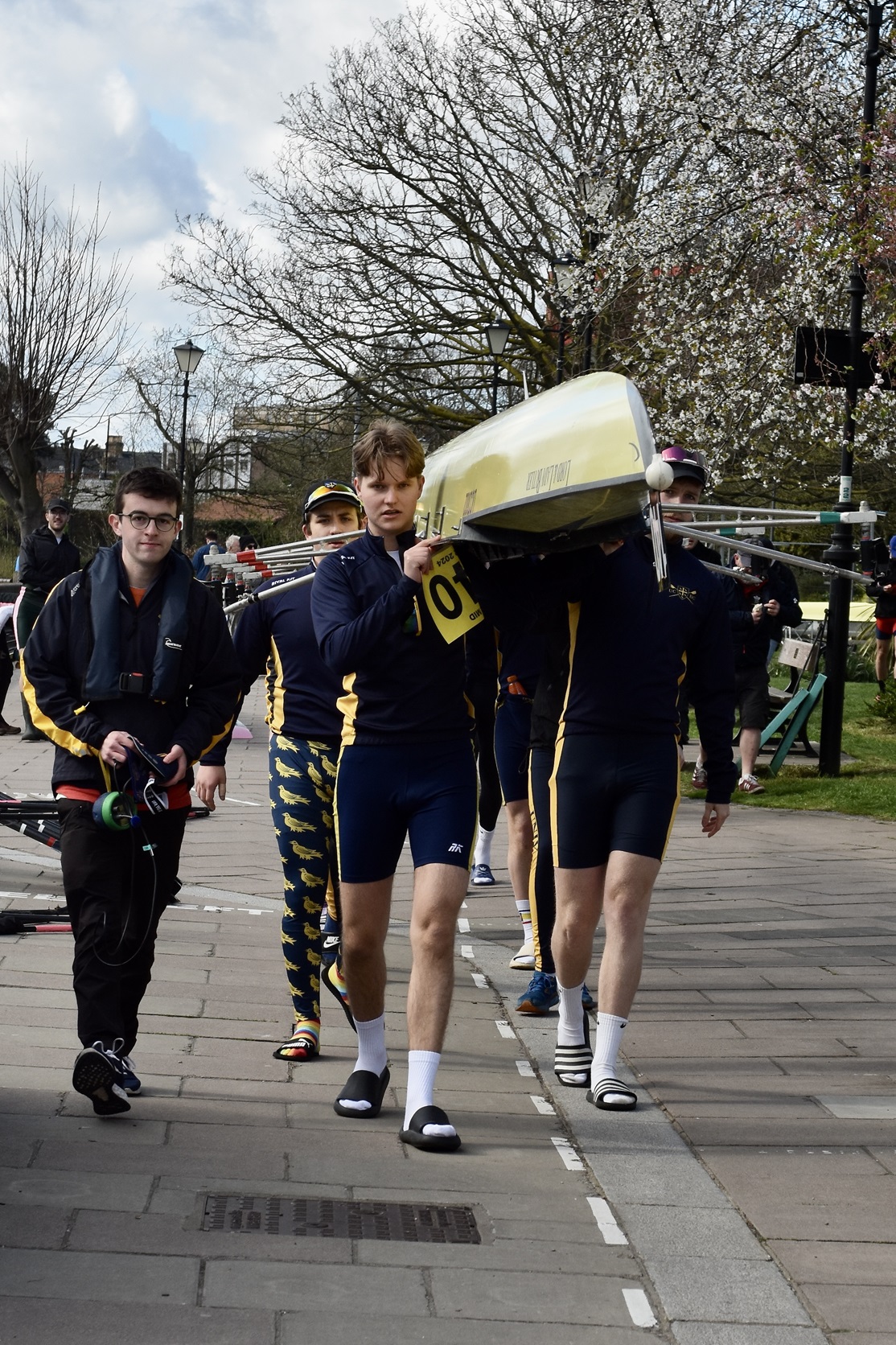
Going to the start
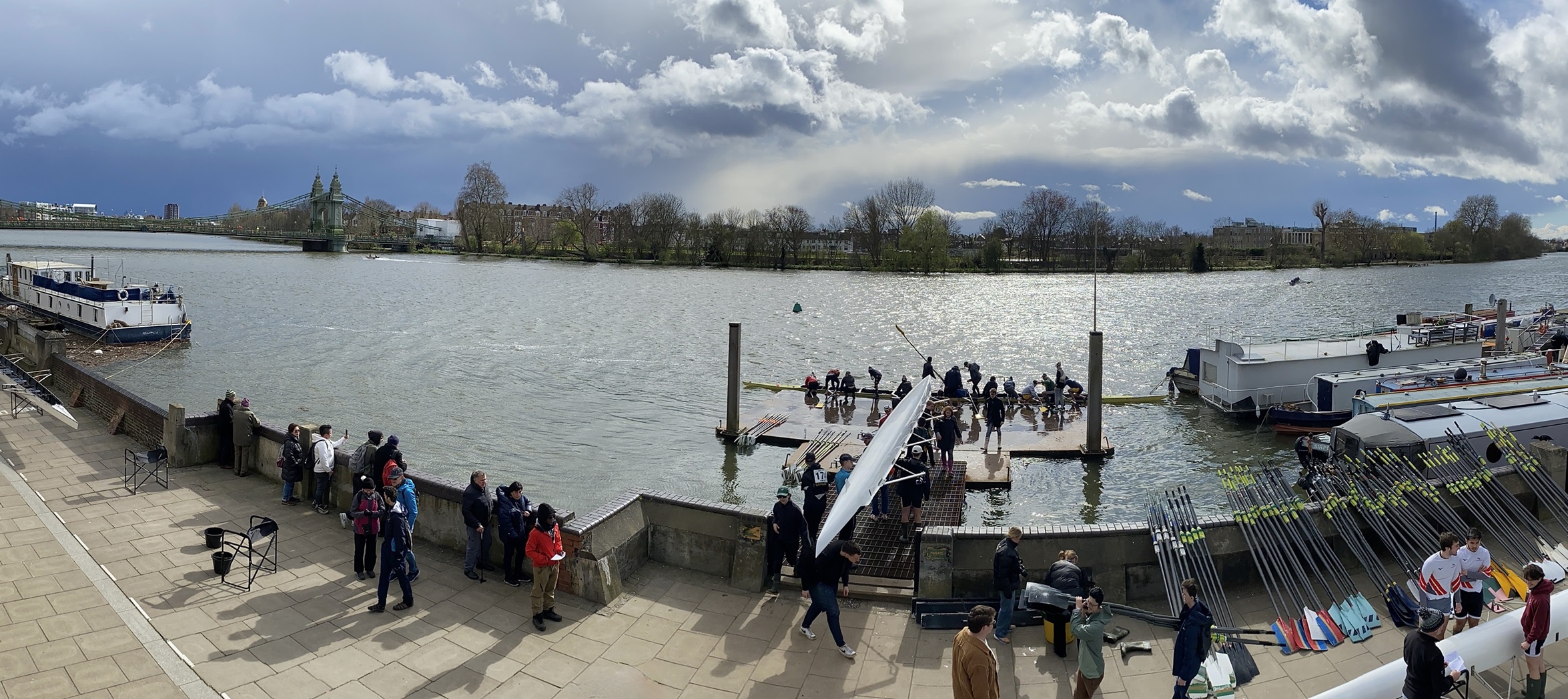
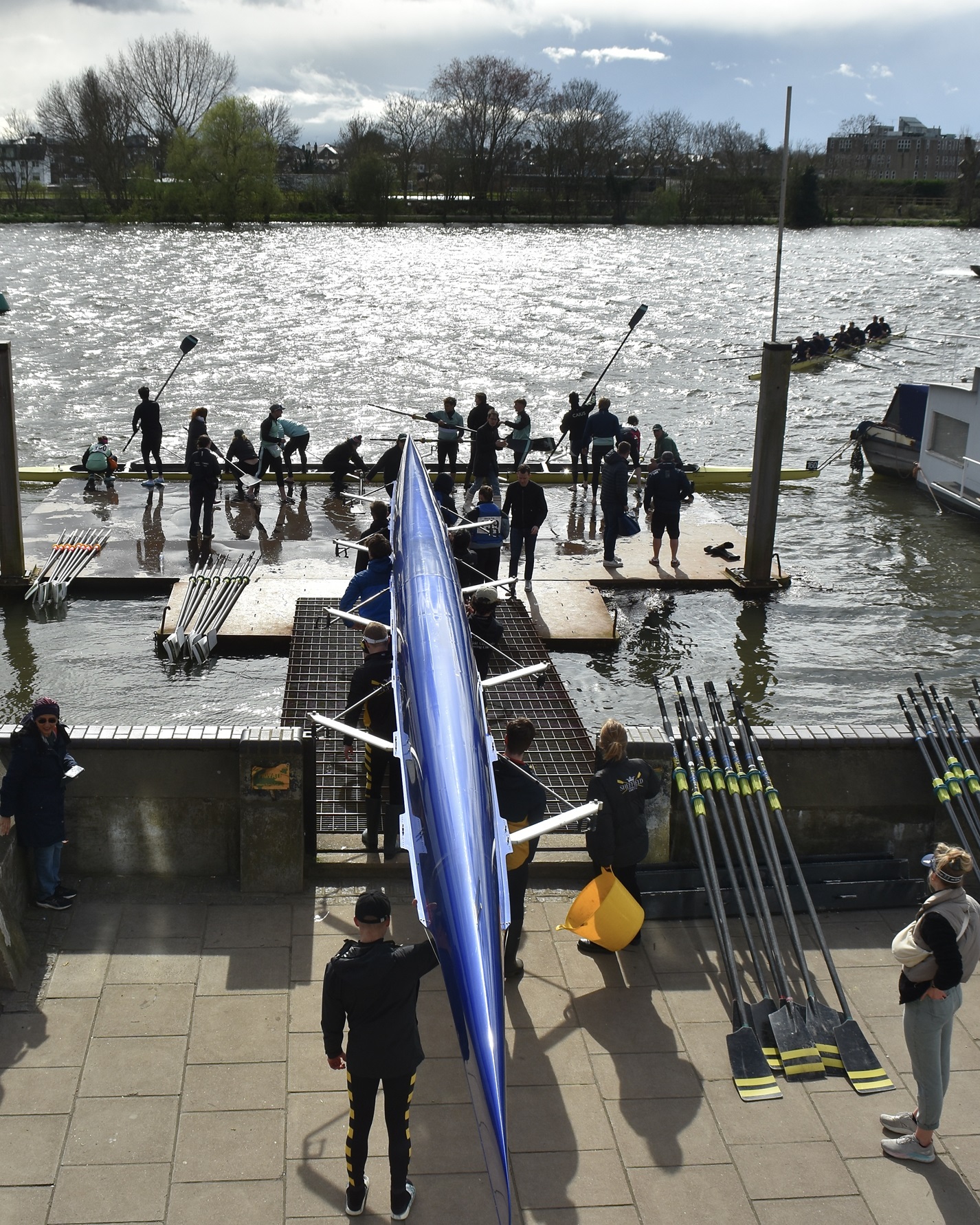
A panoramic view from Furnivall Sculling Club as Hammersmith based crews and visitors boat.
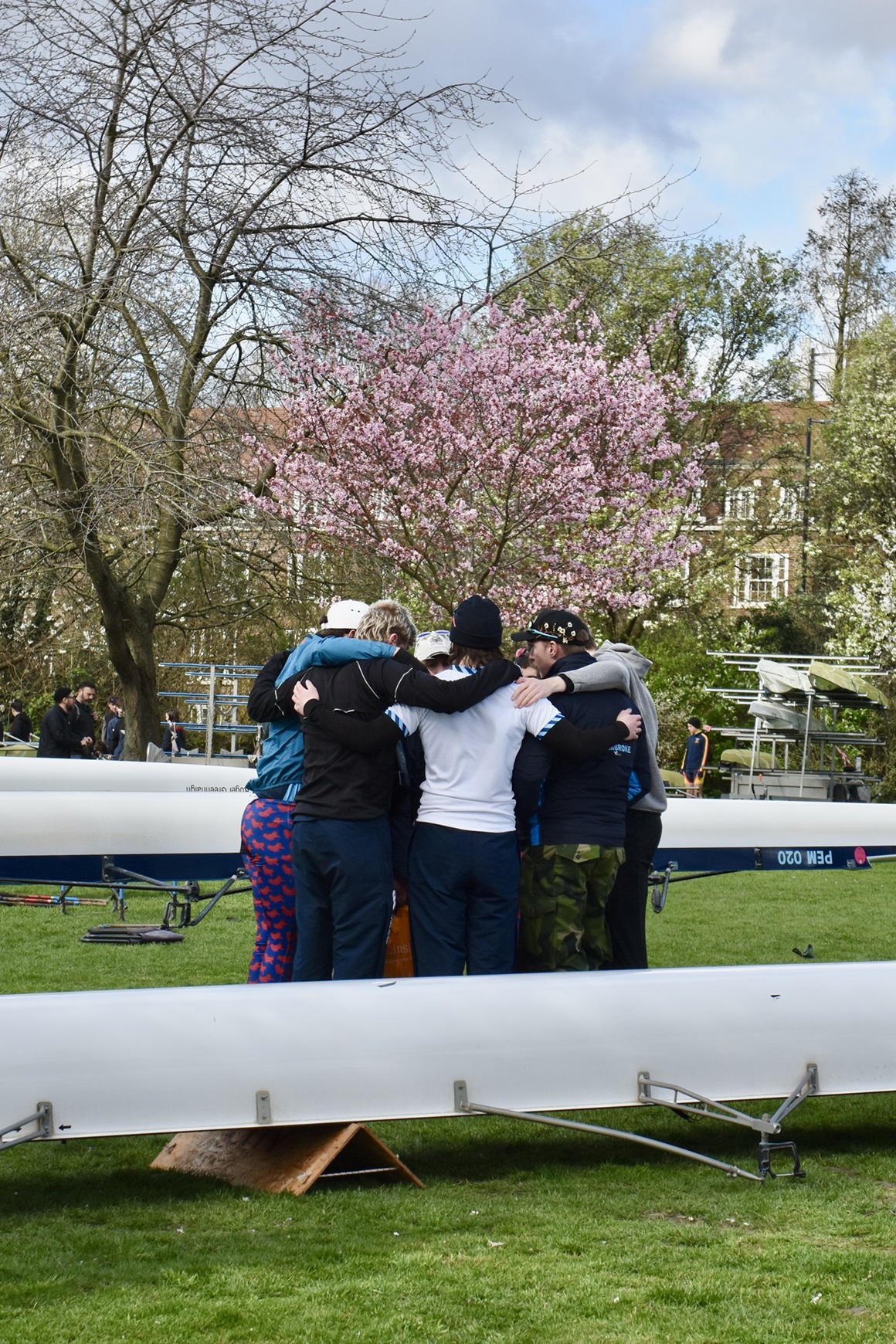
Some last minute crew bonding on Furnivall Green.
Blades drawn.
University College (Oxford) Boat Club A goes afloat.
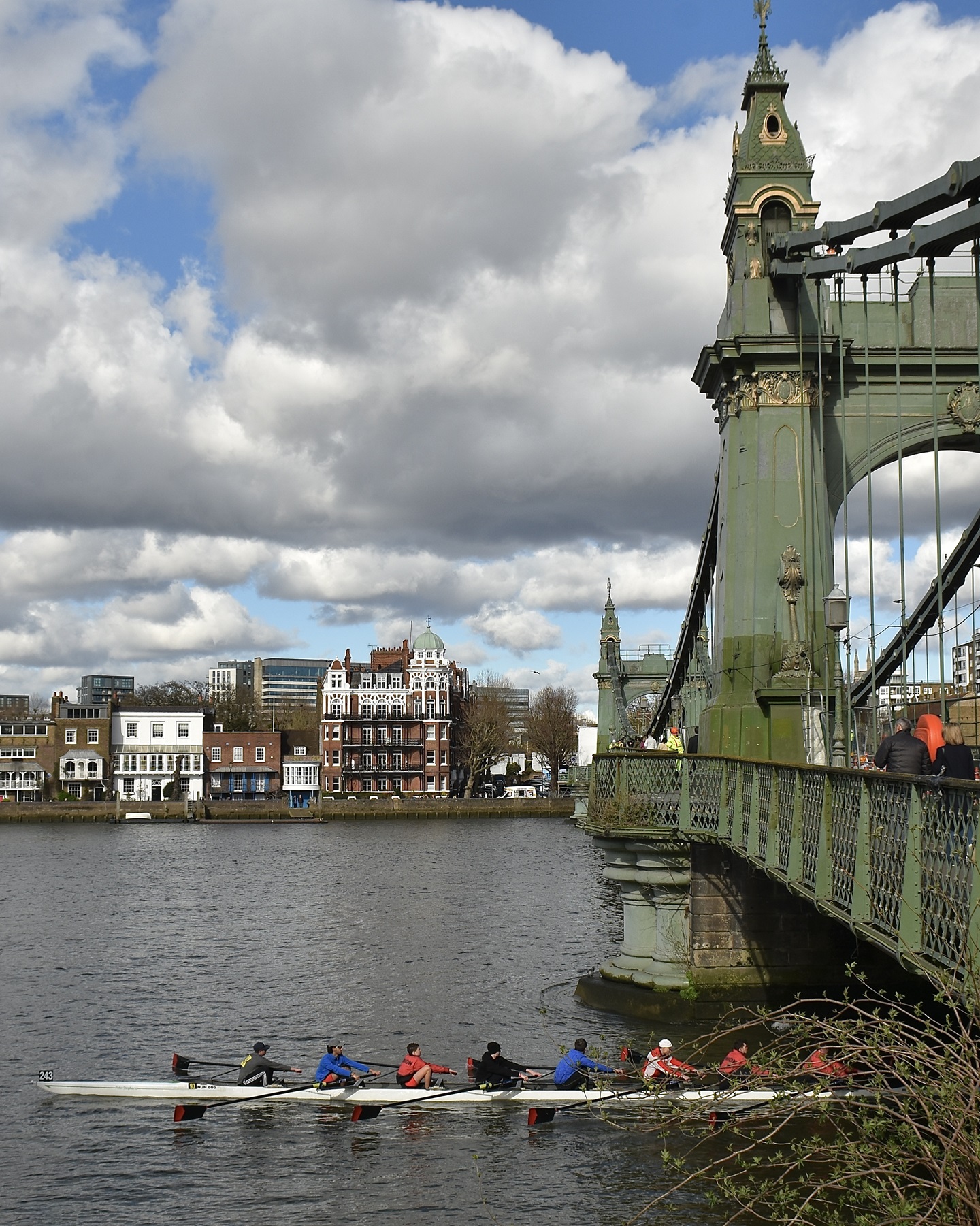
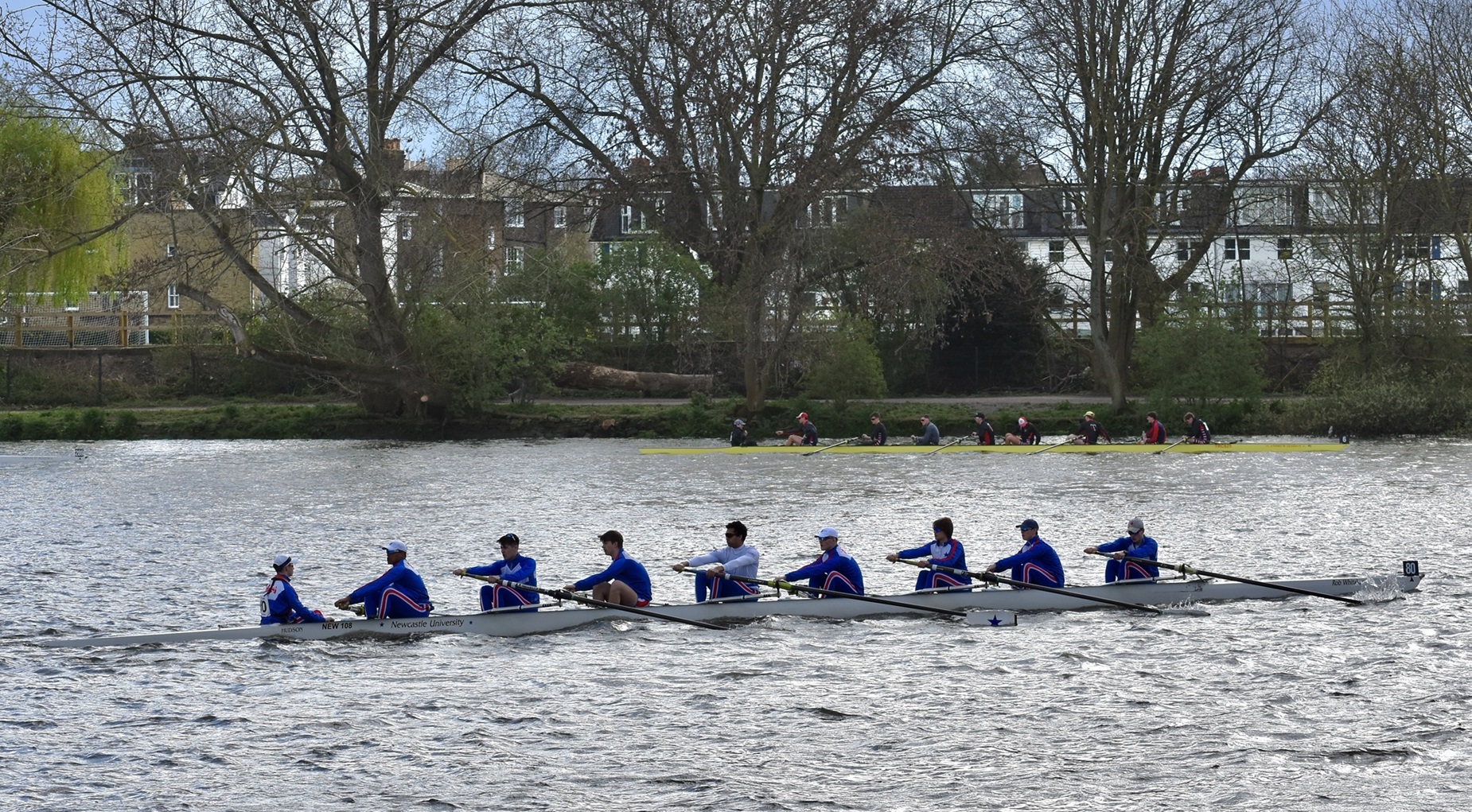
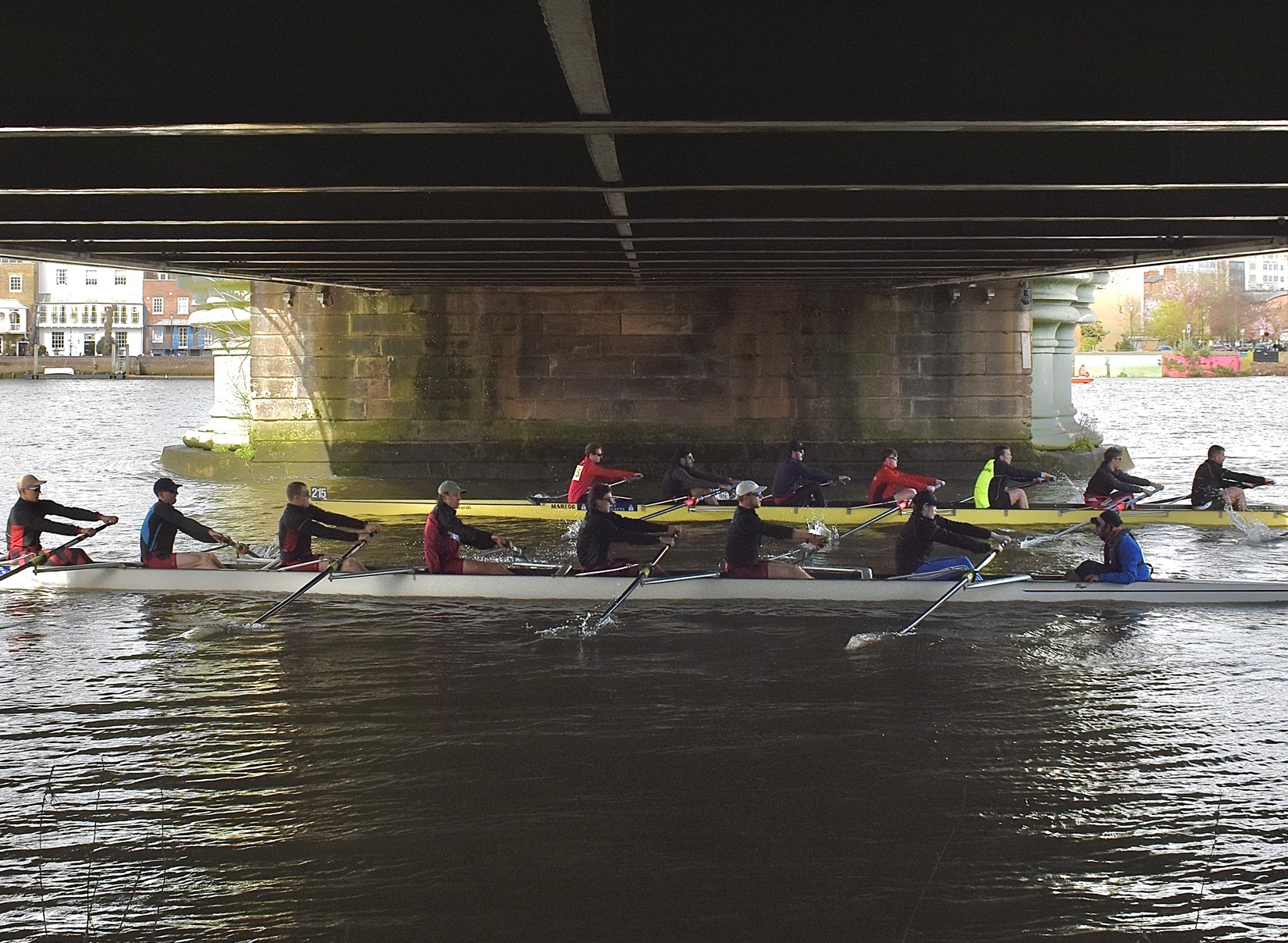
The Furnivall pontoon is a busy place on Head Day.Nottingham and Union Rowing Club B exit under Hammersmith Bridge on the way to the start.Newcastle University Boat Club D.Vesta Rowing Club B (foreground) and Marlow Rowing Club D (background) under Hammersmith Bridge.
At the finish
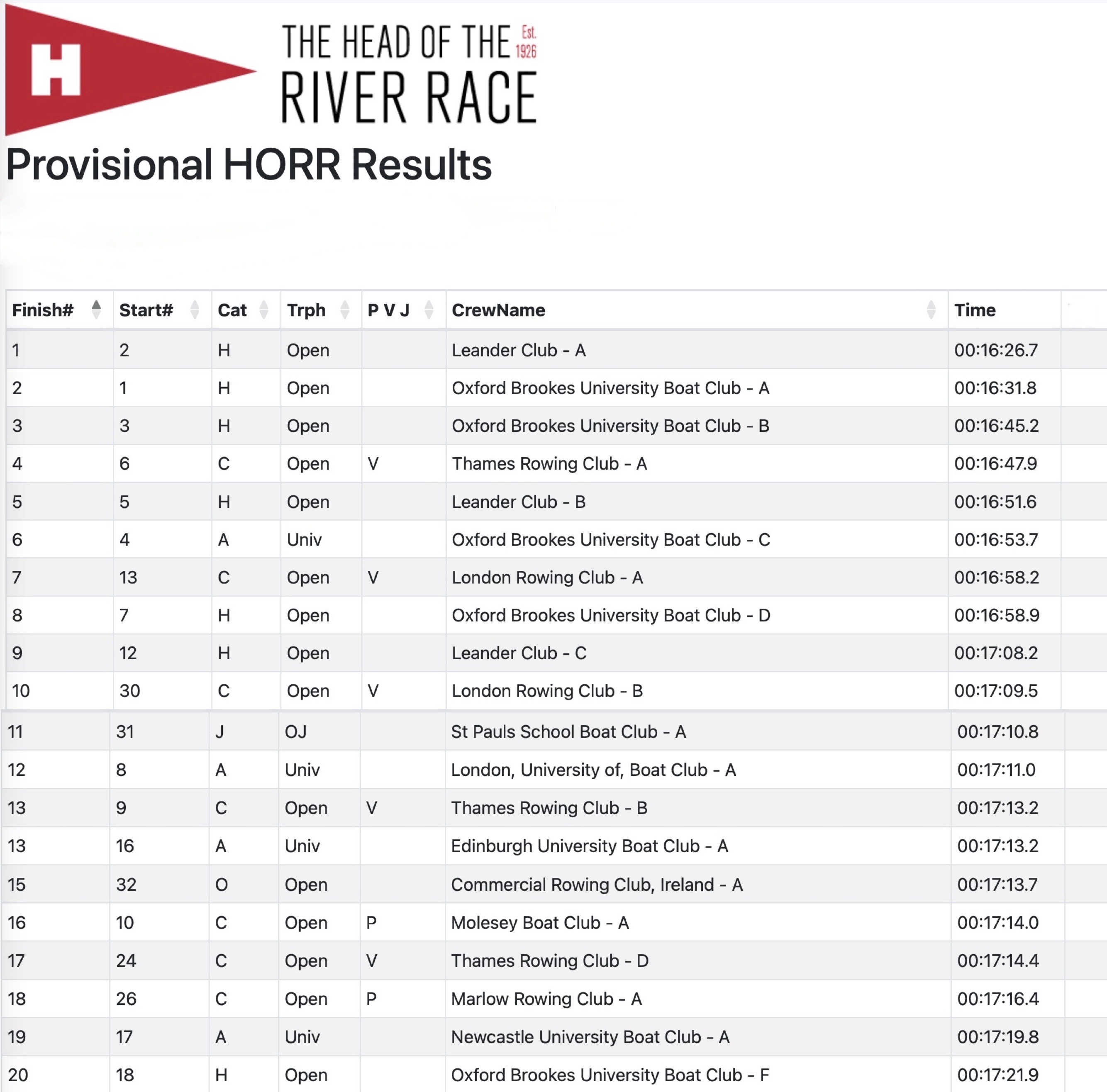
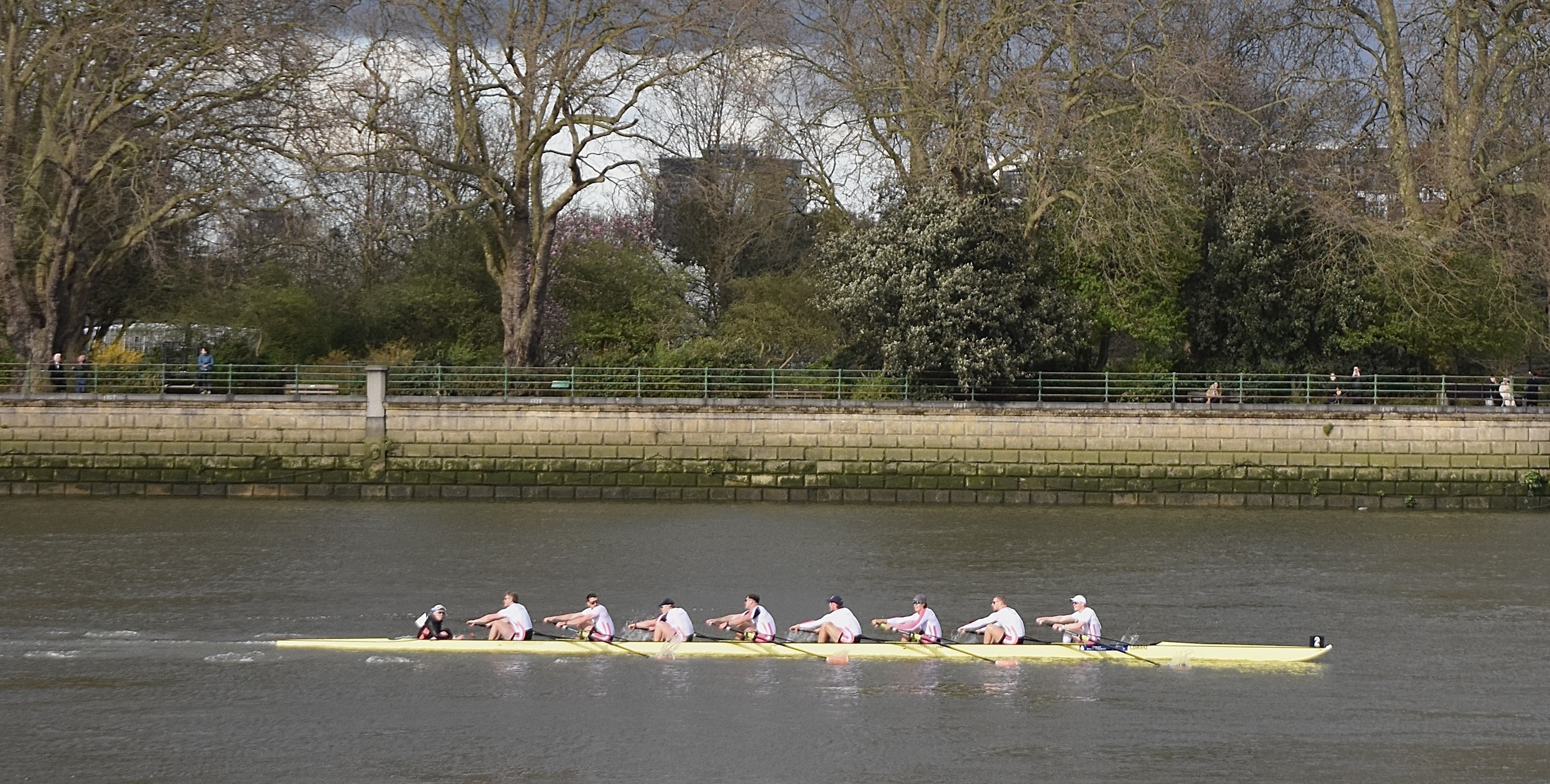
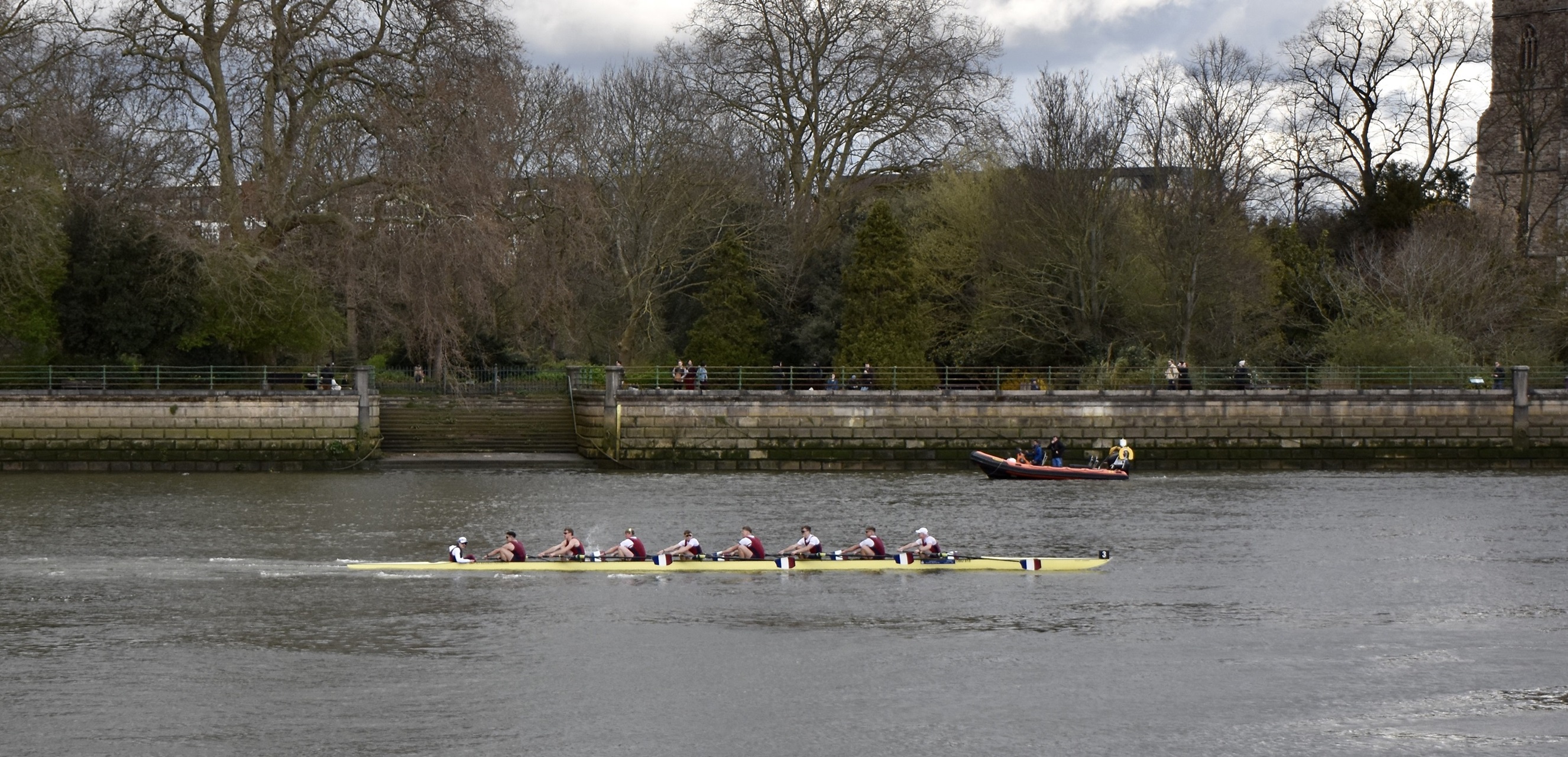
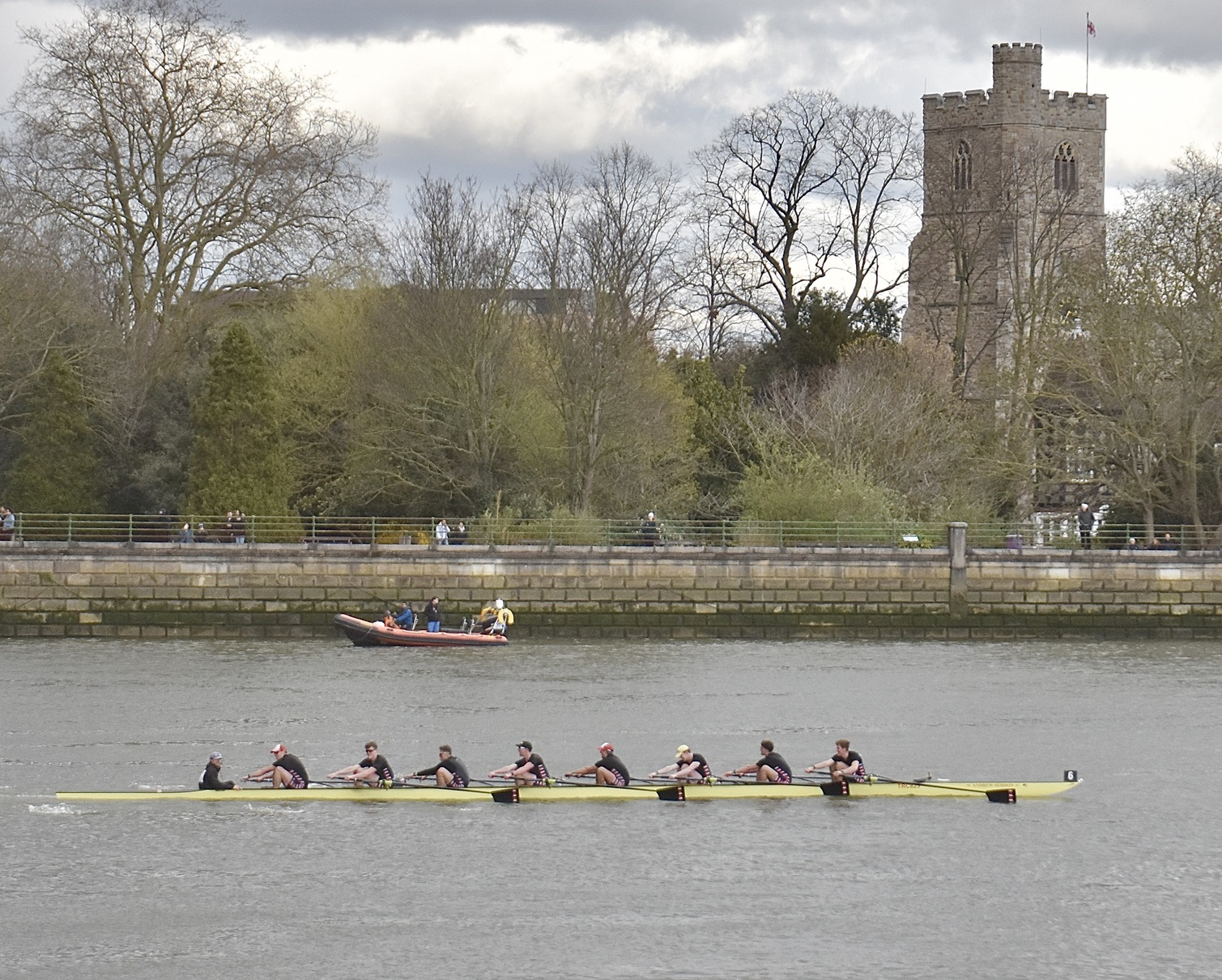
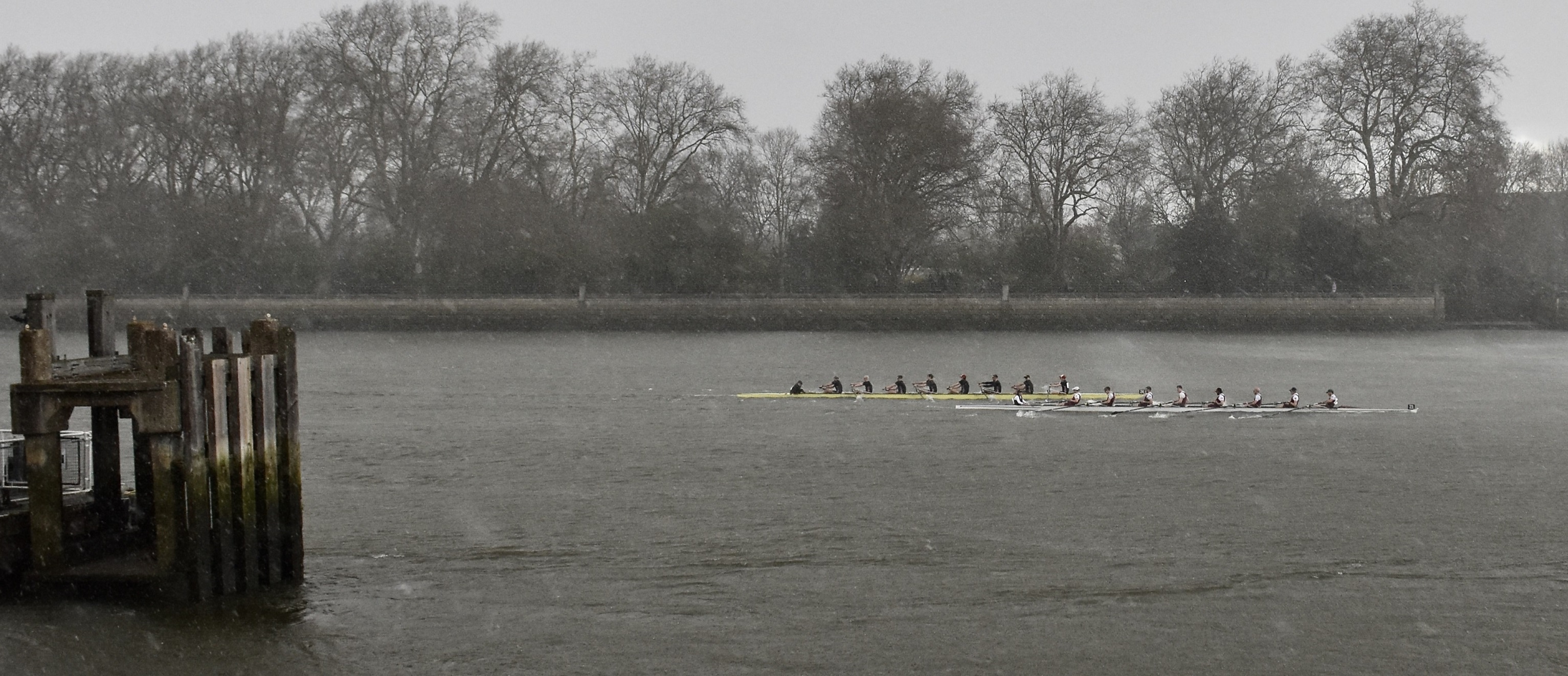
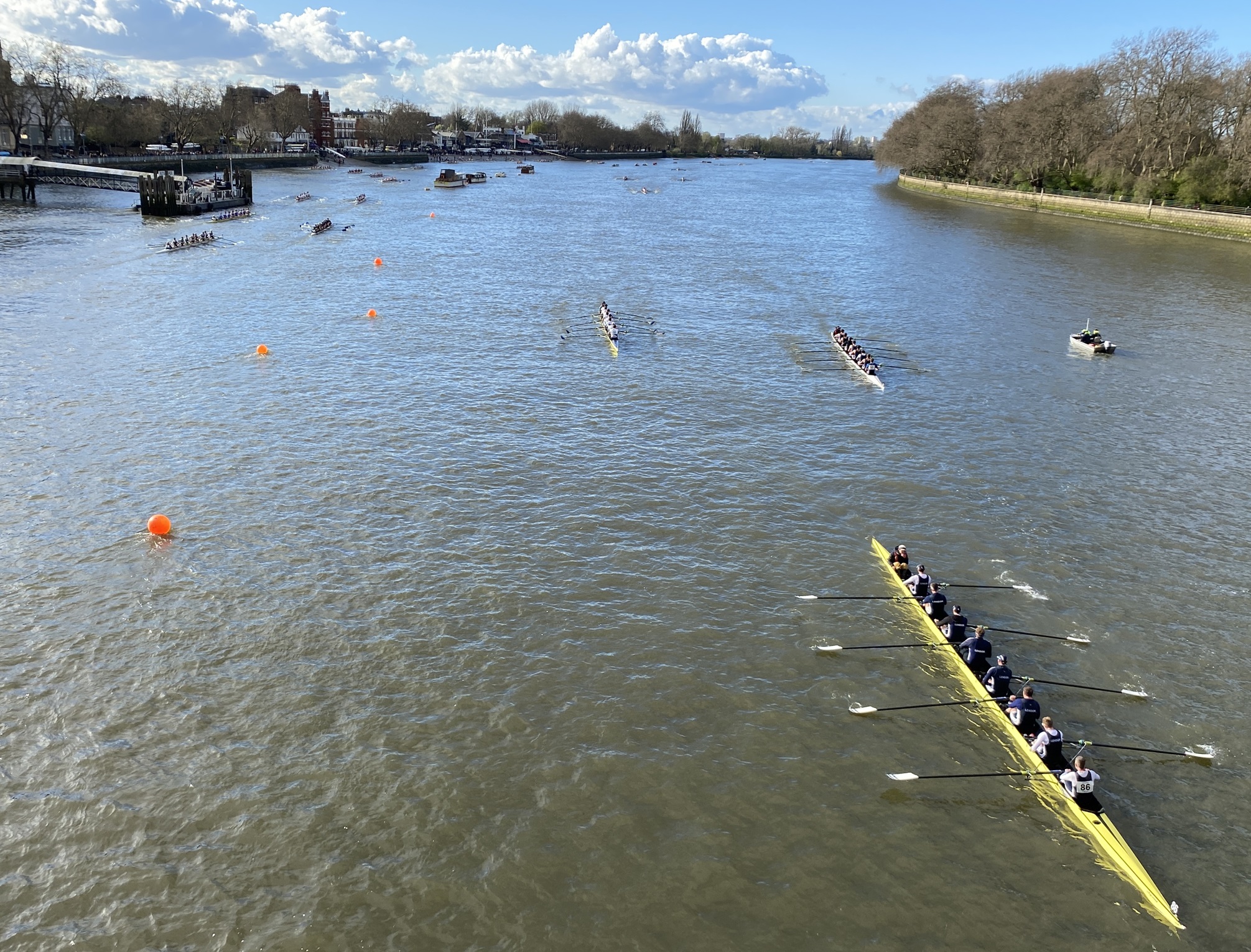
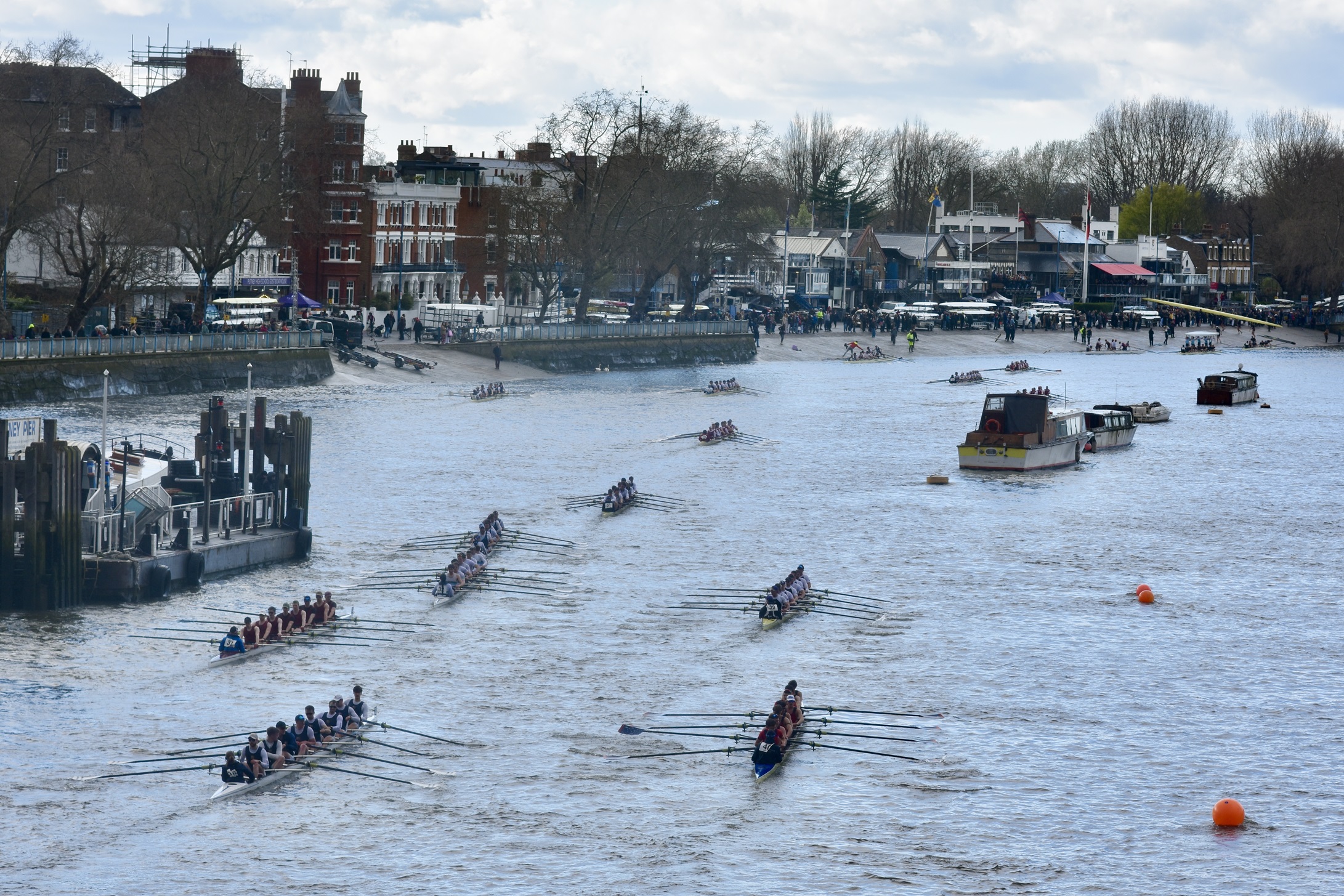
The Top Twenty for 2024. The full results are on the official website.1st, Leander A, Head crew, winner of The Fairbairn Trophy and holders of a new course record, 16.26.7.2nd, Oxford Brookes University Boat Club A, 16.31.8.3rd, Oxford Brookes University Boat Club B, 16.45.2.4th, Thames Rowing Club A, 16.47.9, winner of the Club Pennant and of the Vernon Trophy.A sudden and brief squall passed over the course as the first crews finished. Here, Vesta A (foreground) and Thames D (background) fight for the line.Just finished racing here is crew 31, St Paul’s School Boat Club A. The Juniors finished 11th in a time of 17.10.8. They won the very slightly shorter Schools’ Head three days previously in a record time of 16.24.0.The view from Putney Bridge. The finish line is at the pier on the left.
Going home
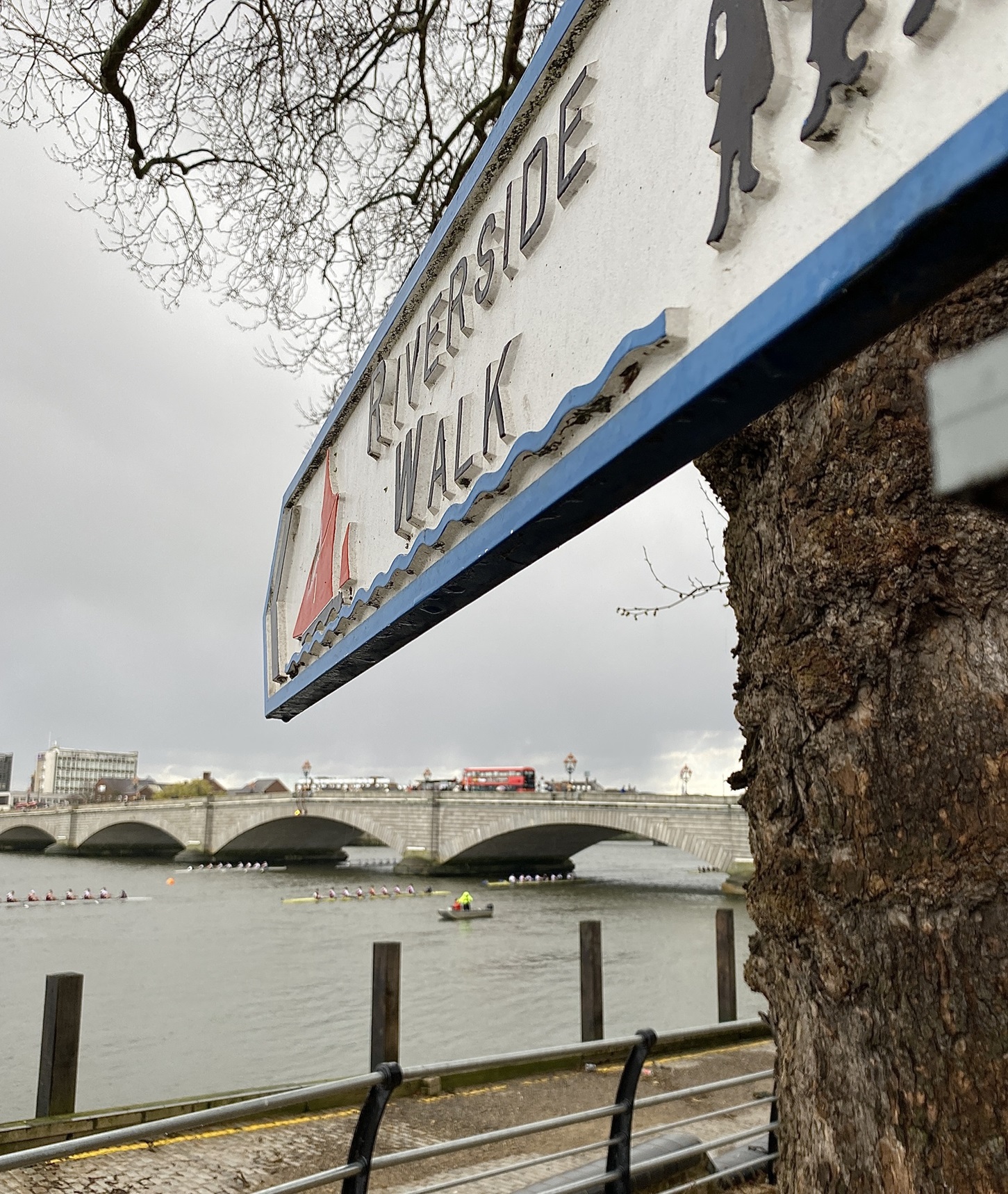
After passing the finish line, crews must go under Putney Bridge before they turn.
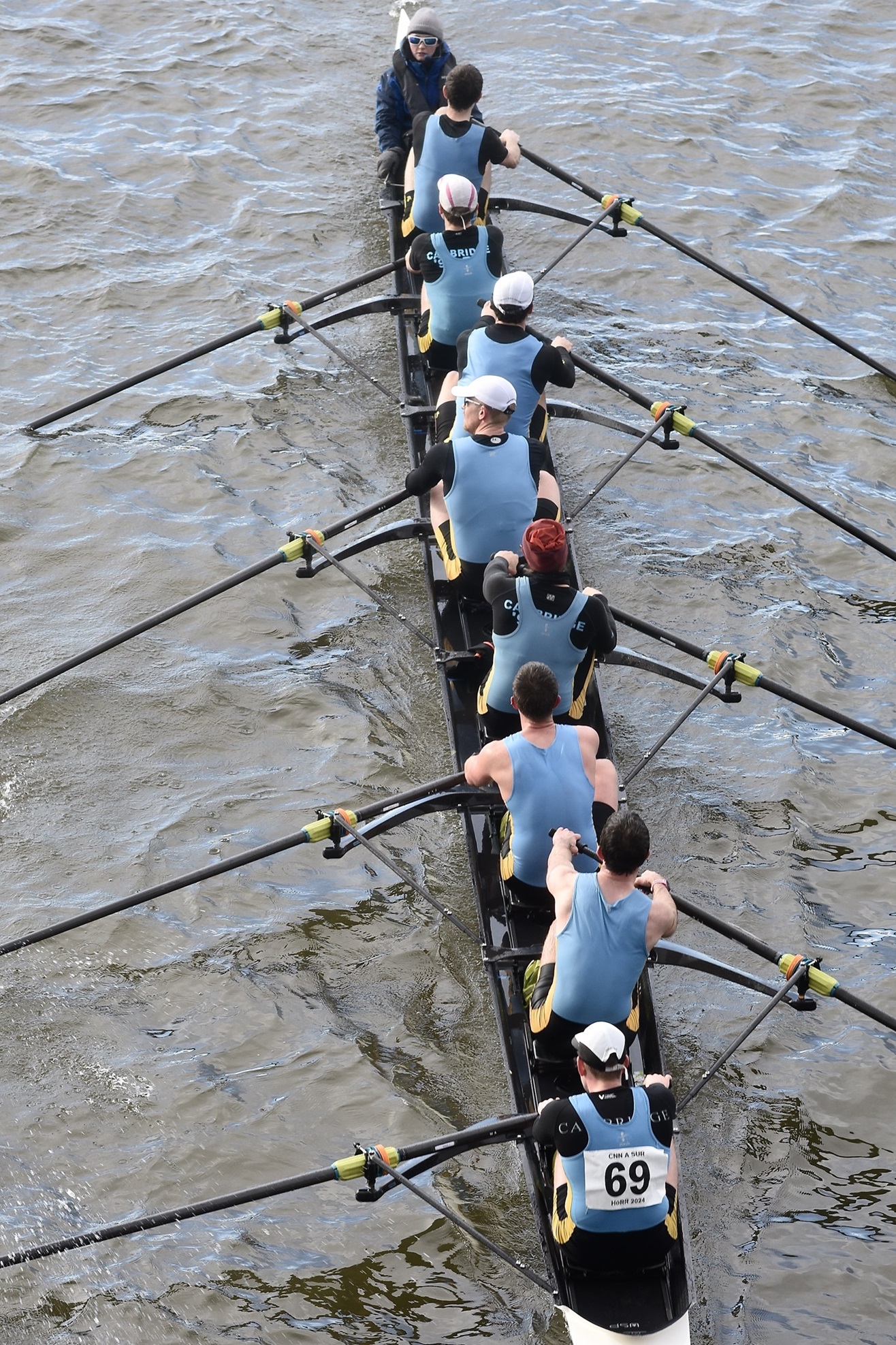
Cambridge 99 Rowing Club A – as seen from Putney Bridge.
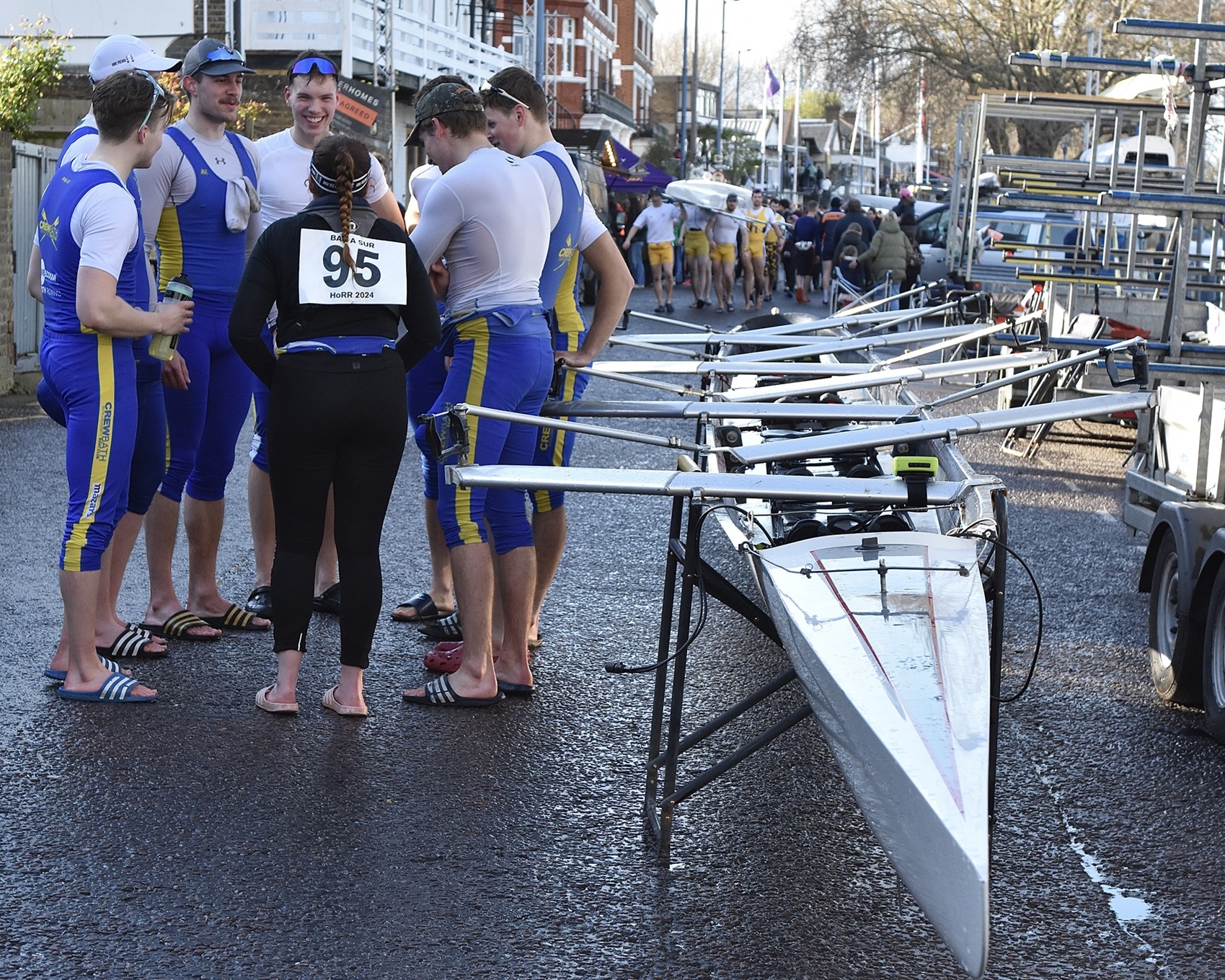
Some lucky crews only have to return to Putney Embankment. Others may have to row the whole course again.Back at Putney, Bath University Boat Club A seem pleased.
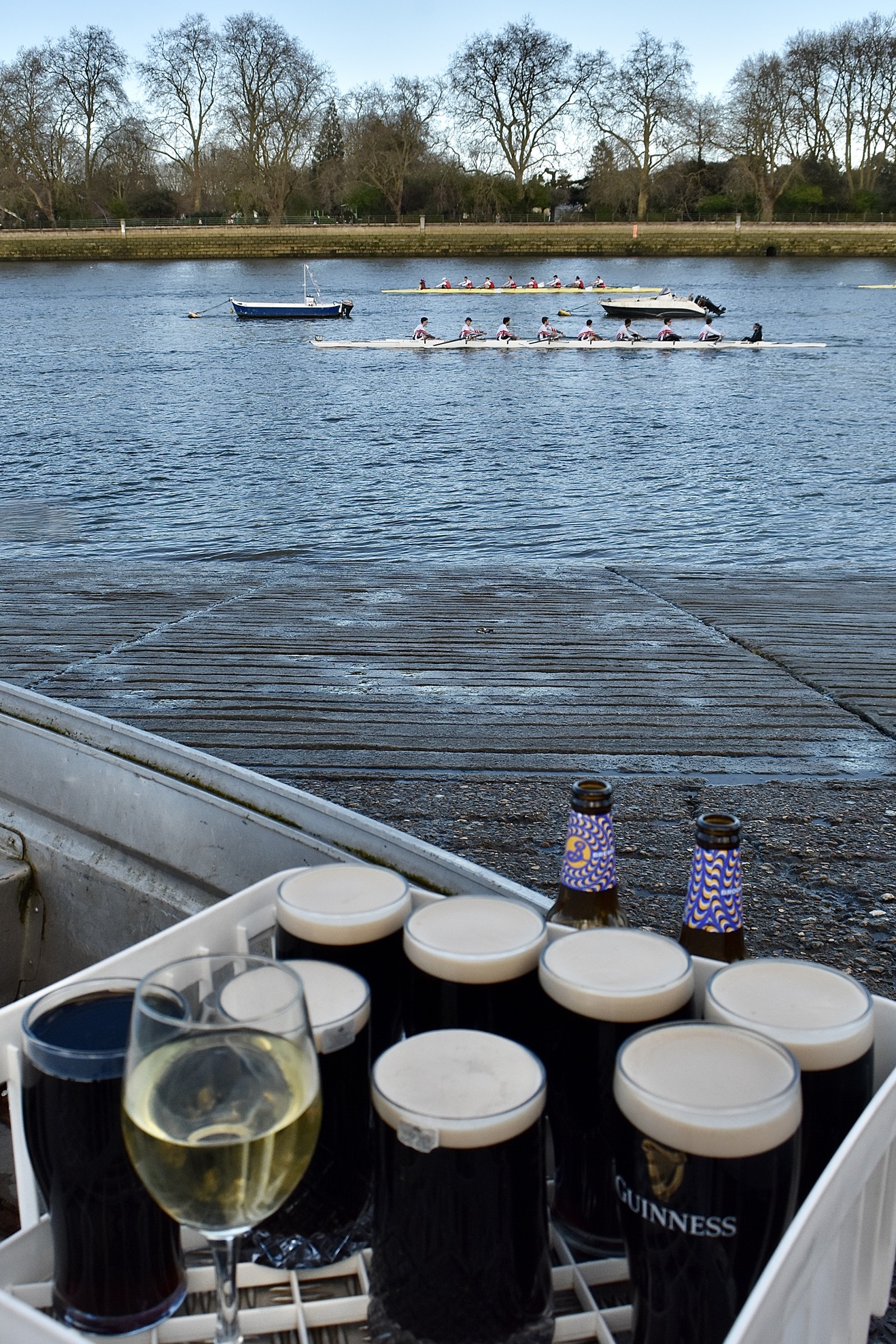
Rehydration awaits for a Dublin based crew. The white wine was for the cox.
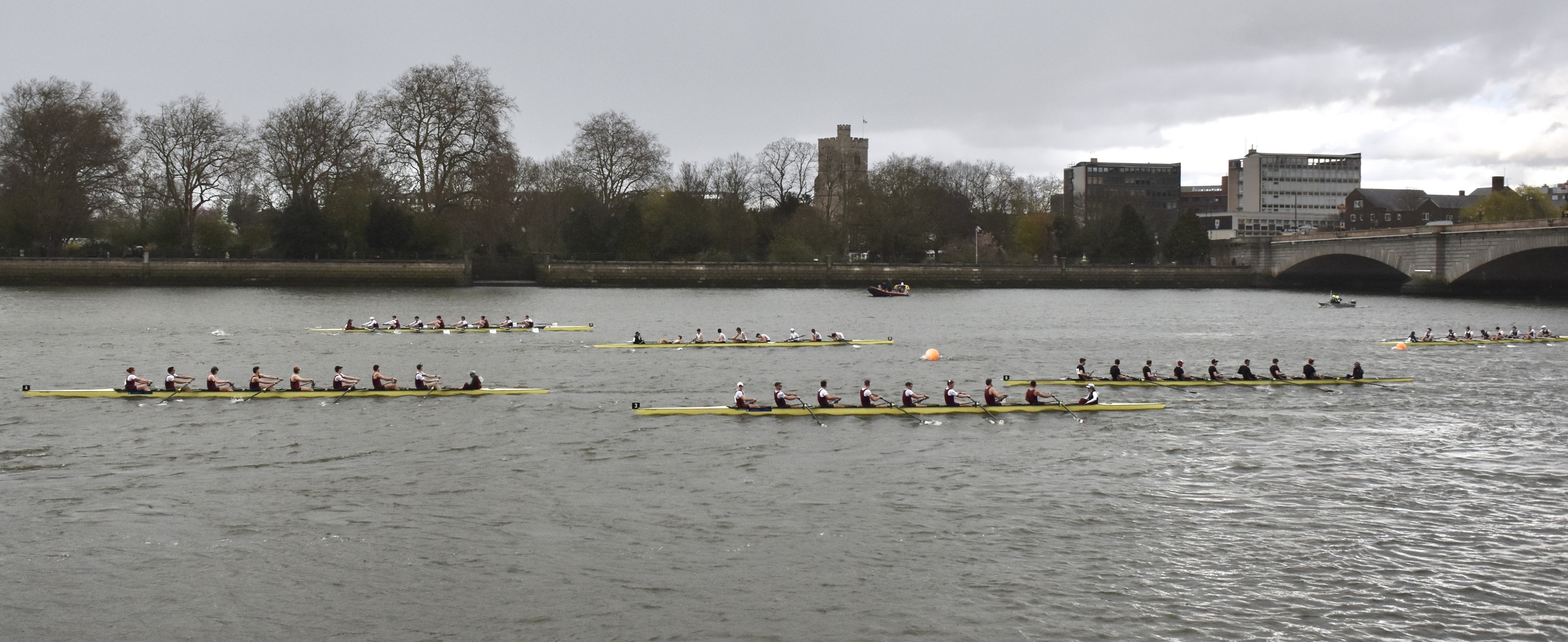
While some are rehydrating, others are still racing.
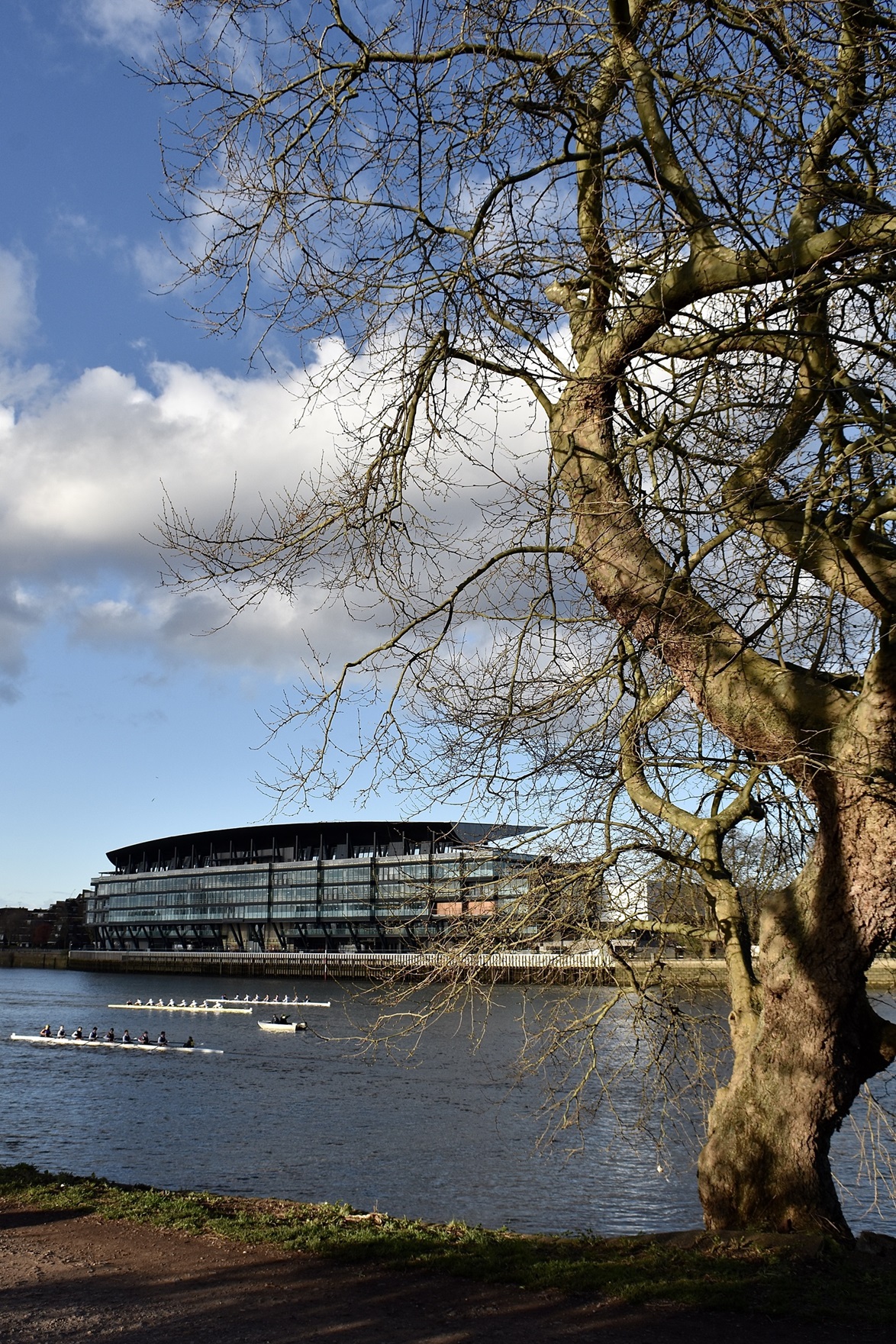
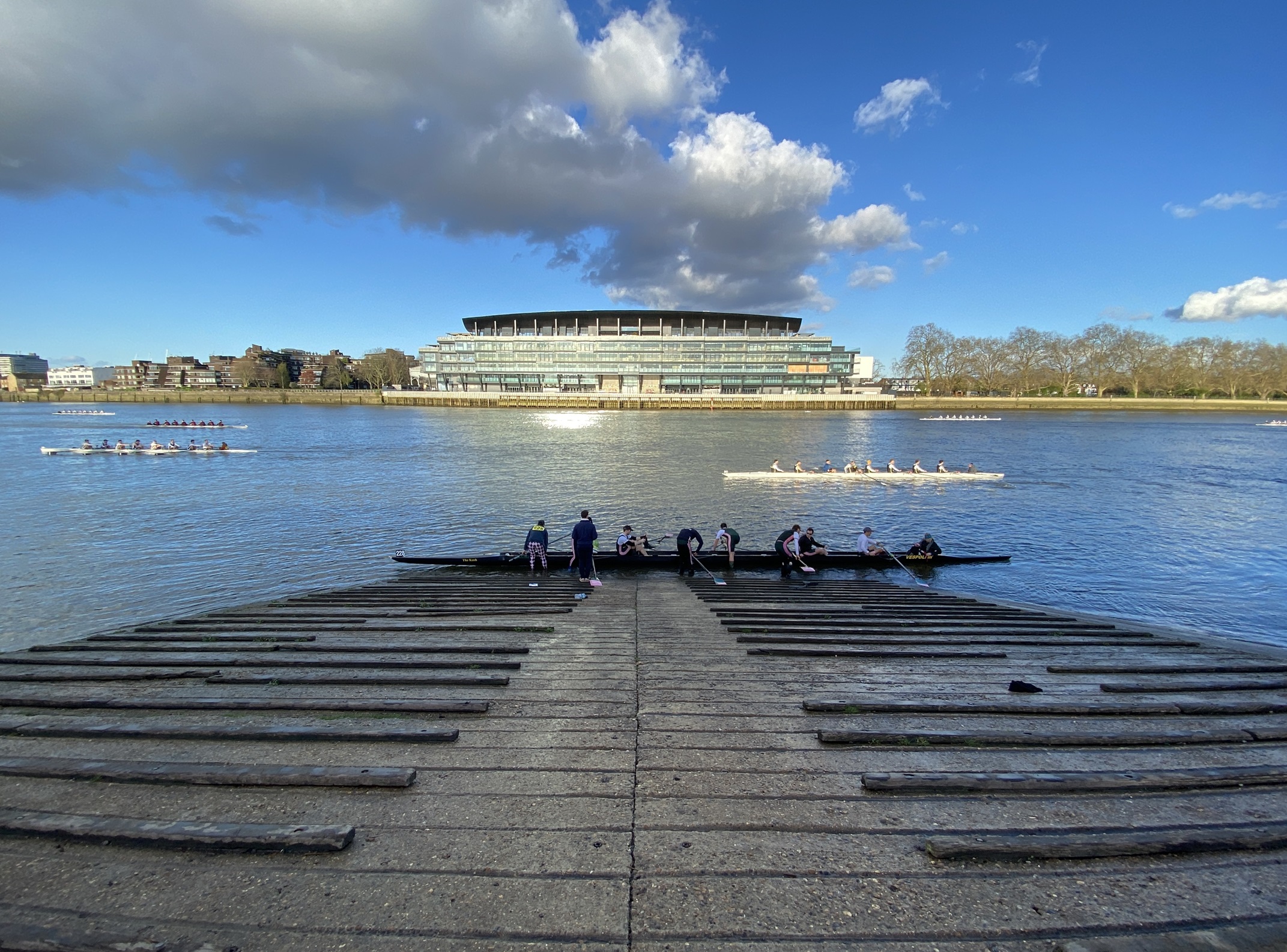
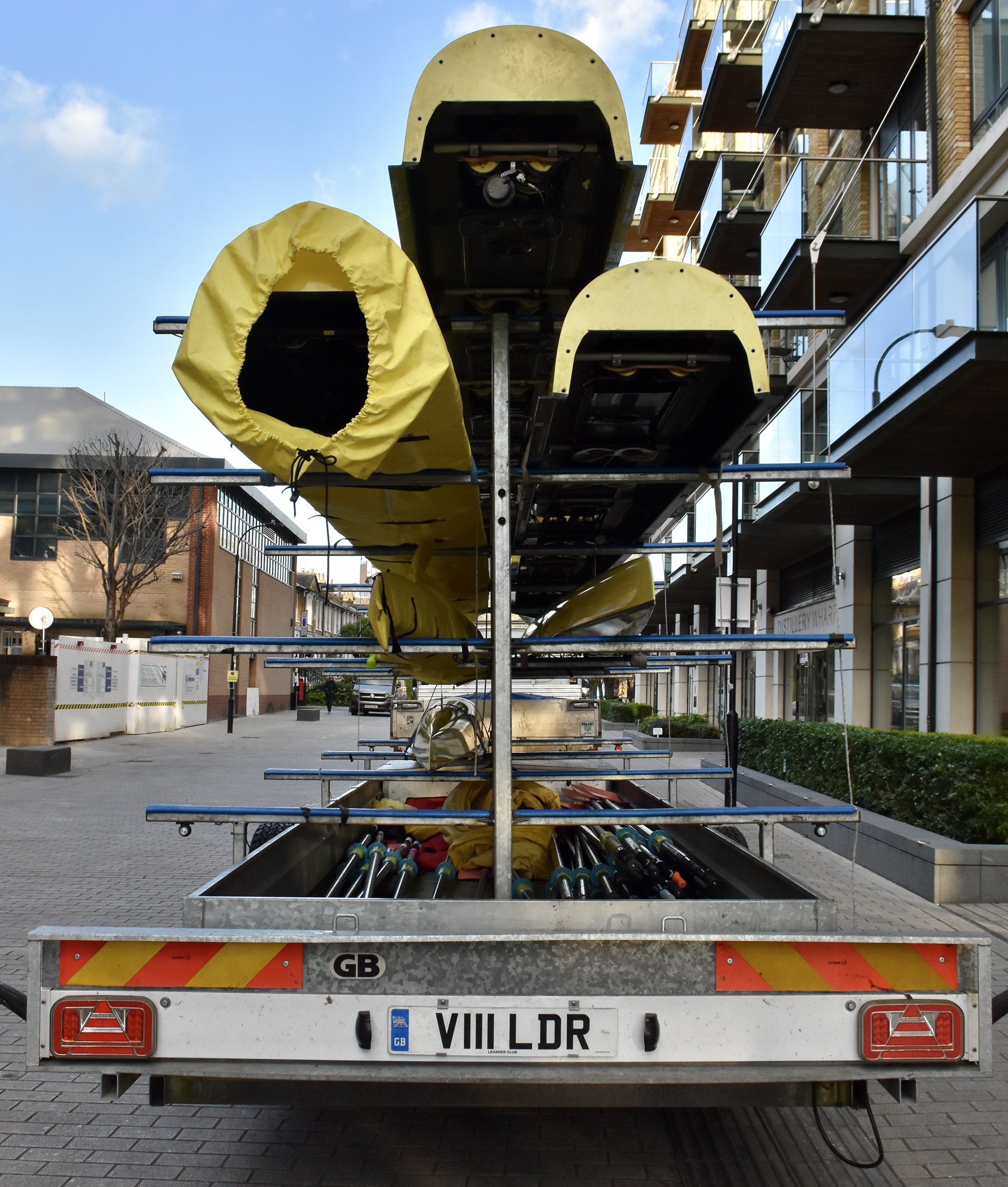
Landing at Barn Elms, opposite Craven Cottage Football Ground.Ready to go. Guess the club.
On the following day, Sunday 24 March, the Vesta International Masters Head of The River Race (formerly known as the Vesta Veterans International Head of the River Race) was held over the same course. The results are here.


 Hear The Boat Sing