

9 February 2024
By Tim Koch
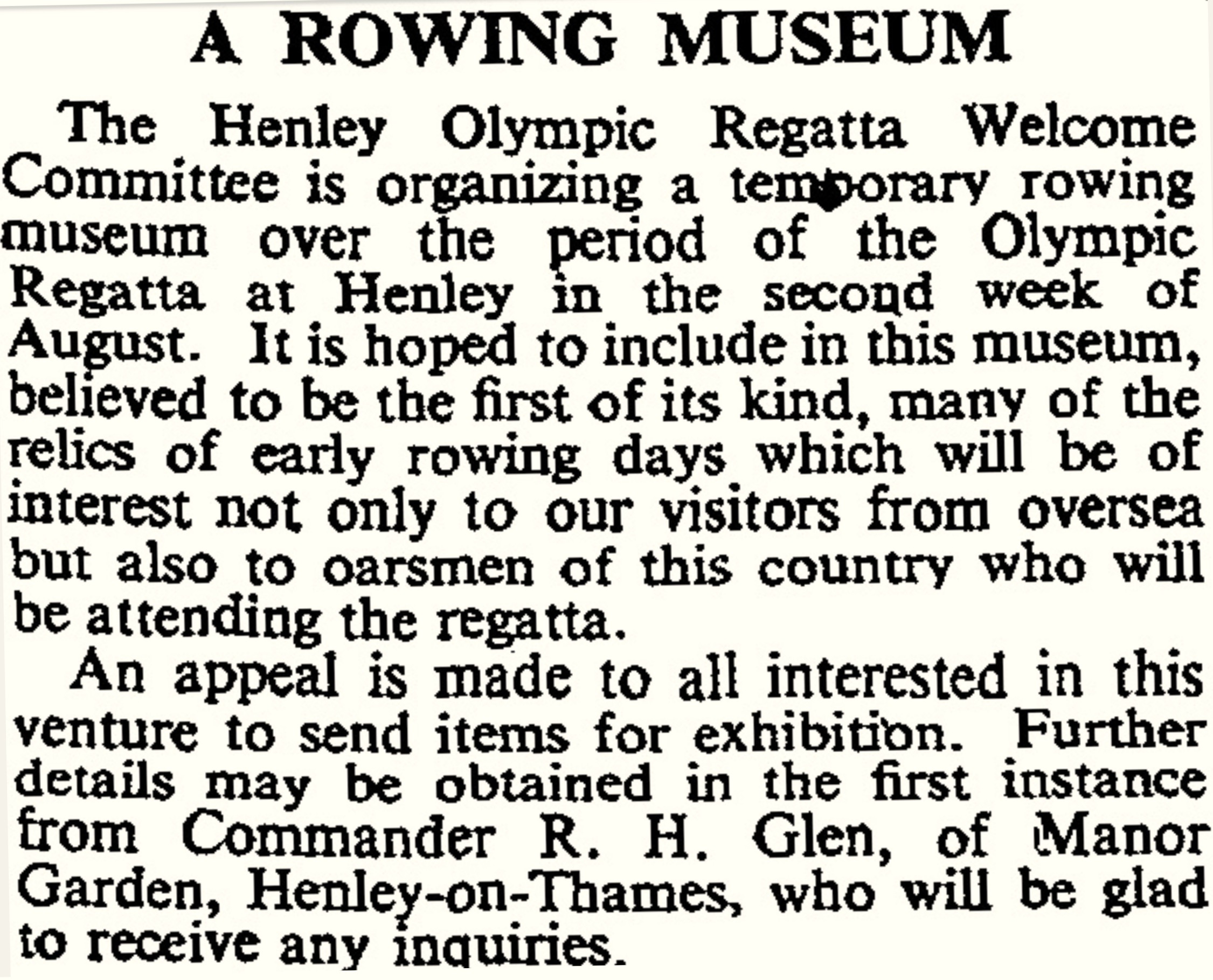
Tim Koch on the first rowing museum in Henley or, perhaps, in the world.
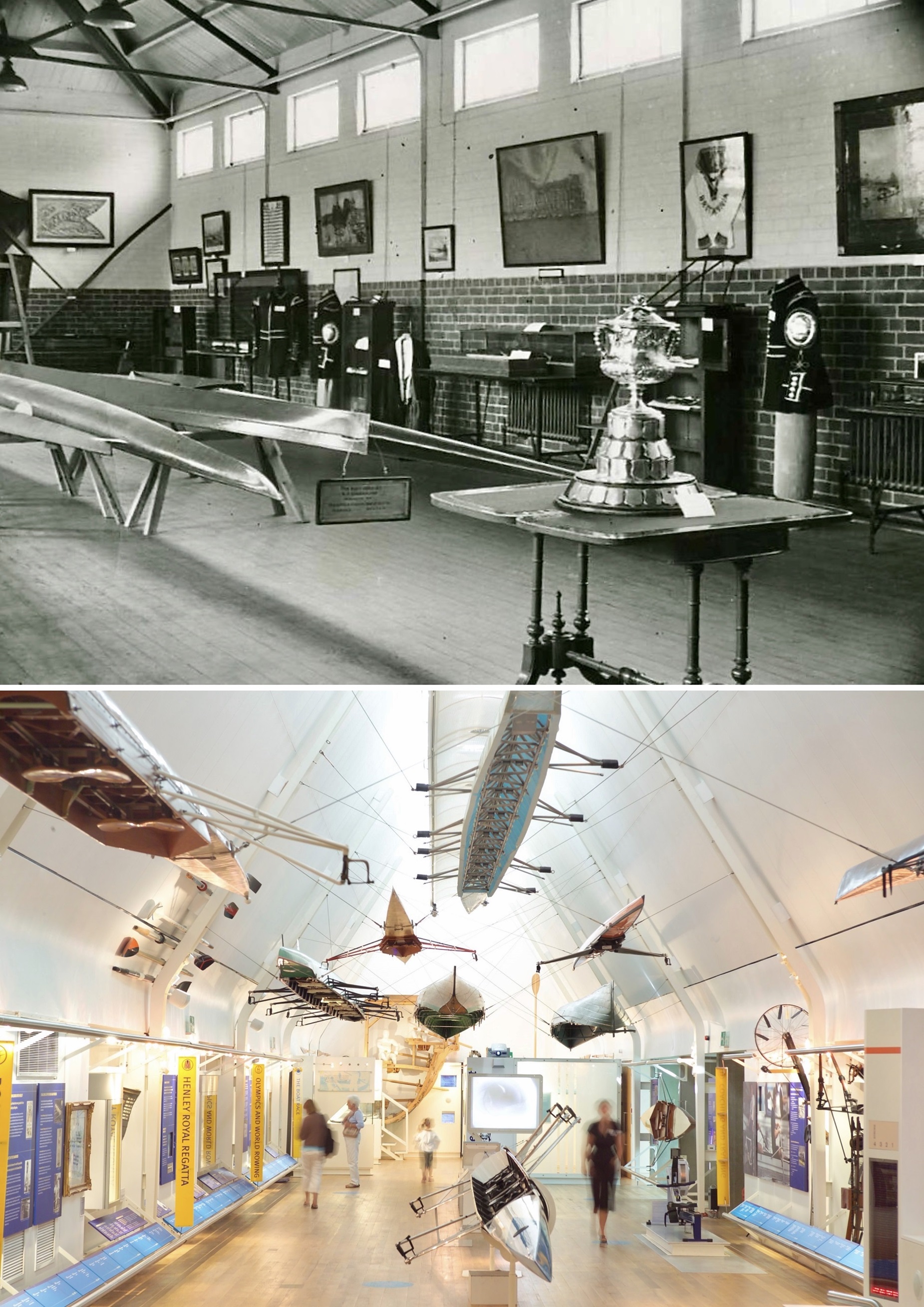
This year, Henley’s River and Rowing Museum (RRM) celebrates its 25th year. However, it could be (unconvincingly) argued that it should in fact be marking its 76th birthday. In 1948, there was a display of historic rowing items in the Drill Hall in Friday Street, Henley, to coincide with the rowing events of the 1948 Olympic Games which were held on the Henley Reach. Admittedly, it only existed for two weeks and it was 51-years before the current RRM was opened in 1999.
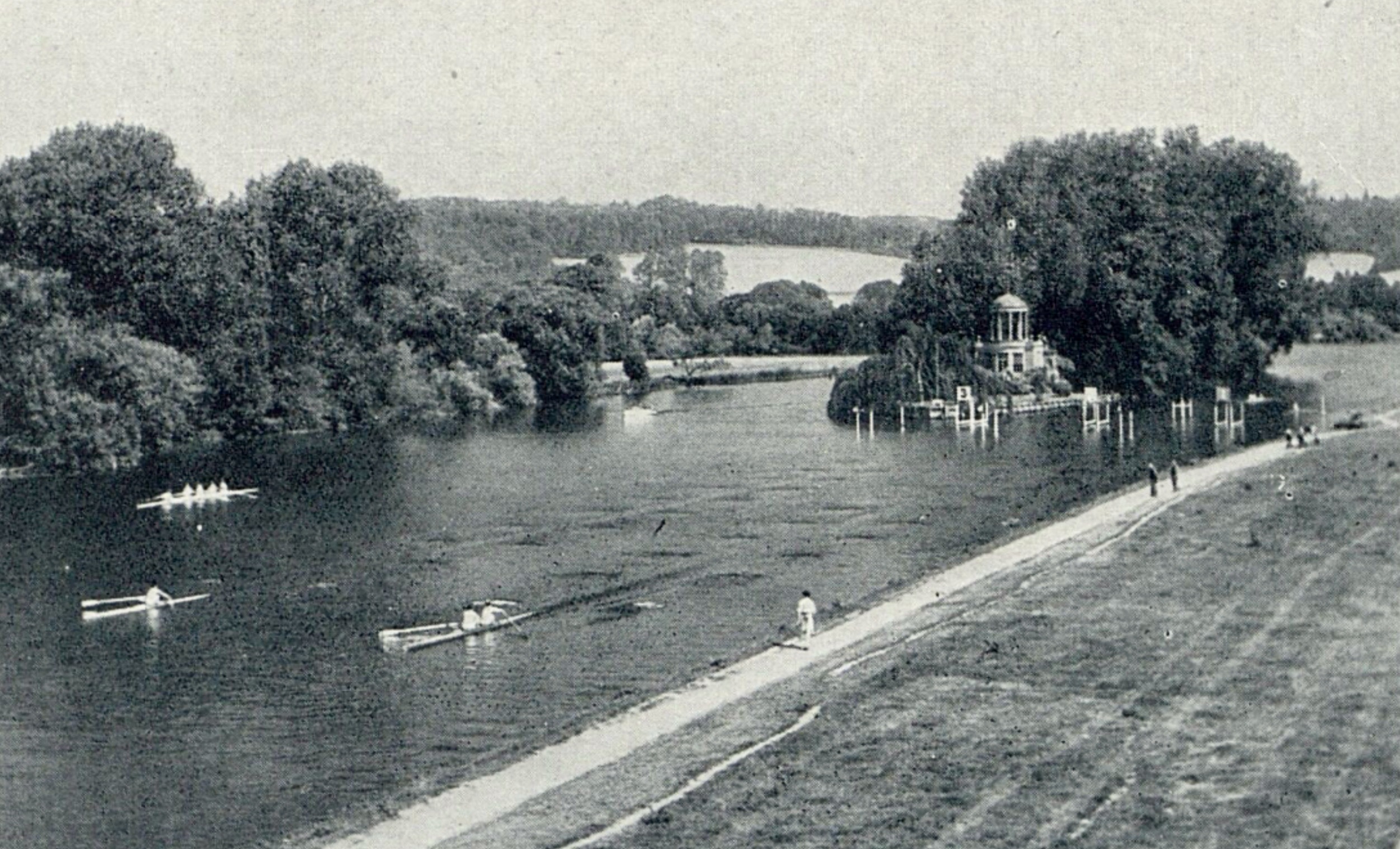
Like the “Austerity” London Olympics itself, the 1948 exhibition was very much a “shoestring” affair, put together with much enthusiasm but with little money or resources. Almost certainly however, no one minded. The war had been over for three years and although rationing was in some ways worse than during the actual conflict, people were just glad to be alive and were determined to make the best of whatever they had.
A Henley Olympic Regatta “Welcome and Entertainments Committee” was established and, remarkably, raised £3,000 to provide entertainments such as bands and dances, a civic reception, a concert, a shop window dressing competition, plus a garden party and dinner for 500 competitors and supporters.
In the self-deprecating forward to the catalogue, the organisers wrote:
The authorities have smiled, we have been active as far as means and circumstances permitted, and here under the rather grandiose title of the Olympic Rowing Museum is the result of our labours. Like many other ventures it falls far short of our plans but, with the help and encouragement of many friends known and unknown at home and overseas, we have been able to present the Museum, imperfect we know, but interesting we trust. It is, we believe, the first museum treating exclusively with rowing.
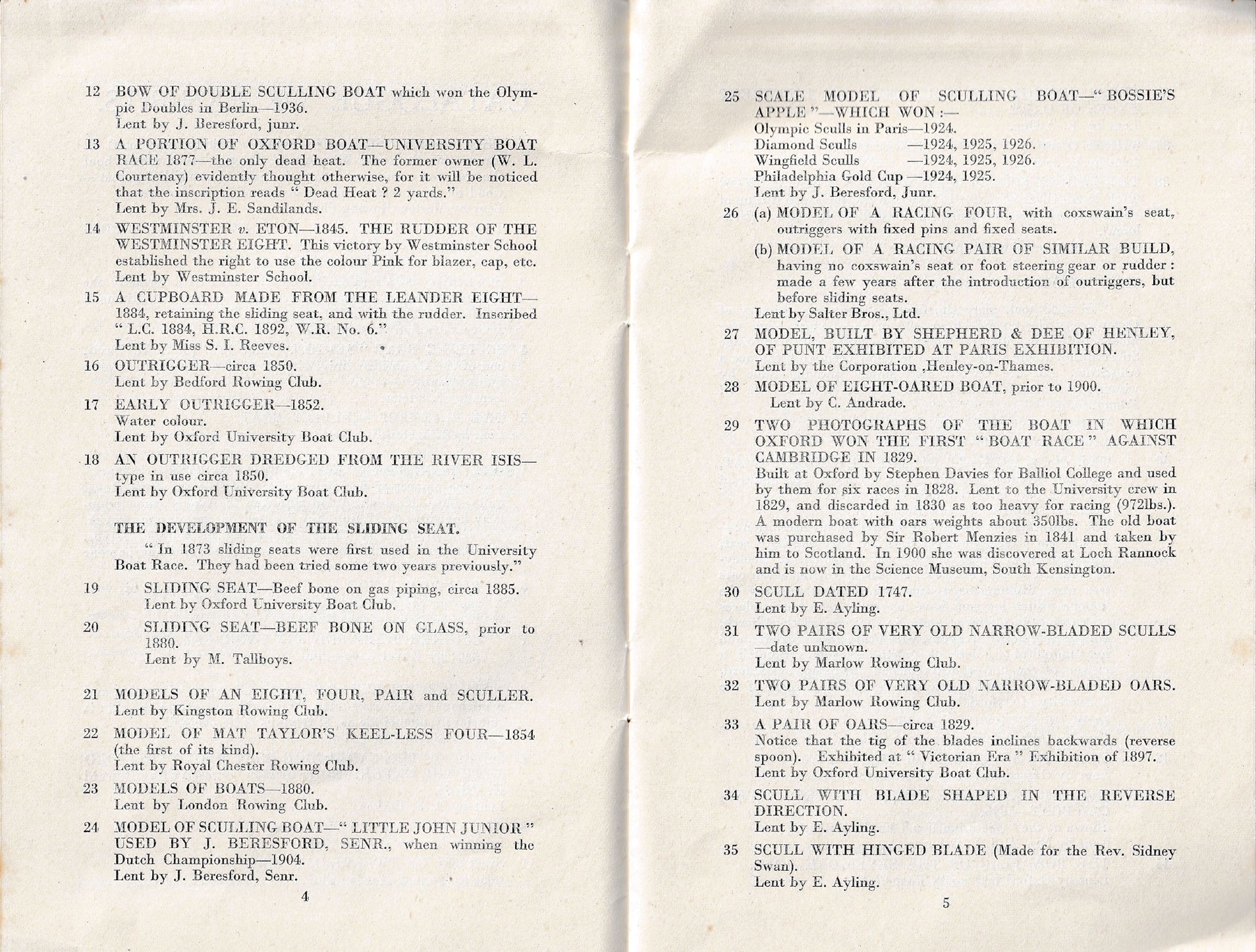
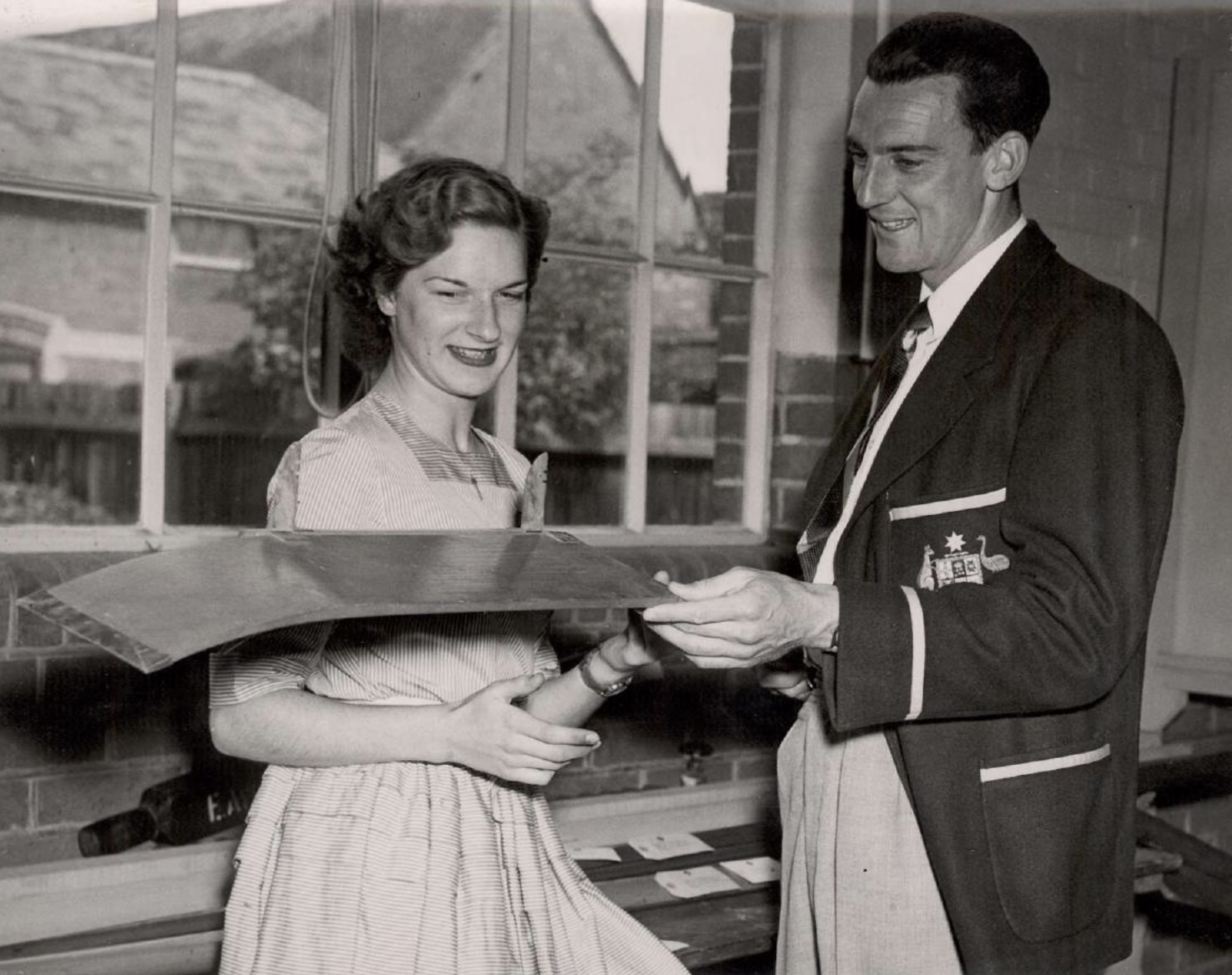
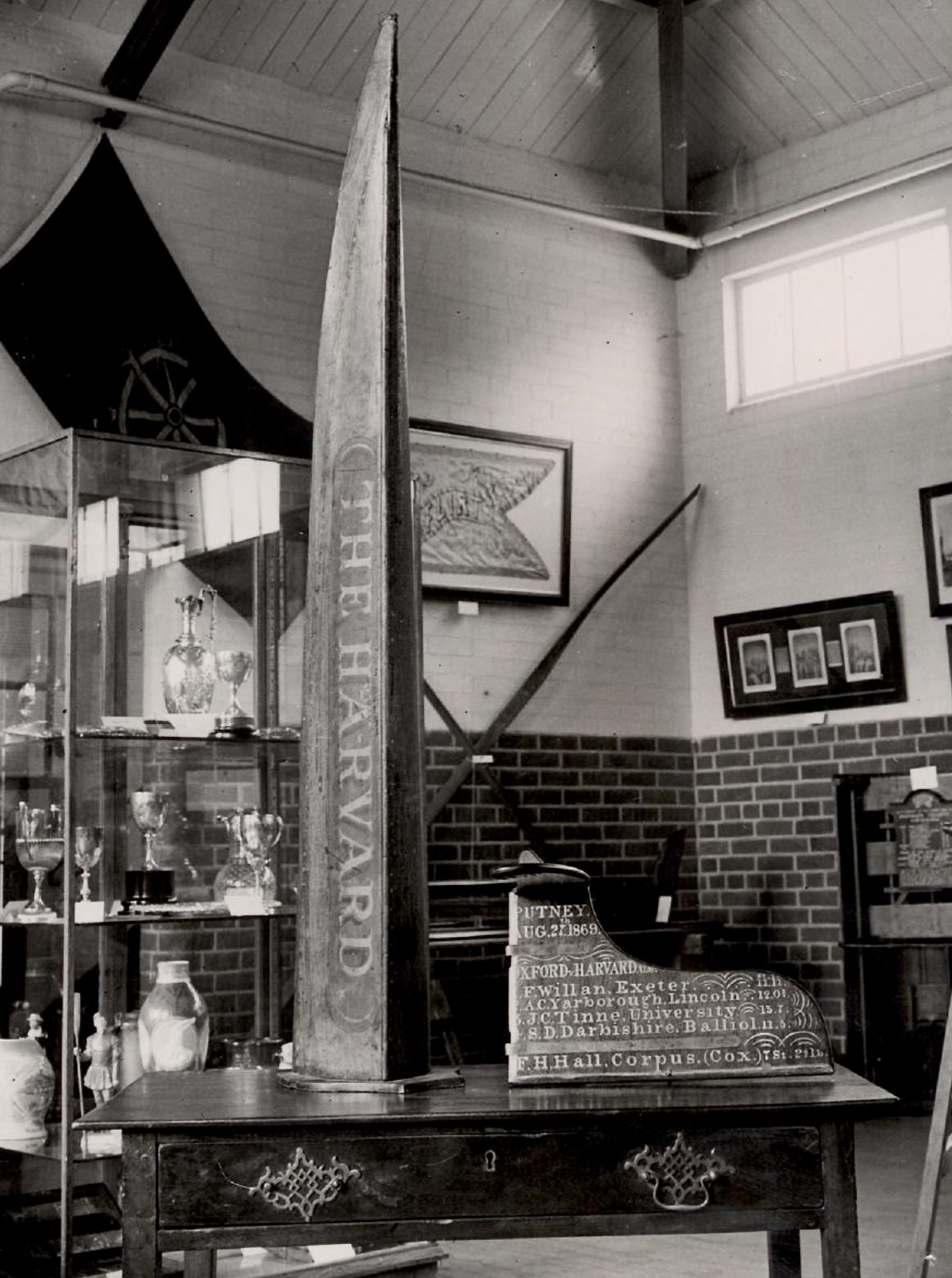
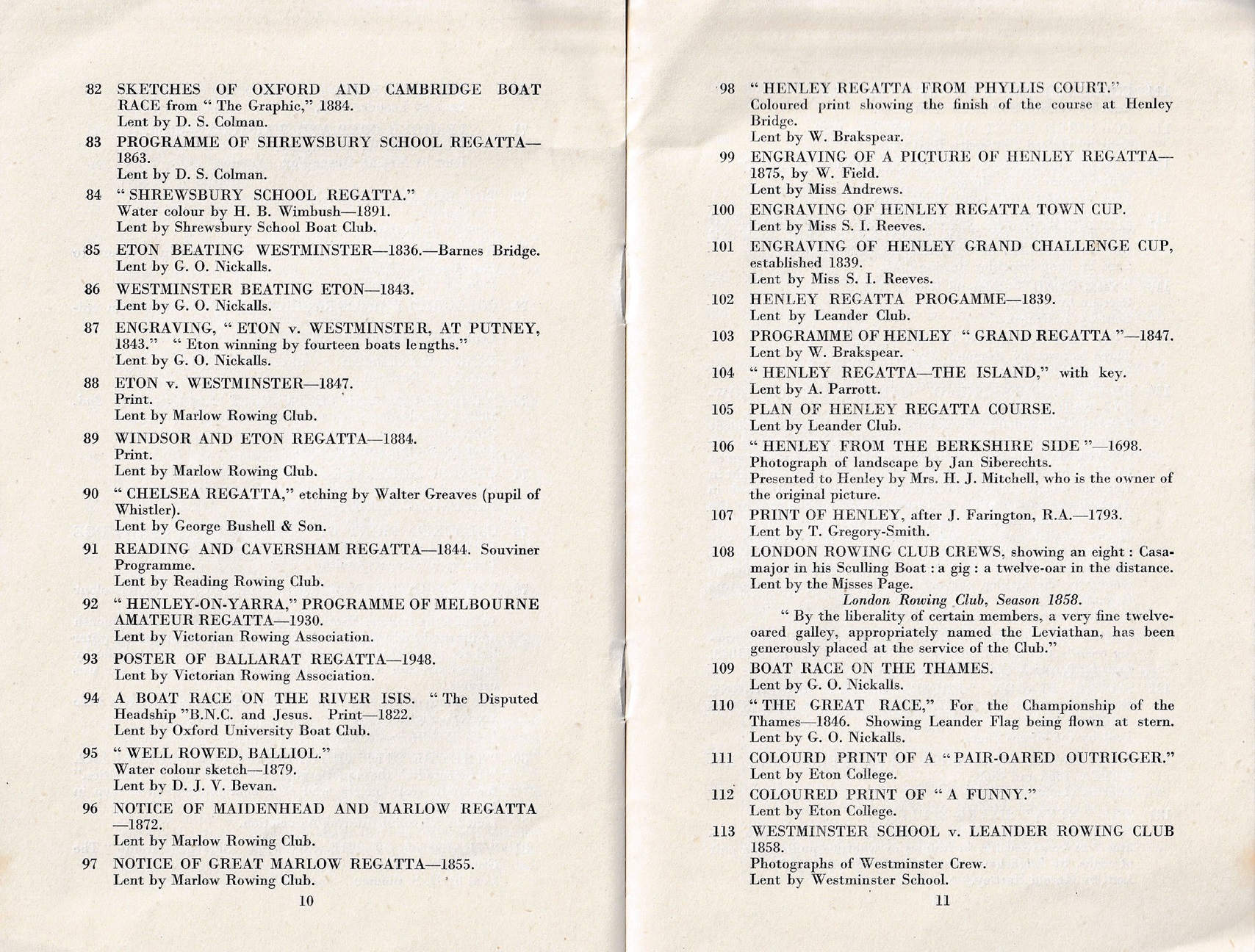
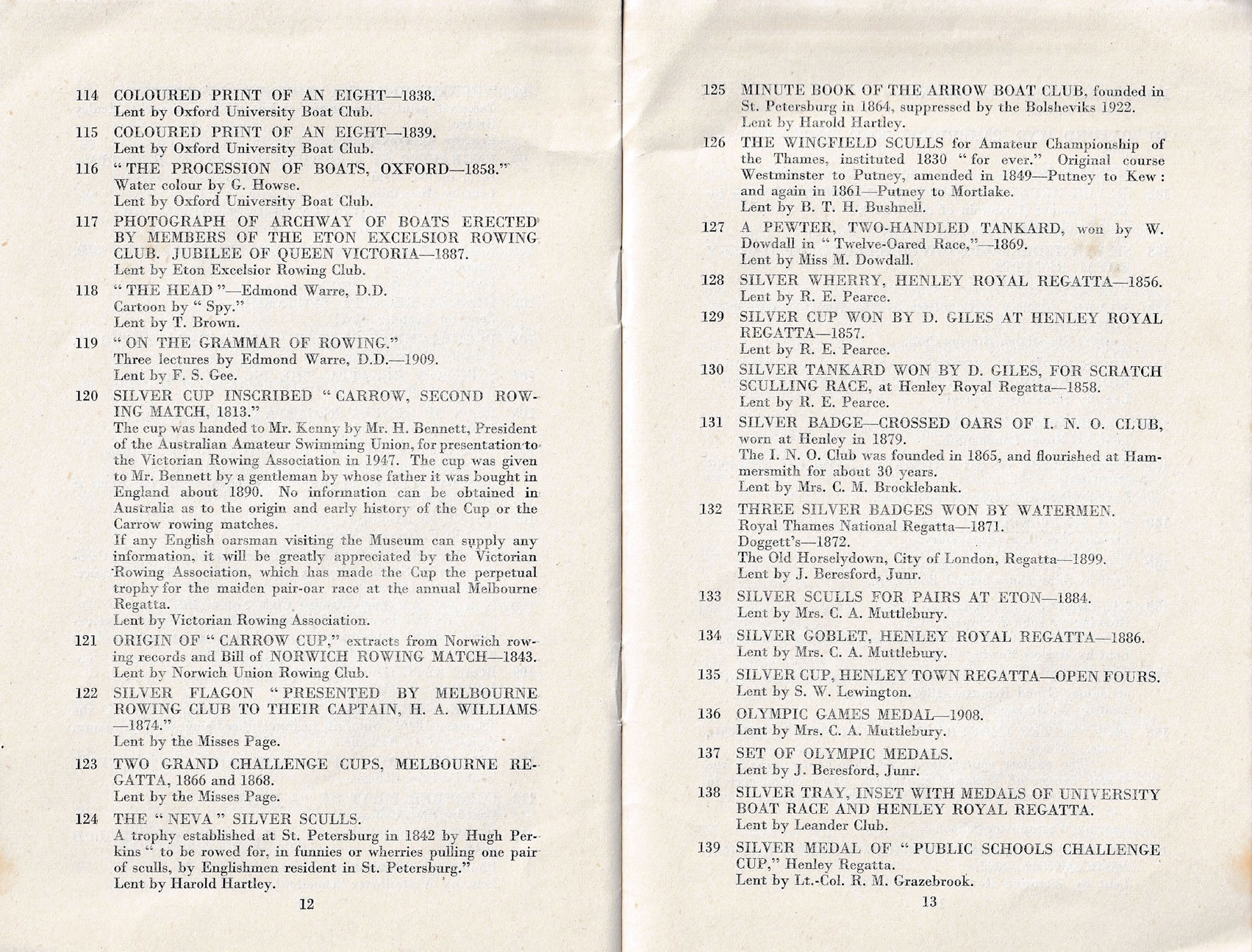
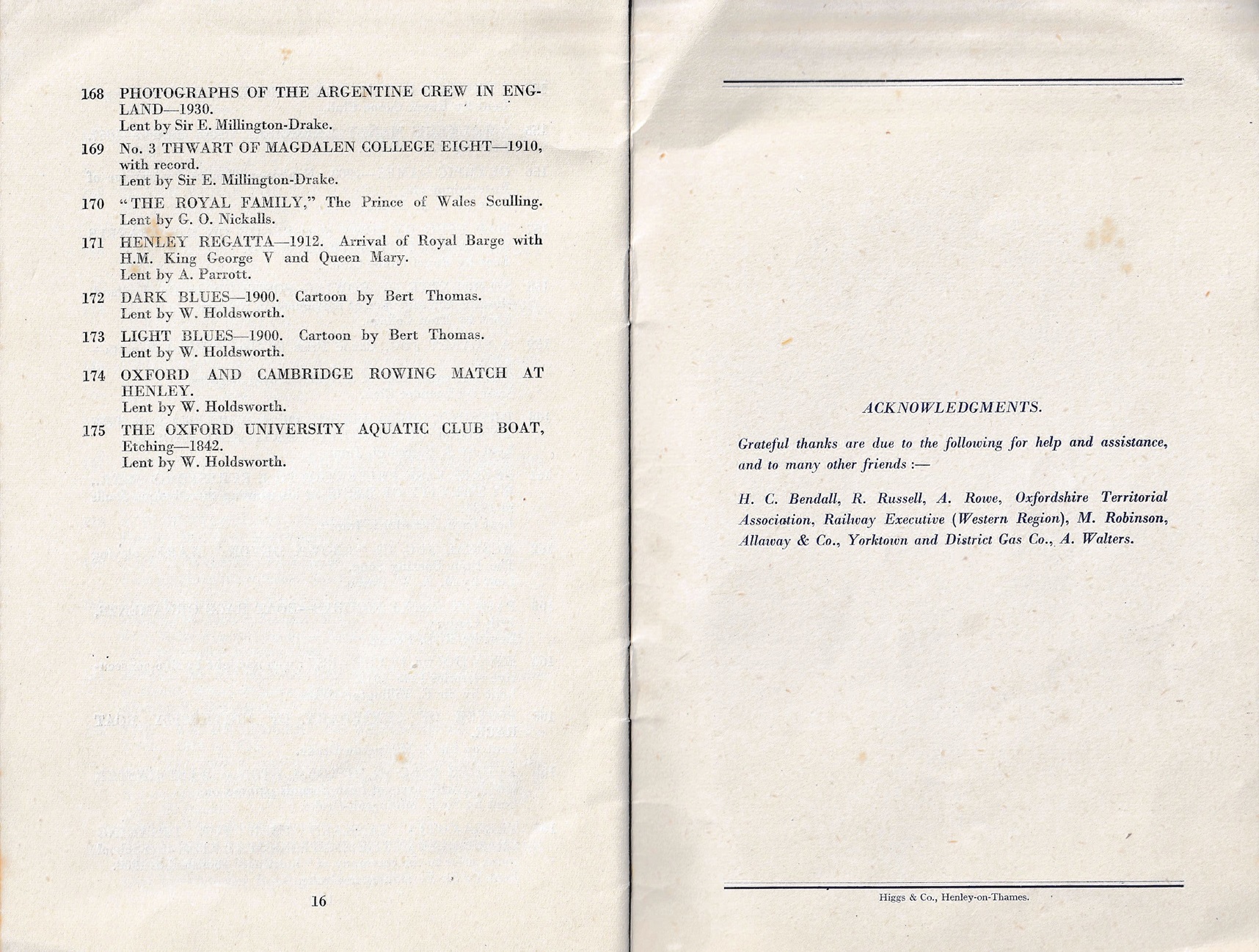
The catalogue was not illustrated but I have included contemporary photographs of some of the exhibits here. I have reproduced the entire catalogue even though only the most hardened HTBS Types may be inclined to comb through it. However, I think that it is important that it is fully available, partly as a record and partly and hopefully, as a starting point for finding a lost treasure or two.
I know that some of the things listed here are now in the RRM, either on display or in store. Some, sadly, will have been lost, most notably the items marked “Lent by Oxford University Boat Club”. When the OUBC boathouse burned down in 1999, many treasures perished in the flames. I hope that those things loaned by various rowing clubs are still cared for by them. Artefacts loaned by individuals are, 76-years on, no doubt scattered far and wide – though some will still be with family members.
I have not researched the exhibits listed here but I have included random comments on items that I do know something about or that I think would be particularly nice to see again in public after three-quarters of a century.






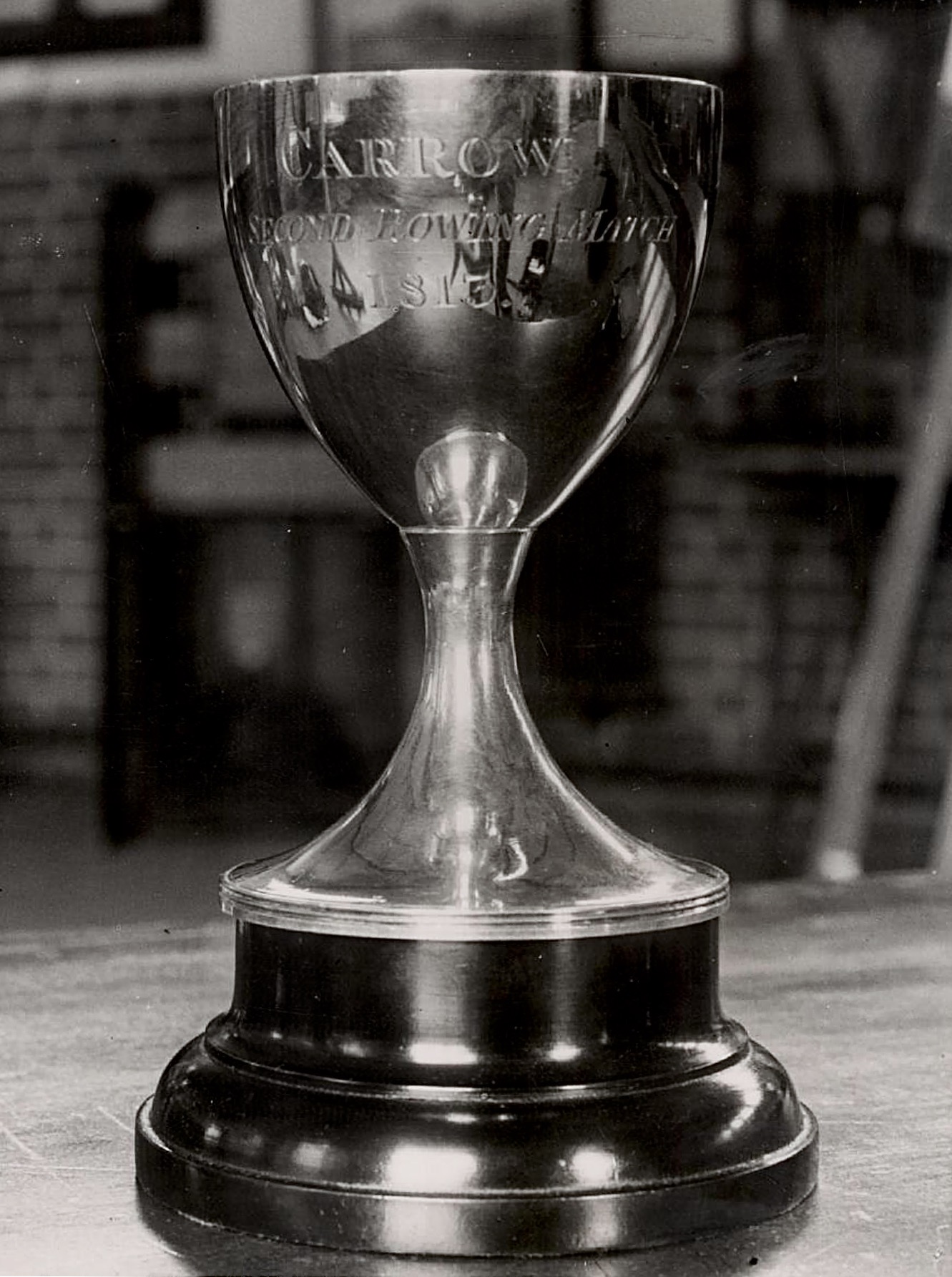

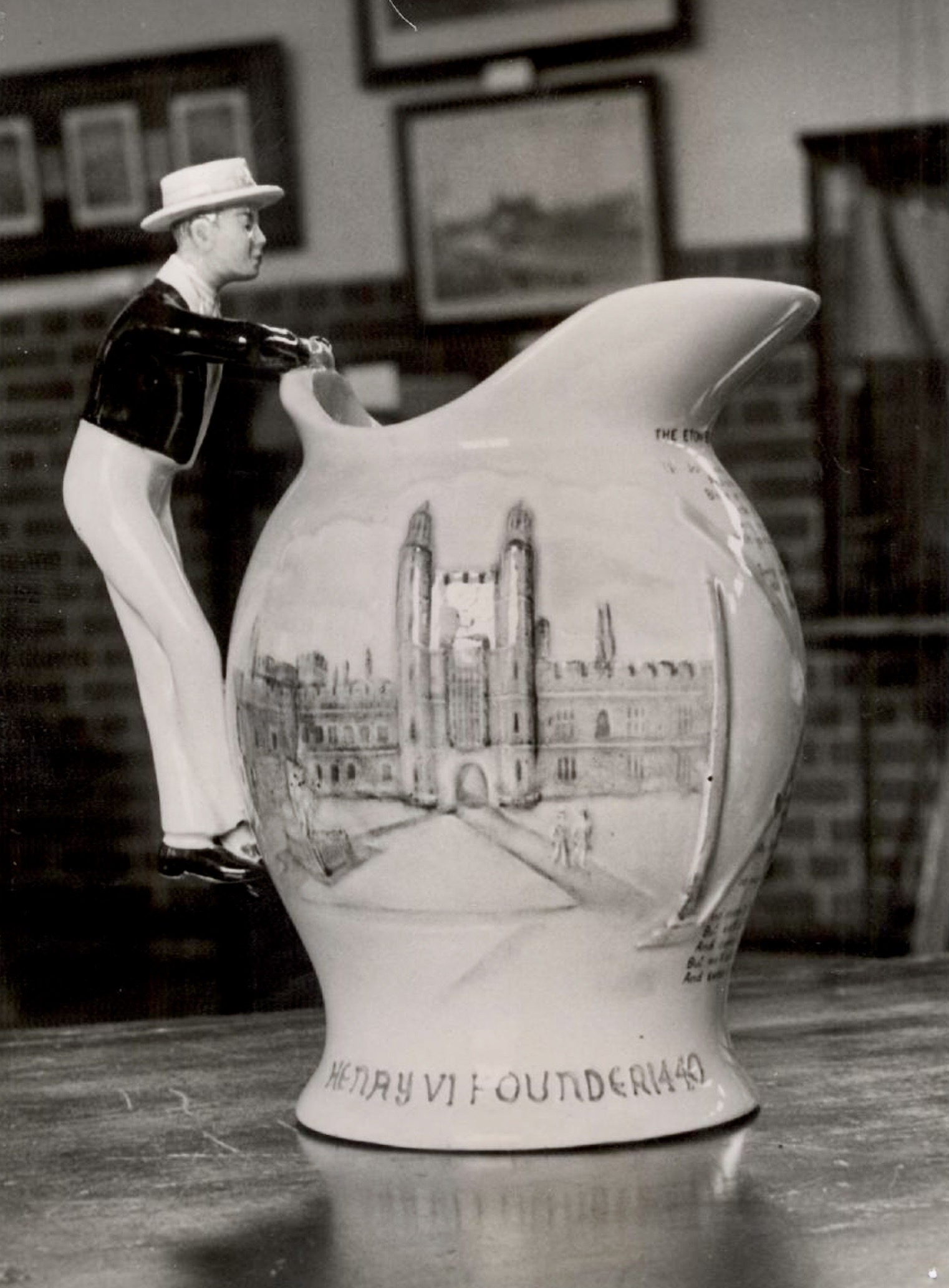
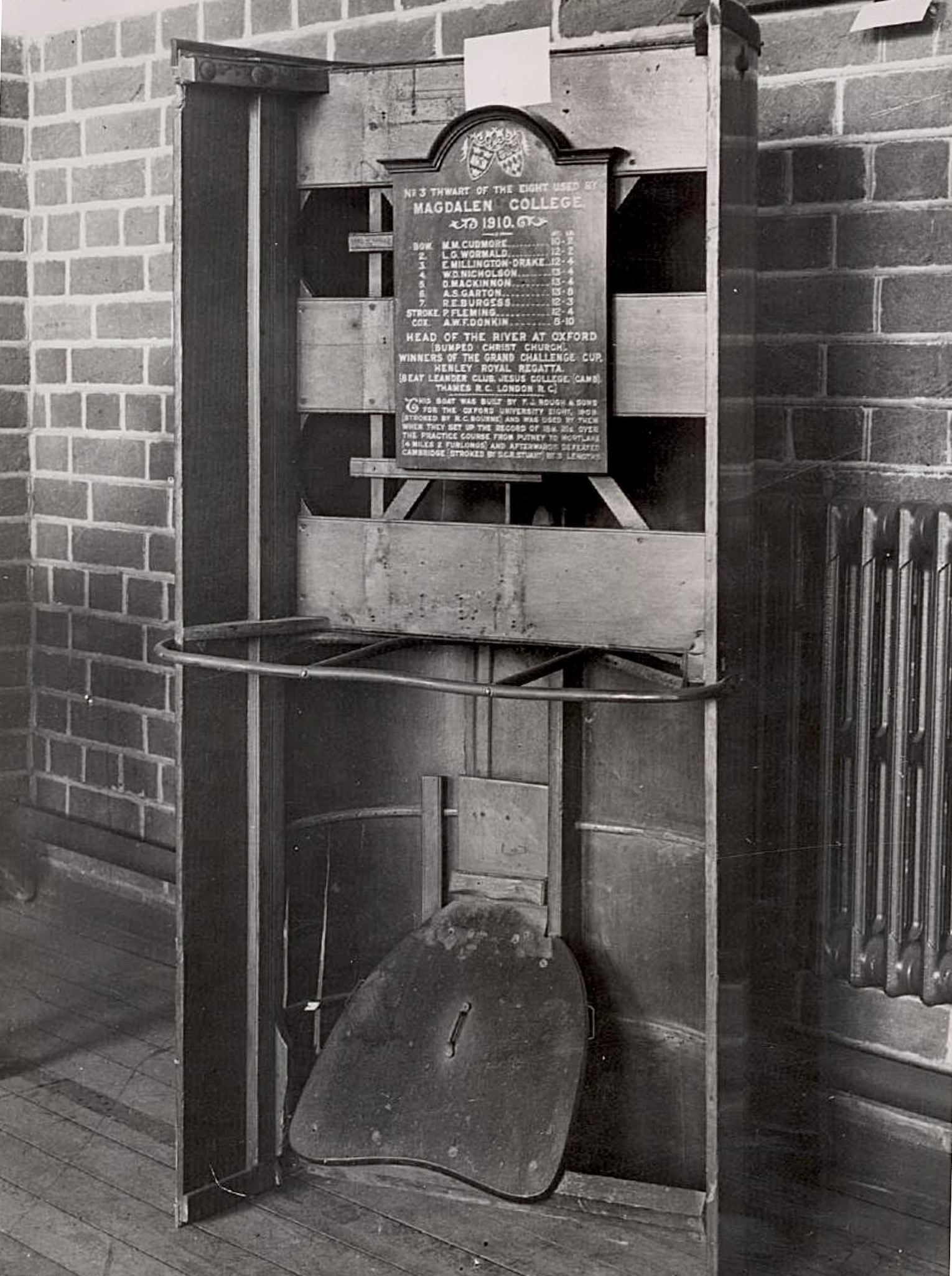
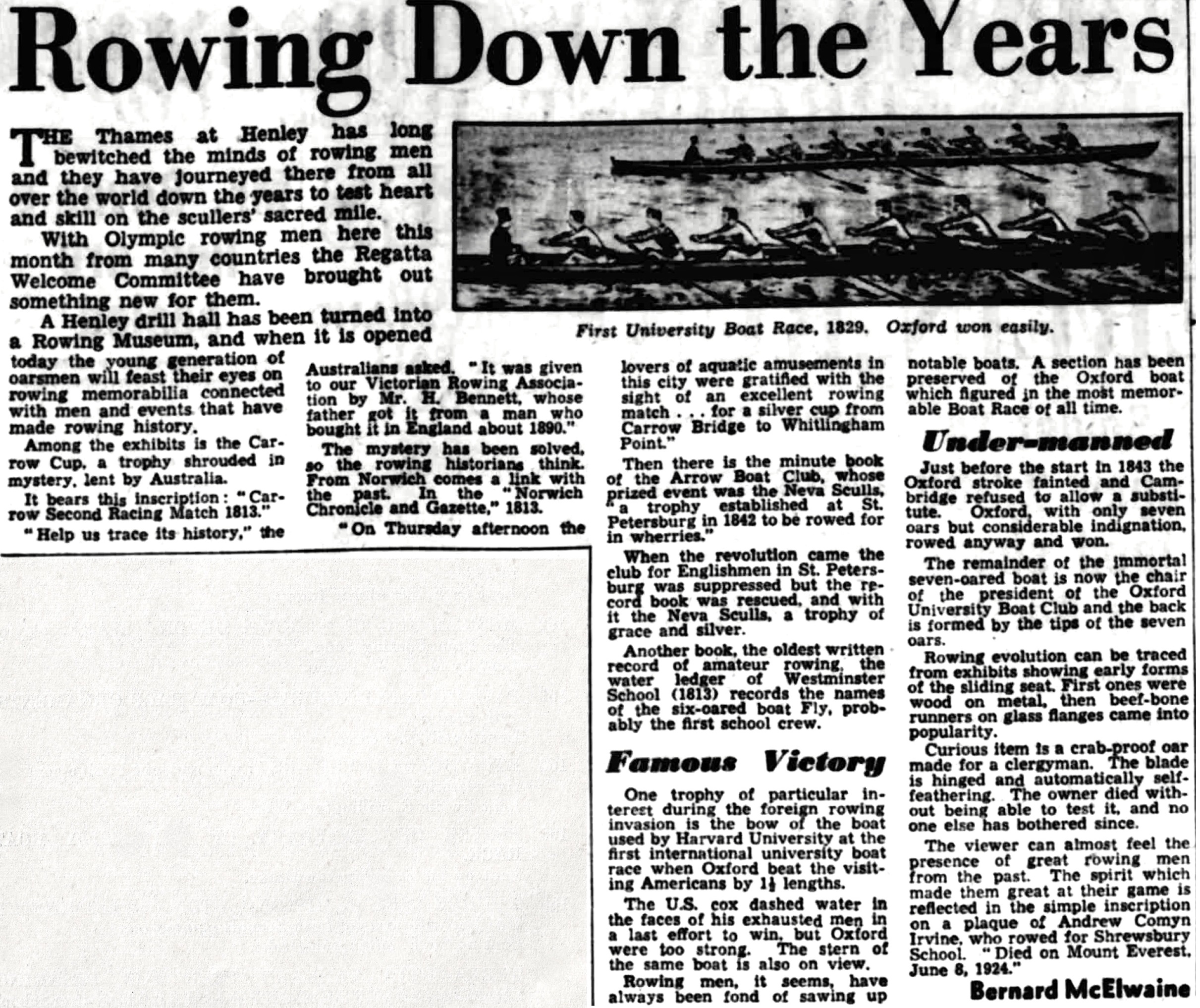
The catalogue’s forward concluded with a wish:
We venture to hope that it may be the seed which one day may blossom into a permanent Rowing Museum in Henley of elsewhere in which this truly noble amateur sport can be displayed to future generations of oarsmen.
 Hear The Boat Sing