
13 September 2023
By Tim Koch
Tim Koch is still having a country house weekend.
Researching my recent piece on the regatta held near Syon House in West London in 1842 to mark the wedding of Lord Prudhoe uncovered a mix of interesting things that deserve a HTBS post.
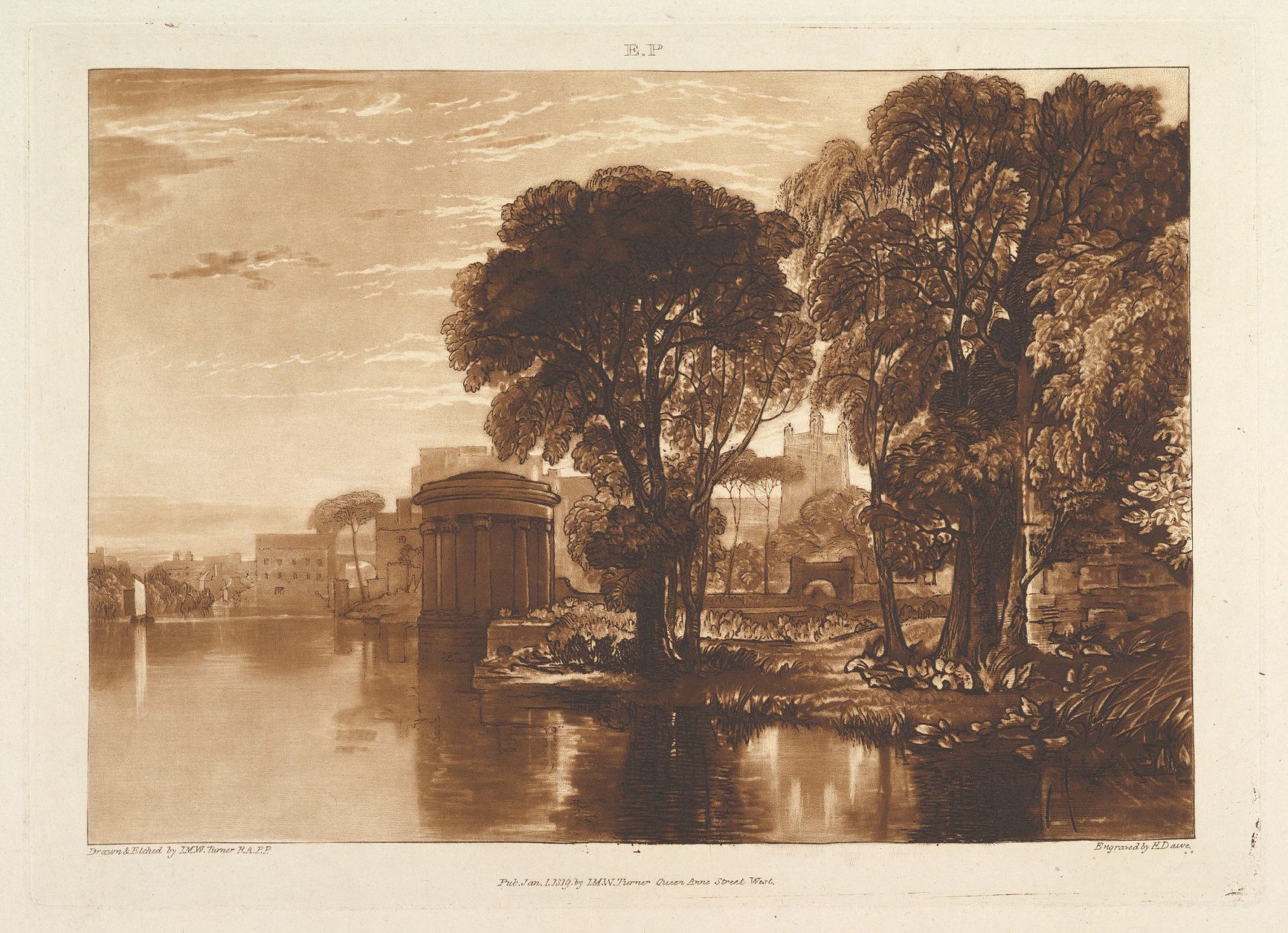
The Tate Gallery in London says of the Turner print reproduced above:
The composition had a particular, albeit unpublicised, significance for the artist. It shows the domed, Ionic boathouse-pavilion by Robert Mylne, built or completed in 1803 at the corner of the Duke of Northumberland’s Syon Park estate to the west of London, looking up the Thames to the riverfront at Isleworth. Turner moved here temporarily (between 1805 and 1806) renting Syon Ferry House… between the boathouse, sometimes called the Alcove, and the church.
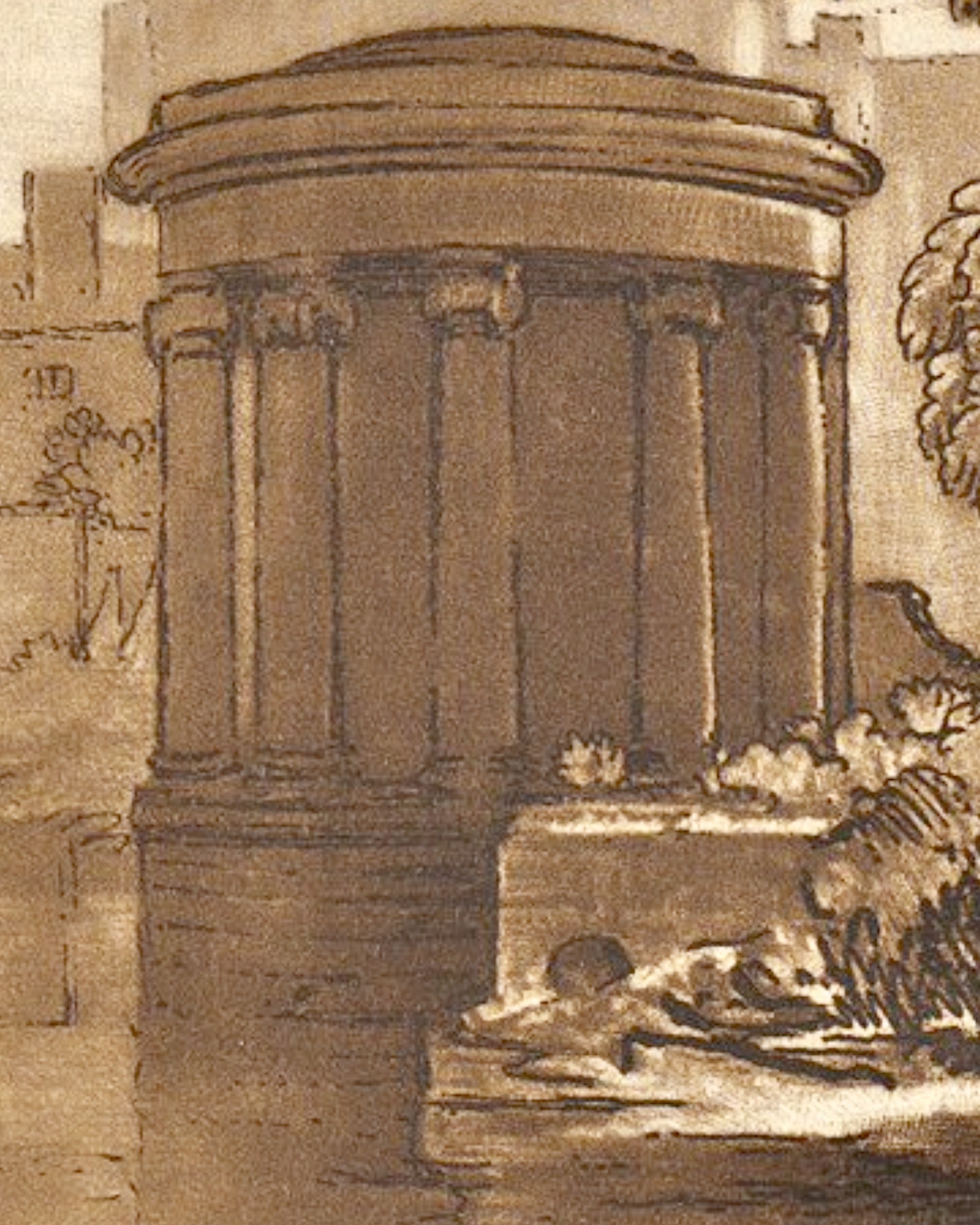
As an aside, Turner was not the only artist to have made this part of the Thames riverside his temporary home. Vincent van Gogh lived in England between 1873 and 1876 and in the last six months of his stay he was a teacher in Isleworth. This was before he discovered his passion for painting and so no artworks exist from this period. A shame, I would have loved to have seen van Gogh’s Boathouse Pavilion.
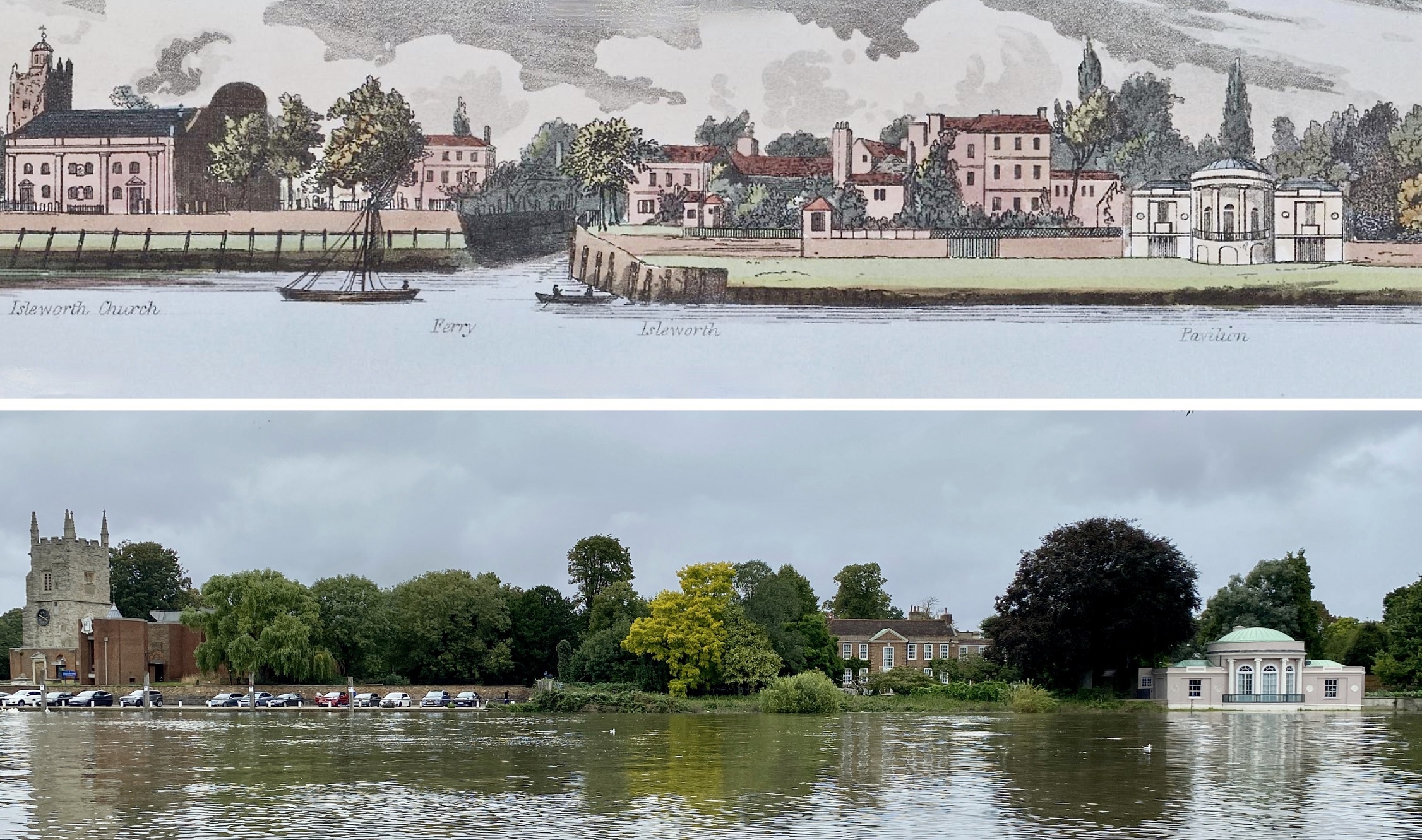
The Isleworth parish church shown above, All Saints, suffered a fire in 1943 and only the 15th century tower was saved. Most of the present structure dates from the late 1960s and I would liken it to a public library in Stevenage New Town (though with less spiritual qualities). Astonishingly, it is Grade II listed. One reason given was, “The 1960’s rebuilding by Michael Blee is unusually bold, and possesses architectural qualities in its own right.” One critic called it an “uncompromisingly original 20th-century statement.” While these were not intended as euphemisms for “ugly”, they could easily be taken as such. Allowing the historic waterfront to be used as a car park does not help.
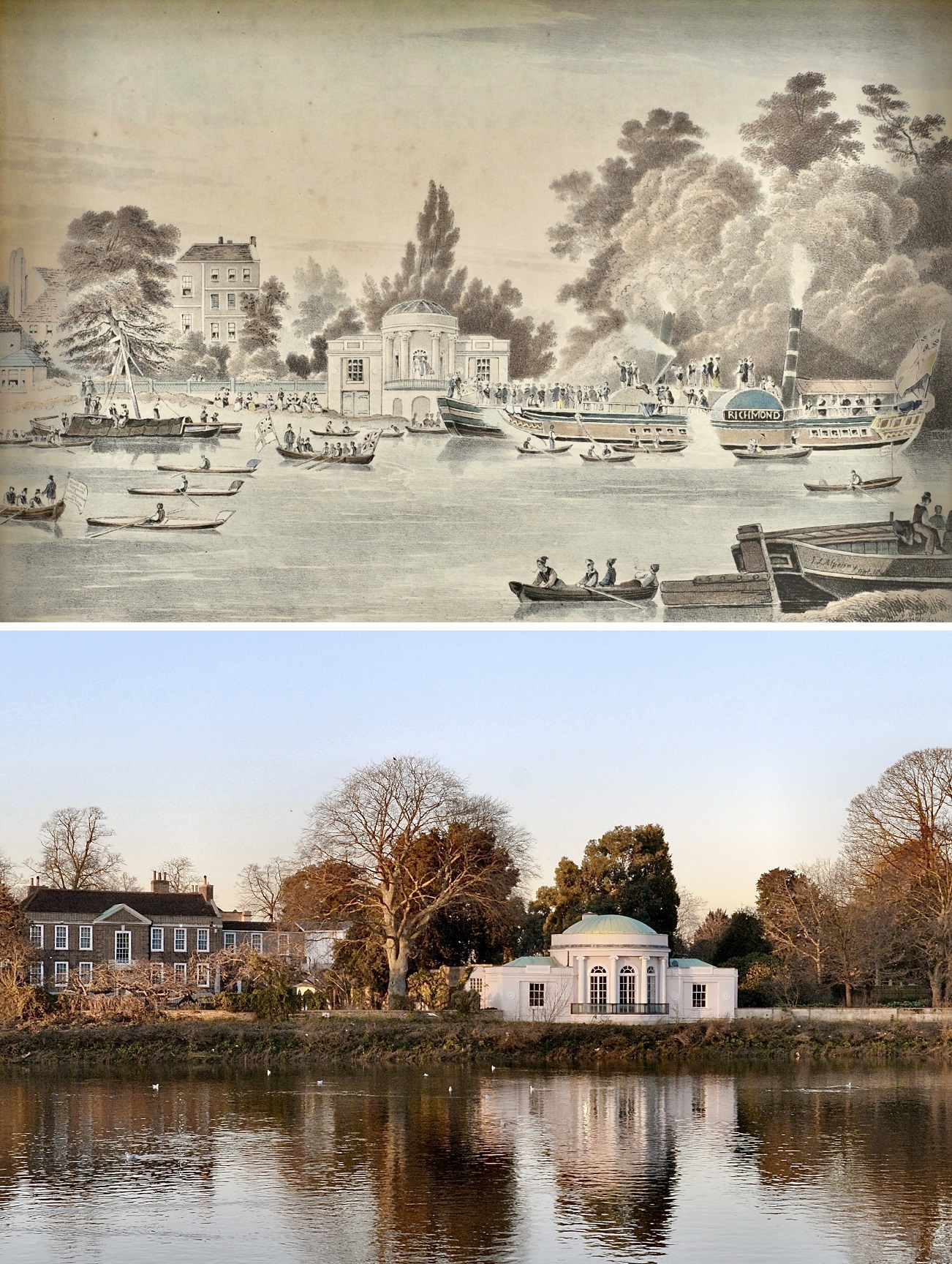
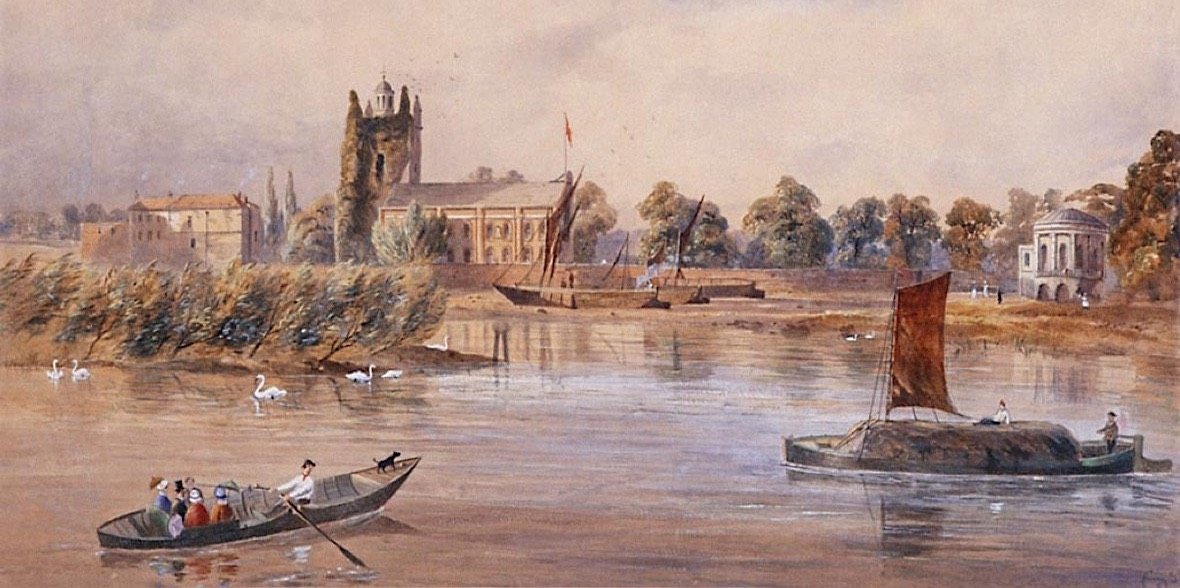
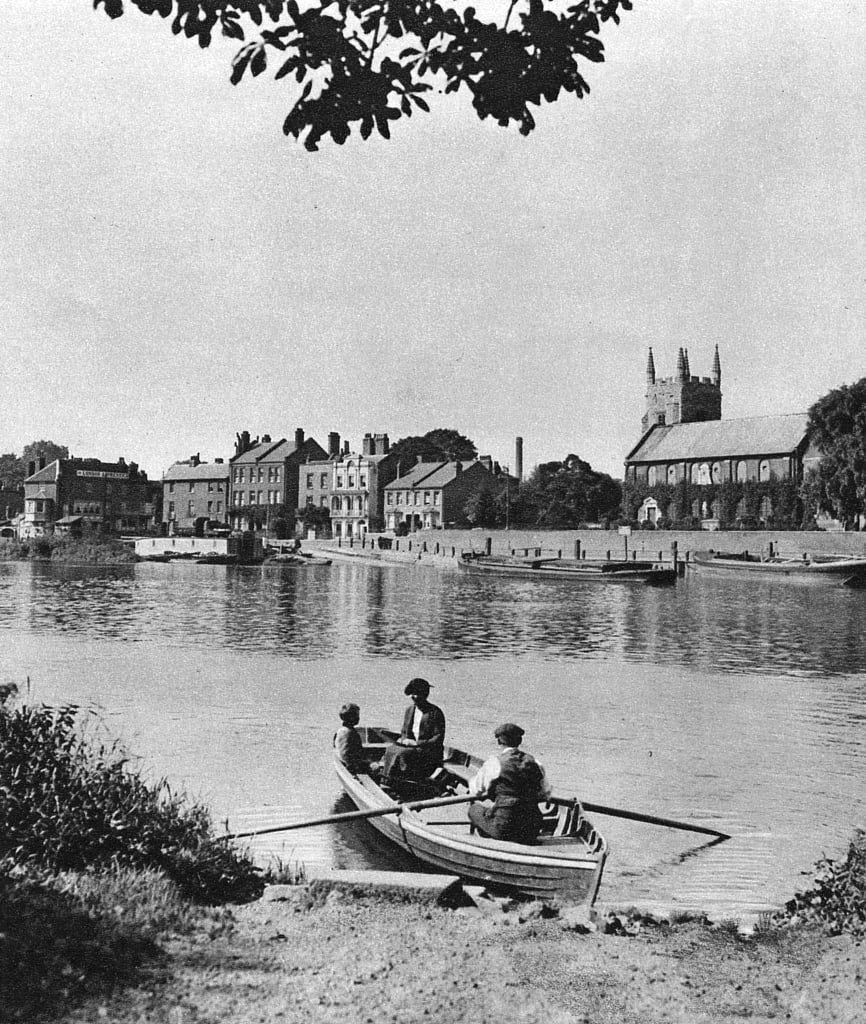
Writing in 2014, the Panorama of the Thames Project said: “Isleworth Church Ferry dated back to the reign of King Henry VIII. From c.1900 until (1939) the ferryman was Mr. Simmonds. The ferry stopped in 1939 and restarted after the War, when Mr. Con Dargon ran it until 1975. In 1983, the rights were sold and the ferry operated at weekends during the summer. The rights to the ferry were last auctioned in 1994… but it has not operated since 1997.”
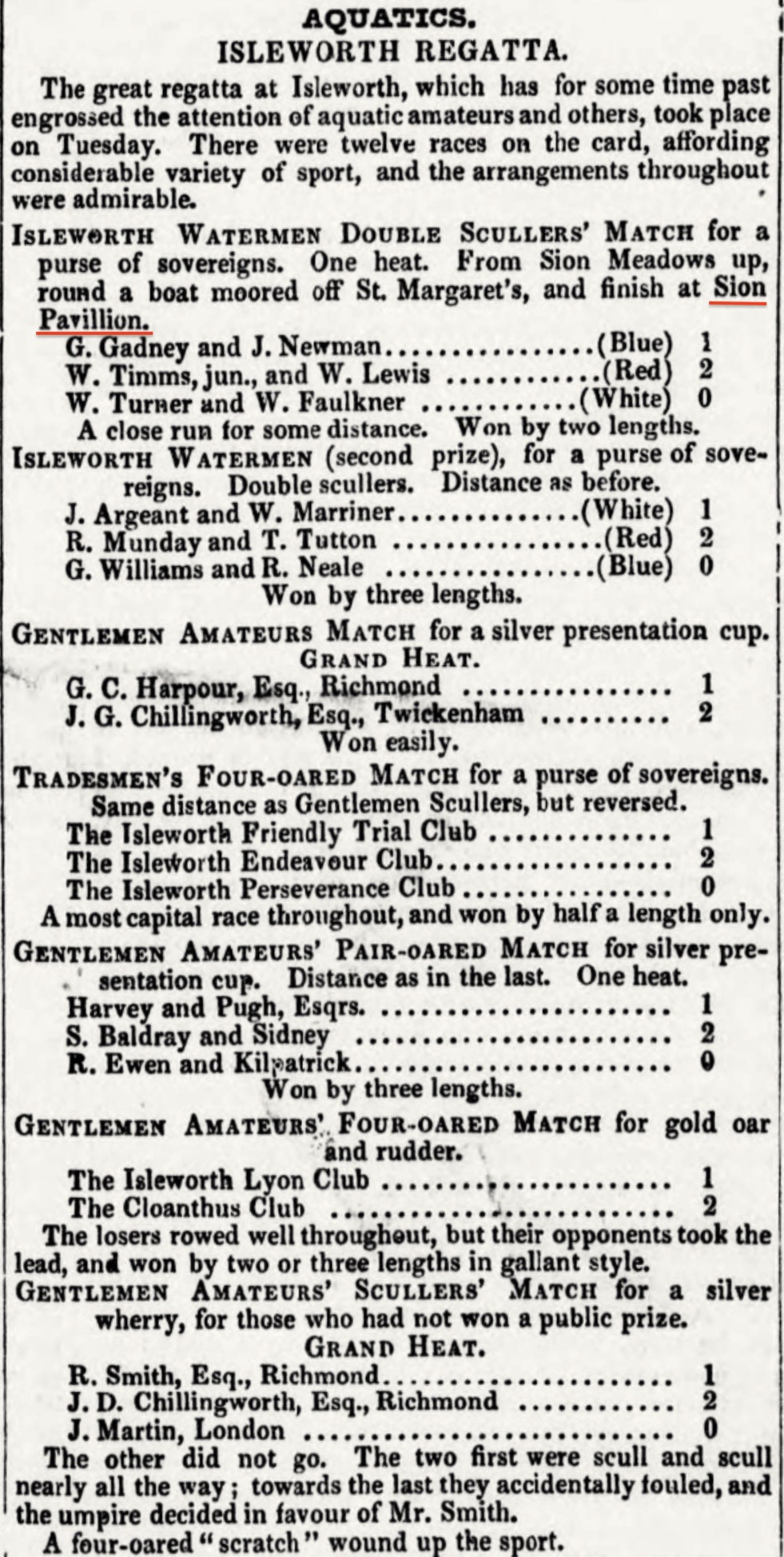
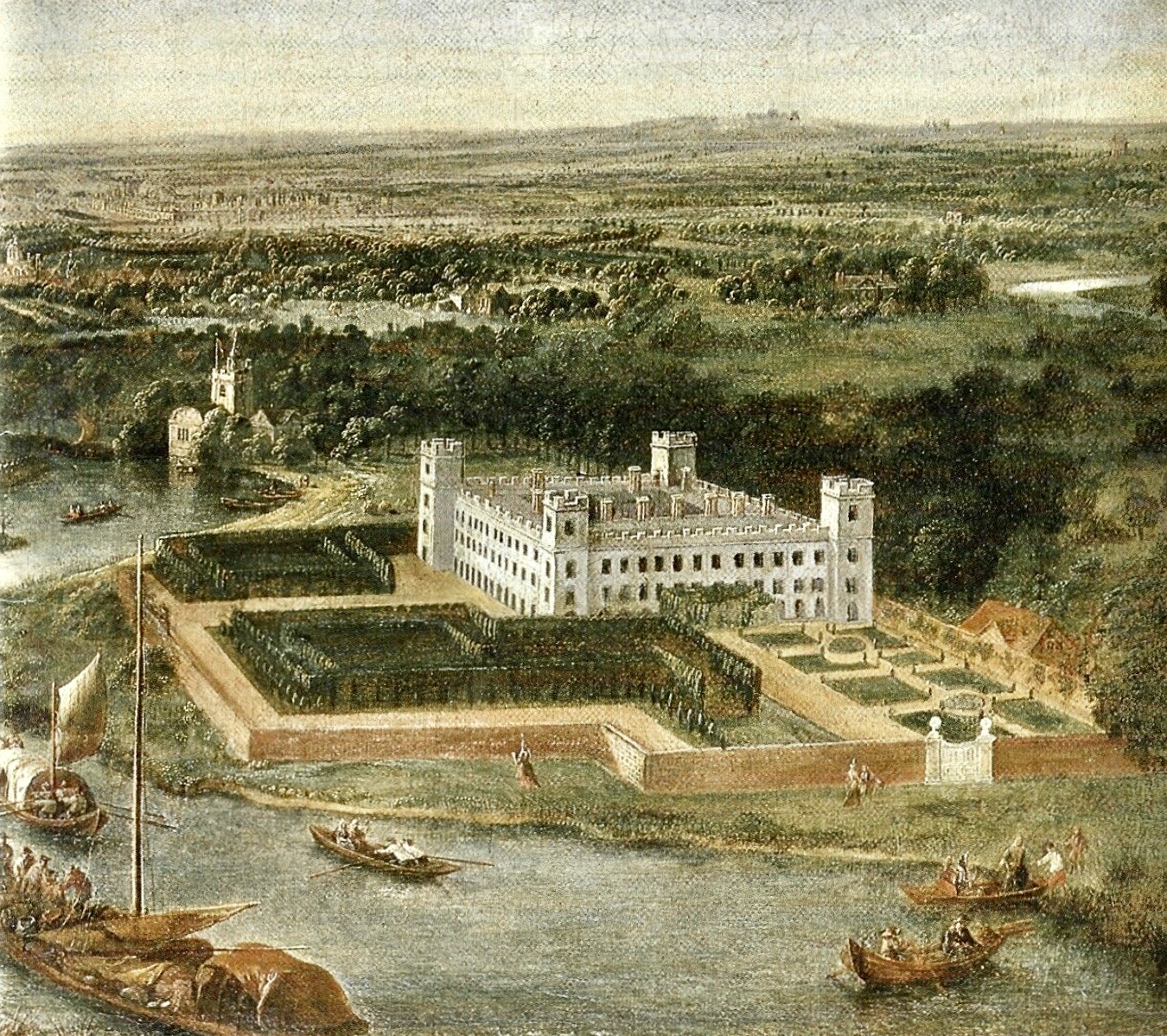
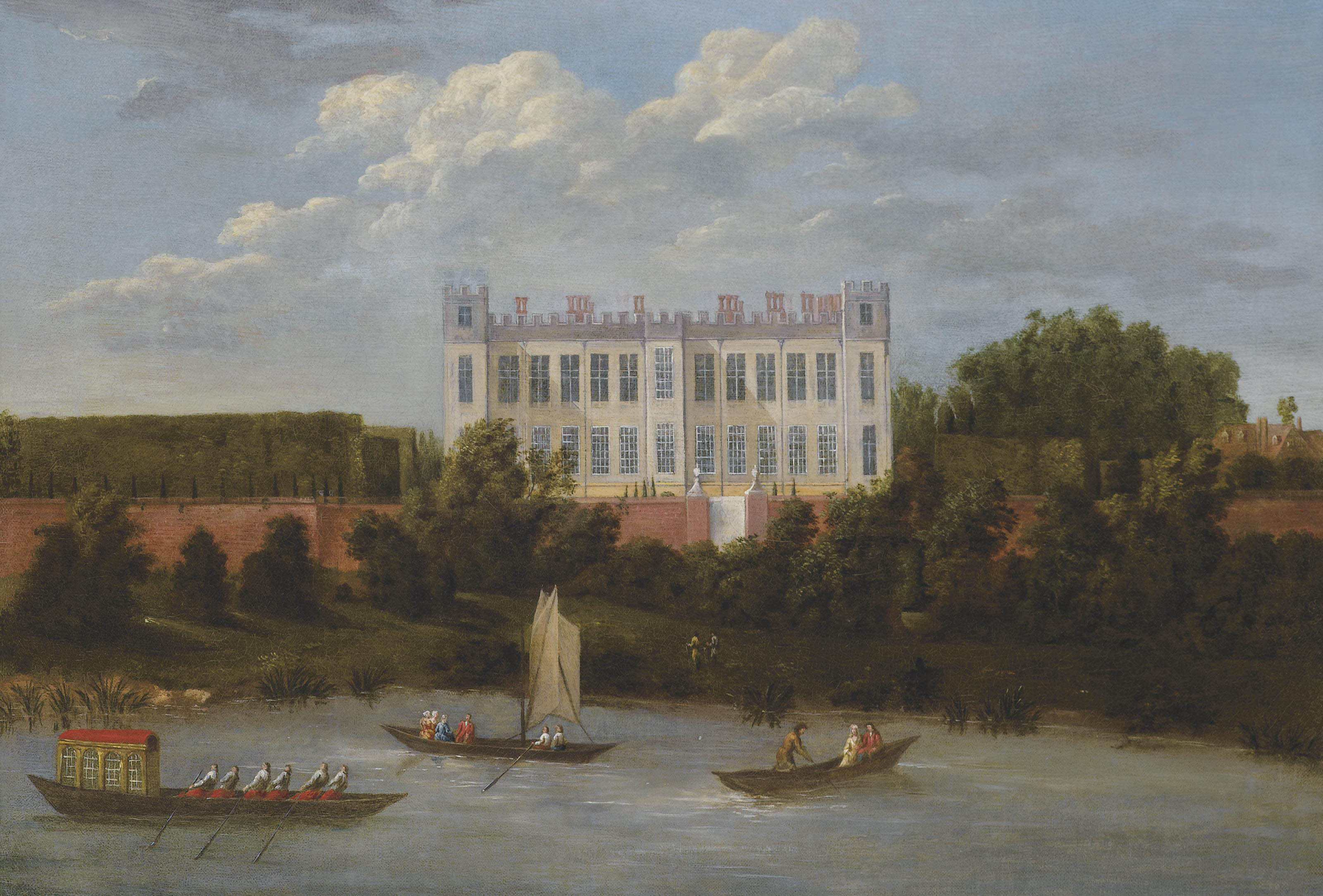
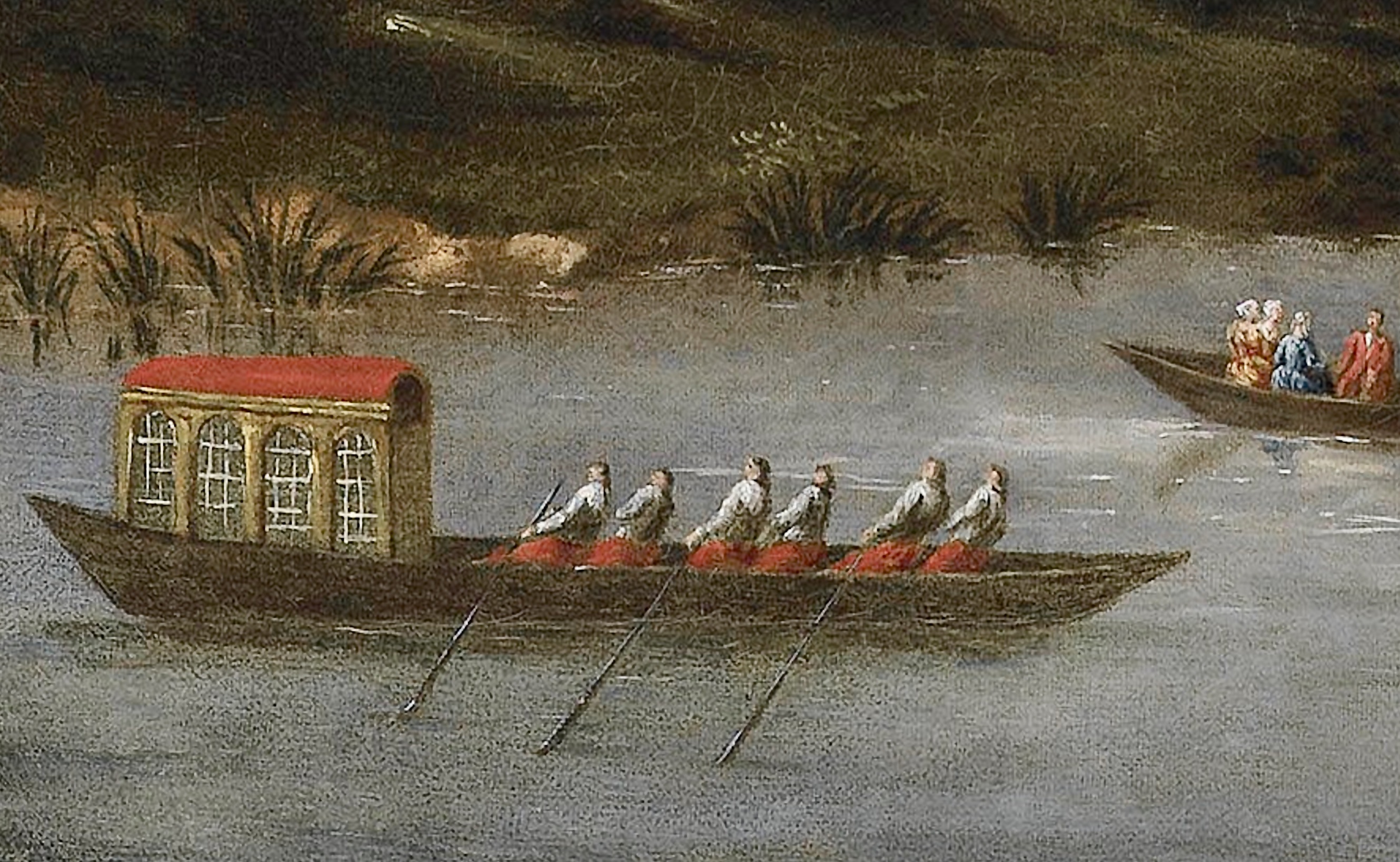
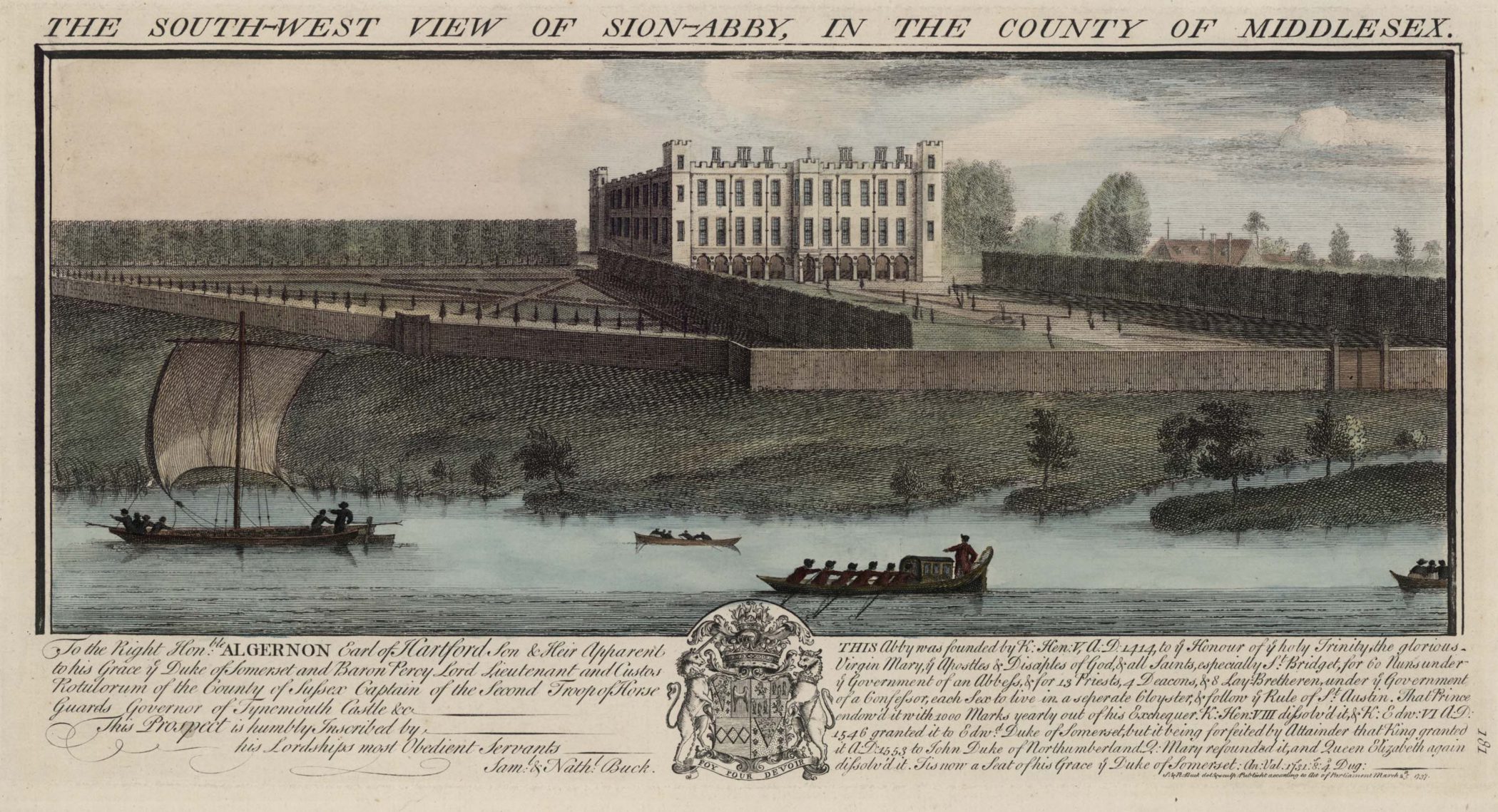
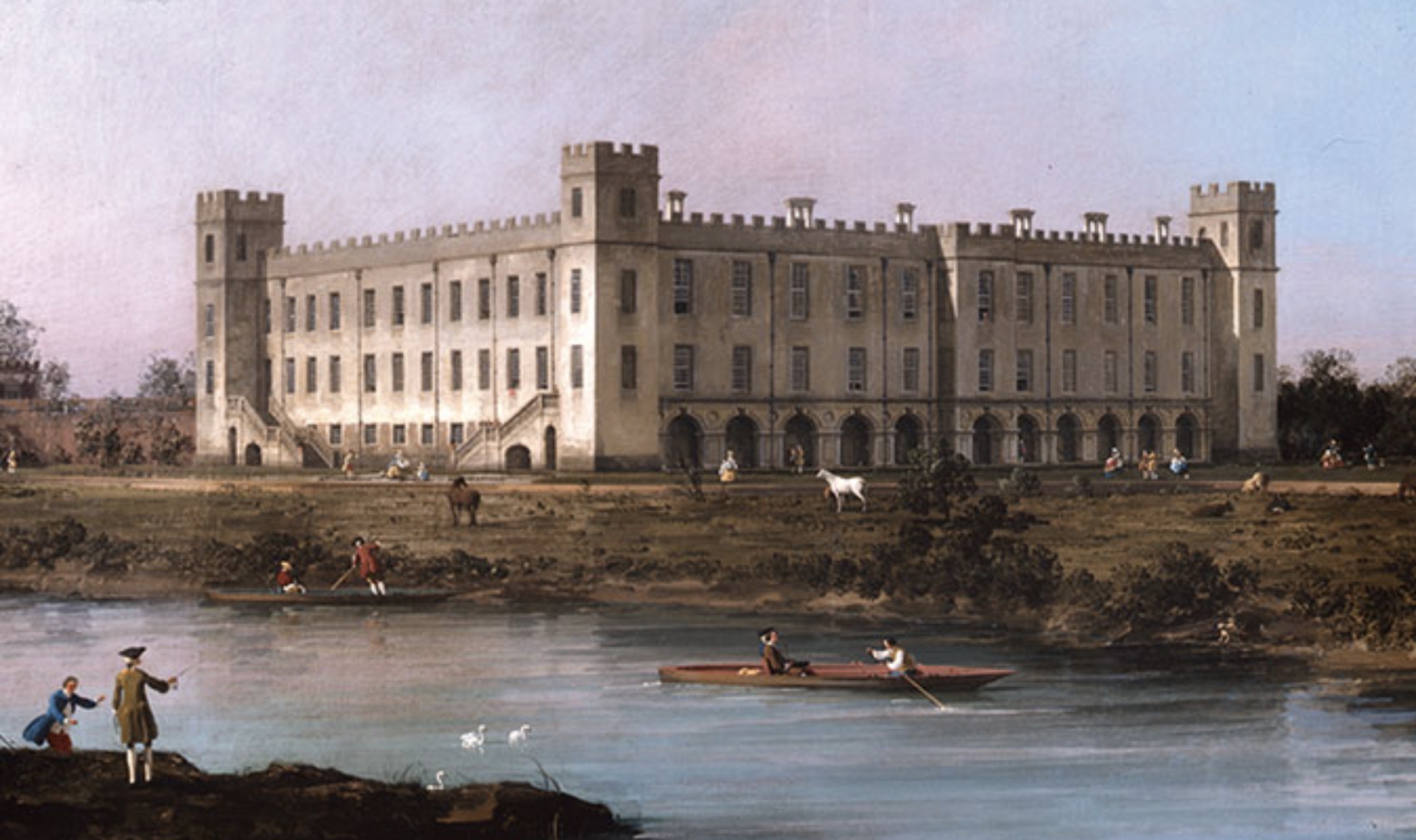
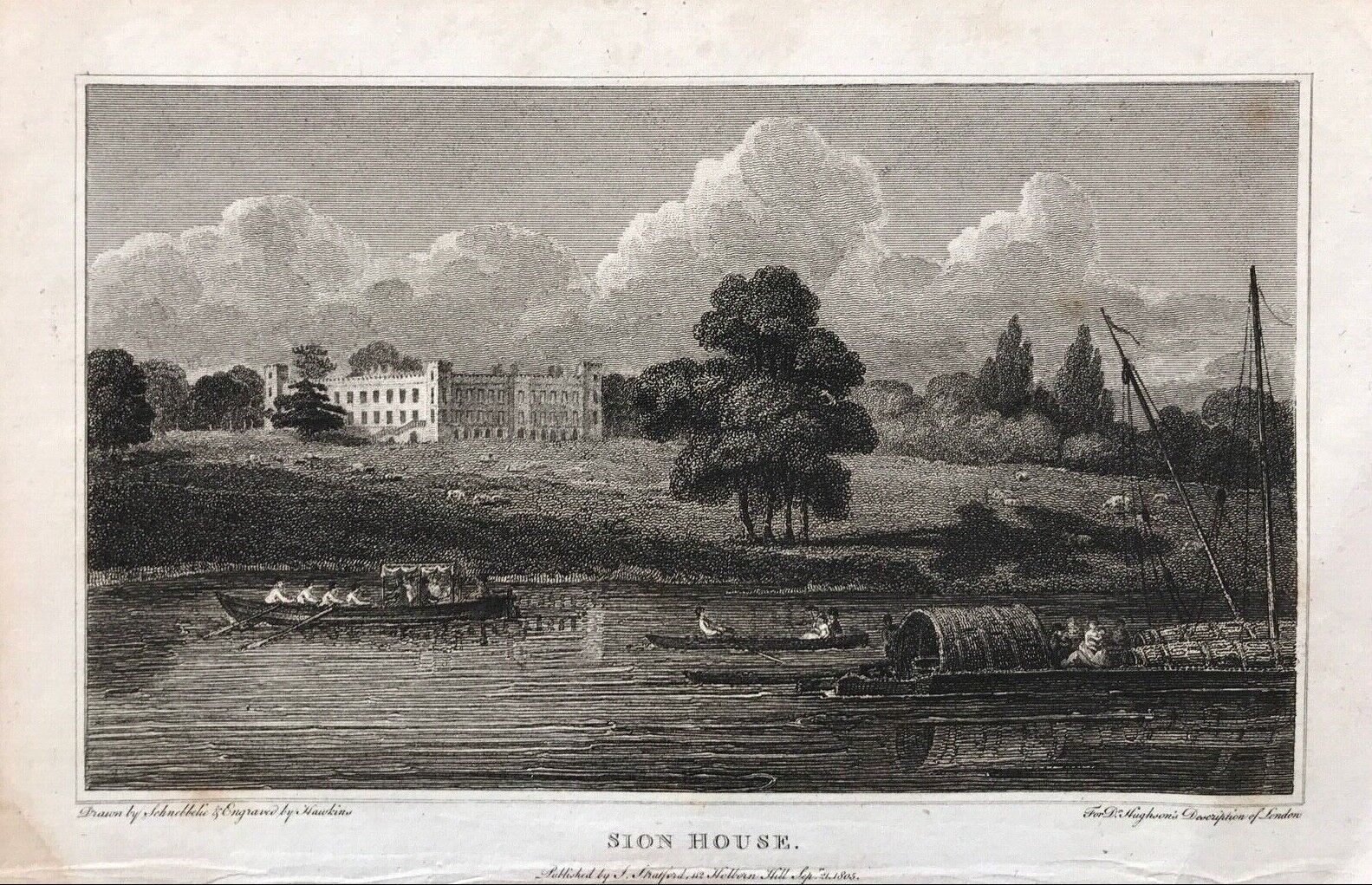
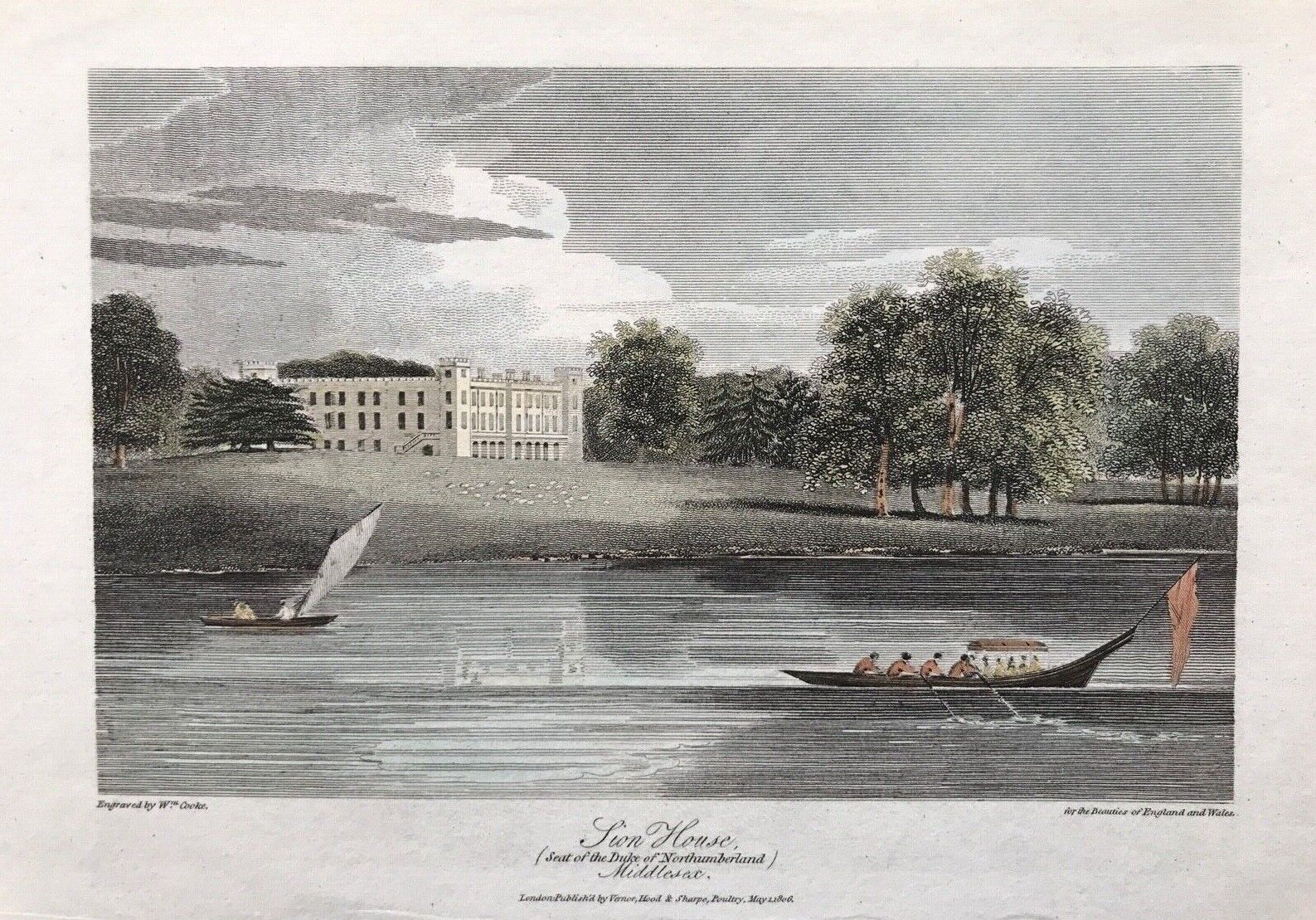
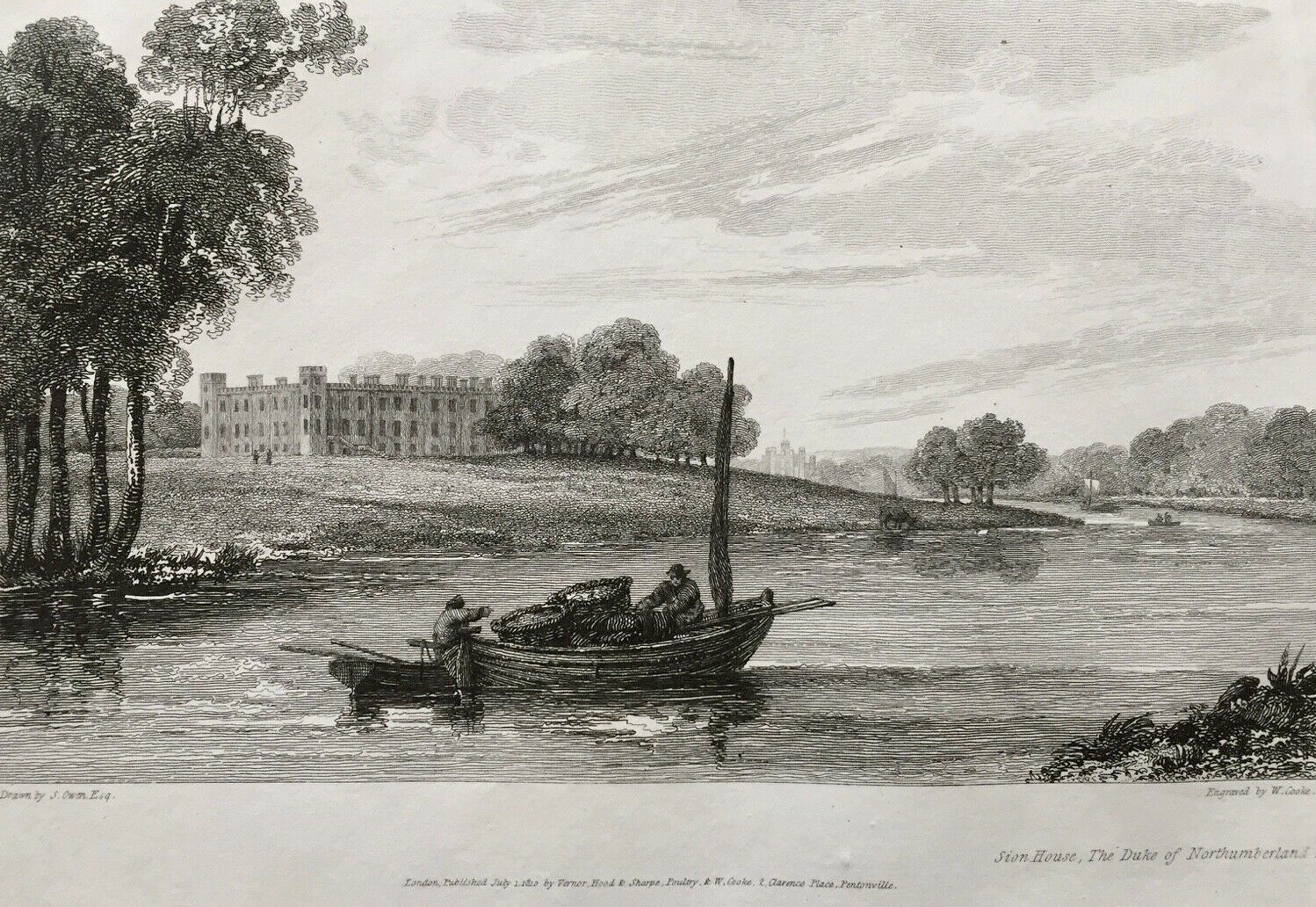
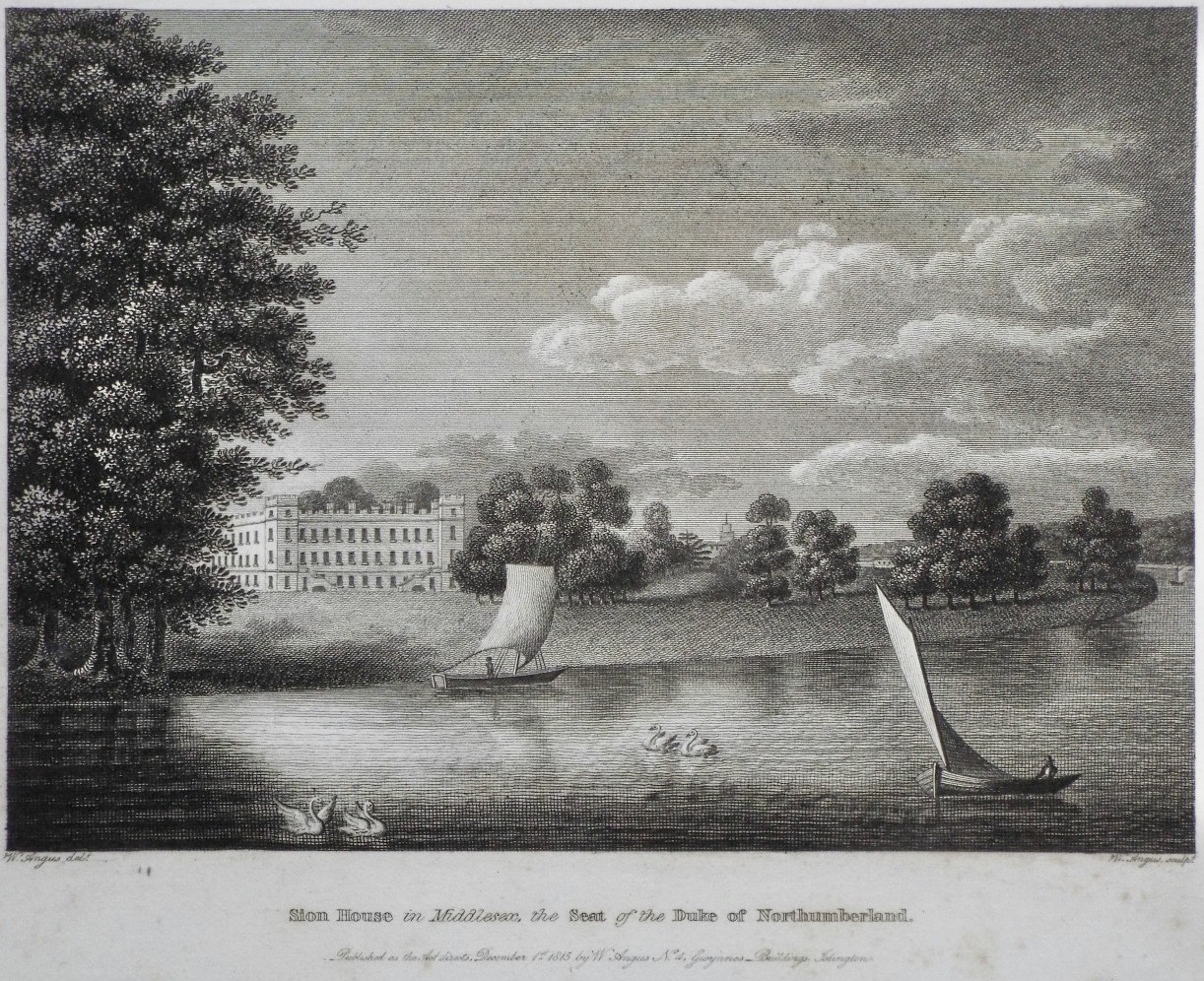
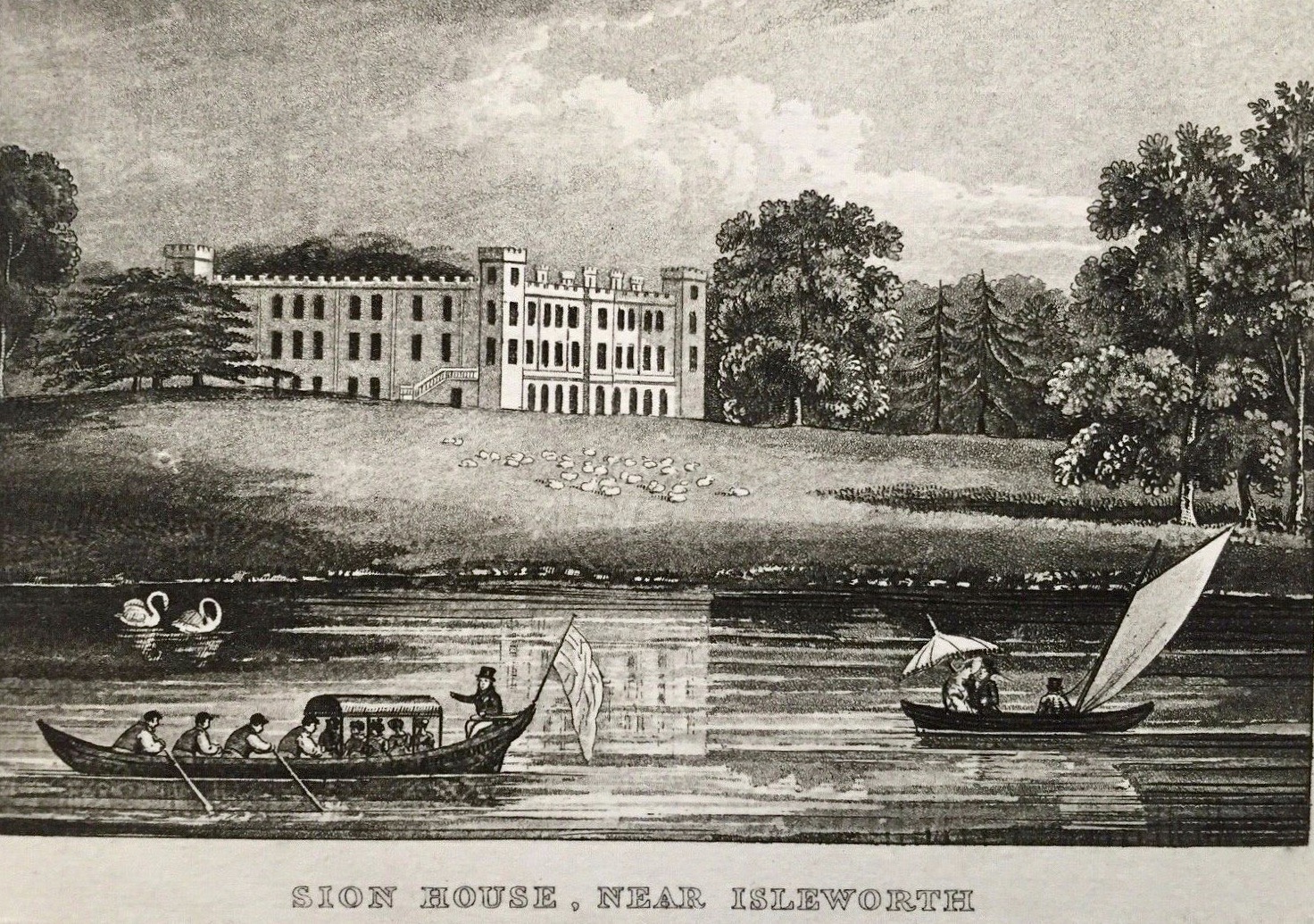
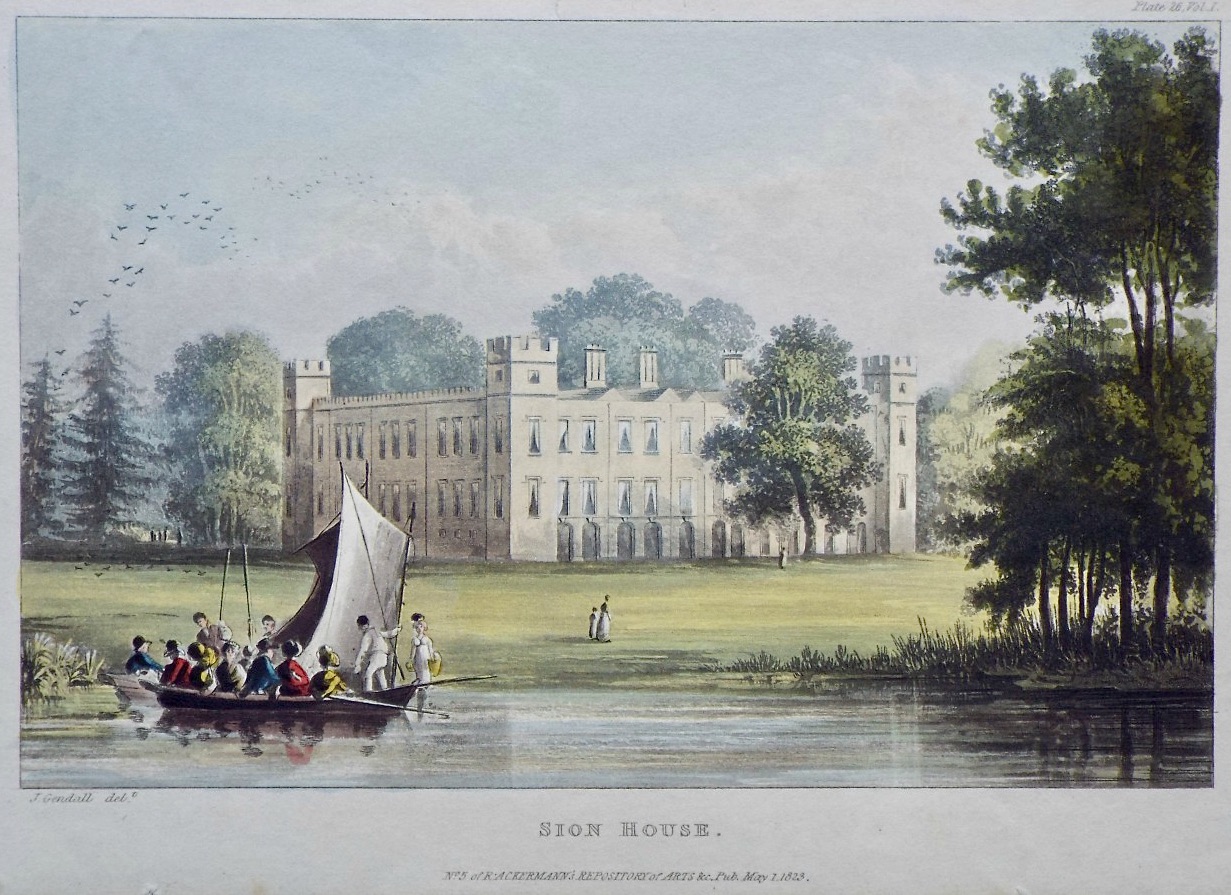
Looking at pictures of Syon House in the 18th and 19th-centuries, the unspectacular exterior changes little but most artists have given their work HTBS appeal by including an interesting selection of boats on the river.
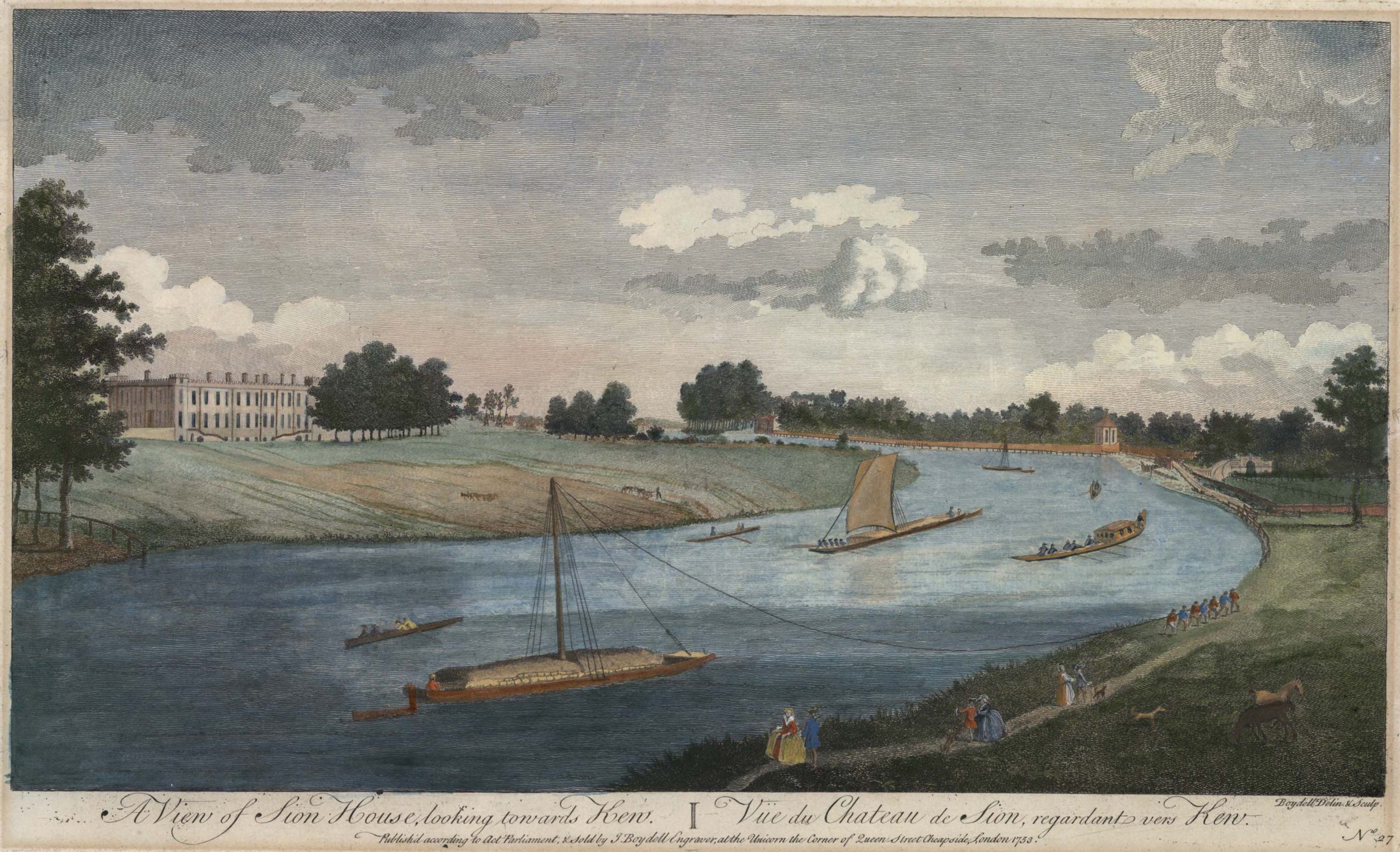
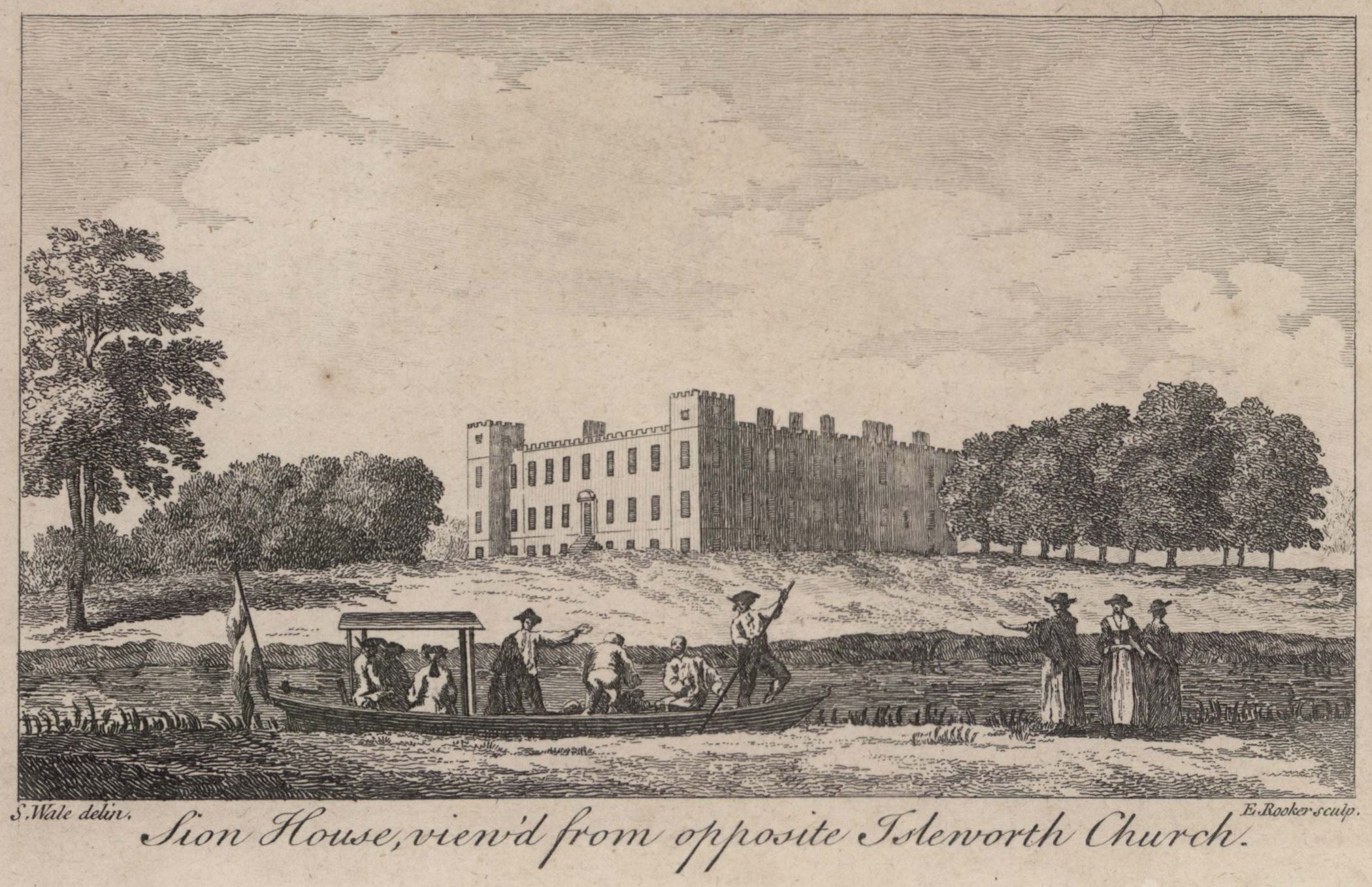
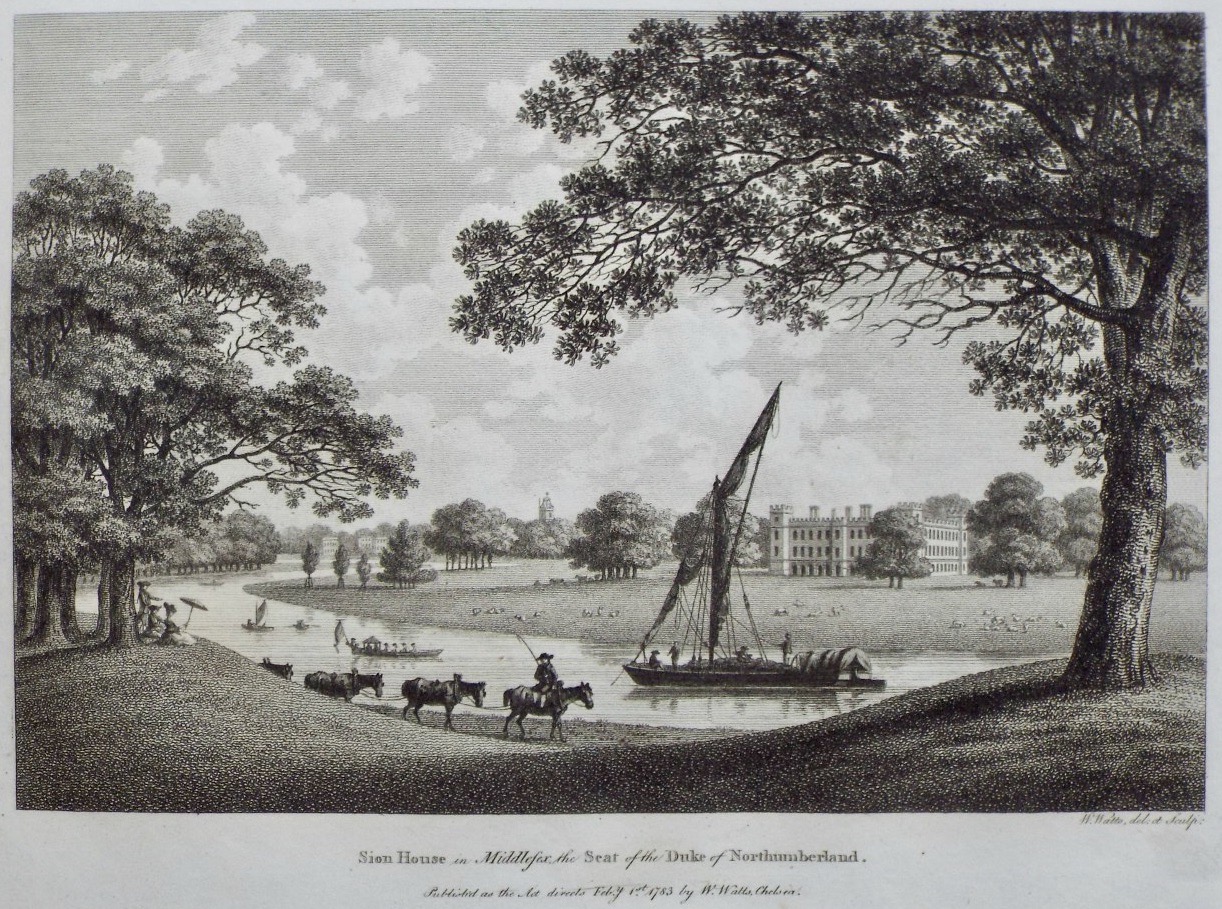
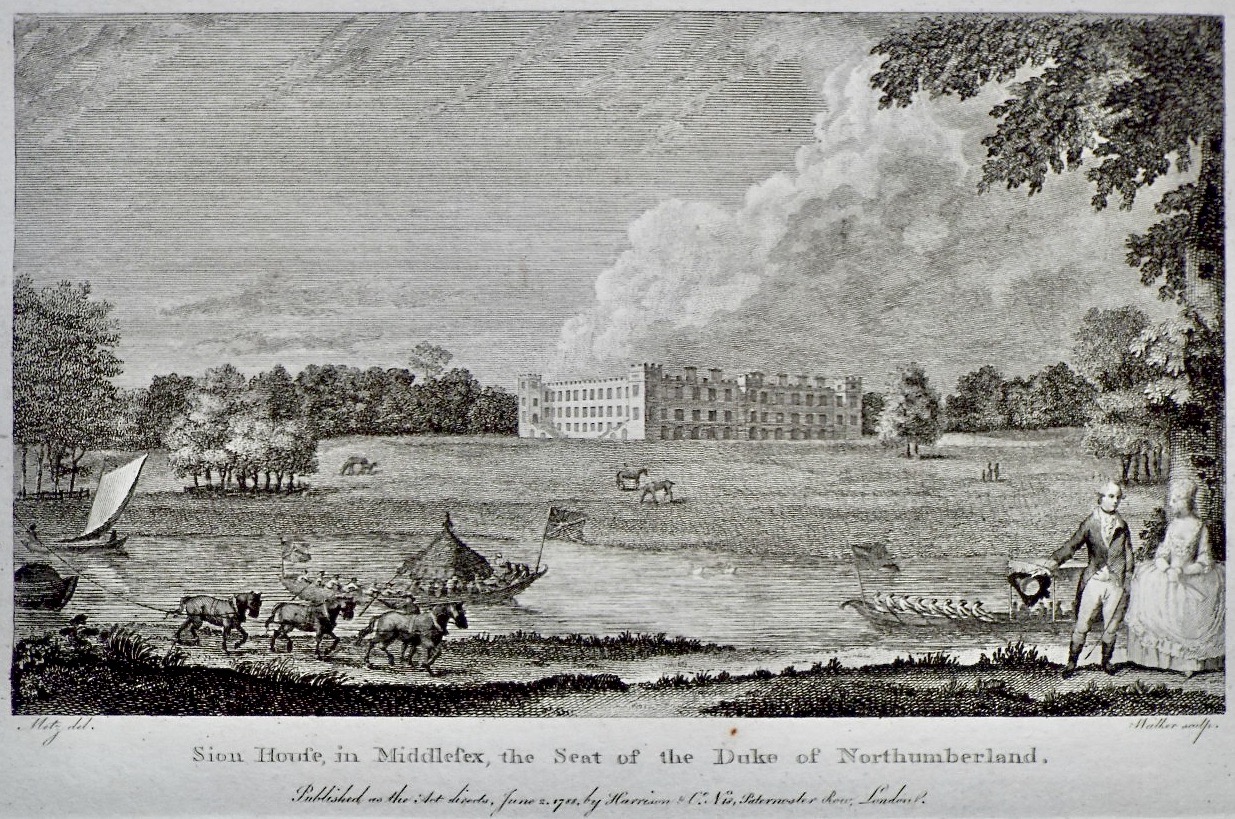

It seems appropriate to end with some glimpses into the magnificent Adam interior of Syon House interspersed with snippets concerning its place in history.
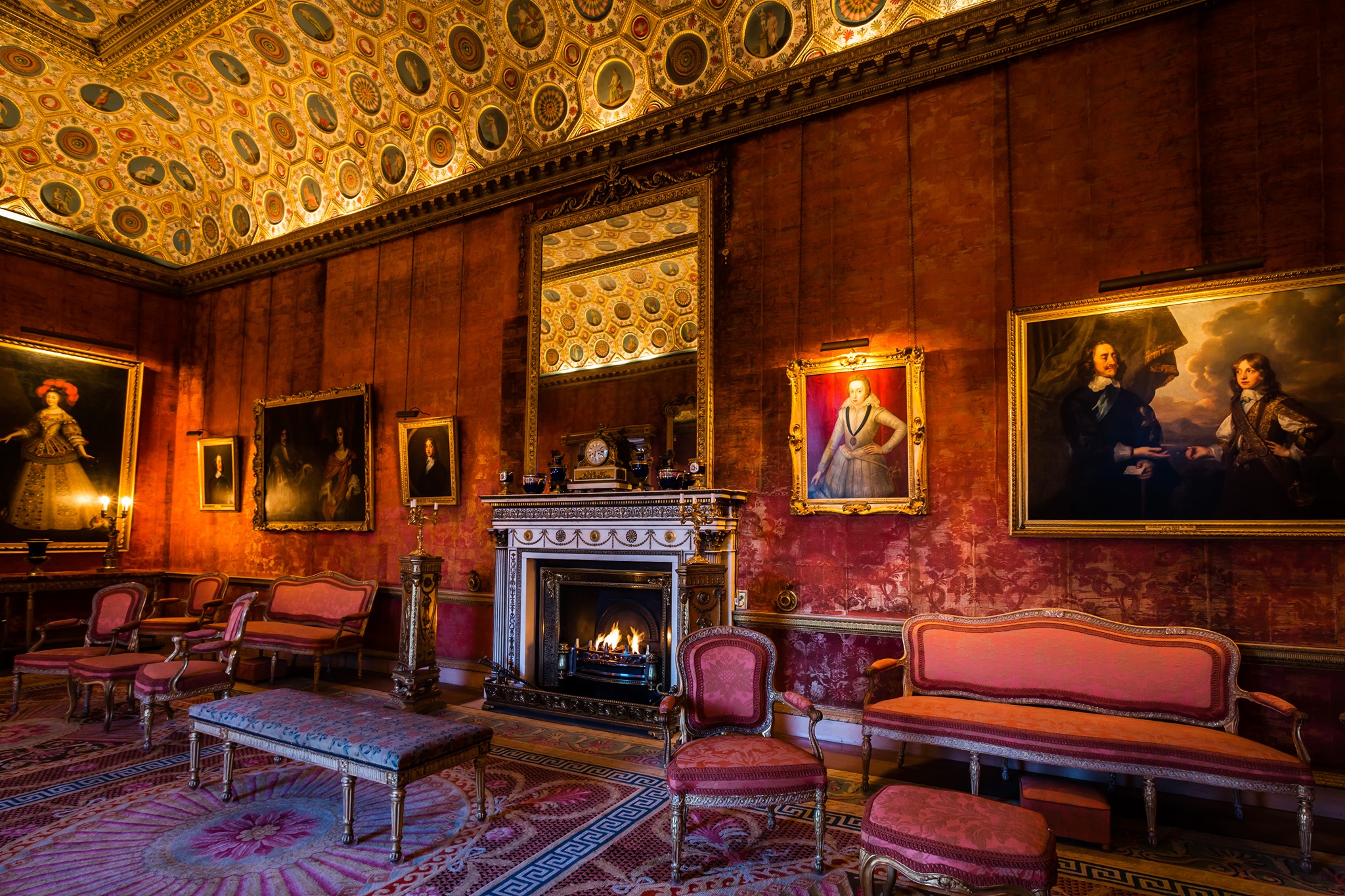
Surprisingly for such an ancient site, Syon has played only bit parts in English history: in 1431 the English followers of the teachings of St Bridget of Sweden built Syon Abbey; when Henry VIII dissolved the monasteries, the abbot was hung, drawn and quartered and his head stuck on a spike over the entrance; Catherine Howard, Henry’s fifth wife, was imprisoned there before her execution; legend has it that after Henry died, his decomposing body exploded at Syon en route to its interment at Windsor.
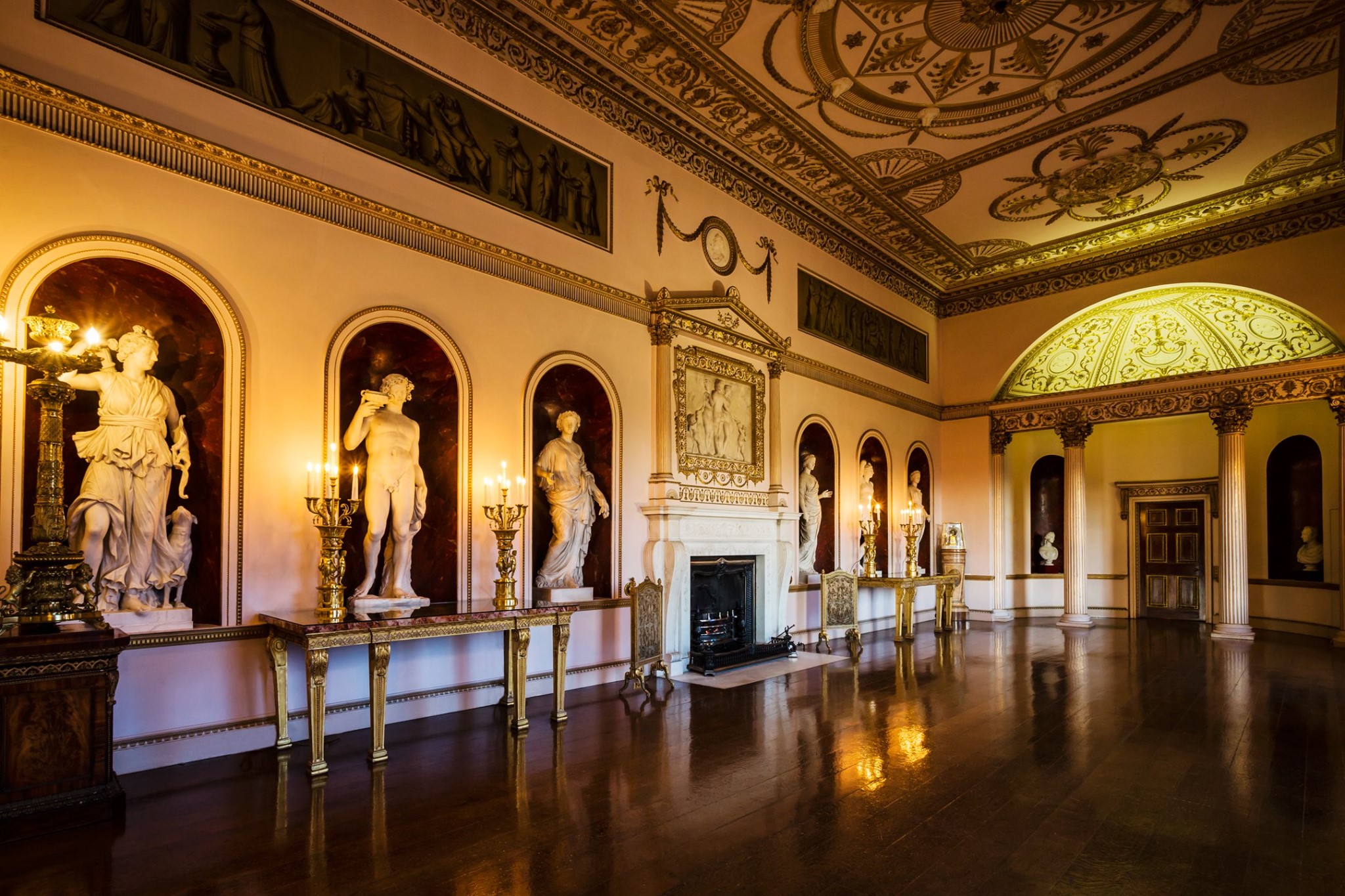
Continuing Syon’s part in the history of England: Lady Jane Grey, the “Nine Days’ Queen,” was living in the house when she was persuaded to accept the crown in 1553; the 9th Earl was imprisoned in 1605 after his cousin, part of the Gunpowder Plot, dined with him at Syon on the night before the failed blowing-up of Parliament; in 1642, part of Syon Park was the scene of the Civil War Battle of Brentford.
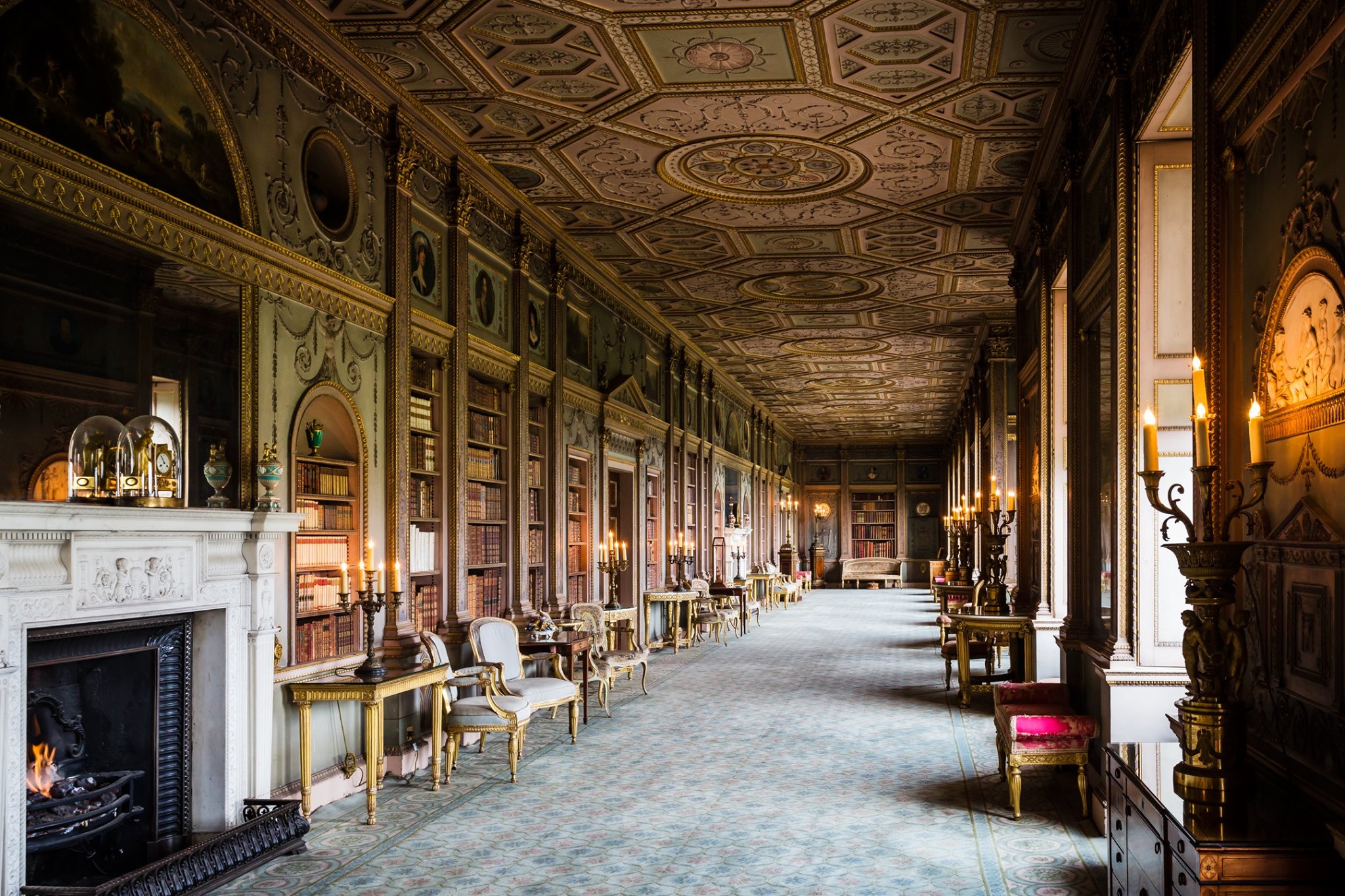
More historical snippets: Oliver Cromwell held a council meeting at the house in 1647; Charles I visited Syon several times between 1646 and 1648, largely to see his younger children who were under the 10th Earl’s care; Queen Anne gave birth while a guest in 1692; as a young woman, Princess Victoria was instructed on court manners at Syon; in both World Wars, part of the great house was used as a hospital.
William O’Chee has previously written about Henry Percy, a grandson of the 1st Duke of Northumberland, who partly rowed the Waterloo Despatch to England in 1815.
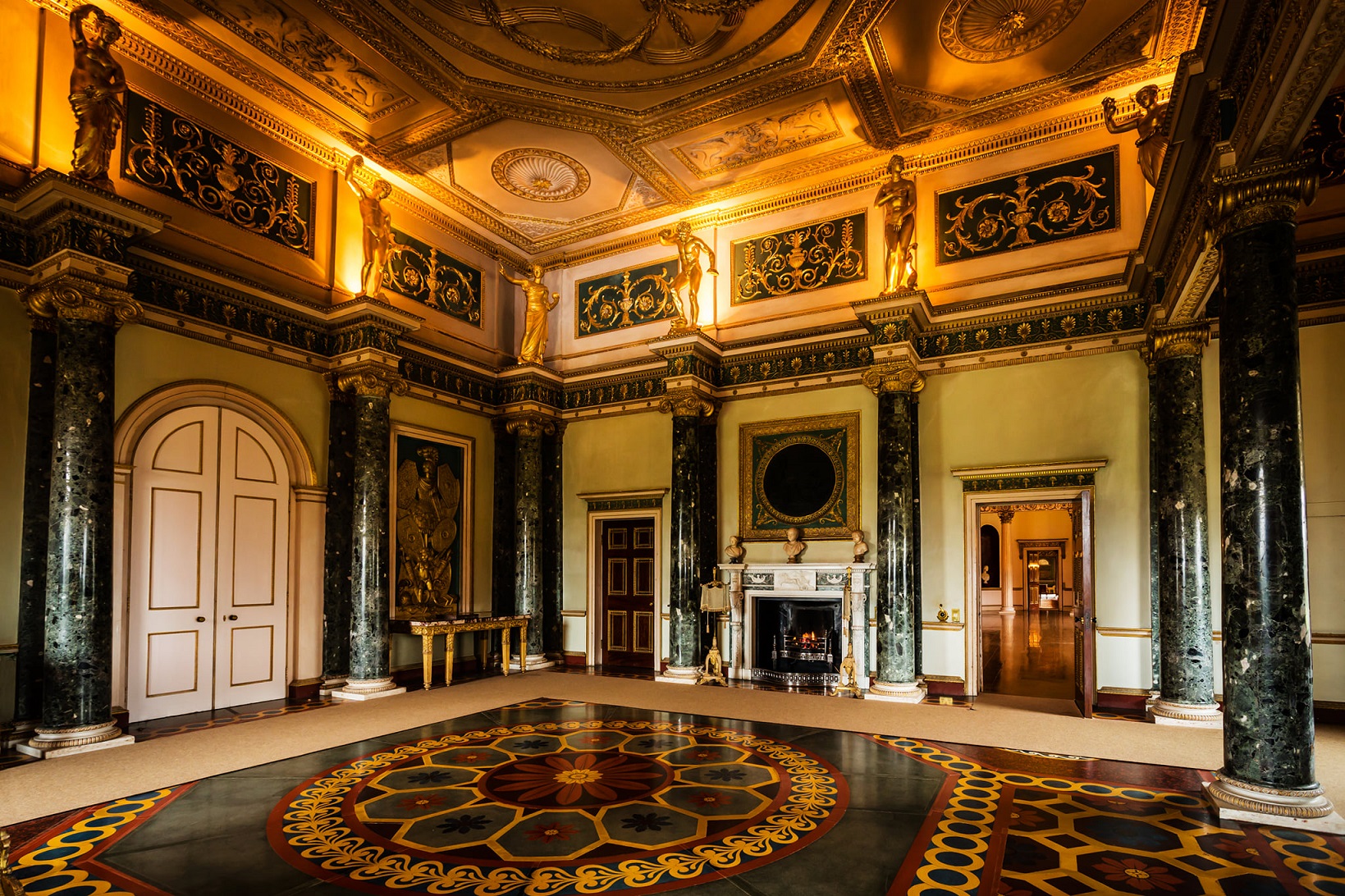
Details on visiting Syon Park are here. The Boathouse Pavilion (aka The Pink Lodge) is a private residence and can only properly be viewed from the river or from the footpath on the opposite bank.
 Hear The Boat Sing
In the fifty odd years I have spent rowing past the building I , and countless others, have always known it as the Pink House.