This website covers all aspects of the rich history of rowing, as a sport, culture phenomena, a life style, and a necessary element to keep your wit and stay sane.
La Traversée de Paris en Aviron 1920. A boat race through Paris passing under the Pont de Grenelle (now the Pont de Grenelle-Cadets de Saumur). The 28k race passes under 33 bridges and still takes place today. YouTube has film from 1921.
21 August 2023
By Tim Koch
Tim Koch can only say au revoir and not adieu to Gallica.
My recent piece, Borrowing From The Library, looked at some rowing pictures in the online archive of the Toronto Public Library and this prompted me to return, not for the first time, to another such resource, Gallica, the digital library of the Bibliothèque nationale de France (BnF) which hosts many thousands of manuscripts, printed books and images, many available for download.
Typing the French for rowing, “aviron,” into the website search brings up nearly 7,000 results, clicking on “images” reduces this to about 750. Unfortunately, most photographs are not identified well, and I have included somewhat literal but often not particularly helpful translations of the information given. However, it is still a wonderful resource and here are but a few of the rowing images in the BnF archive.
Three pictures from 1919 are clearly of crews from the Australian, New Zealand and American military who were awaiting transport home after the 1914-1918 War and for whom sport was one way to defray the boredom and frustration of having to stay in Europe long after hostilities had ceased.
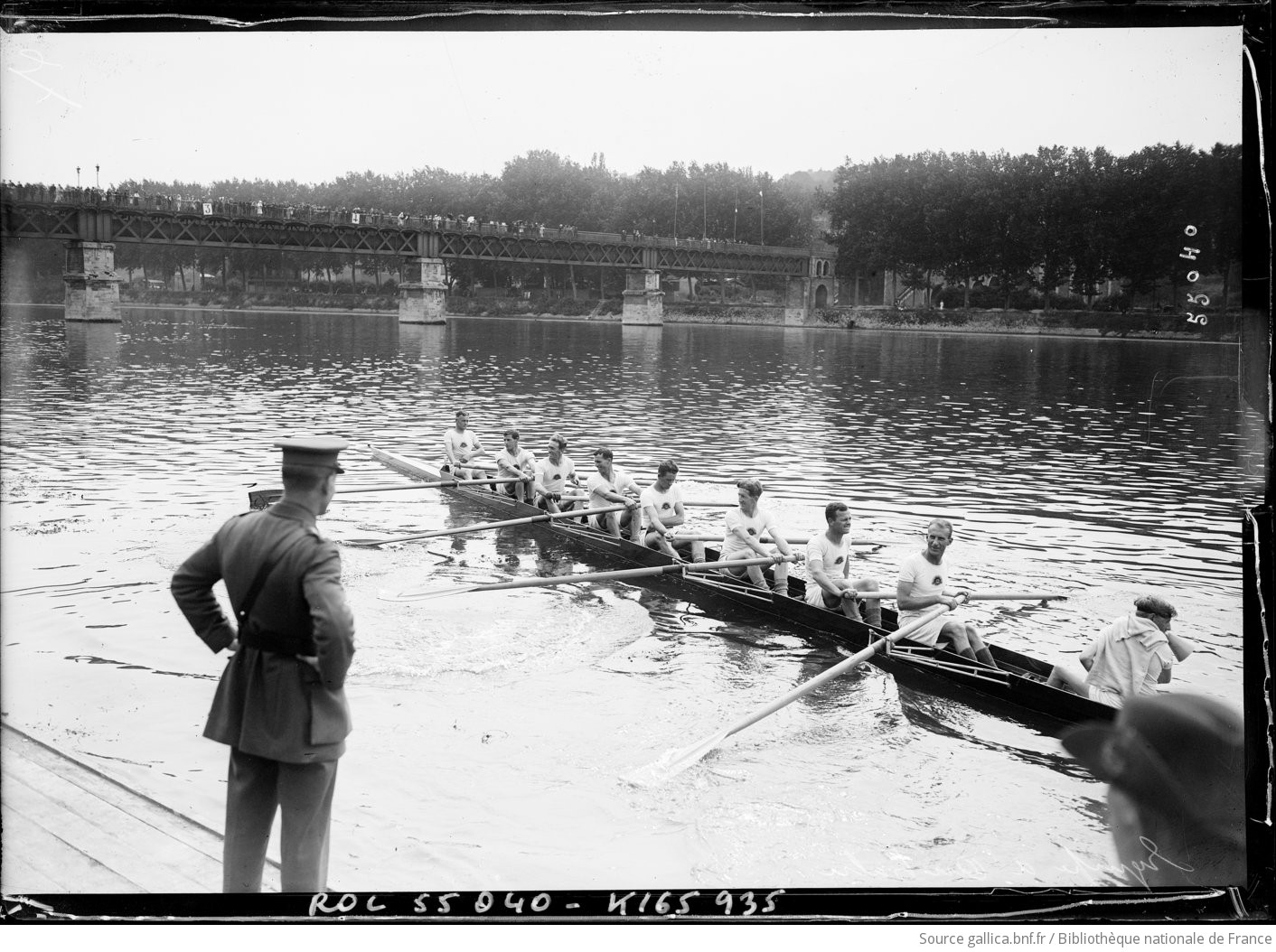
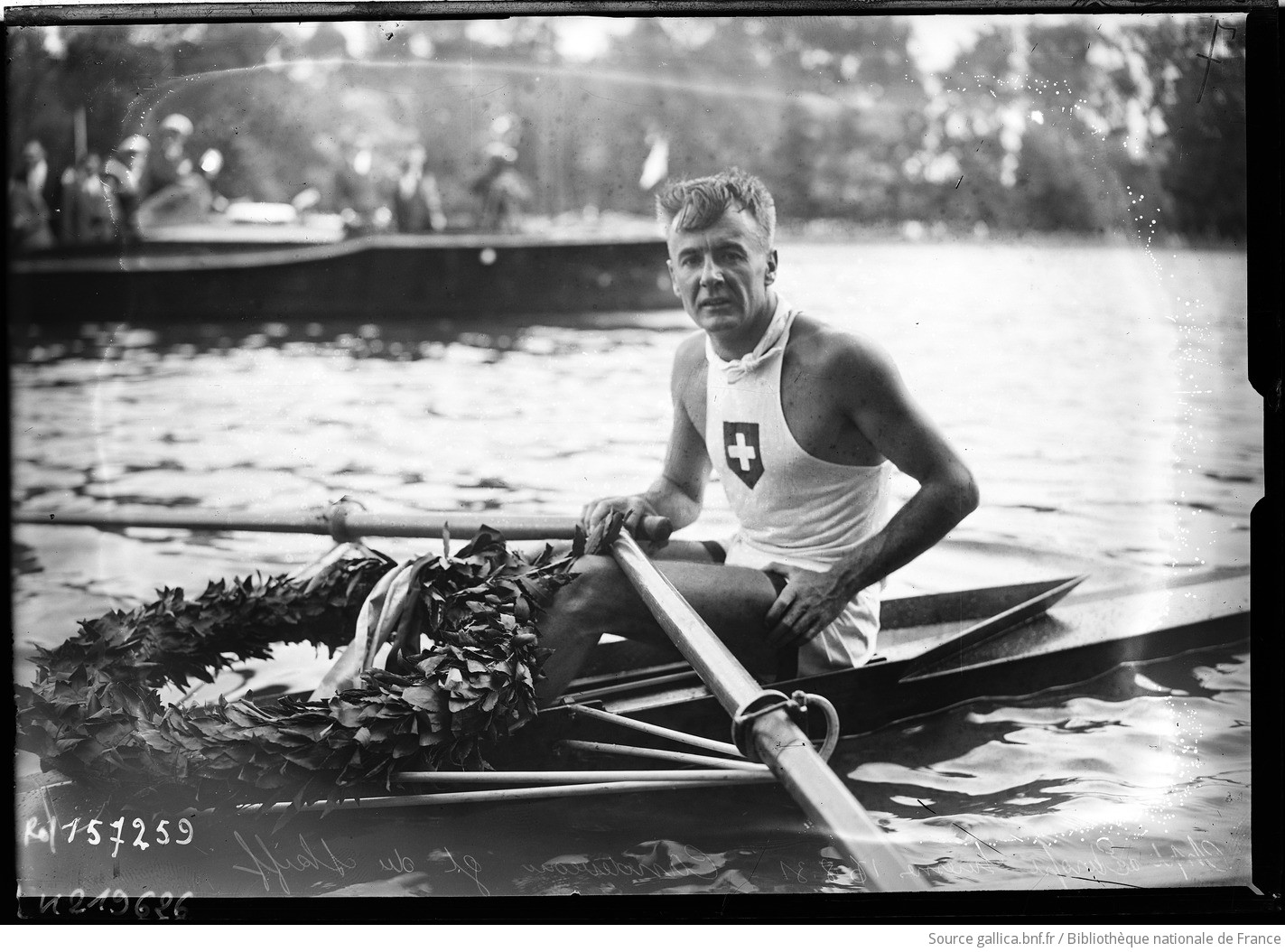
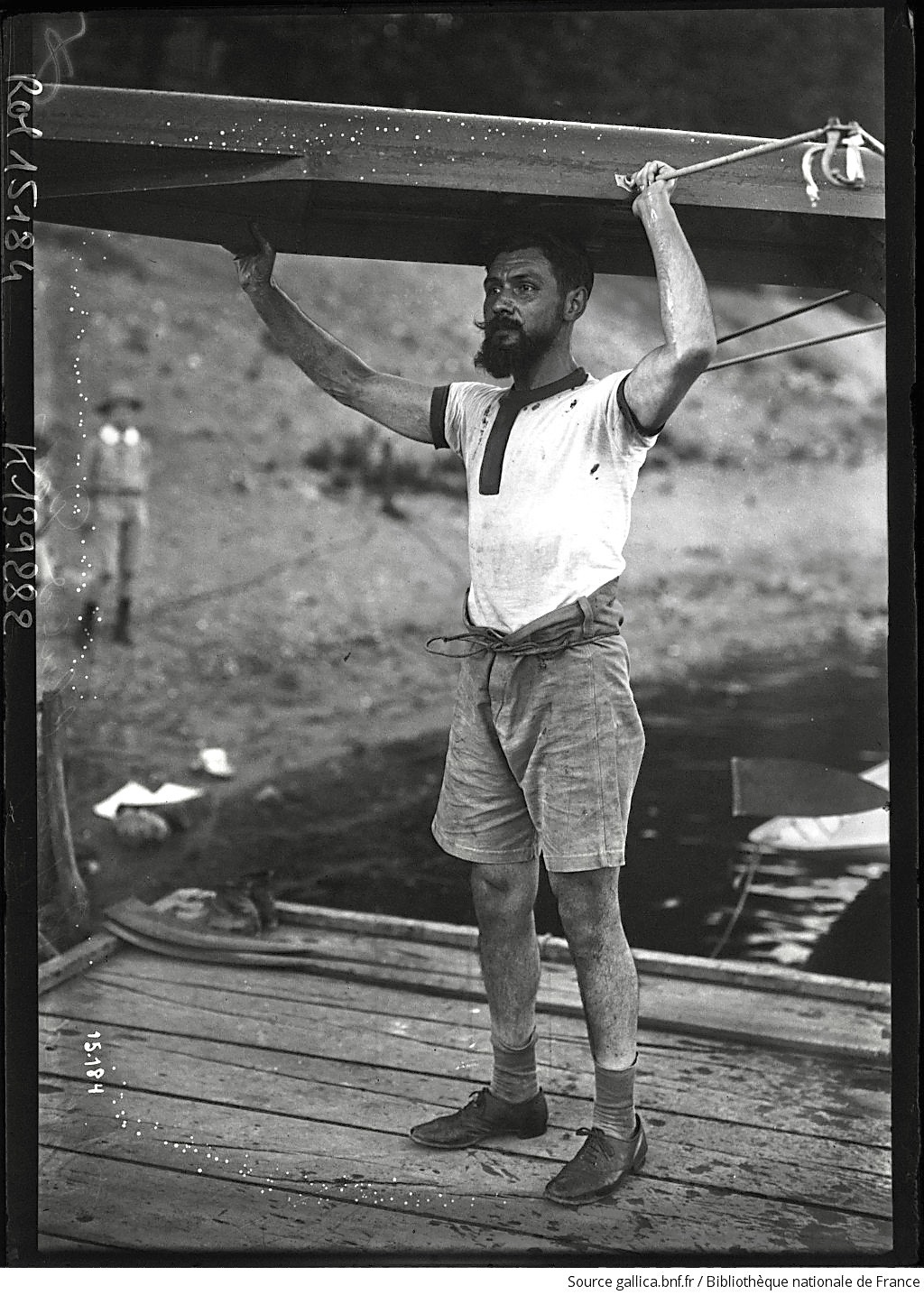
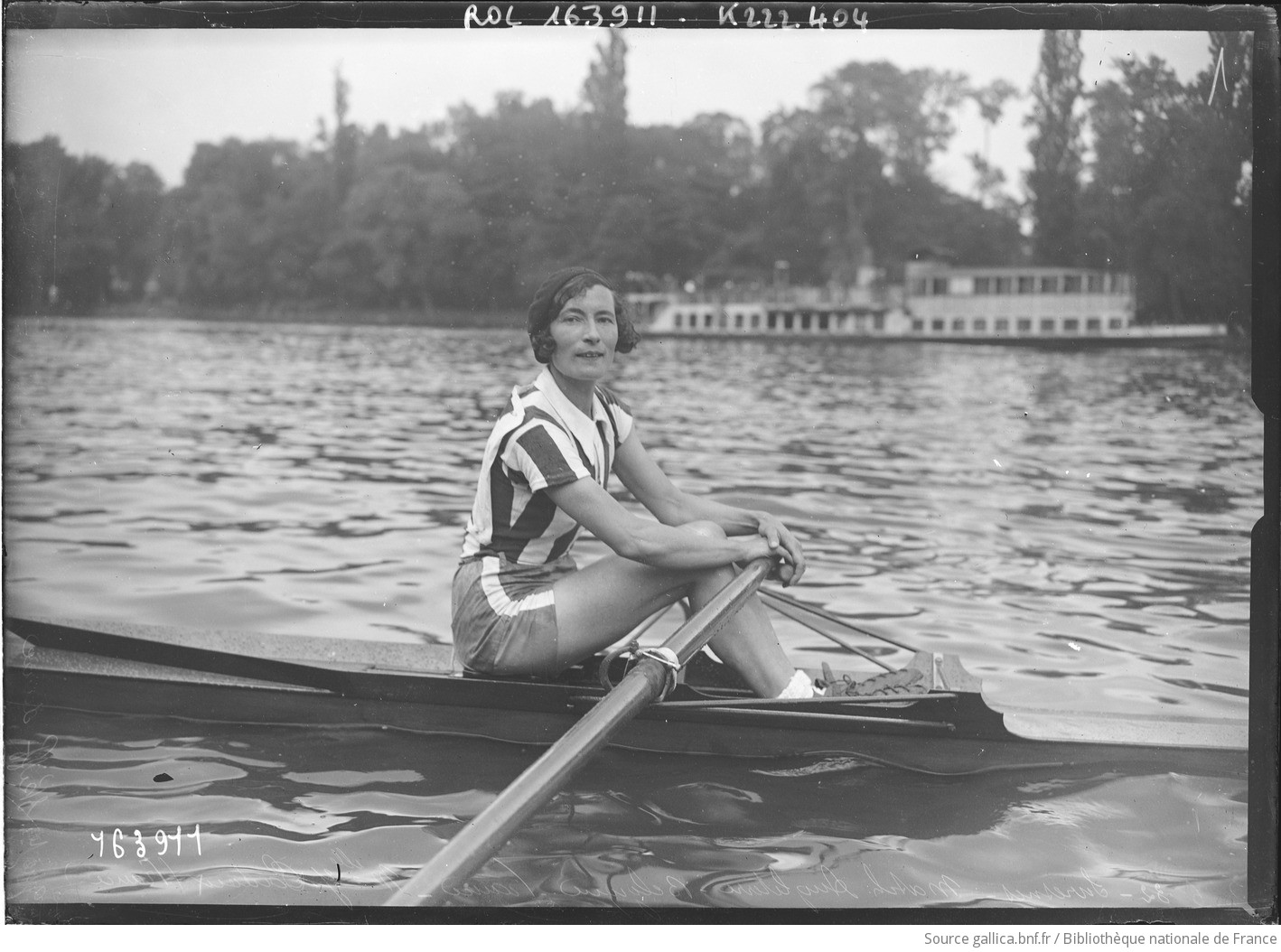
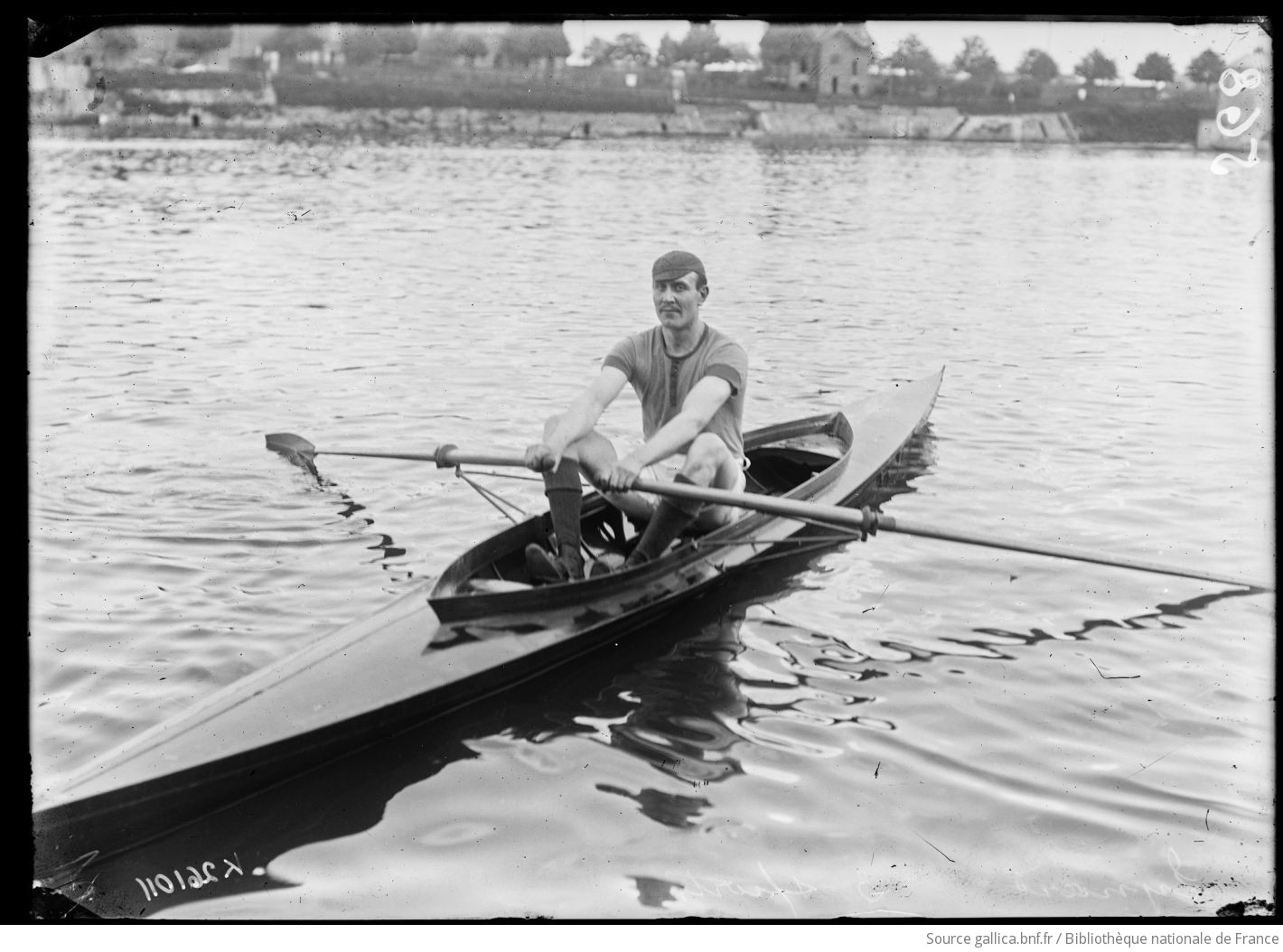
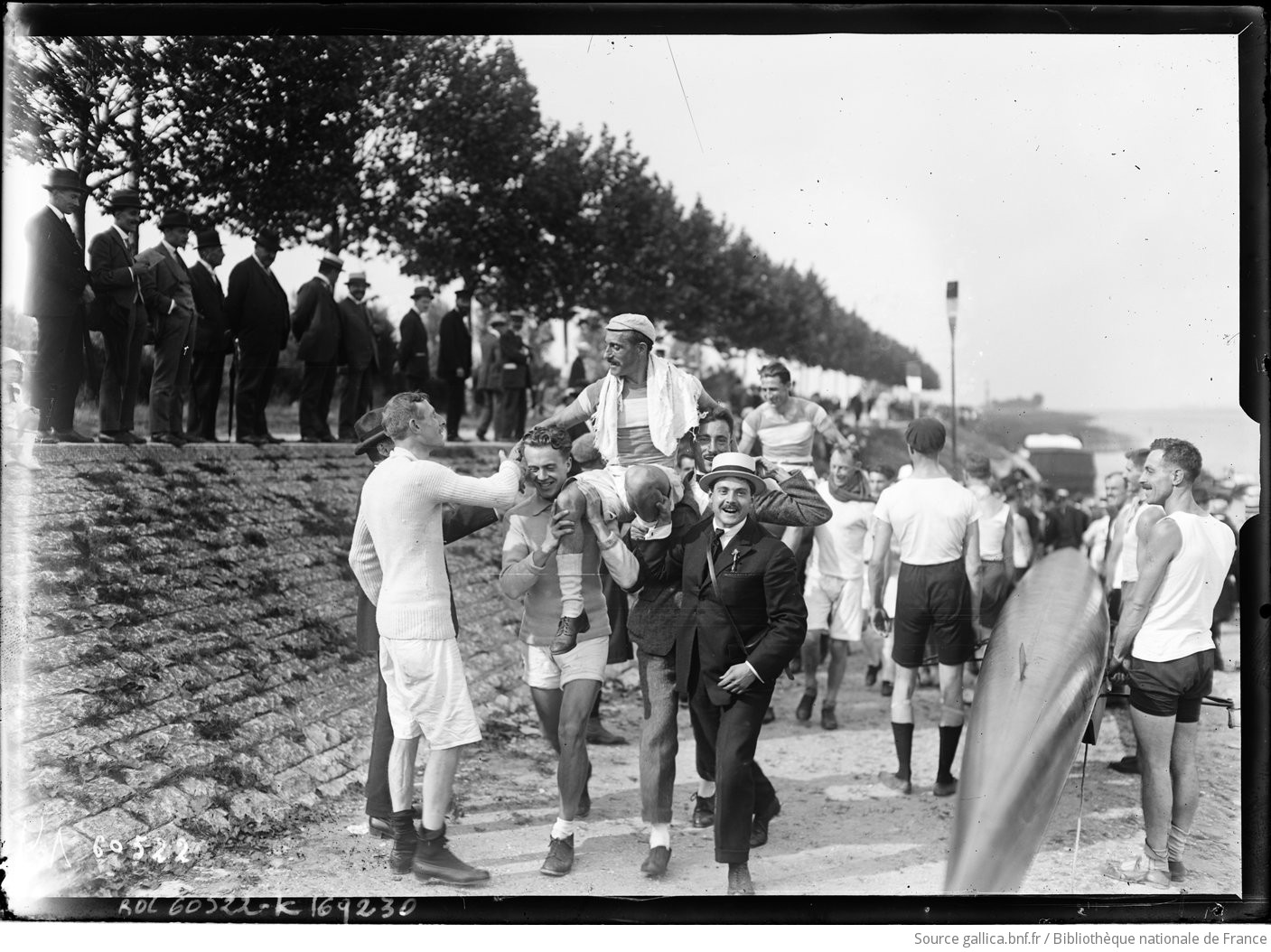
An Australian military crew pictured at Saint-Cloud, Hauts-de-Seine Département. Hauts-de-Seine (“Upper Seine”) covers the western inner suburbs of Paris on the left bank of the River Seine. Picture published on 18 July 1919.A New Zealand military crew that won La Traversée de Paris on 27 April 1919. A four and an eight from the US Army on 10 April 1919.Édouard Caudeveau of Switzerland, the single sculls winner at the 1931 European Championships in Suresnes, Hauts-de-Seine.The never popular coxed single sculls. Bargas, a winner of La Traversée de Paris on 4 May 1924.Pichard of the Rowing club de Paris pictured on 14 July 1911.A junior crew in Courbevoie, Hauts-de-Seine, on 3 April 1927.Mlle Yvonne Sadoux (France) winner of the ladies’ sculls in the England-Belgium-France match, Suresnes, 5 May 1932.Two blind rowers who raced steered by their nurse, 1924. I think it is more interesting that they both have their right hand missing and wonder why they could not have made a four or two pairs with two people sans their left hands. 23 May 1925, location unknown, perhaps on the Marne.A race going under the Alexandre III Bridge in central Paris on 14 July 1927.Horodinsky of Cercle Nautique de France on 15 July 1911.A four from the Royal Nautical Club of Ghent, 1908.A crew from Hauts-de-Seine taking part in La Traversée de Paris on 9 May 1920.The 1920 European Rowing Championships, Mâcon.Eynard participating in the rowing part of a three sports combined event, 1 June 1905.The Rowing club of Paris crew at Henley, 1912.Gabriel Poix and Maurice Monney-Bouton, winners of the coxed pair, 1920 European Rowing Championships.In the French spirit, we will now finish by taking a three-hour lunch.
The Australian crew is the winning King’s Cup crew from the 1919 Henley Peace Regatta competing in the rescheduled regatta event from the Inter-Allied Games. The crew is minus Harry Hauenstein and Syd Middleton who is seen standing on the pontoon. They rowed into second place behind the winning Cambridge Uni crew.










 Hear The Boat Sing
The Australian crew is the winning King’s Cup crew from the 1919 Henley Peace Regatta competing in the rescheduled regatta event from the Inter-Allied Games. The crew is minus Harry Hauenstein and Syd Middleton who is seen standing on the pontoon. They rowed into second place behind the winning Cambridge Uni crew.
Thanks Scott. I thought that you would be able to identify them!