This website covers all aspects of the rich history of rowing, as a sport, culture phenomena, a life style, and a necessary element to keep your wit and stay sane.
The Rotsee is a natural rowing lake on the northern edge of Lucerne, Switzerland. It is regarded as one of the best rowing venues in the world and is known in Swiss-German as Göttersee (“The Lake of the Gods”). Most years it hosts the third and final leg of the Rowing World Cup which this year ran between Friday 7 and Sunday 9 July attracting over 700 athletes from 52 countries.
2 August 2023
By Tim Koch
Tim Koch goes from Henley to Switzerland, changing at Twyford.
Although the remark was not aimed at me in particular, a few months ago I was told, “You cannot consider yourself a rowing journalist until you have been to Lucerne.” My response was straight out of a cowboy saloon in the Old West: “That’s fighting talk mister.” Long story short, three days after the end of Henley I was having a beer on the edge of Lake Lucerne with veteran rowing journalist, writer and historian Chris Dodd, my guide for the duration.
The Rowing World Cup is organised by the sport’s international governing body, World Rowing (formerly FISA) and it acts as a lead-up to the World Rowing Championships. Racing at the World Cup includes the 14 Olympic boat classes and a selection of international boat classes. It began in 1997 and is comprised of three regattas held throughout early summer, usually in Europe. In each event, points are awarded to the top seven finishing boats and an overall winner is determined after the last regatta of the year.
The 2023 World Cup III is the first World Rowing event to which I have had press accreditation, but my intention was not to produce specific reports on this important part of the international rowing calendar. Rachel Quarrell has done this far better than I could do and her daily dispatches are on the wonderful Row360.
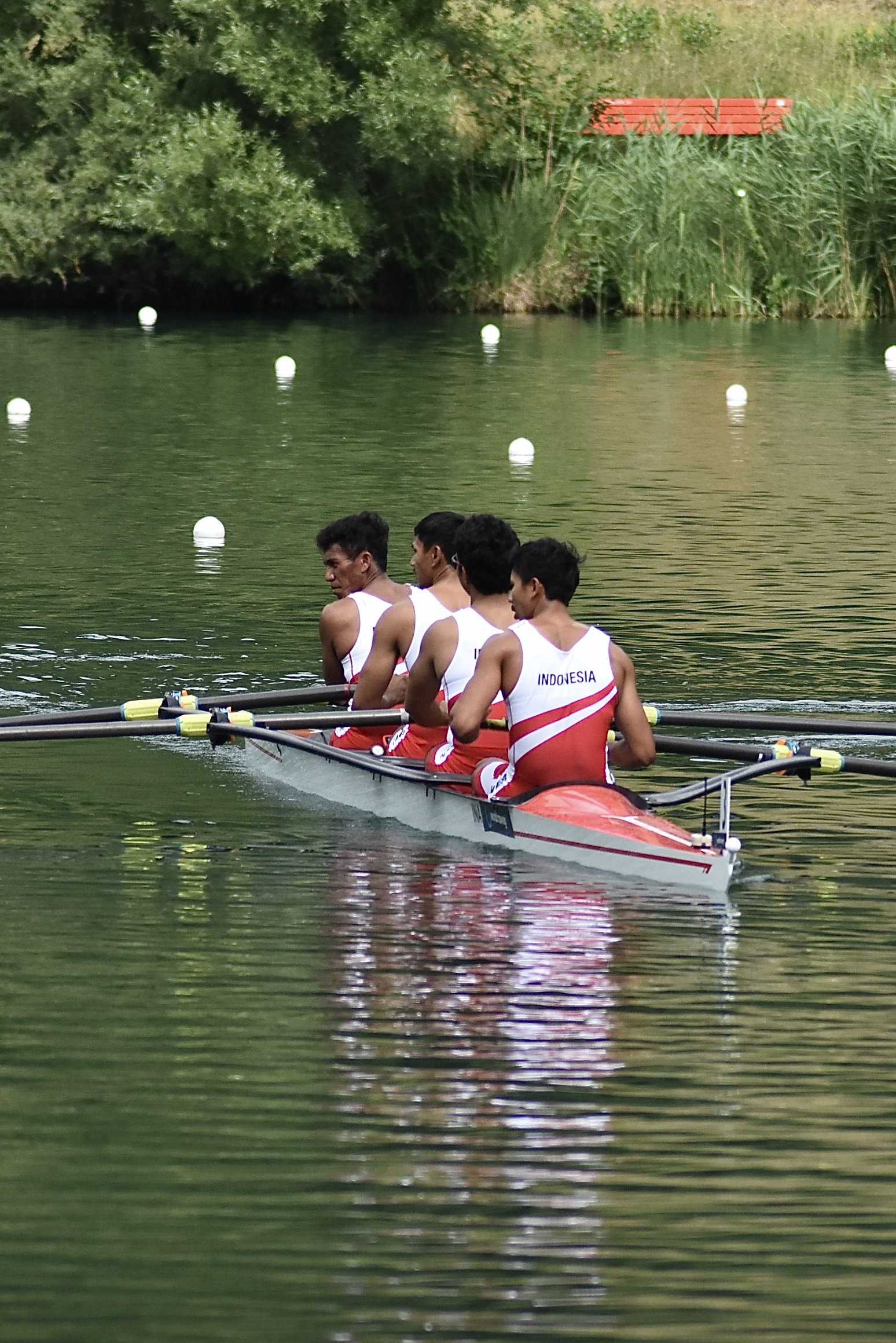
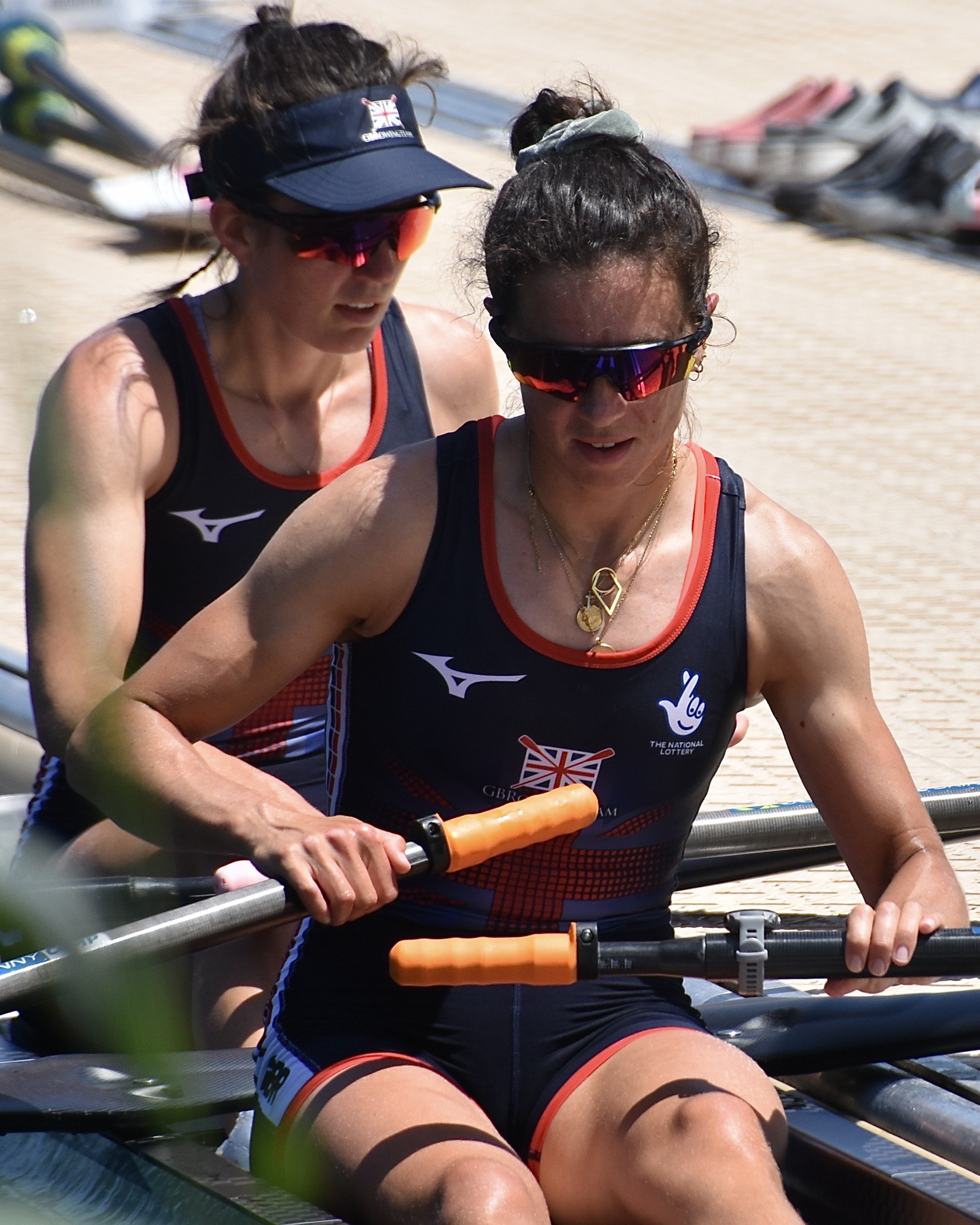
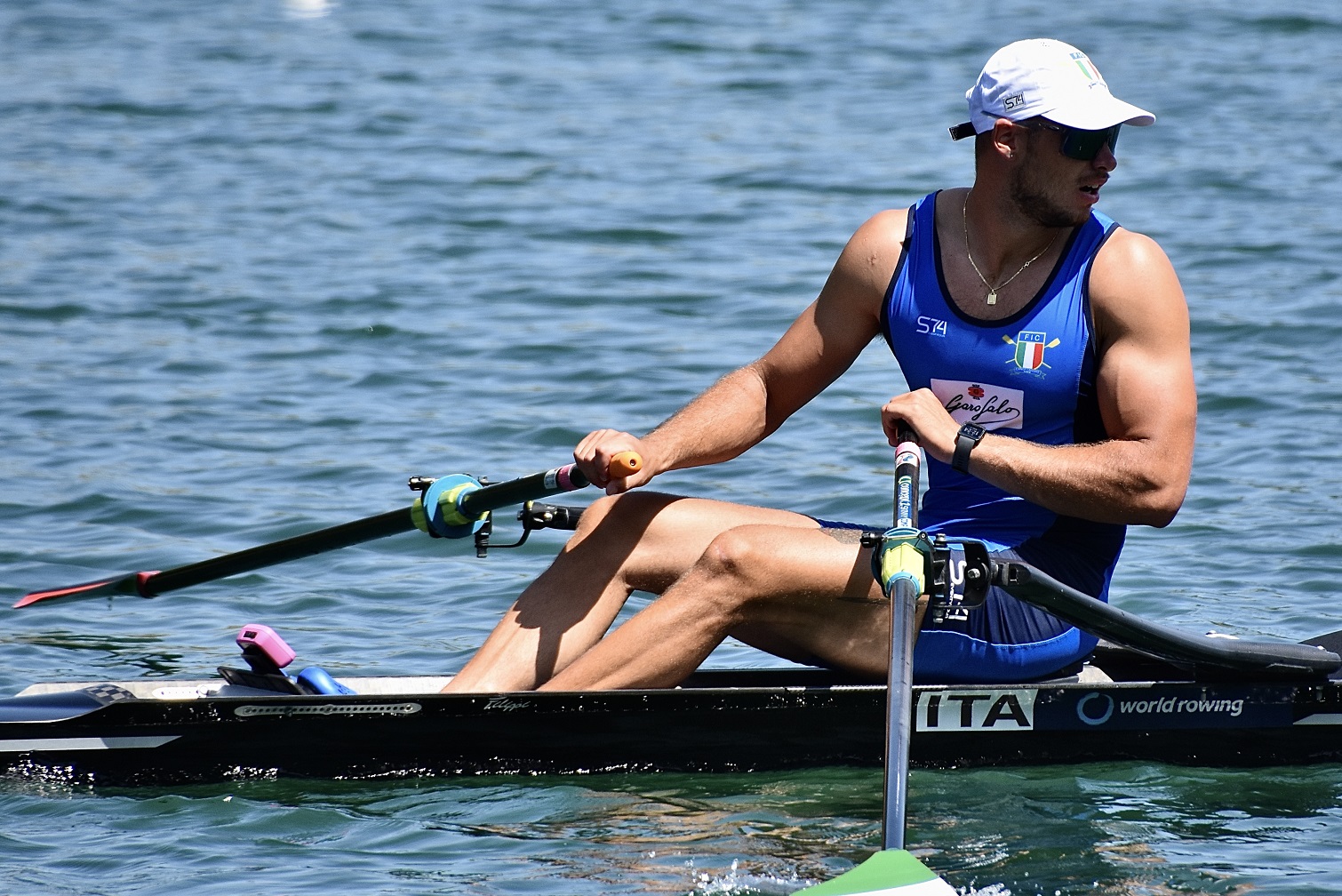
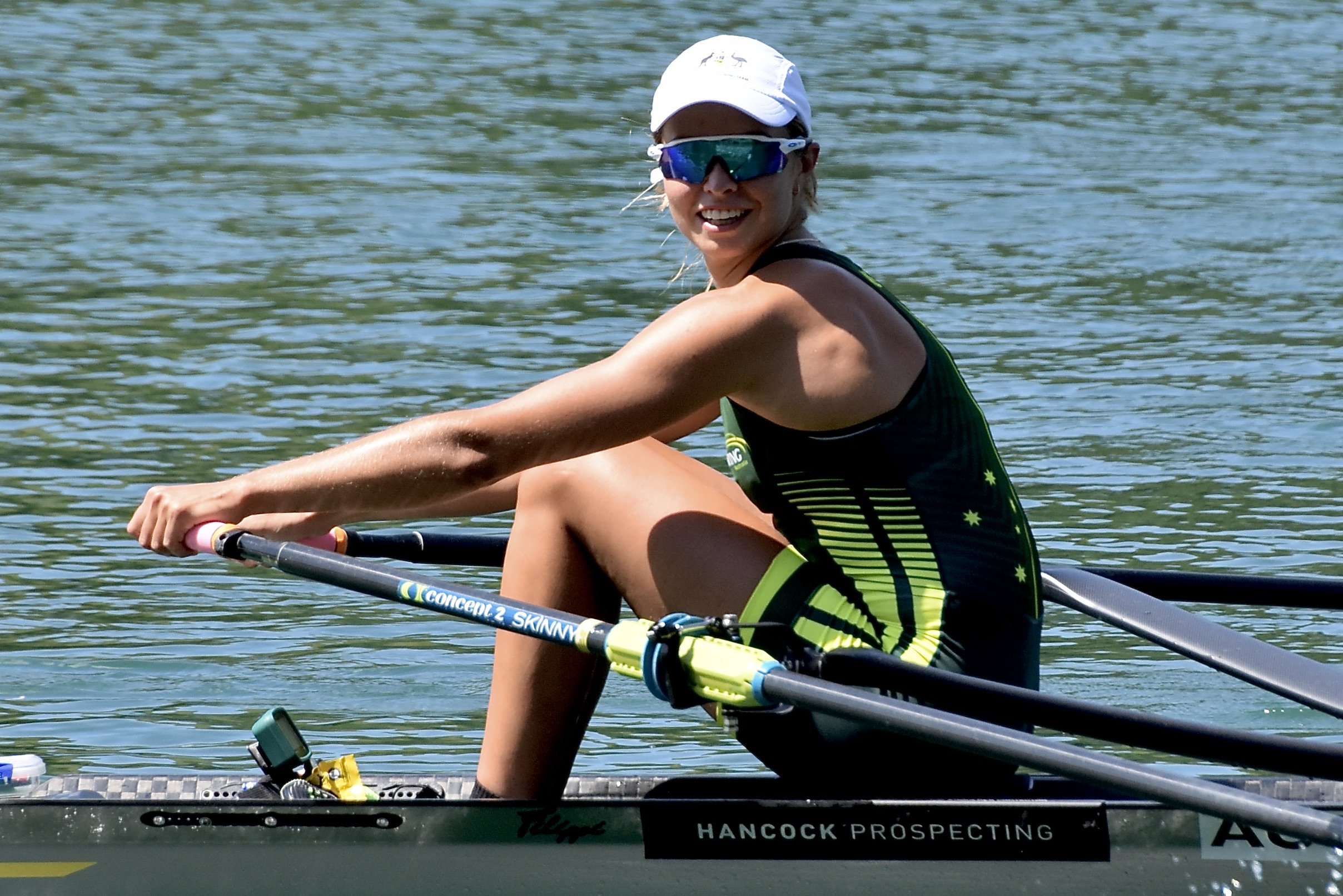
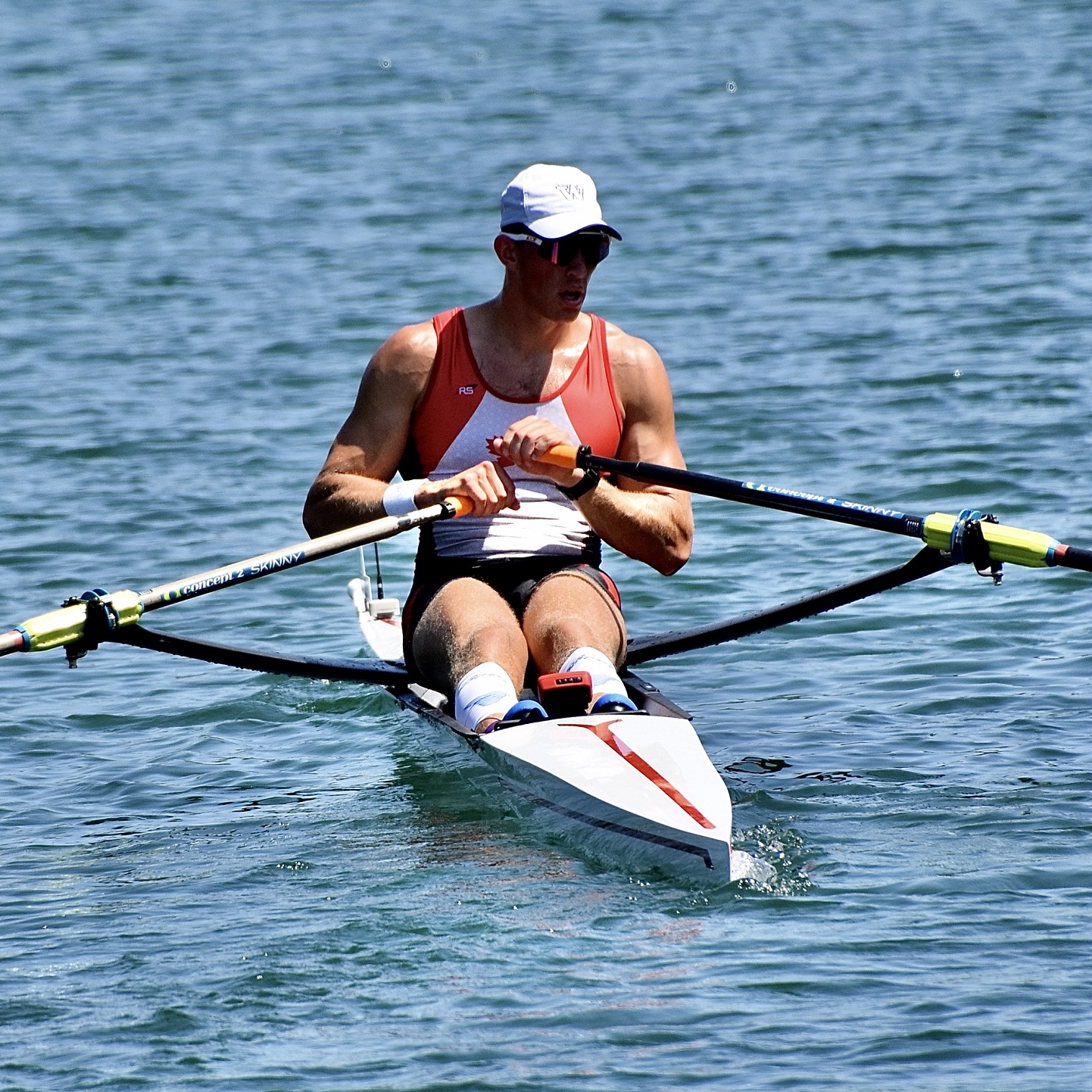
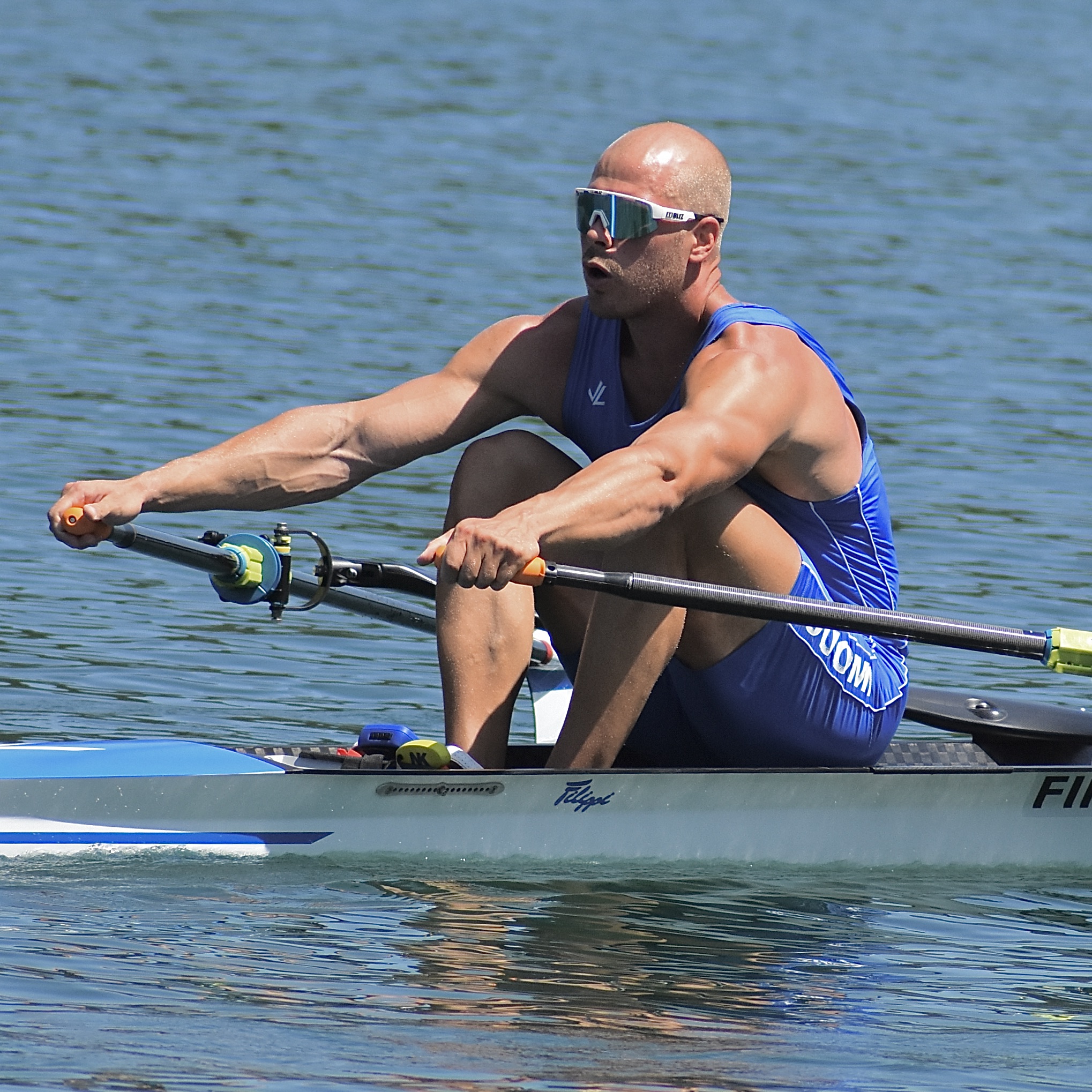
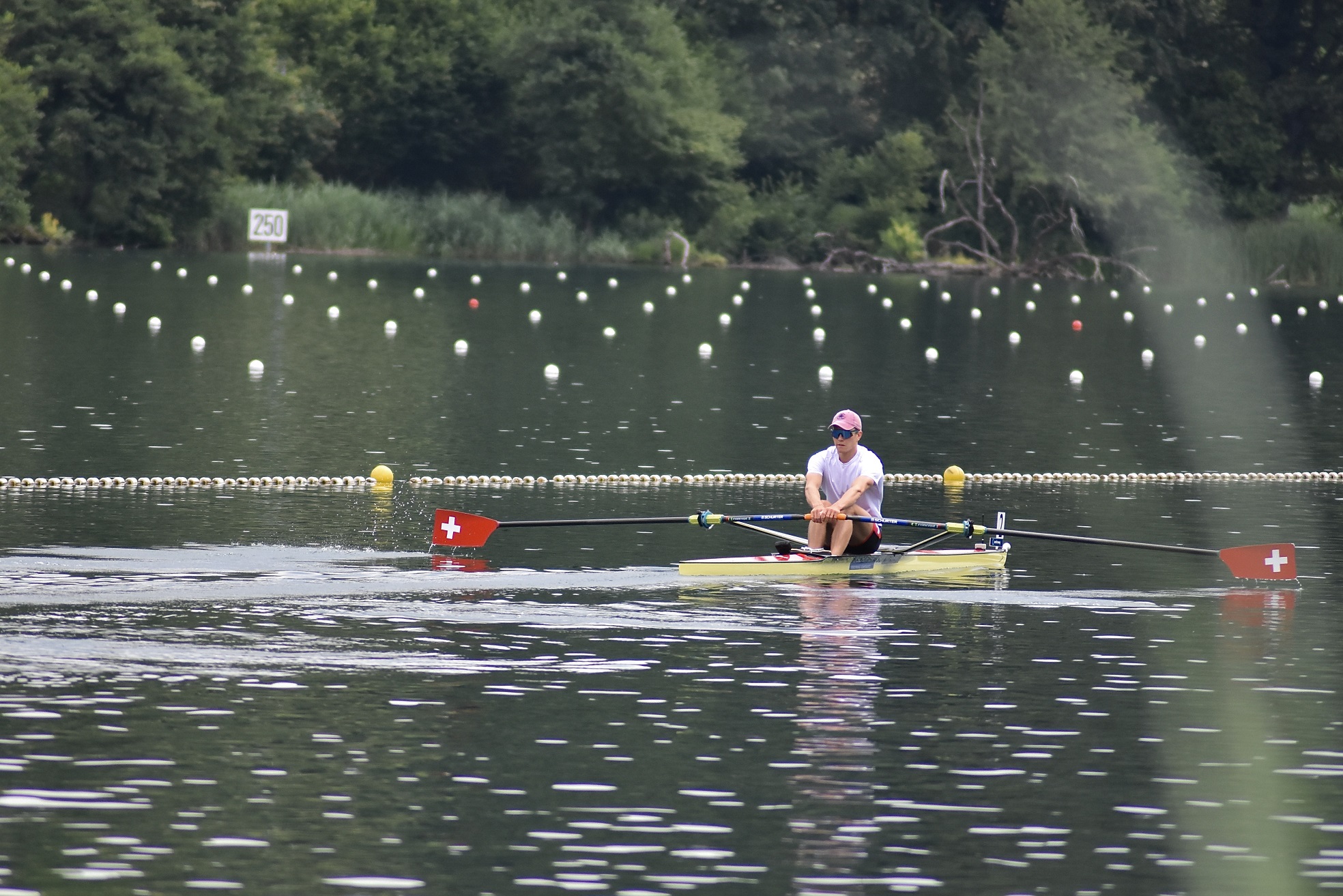
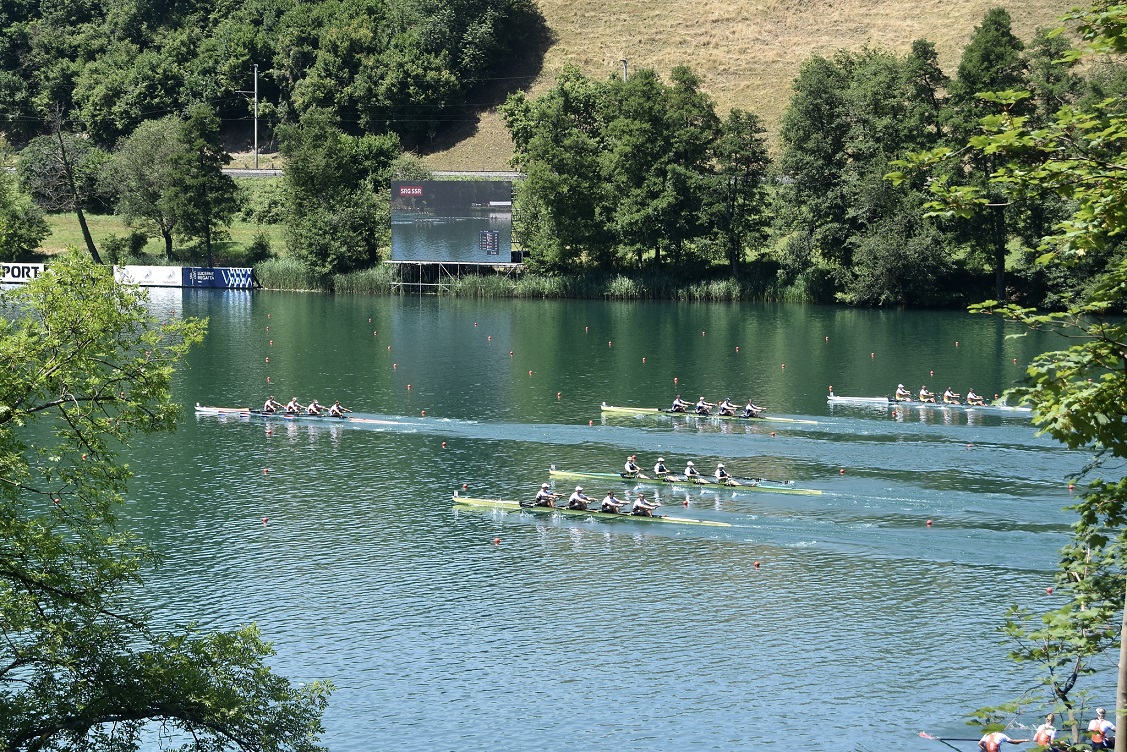
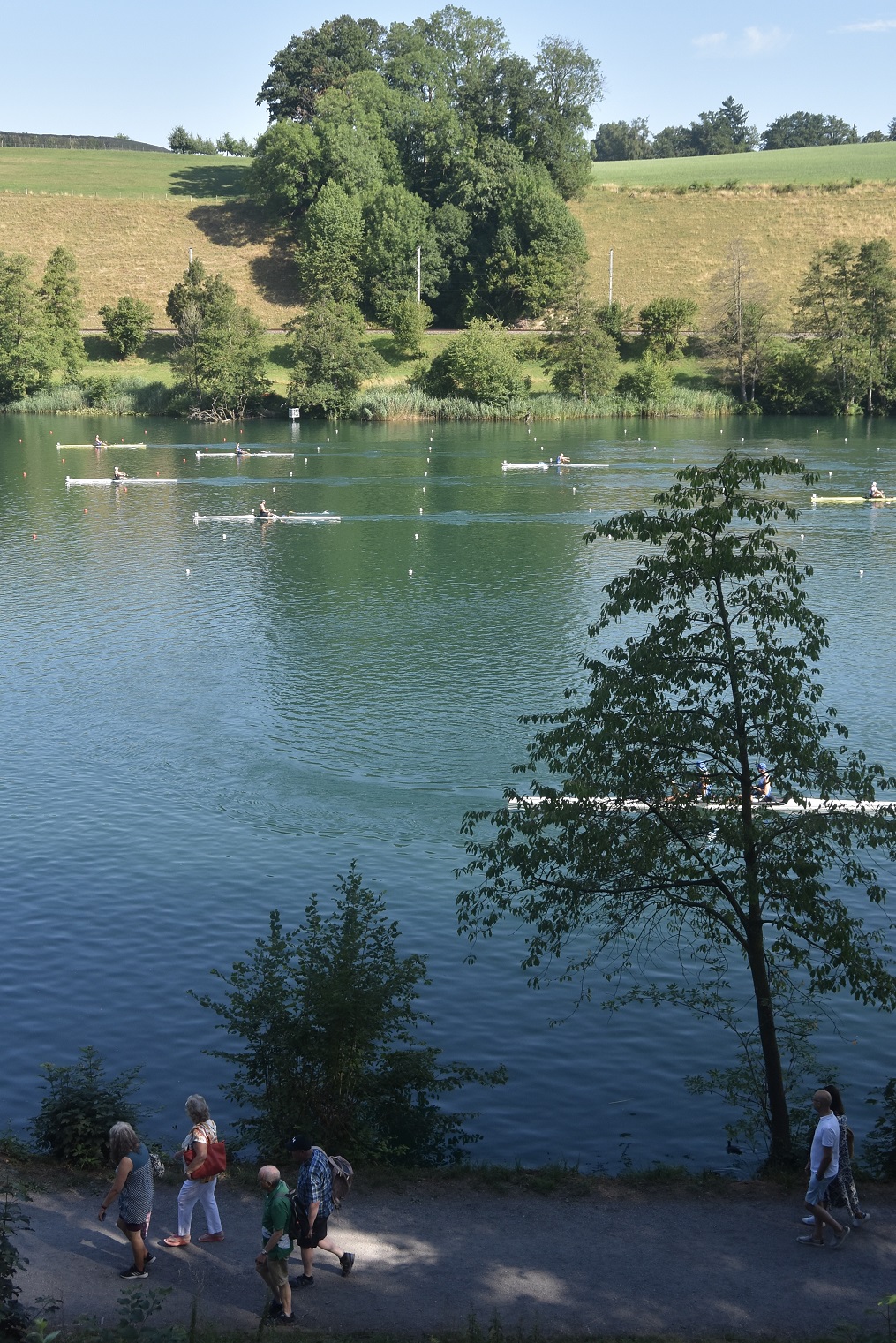
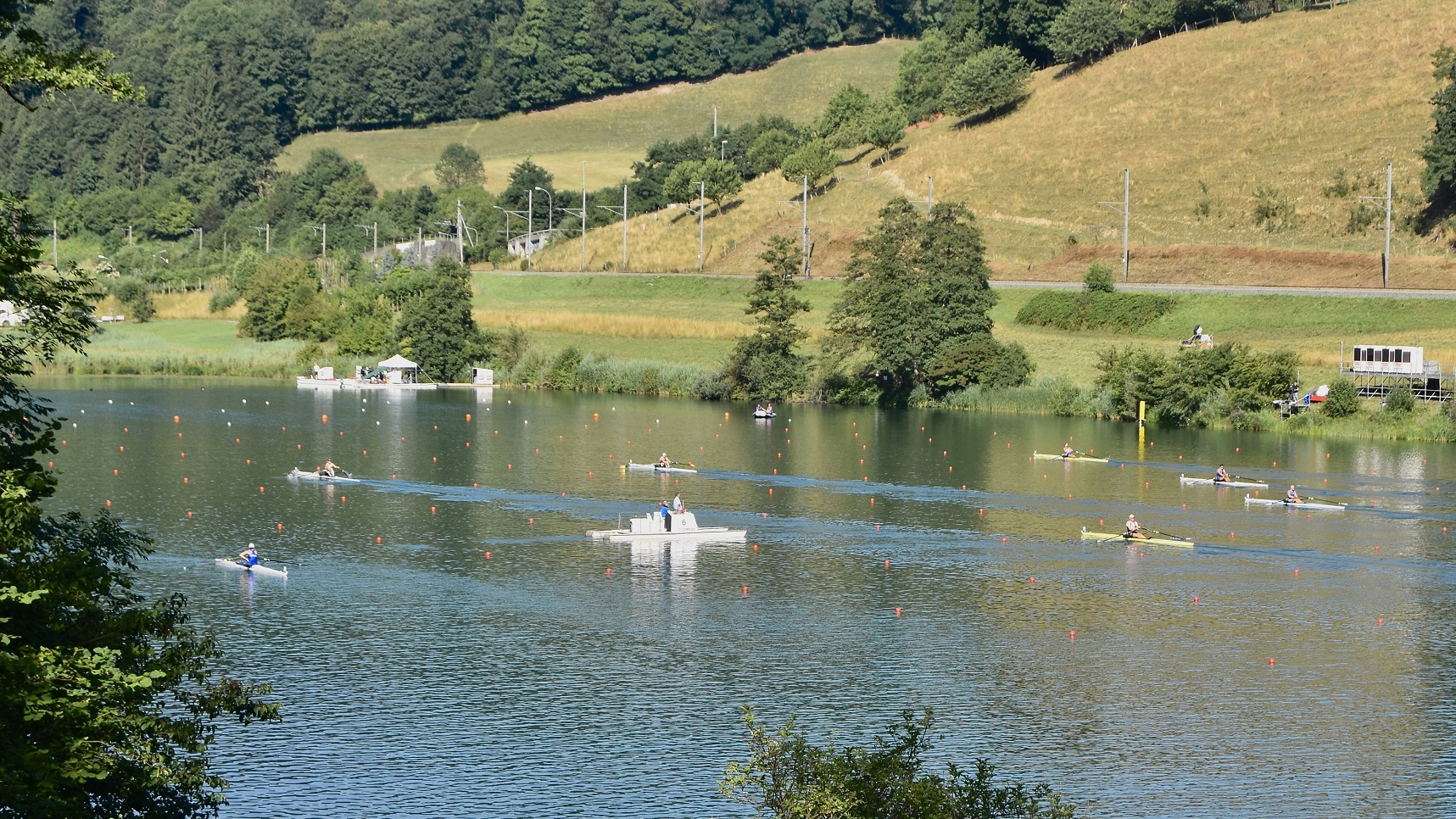
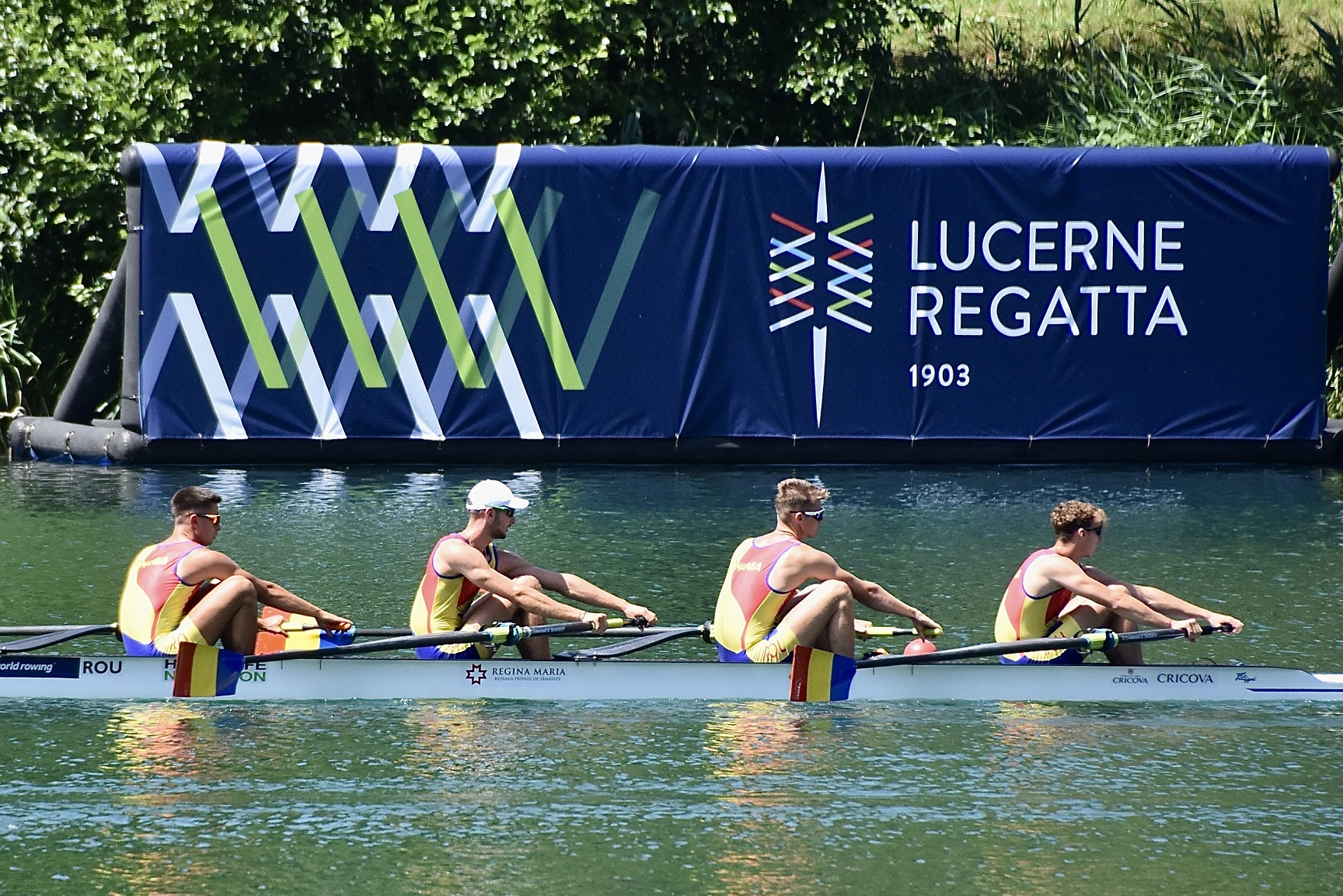
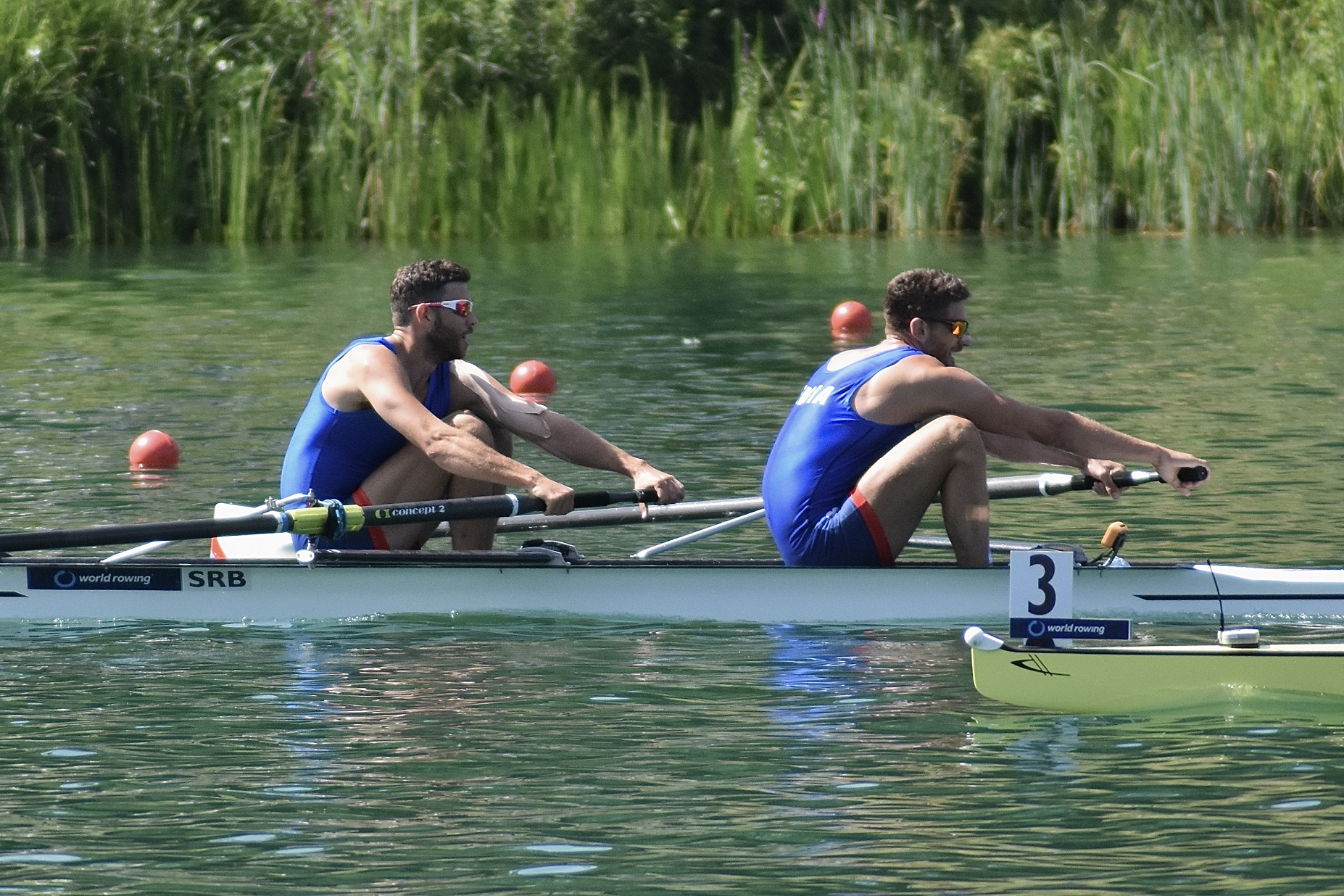
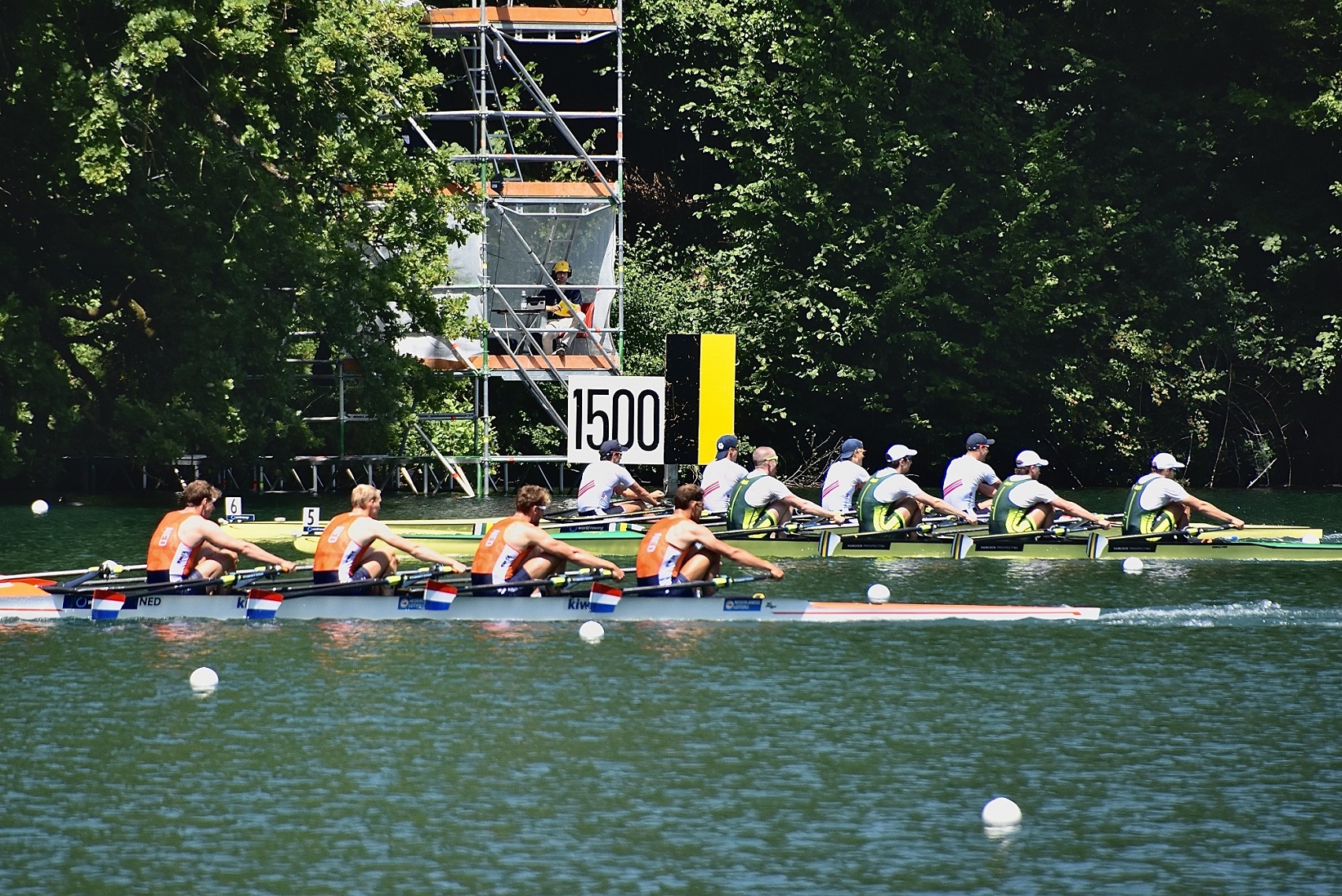
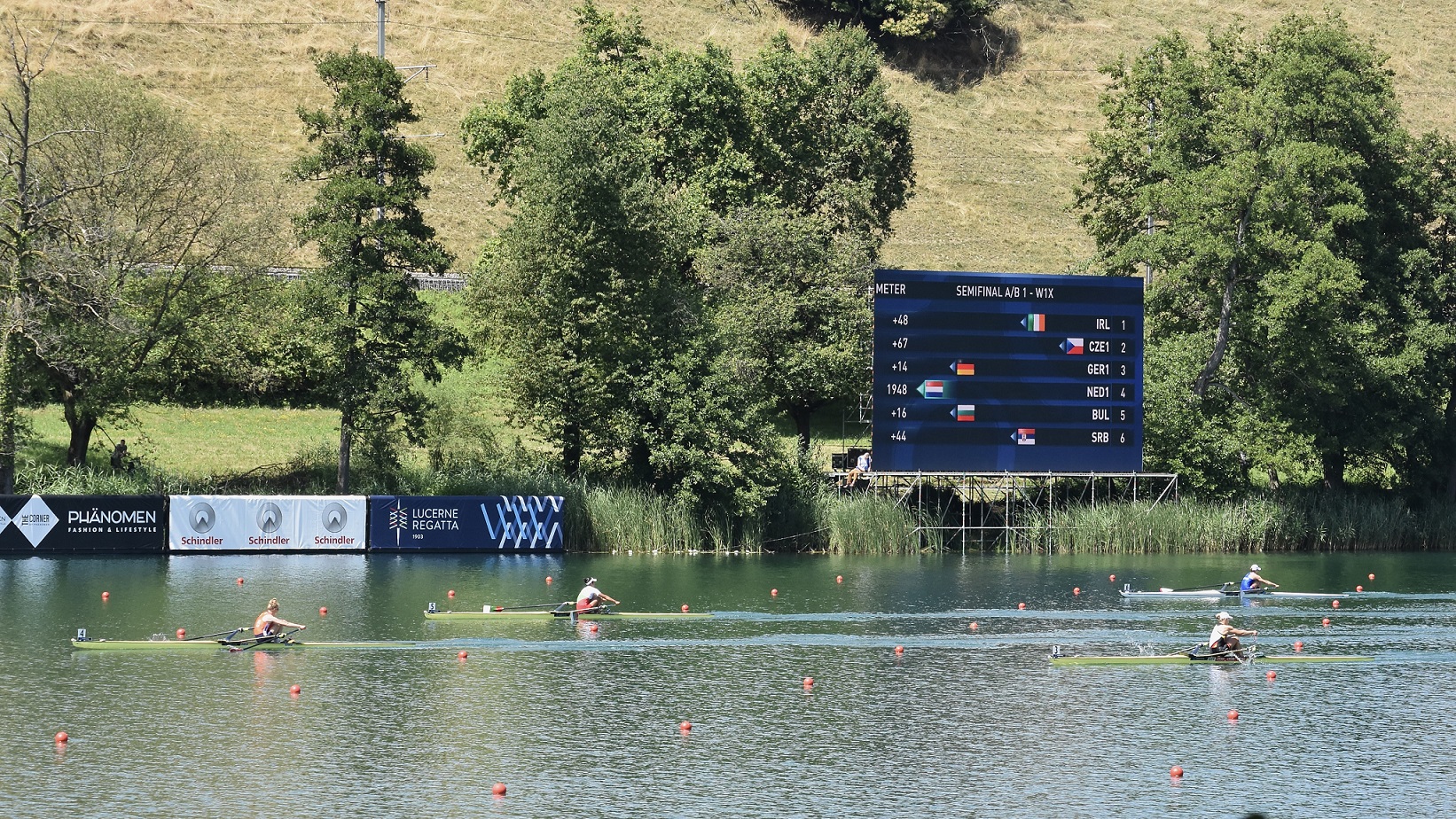
In my three articles, the aim is simply to give a visual impression of this historic and beautiful rowing venue and the atmosphere of an international rowing competition held almost exactly one year before the Paris 2024 Olympic Regatta. In most cases, I have not attempted to identify the people or the races pictured, my intention is to let the images speak for themselves. However, decent photography was difficult as the temperature was in the 30s and the bright light on the water produced high contrast shots and burnt-out highlights.
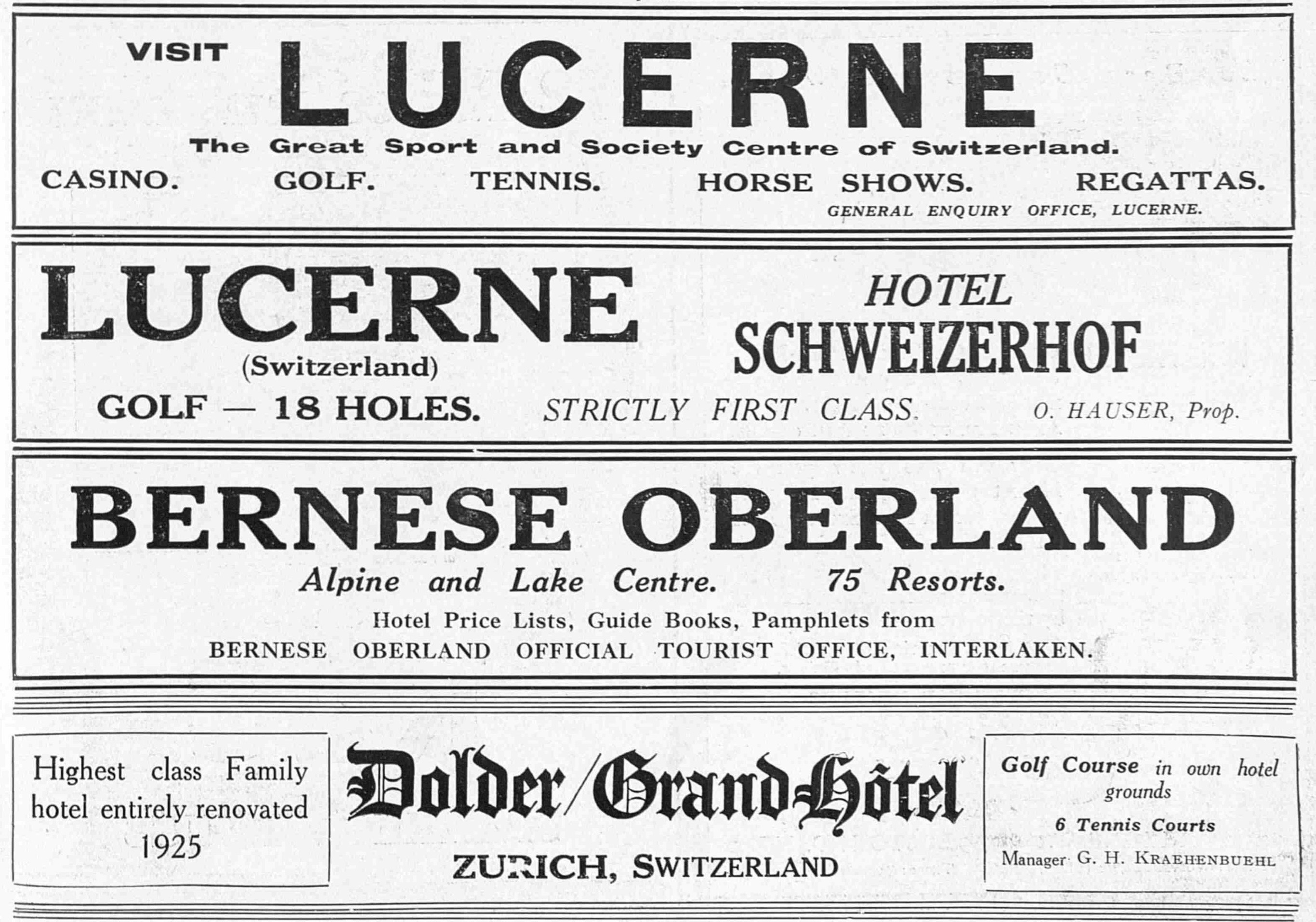
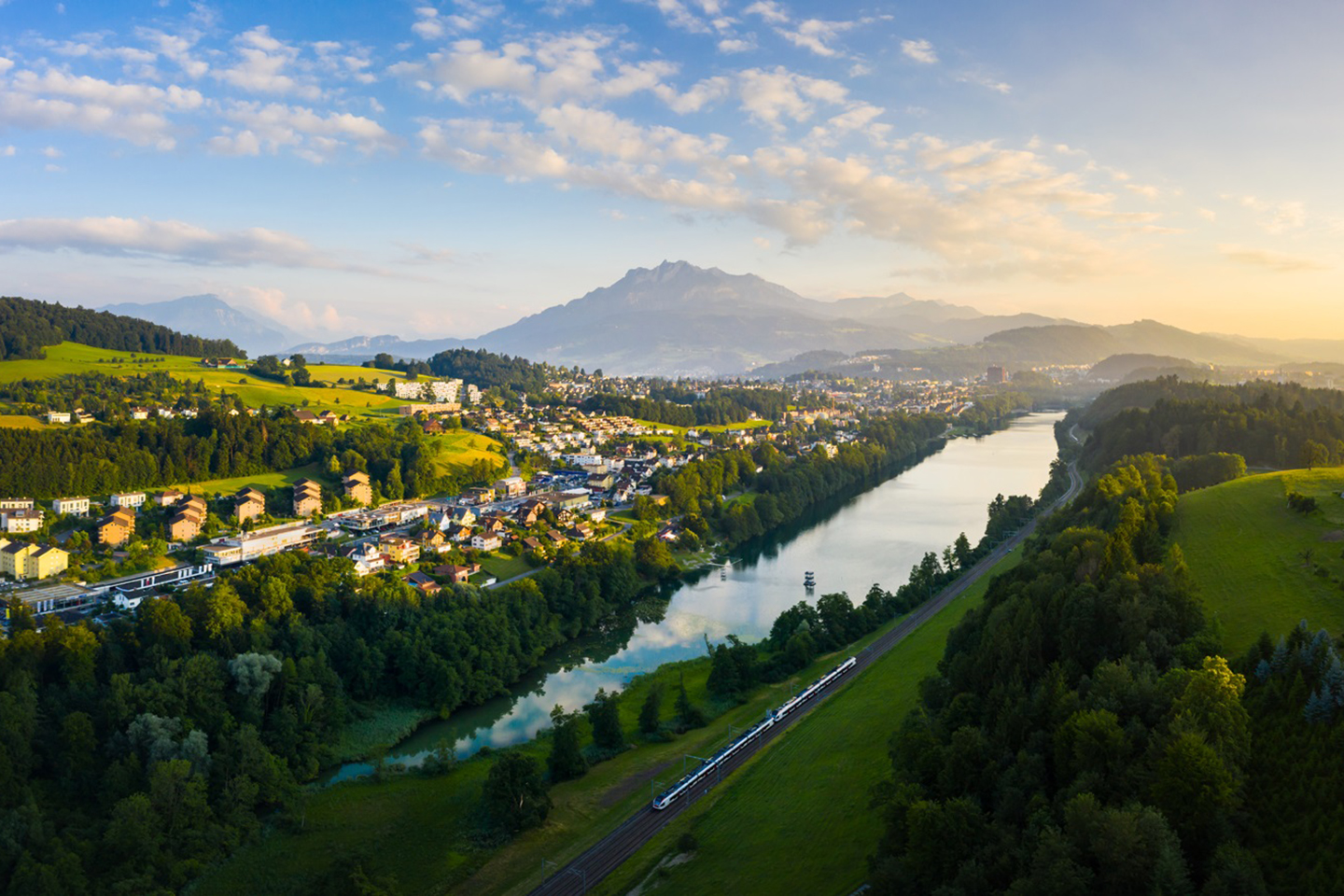
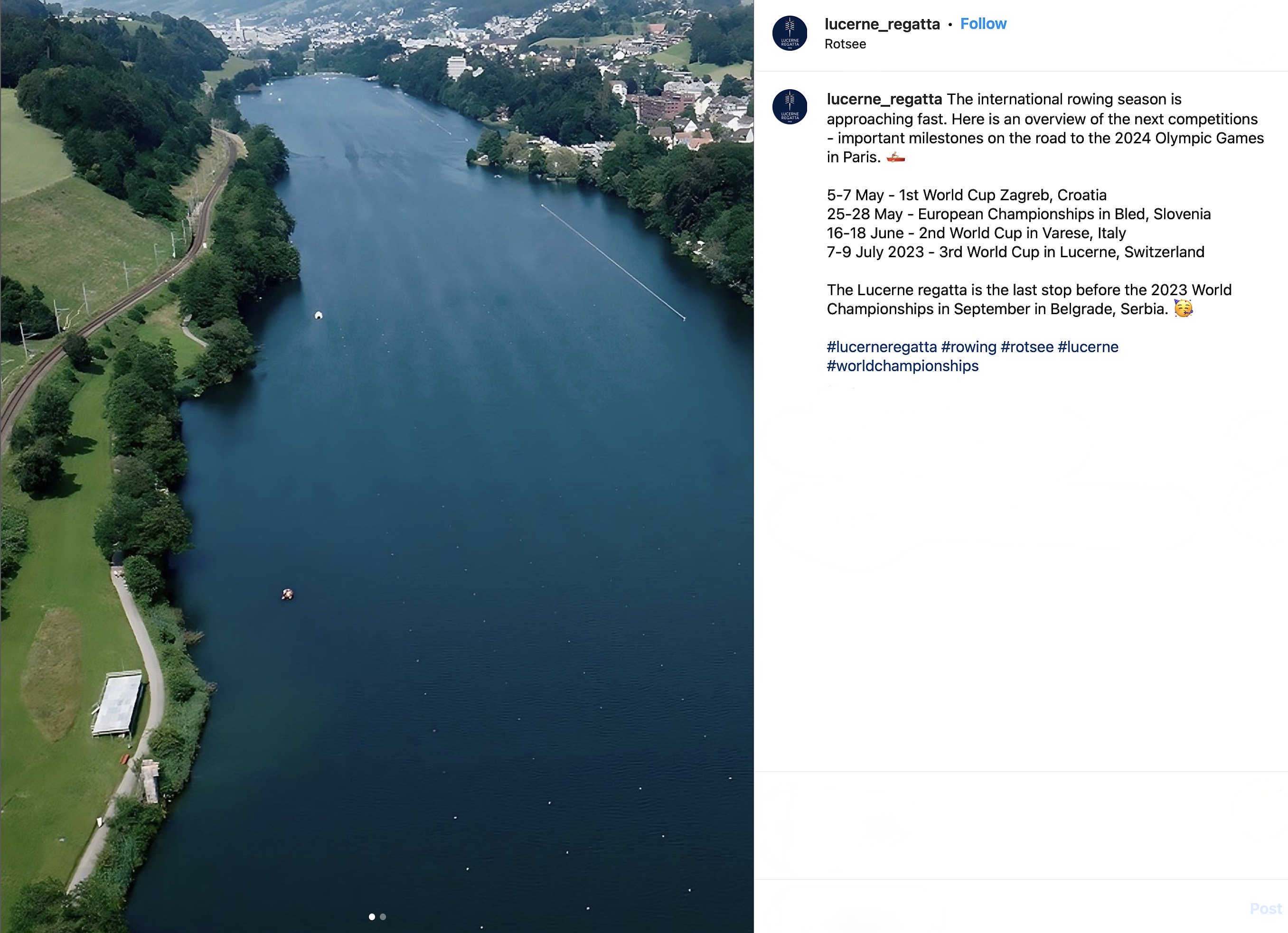
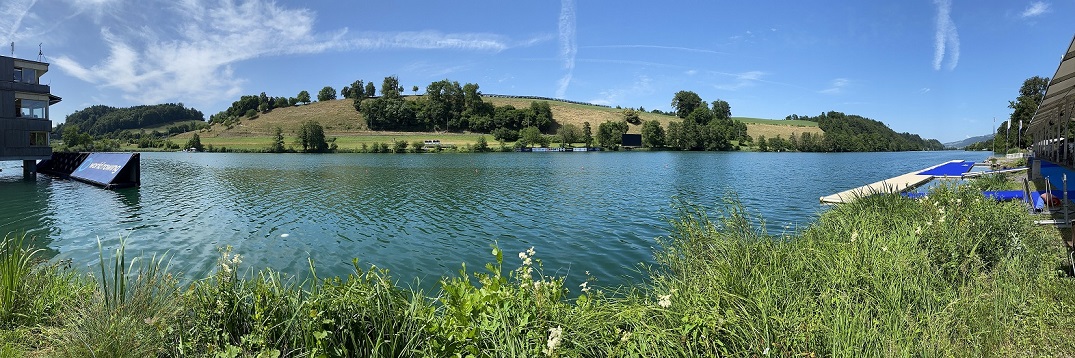
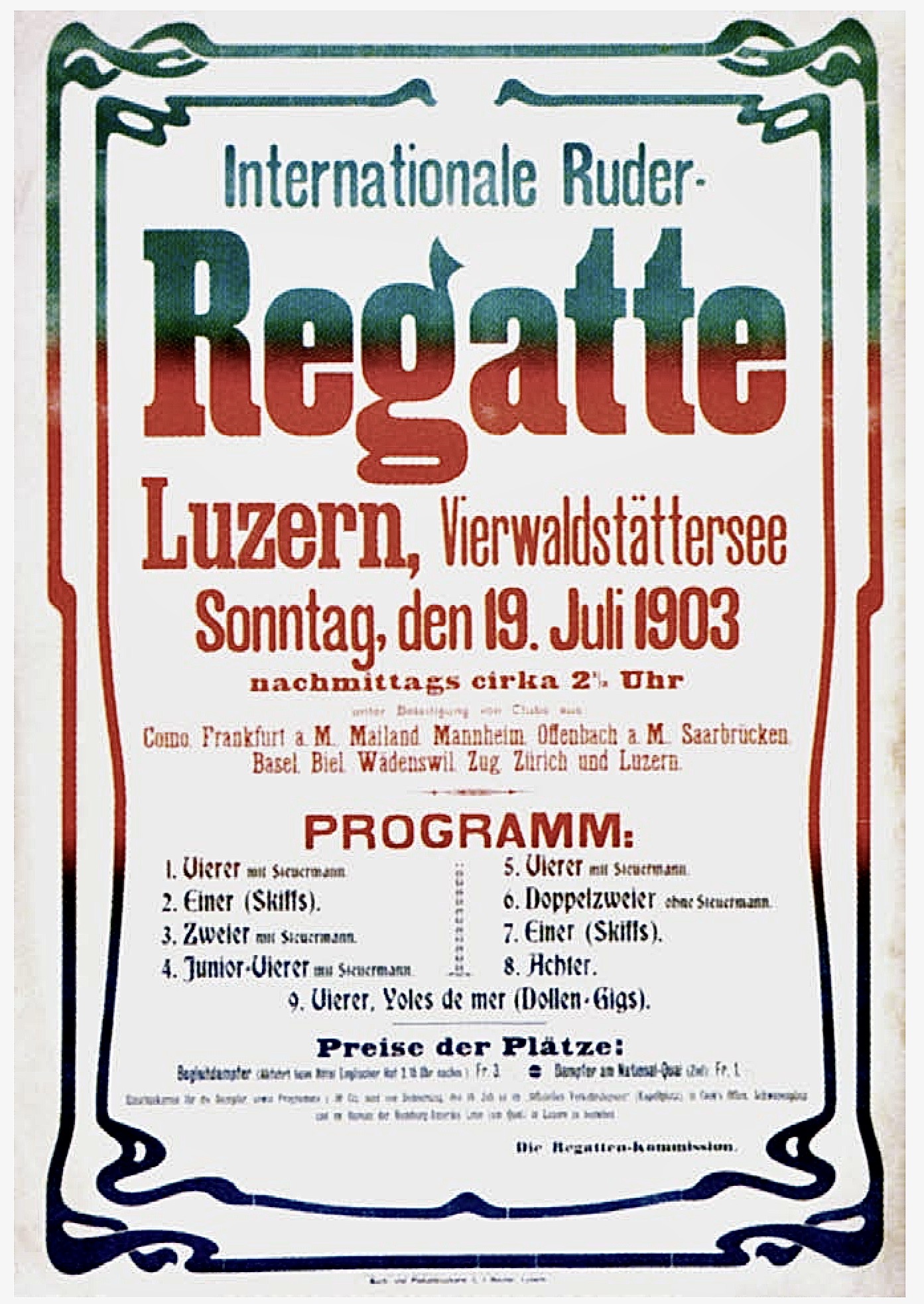
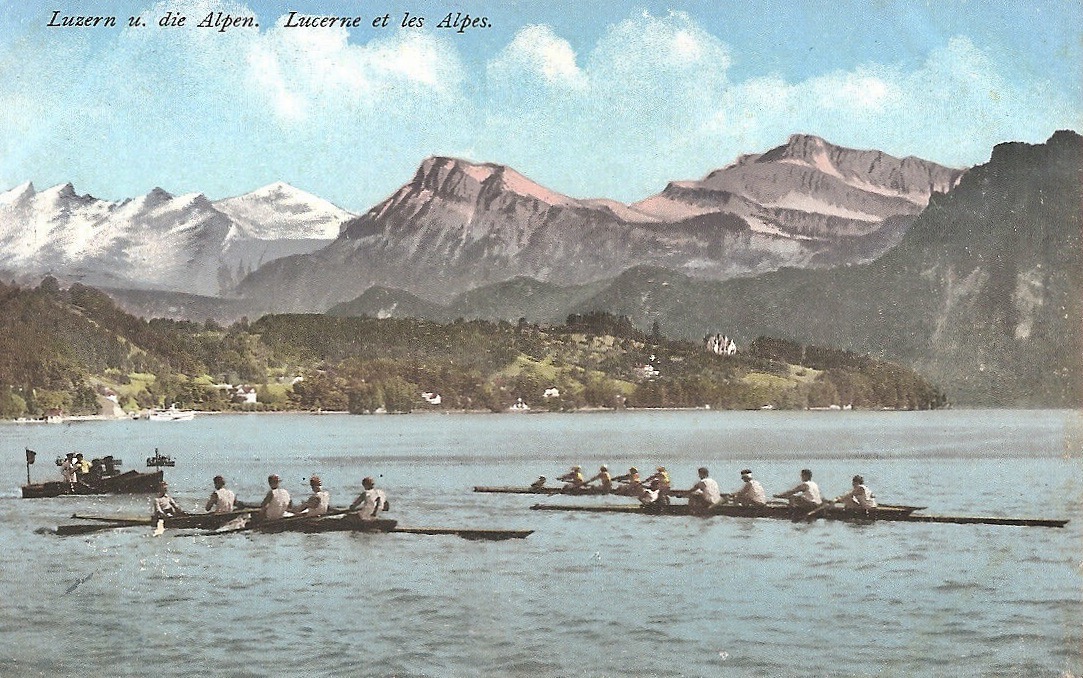
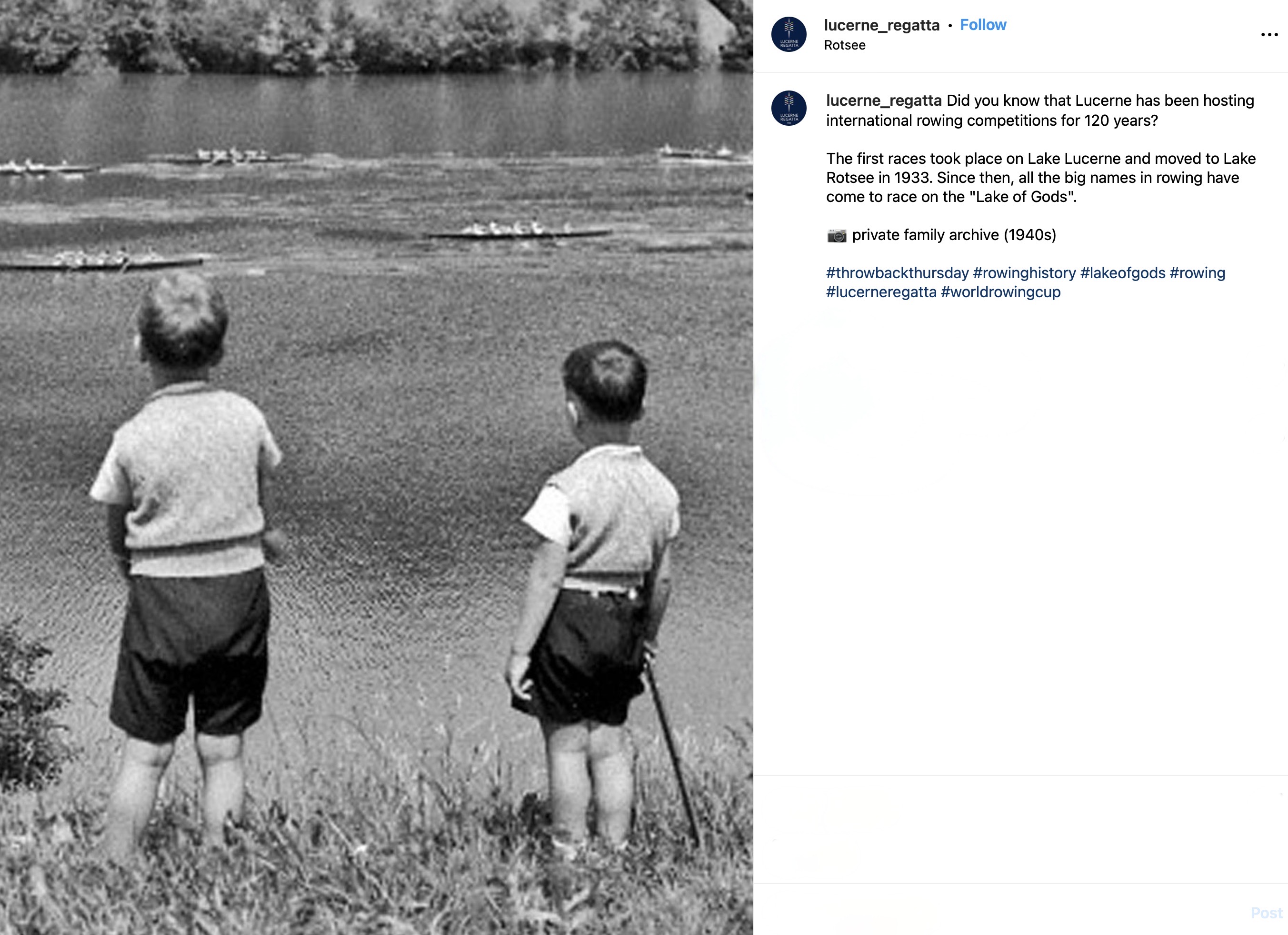
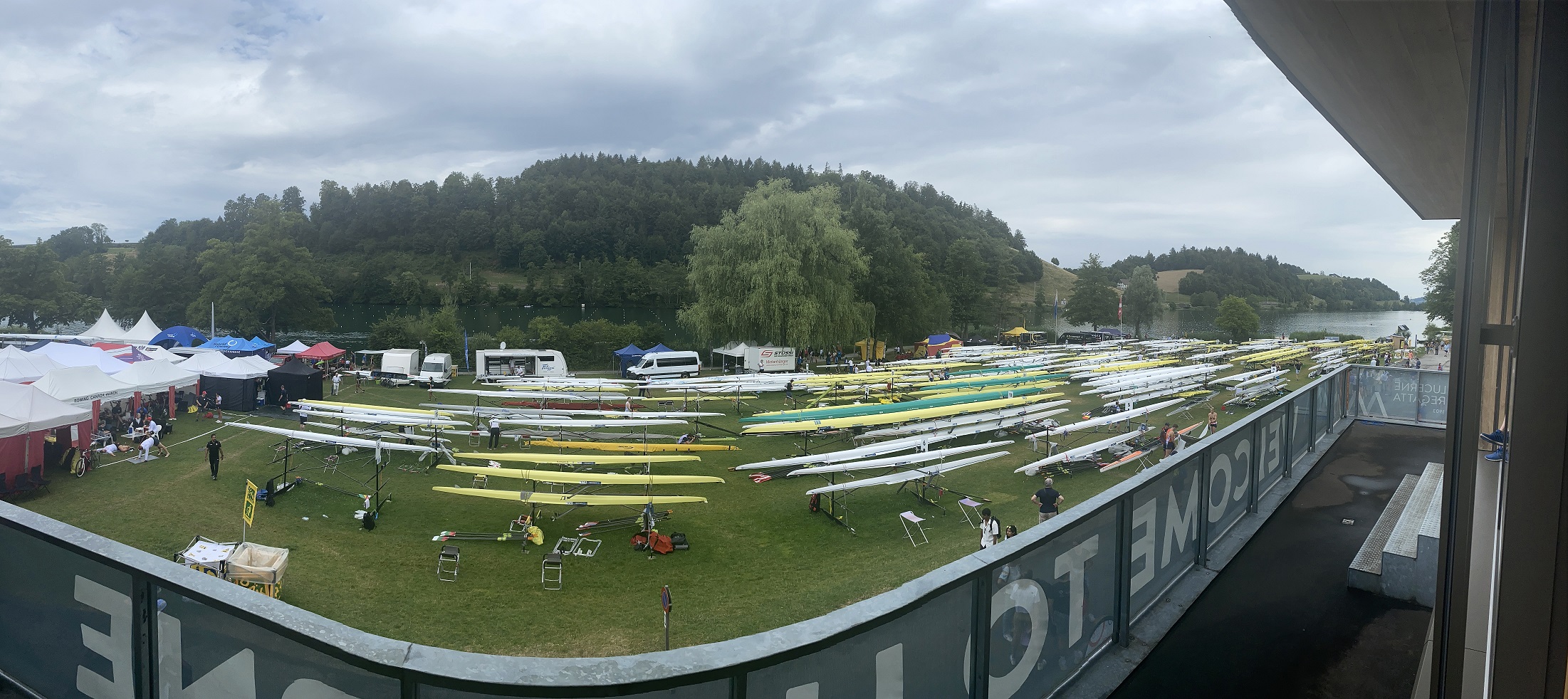
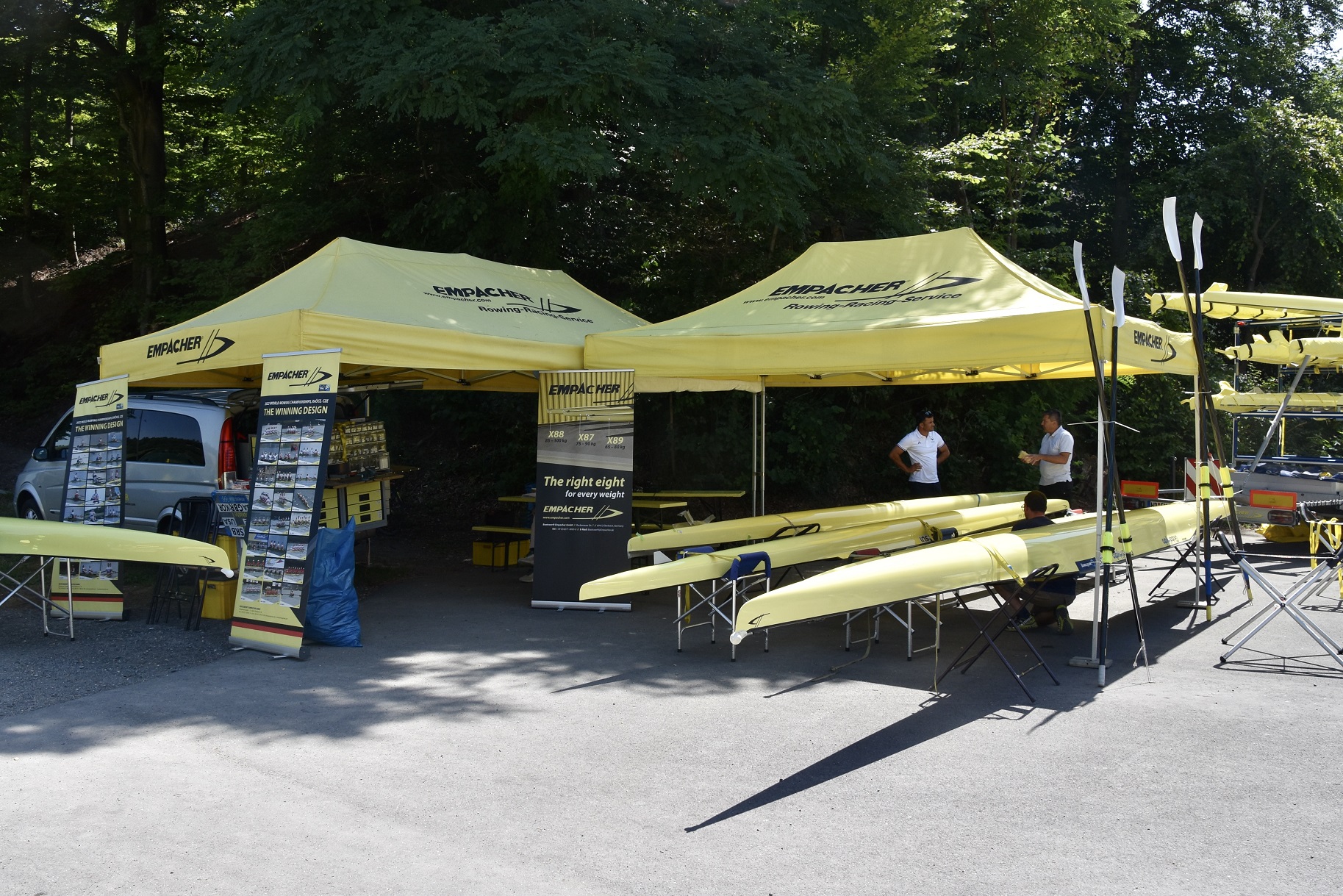
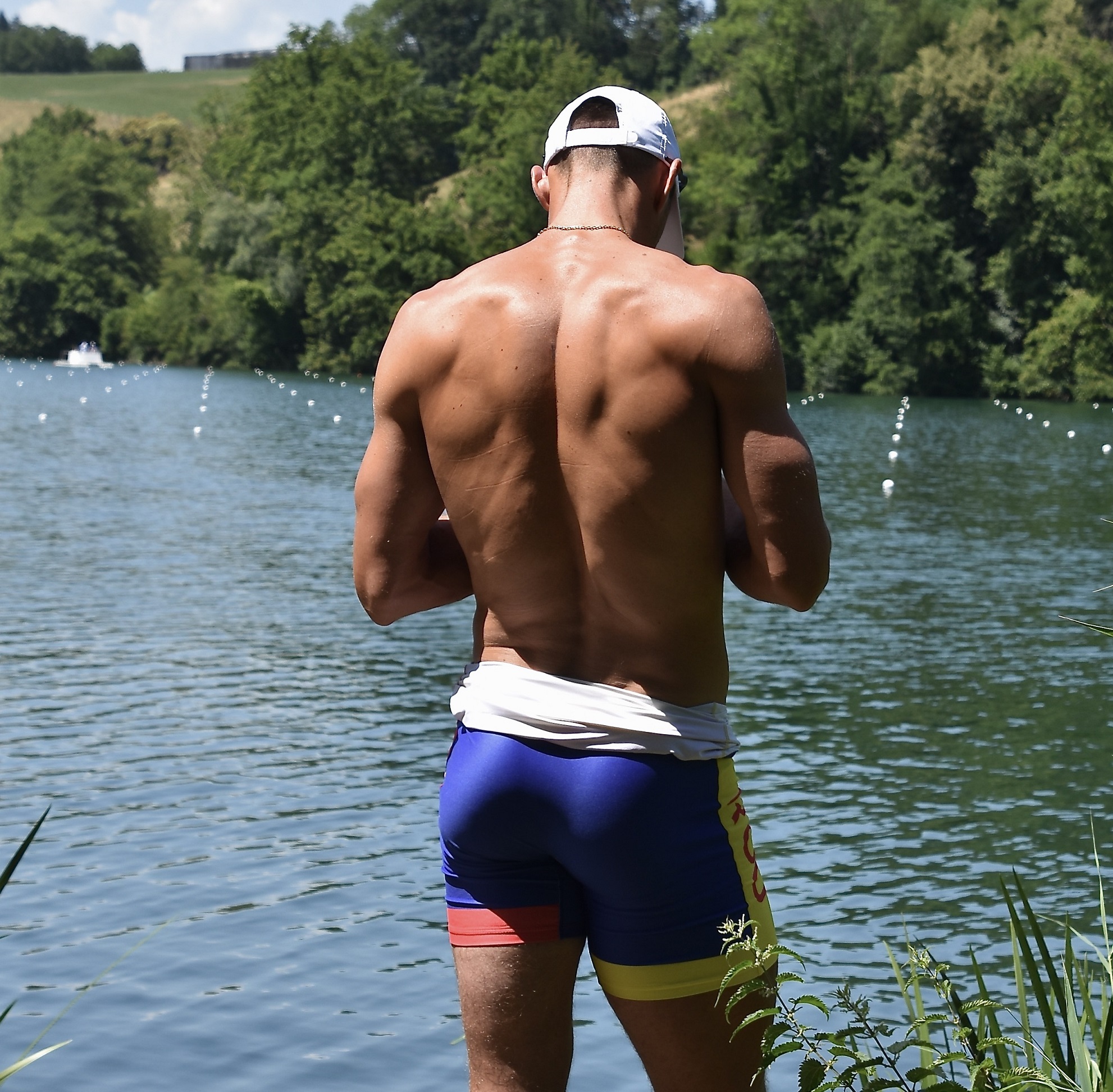
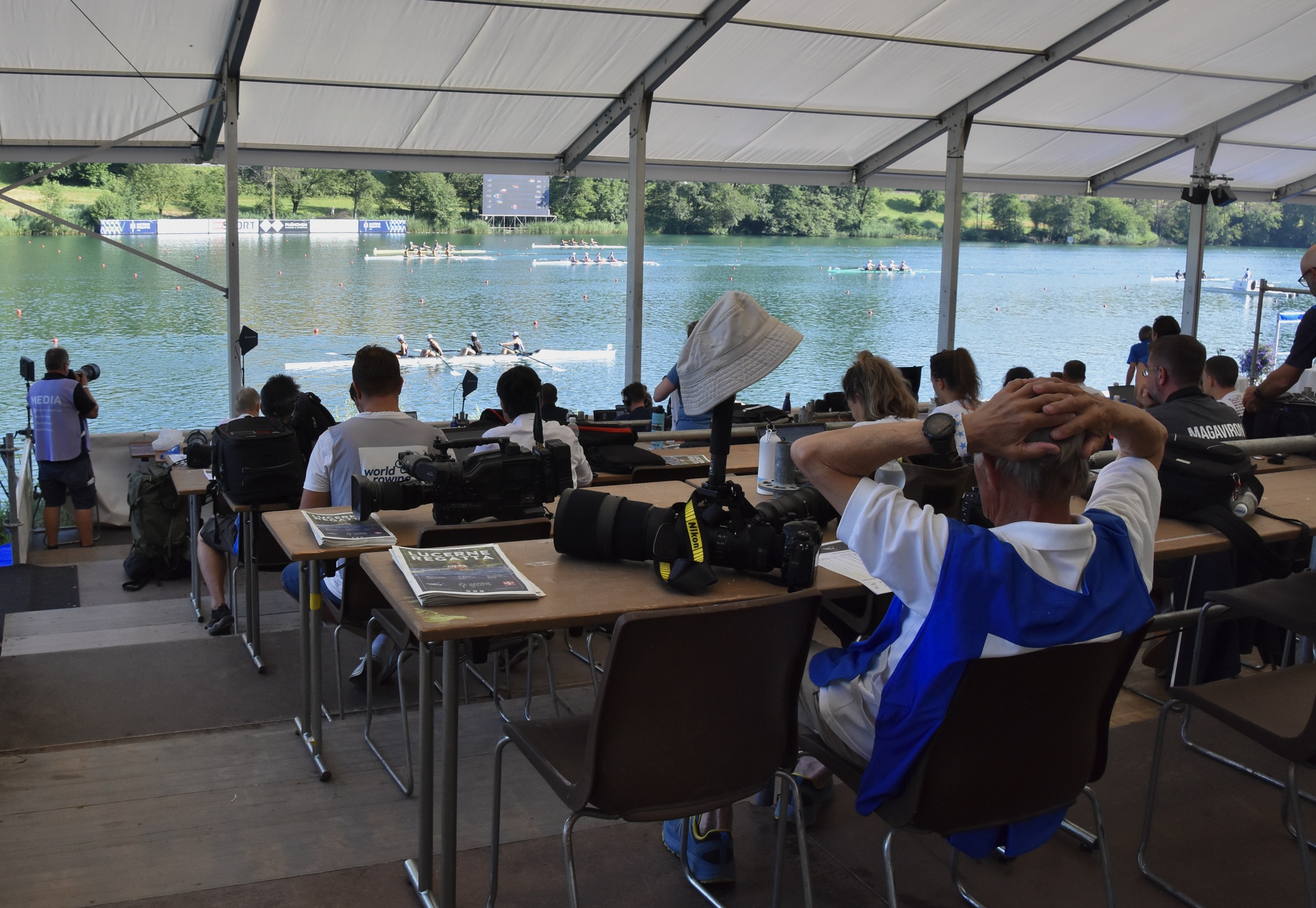
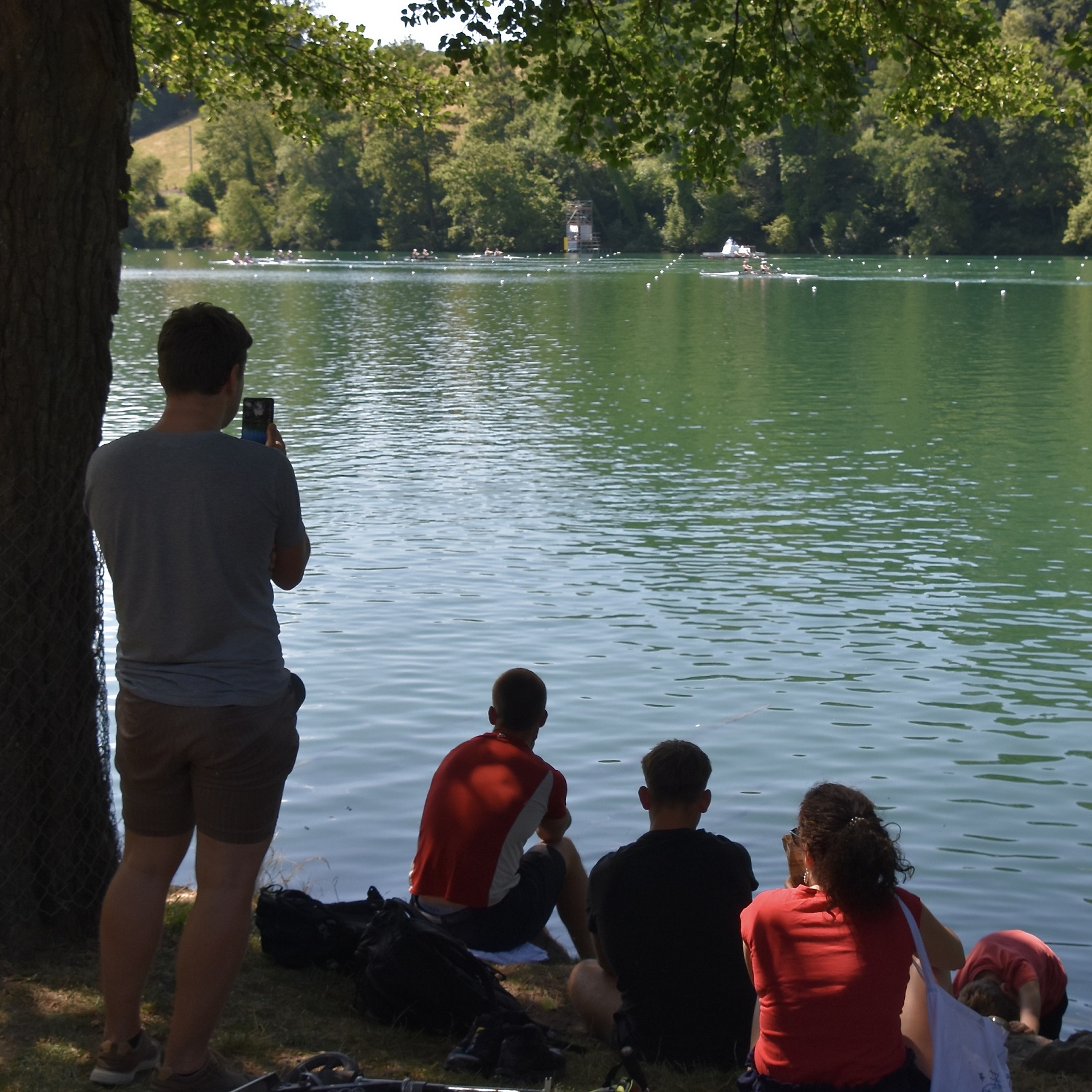
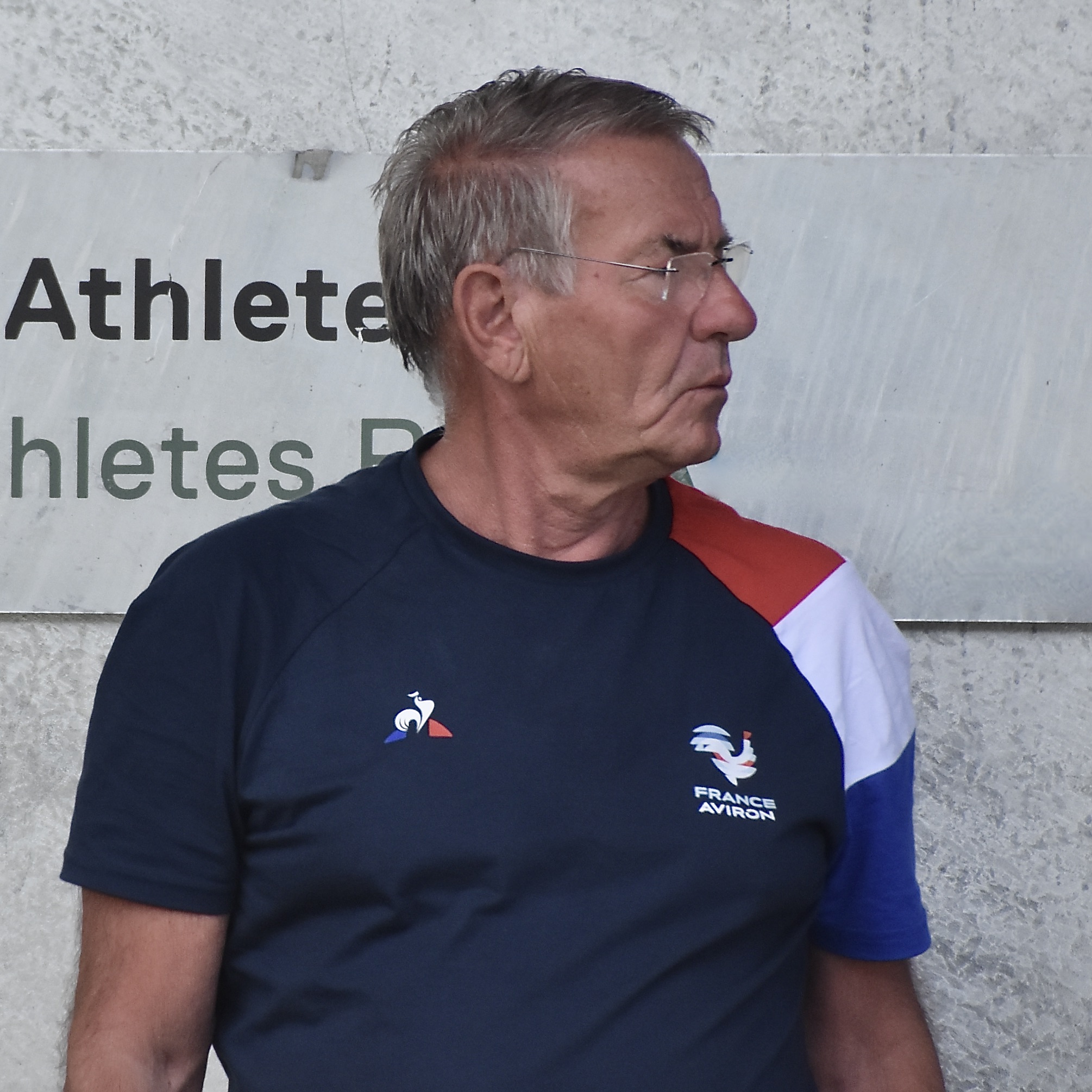
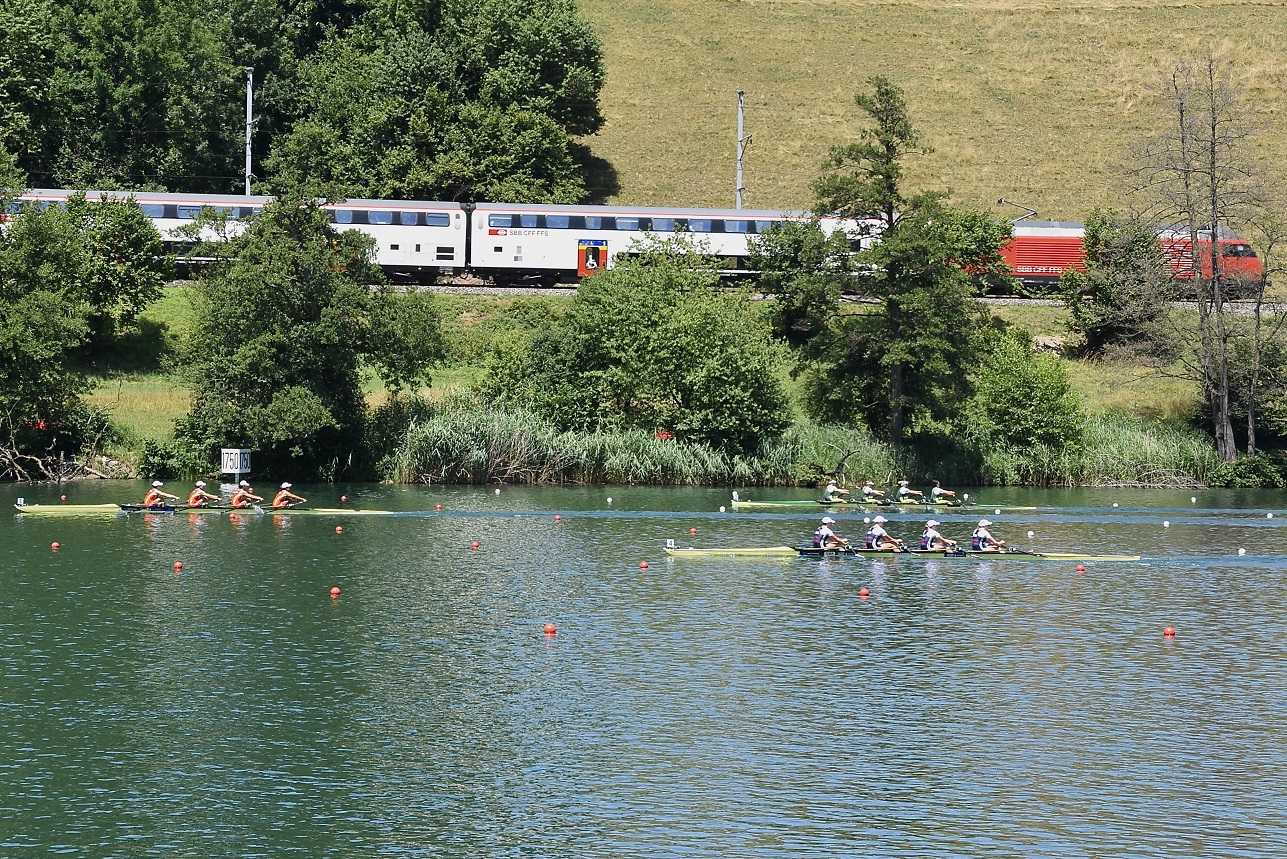
Lucerne has a population of 82,000 and is well-known for its impressive medieval architecture and its stunning location on the River Reuss on the edge of Lake Lucerne. The town is dominated by the Pilatus and Rigi Mountains and is a popular tourist destination. The Rotsee rowing course is on the middle left here. Picture: roli_b.As these advertisements form a 1926 edition of the British society magazine, Bystander, shows, Lucerne has long been a destination for discerning tourists and regatta enthusiasts. Switzerland’s tourist industry and its unlikely part in the First World War is the subject of an HTBS article of mine from 2018.The Rotsee has no notable inflow and virtually no current while nearby hills protect the lake from wind. It is 2,400 metres long and wide enough for six racing lanes. This picture shows the view from the start with Pilatus in the background, Picture: Foxtrail.The view from near to the finish. The Lucerne Regatta Association and the Lucerne Regatta have, over the years, put a lot of effort into keeping the course up to constantly changing international standards. Picture: Instagram.The finish tower is on the left as viewed here, the press stand and the prize presentation pontoon is on the right.World Cups on the Rotsee are run under the umbrella of the Lucerne Regatta, first held in 1903. Image: plakatarchiv.cBetween 1903 and 1933, Lucerne Regatta was held on Lake Lucerne (German: Vierwaldstättersee). The European Rowing Championships of 1908 and 1926 were also held there. Competition moved to the nearby Rotsee on 30 July 1933 when the Swiss Rowing Championship was held there.The European Rowing Championships were held on the Rotsee in 1934, 1947 and 2019. It hosted the inaugural World Rowing Championships in 1962 (men only) and the subsequent championships of 1974, 1982 and 2001. The Final Olympic Qualification Regatta for Tokyo was held on the lakein 2021. Picture: Instagram. A distorted panoramic view of the boating area sited on the 1,750 mark.Rowing is one of the few sports where to be yellow is an advantage.More Lucerne topography.More Lucerne beefcake. The regatta mascot is holding a cow bell, something that Swiss supporters ring when their crews are racing and its distinctive dull sound also comes from real cows grazing on the surrounding hills. Why do cows wear bells? Because their horns don’t work.The view from the media stand.With temperatures reaching 35°C, the lake’s natural setting provided welcome shade for spectators.Jurgen Grobler, now Executive High-Performance Consultant for the Fédération Française d’Aviron.
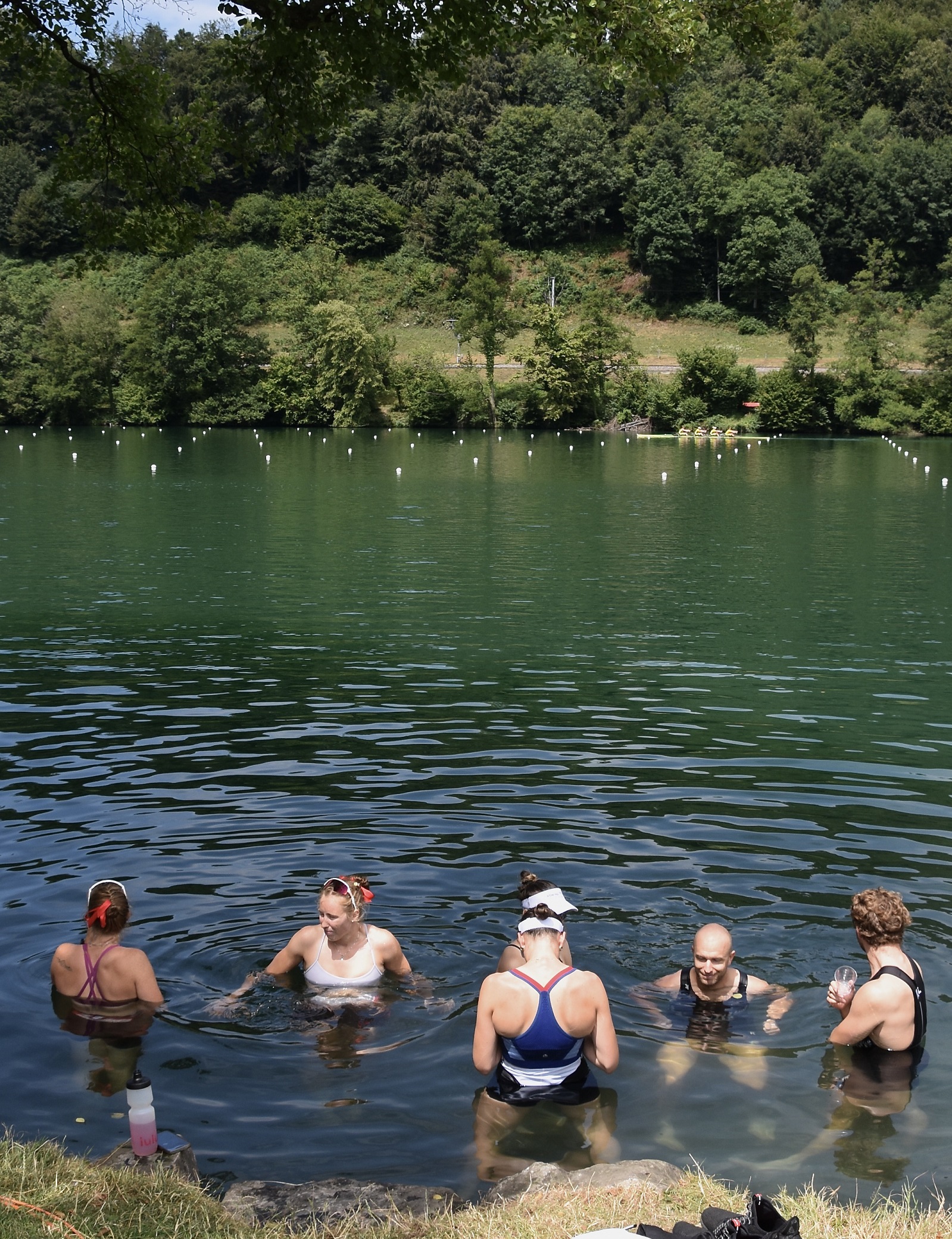
Warming up and cooling down
Some Qualifiers, Heats and Semis
A short video introduction to Lucerne and World Cup III is on World Rowing’s YouTube Channel.
Part II will be The view from the start, Part III will be Finals Day.







 Hear The Boat Sing