
6 July 2023
By William O’Chee
The hundreds of races at this year’s Henley Royal Regatta were covered by dozens of press photographers, many of whom were employed to take photos to sell to the crews. Literally hundreds of thousands of frames resulted.
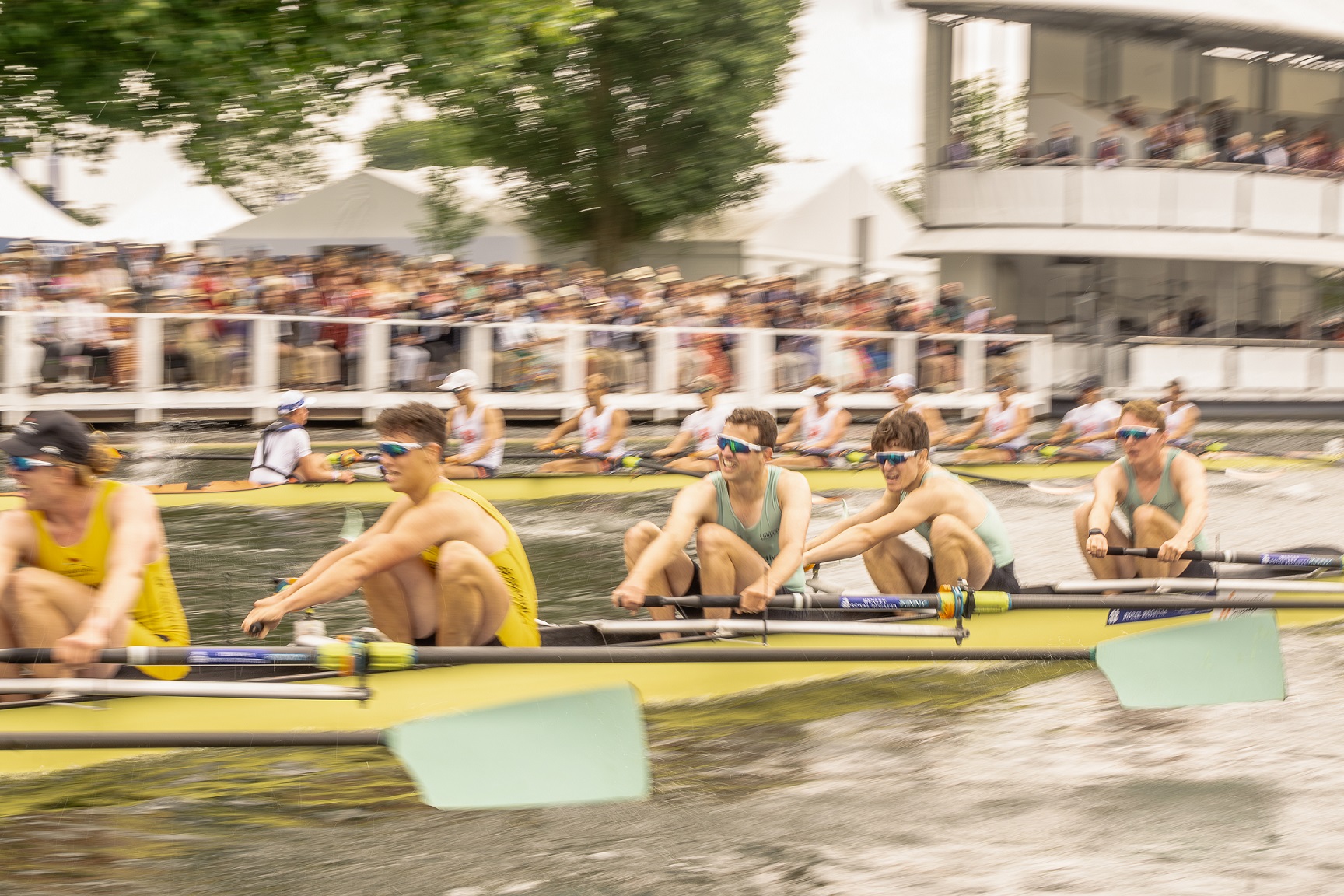
At Hear The Boat Sing, we enjoy a creative freedom many of our colleagues do not. We are not expected to take photos to sell, but to take photos to tell stories. This brief collection of photos is my attempt to capture the spirit of racing.
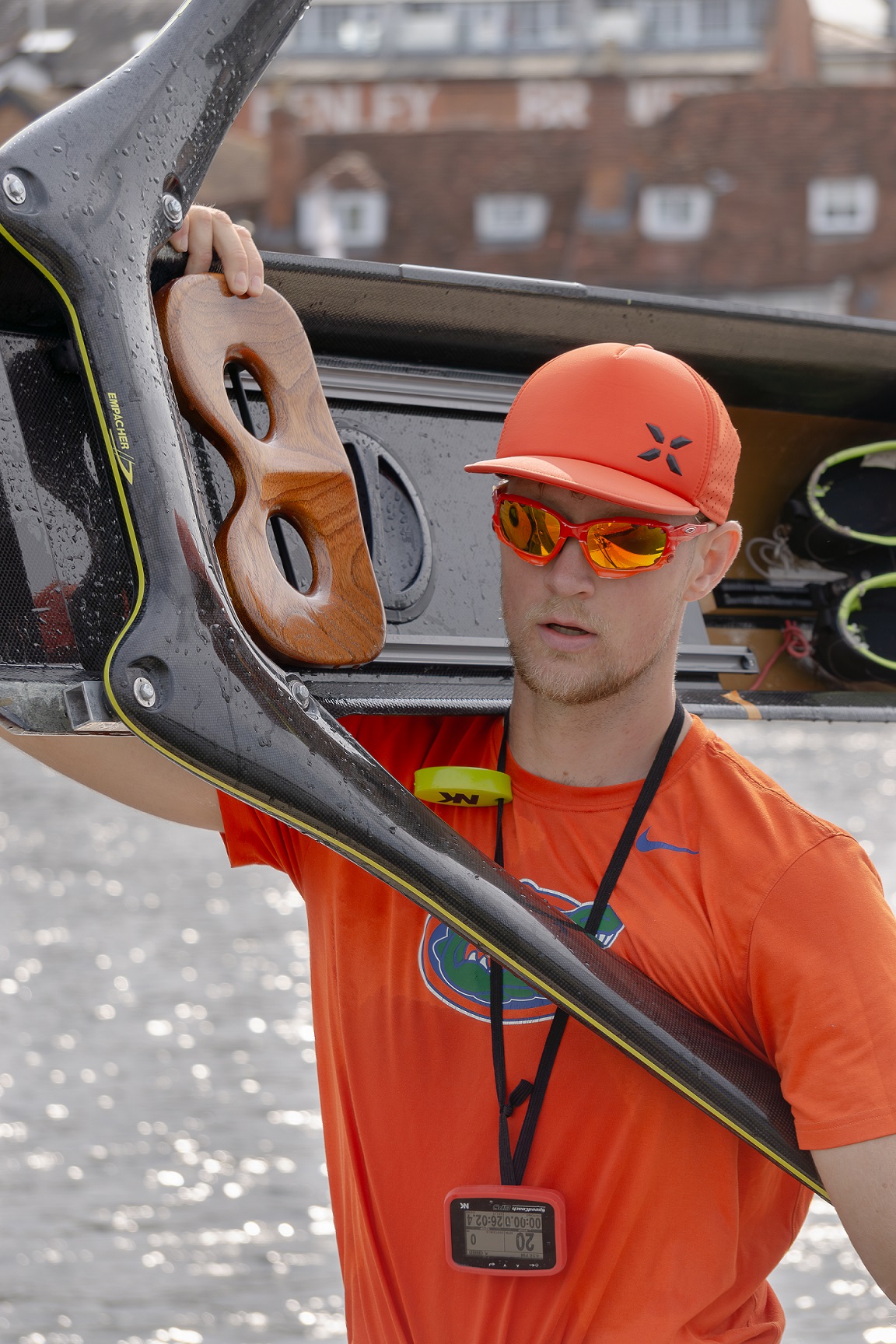
While there is rightly a lot of attention given to the elite men and women competitors, the spirit of racing is just as strong in the junior events, where youthful exuberance and a pride bring out the best in winners and losers alike.
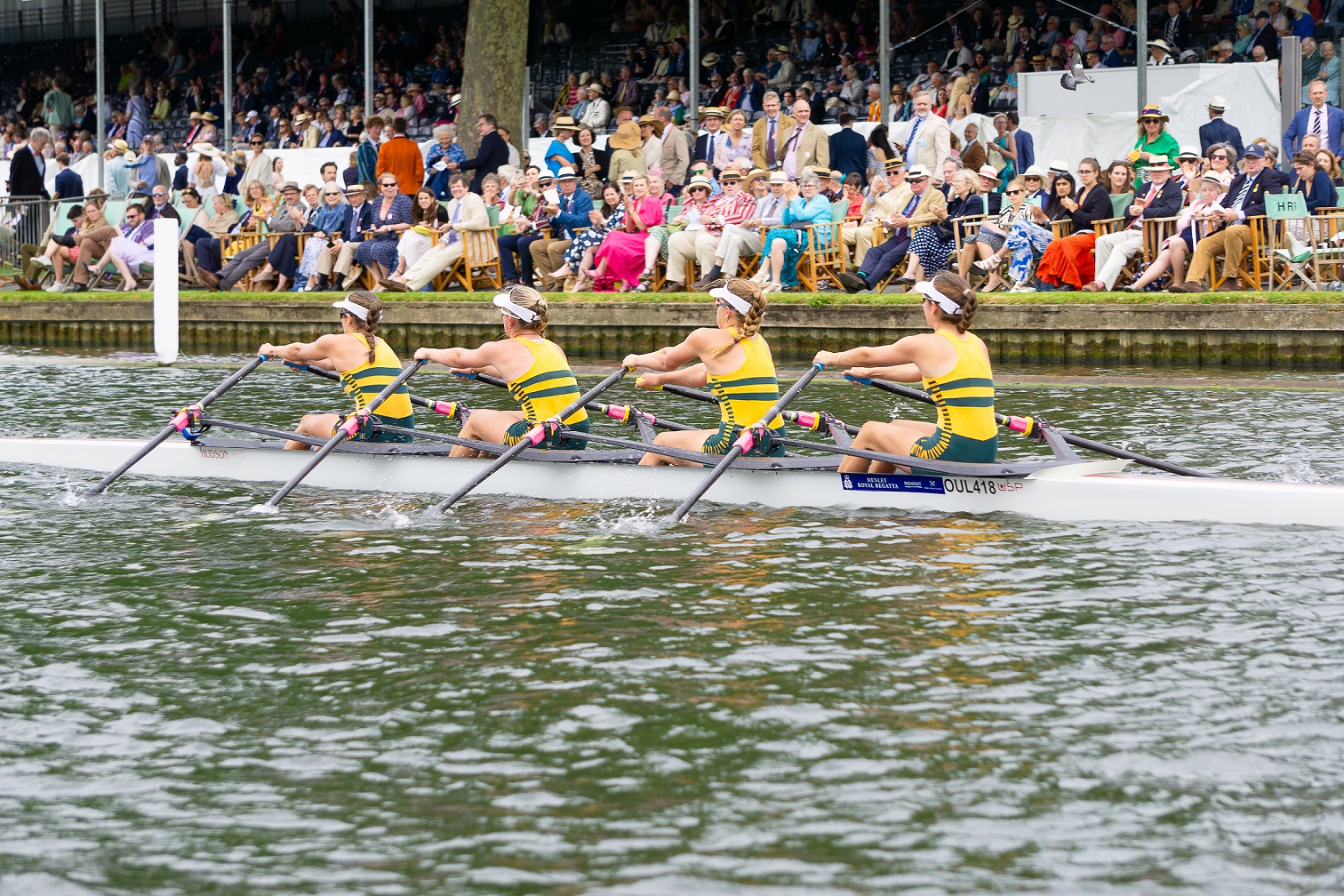
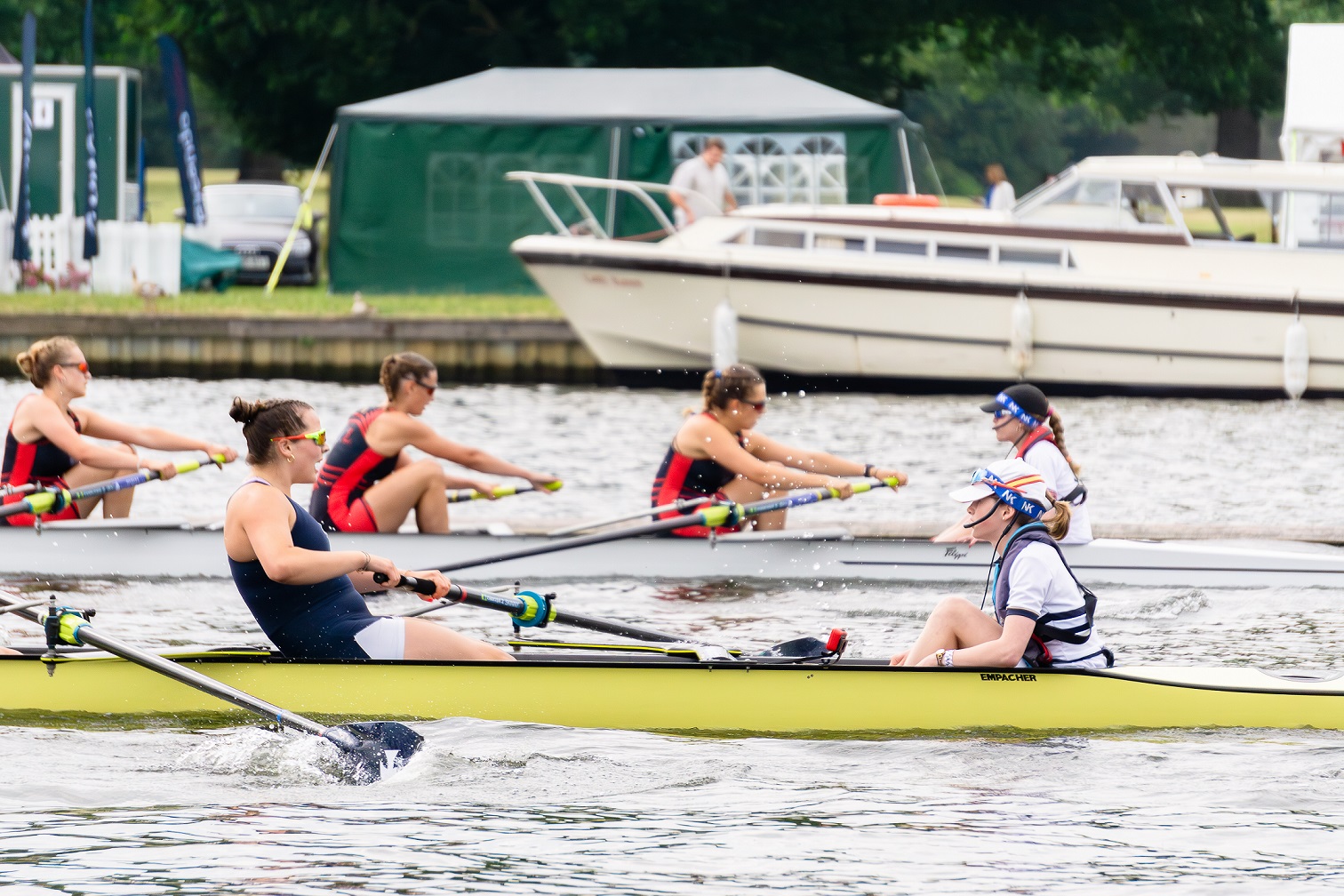
Junior men and women are now offered the opportunity to row in quads and eights. The Jubilee, which has been running for ten years, produced a fine crop of female crews, with the technical standard as good as the Fawley for junior men.
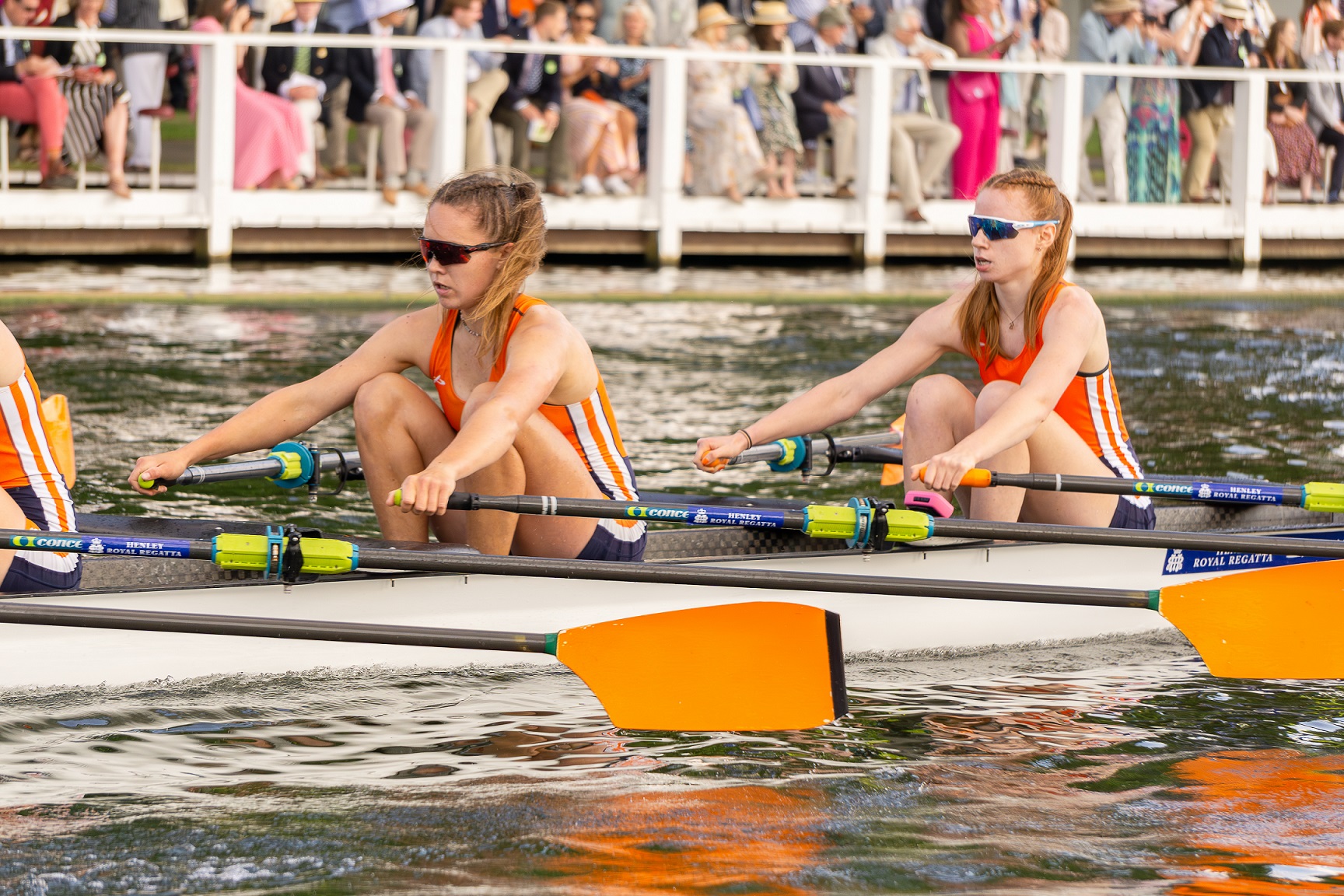
The junior eights have long been famed for producing great crews and great races. The Prince Philip Challenge Cup for junior women was only instituted in 2021, but the racing was very good, and attracted crews from the United States and Australia, as well as local crews. The result was an all-American final in which the Greenwich Crew beat Deerfield Academy by half a length.
Changes to the rules for the PE did not result in club crews inconveniencing the reign of the established rowing schools in the PE. This year’s competition saw a very popular St Edward’s School secure their first win since 1999. In the final, they were leading St Paul’s by a length at Remenham, when the boys from London lifted their rate with a spirited sprint over the last 600m. The eventual margin was half a length.
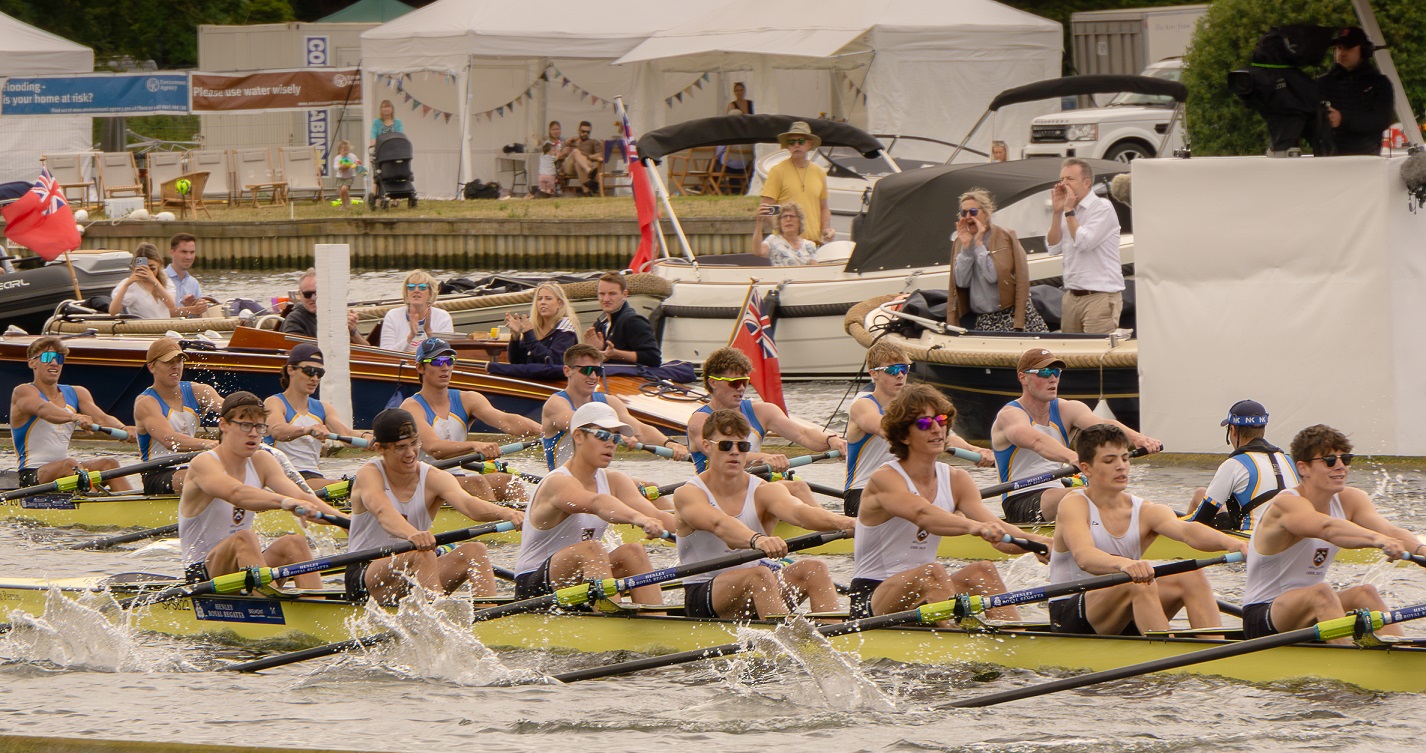
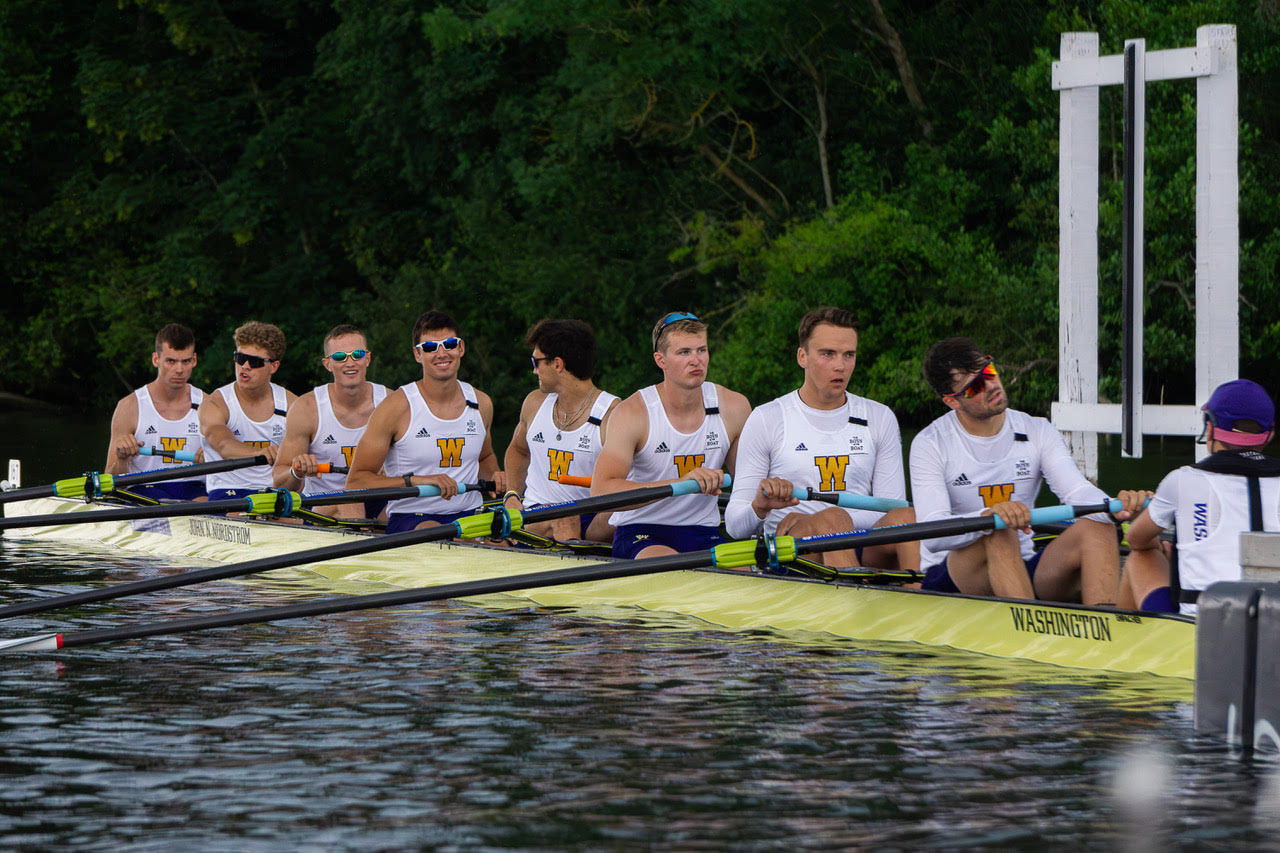
For some reason, which always eludes me, many spectators fail to venture below Remenham. I think this is a shame, especially in the early rounds of the regatta, when races are often decided earlier on the course. There is also a timeless stillness – but certainly not serenity – about the start.
Soon after, however, it is all action – flying spray and muscles straining as crews launch themselves towards the finish line 2,112m away.
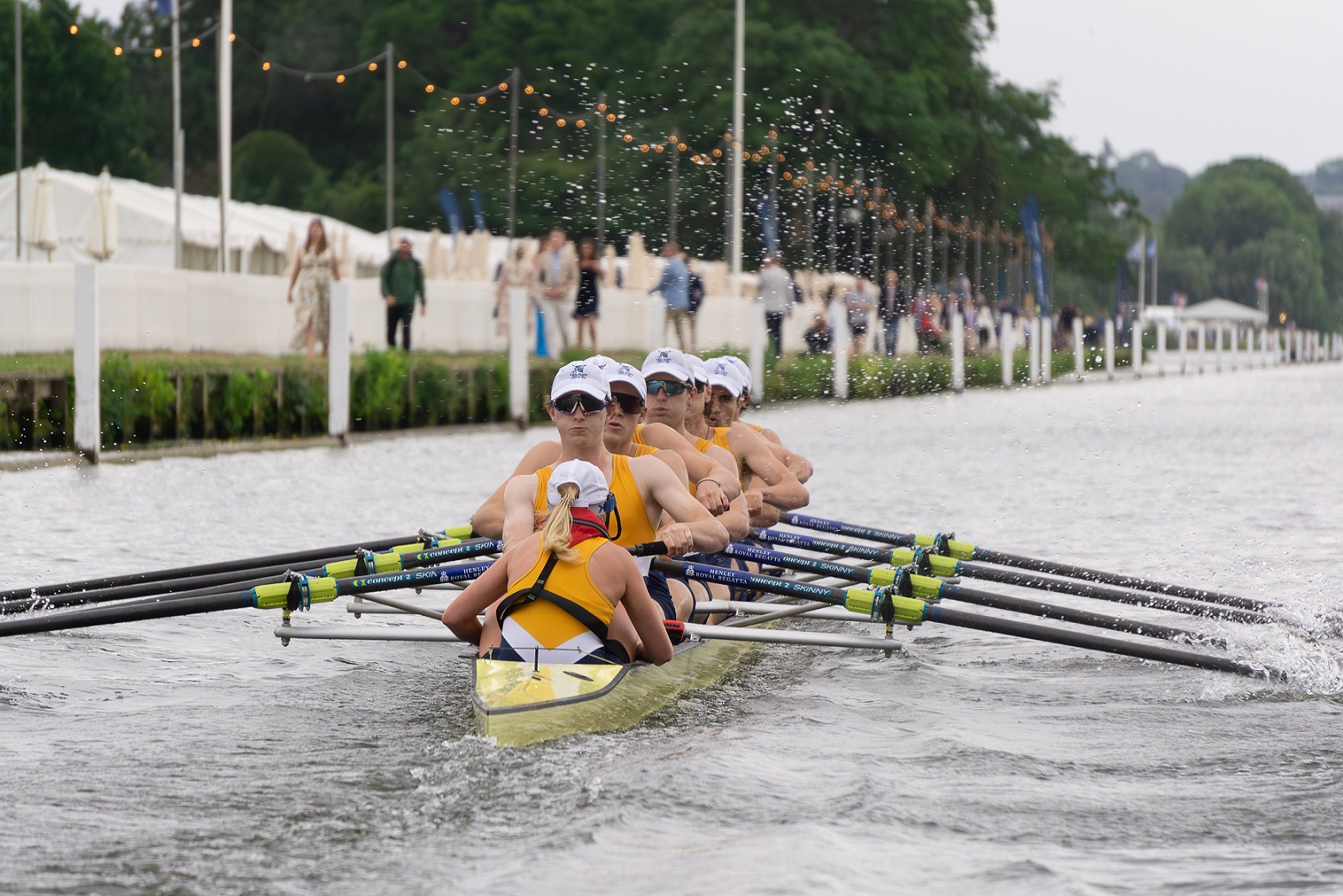
Club crews are the mainstay of much of the programme, which is part of what makes Henley special. It is one of the few places where club rowers and internationals can race side by side.

I’ll be writing much more about the Dutch crews in a few days, but they bring a quality and élan to Henley, and the regatta would be poorer without them.
As my colleague, Tim Koch, will cover the big name events separately, I shall refrain from straying into his water lest I get a warning from our otherwise charming editor.
The final word must go to the rowers themselves, and the ineffable spirit of racing.
The vast majority of crews will leave Henley Royal Regatta with a final loss, whether that is in the first round or the final. Despite the odds, I am yet to witness a losing Henley crew succumb to despair. Instead, they row with all their might until they reach the line, dreaming already that maybe next year they can be winners.
Meanwhile, for the winners, a lifetime of rowing dreams have just come true.

 Hear The Boat Sing
Excellent article. Sums up the spirit indeed.
“As my colleague, Tim Koch, will cover the big name events separately, I shall refrain from straying into his water lest I get a warning from our otherwise charming editor.”
Great piece, William, but do not worry about warnings, charming or otherwise, from Göran or me, Henley coverage in particular has infinite possibilities and many people can cover the same race without repetition.
I am now off to World Cup III in Lucerne and will post my pieces on this and on Henley on my return early next week.