

5 June 2023
By Tim Koch
In this Venice follow-up piece from Friday, Tim Koch wonders if a 240-year age difference really matters.
Although my recent visit to Venice was primarily to take part on the Vogalonga or “Long Row” around and through some of the islands in the Venetian Lagoon, I was also very keen to meet a woman that I had previously written about in my 2021 post, Venice: Standing Up for Women’s Rowing. This article was based on a 2015 paper by Professor Gigliola Gori of the University of Urbino titled Sporting Events Organised in Venice: Male Boating and the Amazing Case of Women’s Rowing Contests. I began:
The Republic of Venice existed from the late 7th century until the end of the 18th century. At times, its jurisdiction extended into Dalmatia, further into northern Italy and across many Mediterranean and Aegean islands, including Cyprus and Crete. For centuries, Venice dominated trade on the Mediterranean through skilful diplomacy and a mighty navy. Encouraging boat racing was one method of ensuring a supply of strong men skilled in aquatics. The earliest reference to a “modern” Venetian regatta is from 1441, but they existed long before then.
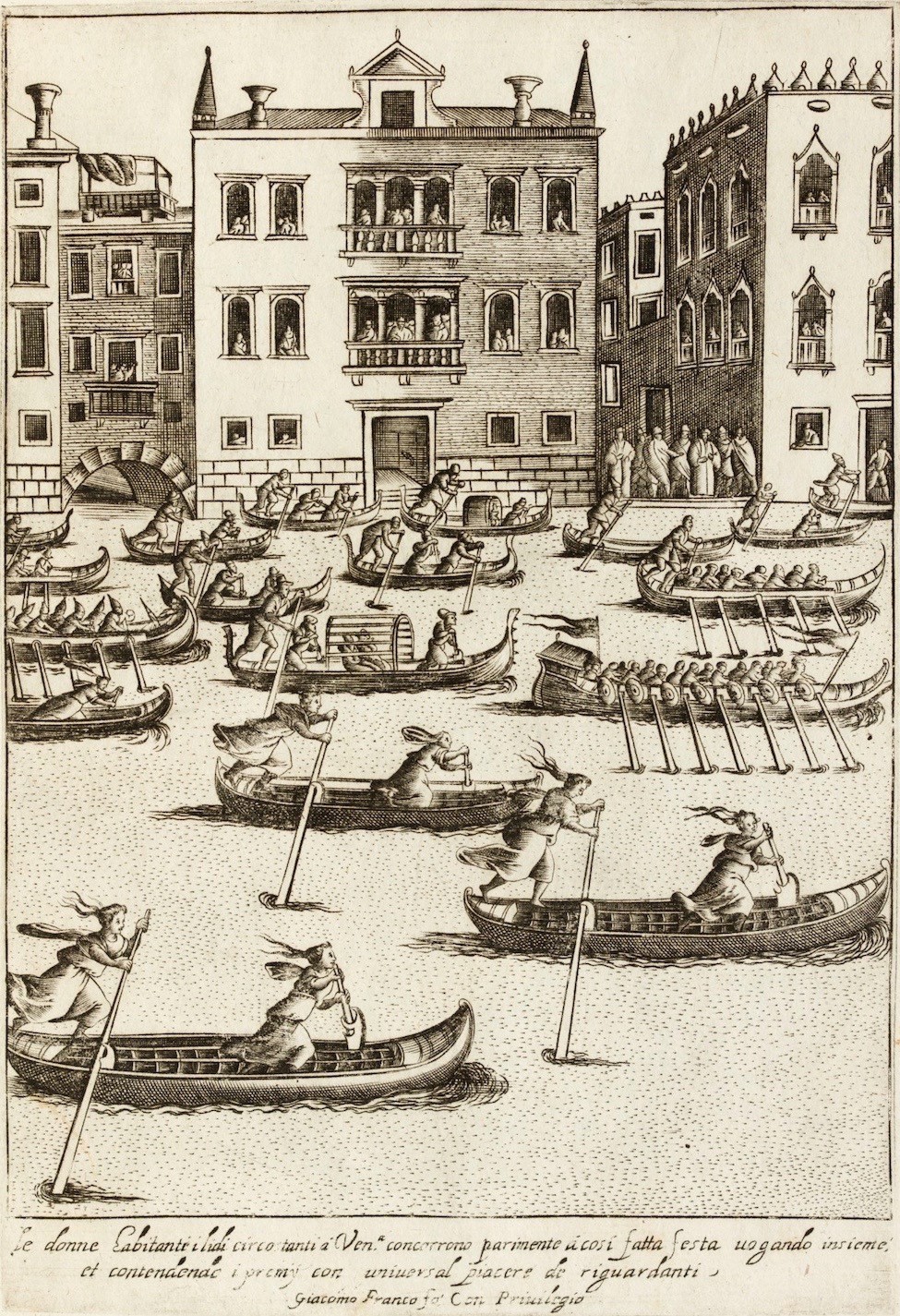
I then quoted Professor Gori:
It is not clear when women started to participate in boat races but Nicolo Zeno (fourteenth century) tells of a female regatta held in Venice which ran between the churches of San Antonio and San Geremia in 1064…
Although (1064) was probably a unique occurrence, there was a regatta exclusively for female teams that was held in 1493… The regatta marked the visit of several noblewomen to the city of Venice, and the event was meant to be a show of chivalrous recognition of the fair sex… Chroniclers report that the race was run by 12 four-oared boats, each consisting of a female crew.
The “race” was almost certainly a contest in name only since victory was awarded to the team composed of a mother, a sister-in-law and two daughters, mirroring exactly the make-up of the visiting aristocratic family.
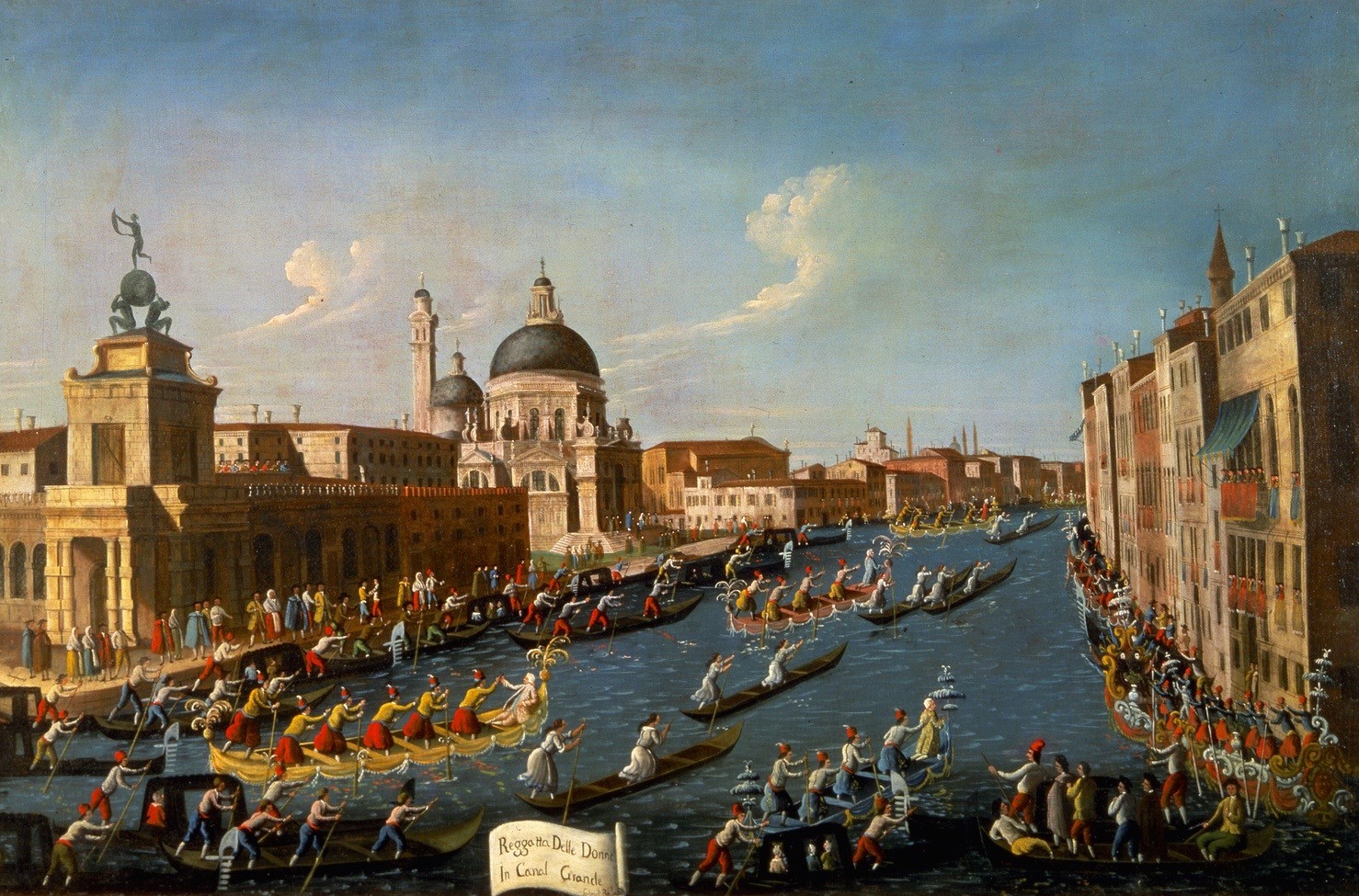
However, Gori holds that the 1493 race was the start of “frequent” female contests in regatta programmes and occasionally all-female regattas over the next 300 years. Just looking at the 16th century for examples, she gives brief details of some of the most notable women’s contests held in the years 1502, 1520, 1525, 1530, 1562, 1569 and 1574. It is probable, Gori says, that many female rowers have not been recorded because written sources are rare and those that do exist may fail to clarify the sex of those involved.
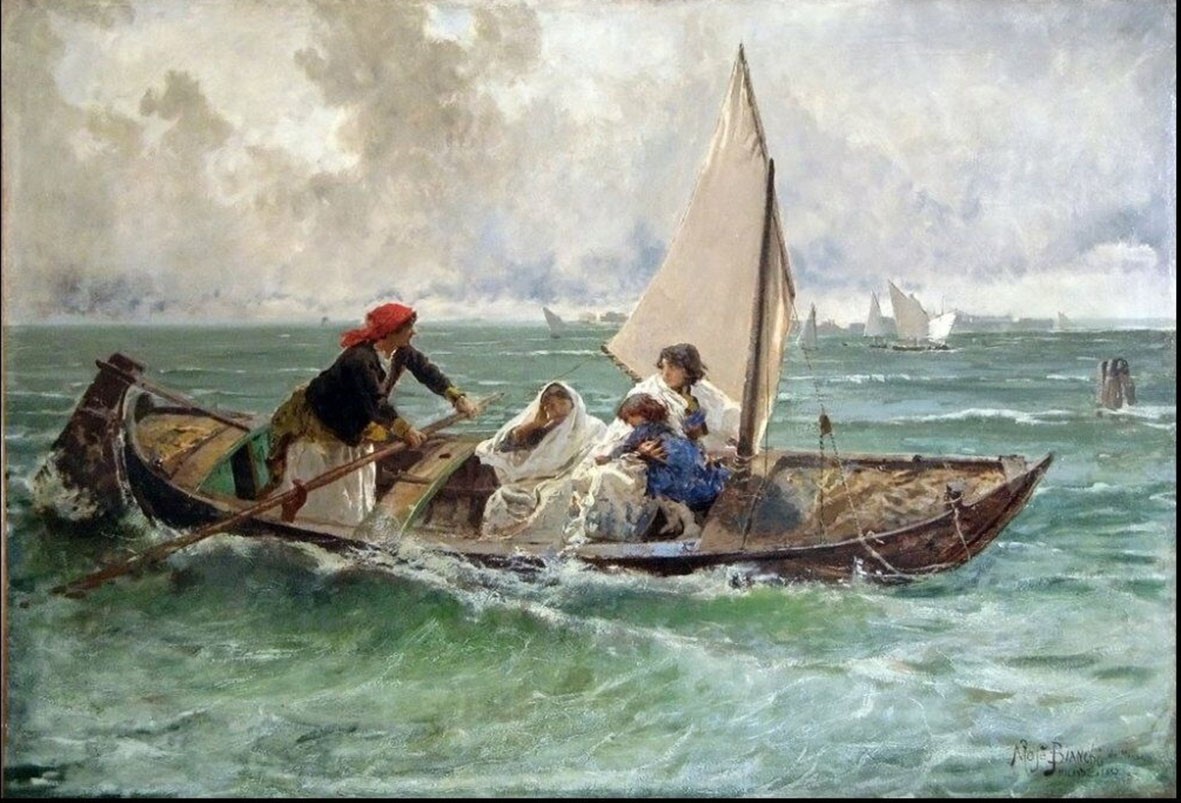
Apart from regattas, Gori can find no evidence of Venetian women participating in other sports and games. However, those who rowed for sport were in a special position as they had learned their skills through necessity:
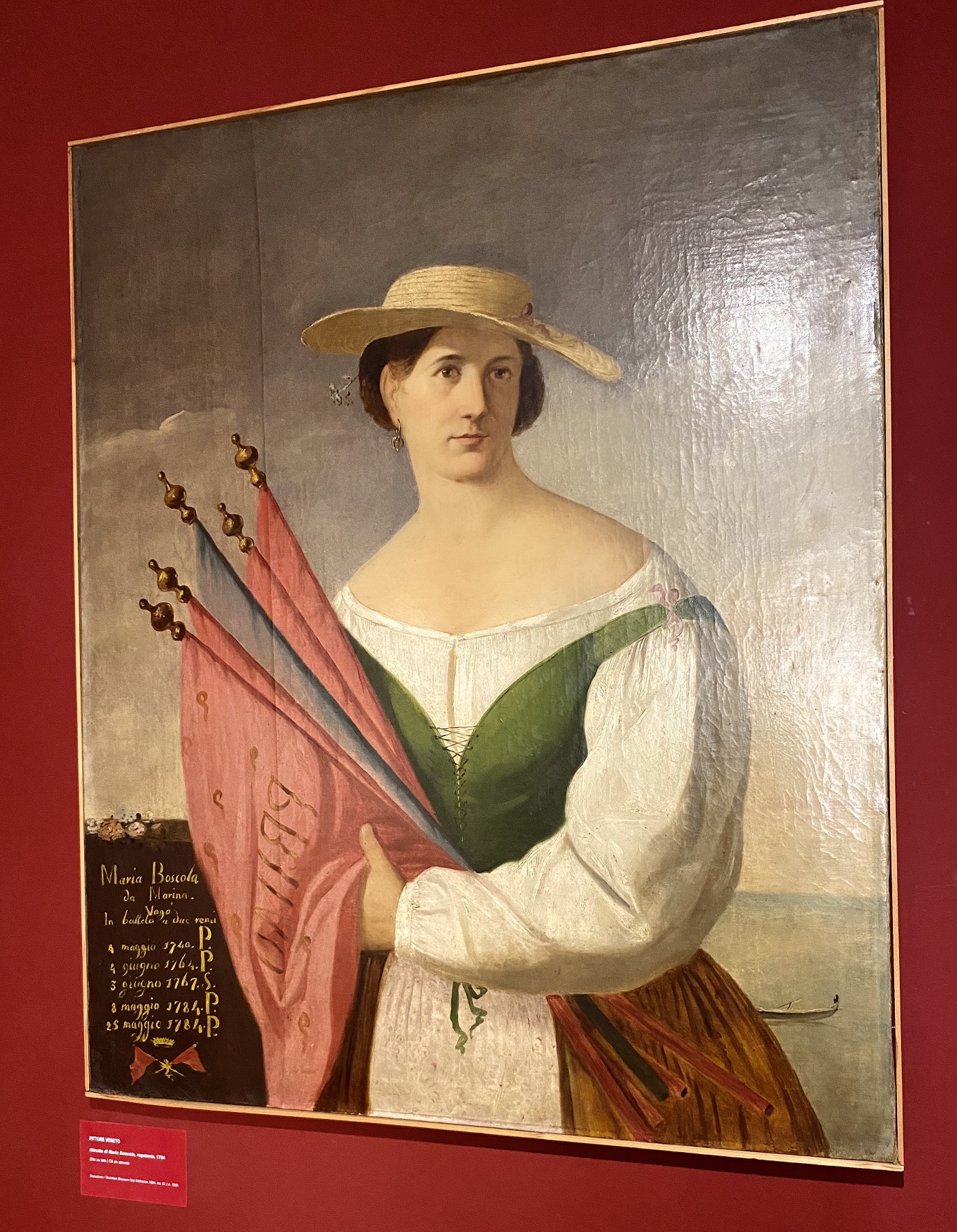
…Giovanni Grevembroch writes that the female rowers were poor people living on the outlying islands and villages near Venice. They were trained to row across the lagoon and along the canals by their husbands … (to) transport and sell food in the city… So it is not unlikely that they occasionally rowed on behalf of their favourite faction. Despite being very proud of their victories… these women were perhaps celebrated to ridiculous heights… they gained the people’s respect and a reputation that lasted for life. That was exactly the case of Maria Bosscolo who, although of humble origins, became a star and was portrayed in her portrait as if she were a true noblewoman.
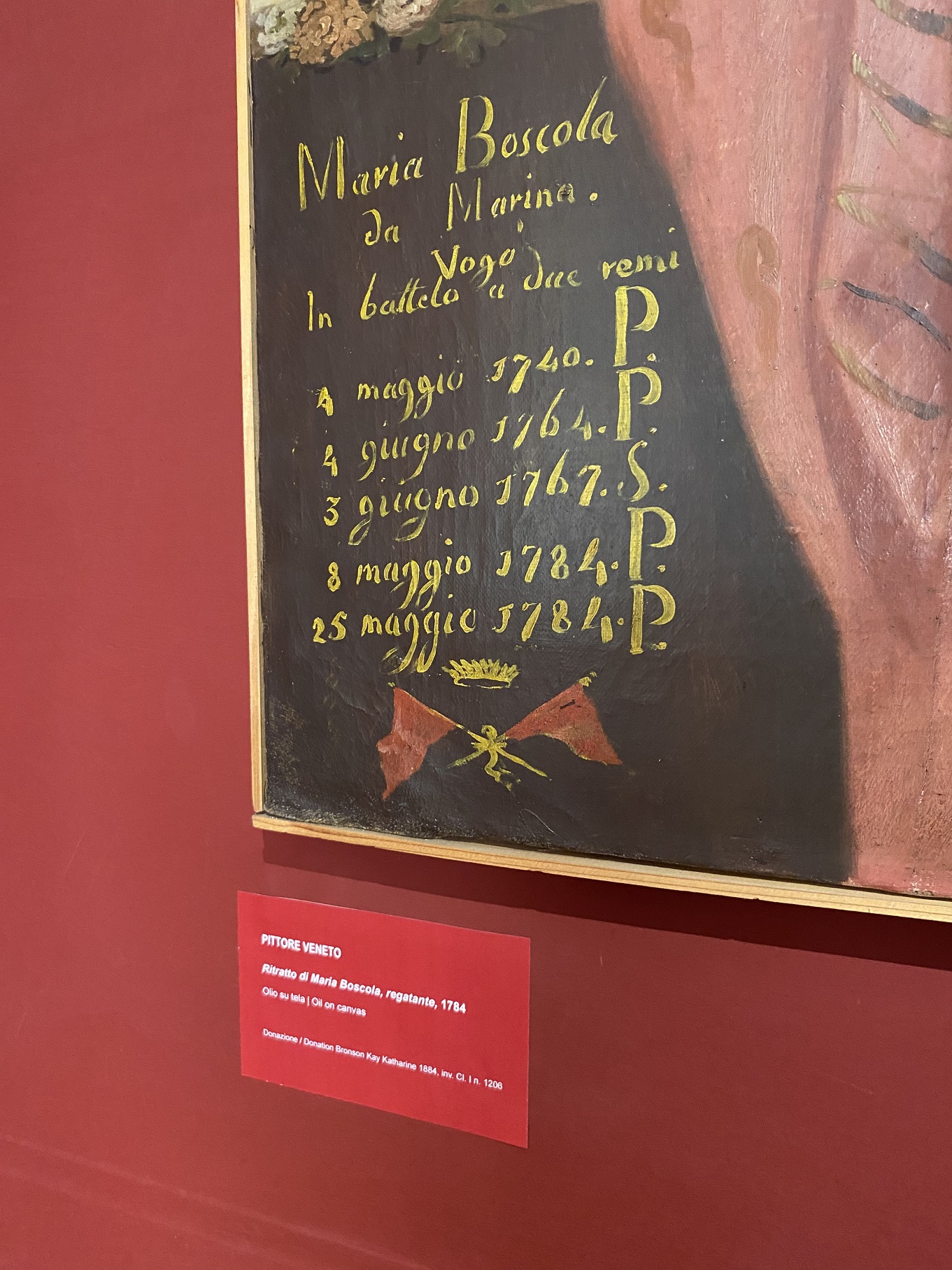
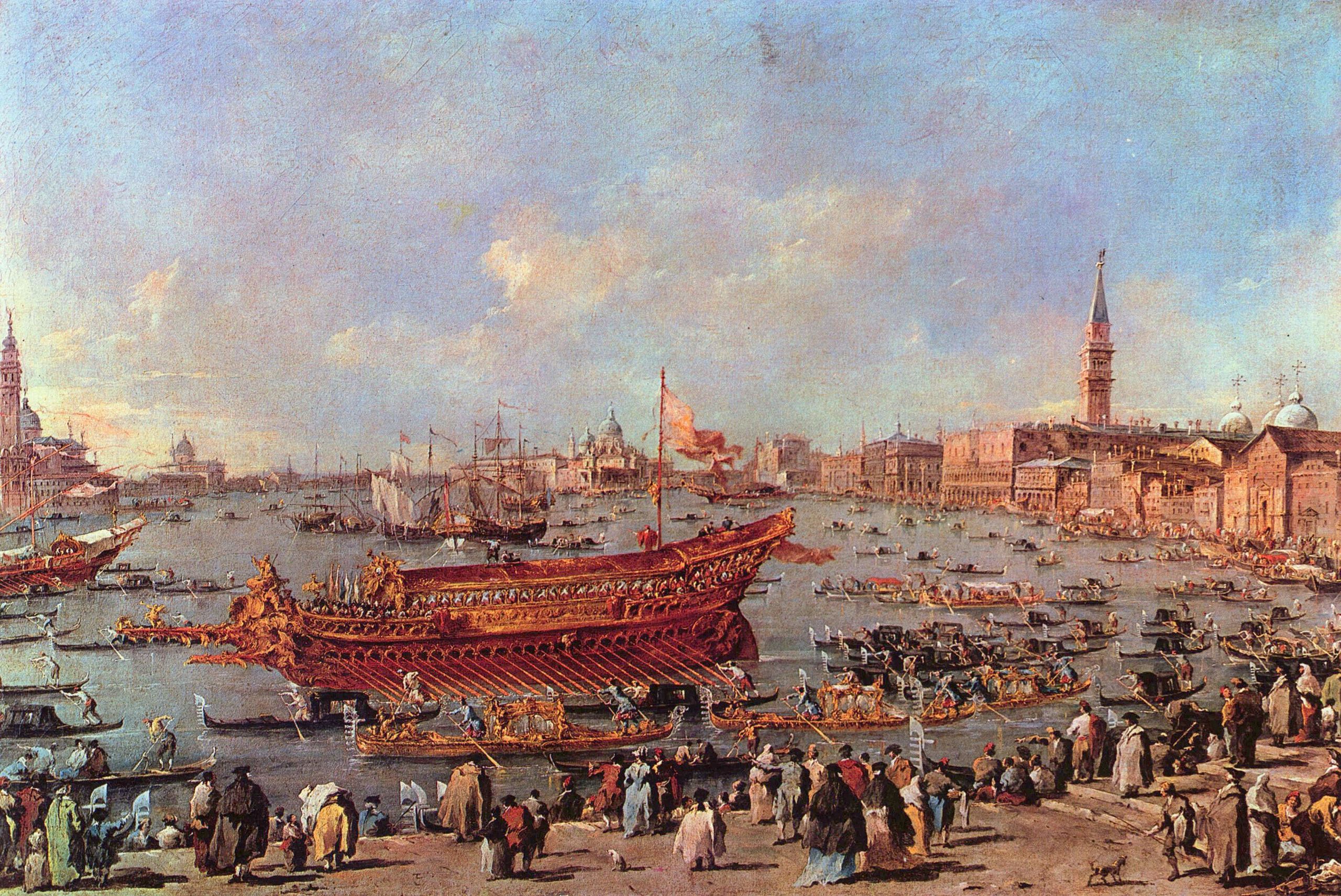
The Museo Correr extends along the south side of St Mark’s Square on the upper floors of the Procuratorie Nuove. With its rich and varied collections, the museum covers both the art and history of Venice – although it seems a little light on the city’s aquatic traditions for my taste. One notable exception to this was a splendid model of a Doge’s barge of 1728, The Bucintoro.
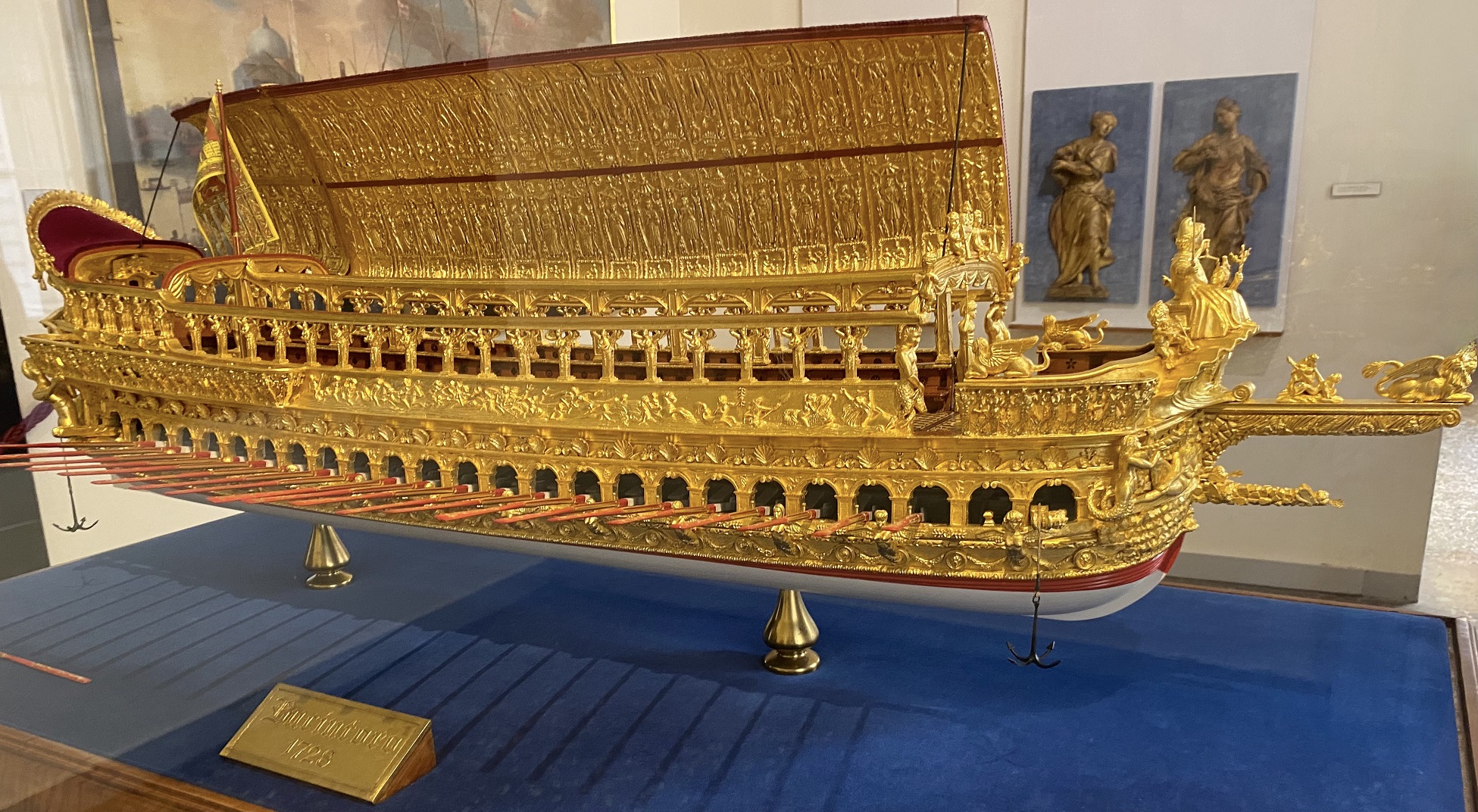
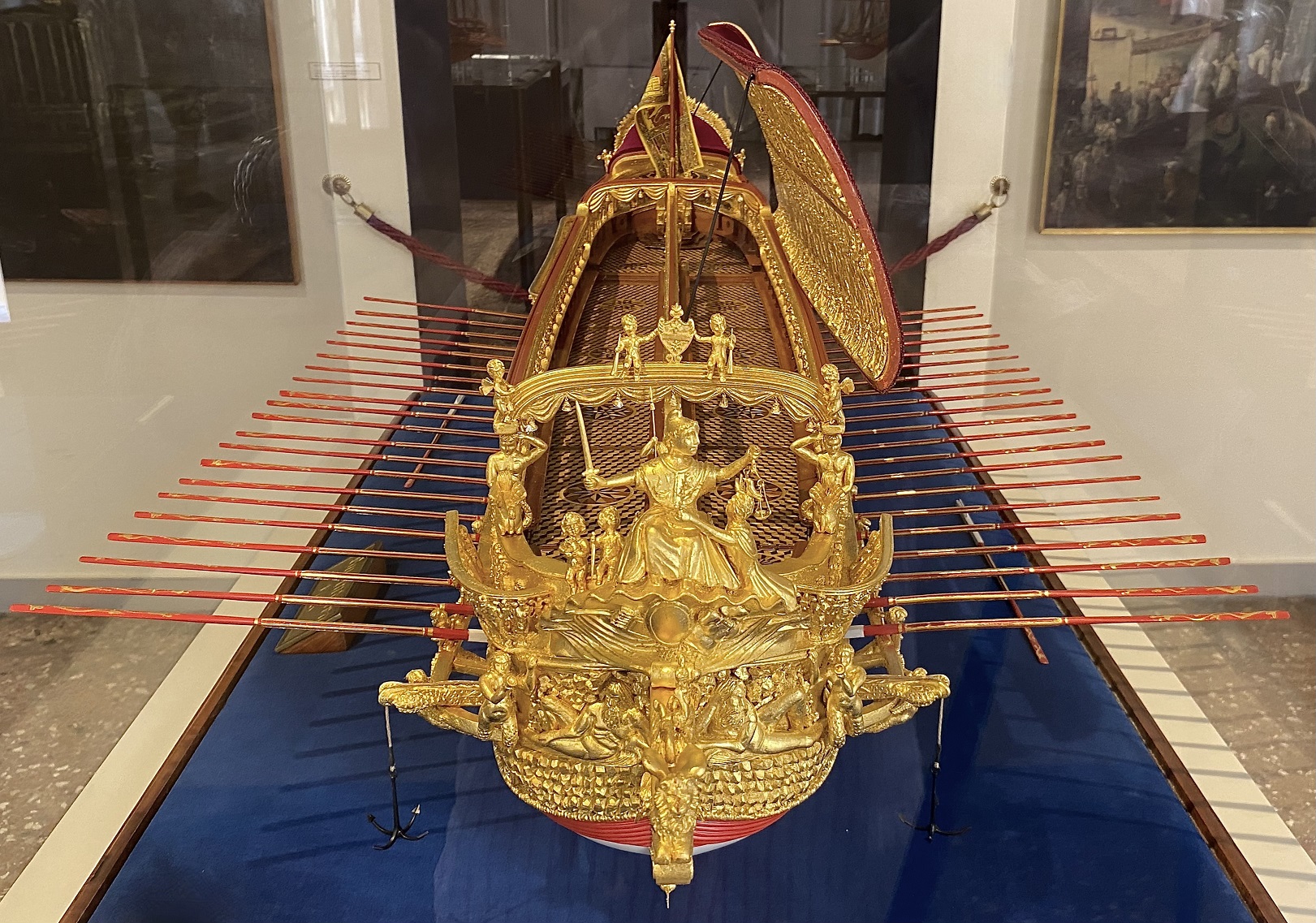
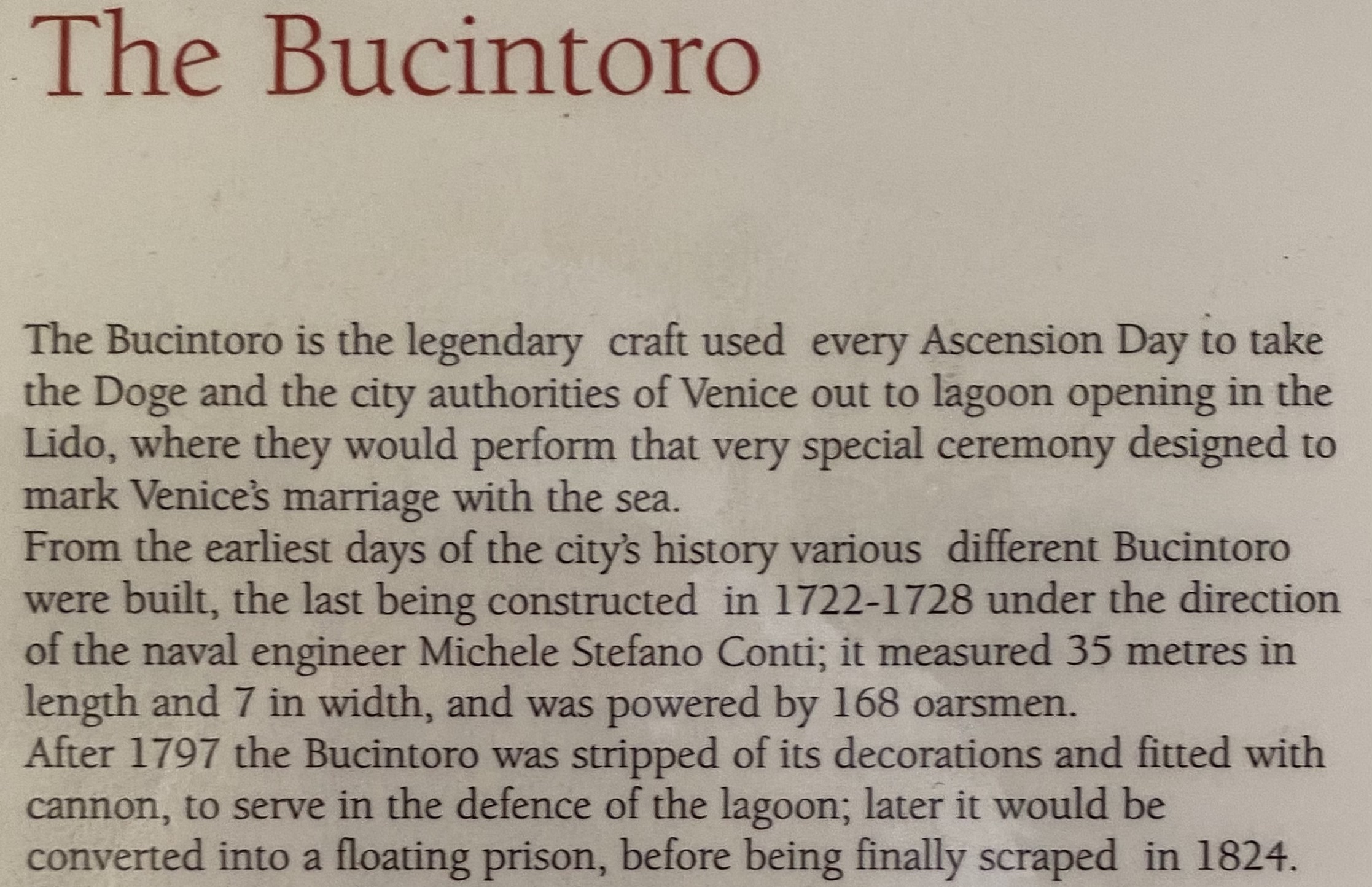
 Hear The Boat Sing
Crossing The Lagoon reminds me of a lifetime of trying to mix rowing and sailing in the same boat. I had a Peapod with a good sail and a sliding rig. Sailing canoes were less successful, and adding a rowing rig to a canoe did not work well. There are some shallow draft sailboats with lea boards that are too heavy to row, although they come with oars. At almost 85 I will just stick with a Peinert 26 without sails.